Wells Materials & OCTG · Australia (Perth)

Reassess Mobilisation, Inspection Readiness and Supplier Leverage contract

Published May 16, 2026, 6:08 AM AWSTAPACFull category signal
Ask AI
Is your pipeline ready for ILI?

In 60 seconds

Top move

Local heavy-plant hire providers with specialised pipe‑handling fleets are clearly capable of compressing mobilisation and onsite assembly windows; treat confirmed owned assets as a negotiation lever when scoring OCTG and delivery awards

Key takeaways

  • Local heavy-plant hire providers with specialised pipe‑handling fleets are clearly capable of compressing mobilisation and onsite assembly windows; treat confirmed owned assets as a negotiation lever when scoring OCTG and delivery awards.[4]
  • Inline inspection (ILI) failures are still an execution cost driver because inadequate cleaning or incorrect tool speeds force reruns; lock in cleaning acceptance criteria with inspectors before inspection mobilisation.[2]
  • Regulatory debate over direct market intervention and gas infrastructure tools is increasing perceived investment risk, which can prompt counterparties to seek shorter or more flexible contract terms rather than long tenors.[3]
  • New fusion machines that log joint records (DataLogger) make it practical to require machine‑recorded fusion evidence at handover, so expect RFQs to start referencing documented joint records as an acceptance gate.[1]
  • Combined, larger plant availability, enforceable ILI readiness gates, and machine‑recorded fusion evidence reduce rework and dispute risk when codified in RFQs and contract annexes — this is the practical procurement outcome to prioritise.[2]

What changed since last run

  • Added Pipe Tek ILI operational guidance emphasising cleaning/debris metrics as a precondition for inspection mobilisation rather than a later execution detail.
  • Identified Pipeline Plant Hire (PPH) as a national-scale plant‑hire option with specialised VacLift handling and a large attachment pool that can materially change mobilisation sequencing.
  • Captured a clear supply-side signal for documented fusion capability (McElroy Acrobat iSeries pre-orders) that lets buyers require machine‑level joint records in RFQs.

Key facts

  • National fleet with more than two hundred pieces of machinery
  • Reported attachment pool exceeding one thousand items
  • VacLift cycle times cited as much faster than manual assembly methods
  • ILI accuracy depends on effective cleaning and pigging prior to inspection
  • Large volumes of returned debris indicate a line is not ready
  • Tool accuracy requires operation within defined speed ranges

Why it matters

Local heavy-plant hire providers with specialised pipe‑handling fleets are clearly capable of compressing mobilisation and onsite assembly windows; treat confirmed owned assets as a negotiation lever when scoring OCTG and delivery awards. Inline inspection (ILI) failures are still an execution cost driver because inadequate cleaning or incorrect tool speeds force reruns; lock in cleaning acceptance criteria with inspectors before inspection mobilisation. Regulatory debate over direct market intervention and gas infrastructure tools is increasing perceived investment risk, which can prompt counterparties to seek shorter or more flexible contract terms rather than long tenors. New fusion machines that log joint records (DataLogger) make it practical to require machine‑recorded fusion evidence at handover, so expect RFQs to start referencing documented joint records as an acceptance gate

Cost / money

  • Local heavy plant can reduce long‑haul mobilisation but suppliers may nonetheless add premium short‑notice sequencing or mobilisation fees when chosen as the primary handler.[4]
  • If inspection readiness is not contractually enforced, failing ILI runs shift predictable cleaning work into costly re‑runs and unplanned contractor charges.[2]

Supplier / commercial

  • Suppliers that own specialised handlers and extensive attachments gain commercial leverage on timing and delivery sequencing and can shorten quote validity or demand staged deliveries.[4]
  • Vendors with fusion machines that produce DataLogger records can be favoured in RFQs because documented joints reduce acceptance friction and dispute exposure.[1]

Safety / operations

  • Mechanised pipe handlers reduce manual‑handling exposure by removing ground crew from lifts, but require certified operators and specified certified attachments to be listed in scope for safe execution.[4]
  • Poorly prepared lines for ILI increase the chance of reruns and additional excavation work, raising live‑system exposure; defining cleanliness acceptance mitigates this safety and schedule risk.[2]

What to watch

  • Watch for supplier bids that itemise charges for DataLogger exports, certified operator time, or extra documentation as 'pass‑through' line items during commercial negotiations.[1]
  • Watch whether large plant owners begin shortening quote validity or insisting on staged delivery windows—this behavior signals increased supplier leverage on last‑mile delivery sequencing.[4]

Top stories

Story 1The Australian PipelinerApr 27, 2026

Laying it on the line

Signal strongSource-grounded

What happened

Pipeline Plant Hire (PPH) is profiled with a national fleet of heavy plant and specialised attachments including VacLift systems that speed pipe assembly. The piece emphasises scale and cycle‑time advantages that make PPH a practical mobilisation partner for long pipeline and OCTG projects. Watch whether primes start relying on these fleets and then shorten quote validity or require staged deliveries

Buyer takeaway

Treat PPH's owned fleet as a practical mobilisation option and confirm assets in writing rather than assuming availability at award

Cost / money

Directional: local heavy plant reduces long‑haul cost exposure but can surface short‑notice sequencing premiums in bids

Supplier / commercial

Owners of specialised handlers can demand staged deliveries, shorter quote validity, or mobilisation fees

Safety / operations

Mechanised handling reduces manual‑lift exposure but requires contractor operator certification and specified certified attachments in scope

What to watch

Watch for shortened quote validity or itemised mobilisation fees once mobilisation suppliers are identified

Key facts

  • National fleet with more than two hundred pieces of machinery
  • Reported attachment pool exceeding one thousand items
  • VacLift cycle times cited as much faster than manual assembly methods

Source excerpts

Pipeline Plant Hire’s Director, Gerard O’Brien said vacuum pipe handling equipment creates distance between workers and the pipe itself, reducing the risk of injury and dramatically reducing the cycle time for each pipe movement. “VacLift achieves three times the output of other pipeline lifting methods, giving the operator complete control of the pipe’s movement,” he said
Pipeline Plant Hire machinery is designed to be simple, serviceable, and robust
The machines have a cycle time under 40 seconds per pipe length, whereas conventional methods take 5–10 minutes
Story 2The Australian PipelinerApr 27, 2026

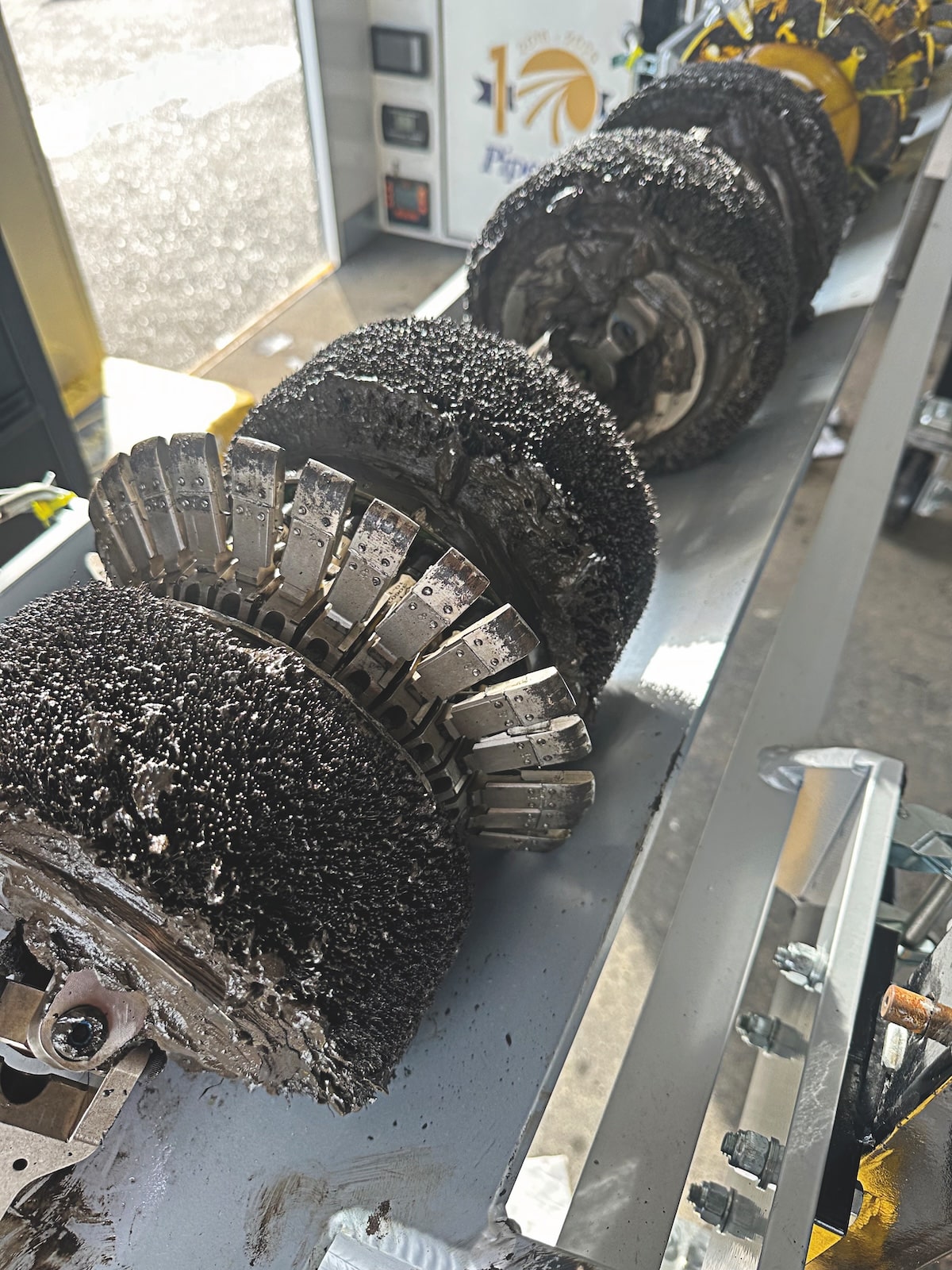
Is your pipeline ready for ILI?

Signal strongSource-grounded

What happened

Pipe Tek warns that successful ILI depends on pre‑inspection cleaning and proper run‑speeds; large debris returns or improper speeds lead to unreliable data and costly reruns. The operational point is clear: inspection success is decided before the tool enters the pipeline, so cleaning acceptance and debris metrics should be agreed in contracts. Watch for buyers starting to require defined cleanliness thresholds and sample debris reporting from contractors

Buyer takeaway

Make cleaning and debris acceptance prerequisites for inspection mobilisation to avoid reruns and extra cost

Cost / money

Failing to lock in cleaning acceptance shifts cost into rerun inspections and contractor time; specify metrics to control this

Supplier / commercial

Inspection contractors can charge for additional cleaning if scope is underspecified; consider bundling cleaning with delivery contracts

Safety / operations

Reruns increase excavation and live‑system work; acceptance gates reduce repeat interventions and exposure

What to watch

Watch for weak RFQ language that leaves cleanliness and debris reporting undefined; that commonly becomes a dispute source

Key facts

  • ILI accuracy depends on effective cleaning and pigging prior to inspection
  • Large volumes of returned debris indicate a line is not ready
  • Tool accuracy requires operation within defined speed ranges

Source excerpts

“If cleaning pigs can’t travel smoothly, an ILI tool is unlikely to perform optimally,” said Brannelly. “Consistent speed during preparation runs is one of the strongest indicators of inspection readiness
While the access to Enduro’s ILI systems and experience gives Pipe Tek an edge, Brannelly said that the success of any inspection program is determined before the tool enters a pipeline, starting with thorough cleaning and preparation. One of the most obvious indicators that a pipeline isn’t ready for ILI is the volume of debris returned during pigging runs
If large amounts of wax, scale, sediment or compressible debris continue to come out with each pass, the line is still far from clean
Story 3The Australian PipelinerApr 27, 2026

The regulatory avalanche

Signal moderateDirectional

What happened

Industry commentary flags regulatory proposals that could let AEMO intervene in gas infrastructure, raising perceived investment risk and prompting parties to seek more flexible contract terms. The practical implication is a higher risk premium and reduced appetite for long, fixed foundation contracts while consultations continue. Watch whether counterparties delay signing long‑term commitments pending policy clarity

Buyer takeaway

Expect counterparties to seek term flexibility or higher premiums while regulatory outcomes remain unresolved

Cost / money

Directional: elevated regulatory risk typically shows up as higher risk premiums or requests for shorter commitment windows in bids

Supplier / commercial

Sellers may add de‑risking clauses or price‑review triggers tied to policy changes

Safety / operations

Not directly operational, but shifting investment timelines can affect maintenance and planned capacity projects

What to watch

Watch for counterparties delaying signatures on long‑term contracts or proposing alternative risk‑sharing clauses

Key facts

  • Regulatory proposals could increase perceived investment risk and cost of capital
  • Industry feedback indicates possible reluctance to commit to long‑term foundation contracts
  • Policy consultations remain active and could change contracting dynamics

Source excerpts

First, shippers may delay or weaken foundation contracts in anticipation of AEMO support that could enhance their commercial position. Why commit to a 15-year foundation contract when AEMO backing might deliver larger infrastructure with lower unit costs, or shorter contract terms with reduced demand risk?
Why commit to a 15-year foundation contract when AEMO backing might deliver larger infrastructure with lower unit costs, or shorter contract terms with reduced demand risk?
The result is predictable: higher risk premiums, increased cost of capital, and reduced appetite for investment
Story 4The Australian PipelinerMay 11, 2026

Pre-orders now open for Acrobat iSeries

Signal moderateSource-grounded

What happened

McElroy has opened pre‑orders for the Acrobat iSeries fusion machine that integrates guidance and DataLogger technology to capture machine‑level documented fusion records. Operationally, this allows contractors to produce time‑stamped joint records that buyers can use as acceptance evidence at handover. Watch whether RFQs begin to mandate DataLogger exports and whether suppliers charge for those exports as pass‑throughs

Buyer takeaway

Specify DataLogger evidence in RFQs to shorten dispute windows and speed acceptance

Cost / money

Directional: requiring machine‑recorded evidence reduces rework risk but may narrow the supplier field to those with compatible kit

Supplier / commercial

Suppliers with DataLogger capability can command preference on acceptance speed and lower inspection burden

Safety / operations

Digital records support QA and reduce human error in fusion execution

What to watch

Watch for supplier bids that add charges for DataLogger export or certified operator time as pass‑throughs

Key facts

  • Acrobat iSeries supports a range of pipe sizes and includes integrated DataLogger capability
  • Integrated software guides fusion steps and generates documented joint records
  • Pre‑order status indicates upcoming availability for contractors

Source excerpts

Software-assisted analysis of every joint gives operators and inspectors real-time visual confirmation that each fusion is within industry standards. DataLogger records can be synced with the McElroy Vault™ for storage, sharing, and further inspection
DataLogger records can be synced with the McElroy Vault™ for storage, sharing, and further inspection
At the same time, the machine provides an added layer of quality control thanks to joint integrity and documentation features of the iSeries line

VP Snapshot

Executive Risk & Action View

Local heavy-plant hire providers with specialised pipe‑handling fleets are clearly capable of compressing mobilisation and onsite assembly windows; treat confirmed owned assets as a negotiation lever when scoring OCTG and delivery awards.

Overall
57
Cost
61
Supply
43
Schedule
74
Compliance
15

Top signals

30-180dcost

Signal 1: Cost / money

Local heavy plant can reduce long‑haul mobilisation but suppliers may nonetheless add premium short‑notice sequencing or mobilisation fees when chosen as the primary handler.

Signal 2: Cost / money

If inspection readiness is not contractually enforced, failing ILI runs shift predictable cleaning work into costly re‑runs and unplanned contractor charges.

30-180dschedule

Signal 3: Supplier / commercial

Suppliers that own specialised handlers and extensive attachments gain commercial leverage on timing and delivery sequencing and can shorten quote validity or demand staged deliveries.

Signal 6: Safety / operations

Poorly prepared lines for ILI increase the chance of reruns and additional excavation work, raising live‑system exposure; defining cleanliness acceptance mitigates this safety and schedule risk.

30-180dcommercial

Signal 4: Supplier / commercial

Vendors with fusion machines that produce DataLogger records can be favoured in RFQs because documented joints reduce acceptance friction and dispute exposure.

30-180dsupply

Signal 5: Safety / operations

Mechanised pipe handlers reduce manual‑handling exposure by removing ground crew from lifts, but require certified operators and specified certified attachments to be listed in scope for safe execution.

Recommended actions

CategoryDue 3d

Ask shortlisted heavy‑plant contractors to confirm owned equipment lists, certified operator rosters, and typical mobilisation windows in writing.

Supplier register updated with owned assets, operator certification, and mobilisation constraints to use in award evaluation

OpsDue 3d

Request current inspection and cleaning contractors to provide their pigging/cleaning acceptance criteria and a sample debris‑report format.

Operational ILI readiness checklist and debris reporting template to attach to contracts

ContractsDue 21d

Update RFQ and tender templates to mandate documented fusion records (DataLogger exports) and to include explicit cleaning/ILI acceptance gates in the technical annex.

RFQs contain scored requirements for DataLogger evidence and ILI readiness, reducing post‑award documentation disputes

OpsDue 21d

Map mobilisation routes, yard capacity and escort requirements with Ops and shortlisted plant owners to identify likely staging constraints before contract awards.

Mobilisation route and yard constraints register to inform delivery sequencing clauses in contracts

ContractsDue 60d

Work with Contracts to add clause language that caps pass‑throughs for documentation exports and specifies acceptance gates for ILI readiness and fusion records.

Revised standard terms that limit unexpected pass‑throughs and clarify commissioning and inspection acceptance criteria

CategoryDue 60d

Pilot award a package to a supplier demonstrating owned specialised handlers plus DataLogger fusion capability to validate whether integrated capability reduces handover friction.

Pilot data on handover time, inspection reruns, and mobilisation costs to inform framework awards

Risk register

RiskTriggerMitigation
Watch for supplier bids that itemise charges for DataLogger exports, certified operator time, or extra documentation as 'pass‑through' line items during commercial negotiations.Watch for supplier bids that itemise charges for DataLogger exports, certified operator time, or extra documentation as 'pass‑through' line items during commercial negotiations.Confirm exposure with category, contracts, and operations before the next supplier commitment.
Watch whether large plant owners begin shortening quote validity or insisting on staged delivery windows—this behavior signals increased supplier leverage on last‑mile delivery sequencing.Watch whether large plant owners begin shortening quote validity or insisting on staged delivery windows—this behavior signals increased supplier leverage on last‑mile delivery sequencing.Confirm exposure with category, contracts, and operations before the next supplier commitment.

CM Snapshot

Category Manager Decision Detail

Today's priorities

Ask shortlisted heavy‑plant contractors to confirm owned equipment lists, certified operator rosters, and typical mobilisation windows in writing.

because converting assumed fleet capacity into documented commitments creates a contractual lever during award scoring and reduces exposure to last‑minute premium claims.

Due 3d

high

CM move

Use this as the immediate supplier or contract action to move before the next sourcing gate.

Request current inspection and cleaning contractors to provide their pigging/cleaning acceptance criteria and a sample debris‑report format.

because inspection reliability is decided before the ILI tool enters the line and having measurable acceptance gates reduces the chance of reruns and unplanned cost.

Due 3d

high

CM move

Use this as the immediate supplier or contract action to move before the next sourcing gate.

Update RFQ and tender templates to mandate documented fusion records (DataLogger exports) and to include explicit cleaning/ILI acceptance gates in the technical annex.

because machine‑level joint records and defined cleanliness thresholds reduce handover disputes and limit scope creep on commissioning and inspection costs.

Due 21d

high

CM move

Use this as the immediate supplier or contract action to move before the next sourcing gate.

Map mobilisation routes, yard capacity and escort requirements with Ops and shortlisted plant owners to identify likely staging constraints before contract awards.

because knowing heavy‑haul constraints ahead of award enables negotiating fixed mobilisation terms or sequence responsibilities instead of paying ad‑hoc premiums.

Due 21d

high

CM move

Use this as the immediate supplier or contract action to move before the next sourcing gate.

Supplier radar

The Australian Pipeliner

high

Observed supplier signal

Suppliers that own specialised handlers and extensive attachments gain commercial leverage on timing and delivery sequencing and can shorten quote validity or demand staged deliveries.

Commercial implication

Suppliers that own specialised handlers and extensive attachments gain commercial leverage on timing and delivery sequencing and can shorten quote validity or demand staged deliveries.

Next step: Validate the source-backed signal with incumbents and alternates before the next award or pricing decision.

The Australian Pipeliner

high

Observed supplier signal

Vendors with fusion machines that produce DataLogger records can be favoured in RFQs because documented joints reduce acceptance friction and dispute exposure.

Commercial implication

Vendors with fusion machines that produce DataLogger records can be favoured in RFQs because documented joints reduce acceptance friction and dispute exposure.

Next step: Validate the source-backed signal with incumbents and alternates before the next award or pricing decision.

Negotiation levers

Ask shortlisted heavy‑plant contractors to confirm owned equipment lists, certified operator rosters, and typical mobilisation windows in writing.

When to use: because converting assumed fleet capacity into documented commitments creates a contractual lever during award scoring and reduces exposure to last‑minute premium claims.

Expected outcome: Supplier register updated with owned assets, operator certification, and mobilisation constraints to use in award evaluation

Commercial mechanism to carry into the next supplier conversation

Request current inspection and cleaning contractors to provide their pigging/cleaning acceptance criteria and a sample debris‑report format.

When to use: because inspection reliability is decided before the ILI tool enters the line and having measurable acceptance gates reduces the chance of reruns and unplanned cost.

Expected outcome: Operational ILI readiness checklist and debris reporting template to attach to contracts

Commercial mechanism to carry into the next supplier conversation

Update RFQ and tender templates to mandate documented fusion records (DataLogger exports) and to include explicit cleaning/ILI acceptance gates in the technical annex.

When to use: because machine‑level joint records and defined cleanliness thresholds reduce handover disputes and limit scope creep on commissioning and inspection costs.

Expected outcome: RFQs contain scored requirements for DataLogger evidence and ILI readiness, reducing post‑award documentation disputes

Commercial mechanism to carry into the next supplier conversation

Map mobilisation routes, yard capacity and escort requirements with Ops and shortlisted plant owners to identify likely staging constraints before contract awards.

When to use: because knowing heavy‑haul constraints ahead of award enables negotiating fixed mobilisation terms or sequence responsibilities instead of paying ad‑hoc premiums.

Expected outcome: Mobilisation route and yard constraints register to inform delivery sequencing clauses in contracts

Commercial mechanism to carry into the next supplier conversation

Talking points

Local heavy-plant hire providers with specialised pipe‑handling fleets are clearly capable of compressing mobilisation and onsite assembly windows; treat confirmed owned assets as a negotiation lever when scoring OCTG and delivery awards.
Inline inspection (ILI) failures are still an execution cost driver because inadequate cleaning or incorrect tool speeds force reruns; lock in cleaning acceptance criteria with inspectors before inspection mobilisation.
Regulatory debate over direct market intervention and gas infrastructure tools is increasing perceived investment risk, which can prompt counterparties to seek shorter or more flexible contract terms rather than long tenors.
New fusion machines that log joint records (DataLogger) make it practical to require machine‑recorded fusion evidence at handover, so expect RFQs to start referencing documented joint records as an acceptance gate.

Supplier radar

SupplierSignalImplicationNext stepConfidence
The Australian PipelinerSuppliers that own specialised handlers and extensive attachments gain commercial leverage on timing and delivery sequencing and can shorten quote validity or demand staged deliveries.Suppliers that own specialised handlers and extensive attachments gain commercial leverage on timing and delivery sequencing and can shorten quote validity or demand staged deliveries.Validate the source-backed signal with incumbents and alternates before the next award or pricing decision.high
The Australian PipelinerVendors with fusion machines that produce DataLogger records can be favoured in RFQs because documented joints reduce acceptance friction and dispute exposure.Vendors with fusion machines that produce DataLogger records can be favoured in RFQs because documented joints reduce acceptance friction and dispute exposure.Validate the source-backed signal with incumbents and alternates before the next award or pricing decision.high

Negotiation levers

  • Ask shortlisted heavy‑plant contractors to confirm owned equipment lists, certified operator rosters, and typical mobilisation windows in writing.because converting assumed fleet capacity into documented commitments creates a contractual lever during award scoring and reduces exposure to last‑minute premium claims.Supplier register updated with owned assets, operator certification, and mobilisation constraints to use in award evaluation

    high confidence

  • Request current inspection and cleaning contractors to provide their pigging/cleaning acceptance criteria and a sample debris‑report format.because inspection reliability is decided before the ILI tool enters the line and having measurable acceptance gates reduces the chance of reruns and unplanned cost.Operational ILI readiness checklist and debris reporting template to attach to contracts

    high confidence

  • Update RFQ and tender templates to mandate documented fusion records (DataLogger exports) and to include explicit cleaning/ILI acceptance gates in the technical annex.because machine‑level joint records and defined cleanliness thresholds reduce handover disputes and limit scope creep on commissioning and inspection costs.RFQs contain scored requirements for DataLogger evidence and ILI readiness, reducing post‑award documentation disputes

    high confidence

  • Map mobilisation routes, yard capacity and escort requirements with Ops and shortlisted plant owners to identify likely staging constraints before contract awards.because knowing heavy‑haul constraints ahead of award enables negotiating fixed mobilisation terms or sequence responsibilities instead of paying ad‑hoc premiums.Mobilisation route and yard constraints register to inform delivery sequencing clauses in contracts

    high confidence

What to do / What to watch

What to do now

  • Ask shortlisted heavy‑plant contractors to confirm owned equipment lists, certified operator rosters, and typical mobilisation windows in writing.

    Why: because converting assumed fleet capacity into documented commitments creates a contractual lever during award scoring and reduces exposure to last‑minute premium claims.

    Owner: Category

    Expected outcome: Supplier register updated with owned assets, operator certification, and mobilisation constraints to use in award evaluation

    [4]
  • Request current inspection and cleaning contractors to provide their pigging/cleaning acceptance criteria and a sample debris‑report format.

    Why: because inspection reliability is decided before the ILI tool enters the line and having measurable acceptance gates reduces the chance of reruns and unplanned cost.

    Owner: Ops

    Expected outcome: Operational ILI readiness checklist and debris reporting template to attach to contracts

    [2]

Next few weeks

  • Update RFQ and tender templates to mandate documented fusion records (DataLogger exports) and to include explicit cleaning/ILI acceptance gates in the technical annex.

    Why: because machine‑level joint records and defined cleanliness thresholds reduce handover disputes and limit scope creep on commissioning and inspection costs.

    Owner: Contracts

    Expected outcome: RFQs contain scored requirements for DataLogger evidence and ILI readiness, reducing post‑award documentation disputes

    [1]
  • Map mobilisation routes, yard capacity and escort requirements with Ops and shortlisted plant owners to identify likely staging constraints before contract awards.

    Why: because knowing heavy‑haul constraints ahead of award enables negotiating fixed mobilisation terms or sequence responsibilities instead of paying ad‑hoc premiums.

    Owner: Ops

    Expected outcome: Mobilisation route and yard constraints register to inform delivery sequencing clauses in contracts

    [4]

Longer view

  • Work with Contracts to add clause language that caps pass‑throughs for documentation exports and specifies acceptance gates for ILI readiness and fusion records.

    Why: because embedding clear pass‑through rules and acceptance gates transfers predictable execution risk back to suppliers and reduces unbudgeted post‑award charges.

    Owner: Contracts

    Expected outcome: Revised standard terms that limit unexpected pass‑throughs and clarify commissioning and inspection acceptance criteria

    [2]
  • Pilot award a package to a supplier demonstrating owned specialised handlers plus DataLogger fusion capability to validate whether integrated capability reduces handover friction.

    Why: because a trial will show if combining mobilisation capability with documented fusion shortens acceptance cycles and lowers rework incidence.

    Owner: Category

    Expected outcome: Pilot data on handover time, inspection reruns, and mobilisation costs to inform framework awards

    [4]

What to watch

  • Watch for supplier bids that itemise charges for DataLogger exports, certified operator time, or extra documentation as 'pass‑through' line items during commercial negotiations
  • Watch whether large plant owners begin shortening quote validity or insisting on staged delivery windows—this behavior signals increased supplier leverage on last‑mile delivery sequencing
  • Watch for supplier bids that itemise charges for DataLogger exports, certified operator time, or extra documentation as 'pass‑through' line items during commercial negotiations.: Watch for supplier bids that itemise charges for DataLogger exports, certified operator time, or extra documentation as 'pass‑through' line items during commercial negotiations
  • Watch whether large plant owners begin shortening quote validity or insisting on staged delivery windows—this behavior signals increased supplier leverage on last‑mile delivery sequencing.: Watch whether large plant owners begin shortening quote validity or insisting on staged delivery windows—this behavior signals increased supplier leverage on last‑mile delivery sequencing
  • Local heavy-plant hire providers with specialised pipe‑handling fleets are clearly capable of compressing mobilisation and onsite assembly windows; treat confirmed owned assets as a negotiation lever when scoring OCTG and delivery awards
  • Inline inspection (ILI) failures are still an execution cost driver because inadequate cleaning or incorrect tool speeds force reruns; lock in cleaning acceptance criteria with inspectors before inspection mobilisation
  • Regulatory debate over direct market intervention and gas infrastructure tools is increasing perceived investment risk, which can prompt counterparties to seek shorter or more flexible contract terms rather than long tenors
  • New fusion machines that log joint records (DataLogger) make it practical to require machine‑recorded fusion evidence at handover, so expect RFQs to start referencing documented joint records as an acceptance gate

Market pulse

IndexLatestChangeAs of
HRC Steel (HRC)740 /ton+0.00 (+0.00%)May 15, 2026, 10:11 PM
Copper (COPPER)3.85 /lb+0.00 (+0.00%)May 15, 2026, 10:11 PM
Iron Ore (IRON)108.5 /t+0.00 (+0.00%)May 15, 2026, 10:11 PM
Tenaris (TS)32 +0.00 (+0.00%)May 15, 2026, 10:11 PM
  • HRC Steel: HRC steel movements affect OCTG base costs and local fabrication timing — monitor for procurement timing impacts
  • Tenaris: Tenaris share dynamics can indicate OEM tubular supply posture and potential lead‑time pressure for OCTG

Sources

Inline citations jump here. Expand a source to read the excerpt, the AI interpretation, and the original link.

[1] Pre-orders now open for Acrobat iSeries

pipeliner.com.au · May 11, 2026

Expand

AI reading

McElroy has opened pre‑orders for the Acrobat iSeries fusion machine that integrates guidance and DataLogger technology to capture machine‑level documented fusion records. Operationally, this allows contractors to produce time‑stamped joint records that buyers can use as acceptance evidence at handover. Watch whether RFQs begin to mandate DataLogger exports and whether suppliers charge for those exports as pass‑throughs

Buyer takeaway

Specify DataLogger evidence in RFQs to shorten dispute windows and speed acceptance

Cost / money

Directional: requiring machine‑recorded evidence reduces rework risk but may narrow the supplier field to those with compatible kit

Supplier / commercial

Suppliers with DataLogger capability can command preference on acceptance speed and lower inspection burden

Safety / operations

Digital records support QA and reduce human error in fusion execution

What to watch

Watch for supplier bids that add charges for DataLogger export or certified operator time as pass‑throughs

Key facts

  • Acrobat iSeries supports a range of pipe sizes and includes integrated DataLogger capability
  • Integrated software guides fusion steps and generates documented joint records
  • Pre‑order status indicates upcoming availability for contractors

Source excerpts

Software-assisted analysis of every joint gives operators and inspectors real-time visual confirmation that each fusion is within industry standards. DataLogger records can be synced with the McElroy Vault™ for storage, sharing, and further inspection
DataLogger records can be synced with the McElroy Vault™ for storage, sharing, and further inspection
At the same time, the machine provides an added layer of quality control thanks to joint integrity and documentation features of the iSeries line

Used in this brief

  • Local heavy-plant hire providers with specialised pipe‑handling fleets are clearly capable of compressing mobilisation and onsite assembly windows; treat confirmed owned assets as a negotiation lever when scoring OCTG and delivery awards. Inline inspection (ILI) failures are still an execution cost driver because inadequate cleaning or incorrect tool speeds force reruns; lock in cleaning acceptance criteria with inspectors before inspection mobilisation. Regulatory debate over direct market intervention and gas infrastructure tools is increasing perceived investment risk, which can prompt counterparties to seek shorter or more flexible contract terms rather than long tenors. New fusion machines that log joint records (DataLogger) make it practical to require machine‑recorded fusion evidence at handover, so expect RFQs to start referencing documented joint records as an acceptance gate
  • Supplier / commercial: Vendors with fusion machines that produce DataLogger records can be favoured in RFQs because documented joints reduce acceptance friction and dispute exposure
  • Next 2-4 weeks — Update RFQ and tender templates to mandate documented fusion records (DataLogger exports) and to include explicit cleaning/ILI acceptance gates in the technical annex.. Rationale: because machine‑level joint records and defined cleanliness thresholds reduce handover disputes and limit scope creep on commissioning and inspection costs.. Owner: Contracts. KPI: RFQs contain scored requirements for DataLogger evidence and ILI readiness, reducing post‑award documentation disputes
Open original source

[2] Is your pipeline ready for ILI?

pipeliner.com.au · Apr 27, 2026

Expand

AI reading

Pipe Tek warns that successful ILI depends on pre‑inspection cleaning and proper run‑speeds; large debris returns or improper speeds lead to unreliable data and costly reruns. The operational point is clear: inspection success is decided before the tool enters the pipeline, so cleaning acceptance and debris metrics should be agreed in contracts. Watch for buyers starting to require defined cleanliness thresholds and sample debris reporting from contractors

Buyer takeaway

Make cleaning and debris acceptance prerequisites for inspection mobilisation to avoid reruns and extra cost

Cost / money

Failing to lock in cleaning acceptance shifts cost into rerun inspections and contractor time; specify metrics to control this

Supplier / commercial

Inspection contractors can charge for additional cleaning if scope is underspecified; consider bundling cleaning with delivery contracts

Safety / operations

Reruns increase excavation and live‑system work; acceptance gates reduce repeat interventions and exposure

What to watch

Watch for weak RFQ language that leaves cleanliness and debris reporting undefined; that commonly becomes a dispute source

Key facts

  • ILI accuracy depends on effective cleaning and pigging prior to inspection
  • Large volumes of returned debris indicate a line is not ready
  • Tool accuracy requires operation within defined speed ranges

Source excerpts

“If cleaning pigs can’t travel smoothly, an ILI tool is unlikely to perform optimally,” said Brannelly. “Consistent speed during preparation runs is one of the strongest indicators of inspection readiness
While the access to Enduro’s ILI systems and experience gives Pipe Tek an edge, Brannelly said that the success of any inspection program is determined before the tool enters a pipeline, starting with thorough cleaning and preparation. One of the most obvious indicators that a pipeline isn’t ready for ILI is the volume of debris returned during pigging runs
If large amounts of wax, scale, sediment or compressible debris continue to come out with each pass, the line is still far from clean

Used in this brief

  • Cost / money: If inspection readiness is not contractually enforced, failing ILI runs shift predictable cleaning work into costly re‑runs and unplanned contractor charges
  • Next 72 hours — Request current inspection and cleaning contractors to provide their pigging/cleaning acceptance criteria and a sample debris‑report format.. Rationale: because inspection reliability is decided before the ILI tool enters the line and having measurable acceptance gates reduces the chance of reruns and unplanned cost.. Owner: Ops. KPI: Operational ILI readiness checklist and debris reporting template to attach to contracts
  • Next quarter — Work with Contracts to add clause language that caps pass‑throughs for documentation exports and specifies acceptance gates for ILI readiness and fusion records.. Rationale: because embedding clear pass‑through rules and acceptance gates transfers predictable execution risk back to suppliers and reduces unbudgeted post‑award charges.. Owner: Contracts. KPI: Revised standard terms that limit unexpected pass‑throughs and clarify commissioning and inspection acceptance criteria
Open original source

[3] The regulatory avalanche

pipeliner.com.au · Apr 27, 2026

Expand

AI reading

Industry commentary flags regulatory proposals that could let AEMO intervene in gas infrastructure, raising perceived investment risk and prompting parties to seek more flexible contract terms. The practical implication is a higher risk premium and reduced appetite for long, fixed foundation contracts while consultations continue. Watch whether counterparties delay signing long‑term commitments pending policy clarity

Buyer takeaway

Expect counterparties to seek term flexibility or higher premiums while regulatory outcomes remain unresolved

Cost / money

Directional: elevated regulatory risk typically shows up as higher risk premiums or requests for shorter commitment windows in bids

Supplier / commercial

Sellers may add de‑risking clauses or price‑review triggers tied to policy changes

Safety / operations

Not directly operational, but shifting investment timelines can affect maintenance and planned capacity projects

What to watch

Watch for counterparties delaying signatures on long‑term contracts or proposing alternative risk‑sharing clauses

Key facts

  • Regulatory proposals could increase perceived investment risk and cost of capital
  • Industry feedback indicates possible reluctance to commit to long‑term foundation contracts
  • Policy consultations remain active and could change contracting dynamics

Source excerpts

First, shippers may delay or weaken foundation contracts in anticipation of AEMO support that could enhance their commercial position. Why commit to a 15-year foundation contract when AEMO backing might deliver larger infrastructure with lower unit costs, or shorter contract terms with reduced demand risk?
Why commit to a 15-year foundation contract when AEMO backing might deliver larger infrastructure with lower unit costs, or shorter contract terms with reduced demand risk?
The result is predictable: higher risk premiums, increased cost of capital, and reduced appetite for investment

Used in this brief

  • Industry commentary flags regulatory proposals that could let AEMO intervene in gas infrastructure, raising perceived investment risk and prompting parties to seek more flexible contract terms. The practical implication is a higher risk premium and reduced appetite for long, fixed foundation contracts while consultations continue. Watch whether counterparties delay signing long‑term commitments pending policy clarity
  • Buyer bottom line: regulatory uncertainty can push suppliers to shorten contract terms or add price‑review mechanisms; account for that when structuring term and risk allocation
  • Expect counterparties to seek term flexibility or higher premiums while regulatory outcomes remain unresolved
Open original source

[4] Laying it on the line

pipeliner.com.au · Apr 27, 2026

Expand

AI reading

Pipeline Plant Hire (PPH) is profiled with a national fleet of heavy plant and specialised attachments including VacLift systems that speed pipe assembly. The piece emphasises scale and cycle‑time advantages that make PPH a practical mobilisation partner for long pipeline and OCTG projects. Watch whether primes start relying on these fleets and then shorten quote validity or require staged deliveries

Buyer takeaway

Treat PPH's owned fleet as a practical mobilisation option and confirm assets in writing rather than assuming availability at award

Cost / money

Directional: local heavy plant reduces long‑haul cost exposure but can surface short‑notice sequencing premiums in bids

Supplier / commercial

Owners of specialised handlers can demand staged deliveries, shorter quote validity, or mobilisation fees

Safety / operations

Mechanised handling reduces manual‑lift exposure but requires contractor operator certification and specified certified attachments in scope

What to watch

Watch for shortened quote validity or itemised mobilisation fees once mobilisation suppliers are identified

Key facts

  • National fleet with more than two hundred pieces of machinery
  • Reported attachment pool exceeding one thousand items
  • VacLift cycle times cited as much faster than manual assembly methods

Source excerpts

Pipeline Plant Hire’s Director, Gerard O’Brien said vacuum pipe handling equipment creates distance between workers and the pipe itself, reducing the risk of injury and dramatically reducing the cycle time for each pipe movement. “VacLift achieves three times the output of other pipeline lifting methods, giving the operator complete control of the pipe’s movement,” he said
Pipeline Plant Hire machinery is designed to be simple, serviceable, and robust
The machines have a cycle time under 40 seconds per pipe length, whereas conventional methods take 5–10 minutes

Used in this brief

  • Next 72 hours — Ask shortlisted heavy‑plant contractors to confirm owned equipment lists, certified operator rosters, and typical mobilisation windows in writing.. Rationale: because converting assumed fleet capacity into documented commitments creates a contractual lever during award scoring and reduces exposure to last‑minute premium claims.. Owner: Category. KPI: Supplier register updated with owned assets, operator certification, and mobilisation constraints to use in award evaluation
  • Next 2-4 weeks — Map mobilisation routes, yard capacity and escort requirements with Ops and shortlisted plant owners to identify likely staging constraints before contract awards.. Rationale: because knowing heavy‑haul constraints ahead of award enables negotiating fixed mobilisation terms or sequence responsibilities instead of paying ad‑hoc premiums.. Owner: Ops. KPI: Mobilisation route and yard constraints register to inform delivery sequencing clauses in contracts
  • Next quarter — Pilot award a package to a supplier demonstrating owned specialised handlers plus DataLogger fusion capability to validate whether integrated capability reduces handover friction.. Rationale: because a trial will show if combining mobilisation capability with documented fusion shortens acceptance cycles and lowers rework incidence.. Owner: Category. KPI: Pilot data on handover time, inspection reruns, and mobilisation costs to inform framework awards
Open original source

[5] HRC Steel

cmegroup.com · n.d.

Expand

[6] Tenaris

finance.yahoo.com · n.d.

Expand