Major Equipment OEM & LTSA · International (Houston)

Reprice and Re-seat Compression Capacity Ahead of LNG Buildouts

Published May 16, 2026, 5:08 AM CSTINTERNATIONALFull category signal
Ask AI
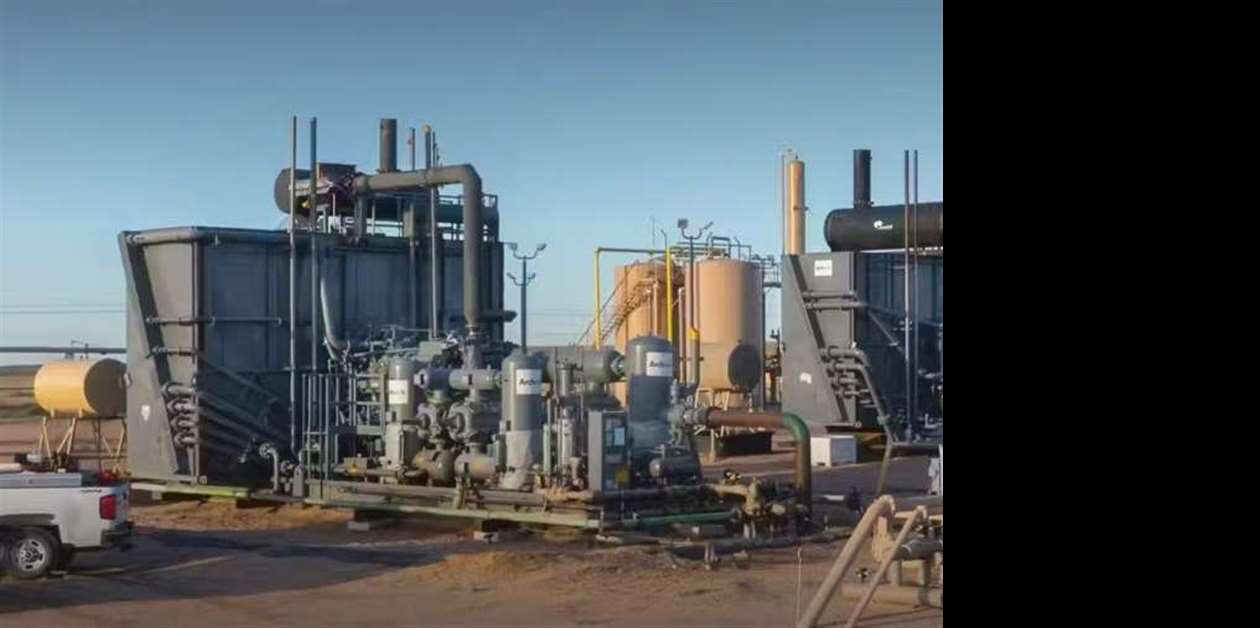
Archrock sees long-term compression growth as LNG, AI power demand reshape natural gas market

In 60 seconds

Top move

Compression supply is visibly tightening: Archrock reports fleet utilization near full and some equipment lead times stretching to about 160 weeks, which signals multi-year pressure on long-lead rotating and reciprocating equipment and services

Key takeaways

  • Compression supply is visibly tightening: Archrock reports fleet utilization near full and some equipment lead times stretching to about 160 weeks, which signals multi-year pressure on long-lead rotating and reciprocating equipment and services.[4]
  • Large LNG projects are moving from early works into full execution—Technip Energies received full notice to proceed for Commonwealth LNG using a replicated modular train design, which brings concrete long-lead procurement and mobilization needs into scope.[2]
  • Market structure is shifting: EIA forecasts higher industrial gas consumption and Burckhardt’s acquisition of Fornovo Gas expands supplier footprints in biogas/CNG—both increase buyer options but also concentrate near-term demand for mid-sized reciprocating compressors and service capacity in Europe and the U.S.[3][1]
  • Operationally real impacts are mobilization pressure, longer quote-validity risk, and tighter supplier scheduling windows; these effects are already visible in supplier comments and recent project NTPs rather than being hypothetical.[4][2]
  • Signal quality is strong on equipment lead-time extension and project NTPs, but the regional demand mapping (which suppliers get prioritized slots) is still directional and needs supplier-level verification.[4][2][1]

What changed since last run

  • Added concrete execution step: Technip Energies received full notice to proceed on Commonwealth LNG (article 7), moving that scope from early design into full EPC execution.
  • New supplier consolidation event: Burckhardt Compression announced acquisition of Fornovo Gas (article 5), expanding mid-size reciprocating capacity in Europe.
  • Archrock’s public comment (article 2) quantifies extreme lead-time stretch and near-full fleet utilization, reinforcing the earlier view that suppliers are shortening availability and quote windows.

Key facts

  • Some equipment lead times approaching 160 weeks
  • Fleet utilization exiting the quarter at about 95%
  • Approximately 35% of bookings during the quarter from the Permian
  • Full notice to proceed for a six-train modular liquefaction project
  • Project booked as >€1 billion to Technip Energies’ Project Delivery segment
  • Replicated single-train SnapLNG modular approach to reduce execution complexity

Why it matters

Compression supply is visibly tightening: Archrock reports fleet utilization near full and some equipment lead times stretching to about 160 weeks, which signals multi-year pressure on long-lead rotating and reciprocating equipment and services. Large LNG projects are moving from early works into full execution—Technip Energies received full notice to proceed for Commonwealth LNG using a replicated modular train design, which brings concrete long-lead procurement and mobilization needs into scope. Market structure is shifting: EIA forecasts higher industrial gas consumption and Burckhardt’s acquisition of Fornovo Gas expands supplier footprints in biogas/CNG—both increase buyer options but also concentrate near-term demand for mid-sized reciprocating compressors and service capacity in Europe and the U.S. Operationally real impacts are mobilization pressure, longer quote-validity risk, and tighter supplier scheduling windows; these effects are already visible in supplier comments and recent project NTPs rather than being hypothetical

Cost / money

  • Long lead times and high fleet utilization raise mobilization and standby premiums when buyers need fast turnarounds; expect upward pressure on premium freight and short-notice service rates.[4]
  • Modular LNG NTPs convert developer schedules into committed purchase and mobilization spend; large EPC awards typically crystallize pass-through exposure for freight, testing, and subcontract scopes.[2]

Supplier / commercial

  • Suppliers with local mid-size reciprocating inventories (now expanded by Burckhardt’s acquisition) gain commercial leverage to demand tighter payment or shorter quote-validity terms for near-market jobs.[1]
  • Archrock’s reported bookings skewed to the Permian mean supplier capacity will be prioritized by basin and existing fleet location, narrowing buyer routing flexibility for regional projects.[4]
  • EPC modularization (repeated train designs) concentrates package demand on vendors able to supply identical skids at scale, which favors established OEM/LTSA partners and may reduce competitive alternative bids.[2]

Safety / operations

  • Compressed procurement timelines for compressors and associated skids can shrink commissioning windows and increase risk around site-acceptance testing and readiness if mobilization SLAs are not explicit.[4][2]
  • Acquisition-driven supplier consolidations change aftermarket service footprints; buyers should verify local service capacity and spares inventory to avoid operational downtime due to geographic coverage gaps.[1]

What to watch

  • Watch suppliers’ bid language for shorter quote-validity, prioritization or allocation clauses and increased advance payment requests—early signs that allocation is being formalized before market-wide price moves.[4]

Top stories

Story 1CompressorTECH²May 9, 2026

Archrock sees long-term compression growth as LNG, AI power demand reshape natural gas market

Signal strongSource-grounded

What happened

Archrock reported exceptionally tight compression markets during its quarterly call, with fleet utilization high and some equipment lead times stretching to around 160 weeks. The company tied demand to LNG export growth, Permian associated gas, and higher power demand, making the lead-time signal operationally real for buyers planning new installs or spare-part strategies

Buyer takeaway

Treat Archrock’s comments as a supplier-verified lead-time signal that will directly affect mobilization and spare-parts planning for rotating equipment

Cost / money

Directional upward pressure on mobilization, standby and short-notice service rates is likely where buyers require moved-up deliveries

Supplier / commercial

Expect suppliers to shorten quote-validity windows and seek stronger payment or prioritization terms where fleet capacity is tight

Safety / operations

Compressed supplier schedules can shorten commissioning windows and increase risk on commissioning and SAT unless SLAs are explicit

What to watch

Watch for supplier bid language shifting to allocation, reduced warranty support windows, or advance payment requests as capacity tightens

Key facts

  • Some equipment lead times approaching 160 weeks
  • Fleet utilization exiting the quarter at about 95%
  • Approximately 35% of bookings during the quarter from the Permian

Source excerpts

Childers said about 2 Bcf/d of additional LNG export capacity is expected online in 2026, while previously sanctioned projects represent another 14 Bcf/d of incremental export capacity through 2030. At the same time, Archrock expects associated gas production in the Permian Basin to continue rising at mid-single-digit rates, supported by higher gas-to-oil ratios and roughly 4
“For the United States to deliver all of the LNG we’re targeting to export and all the power we expect to fuel through natural gas, we have a lot of power plants, pipelines, gas plants and compression to build,” Childers said
” Childers said lead times for some equipment are approaching 160 weeks, which he described as evidence of a market preparing for sustained expansion
Story 2CompressorTECH²May 15, 2026

Technip Eneries receives full notice to proceed on Commonwealth LNG export project

Signal strongSource-grounded

What happened

Technip Energies received full notice to proceed on the Commonwealth LNG export project and will deliver six identical modular liquefaction trains using its SnapLNG design. Moving into full EPC execution converts planning risk into near-term procurement commitments for replicated train skids and associated long-lead scopes

Buyer takeaway

Treat the NTP as an execution trigger that will pull vendor capacity onto repetitive deliveries and compress spot availability for the same skid designs

Cost / money

Modular train procurement typically crystallizes freight, testing, and installation pass-throughs; expect clearer pass-through exposure once vendor orders are placed

Supplier / commercial

Vendors capable of repeated identical deliveries will gain leverage; expect tighter qualification gates and fewer flexible commercial concessions

Safety / operations

Replicated designs can reduce construction variability, but compressed deliveries can still strain on-site commissioning and commissioning manpower

What to watch

Watch vendor procurement timelines and testing-slot bookings to ensure buyer-aligned SAT windows are preserved

Key facts

  • Full notice to proceed for a six-train modular liquefaction project
  • Project booked as >€1 billion to Technip Energies’ Project Delivery segment
  • Replicated single-train SnapLNG modular approach to reduce execution complexity

Source excerpts

EN modular LNG solution, which is designed to standardize train design and accelerate construction schedules while improving cost predictability
Commonwealth LNG is part of Caturus. Technip Energies said the award enables the company to move from early project activities into full EPC execution for the export terminal
Louisiana facility will use modular SnapLNG design across six liquefaction trains as project moves into full execution phase Technip Energies has received full notice to proceed on a major engineering, procurement and construction contract for the planned Commonwealth LNG export facility in Louisiana, following the project’s final investment decision
Story 3CompressorTECH²May 15, 2026

Burckhardt Compression to acquire Italy’s Fornovo Gas

Signal moderateDirectional

What happened

Burckhardt Compression signed an agreement to acquire Fornovo Gas, expanding its mid-sized reciprocating compressor portfolio and footprint in European biogas and CNG markets. The deal adds complementary tech and local service staff, which alters regional aftermarket options and supplier concentration

Buyer takeaway

Acquisition is operationally meaningful because it can change which suppliers hold local spares and available service slots in Europe

Cost / money

Consolidation can reduce competitive pressure on pricing for mid-sized units and aftermarket services in affected regions

Supplier / commercial

Post-deal, buyers may see unified commercial terms and fewer alternative providers for specific mid-sized applications

Safety / operations

Integration risks include transitional service gaps; confirm continuity plans for critical spares and maintenance

What to watch

Watch for carrier changes on existing orders and service agreements during integration that could shift timelines or warranty terms

Key facts

  • Fornovo Gas employs about 120 people
  • Adds mid-sized reciprocating compressor capability focused on biogas/CNG
  • Reported annual sales in the double-digit million Swiss franc range

Source excerpts

(Image: Fornovogas) Burckhardt Compression has signed an agreement to acquire Fornovo Gas, a European supplier of gas compression systems focused on biogas and compressed natural gas applications. Burckhardt said the acquisition is intended to strengthen its position in the growing biogas and CNG markets while expanding its mid-sized reciprocating compressor portfolio
The transaction is expected to close within the next two months, subject to customary conditions. Burckhardt Compression said additional details will be discussed during its annual media and analyst conference scheduled for June 4
Burckhardt said the acquisition is intended to strengthen its position in the growing biogas and CNG markets while expanding its mid-sized reciprocating compressor portfolio
Story 4CompressorTECH²May 15, 2026

EIA forecasts U.S. industrial natural gas demand to reach new highs through 2027

Signal moderateDirectional

What happened

The EIA updated its outlook to show rising U.S. industrial natural gas consumption driven by manufacturing and chemical sector growth. Higher baseline industrial demand makes longer-term gas compression and spare-part planning more important for buyers who stage equipment or negotiate LTSAs

Buyer takeaway

Treat the EIA forecast as a directionally supportive background demand driver for compression and spare-part consumption planning

Cost / money

Sustained higher industrial demand supports upward pressure on aftermarket service utilization and potential longer-term LTSA rate resets

Supplier / commercial

Suppliers may prioritize longer-term service deals and LTSA bundling as demand visibility improves

Safety / operations

Higher utilization environments increase wear rates and the need for predictable maintenance turnarounds and spares availability

What to watch

Signal is directional—use supplier capacity checks to convert forecast risk into actionable procurement plans

Key facts

  • EIA projects gradual increases in industrial natural gas consumption
  • Manufacturing and chemical sector demand expected to outpace efficiency gains
  • Higher baseline demand supports stronger long-term compression service need

Source excerpts

Under the forecast, industrial natural gas demand would rise by about 0
Industrial natural gas consumption averaged 26
Industrial natural gas consumption averaged 26. 1 Bcf/d in January 2026, according to the EIA, and is forecast to rise to 26

VP Snapshot

Executive Risk & Action View

Compression supply is visibly tightening: Archrock reports fleet utilization near full and some equipment lead times stretching to about 160 weeks, which signals multi-year pressure on long-lead rotating and reciprocating equipment and services.

Overall
51
Cost
79
Supply
79
Schedule
38
Compliance
15

Top signals

30-180dcost

Signal 1: Cost / money

Long lead times and high fleet utilization raise mobilization and standby premiums when buyers need fast turnarounds; expect upward pressure on premium freight and short-notice service rates.

Signal 2: Cost / money

Modular LNG NTPs convert developer schedules into committed purchase and mobilization spend; large EPC awards typically crystallize pass-through exposure for freight, testing, and subcontract scopes.

30-180dcommercial

Signal 3: Supplier / commercial

Suppliers with local mid-size reciprocating inventories (now expanded by Burckhardt’s acquisition) gain commercial leverage to demand tighter payment or shorter quote-validity terms for near-market jobs.

30-180dsupply

Signal 4: Supplier / commercial

Archrock’s reported bookings skewed to the Permian mean supplier capacity will be prioritized by basin and existing fleet location, narrowing buyer routing flexibility for regional projects.

Signal 5: Supplier / commercial

EPC modularization (repeated train designs) concentrates package demand on vendors able to supply identical skids at scale, which favors established OEM/LTSA partners and may reduce competitive alternative bids.

30-180dschedule

Signal 6: Safety / operations

Compressed procurement timelines for compressors and associated skids can shrink commissioning windows and increase risk around site-acceptance testing and readiness if mobilization SLAs are not explicit.

Recommended actions

CategoryDue 3d

Inventory active compressor and skid RFQs and tag those relying on modular LNG or Permian routing for immediate legal/commercial review.

Prioritized list of at-risk RFQs/LTSA scopes for Contracts review

OpsDue 3d

Request immediate written confirmation from incumbent LTSA providers of current service capacity and local spares holdings for prioritized regions.

Verified service capacity report per region to inform staging decisions

ContractsDue 21d

Insert or reinforce mobilization SLAs, explicit quote-validity windows, and freight/fuel pass-through guardrails into priority RFQ and LTSA drafts.

Updated RFQ/LTSA drafts with clear mobilization and pass-through terms ready for sourcing

CategoryDue 21d

Map alternative supplier routes for mid-sized reciprocating compressors and identify at least one non-local service partner for emergency coverage.

Supplier contingency matrix (primary/secondary) for prioritized regions

ContractsDue 21d

Start staged procurement discussions for long-lead rotating equipment with preferred suppliers to lock lead slots or agree on conditional hold/backcharge terms.

Supplier slot reservation proposals or conditional hold terms for review

ContractsDue 60d

Re-evaluate LTSA templates to include uptime dependencies, explicit mobilization timelines, and remedies for allocation or delayed deliveries.

Revised LTSA templates with mobilization SLAs and allocation remedies

Risk register

RiskTriggerMitigation
Watch suppliers’ bid language for shorter quote-validity, prioritization or allocation clauses and increased advance payment requests—early signs that allocation is being formalized before market-wide price moves.Watch suppliers’ bid language for shorter quote-validity, prioritization or allocation clauses and increased advance payment requests—early signs that allocation is being formalized before market-wide price moves.Confirm exposure with category, contracts, and operations before the next supplier commitment.

CM Snapshot

Category Manager Decision Detail

Today's priorities

Inventory active compressor and skid RFQs and tag those relying on modular LNG or Permian routing for immediate legal/commercial review.

because Archrock’s utilization and reported lead-time stretch and Technip’s NTP make these solicitations most likely to face shortened quote windows or pass-through requests.

Due 3d

high

CM move

Use this as the immediate supplier or contract action to move before the next sourcing gate.

Request immediate written confirmation from incumbent LTSA providers of current service capacity and local spares holdings for prioritized regions.

because supplier consolidation and fleet tightness increase the chance of coverage gaps during mobilization and emergency spares needs.

Due 3d

high

CM move

Use this as the immediate supplier or contract action to move before the next sourcing gate.

Insert or reinforce mobilization SLAs, explicit quote-validity windows, and freight/fuel pass-through guardrails into priority RFQ and LTSA drafts.

because visible supplier leverage and active project NTPs make early contractual guardrails the most effective lever to limit cost pass-through and allocation language.

Due 21d

high

CM move

Use this as the immediate supplier or contract action to move before the next sourcing gate.

Map alternative supplier routes for mid-sized reciprocating compressors and identify at least one non-local service partner for emergency coverage.

because consolidation and basin-focused bookings reduce single-supplier availability and buyers need secondary routes to avoid operational downtime.

Due 21d

high

CM move

Use this as the immediate supplier or contract action to move before the next sourcing gate.

Supplier radar

CompressorTECH²

high

Observed supplier signal

Suppliers with local mid-size reciprocating inventories (now expanded by Burckhardt’s acquisition) gain commercial leverage to demand tighter payment or shorter quote-validity terms for near-market jobs.

Commercial implication

Suppliers with local mid-size reciprocating inventories (now expanded by Burckhardt’s acquisition) gain commercial leverage to demand tighter payment or shorter quote-validity terms for near-market jobs.

Next step: Validate the source-backed signal with incumbents and alternates before the next award or pricing decision.

CompressorTECH²

high

Observed supplier signal

Archrock’s reported bookings skewed to the Permian mean supplier capacity will be prioritized by basin and existing fleet location, narrowing buyer routing flexibility for regional projects.

Commercial implication

Archrock’s reported bookings skewed to the Permian mean supplier capacity will be prioritized by basin and existing fleet location, narrowing buyer routing flexibility for regional projects.

Next step: Validate the source-backed signal with incumbents and alternates before the next award or pricing decision.

CompressorTECH²

high

Observed supplier signal

EPC modularization (repeated train designs) concentrates package demand on vendors able to supply identical skids at scale, which favors established OEM/LTSA partners and may reduce competitive alternative bids.

Commercial implication

EPC modularization (repeated train designs) concentrates package demand on vendors able to supply identical skids at scale, which favors established OEM/LTSA partners and may reduce competitive alternative bids.

Next step: Validate the source-backed signal with incumbents and alternates before the next award or pricing decision.

Negotiation levers

Inventory active compressor and skid RFQs and tag those relying on modular LNG or Permian routing for immediate legal/commercial review.

When to use: because Archrock’s utilization and reported lead-time stretch and Technip’s NTP make these solicitations most likely to face shortened quote windows or pass-through requests.

Expected outcome: Prioritized list of at-risk RFQs/LTSA scopes for Contracts review

Commercial mechanism to carry into the next supplier conversation

Request immediate written confirmation from incumbent LTSA providers of current service capacity and local spares holdings for prioritized regions.

When to use: because supplier consolidation and fleet tightness increase the chance of coverage gaps during mobilization and emergency spares needs.

Expected outcome: Verified service capacity report per region to inform staging decisions

Commercial mechanism to carry into the next supplier conversation

Insert or reinforce mobilization SLAs, explicit quote-validity windows, and freight/fuel pass-through guardrails into priority RFQ and LTSA drafts.

When to use: because visible supplier leverage and active project NTPs make early contractual guardrails the most effective lever to limit cost pass-through and allocation language.

Expected outcome: Updated RFQ/LTSA drafts with clear mobilization and pass-through terms ready for sourcing

Commercial mechanism to carry into the next supplier conversation

Map alternative supplier routes for mid-sized reciprocating compressors and identify at least one non-local service partner for emergency coverage.

When to use: because consolidation and basin-focused bookings reduce single-supplier availability and buyers need secondary routes to avoid operational downtime.

Expected outcome: Supplier contingency matrix (primary/secondary) for prioritized regions

Commercial mechanism to carry into the next supplier conversation

Talking points

Compression supply is visibly tightening: Archrock reports fleet utilization near full and some equipment lead times stretching to about 160 weeks, which signals multi-year pressure on long-lead rotating and reciprocating equipment and services.
Large LNG projects are moving from early works into full execution—Technip Energies received full notice to proceed for Commonwealth LNG using a replicated modular train design, which brings concrete long-lead procurement and mobilization needs into scope.
Market structure is shifting: EIA forecasts higher industrial gas consumption and Burckhardt’s acquisition of Fornovo Gas expands supplier footprints in biogas/CNG—both increase buyer options but also concentrate near-term demand for mid-sized reciprocating compressors and service capacity in Europe and the U.S.
Operationally real impacts are mobilization pressure, longer quote-validity risk, and tighter supplier scheduling windows; these effects are already visible in supplier comments and recent project NTPs rather than being hypothetical.

Supplier radar

SupplierSignalImplicationNext stepConfidence
CompressorTECH²Suppliers with local mid-size reciprocating inventories (now expanded by Burckhardt’s acquisition) gain commercial leverage to demand tighter payment or shorter quote-validity terms for near-market jobs.Suppliers with local mid-size reciprocating inventories (now expanded by Burckhardt’s acquisition) gain commercial leverage to demand tighter payment or shorter quote-validity terms for near-market jobs.Validate the source-backed signal with incumbents and alternates before the next award or pricing decision.high
CompressorTECH²Archrock’s reported bookings skewed to the Permian mean supplier capacity will be prioritized by basin and existing fleet location, narrowing buyer routing flexibility for regional projects.Archrock’s reported bookings skewed to the Permian mean supplier capacity will be prioritized by basin and existing fleet location, narrowing buyer routing flexibility for regional projects.Validate the source-backed signal with incumbents and alternates before the next award or pricing decision.high
CompressorTECH²EPC modularization (repeated train designs) concentrates package demand on vendors able to supply identical skids at scale, which favors established OEM/LTSA partners and may reduce competitive alternative bids.EPC modularization (repeated train designs) concentrates package demand on vendors able to supply identical skids at scale, which favors established OEM/LTSA partners and may reduce competitive alternative bids.Validate the source-backed signal with incumbents and alternates before the next award or pricing decision.high

Negotiation levers

  • Inventory active compressor and skid RFQs and tag those relying on modular LNG or Permian routing for immediate legal/commercial review.because Archrock’s utilization and reported lead-time stretch and Technip’s NTP make these solicitations most likely to face shortened quote windows or pass-through requests.Prioritized list of at-risk RFQs/LTSA scopes for Contracts review

    high confidence

  • Request immediate written confirmation from incumbent LTSA providers of current service capacity and local spares holdings for prioritized regions.because supplier consolidation and fleet tightness increase the chance of coverage gaps during mobilization and emergency spares needs.Verified service capacity report per region to inform staging decisions

    high confidence

  • Insert or reinforce mobilization SLAs, explicit quote-validity windows, and freight/fuel pass-through guardrails into priority RFQ and LTSA drafts.because visible supplier leverage and active project NTPs make early contractual guardrails the most effective lever to limit cost pass-through and allocation language.Updated RFQ/LTSA drafts with clear mobilization and pass-through terms ready for sourcing

    high confidence

  • Map alternative supplier routes for mid-sized reciprocating compressors and identify at least one non-local service partner for emergency coverage.because consolidation and basin-focused bookings reduce single-supplier availability and buyers need secondary routes to avoid operational downtime.Supplier contingency matrix (primary/secondary) for prioritized regions

    high confidence

What to do / What to watch

What to do now

  • Inventory active compressor and skid RFQs and tag those relying on modular LNG or Permian routing for immediate legal/commercial review.

    Why: because Archrock’s utilization and reported lead-time stretch and Technip’s NTP make these solicitations most likely to face shortened quote windows or pass-through requests.

    Owner: Category

    Expected outcome: Prioritized list of at-risk RFQs/LTSA scopes for Contracts review

    [4][2]
  • Request immediate written confirmation from incumbent LTSA providers of current service capacity and local spares holdings for prioritized regions.

    Why: because supplier consolidation and fleet tightness increase the chance of coverage gaps during mobilization and emergency spares needs.

    Owner: Ops

    Expected outcome: Verified service capacity report per region to inform staging decisions

    [1][4]

Next few weeks

  • Insert or reinforce mobilization SLAs, explicit quote-validity windows, and freight/fuel pass-through guardrails into priority RFQ and LTSA drafts.

    Why: because visible supplier leverage and active project NTPs make early contractual guardrails the most effective lever to limit cost pass-through and allocation language.

    Owner: Contracts

    Expected outcome: Updated RFQ/LTSA drafts with clear mobilization and pass-through terms ready for sourcing

    [4][2]
  • Map alternative supplier routes for mid-sized reciprocating compressors and identify at least one non-local service partner for emergency coverage.

    Why: because consolidation and basin-focused bookings reduce single-supplier availability and buyers need secondary routes to avoid operational downtime.

    Owner: Category

    Expected outcome: Supplier contingency matrix (primary/secondary) for prioritized regions

    [1][4]
  • Start staged procurement discussions for long-lead rotating equipment with preferred suppliers to lock lead slots or agree on conditional hold/backcharge terms.

    Why: because lead times cited by Archrock and modular LNG execution plans make early slot reservation or conditional commercial terms a practical way to manage schedule risk.

    Owner: Contracts

    Expected outcome: Supplier slot reservation proposals or conditional hold terms for review

    [4][2]

Longer view

  • Re-evaluate LTSA templates to include uptime dependencies, explicit mobilization timelines, and remedies for allocation or delayed deliveries.

    Why: because sustained equipment lead-time extension and modular project execution increase the likelihood of allocation disputes and unclear mobilization responsibilities.

    Owner: Contracts

    Expected outcome: Revised LTSA templates with mobilization SLAs and allocation remedies

    [4][2]
  • Plan staged spares pre-positioning for critical compressor items in-region or at bonded yards where projects are concentrated.

    Why: because higher industrial gas demand and concentrated LNG buildouts raise the probability of local mobilization premiums and longer repair lead times if spares are not staged.

    Owner: Ops

    Expected outcome: Shortlist of critical spares for local sourcing or staged delivery

    [3][2]

What to watch

  • Watch suppliers’ bid language for shorter quote-validity, prioritization or allocation clauses and increased advance payment requests—early signs that allocation is being formalized before market-wide price moves
  • Watch suppliers’ bid language for shorter quote-validity, prioritization or allocation clauses and increased advance payment requests—early signs that allocation is being formalized before market-wide price moves.: Watch suppliers’ bid language for shorter quote-validity, prioritization or allocation clauses and increased advance payment requests—early signs that allocation is being formalized before market-wide price moves
  • Compression supply is visibly tightening: Archrock reports fleet utilization near full and some equipment lead times stretching to about 160 weeks, which signals multi-year pressure on long-lead rotating and reciprocating equipment and services
  • Large LNG projects are moving from early works into full execution—Technip Energies received full notice to proceed for Commonwealth LNG using a replicated modular train design, which brings concrete long-lead procurement and mobilization needs into scope
  • Market structure is shifting: EIA forecasts higher industrial gas consumption and Burckhardt’s acquisition of Fornovo Gas expands supplier footprints in biogas/CNG—both increase buyer options but also concentrate near-term demand for mid-sized reciprocating compressors and service capacity in Europe and the U.S
  • Operationally real impacts are mobilization pressure, longer quote-validity risk, and tighter supplier scheduling windows; these effects are already visible in supplier comments and recent project NTPs rather than being hypothetical

Market pulse

IndexLatestChangeAs of
WTI Crude (WTI)71.23 /bbl+0.00 (+0.00%)May 16, 2026, 10:09 AM
Brent Crude (BRENT)74.89 /bbl+0.00 (+0.00%)May 16, 2026, 10:09 AM
Natural Gas (NG)3.12 /MMBtu+0.00 (+0.00%)May 16, 2026, 10:09 AM
Baker Hughes (BKR)32 +0.00 (+0.00%)May 16, 2026, 10:09 AM
GE Vernova (GEV)175 +0.00 (+0.00%)May 16, 2026, 10:09 AM
  • Natural Gas: Rising natural gas demand supports higher baseline compression utilization and aftermarket service needs; factor into LTSA sizing and spares planning
  • Baker Hughes: Baker Hughes sector dynamics and test/repair capacity shifts are relevant when routing validation and repair work; map preferred vendors for compressed schedules

Sources

Inline citations jump here. Expand a source to read the excerpt, the AI interpretation, and the original link.

[1] Burckhardt Compression to acquire Italy’s Fornovo Gas

compressortech2.com · May 15, 2026

Expand

AI reading

Burckhardt Compression signed an agreement to acquire Fornovo Gas, expanding its mid-sized reciprocating compressor portfolio and footprint in European biogas and CNG markets. The deal adds complementary tech and local service staff, which alters regional aftermarket options and supplier concentration

Buyer takeaway

Acquisition is operationally meaningful because it can change which suppliers hold local spares and available service slots in Europe

Cost / money

Consolidation can reduce competitive pressure on pricing for mid-sized units and aftermarket services in affected regions

Supplier / commercial

Post-deal, buyers may see unified commercial terms and fewer alternative providers for specific mid-sized applications

Safety / operations

Integration risks include transitional service gaps; confirm continuity plans for critical spares and maintenance

What to watch

Watch for carrier changes on existing orders and service agreements during integration that could shift timelines or warranty terms

Key facts

  • Fornovo Gas employs about 120 people
  • Adds mid-sized reciprocating compressor capability focused on biogas/CNG
  • Reported annual sales in the double-digit million Swiss franc range

Source excerpts

(Image: Fornovogas) Burckhardt Compression has signed an agreement to acquire Fornovo Gas, a European supplier of gas compression systems focused on biogas and compressed natural gas applications. Burckhardt said the acquisition is intended to strengthen its position in the growing biogas and CNG markets while expanding its mid-sized reciprocating compressor portfolio
The transaction is expected to close within the next two months, subject to customary conditions. Burckhardt Compression said additional details will be discussed during its annual media and analyst conference scheduled for June 4
Burckhardt said the acquisition is intended to strengthen its position in the growing biogas and CNG markets while expanding its mid-sized reciprocating compressor portfolio

Used in this brief

  • Compression supply is visibly tightening: Archrock reports fleet utilization near full and some equipment lead times stretching to about 160 weeks, which signals multi-year pressure on long-lead rotating and reciprocating equipment and services. Large LNG projects are moving from early works into full execution—Technip Energies received full notice to proceed for Commonwealth LNG using a replicated modular train design, which brings concrete long-lead procurement and mobilization needs into scope. Market structure is shifting: EIA forecasts higher industrial gas consumption and Burckhardt’s acquisition of Fornovo Gas expands supplier footprints in biogas/CNG—both increase buyer options but also concentrate near-term demand for mid-sized reciprocating compressors and service capacity in Europe and the U.S. Operationally real impacts are mobilization pressure, longer quote-validity risk, and tighter supplier scheduling windows; these effects are already visible in supplier comments and recent project NTPs rather than being hypothetical
  • Next 72 hours — Request immediate written confirmation from incumbent LTSA providers of current service capacity and local spares holdings for prioritized regions.. Rationale: because supplier consolidation and fleet tightness increase the chance of coverage gaps during mobilization and emergency spares needs.. Owner: Ops. KPI: Verified service capacity report per region to inform staging decisions
  • Next 2-4 weeks — Map alternative supplier routes for mid-sized reciprocating compressors and identify at least one non-local service partner for emergency coverage.. Rationale: because consolidation and basin-focused bookings reduce single-supplier availability and buyers need secondary routes to avoid operational downtime.. Owner: Category. KPI: Supplier contingency matrix (primary/secondary) for prioritized regions
Open original source

[2] Technip Eneries receives full notice to proceed on Commonwealth LNG export project

compressortech2.com · May 15, 2026

Expand

AI reading

Technip Energies received full notice to proceed on the Commonwealth LNG export project and will deliver six identical modular liquefaction trains using its SnapLNG design. Moving into full EPC execution converts planning risk into near-term procurement commitments for replicated train skids and associated long-lead scopes

Buyer takeaway

Treat the NTP as an execution trigger that will pull vendor capacity onto repetitive deliveries and compress spot availability for the same skid designs

Cost / money

Modular train procurement typically crystallizes freight, testing, and installation pass-throughs; expect clearer pass-through exposure once vendor orders are placed

Supplier / commercial

Vendors capable of repeated identical deliveries will gain leverage; expect tighter qualification gates and fewer flexible commercial concessions

Safety / operations

Replicated designs can reduce construction variability, but compressed deliveries can still strain on-site commissioning and commissioning manpower

What to watch

Watch vendor procurement timelines and testing-slot bookings to ensure buyer-aligned SAT windows are preserved

Key facts

  • Full notice to proceed for a six-train modular liquefaction project
  • Project booked as >€1 billion to Technip Energies’ Project Delivery segment
  • Replicated single-train SnapLNG modular approach to reduce execution complexity

Source excerpts

EN modular LNG solution, which is designed to standardize train design and accelerate construction schedules while improving cost predictability
Commonwealth LNG is part of Caturus. Technip Energies said the award enables the company to move from early project activities into full EPC execution for the export terminal
Louisiana facility will use modular SnapLNG design across six liquefaction trains as project moves into full execution phase Technip Energies has received full notice to proceed on a major engineering, procurement and construction contract for the planned Commonwealth LNG export facility in Louisiana, following the project’s final investment decision

Used in this brief

  • Cost / money: Modular LNG NTPs convert developer schedules into committed purchase and mobilization spend; large EPC awards typically crystallize pass-through exposure for freight, testing, and subcontract scopes
  • Added concrete execution step: Technip Energies received full notice to proceed on Commonwealth LNG (article 7), moving that scope from early design into full EPC execution
  • Technip Energies received full notice to proceed on the Commonwealth LNG export project and will deliver six identical modular liquefaction trains using its SnapLNG design. Moving into full EPC execution converts planning risk into near-term procurement commitments for replicated train skids and associated long-lead scopes
Open original source

[3] EIA forecasts U.S. industrial natural gas demand to reach new highs through 2027

compressortech2.com · May 15, 2026

Expand

AI reading

The EIA updated its outlook to show rising U.S. industrial natural gas consumption driven by manufacturing and chemical sector growth. Higher baseline industrial demand makes longer-term gas compression and spare-part planning more important for buyers who stage equipment or negotiate LTSAs

Buyer takeaway

Treat the EIA forecast as a directionally supportive background demand driver for compression and spare-part consumption planning

Cost / money

Sustained higher industrial demand supports upward pressure on aftermarket service utilization and potential longer-term LTSA rate resets

Supplier / commercial

Suppliers may prioritize longer-term service deals and LTSA bundling as demand visibility improves

Safety / operations

Higher utilization environments increase wear rates and the need for predictable maintenance turnarounds and spares availability

What to watch

Signal is directional—use supplier capacity checks to convert forecast risk into actionable procurement plans

Key facts

  • EIA projects gradual increases in industrial natural gas consumption
  • Manufacturing and chemical sector demand expected to outpace efficiency gains
  • Higher baseline demand supports stronger long-term compression service need

Source excerpts

Under the forecast, industrial natural gas demand would rise by about 0
Industrial natural gas consumption averaged 26
Industrial natural gas consumption averaged 26. 1 Bcf/d in January 2026, according to the EIA, and is forecast to rise to 26

Used in this brief

  • Next quarter — Plan staged spares pre-positioning for critical compressor items in-region or at bonded yards where projects are concentrated.. Rationale: because higher industrial gas demand and concentrated LNG buildouts raise the probability of local mobilization premiums and longer repair lead times if spares are not staged.. Owner: Ops. KPI: Shortlist of critical spares for local sourcing or staged delivery
  • The EIA updated its outlook to show rising U.S. industrial natural gas consumption driven by manufacturing and chemical sector growth. Higher baseline industrial demand makes longer-term gas compression and spare-part planning more important for buyers who stage equipment or negotiate LTSAs
  • Buyer bottom line: rising industrial gas demand increases baseline service and parts consumption, which should factor into LTSA sizing and inventory strategies
Open original source

[4] Archrock sees long-term compression growth as LNG, AI power demand reshape natural gas market

compressortech2.com · May 9, 2026

Expand

AI reading

Archrock reported exceptionally tight compression markets during its quarterly call, with fleet utilization high and some equipment lead times stretching to around 160 weeks. The company tied demand to LNG export growth, Permian associated gas, and higher power demand, making the lead-time signal operationally real for buyers planning new installs or spare-part strategies

Buyer takeaway

Treat Archrock’s comments as a supplier-verified lead-time signal that will directly affect mobilization and spare-parts planning for rotating equipment

Cost / money

Directional upward pressure on mobilization, standby and short-notice service rates is likely where buyers require moved-up deliveries

Supplier / commercial

Expect suppliers to shorten quote-validity windows and seek stronger payment or prioritization terms where fleet capacity is tight

Safety / operations

Compressed supplier schedules can shorten commissioning windows and increase risk on commissioning and SAT unless SLAs are explicit

What to watch

Watch for supplier bid language shifting to allocation, reduced warranty support windows, or advance payment requests as capacity tightens

Key facts

  • Some equipment lead times approaching 160 weeks
  • Fleet utilization exiting the quarter at about 95%
  • Approximately 35% of bookings during the quarter from the Permian

Source excerpts

Childers said about 2 Bcf/d of additional LNG export capacity is expected online in 2026, while previously sanctioned projects represent another 14 Bcf/d of incremental export capacity through 2030. At the same time, Archrock expects associated gas production in the Permian Basin to continue rising at mid-single-digit rates, supported by higher gas-to-oil ratios and roughly 4
“For the United States to deliver all of the LNG we’re targeting to export and all the power we expect to fuel through natural gas, we have a lot of power plants, pipelines, gas plants and compression to build,” Childers said
” Childers said lead times for some equipment are approaching 160 weeks, which he described as evidence of a market preparing for sustained expansion

Used in this brief

  • Next 72 hours — Inventory active compressor and skid RFQs and tag those relying on modular LNG or Permian routing for immediate legal/commercial review.. Rationale: because Archrock’s utilization and reported lead-time stretch and Technip’s NTP make these solicitations most likely to face shortened quote windows or pass-through requests.. Owner: Category. KPI: Prioritized list of at-risk RFQs/LTSA scopes for Contracts review
  • Next 2-4 weeks — Insert or reinforce mobilization SLAs, explicit quote-validity windows, and freight/fuel pass-through guardrails into priority RFQ and LTSA drafts.. Rationale: because visible supplier leverage and active project NTPs make early contractual guardrails the most effective lever to limit cost pass-through and allocation language.. Owner: Contracts. KPI: Updated RFQ/LTSA drafts with clear mobilization and pass-through terms ready for sourcing
  • Next 2-4 weeks — Start staged procurement discussions for long-lead rotating equipment with preferred suppliers to lock lead slots or agree on conditional hold/backcharge terms.. Rationale: because lead times cited by Archrock and modular LNG execution plans make early slot reservation or conditional commercial terms a practical way to manage schedule risk.. Owner: Contracts. KPI: Supplier slot reservation proposals or conditional hold terms for review
Open original source

[5] Natural Gas

finance.yahoo.com · n.d.

Expand

[6] Baker Hughes

finance.yahoo.com · n.d.

Expand