Operations & Maintenance Services · Australia (Perth)

Lock In Local Suppliers, Validate Vessel and Digital Risks

Published May 17, 2026, 6:04 AM AWSTAPACFull category signal
Ask AI
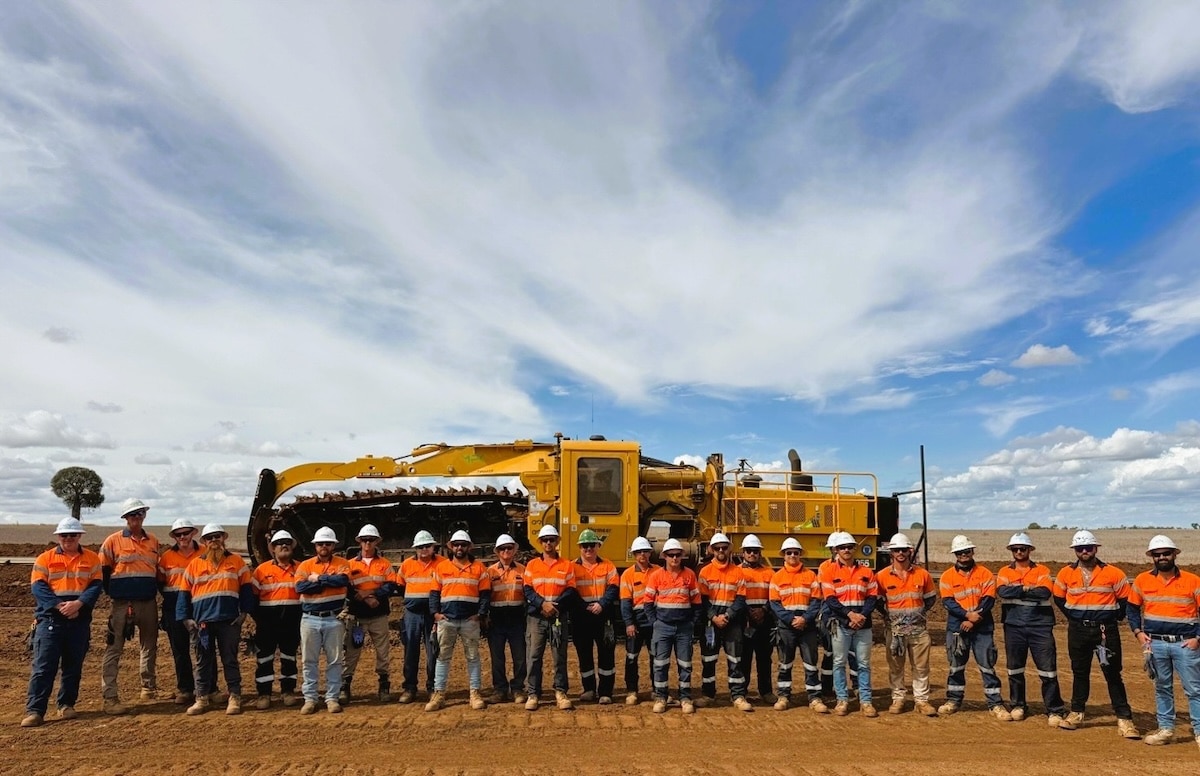
MPK awarded long-term contract with Santos

In 60 seconds

Top move

Santos awarded a multi-year O&M and construction scope to a local contractor in the Surat Basin; that entrenches a local supplier and raises expectations for on‑the‑ground capacity and equipment availability

Key takeaways

  • Santos awarded a multi-year O&M and construction scope to a local contractor in the Surat Basin; that entrenches a local supplier and raises expectations for on‑the‑ground capacity and equipment availability.[3]
  • Petronas has chosen a Malaysian tubular-running provider on a five‑year deal, signalling preference for local content and steadier workload for regional service suppliers.[2]
  • An arbitration win for Solstad improves that owner’s cash and fleet clarity, which can loosen short-term vessel supply constraints and affect charter negotiation leverage.[1]
  • Condition‑monitoring software integrations (VibeCloud + Limble) are being adopted, which makes remote alerts automatically create/close work orders and increases reliance on digital connectivity and supplier IT compatibility.[4]
  • Field safety writing on lockout/tagout highlights the return‑to‑service step as a common weakness; that is an operational focus for maintenance crews and contractor handbacks.[5]

What changed since last run

  • New visible long‑term onshore contract (MPK with Santos) adds a concrete, Australia‑based construction and O&M demand that wasn’t in the prior brief’s JV/FSO financing focus.
  • A regional operator (Petronas) publicly awarded a five‑year tubular running contract to a local provider, strengthening the theme of local‑content wins versus the prior run’s charter/FSO financing discussion.

Key facts

  • Multi‑year construction and O&M scope in the Surat Basin
  • Includes civil works, gathering networks, electrical infrastructure, and wellsite installations
  • MPK increased capital investment into its machinery fleet to support delivery
  • Five‑year tubular running services contract awarded to a Malaysian company
  • Contract timing allows resource optimisation and leverages local infrastructure
  • Positioned as consistent contributor to the supplier’s energy division performance

Why it matters

Santos awarded a multi-year O&M and construction scope to a local contractor in the Surat Basin; that entrenches a local supplier and raises expectations for on‑the‑ground capacity and equipment availability. Petronas has chosen a Malaysian tubular-running provider on a five‑year deal, signalling preference for local content and steadier workload for regional service suppliers. An arbitration win for Solstad improves that owner’s cash and fleet clarity, which can loosen short-term vessel supply constraints and affect charter negotiation leverage. Condition‑monitoring software integrations (VibeCloud + Limble) are being adopted, which makes remote alerts automatically create/close work orders and increases reliance on digital connectivity and supplier IT compatibility

Cost / money

  • Long multi‑year scopes awarded locally typically lower unit rates but shift cost exposure to execution and equipment uptime that buyers must budget for during the contract term.[3]
  • A local five‑year TRS contract reduces immediate mobilisation premiums for that operator but can raise pass‑through and sustainment costs if suppliers bundle crew and spares under long terms.[2]

Supplier / commercial

  • Local contractors winning multi‑year work increase their bargaining position for related services and subcontract slots, reducing buyer leverage on short notice RFx and mobilisations.[3]
  • Petronas’ explicit local award signals procurement preference for established local supply chains; expect tighter pre‑qualification and local‑content clauses in upcoming RFx.[2]

Safety / operations

  • Industry commentary on lockout/tagout shows the return‑to‑service step is a common failure point; contractors will need clearer handback and restart checks in SOWs and permit‑to‑work (PTW) clauses.[5]
  • Integrated condition‑monitoring platforms that auto‑open/close work orders change maintenance workflows and require verified connectivity, data integrity, and technician training before they reduce downtime.[4]

What to watch

  • Watch whether local winners expand capacity by subcontracting out key scope to non‑local suppliers, which could reintroduce mobilisation or logistics risk.[3]
  • Watch for tightened quote validity and mobilisation annexes from suppliers as they react to steady multi‑year demand and improved cash positions in the vessel market.[1]

Top stories

Story 1The Australian PipelinerMay 10, 2026

MPK awarded long-term contract with Santos

Signal strongSource-grounded

What happened

MPK won a multi‑year construction and maintenance contract with Santos to deliver civil works, gas and water gathering networks, electrical infrastructure, and wellsite installations in the Surat Basin. The award reinforces local delivery capability and follows MPK’s recent fleet investment, signalling sustained onshore demand and equipment commitment. Watch whether the supplier uses subcontracting to expand capacity or keeps scope in‑house

Buyer takeaway

Treat this as a sustained, local demand signal that requires supplier capacity checks and mobilisation planning rather than one‑off sourcing

Cost / money

Directionally reduces unit mobilisation premiums for buyers if the supplier keeps scope local, but increases exposure to sustainment and spare‑parts pass‑throughs as work continues

Supplier / commercial

Local contractor gains leverage on adjacent scopes and subcontract slots; buyers should expect tighter scheduling and shorter quote validity on follow‑on work

Safety / operations

Longer onshore programs require steady crew rotations and parts staging; buyers should verify fatigue management and spare spares staging in SOWs

What to watch

Watch for subcontracting to meet capacity; that can reintroduce logistics and qualification delays

Key facts

  • Multi‑year construction and O&M scope in the Surat Basin
  • Includes civil works, gathering networks, electrical infrastructure, and wellsite installations
  • MPK increased capital investment into its machinery fleet to support delivery

Source excerpts

MPK’s 15-year presence in the Surat Basin building Australia’s largest gas gathering network is set to continue, with Santos recently awarding the company a new contract to construct its energy infrastructure over the next five years. MPK CEO Adam Machon said the contract award was recognition of the work of the MPK team and their steadfast commitment to deliver Santos a low-cost, but high-quality product
“I see this new contract as a further opportunity to strengthen our relationship with Santos, but also with the 100+ local and indigenous businesses we’ve partnered with over the years to deliver our work scopes. “We share Santos’ goal of ensuring energy infrastructure projects deliver social benefit to communities, and we’ll continue to provide local people with employment and training opportunities, just like we’ve done for the past 15 years
Under the contract, MPK will deliver civil works, gas and water gathering networks, electrical infrastructure, and wellsite installations across Santos’ assets
Story 2Offshore EnergyMay 15, 2026

Petronas picks local tubular running services provider for next five years

Signal strongSource-grounded

What happened

Petronas awarded a five‑year tubular running services contract to a Malaysian provider, citing the ability to optimise resource deployment and leverage local infrastructure. The multi‑year term aims to drive cost‑efficiency through consistent workload and local supply chains. Watch for RFx changes that formalise local‑content and pre‑qualification checks

Buyer takeaway

Expect suppliers to price longer tenors on the assumption of steady work and to seek pass‑throughs for crew and spares

Cost / money

Long term scope can lower headline rates but raises lifecycle pass‑through exposure for sustainment and mobilisation cancellation language

Supplier / commercial

Local winners will press for stronger commitment terms and may shorten quote validity windows as workload becomes predictable

Safety / operations

Consistent local work can improve safety continuity, but buyers must ensure contractor training and equipment maintenance are contractually required

What to watch

Watch for embedded pass‑through clauses or bundling of crew/spares into long contracts that limit future rebids

Key facts

  • Five‑year tubular running services contract awarded to a Malaysian company
  • Contract timing allows resource optimisation and leverages local infrastructure
  • Positioned as consistent contributor to the supplier’s energy division performance

Source excerpts

Home Subsea Petronas picks local tubular running services provider for next five years May 15, 2026, by Malaysia’s state-owned oil & gas heavyweight Petronas has awarded a local company a five-year contract for the delivery of tubular running services (TRS)
According to Destini, the five-year duration allows it to optimize its resource deployment and leverage established local infrastructure to drive cost-efficiencies for Petronas. The contract will serve as a consistent contributor to the group’s energy division performance over the next five years
According to Destini, the five-year duration allows it to optimize its resource deployment and leverage established local infrastructure to drive cost-efficiencies for Petronas
Story 3Offshore EnergyMay 15, 2026

Solstad Offshore comes out as winner in CSV legal battle

Signal strongSource-grounded

What happened

Solstad Offshore prevailed in arbitration over a disputed charter hire and will receive awarded charter hire and interest compensation, improving its liquidity position. The ruling clarifies contractual interpretations around charter disputes and may influence how owners and charterers price mobilisation and cancellation risk going forward. Watch whether this shifts charter negotiation posture or availability in the spot market

Buyer takeaway

Expect owners with improved cash positions to be less pressured to accept discounted spot rates, tightening buyer negotiating leverage for vessel charters

Cost / money

Improved owner liquidity can translate into firmer day rates or reduced willingness to accept mobilisation concessions

Supplier / commercial

Charter owners may tighten cancellation clauses and require stronger contractual security in new agreements

Safety / operations

No immediate safety change from the ruling, but contractual clarity reduces disputes that can interrupt planned vessel availability

What to watch

Watch for owners to re‑price mobilisation and shorten cancellation windows as a result of clarified dispute outcomes

Key facts

  • Arbitration ruled in favor of Solstad with awarded charter hire and interest compensation
  • Largest vessel in fleet (Normand Maximus) remains available for commercial engagement
  • Subsequent LoI for the vessel signals continuing demand into future campaigns

Source excerpts

Source: Solstad Solstad reported yesterday, May 14, that arbitration proceedings related to a disputed charter hire in 2024 for the construction support vessel (CSV) Normand Maximus have been concluded in its favor
Home Subsea Solstad Offshore comes out as winner in CSV legal battle May 15, 2026, by An arbitration regarding a disputed 2024 charter hire related to the largest vessel in Solstad Offshore’s fleet has been resolved in the favor of the Norwegian offshore vessel owner, the company reported
Source: Solstad Solstad reported yesterday, May 14, that arbitration proceedings related to a disputed charter hire in 2024 for the construction support vessel (CSV) Normand Maximus have been concluded in its favor. As a result of the ruling, Solstad will receive approximately $13 million in charter hire, in addition to an awarded interest compensation of approximately $1
Story 4Reliabilityweb

Home featured on Reliabilityweb's site

Signal moderateDirectional

What happened

Limble integrated VibeCloud condition‑monitoring outputs so that equipment alerts can automatically create and close maintenance work orders. The integration reduces time to action for predictive alerts but increases dependency on supplier data quality and connectivity. Watch pilot rollouts to ensure false positives don't generate unneeded work or contract disputes over scope

Buyer takeaway

Require clear data quality and connectivity SLAs before accepting automated work‑order triggers from supplier systems

Cost / money

Automation can reduce reactive maintenance spend over time if false alerts are controlled; initial integration may require contracted onboarding effort

Supplier / commercial

Vendors may propose subscription or integration fees and will seek clarity on liability for false or missed alerts

Safety / operations

Automated alerts must tie to verified technician checks; otherwise they risk creating work‑order noise and missed safety verifications

What to watch

Limited evidence of broad rollout; treat as pilot‑stage and verify before scaling contract clauses

Key facts

  • Integration links condition monitoring to automated work‑order generation and closure
  • Targets predictive maintenance efficiency by closing the technician action loop
  • Global platforms and local suppliers must align data and workflow standards

Source excerpts

a leader in predictive maintenance and condition monitoring. The new integration connects VibeCloud’s condition monitoring insights directly with Limble, automatically generating and closing work orders based on asset condition data
The new integration connects VibeCloud’s condition monitoring insights directly with Limble, automatically generating and closing work orders based on asset condition data
Limble, the modern maintenance and asset management platform, today announced a partnership with VibeCloud Reliability Solutions Inc., a leader in predictive maintenance and condition monitoring
Story 5Reliabilityweb

Reliabilityweb

Signal limitedDirectional

What happened

Reliability guidance flags the return‑to‑service step in lockout/tagout as the most dangerous and least audited phase. This operational insight is practical: restart procedures need clearer checks and training to avoid unrecognized hazards when lines are put back into service. Watch contractor audits and PTW routines for whether they consistently capture restart verification

Buyer takeaway

Insert explicit restart verification steps into SOWs and PTW checklists so contractors are contractually accountable for safe restarts

Cost / money

Minimal direct cost to add restart checks, but reduces risk of costly incidents and unplanned downtime

Supplier / commercial

Contractors may need additional training records and acceptance sign‑offs; include these as deliverables in vendor agreements

Safety / operations

Directly reduces restart failure risk if verification is audited and enforced

What to watch

This is thematic industry guidance; evidence is operationally relevant but not tied to a specific incident in the portfolio

Key facts

  • Return‑to‑service identified as the common weak point in LOTO procedures
  • Gaps exist in training, execution, and audit focus on restart activities
  • Audit and procedural changes are simple levers to reduce risk if enforced

Source excerpts

It's the return to service
The line was restarted
Most failures in lockout/tagout procedures are not where reliability teams expect to find them

VP Snapshot

Executive Risk & Action View

Santos awarded a multi-year O&M and construction scope to a local contractor in the Surat Basin; that entrenches a local supplier and raises expectations for on‑the‑ground capacity and equipment availability.

Overall
59
Cost
61
Supply
61
Schedule
20
Compliance
35

Top signals

30-180dcost

Signal 1: Cost / money

Long multi‑year scopes awarded locally typically lower unit rates but shift cost exposure to execution and equipment uptime that buyers must budget for during the contract term.

0-30dcost

Signal 2: Cost / money

A local five‑year TRS contract reduces immediate mobilisation premiums for that operator but can raise pass‑through and sustainment costs if suppliers bundle crew and spares under long terms.

30-180dcommercial

Signal 3: Supplier / commercial

Local contractors winning multi‑year work increase their bargaining position for related services and subcontract slots, reducing buyer leverage on short notice RFx and mobilisations.

30-180dsupply

Signal 4: Supplier / commercial

Petronas’ explicit local award signals procurement preference for established local supply chains; expect tighter pre‑qualification and local‑content clauses in upcoming RFx.

0-30dregulatory

Signal 5: Safety / operations

Industry commentary on lockout/tagout shows the return‑to‑service step is a common failure point; contractors will need clearer handback and restart checks in SOWs and permit‑to‑work (PTW) clauses.

30-180dsupplier

Signal 6: Safety / operations

Integrated condition‑monitoring platforms that auto‑open/close work orders change maintenance workflows and require verified connectivity, data integrity, and technician training before they reduce downtime.

Recommended actions

CategoryDue 3d

Flag the new Santos contract in the category demand register and assign owners for local supplier engagement.

Updated project register with named owners and initial mobilisation risk flags for the Surat Basin scope

ContractsDue 3d

Verify whether existing PTW and equipment handback clauses cover return‑to‑service checks and explicit contractor restart responsibilities.

PTW annex or SOW checklist updated to specify restart verification and contractor acceptance steps

ContractsDue 21d

Require suppliers bidding on regional O&M or TRS work to evidence local capacity and provide mobilisation lead‑times and spare‑parts fulfilment plans in RFx documents.

RFx templates include local capacity proofs and mobilisation/parts delivery commitments as pass/fail or weighted criteria

OpsDue 21d

Add an IT/connectivity and data‑integrity check to vendor acceptance for any condition‑monitoring integration projects.

Integration acceptance checklist that covers connectivity, alert accuracy, and technician workflow handoffs before live cutover

ContractsDue 60d

Update charter and vessel RFx templates to include mobilisation, cancellation annexes, and liquidity contingency language informed by recent arbitration outcomes.

RFx and frame agreements include standard mobilisation and cancellation annex language and assessment of supplier financial remedies

Risk register

RiskTriggerMitigation
Watch whether local winners expand capacity by subcontracting out key scope to non‑local suppliers, which could reintroduce mobilisation or logistics risk.Watch whether local winners expand capacity by subcontracting out key scope to non‑local suppliers, which could reintroduce mobilisation or logistics risk.Confirm exposure with category, contracts, and operations before the next supplier commitment.
Watch for tightened quote validity and mobilisation annexes from suppliers as they react to steady multi‑year demand and improved cash positions in the vessel market.Watch for tightened quote validity and mobilisation annexes from suppliers as they react to steady multi‑year demand and improved cash positions in the vessel market.Confirm exposure with category, contracts, and operations before the next supplier commitment.

CM Snapshot

Category Manager Decision Detail

Today's priorities

Flag the new Santos contract in the category demand register and assign owners for local supplier engagement.

Act because the Santos award changes near‑term demand and supplier expectations and owners must be in place to manage mobilisations, local content checks, and equipment staging.

Due 3d

high

CM move

Use this as the immediate supplier or contract action to move before the next sourcing gate.

Verify whether existing PTW and equipment handback clauses cover return‑to‑service checks and explicit contractor restart responsibilities.

Act because lockout/tagout guidance highlights return‑to‑service as a weak control point and clarifying contractual responsibilities reduces operational safety exposure.

Due 3d

high

CM move

Use this as the immediate supplier or contract action to move before the next sourcing gate.

Require suppliers bidding on regional O&M or TRS work to evidence local capacity and provide mobilisation lead‑times and spare‑parts fulfilment plans in RFx documents.

Act because Petronas’ local award and MPK’s capital investment show buyers must confirm actual on‑the‑ground capacity to avoid late mobilisation premiums and supply gaps.

Due 21d

high

CM move

Use this as the immediate supplier or contract action to move before the next sourcing gate.

Add an IT/connectivity and data‑integrity check to vendor acceptance for any condition‑monitoring integration projects.

Act because Limble–VibeCloud style integrations automatically generate work orders and create a direct dependency on data flows and supplier IT compatibility.

Due 21d

high

CM move

Use this as the immediate supplier or contract action to move before the next sourcing gate.

Supplier radar

The Australian Pipeliner

high

Observed supplier signal

Local contractors winning multi‑year work increase their bargaining position for related services and subcontract slots, reducing buyer leverage on short notice RFx and mobilisations.

Commercial implication

Local contractors winning multi‑year work increase their bargaining position for related services and subcontract slots, reducing buyer leverage on short notice RFx and mobilisations.

Next step: Validate the source-backed signal with incumbents and alternates before the next award or pricing decision.

Offshore Energy

high

Observed supplier signal

Petronas’ explicit local award signals procurement preference for established local supply chains; expect tighter pre‑qualification and local‑content clauses in upcoming RFx.

Commercial implication

Petronas’ explicit local award signals procurement preference for established local supply chains; expect tighter pre‑qualification and local‑content clauses in upcoming RFx.

Next step: Validate the source-backed signal with incumbents and alternates before the next award or pricing decision.

Negotiation levers

Flag the new Santos contract in the category demand register and assign owners for local supplier engagement.

When to use: Act because the Santos award changes near‑term demand and supplier expectations and owners must be in place to manage mobilisations, local content checks, and equipment staging.

Expected outcome: Updated project register with named owners and initial mobilisation risk flags for the Surat Basin scope

Commercial mechanism to carry into the next supplier conversation

Verify whether existing PTW and equipment handback clauses cover return‑to‑service checks and explicit contractor restart responsibilities.

When to use: Act because lockout/tagout guidance highlights return‑to‑service as a weak control point and clarifying contractual responsibilities reduces operational safety exposure.

Expected outcome: PTW annex or SOW checklist updated to specify restart verification and contractor acceptance steps

Commercial mechanism to carry into the next supplier conversation

Require suppliers bidding on regional O&M or TRS work to evidence local capacity and provide mobilisation lead‑times and spare‑parts fulfilment plans in RFx documents.

When to use: Act because Petronas’ local award and MPK’s capital investment show buyers must confirm actual on‑the‑ground capacity to avoid late mobilisation premiums and supply gaps.

Expected outcome: RFx templates include local capacity proofs and mobilisation/parts delivery commitments as pass/fail or weighted criteria

Commercial mechanism to carry into the next supplier conversation

Add an IT/connectivity and data‑integrity check to vendor acceptance for any condition‑monitoring integration projects.

When to use: Act because Limble–VibeCloud style integrations automatically generate work orders and create a direct dependency on data flows and supplier IT compatibility.

Expected outcome: Integration acceptance checklist that covers connectivity, alert accuracy, and technician workflow handoffs before live cutover

Commercial mechanism to carry into the next supplier conversation

Talking points

Santos awarded a multi-year O&M and construction scope to a local contractor in the Surat Basin; that entrenches a local supplier and raises expectations for on‑the‑ground capacity and equipment availability.
Petronas has chosen a Malaysian tubular-running provider on a five‑year deal, signalling preference for local content and steadier workload for regional service suppliers.
An arbitration win for Solstad improves that owner’s cash and fleet clarity, which can loosen short-term vessel supply constraints and affect charter negotiation leverage.
Condition‑monitoring software integrations (VibeCloud + Limble) are being adopted, which makes remote alerts automatically create/close work orders and increases reliance on digital connectivity and supplier IT compatibility.

Supplier radar

SupplierSignalImplicationNext stepConfidence
The Australian PipelinerLocal contractors winning multi‑year work increase their bargaining position for related services and subcontract slots, reducing buyer leverage on short notice RFx and mobilisations.Local contractors winning multi‑year work increase their bargaining position for related services and subcontract slots, reducing buyer leverage on short notice RFx and mobilisations.Validate the source-backed signal with incumbents and alternates before the next award or pricing decision.high
Offshore EnergyPetronas’ explicit local award signals procurement preference for established local supply chains; expect tighter pre‑qualification and local‑content clauses in upcoming RFx.Petronas’ explicit local award signals procurement preference for established local supply chains; expect tighter pre‑qualification and local‑content clauses in upcoming RFx.Validate the source-backed signal with incumbents and alternates before the next award or pricing decision.high

Negotiation levers

  • Flag the new Santos contract in the category demand register and assign owners for local supplier engagement.Act because the Santos award changes near‑term demand and supplier expectations and owners must be in place to manage mobilisations, local content checks, and equipment staging.Updated project register with named owners and initial mobilisation risk flags for the Surat Basin scope

    high confidence

  • Verify whether existing PTW and equipment handback clauses cover return‑to‑service checks and explicit contractor restart responsibilities.Act because lockout/tagout guidance highlights return‑to‑service as a weak control point and clarifying contractual responsibilities reduces operational safety exposure.PTW annex or SOW checklist updated to specify restart verification and contractor acceptance steps

    high confidence

  • Require suppliers bidding on regional O&M or TRS work to evidence local capacity and provide mobilisation lead‑times and spare‑parts fulfilment plans in RFx documents.Act because Petronas’ local award and MPK’s capital investment show buyers must confirm actual on‑the‑ground capacity to avoid late mobilisation premiums and supply gaps.RFx templates include local capacity proofs and mobilisation/parts delivery commitments as pass/fail or weighted criteria

    high confidence

  • Add an IT/connectivity and data‑integrity check to vendor acceptance for any condition‑monitoring integration projects.Act because Limble–VibeCloud style integrations automatically generate work orders and create a direct dependency on data flows and supplier IT compatibility.Integration acceptance checklist that covers connectivity, alert accuracy, and technician workflow handoffs before live cutover

    high confidence

What to do / What to watch

What to do now

  • Flag the new Santos contract in the category demand register and assign owners for local supplier engagement.

    Why: Act because the Santos award changes near‑term demand and supplier expectations and owners must be in place to manage mobilisations, local content checks, and equipment staging.

    Owner: Category

    Expected outcome: Updated project register with named owners and initial mobilisation risk flags for the Surat Basin scope

    [3]
  • Verify whether existing PTW and equipment handback clauses cover return‑to‑service checks and explicit contractor restart responsibilities.

    Why: Act because lockout/tagout guidance highlights return‑to‑service as a weak control point and clarifying contractual responsibilities reduces operational safety exposure.

    Owner: Contracts

    Expected outcome: PTW annex or SOW checklist updated to specify restart verification and contractor acceptance steps

    [5]

Next few weeks

  • Require suppliers bidding on regional O&M or TRS work to evidence local capacity and provide mobilisation lead‑times and spare‑parts fulfilment plans in RFx documents.

    Why: Act because Petronas’ local award and MPK’s capital investment show buyers must confirm actual on‑the‑ground capacity to avoid late mobilisation premiums and supply gaps.

    Owner: Contracts

    Expected outcome: RFx templates include local capacity proofs and mobilisation/parts delivery commitments as pass/fail or weighted criteria

    [2]
  • Add an IT/connectivity and data‑integrity check to vendor acceptance for any condition‑monitoring integration projects.

    Why: Act because Limble–VibeCloud style integrations automatically generate work orders and create a direct dependency on data flows and supplier IT compatibility.

    Owner: Ops

    Expected outcome: Integration acceptance checklist that covers connectivity, alert accuracy, and technician workflow handoffs before live cutover

    [4]

Longer view

  • Update charter and vessel RFx templates to include mobilisation, cancellation annexes, and liquidity contingency language informed by recent arbitration outcomes.

    Why: Act because Solstad’s arbitration outcome changes counterparty liquidity signals and could change how suppliers price mobilisation/cancellation risk and contract security.

    Owner: Contracts

    Expected outcome: RFx and frame agreements include standard mobilisation and cancellation annex language and assessment of supplier financial remedies

    [1]

What to watch

  • Watch whether local winners expand capacity by subcontracting out key scope to non‑local suppliers, which could reintroduce mobilisation or logistics risk
  • Watch for tightened quote validity and mobilisation annexes from suppliers as they react to steady multi‑year demand and improved cash positions in the vessel market
  • Watch whether local winners expand capacity by subcontracting out key scope to non‑local suppliers, which could reintroduce mobilisation or logistics risk.: Watch whether local winners expand capacity by subcontracting out key scope to non‑local suppliers, which could reintroduce mobilisation or logistics risk
  • Watch for tightened quote validity and mobilisation annexes from suppliers as they react to steady multi‑year demand and improved cash positions in the vessel market.: Watch for tightened quote validity and mobilisation annexes from suppliers as they react to steady multi‑year demand and improved cash positions in the vessel market
  • Santos awarded a multi-year O&M and construction scope to a local contractor in the Surat Basin; that entrenches a local supplier and raises expectations for on‑the‑ground capacity and equipment availability
  • Petronas has chosen a Malaysian tubular-running provider on a five‑year deal, signalling preference for local content and steadier workload for regional service suppliers
  • An arbitration win for Solstad improves that owner’s cash and fleet clarity, which can loosen short-term vessel supply constraints and affect charter negotiation leverage
  • Condition‑monitoring software integrations (VibeCloud + Limble) are being adopted, which makes remote alerts automatically create/close work orders and increases reliance on digital connectivity and supplier IT compatibility

Market pulse

IndexLatestChangeAs of
WTI Crude (WTI)71.23 /bbl+0.00 (+0.00%)May 16, 2026, 10:06 PM
Brent Crude (BRENT)74.89 /bbl+0.00 (+0.00%)May 16, 2026, 10:06 PM
Natural Gas (NG)3.12 /MMBtu+0.00 (+0.00%)May 16, 2026, 10:06 PM
Johnson Controls (JCI)65 +0.00 (+0.00%)May 16, 2026, 10:06 PM
  • Brent Crude: Sustained crude pricing can keep logistics and vessel operating costs elevated, influencing O&M bid pricing and mobilisation charges
  • Johnson Controls: Equipment and building systems OEM index used as a proxy for capital spares and service cost trends affecting maintenance budgets

Sources

Inline citations jump here. Expand a source to read the excerpt, the AI interpretation, and the original link.

[1] Solstad Offshore comes out as winner in CSV legal battle

offshore-energy.biz · May 15, 2026

Expand

AI reading

Solstad Offshore prevailed in arbitration over a disputed charter hire and will receive awarded charter hire and interest compensation, improving its liquidity position. The ruling clarifies contractual interpretations around charter disputes and may influence how owners and charterers price mobilisation and cancellation risk going forward. Watch whether this shifts charter negotiation posture or availability in the spot market

Buyer takeaway

Expect owners with improved cash positions to be less pressured to accept discounted spot rates, tightening buyer negotiating leverage for vessel charters

Cost / money

Improved owner liquidity can translate into firmer day rates or reduced willingness to accept mobilisation concessions

Supplier / commercial

Charter owners may tighten cancellation clauses and require stronger contractual security in new agreements

Safety / operations

No immediate safety change from the ruling, but contractual clarity reduces disputes that can interrupt planned vessel availability

What to watch

Watch for owners to re‑price mobilisation and shorten cancellation windows as a result of clarified dispute outcomes

Key facts

  • Arbitration ruled in favor of Solstad with awarded charter hire and interest compensation
  • Largest vessel in fleet (Normand Maximus) remains available for commercial engagement
  • Subsequent LoI for the vessel signals continuing demand into future campaigns

Source excerpts

Source: Solstad Solstad reported yesterday, May 14, that arbitration proceedings related to a disputed charter hire in 2024 for the construction support vessel (CSV) Normand Maximus have been concluded in its favor
Home Subsea Solstad Offshore comes out as winner in CSV legal battle May 15, 2026, by An arbitration regarding a disputed 2024 charter hire related to the largest vessel in Solstad Offshore’s fleet has been resolved in the favor of the Norwegian offshore vessel owner, the company reported
Source: Solstad Solstad reported yesterday, May 14, that arbitration proceedings related to a disputed charter hire in 2024 for the construction support vessel (CSV) Normand Maximus have been concluded in its favor. As a result of the ruling, Solstad will receive approximately $13 million in charter hire, in addition to an awarded interest compensation of approximately $1

Used in this brief

  • Next quarter — Update charter and vessel RFx templates to include mobilisation, cancellation annexes, and liquidity contingency language informed by recent arbitration outcomes.. Rationale: Act because Solstad’s arbitration outcome changes counterparty liquidity signals and could change how suppliers price mobilisation/cancellation risk and contract security.. Owner: Contracts. KPI: RFx and frame agreements include standard mobilisation and cancellation annex language and assessment of supplier financial remedies
  • Watch for tightened quote validity and mobilisation annexes from suppliers as they react to steady multi‑year demand and improved cash positions in the vessel market
  • Solstad Offshore prevailed in arbitration over a disputed charter hire and will receive awarded charter hire and interest compensation, improving its liquidity position. The ruling clarifies contractual interpretations around charter disputes and may influence how owners and charterers price mobilisation and cancellation risk going forward. Watch whether this shifts charter negotiation posture or availability in the spot market
Open original source

[2] Petronas picks local tubular running services provider for next five years

offshore-energy.biz · May 15, 2026

Expand

AI reading

Petronas awarded a five‑year tubular running services contract to a Malaysian provider, citing the ability to optimise resource deployment and leverage local infrastructure. The multi‑year term aims to drive cost‑efficiency through consistent workload and local supply chains. Watch for RFx changes that formalise local‑content and pre‑qualification checks

Buyer takeaway

Expect suppliers to price longer tenors on the assumption of steady work and to seek pass‑throughs for crew and spares

Cost / money

Long term scope can lower headline rates but raises lifecycle pass‑through exposure for sustainment and mobilisation cancellation language

Supplier / commercial

Local winners will press for stronger commitment terms and may shorten quote validity windows as workload becomes predictable

Safety / operations

Consistent local work can improve safety continuity, but buyers must ensure contractor training and equipment maintenance are contractually required

What to watch

Watch for embedded pass‑through clauses or bundling of crew/spares into long contracts that limit future rebids

Key facts

  • Five‑year tubular running services contract awarded to a Malaysian company
  • Contract timing allows resource optimisation and leverages local infrastructure
  • Positioned as consistent contributor to the supplier’s energy division performance

Source excerpts

Home Subsea Petronas picks local tubular running services provider for next five years May 15, 2026, by Malaysia’s state-owned oil & gas heavyweight Petronas has awarded a local company a five-year contract for the delivery of tubular running services (TRS)
According to Destini, the five-year duration allows it to optimize its resource deployment and leverage established local infrastructure to drive cost-efficiencies for Petronas. The contract will serve as a consistent contributor to the group’s energy division performance over the next five years
According to Destini, the five-year duration allows it to optimize its resource deployment and leverage established local infrastructure to drive cost-efficiencies for Petronas

Used in this brief

  • Santos awarded a multi-year O&M and construction scope to a local contractor in the Surat Basin; that entrenches a local supplier and raises expectations for on‑the‑ground capacity and equipment availability. Petronas has chosen a Malaysian tubular-running provider on a five‑year deal, signalling preference for local content and steadier workload for regional service suppliers. An arbitration win for Solstad improves that owner’s cash and fleet clarity, which can loosen short-term vessel supply constraints and affect charter negotiation leverage. Condition‑monitoring software integrations (VibeCloud + Limble) are being adopted, which makes remote alerts automatically create/close work orders and increases reliance on digital connectivity and supplier IT compatibility
  • Cost / money: A local five‑year TRS contract reduces immediate mobilisation premiums for that operator but can raise pass‑through and sustainment costs if suppliers bundle crew and spares under long terms
  • Supplier / commercial: Petronas’ explicit local award signals procurement preference for established local supply chains; expect tighter pre‑qualification and local‑content clauses in upcoming RFx
Open original source

[3] MPK awarded long-term contract with Santos

pipeliner.com.au · May 10, 2026

Expand

AI reading

MPK won a multi‑year construction and maintenance contract with Santos to deliver civil works, gas and water gathering networks, electrical infrastructure, and wellsite installations in the Surat Basin. The award reinforces local delivery capability and follows MPK’s recent fleet investment, signalling sustained onshore demand and equipment commitment. Watch whether the supplier uses subcontracting to expand capacity or keeps scope in‑house

Buyer takeaway

Treat this as a sustained, local demand signal that requires supplier capacity checks and mobilisation planning rather than one‑off sourcing

Cost / money

Directionally reduces unit mobilisation premiums for buyers if the supplier keeps scope local, but increases exposure to sustainment and spare‑parts pass‑throughs as work continues

Supplier / commercial

Local contractor gains leverage on adjacent scopes and subcontract slots; buyers should expect tighter scheduling and shorter quote validity on follow‑on work

Safety / operations

Longer onshore programs require steady crew rotations and parts staging; buyers should verify fatigue management and spare spares staging in SOWs

What to watch

Watch for subcontracting to meet capacity; that can reintroduce logistics and qualification delays

Key facts

  • Multi‑year construction and O&M scope in the Surat Basin
  • Includes civil works, gathering networks, electrical infrastructure, and wellsite installations
  • MPK increased capital investment into its machinery fleet to support delivery

Source excerpts

MPK’s 15-year presence in the Surat Basin building Australia’s largest gas gathering network is set to continue, with Santos recently awarding the company a new contract to construct its energy infrastructure over the next five years. MPK CEO Adam Machon said the contract award was recognition of the work of the MPK team and their steadfast commitment to deliver Santos a low-cost, but high-quality product
“I see this new contract as a further opportunity to strengthen our relationship with Santos, but also with the 100+ local and indigenous businesses we’ve partnered with over the years to deliver our work scopes. “We share Santos’ goal of ensuring energy infrastructure projects deliver social benefit to communities, and we’ll continue to provide local people with employment and training opportunities, just like we’ve done for the past 15 years
Under the contract, MPK will deliver civil works, gas and water gathering networks, electrical infrastructure, and wellsite installations across Santos’ assets

Used in this brief

  • Next 72 hours — Flag the new Santos contract in the category demand register and assign owners for local supplier engagement.. Rationale: Act because the Santos award changes near‑term demand and supplier expectations and owners must be in place to manage mobilisations, local content checks, and equipment staging.. Owner: Category. KPI: Updated project register with named owners and initial mobilisation risk flags for the Surat Basin scope
  • Watch whether local winners expand capacity by subcontracting out key scope to non‑local suppliers, which could reintroduce mobilisation or logistics risk
  • New visible long‑term onshore contract (MPK with Santos) adds a concrete, Australia‑based construction and O&M demand that wasn’t in the prior brief’s JV/FSO financing focus
Open original source

[4] Home featured on Reliabilityweb's site

reliabilityweb.com · n.d.

Expand

AI reading

Limble integrated VibeCloud condition‑monitoring outputs so that equipment alerts can automatically create and close maintenance work orders. The integration reduces time to action for predictive alerts but increases dependency on supplier data quality and connectivity. Watch pilot rollouts to ensure false positives don't generate unneeded work or contract disputes over scope

Buyer takeaway

Require clear data quality and connectivity SLAs before accepting automated work‑order triggers from supplier systems

Cost / money

Automation can reduce reactive maintenance spend over time if false alerts are controlled; initial integration may require contracted onboarding effort

Supplier / commercial

Vendors may propose subscription or integration fees and will seek clarity on liability for false or missed alerts

Safety / operations

Automated alerts must tie to verified technician checks; otherwise they risk creating work‑order noise and missed safety verifications

What to watch

Limited evidence of broad rollout; treat as pilot‑stage and verify before scaling contract clauses

Key facts

  • Integration links condition monitoring to automated work‑order generation and closure
  • Targets predictive maintenance efficiency by closing the technician action loop
  • Global platforms and local suppliers must align data and workflow standards

Source excerpts

a leader in predictive maintenance and condition monitoring. The new integration connects VibeCloud’s condition monitoring insights directly with Limble, automatically generating and closing work orders based on asset condition data
The new integration connects VibeCloud’s condition monitoring insights directly with Limble, automatically generating and closing work orders based on asset condition data
Limble, the modern maintenance and asset management platform, today announced a partnership with VibeCloud Reliability Solutions Inc., a leader in predictive maintenance and condition monitoring

Used in this brief

  • Safety / operations: Integrated condition‑monitoring platforms that auto‑open/close work orders change maintenance workflows and require verified connectivity, data integrity, and technician training before they reduce downtime
  • Next 2-4 weeks — Add an IT/connectivity and data‑integrity check to vendor acceptance for any condition‑monitoring integration projects.. Rationale: Act because Limble–VibeCloud style integrations automatically generate work orders and create a direct dependency on data flows and supplier IT compatibility.. Owner: Ops. KPI: Integration acceptance checklist that covers connectivity, alert accuracy, and technician workflow handoffs before live cutover
  • Limble integrated VibeCloud condition‑monitoring outputs so that equipment alerts can automatically create and close maintenance work orders. The integration reduces time to action for predictive alerts but increases dependency on supplier data quality and connectivity. Watch pilot rollouts to ensure false positives don't generate unneeded work or contract disputes over scope
Open original source

[5] Reliabilityweb

reliabilityweb.com · n.d.

Expand

AI reading

Reliability guidance flags the return‑to‑service step in lockout/tagout as the most dangerous and least audited phase. This operational insight is practical: restart procedures need clearer checks and training to avoid unrecognized hazards when lines are put back into service. Watch contractor audits and PTW routines for whether they consistently capture restart verification

Buyer takeaway

Insert explicit restart verification steps into SOWs and PTW checklists so contractors are contractually accountable for safe restarts

Cost / money

Minimal direct cost to add restart checks, but reduces risk of costly incidents and unplanned downtime

Supplier / commercial

Contractors may need additional training records and acceptance sign‑offs; include these as deliverables in vendor agreements

Safety / operations

Directly reduces restart failure risk if verification is audited and enforced

What to watch

This is thematic industry guidance; evidence is operationally relevant but not tied to a specific incident in the portfolio

Key facts

  • Return‑to‑service identified as the common weak point in LOTO procedures
  • Gaps exist in training, execution, and audit focus on restart activities
  • Audit and procedural changes are simple levers to reduce risk if enforced

Source excerpts

It's the return to service
The line was restarted
Most failures in lockout/tagout procedures are not where reliability teams expect to find them

Used in this brief

  • Safety / operations: Industry commentary on lockout/tagout shows the return‑to‑service step is a common failure point; contractors will need clearer handback and restart checks in SOWs and permit‑to‑work (PTW) clauses
  • Next 72 hours — Verify whether existing PTW and equipment handback clauses cover return‑to‑service checks and explicit contractor restart responsibilities.. Rationale: Act because lockout/tagout guidance highlights return‑to‑service as a weak control point and clarifying contractual responsibilities reduces operational safety exposure.. Owner: Contracts. KPI: PTW annex or SOW checklist updated to specify restart verification and contractor acceptance steps
  • Reliability guidance flags the return‑to‑service step in lockout/tagout as the most dangerous and least audited phase. This operational insight is practical: restart procedures need clearer checks and training to avoid unrecognized hazards when lines are put back into service. Watch contractor audits and PTW routines for whether they consistently capture restart verification
Open original source

[6] Brent Crude

finance.yahoo.com · n.d.

Expand

[7] Johnson Controls

finance.yahoo.com · n.d.

Expand