Major Equipment OEM & LTSA · Australia (Perth)

Validate Automation Hardware, Edge AI, and Integration Readiness Now

Published May 18, 2026, 6:08 AM AWSTAPACFull category signal
Ask AI
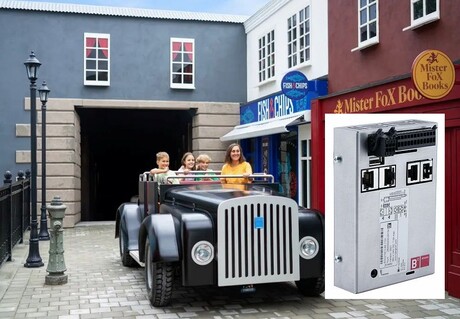
Bringing a board game to life with CODESYS

In 60 seconds

Top move

New APAC product releases (robots, servo drives, edge‑AI modules) are live in market and will require buyers to confirm spare compatibility and integration scope before awarding LTSAs

Key takeaways

  • New APAC product releases (robots, servo drives, edge‑AI modules) are live in market and will require buyers to confirm spare compatibility and integration scope before awarding LTSAs.[1]
  • Case study of a safety‑critical control integration shows FAT/SAT gates and explicit safety separation materially reduce commissioning and acceptance risk for complex buys.[3]
  • Edge‑AI and rugged industrial computers are moving to production readiness locally, creating new lifecycle support and firmware‑update responsibilities that need contract clarity.[2]
  • Supplier marketing and product demos are increasing around APAC events and feeds; treat demo claims as signals to verify, not as contractual capability.[1]
  • Technical coverage on OT cyber risk and integration best practice is useful background but is thematic—its operational implications depend on specific procurements and architectures.[2]

What changed since last run

  • No new supplier consolidation or M&A items compared with the prior brief; this run adds product availability and an operational control integration case that shift priorities to compatibility and acceptance gates.
  • Added concrete local product readiness (edge‑AI mass production and multiple automation SKUs) that increases the need to update LTSA spare and firmware support clauses.

Key facts

  • Announcements include cobot ranges, high‑speed cameras and hygienic servo drives
  • Local supplier activity shows product launches and vendor-supplied integration claims
  • Mass production announced for SKY‑MXM AI modules and multiple new rugged edge AI and box PCs
  • Products target industrial, in‑vehicle and harsh environment deployments
  • Used a dual‑core Berghof controller with separate Ethernet interfaces to separate safety tasks
  • Integrated motion platforms, turntables and synchronized subsystems requiring precise real‑ti

Why it matters

New APAC product releases (robots, servo drives, edge‑AI modules) are live in market and will require buyers to confirm spare compatibility and integration scope before awarding LTSAs. Case study of a safety‑critical control integration shows FAT/SAT gates and explicit safety separation materially reduce commissioning and acceptance risk for complex buys. Edge‑AI and rugged industrial computers are moving to production readiness locally, creating new lifecycle support and firmware‑update responsibilities that need contract clarity. Supplier marketing and product demos are increasing around APAC events and feeds; treat demo claims as signals to verify, not as contractual capability

Cost / money

  • Edge‑AI modules and new industrial computers introduce lifecycle items (firmware maintenance, specialist spares, integration fees) that are likely out of scope for existing LTSAs.[2]
  • Robotics and servo‑drive product introductions change commissioning effort and can push up upfront integration costs if vendors charge separately for FAT/SAT and on‑site support.[1]
  • Increased supplier demos and local pilot interest can generate one‑off travel or contractor costs if teams pursue live trials at supplier events.[1]

Supplier / commercial

  • Vendors with new product lines may use short quote validity or premium first‑wave support, reducing buyer leverage on price and delivery windows for pilots and initial deployments.[1]
  • Edge compute vendors entering mass production will gain near‑term commercial leverage for buyers needing immediate stock or integration services.[2]
  • System integrators for complex control projects should be contractually required to document separation of safety vs non‑safety functions and acceptance responsibilities.[3]

Safety / operations

  • The amusement‑ride integration demonstrates that explicit FAT/SAT acceptance criteria and separation of safety logic reduce rework and commissioning risk.[3]
  • Collaborative robots and new motion controllers change on‑site safety procedures and training requirements; plan validation time into commissioning windows.[1]
  • Introducing GPU‑accelerated edge nodes alters OT attack surface and recovery dependency; operations should require vendor hardening evidence and incident‑response commitments before acceptance.[2]

What to watch

  • Do not accept vendor demo claims as proof of spare compatibility or long‑term firmware support—require documented spare lists and support windows in bids.[1]
  • Short quote validity and premium early‑adopter support are common on new SKUs—watch for backorder clauses and limited warranty channels in supplier offers.[2]
  • Proposals that rely on remote commissioning or cloud features without binding OT security SLAs increase uptime and incident‑response dependency—insist on contractual cyber and SLA language.[2]

Top stories

Story 1Processonline

Factory automation :: Process Online

Signal moderateSource-grounded

What happened

Process Online's factory automation feed lists multiple new robotics, servo drives and automation items now shipping in APAC. The announcements include cobot ranges, high‑speed cameras and hygienic servo drives that change commissioning and integration scope for factory cells; watch supplier demo claims and short quote windows when sizing LTSA and installation budgets

Buyer takeaway

Treat these product launches as operationally real and likely to affect installation scope, spare lists and service commitments

Cost / money

Expect directional increases in implementation and commissioning costs where vendors charge separately for integration or FAT/SAT support

Supplier / commercial

New product lines often come with short‑validity quotes and premium early‑adopter support; confirm distributor and warranty channels

Safety / operations

Collaborative robots and new motion controllers change on‑site safety procedures and require revised acceptance tests

What to watch

Watch for demo‑driven pilot demand that compresses negotiation windows and increases travel or contractor spend

Key facts

  • Announcements include cobot ranges, high‑speed cameras and hygienic servo drives
  • Local supplier activity shows product launches and vendor-supplied integration claims

Source excerpts

← Previous 1 2 3 4 5 6 7 8 9 … 116 117 Next →
Factory automation Bringing a board game to life with CODESYS 13 May, 2026 | Supplied by: Ti2 Pty Ltd An amusement park ride is brought to life with an industrial control system and EtherCAT
ABB Robotics launches high‍-‍speed cobot range 29 April, 2026 | Supplied by: ABB Australia Pty Ltd The PoWa range of cobots are said to address a longstanding gap in the market between traditional cobots and conventional industrial robots. Kollmorgen Essentials hygienic servo drive 24 April, 2026 | Supplied by: Motion Technologies Pty Ltd Kollmorgen Corporation has expanded the application range of its Kollmorgen Essentials Servo Drive to include hygienic and washdown environments
Story 2Processonline

Computers :: Process Online

Signal strongSource-grounded

What happened

The computers feed highlights mass‑production edge‑AI modules and new rugged industrial AI box PCs now available locally. These products introduce GPU‑accelerated edge compute into production sites and therefore create new spare‑parts, firmware update responsibilities and OT security implications that buyers must confirm before procurement

Buyer takeaway

Edge‑AI modules moving to production mean suppliers will expect commercial terms for spares, firmware updates and integration services

Cost / money

New compute platforms create lifecycle cost items: firmware maintenance, specialised spares and potential premium integration fees

Supplier / commercial

Vendors with production stock gain near‑term leverage over buyers needing immediate integration or pilots

Safety / operations

GPU‑based edge nodes change the OT attack surface; require vendor incident‑response plans and hardening evidence

What to watch

Confirm firmware support windows and spare availability before accepting first‑wave deliveries

Key facts

  • Mass production announced for SKY‑MXM AI modules and multiple new rugged edge AI and box PCs
  • Products target industrial, in‑vehicle and harsh environment deployments

Source excerpts

← Previous 1 2 3 4 5 6 7 8 9 … 32 33 Next →
Emerson PACSystems IPC 6010, IPC 7010, and IPC 8010 industrial PCs 21 October, 2025 | Supplied by: Emerson The PACSystems IPC 6010, IPC 7010, and IPC 8010 industrial computing platforms are designed specifically to support AI-enabled capabilities
Computers Advantech SKY-MXM series AI modules 01 May, 2026 | Supplied by: Advantech Australia Pty Ltd Advantech has announced mass production of its SKY-MXM series, powered by the latest NVIDIA RTX PRO Blackwell embedded GPUs
Story 3Processonline

Bringing a board game to life with CODESYS

Signal strongSource-grounded

What happened

A case study describes a safety‑critical amusement ride using a dual‑core CODESYS controller that separates safety logic from global coordination. The project needed certified safety logic, deterministic real‑time performance and explicit integration boundaries; this makes FAT/SAT gates and documented safety separation operationally important to avoid commissioning rework

Buyer takeaway

This is operationally real: require contractual FAT/SAT acceptance criteria and documented safety separation from integrators

Cost / money

Lack of clear acceptance gates can create costly rework and payment disputes during commissioning

Supplier / commercial

System integrators should document safety vs non‑safety responsibilities and accept related commercial liability in SOWs

Safety / operations

Explicit separation of safety logic and formal FAT/SAT reduced commissioning and safety risk in this project

What to watch

Ensure milestone payments are tied to completed FAT/SAT deliverables and acceptance evidence

Key facts

  • Used a dual‑core Berghof controller with separate Ethernet interfaces to separate safety tasks
  • Integrated motion platforms, turntables and synchronized subsystems requiring precise real‑ti

Source excerpts

The system architecture separates global coordination from localised, safety-critical functions
How do you translate a 40-year-old board game into a dynamic, safety-critical amusement ride?
Safety-critical logic had to meet stringent regulatory requirements while maintaining real-time responsiveness

VP Snapshot

Executive Risk & Action View

New APAC product releases (robots, servo drives, edge‑AI modules) are live in market and will require buyers to confirm spare compatibility and integration scope before awarding LTSAs.

Overall
54
Cost
97
Supply
25
Schedule
74
Compliance
15

Top signals

30-180dcost

Signal 1: Cost / money

Edge‑AI modules and new industrial computers introduce lifecycle items (firmware maintenance, specialist spares, integration fees) that are likely out of scope for existing LTSAs.

Signal 2: Cost / money

Robotics and servo‑drive product introductions change commissioning effort and can push up upfront integration costs if vendors charge separately for FAT/SAT and on‑site support.

Signal 3: Cost / money

Increased supplier demos and local pilot interest can generate one‑off travel or contractor costs if teams pursue live trials at supplier events.

Signal 4: Supplier / commercial

Vendors with new product lines may use short quote validity or premium first‑wave support, reducing buyer leverage on price and delivery windows for pilots and initial deployments.

0-30dcommercial

Signal 5: Supplier / commercial

Edge compute vendors entering mass production will gain near‑term commercial leverage for buyers needing immediate stock or integration services.

30-180dcommercial

Signal 6: Supplier / commercial

System integrators for complex control projects should be contractually required to document separation of safety vs non‑safety functions and acceptance responsibilities.

Recommended actions

CategoryDue 3d

Create a focused inventory of announced hardware (edge AI modules, box PCs, servo drives, cobots) and map against existing LTSA and spare lists.

Shortlist of items needing contract or spare‑list updates to avoid acceptance or uptime gaps

OpsDue 3d

Ask shortlisted system integrators for draft FAT/SAT checklists and safety separation documentation for any upcoming control‑system work.

Receipt of FAT/SAT templates to attach to SOWs and milestone payments

ContractsDue 21d

Update RFx and LTSA templates to mandate vendor disclosure of spare‑part lineage, firmware update windows, quote validity, and incident‑response commitments.

Revised RFx/LTSA clause set requiring spare lists, firmware support windows and cyber incident handling

CategoryDue 21d

Run supplier capability checks for onshore integration resources for robotics and edge compute, and capture any offshore execution exposure in the supplier matrix.

Updated supplier capability matrix showing onsite vs offshore execution risk and required support levels

ContractsDue 60d

Plan an LTSA compatibility and amendment review that ties FAT/SAT acceptance gates, spare transitions, and cyber‑hardening evidence to payment milestones for new control and com...

LTSA amendment plan with contractual checkpoints for compatibility, security evidence and acceptance tied to milestone payments

Risk register

RiskTriggerMitigation
Do not accept vendor demo claims as proof of spare compatibility or long‑term firmware support—require documented spare lists and support windows in bids.Do not accept vendor demo claims as proof of spare compatibility or long‑term firmware support—require documented spare lists and support windows in bids.Confirm exposure with category, contracts, and operations before the next supplier commitment.
Short quote validity and premium early‑adopter support are common on new SKUs—watch for backorder clauses and limited warranty channels in supplier offers.Short quote validity and premium early‑adopter support are common on new SKUs—watch for backorder clauses and limited warranty channels in supplier offers.Confirm exposure with category, contracts, and operations before the next supplier commitment.
Proposals that rely on remote commissioning or cloud features without binding OT security SLAs increase uptime and incident‑response dependency—insist on contractual cyber and SLA language.Proposals that rely on remote commissioning or cloud features without binding OT security SLAs increase uptime and incident‑response dependency—insist on contractual cyber and SLA language.Confirm exposure with category, contracts, and operations before the next supplier commitment.

CM Snapshot

Category Manager Decision Detail

Today's priorities

Create a focused inventory of announced hardware (edge AI modules, box PCs, servo drives, cobots) and map against existing LTSA and spare lists.

because product announcements indicate new SKUs and lifecycle responsibilities that may be uncovered gaps in current contracts and spares provisioning

Due 3d

high

CM move

Use this as the immediate supplier or contract action to move before the next sourcing gate.

Ask shortlisted system integrators for draft FAT/SAT checklists and safety separation documentation for any upcoming control‑system work.

because the safety‑critical integration case shows explicit FAT/SAT gates materially reduce commissioning and rework risk

Due 3d

high

CM move

Use this as the immediate supplier or contract action to move before the next sourcing gate.

Update RFx and LTSA templates to mandate vendor disclosure of spare‑part lineage, firmware update windows, quote validity, and incident‑response commitments.

because new compute and automation SKUs introduce firmware and spare dependencies that should be contractually assigned to suppliers

Due 21d

high

CM move

Use this as the immediate supplier or contract action to move before the next sourcing gate.

Run supplier capability checks for onshore integration resources for robotics and edge compute, and capture any offshore execution exposure in the supplier matrix.

because new automation and compute deployments often require specialist integration that affects schedule, travel needs and local staffing exposure

Due 21d

high

CM move

Use this as the immediate supplier or contract action to move before the next sourcing gate.

Supplier radar

Processonline

high

Observed supplier signal

Vendors with new product lines may use short quote validity or premium first‑wave support, reducing buyer leverage on price and delivery windows for pilots and initial deployments.

Commercial implication

Vendors with new product lines may use short quote validity or premium first‑wave support, reducing buyer leverage on price and delivery windows for pilots and initial deployments.

Next step: Validate the source-backed signal with incumbents and alternates before the next award or pricing decision.

Processonline

high

Observed supplier signal

Edge compute vendors entering mass production will gain near‑term commercial leverage for buyers needing immediate stock or integration services.

Commercial implication

Edge compute vendors entering mass production will gain near‑term commercial leverage for buyers needing immediate stock or integration services.

Next step: Validate the source-backed signal with incumbents and alternates before the next award or pricing decision.

Processonline

high

Observed supplier signal

System integrators for complex control projects should be contractually required to document separation of safety vs non‑safety functions and acceptance responsibilities.

Commercial implication

System integrators for complex control projects should be contractually required to document separation of safety vs non‑safety functions and acceptance responsibilities.

Next step: Validate the source-backed signal with incumbents and alternates before the next award or pricing decision.

Negotiation levers

Create a focused inventory of announced hardware (edge AI modules, box PCs, servo drives, cobots) and map against existing LTSA and spare lists.

When to use: because product announcements indicate new SKUs and lifecycle responsibilities that may be uncovered gaps in current contracts and spares provisioning

Expected outcome: Shortlist of items needing contract or spare‑list updates to avoid acceptance or uptime gaps

Commercial mechanism to carry into the next supplier conversation

Ask shortlisted system integrators for draft FAT/SAT checklists and safety separation documentation for any upcoming control‑system work.

When to use: because the safety‑critical integration case shows explicit FAT/SAT gates materially reduce commissioning and rework risk

Expected outcome: Receipt of FAT/SAT templates to attach to SOWs and milestone payments

Commercial mechanism to carry into the next supplier conversation

Update RFx and LTSA templates to mandate vendor disclosure of spare‑part lineage, firmware update windows, quote validity, and incident‑response commitments.

When to use: because new compute and automation SKUs introduce firmware and spare dependencies that should be contractually assigned to suppliers

Expected outcome: Revised RFx/LTSA clause set requiring spare lists, firmware support windows and cyber incident handling

Commercial mechanism to carry into the next supplier conversation

Run supplier capability checks for onshore integration resources for robotics and edge compute, and capture any offshore execution exposure in the supplier matrix.

When to use: because new automation and compute deployments often require specialist integration that affects schedule, travel needs and local staffing exposure

Expected outcome: Updated supplier capability matrix showing onsite vs offshore execution risk and required support levels

Commercial mechanism to carry into the next supplier conversation

Talking points

New APAC product releases (robots, servo drives, edge‑AI modules) are live in market and will require buyers to confirm spare compatibility and integration scope before awarding LTSAs.
Case study of a safety‑critical control integration shows FAT/SAT gates and explicit safety separation materially reduce commissioning and acceptance risk for complex buys.
Edge‑AI and rugged industrial computers are moving to production readiness locally, creating new lifecycle support and firmware‑update responsibilities that need contract clarity.
Supplier marketing and product demos are increasing around APAC events and feeds; treat demo claims as signals to verify, not as contractual capability.

Supplier radar

SupplierSignalImplicationNext stepConfidence
ProcessonlineVendors with new product lines may use short quote validity or premium first‑wave support, reducing buyer leverage on price and delivery windows for pilots and initial deployments.Vendors with new product lines may use short quote validity or premium first‑wave support, reducing buyer leverage on price and delivery windows for pilots and initial deployments.Validate the source-backed signal with incumbents and alternates before the next award or pricing decision.high
ProcessonlineEdge compute vendors entering mass production will gain near‑term commercial leverage for buyers needing immediate stock or integration services.Edge compute vendors entering mass production will gain near‑term commercial leverage for buyers needing immediate stock or integration services.Validate the source-backed signal with incumbents and alternates before the next award or pricing decision.high
ProcessonlineSystem integrators for complex control projects should be contractually required to document separation of safety vs non‑safety functions and acceptance responsibilities.System integrators for complex control projects should be contractually required to document separation of safety vs non‑safety functions and acceptance responsibilities.Validate the source-backed signal with incumbents and alternates before the next award or pricing decision.high

Negotiation levers

  • Create a focused inventory of announced hardware (edge AI modules, box PCs, servo drives, cobots) and map against existing LTSA and spare lists.because product announcements indicate new SKUs and lifecycle responsibilities that may be uncovered gaps in current contracts and spares provisioningShortlist of items needing contract or spare‑list updates to avoid acceptance or uptime gaps

    high confidence

  • Ask shortlisted system integrators for draft FAT/SAT checklists and safety separation documentation for any upcoming control‑system work.because the safety‑critical integration case shows explicit FAT/SAT gates materially reduce commissioning and rework riskReceipt of FAT/SAT templates to attach to SOWs and milestone payments

    high confidence

  • Update RFx and LTSA templates to mandate vendor disclosure of spare‑part lineage, firmware update windows, quote validity, and incident‑response commitments.because new compute and automation SKUs introduce firmware and spare dependencies that should be contractually assigned to suppliersRevised RFx/LTSA clause set requiring spare lists, firmware support windows and cyber incident handling

    high confidence

  • Run supplier capability checks for onshore integration resources for robotics and edge compute, and capture any offshore execution exposure in the supplier matrix.because new automation and compute deployments often require specialist integration that affects schedule, travel needs and local staffing exposureUpdated supplier capability matrix showing onsite vs offshore execution risk and required support levels

    high confidence

What to do / What to watch

What to do now

  • Create a focused inventory of announced hardware (edge AI modules, box PCs, servo drives, cobots) and map against existing LTSA and spare lists.

    Why: because product announcements indicate new SKUs and lifecycle responsibilities that may be uncovered gaps in current contracts and spares provisioning

    Owner: Category

    Expected outcome: Shortlist of items needing contract or spare‑list updates to avoid acceptance or uptime gaps

    [2]
  • Ask shortlisted system integrators for draft FAT/SAT checklists and safety separation documentation for any upcoming control‑system work.

    Why: because the safety‑critical integration case shows explicit FAT/SAT gates materially reduce commissioning and rework risk

    Owner: Ops

    Expected outcome: Receipt of FAT/SAT templates to attach to SOWs and milestone payments

    [3]

Next few weeks

  • Update RFx and LTSA templates to mandate vendor disclosure of spare‑part lineage, firmware update windows, quote validity, and incident‑response commitments.

    Why: because new compute and automation SKUs introduce firmware and spare dependencies that should be contractually assigned to suppliers

    Owner: Contracts

    Expected outcome: Revised RFx/LTSA clause set requiring spare lists, firmware support windows and cyber incident handling

    [2]
  • Run supplier capability checks for onshore integration resources for robotics and edge compute, and capture any offshore execution exposure in the supplier matrix.

    Why: because new automation and compute deployments often require specialist integration that affects schedule, travel needs and local staffing exposure

    Owner: Category

    Expected outcome: Updated supplier capability matrix showing onsite vs offshore execution risk and required support levels

    [1]

Longer view

  • Plan an LTSA compatibility and amendment review that ties FAT/SAT acceptance gates, spare transitions, and cyber‑hardening evidence to payment milestones for new control and com...

    Why: because integrating new edge‑AI and automation hardware creates execution, spares and cyber dependencies that should be managed contractually to protect uptime

    Owner: Contracts

    Expected outcome: LTSA amendment plan with contractual checkpoints for compatibility, security evidence and acceptance tied to milestone payments

    [3]

What to watch

  • Do not accept vendor demo claims as proof of spare compatibility or long‑term firmware support—require documented spare lists and support windows in bids
  • Short quote validity and premium early‑adopter support are common on new SKUs—watch for backorder clauses and limited warranty channels in supplier offers
  • Proposals that rely on remote commissioning or cloud features without binding OT security SLAs increase uptime and incident‑response dependency—insist on contractual cyber and SLA language
  • Do not accept vendor demo claims as proof of spare compatibility or long‑term firmware support—require documented spare lists and support windows in bids.: Do not accept vendor demo claims as proof of spare compatibility or long‑term firmware support—require documented spare lists and support windows in bids
  • Short quote validity and premium early‑adopter support are common on new SKUs—watch for backorder clauses and limited warranty channels in supplier offers.: Short quote validity and premium early‑adopter support are common on new SKUs—watch for backorder clauses and limited warranty channels in supplier offers
  • Proposals that rely on remote commissioning or cloud features without binding OT security SLAs increase uptime and incident‑response dependency—insist on contractual cyber and SLA language.: Proposals that rely on remote commissioning or cloud features without binding OT security SLAs increase uptime and incident‑response dependency—insist on contractual cyber and SLA language
  • New APAC product releases (robots, servo drives, edge‑AI modules) are live in market and will require buyers to confirm spare compatibility and integration scope before awarding LTSAs
  • Case study of a safety‑critical control integration shows FAT/SAT gates and explicit safety separation materially reduce commissioning and acceptance risk for complex buys

Market pulse

IndexLatestChangeAs of
WTI Crude (WTI)71.23 /bbl+0.00 (+0.00%)May 17, 2026, 10:11 PM
Brent Crude (BRENT)74.89 /bbl+0.00 (+0.00%)May 17, 2026, 10:11 PM
Natural Gas (NG)3.12 /MMBtu+0.00 (+0.00%)May 17, 2026, 10:11 PM
Baker Hughes (BKR)32 +0.00 (+0.00%)May 17, 2026, 10:11 PM
GE Vernova (GEV)175 +0.00 (+0.00%)May 17, 2026, 10:11 PM
  • Baker Hughes: Baker Hughes activity signals aftermarket demand that tightens lead times for specialist rotating equipment and field services; confirm lead times during sourcing
  • GE Vernova: GE Vernova platform updates can affect DCS and turbine spare compatibility; flag cross‑vendor spare lists when new compute or control stacks are introduced
  • Natural Gas: Natural gas market directionally affects operating hours and spare consumption for gas‑fired assets; use as context when modeling LTSA usage assumptions

Sources

Inline citations jump here. Expand a source to read the excerpt, the AI interpretation, and the original link.

[1] Factory automation :: Process Online

processonline.com.au · n.d.

Expand

AI reading

Process Online's factory automation feed lists multiple new robotics, servo drives and automation items now shipping in APAC. The announcements include cobot ranges, high‑speed cameras and hygienic servo drives that change commissioning and integration scope for factory cells; watch supplier demo claims and short quote windows when sizing LTSA and installation budgets

Buyer takeaway

Treat these product launches as operationally real and likely to affect installation scope, spare lists and service commitments

Cost / money

Expect directional increases in implementation and commissioning costs where vendors charge separately for integration or FAT/SAT support

Supplier / commercial

New product lines often come with short‑validity quotes and premium early‑adopter support; confirm distributor and warranty channels

Safety / operations

Collaborative robots and new motion controllers change on‑site safety procedures and require revised acceptance tests

What to watch

Watch for demo‑driven pilot demand that compresses negotiation windows and increases travel or contractor spend

Key facts

  • Announcements include cobot ranges, high‑speed cameras and hygienic servo drives
  • Local supplier activity shows product launches and vendor-supplied integration claims

Source excerpts

← Previous 1 2 3 4 5 6 7 8 9 … 116 117 Next →
Factory automation Bringing a board game to life with CODESYS 13 May, 2026 | Supplied by: Ti2 Pty Ltd An amusement park ride is brought to life with an industrial control system and EtherCAT
ABB Robotics launches high‍-‍speed cobot range 29 April, 2026 | Supplied by: ABB Australia Pty Ltd The PoWa range of cobots are said to address a longstanding gap in the market between traditional cobots and conventional industrial robots. Kollmorgen Essentials hygienic servo drive 24 April, 2026 | Supplied by: Motion Technologies Pty Ltd Kollmorgen Corporation has expanded the application range of its Kollmorgen Essentials Servo Drive to include hygienic and washdown environments

Used in this brief

  • Next 2-4 weeks — Run supplier capability checks for onshore integration resources for robotics and edge compute, and capture any offshore execution exposure in the supplier matrix.. Rationale: because new automation and compute deployments often require specialist integration that affects schedule, travel needs and local staffing exposure. Owner: Category. KPI: Updated supplier capability matrix showing onsite vs offshore execution risk and required support levels
  • Do not accept vendor demo claims as proof of spare compatibility or long‑term firmware support—require documented spare lists and support windows in bids
  • Process Online's factory automation feed lists multiple new robotics, servo drives and automation items now shipping in APAC. The announcements include cobot ranges, high‑speed cameras and hygienic servo drives that change commissioning and integration scope for factory cells; watch supplier demo claims and short quote windows when sizing LTSA and installation budgets
Open original source

[2] Computers :: Process Online

processonline.com.au · n.d.

Expand

AI reading

The computers feed highlights mass‑production edge‑AI modules and new rugged industrial AI box PCs now available locally. These products introduce GPU‑accelerated edge compute into production sites and therefore create new spare‑parts, firmware update responsibilities and OT security implications that buyers must confirm before procurement

Buyer takeaway

Edge‑AI modules moving to production mean suppliers will expect commercial terms for spares, firmware updates and integration services

Cost / money

New compute platforms create lifecycle cost items: firmware maintenance, specialised spares and potential premium integration fees

Supplier / commercial

Vendors with production stock gain near‑term leverage over buyers needing immediate integration or pilots

Safety / operations

GPU‑based edge nodes change the OT attack surface; require vendor incident‑response plans and hardening evidence

What to watch

Confirm firmware support windows and spare availability before accepting first‑wave deliveries

Key facts

  • Mass production announced for SKY‑MXM AI modules and multiple new rugged edge AI and box PCs
  • Products target industrial, in‑vehicle and harsh environment deployments

Source excerpts

← Previous 1 2 3 4 5 6 7 8 9 … 32 33 Next →
Emerson PACSystems IPC 6010, IPC 7010, and IPC 8010 industrial PCs 21 October, 2025 | Supplied by: Emerson The PACSystems IPC 6010, IPC 7010, and IPC 8010 industrial computing platforms are designed specifically to support AI-enabled capabilities
Computers Advantech SKY-MXM series AI modules 01 May, 2026 | Supplied by: Advantech Australia Pty Ltd Advantech has announced mass production of its SKY-MXM series, powered by the latest NVIDIA RTX PRO Blackwell embedded GPUs

Used in this brief

  • Next 72 hours — Create a focused inventory of announced hardware (edge AI modules, box PCs, servo drives, cobots) and map against existing LTSA and spare lists.. Rationale: because product announcements indicate new SKUs and lifecycle responsibilities that may be uncovered gaps in current contracts and spares provisioning. Owner: Category. KPI: Shortlist of items needing contract or spare‑list updates to avoid acceptance or uptime gaps
  • Next 2-4 weeks — Update RFx and LTSA templates to mandate vendor disclosure of spare‑part lineage, firmware update windows, quote validity, and incident‑response commitments.. Rationale: because new compute and automation SKUs introduce firmware and spare dependencies that should be contractually assigned to suppliers. Owner: Contracts. KPI: Revised RFx/LTSA clause set requiring spare lists, firmware support windows and cyber incident handling
  • Short quote validity and premium early‑adopter support are common on new SKUs—watch for backorder clauses and limited warranty channels in supplier offers
Open original source

[3] Bringing a board game to life with CODESYS

processonline.com.au · n.d.

Expand

AI reading

A case study describes a safety‑critical amusement ride using a dual‑core CODESYS controller that separates safety logic from global coordination. The project needed certified safety logic, deterministic real‑time performance and explicit integration boundaries; this makes FAT/SAT gates and documented safety separation operationally important to avoid commissioning rework

Buyer takeaway

This is operationally real: require contractual FAT/SAT acceptance criteria and documented safety separation from integrators

Cost / money

Lack of clear acceptance gates can create costly rework and payment disputes during commissioning

Supplier / commercial

System integrators should document safety vs non‑safety responsibilities and accept related commercial liability in SOWs

Safety / operations

Explicit separation of safety logic and formal FAT/SAT reduced commissioning and safety risk in this project

What to watch

Ensure milestone payments are tied to completed FAT/SAT deliverables and acceptance evidence

Key facts

  • Used a dual‑core Berghof controller with separate Ethernet interfaces to separate safety tasks
  • Integrated motion platforms, turntables and synchronized subsystems requiring precise real‑ti

Source excerpts

The system architecture separates global coordination from localised, safety-critical functions
How do you translate a 40-year-old board game into a dynamic, safety-critical amusement ride?
Safety-critical logic had to meet stringent regulatory requirements while maintaining real-time responsiveness

Used in this brief

  • Supplier / commercial: System integrators for complex control projects should be contractually required to document separation of safety vs non‑safety functions and acceptance responsibilities
  • Safety / operations: The amusement‑ride integration demonstrates that explicit FAT/SAT acceptance criteria and separation of safety logic reduce rework and commissioning risk
  • Safety / operations: Collaborative robots and new motion controllers change on‑site safety procedures and training requirements; plan validation time into commissioning windows
Open original source

[4] Baker Hughes

finance.yahoo.com · n.d.

Expand

[5] GE Vernova

finance.yahoo.com · n.d.

Expand

[6] Natural Gas

finance.yahoo.com · n.d.

Expand