Operations & Maintenance Services · Australia (Perth)

Adjust O&M Sourcing for New Vessel and Energy Project Flows

Published May 19, 2026, 6:04 AM AWSTAPACFull category signal
Ask AI
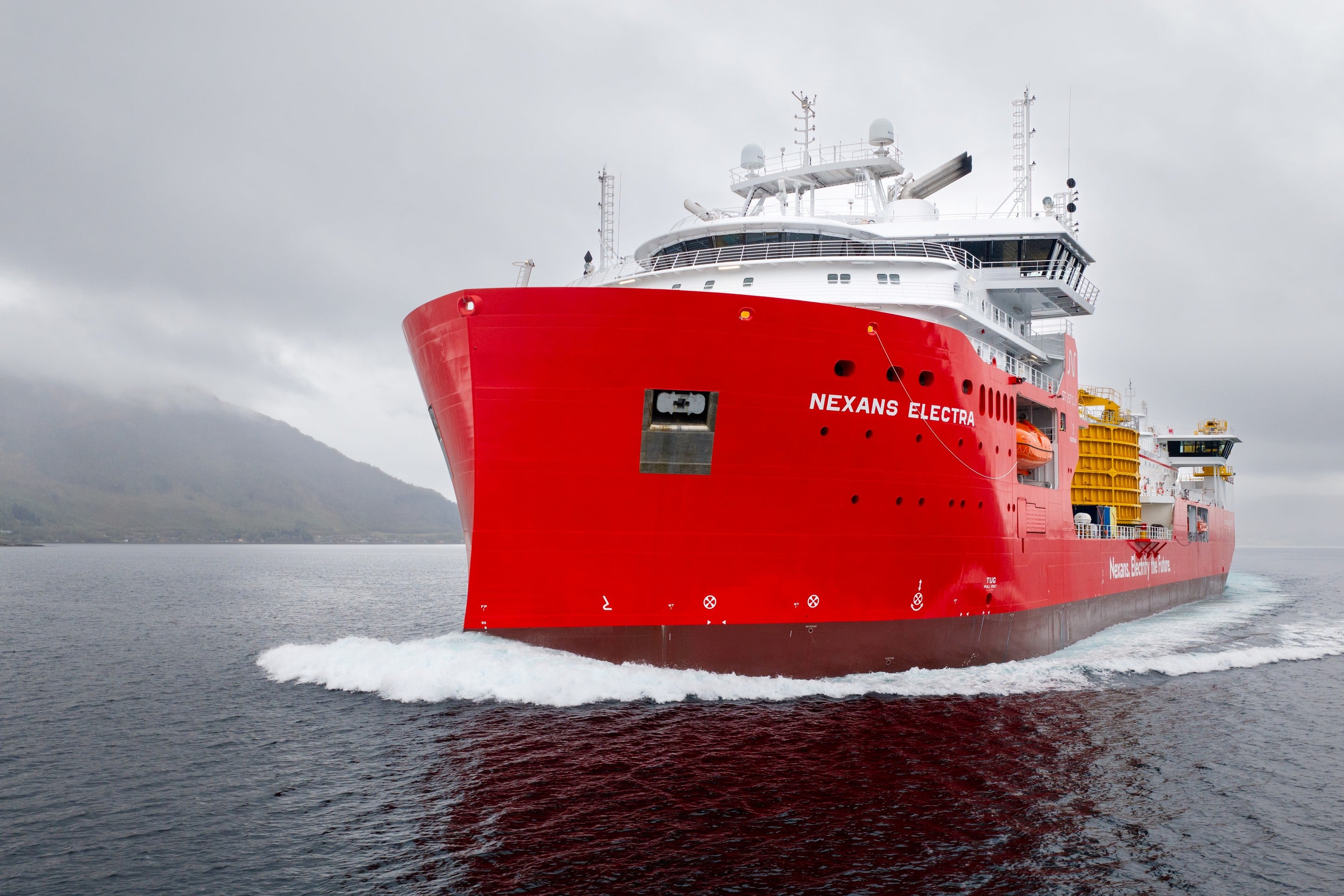
Ulstein hands over 155-meter cable-laying vessel to Nexans

In 60 seconds

Top move

Cable‑laying capacity is expanding with both recent handovers and new orders, which shifts execution windows for subsea electrification and can lengthen or tighten bidder pools depending on project timing

Key takeaways

  • Cable‑laying capacity is expanding with both recent handovers and new orders, which shifts execution windows for subsea electrification and can lengthen or tighten bidder pools depending on project timing.[5]
  • Vessel and rig contracts are extending from short to multi‑year firm terms, increasing predictable demand for crew, support services and long‑lead maintenance spares.[3]
  • Early commercial execution for major LNG projects has moved into construction and financing phases, driving demand for cryogenic equipment, gas turbines and EPC services that compete with regional O&M capacity.[1]
  • Fuel and propulsion transitions are operationally real: an ammonia conversion project for a PSV is underway and requires new supplier capabilities, handling plans and regulatory checks before normal operations resume.[2]
  • Taken together these stories raise medium‑to‑long lead procurement and mobilization pressure — not a sudden crisis, but a steady shift buyers should verify against current supplier commitments and mobilization clauses.[4][5]

What changed since last run

  • Added new evidence of vessel and subsea cable‑laying capacity changes (vessel handover and a new CLV order) not present in the inline inspection brief.
  • Recorded an operational ammonia retrofit underway for a PSV, introducing new fuel‑handling and safety contract implications for vessel O&M.
  • Captured rig contract extensions moving from optional to firm multi‑year terms, increasing secured demand for drilling support services.

Key facts

  • 155‑meter cable‑laying vessel handover
  • Three turntables with 13,500‑ton loading capacity
  • Capable of bundle laying multiple cables simultaneously
  • New CLV ordered for long‑distance cable installation
  • Two 12,000‑ton cable carousels, 24,000‑ton carrying capacity
  • Design enables longer continuous cable sections to reduce offshore joints

Why it matters

Cable‑laying capacity is expanding with both recent handovers and new orders, which shifts execution windows for subsea electrification and can lengthen or tighten bidder pools depending on project timing. Vessel and rig contracts are extending from short to multi‑year firm terms, increasing predictable demand for crew, support services and long‑lead maintenance spares. Early commercial execution for major LNG projects has moved into construction and financing phases, driving demand for cryogenic equipment, gas turbines and EPC services that compete with regional O&M capacity. Fuel and propulsion transitions are operationally real: an ammonia conversion project for a PSV is underway and requires new supplier capabilities, handling plans and regulatory checks before normal operations resume

Cost / money

  • Longer firm vessel and rig commitments reduce spot market flexibility and can push buyers into earlier commitments for crew and spares, increasing near‑term procurement outlay.[3]
  • Newbuild and retrofit investments in cable‑laying vessels and dual‑fuel engines signal higher capital intensity in supply chains that can translate into higher dayrates or pass‑through mobilisation charges for buyers.[4][5][2]

Supplier / commercial

  • Suppliers delivering specialized vessels or engines gain leverage to narrow quote validity and add mobilisation annexes; expect shorter bid windows and firmer payment or milestone terms.[5][2]
  • Large LNG FID and project financing entering execution heighten competition for EPC contractors and long‑lead items, which can tighten availability for regional O&M contractors that share the same supply base.[1]
  • A pattern of multi‑year firm awards (rigs and accommodation vessels) makes suppliers more willing to demand minimum standby fees or longer notice periods in SOWs.[3]

Safety / operations

  • Fuel conversion to ammonia creates new handling, crew training and emergency response requirements that must be contractually captured and operationally validated before acceptance.[2]
  • Greater use of dedicated cable‑laying assets reduces offshore jointing and exposure to rework, improving execution uptime if installation contractors maintain vessel availability as scheduled.[4][5]

What to watch

  • Watch whether suppliers start packaging mobilisation logistics with vessel or CLV deliveries to capture mobilisation margins and limit buyer choice — that packaging can appear as mandatory addenda in RFx responses.[5][4]
  • Watch for suppliers to shorten quote validity and add minimum‑commitment clauses on retrofits and conversions as they balance retrofit slots against newbuild schedules.[2]

Top stories

Story 1Offshore EnergyMay 18, 2026

Ulstein hands over 155-meter cable-laying vessel to Nexans

Signal strongSource-grounded

What happened

Ulstein has delivered a purpose‑built cable‑laying vessel to Nexans, expanding available fleet capacity for complex subsea transmission projects. The new vessel adds significant cable carrying and multi‑cable lay capability, which is operationally meaningful for projects that want longer continuous sections and fewer offshore joints. Watch whether this delivery changes supplier scheduling or bid windows for upcoming APAC interconnector and offshore wind tenders

Buyer takeaway

Treat this as an execution‑capacity change: more CLV capacity reduces some delivery risk but gives vessel owners leverage to prioritise customers and add mobilisation terms

Cost / money

Directionally increases supplier pricing power on mobilisation and scheduling for major subsea projects because fewer owners can meet complex HVDC or multi‑cable demands

Supplier / commercial

Expect owners to push for preferred customer terms, constrained bid windows and mobilisation pass‑throughs tied to vessel availability

Safety / operations

Improved vessel capability reduces offshore jointing risk, but acceptance must verify installation quality and joint integrity procedures

What to watch

Watch for packaged mobilisation or charter addenda that limit subcontractor choice or shift mobilisation costs to buyers

Key facts

  • 155‑meter cable‑laying vessel handover
  • Three turntables with 13,500‑ton loading capacity
  • Capable of bundle laying multiple cables simultaneously

Source excerpts

Home Subsea Ulstein hands over 155-meter cable-laying vessel to Nexans May 18, 2026, by Norway’s Ulstein Verft has delivered the cable-laying vessel (CLV) Nexans Electra to French cable systems designer and manufacturer Nexans, purpose‑built for the transport, laying, protection, repair and jointing of subsea power cables
2-meter-long and 31-meter-wide vessel is based on the ST-297 CLV design by Skipsteknisk and is equipped with three turntables boasting a 13,500-ton loading capacity
“Execution is where subsea projects are won or lost, and our cable‑laying fleet is critical to success,” said Pascal Radue, Executive Vice President of Nexans Power Transmission Business Group. “The naming and handover of Nexans Electra mark a defining moment in our long‑term investment strategy
Story 2Offshore EnergyMay 18, 2026

Boskalis orders new cable-laying vessel for offshore wind, interconnector markets

Signal moderateDirectional

What happened

The newbuild CLV will feature two 12,000-ton cable carousels, including a concentric carousel, giving the vessel a total cable carrying capacity of 24,000 tons. The vessel is scheduled to enter service in 2029

Buyer takeaway

Order signals lead‑time challenges and future capacity improvements; buyers must align project schedules with vessel delivery timelines

Cost / money

Large newbuilds push capital intensity into the market and can compress availability for near‑term projects, raising dayrates or requiring earlier commitments

Supplier / commercial

Shipowners can use newbuild announcements to justify longer notice periods and minimum charter terms in negotiations

Safety / operations

Longer continuous lays reduce offshore joint risks but require precise logistics and onshore pre‑assembly controls

What to watch

Limited immediate impact on spot capacity, but plan for tighter windows as newbuilds enter service and owners prioritise contracts

Key facts

  • New CLV ordered for long‑distance cable installation
  • Two 12,000‑ton cable carousels, 24,000‑ton carrying capacity
  • Design enables longer continuous cable sections to reduce offshore joints

Source excerpts

Home Vessels & Vehicles Boskalis orders new cable-laying vessel for offshore wind, interconnector markets May 18, 2026, by Boskalis will invest in a new high-capacity cable-laying vessel (CLV) targeting the offshore wind and interconnector markets, the company said on May 18. Image: Boskalis According to the company, the vessel is designed to support growing demand for long-distance cable installation, particularly for high-voltage direct current (HVDC) cables, driven by the electrification of energy demand and
Home Vessels & Vehicles Boskalis orders new cable-laying vessel for offshore wind, interconnector markets May 18, 2026, by Boskalis will invest in a new high-capacity cable-laying vessel (CLV) targeting the offshore wind and interconnector markets, the company said on May 18
The newbuild CLV will feature two 12,000-ton cable carousels, including a concentric carousel, giving the vessel a total cable carrying capacity of 24,000 tons
Story 3Offshore EnergyMay 18, 2026

Eidesvik's PSV begins journey to ammonia-powered operations

Signal strongSource-grounded

What happened

Eidesvik has begun converting a platform supply vessel to operate on ammonia dual‑fuel, with major structural work, a new ammonia tank, and a dual‑fuel engine to be integrated. The retrofit is underway at a dock with Wärtsilä supplying the engine and regulatory preliminary assessments completed, making fuel‑handling, crew training and port approvals concrete near‑term tasks to watch. Buyers should watch certification steps and proof of crew competence before returning the vessel to normal contracted service

Buyer takeaway

This is operationally real — conversions require contract updates for fuel safety, crew training, and regulator acceptance before acceptance into service

Cost / money

Retrofit adds capital and mobilisation cost exposures; owners may seek to recover these through higher dayrates or mobilisation fees during contract renewal

Supplier / commercial

Vendors performing conversions can demand higher margins and tight schedule guarantees; they may require buy‑side acceptance of regulatory hold points

Safety / operations

Ammonia involves different hazards; verification of handling procedures and emergency plans is essential before handback

What to watch

Watch for suppliers adding training, certification and liability clauses tied to ammonia operations into SOWs

Key facts

  • PSV conversion to ammonia dual‑fuel under dock works
  • Wärtsilä supplying an ammonia‑capable dual‑fuel engine
  • Conversion intended to significantly reduce onboard GHG emissions

Source excerpts

Home Clean Fuel Eidesvik’s PSV begins journey to ammonia-powered operations May 18, 2026, by Eidesvik Offshore’s platform supply vessel (PSV) Viking Energy has entered the dock at Halsnøy Dokk to start conversion to ammonia-powered operations
The conversion is said to have the potential to reduce greenhouse gas emissions by 70% or more. According to Eidesvik, upon completion of the retrofit, Viking Energy will be the first offshore vessel to be able to operate on ammonia, and this is the first actual project in the industry testing out ammonia as fuel for a vessel in normal operation
According to Eidesvik, upon completion of the retrofit, Viking Energy will be the first offshore vessel to be able to operate on ammonia, and this is the first actual project in the industry testing out ammonia as fuel for a vessel in normal operation
Story 4Offshore EnergyMay 18, 2026

ADES’ 2014-built rig turns one-year North Sea gig into three-year drilling job

Signal strongSource-grounded

What happened

ADES secured an extension turning a one‑year firm rig contract into a three‑year firm assignment in the North Sea, converting optional extensions into guaranteed work. The longer firm term increases predictable demand for drilling support services, crew rotations and MRO spares over the contract life. Watch whether similar extensions propagate across other regional drilling programs and how suppliers price longer firm commitments

Buyer takeaway

Treat multi‑year firmer terms as real demand; they require adjusting supply plans for crews, spares and mobilisation capacity

Cost / money

Longer firm periods reduce buyer leverage on price and can increase baseline procurement spend for certified crews and critical spares

Supplier / commercial

Rig owners are incentivised to secure longer commitments and may negotiate minimum notice periods and standby fees

Safety / operations

Extended campaigns can concentrate maintenance cycles and increase the need for planned outages and spare inventories

What to watch

Watch for suppliers to tighten cancellation terms and impose minimum mobilisation charges as they convert options to firm work

Key facts

  • One‑year firm award converted to a three‑year firm commitment
  • Contract retains optional follow‑on years beyond the new firm term
  • Rig continues drilling operations on current platforms with planned stimulations

Source excerpts

The rig owner explains that this converts the initial one-year firm term into a three-year firm term, while maintaining the same optional terms
The rig owner explains that this converts the initial one-year firm term into a three-year firm term, while maintaining the same optional terms. The deal, which began in mid-November 2025, was originally awarded a one-year firm plus two one-year optional extension periods
This contract extension comes shortly after ADES announced a one-year firm contract for its Main Pass IV standard jack-up rig in Nigeria
Story 5Offshore EnergyMay 18, 2026

$13 billion US LNG project moves into execution phase with FID in the bag

Signal strongSource-grounded

What happened

A large US LNG project has reached final investment decision and closed major project financing, moving into full construction and raising market demand for compressors, turbines and cryogenic heat‑exchanger supply chains. The FID makes construction procurement schedules and long‑lead equipment orders operationally real for global suppliers that also serve maintenance markets. Watch whether this draws capacity and materials away from APAC O&M suppliers or increases local subcontracting demand

Buyer takeaway

An FID makes pipeline demand real for large mechanical and cryogenic suppliers; buyers should expect increased competition for certain fabrication and assembly slots

Cost / money

Expect directional upward pressure on pricing and longer lead times for specialised rotating equipment and heat‑exchanger fabrications

Supplier / commercial

EPCs and equipment vendors may prioritise FID‑backed projects and require stricter milestone payments or advance purchase commitments

Safety / operations

No direct immediate operational safety impact for O&M, but diverted supplier attention can delay critical spares or service visits

What to watch

Watch supplier prioritisation that reallocates skilled labour and fabrication capacity toward FID‑backed construction work

Key facts

  • Project reached FID with project financing closed
  • Facility will include mixed‑refrigerant compressors and major gas turbines
  • Developer states project moves into full construction execution

Source excerpts

Home Fossil Energy $13 billion US LNG project moves into execution phase with FID in the bag America’s integrated gas and liquefied natural gas (LNG) company Caturus, controlled by the energy-focused alternative investment manager Kimmeridge, has unveiled a final investment decision (FID) for its LNG export project under development in Louisiana, United States. Rendering of Commonwealth LNG; Source: Commonwealth LNG Caturus has made a positive final investment decision for its $13-billion Commonwealth LNG proje
” Caturus previously authorized France’s Technip Energies, Commonwealth LNG’s engineering, procurement, and construction (EPC) partner, to order major long-lead equipment for the facility
75 billion in project financing for construction of the 9

VP Snapshot

Executive Risk & Action View

Cable‑laying capacity is expanding with both recent handovers and new orders, which shifts execution windows for subsea electrification and can lengthen or tighten bidder pools depending on project timing.

Overall
59
Cost
61
Supply
79
Schedule
20
Compliance
15

Top signals

180d+cost

Signal 1: Cost / money

Longer firm vessel and rig commitments reduce spot market flexibility and can push buyers into earlier commitments for crew and spares, increasing near‑term procurement outlay.

30-180dcost

Signal 2: Cost / money

Newbuild and retrofit investments in cable‑laying vessels and dual‑fuel engines signal higher capital intensity in supply chains that can translate into higher dayrates or pass‑through mobilisation charges for buyers.

30-180dcommercial

Signal 3: Supplier / commercial

Suppliers delivering specialized vessels or engines gain leverage to narrow quote validity and add mobilisation annexes; expect shorter bid windows and firmer payment or milestone terms.

0-30dsupply

Signal 4: Supplier / commercial

Large LNG FID and project financing entering execution heighten competition for EPC contractors and long‑lead items, which can tighten availability for regional O&M contractors that share the same supply base.

180d+commercial

Signal 5: Supplier / commercial

A pattern of multi‑year firm awards (rigs and accommodation vessels) makes suppliers more willing to demand minimum standby fees or longer notice periods in SOWs.

30-180dsupply

Signal 6: Safety / operations

Fuel conversion to ammonia creates new handling, crew training and emergency response requirements that must be contractually captured and operationally validated before acceptance.

Recommended actions

CategoryDue 3d

Flag vessel, CLV and retrofit skillsets in the supplier register and request evidence of ammonia handling competence where relevant.

Updated supplier register listing ammonia handling, dual‑fuel retrofit capability, and CLV installation experience for prioritized vendors

ContractsDue 21d

Insert firm mobilisation and FAT/commissioning requirements into upcoming RFx templates for vessel retrofits and subsea cable works.

RFx and contract templates include mandatory FAT evidence, mobilisation timelines, and pass‑through cost control clauses for retrofits and CLV work

OpsDue 21d

Survey priority local suppliers and crewing agencies for availability over the expected execution window and map against firm contract dates.

Crew and spares availability matrix aligned to known firm contract windows

CategoryDue 60d

Run a capacity and lead‑time stress test for long‑lead items (cryogenic heat exchangers, gas turbines, specialised cable systems) tied to regional LNG and subsea projects and up...

Sourcing plan with prioritized alternate suppliers and trigger points for early procurement of critical long‑lead components

ContractsDue 60d

Update SOWs to include ammonia fuel handling responsibilities, regulator‑approved procedures, and supplier training obligations before acceptance.

Contracts for vessel retrofits include clear assignment of ammonia handling, required regulatory certifications, and supplier‑delivered training records

Risk register

RiskTriggerMitigation
Watch whether suppliers start packaging mobilisation logistics with vessel or CLV deliveries to capture mobilisation margins and limit buyer choice — that packaging can appear as mandatory addenda in RFx responses.Watch whether suppliers start packaging mobilisation logistics with vessel or CLV deliveries to capture mobilisation margins and limit buyer choice — that packaging can appear as mandatory addenda in RFx responses.Confirm exposure with category, contracts, and operations before the next supplier commitment.
Watch for suppliers to shorten quote validity and add minimum‑commitment clauses on retrofits and conversions as they balance retrofit slots against newbuild schedules.Watch for suppliers to shorten quote validity and add minimum‑commitment clauses on retrofits and conversions as they balance retrofit slots against newbuild schedules.Confirm exposure with category, contracts, and operations before the next supplier commitment.

CM Snapshot

Category Manager Decision Detail

Today's priorities

Flag vessel, CLV and retrofit skillsets in the supplier register and request evidence of ammonia handling competence where relevant.

because an ammonia PSV conversion is underway and recent vessel handovers expand the types of assets your suppliers must support; you need to know which incumbents have document...

Due 3d

high

CM move

Use this as the immediate supplier or contract action to move before the next sourcing gate.

Insert firm mobilisation and FAT/commissioning requirements into upcoming RFx templates for vessel retrofits and subsea cable works.

because suppliers in the recent handover and newbuild stories are likely to shorten quote validity and seek mobilisation pass‑throughs; locking FAT and mobilisation obligations...

Due 21d

high

CM move

Use this as the immediate supplier or contract action to move before the next sourcing gate.

Survey priority local suppliers and crewing agencies for availability over the expected execution window and map against firm contract dates.

because multi‑year rig and vessel firming increases sustained demand for crews and spares; verifying availability now prevents costly late mobilisations.

Due 21d

high

CM move

Use this as the immediate supplier or contract action to move before the next sourcing gate.

Run a capacity and lead‑time stress test for long‑lead items (cryogenic heat exchangers, gas turbines, specialised cable systems) tied to regional LNG and subsea projects and up...

because a major LNG FID and fleet investments will pull on the same long‑lead suppliers used for maintenance and turnarounds; validating alternate sources or early orders reduce...

Due 60d

high

CM move

Use this as the immediate supplier or contract action to move before the next sourcing gate.

Supplier radar

Offshore Energy

high

Observed supplier signal

Suppliers delivering specialized vessels or engines gain leverage to narrow quote validity and add mobilisation annexes; expect shorter bid windows and firmer payment or milestone terms.

Commercial implication

Suppliers delivering specialized vessels or engines gain leverage to narrow quote validity and add mobilisation annexes; expect shorter bid windows and firmer payment or milestone terms.

Next step: Validate the source-backed signal with incumbents and alternates before the next award or pricing decision.

Offshore Energy

high

Observed supplier signal

Large LNG FID and project financing entering execution heighten competition for EPC contractors and long‑lead items, which can tighten availability for regional O&M contractors that share the same supply base.

Commercial implication

Large LNG FID and project financing entering execution heighten competition for EPC contractors and long‑lead items, which can tighten availability for regional O&M contractors that share the same supply base.

Next step: Validate the source-backed signal with incumbents and alternates before the next award or pricing decision.

Offshore Energy

high

Observed supplier signal

A pattern of multi‑year firm awards (rigs and accommodation vessels) makes suppliers more willing to demand minimum standby fees or longer notice periods in SOWs.

Commercial implication

A pattern of multi‑year firm awards (rigs and accommodation vessels) makes suppliers more willing to demand minimum standby fees or longer notice periods in SOWs.

Next step: Validate the source-backed signal with incumbents and alternates before the next award or pricing decision.

Negotiation levers

Flag vessel, CLV and retrofit skillsets in the supplier register and request evidence of ammonia handling competence where relevant.

When to use: because an ammonia PSV conversion is underway and recent vessel handovers expand the types of assets your suppliers must support; you need to know which incumbents have document...

Expected outcome: Updated supplier register listing ammonia handling, dual‑fuel retrofit capability, and CLV installation experience for prioritized vendors

Commercial mechanism to carry into the next supplier conversation

Insert firm mobilisation and FAT/commissioning requirements into upcoming RFx templates for vessel retrofits and subsea cable works.

When to use: because suppliers in the recent handover and newbuild stories are likely to shorten quote validity and seek mobilisation pass‑throughs; locking FAT and mobilisation obligations...

Expected outcome: RFx and contract templates include mandatory FAT evidence, mobilisation timelines, and pass‑through cost control clauses for retrofits and CLV work

Commercial mechanism to carry into the next supplier conversation

Survey priority local suppliers and crewing agencies for availability over the expected execution window and map against firm contract dates.

When to use: because multi‑year rig and vessel firming increases sustained demand for crews and spares; verifying availability now prevents costly late mobilisations.

Expected outcome: Crew and spares availability matrix aligned to known firm contract windows

Commercial mechanism to carry into the next supplier conversation

Run a capacity and lead‑time stress test for long‑lead items (cryogenic heat exchangers, gas turbines, specialised cable systems) tied to regional LNG and subsea projects and up...

When to use: because a major LNG FID and fleet investments will pull on the same long‑lead suppliers used for maintenance and turnarounds; validating alternate sources or early orders reduce...

Expected outcome: Sourcing plan with prioritized alternate suppliers and trigger points for early procurement of critical long‑lead components

Commercial mechanism to carry into the next supplier conversation

Talking points

Cable‑laying capacity is expanding with both recent handovers and new orders, which shifts execution windows for subsea electrification and can lengthen or tighten bidder pools depending on project timing.
Vessel and rig contracts are extending from short to multi‑year firm terms, increasing predictable demand for crew, support services and long‑lead maintenance spares.
Early commercial execution for major LNG projects has moved into construction and financing phases, driving demand for cryogenic equipment, gas turbines and EPC services that compete with regional O&M capacity.
Fuel and propulsion transitions are operationally real: an ammonia conversion project for a PSV is underway and requires new supplier capabilities, handling plans and regulatory checks before normal operations resume.

Supplier radar

SupplierSignalImplicationNext stepConfidence
Offshore EnergySuppliers delivering specialized vessels or engines gain leverage to narrow quote validity and add mobilisation annexes; expect shorter bid windows and firmer payment or milestone terms.Suppliers delivering specialized vessels or engines gain leverage to narrow quote validity and add mobilisation annexes; expect shorter bid windows and firmer payment or milestone terms.Validate the source-backed signal with incumbents and alternates before the next award or pricing decision.high
Offshore EnergyLarge LNG FID and project financing entering execution heighten competition for EPC contractors and long‑lead items, which can tighten availability for regional O&M contractors that share the same supply base.Large LNG FID and project financing entering execution heighten competition for EPC contractors and long‑lead items, which can tighten availability for regional O&M contractors that share the same supply base.Validate the source-backed signal with incumbents and alternates before the next award or pricing decision.high
Offshore EnergyA pattern of multi‑year firm awards (rigs and accommodation vessels) makes suppliers more willing to demand minimum standby fees or longer notice periods in SOWs.A pattern of multi‑year firm awards (rigs and accommodation vessels) makes suppliers more willing to demand minimum standby fees or longer notice periods in SOWs.Validate the source-backed signal with incumbents and alternates before the next award or pricing decision.high

Negotiation levers

  • Flag vessel, CLV and retrofit skillsets in the supplier register and request evidence of ammonia handling competence where relevant.because an ammonia PSV conversion is underway and recent vessel handovers expand the types of assets your suppliers must support; you need to know which incumbents have document...Updated supplier register listing ammonia handling, dual‑fuel retrofit capability, and CLV installation experience for prioritized vendors

    high confidence

  • Insert firm mobilisation and FAT/commissioning requirements into upcoming RFx templates for vessel retrofits and subsea cable works.because suppliers in the recent handover and newbuild stories are likely to shorten quote validity and seek mobilisation pass‑throughs; locking FAT and mobilisation obligations...RFx and contract templates include mandatory FAT evidence, mobilisation timelines, and pass‑through cost control clauses for retrofits and CLV work

    high confidence

  • Survey priority local suppliers and crewing agencies for availability over the expected execution window and map against firm contract dates.because multi‑year rig and vessel firming increases sustained demand for crews and spares; verifying availability now prevents costly late mobilisations.Crew and spares availability matrix aligned to known firm contract windows

    high confidence

  • Run a capacity and lead‑time stress test for long‑lead items (cryogenic heat exchangers, gas turbines, specialised cable systems) tied to regional LNG and subsea projects and up...because a major LNG FID and fleet investments will pull on the same long‑lead suppliers used for maintenance and turnarounds; validating alternate sources or early orders reduce...Sourcing plan with prioritized alternate suppliers and trigger points for early procurement of critical long‑lead components

    high confidence

What to do / What to watch

What to do now

  • Flag vessel, CLV and retrofit skillsets in the supplier register and request evidence of ammonia handling competence where relevant.

    Why: because an ammonia PSV conversion is underway and recent vessel handovers expand the types of assets your suppliers must support; you need to know which incumbents have document...

    Owner: Category

    Expected outcome: Updated supplier register listing ammonia handling, dual‑fuel retrofit capability, and CLV installation experience for prioritized vendors

    [2][5]

Next few weeks

  • Insert firm mobilisation and FAT/commissioning requirements into upcoming RFx templates for vessel retrofits and subsea cable works.

    Why: because suppliers in the recent handover and newbuild stories are likely to shorten quote validity and seek mobilisation pass‑throughs; locking FAT and mobilisation obligations...

    Owner: Contracts

    Expected outcome: RFx and contract templates include mandatory FAT evidence, mobilisation timelines, and pass‑through cost control clauses for retrofits and CLV work

    [5][4][2]
  • Survey priority local suppliers and crewing agencies for availability over the expected execution window and map against firm contract dates.

    Why: because multi‑year rig and vessel firming increases sustained demand for crews and spares; verifying availability now prevents costly late mobilisations.

    Owner: Ops

    Expected outcome: Crew and spares availability matrix aligned to known firm contract windows

    [3]

Longer view

  • Run a capacity and lead‑time stress test for long‑lead items (cryogenic heat exchangers, gas turbines, specialised cable systems) tied to regional LNG and subsea projects and up...

    Why: because a major LNG FID and fleet investments will pull on the same long‑lead suppliers used for maintenance and turnarounds; validating alternate sources or early orders reduce...

    Owner: Category

    Expected outcome: Sourcing plan with prioritized alternate suppliers and trigger points for early procurement of critical long‑lead components

    [1][5]
  • Update SOWs to include ammonia fuel handling responsibilities, regulator‑approved procedures, and supplier training obligations before acceptance.

    Why: because the PSV retrofit introduces new operational and safety dependencies that must be contractually assigned to the retrofit vendor or in‑service technical operator.

    Owner: Contracts

    Expected outcome: Contracts for vessel retrofits include clear assignment of ammonia handling, required regulatory certifications, and supplier‑delivered training records

    [2]

What to watch

  • Watch whether suppliers start packaging mobilisation logistics with vessel or CLV deliveries to capture mobilisation margins and limit buyer choice — that packaging can appear as mandatory addenda in RFx responses
  • Watch for suppliers to shorten quote validity and add minimum‑commitment clauses on retrofits and conversions as they balance retrofit slots against newbuild schedules
  • Watch whether suppliers start packaging mobilisation logistics with vessel or CLV deliveries to capture mobilisation margins and limit buyer choice — that packaging can appear as mandatory addenda in RFx responses.: Watch whether suppliers start packaging mobilisation logistics with vessel or CLV deliveries to capture mobilisation margins and limit buyer choice — that packaging can appear as mandatory addenda in RFx responses
  • Watch for suppliers to shorten quote validity and add minimum‑commitment clauses on retrofits and conversions as they balance retrofit slots against newbuild schedules.: Watch for suppliers to shorten quote validity and add minimum‑commitment clauses on retrofits and conversions as they balance retrofit slots against newbuild schedules
  • Cable‑laying capacity is expanding with both recent handovers and new orders, which shifts execution windows for subsea electrification and can lengthen or tighten bidder pools depending on project timing
  • Vessel and rig contracts are extending from short to multi‑year firm terms, increasing predictable demand for crew, support services and long‑lead maintenance spares
  • Early commercial execution for major LNG projects has moved into construction and financing phases, driving demand for cryogenic equipment, gas turbines and EPC services that compete with regional O&M capacity
  • Fuel and propulsion transitions are operationally real: an ammonia conversion project for a PSV is underway and requires new supplier capabilities, handling plans and regulatory checks before normal operations resume

Market pulse

IndexLatestChangeAs of
WTI Crude (WTI)71.23 /bbl+0.00 (+0.00%)May 18, 2026, 10:06 PM
Brent Crude (BRENT)74.89 /bbl+0.00 (+0.00%)May 18, 2026, 10:06 PM
Natural Gas (NG)3.12 /MMBtu+0.00 (+0.00%)May 18, 2026, 10:06 PM
Johnson Controls (JCI)65 +0.00 (+0.00%)May 18, 2026, 10:06 PM
  • Natural Gas: Natural gas project FIDs can tighten availability for cryogenic and turbomachinery suppliers used by O&M markets; monitor price/availability impact on spare procurement
  • Brent Crude: Oil and project activity levels influence dayrates for rigs and vessels and can drive crew and mobilisation cost pressures in the region

Sources

Inline citations jump here. Expand a source to read the excerpt, the AI interpretation, and the original link.

[1] $13 billion US LNG project moves into execution phase with FID in the bag

offshore-energy.biz · May 18, 2026

Expand

AI reading

A large US LNG project has reached final investment decision and closed major project financing, moving into full construction and raising market demand for compressors, turbines and cryogenic heat‑exchanger supply chains. The FID makes construction procurement schedules and long‑lead equipment orders operationally real for global suppliers that also serve maintenance markets. Watch whether this draws capacity and materials away from APAC O&M suppliers or increases local subcontracting demand

Buyer takeaway

An FID makes pipeline demand real for large mechanical and cryogenic suppliers; buyers should expect increased competition for certain fabrication and assembly slots

Cost / money

Expect directional upward pressure on pricing and longer lead times for specialised rotating equipment and heat‑exchanger fabrications

Supplier / commercial

EPCs and equipment vendors may prioritise FID‑backed projects and require stricter milestone payments or advance purchase commitments

Safety / operations

No direct immediate operational safety impact for O&M, but diverted supplier attention can delay critical spares or service visits

What to watch

Watch supplier prioritisation that reallocates skilled labour and fabrication capacity toward FID‑backed construction work

Key facts

  • Project reached FID with project financing closed
  • Facility will include mixed‑refrigerant compressors and major gas turbines
  • Developer states project moves into full construction execution

Source excerpts

Home Fossil Energy $13 billion US LNG project moves into execution phase with FID in the bag America’s integrated gas and liquefied natural gas (LNG) company Caturus, controlled by the energy-focused alternative investment manager Kimmeridge, has unveiled a final investment decision (FID) for its LNG export project under development in Louisiana, United States. Rendering of Commonwealth LNG; Source: Commonwealth LNG Caturus has made a positive final investment decision for its $13-billion Commonwealth LNG proje
” Caturus previously authorized France’s Technip Energies, Commonwealth LNG’s engineering, procurement, and construction (EPC) partner, to order major long-lead equipment for the facility
75 billion in project financing for construction of the 9

Used in this brief

  • Supplier / commercial: Large LNG FID and project financing entering execution heighten competition for EPC contractors and long‑lead items, which can tighten availability for regional O&M contractors that share the same supply base
  • Next quarter — Run a capacity and lead‑time stress test for long‑lead items (cryogenic heat exchangers, gas turbines, specialised cable systems) tied to regional LNG and subsea projects and up.... Rationale: because a major LNG FID and fleet investments will pull on the same long‑lead suppliers used for maintenance and turnarounds; validating alternate sources or early orders reduce.... Owner: Category. KPI: Sourcing plan with prioritized alternate suppliers and trigger points for early procurement of critical long‑lead components
  • A large US LNG project has reached final investment decision and closed major project financing, moving into full construction and raising market demand for compressors, turbines and cryogenic heat‑exchanger supply chains. The FID makes construction procurement schedules and long‑lead equipment orders operationally real for global suppliers that also serve maintenance markets. Watch whether this draws capacity and materials away from APAC O&M suppliers or increases local subcontracting demand
Open original source

[2] Eidesvik's PSV begins journey to ammonia-powered operations

offshore-energy.biz · May 18, 2026

Expand

AI reading

Eidesvik has begun converting a platform supply vessel to operate on ammonia dual‑fuel, with major structural work, a new ammonia tank, and a dual‑fuel engine to be integrated. The retrofit is underway at a dock with Wärtsilä supplying the engine and regulatory preliminary assessments completed, making fuel‑handling, crew training and port approvals concrete near‑term tasks to watch. Buyers should watch certification steps and proof of crew competence before returning the vessel to normal contracted service

Buyer takeaway

This is operationally real — conversions require contract updates for fuel safety, crew training, and regulator acceptance before acceptance into service

Cost / money

Retrofit adds capital and mobilisation cost exposures; owners may seek to recover these through higher dayrates or mobilisation fees during contract renewal

Supplier / commercial

Vendors performing conversions can demand higher margins and tight schedule guarantees; they may require buy‑side acceptance of regulatory hold points

Safety / operations

Ammonia involves different hazards; verification of handling procedures and emergency plans is essential before handback

What to watch

Watch for suppliers adding training, certification and liability clauses tied to ammonia operations into SOWs

Key facts

  • PSV conversion to ammonia dual‑fuel under dock works
  • Wärtsilä supplying an ammonia‑capable dual‑fuel engine
  • Conversion intended to significantly reduce onboard GHG emissions

Source excerpts

Home Clean Fuel Eidesvik’s PSV begins journey to ammonia-powered operations May 18, 2026, by Eidesvik Offshore’s platform supply vessel (PSV) Viking Energy has entered the dock at Halsnøy Dokk to start conversion to ammonia-powered operations
The conversion is said to have the potential to reduce greenhouse gas emissions by 70% or more. According to Eidesvik, upon completion of the retrofit, Viking Energy will be the first offshore vessel to be able to operate on ammonia, and this is the first actual project in the industry testing out ammonia as fuel for a vessel in normal operation
According to Eidesvik, upon completion of the retrofit, Viking Energy will be the first offshore vessel to be able to operate on ammonia, and this is the first actual project in the industry testing out ammonia as fuel for a vessel in normal operation

Used in this brief

  • Safety / operations: Fuel conversion to ammonia creates new handling, crew training and emergency response requirements that must be contractually captured and operationally validated before acceptance
  • Next 72 hours — Flag vessel, CLV and retrofit skillsets in the supplier register and request evidence of ammonia handling competence where relevant.. Rationale: because an ammonia PSV conversion is underway and recent vessel handovers expand the types of assets your suppliers must support; you need to know which incumbents have document.... Owner: Category. KPI: Updated supplier register listing ammonia handling, dual‑fuel retrofit capability, and CLV installation experience for prioritized vendors
  • Next quarter — Update SOWs to include ammonia fuel handling responsibilities, regulator‑approved procedures, and supplier training obligations before acceptance.. Rationale: because the PSV retrofit introduces new operational and safety dependencies that must be contractually assigned to the retrofit vendor or in‑service technical operator.. Owner: Contracts. KPI: Contracts for vessel retrofits include clear assignment of ammonia handling, required regulatory certifications, and supplier‑delivered training records
Open original source

[3] ADES’ 2014-built rig turns one-year North Sea gig into three-year drilling job

offshore-energy.biz · May 18, 2026

Expand

AI reading

ADES secured an extension turning a one‑year firm rig contract into a three‑year firm assignment in the North Sea, converting optional extensions into guaranteed work. The longer firm term increases predictable demand for drilling support services, crew rotations and MRO spares over the contract life. Watch whether similar extensions propagate across other regional drilling programs and how suppliers price longer firm commitments

Buyer takeaway

Treat multi‑year firmer terms as real demand; they require adjusting supply plans for crews, spares and mobilisation capacity

Cost / money

Longer firm periods reduce buyer leverage on price and can increase baseline procurement spend for certified crews and critical spares

Supplier / commercial

Rig owners are incentivised to secure longer commitments and may negotiate minimum notice periods and standby fees

Safety / operations

Extended campaigns can concentrate maintenance cycles and increase the need for planned outages and spare inventories

What to watch

Watch for suppliers to tighten cancellation terms and impose minimum mobilisation charges as they convert options to firm work

Key facts

  • One‑year firm award converted to a three‑year firm commitment
  • Contract retains optional follow‑on years beyond the new firm term
  • Rig continues drilling operations on current platforms with planned stimulations

Source excerpts

The rig owner explains that this converts the initial one-year firm term into a three-year firm term, while maintaining the same optional terms
The rig owner explains that this converts the initial one-year firm term into a three-year firm term, while maintaining the same optional terms. The deal, which began in mid-November 2025, was originally awarded a one-year firm plus two one-year optional extension periods
This contract extension comes shortly after ADES announced a one-year firm contract for its Main Pass IV standard jack-up rig in Nigeria

Used in this brief

  • Cost / money: Longer firm vessel and rig commitments reduce spot market flexibility and can push buyers into earlier commitments for crew and spares, increasing near‑term procurement outlay
  • Supplier / commercial: A pattern of multi‑year firm awards (rigs and accommodation vessels) makes suppliers more willing to demand minimum standby fees or longer notice periods in SOWs
  • Next 2-4 weeks — Survey priority local suppliers and crewing agencies for availability over the expected execution window and map against firm contract dates.. Rationale: because multi‑year rig and vessel firming increases sustained demand for crews and spares; verifying availability now prevents costly late mobilisations.. Owner: Ops. KPI: Crew and spares availability matrix aligned to known firm contract windows
Open original source

[4] Boskalis orders new cable-laying vessel for offshore wind, interconnector markets

offshore-energy.biz · May 18, 2026

Expand

AI reading

The newbuild CLV will feature two 12,000-ton cable carousels, including a concentric carousel, giving the vessel a total cable carrying capacity of 24,000 tons. The vessel is scheduled to enter service in 2029

Buyer takeaway

Order signals lead‑time challenges and future capacity improvements; buyers must align project schedules with vessel delivery timelines

Cost / money

Large newbuilds push capital intensity into the market and can compress availability for near‑term projects, raising dayrates or requiring earlier commitments

Supplier / commercial

Shipowners can use newbuild announcements to justify longer notice periods and minimum charter terms in negotiations

Safety / operations

Longer continuous lays reduce offshore joint risks but require precise logistics and onshore pre‑assembly controls

What to watch

Limited immediate impact on spot capacity, but plan for tighter windows as newbuilds enter service and owners prioritise contracts

Key facts

  • New CLV ordered for long‑distance cable installation
  • Two 12,000‑ton cable carousels, 24,000‑ton carrying capacity
  • Design enables longer continuous cable sections to reduce offshore joints

Source excerpts

Home Vessels & Vehicles Boskalis orders new cable-laying vessel for offshore wind, interconnector markets May 18, 2026, by Boskalis will invest in a new high-capacity cable-laying vessel (CLV) targeting the offshore wind and interconnector markets, the company said on May 18. Image: Boskalis According to the company, the vessel is designed to support growing demand for long-distance cable installation, particularly for high-voltage direct current (HVDC) cables, driven by the electrification of energy demand and
Home Vessels & Vehicles Boskalis orders new cable-laying vessel for offshore wind, interconnector markets May 18, 2026, by Boskalis will invest in a new high-capacity cable-laying vessel (CLV) targeting the offshore wind and interconnector markets, the company said on May 18
The newbuild CLV will feature two 12,000-ton cable carousels, including a concentric carousel, giving the vessel a total cable carrying capacity of 24,000 tons

Used in this brief

  • Cable‑laying capacity is expanding with both recent handovers and new orders, which shifts execution windows for subsea electrification and can lengthen or tighten bidder pools depending on project timing. Vessel and rig contracts are extending from short to multi‑year firm terms, increasing predictable demand for crew, support services and long‑lead maintenance spares. Early commercial execution for major LNG projects has moved into construction and financing phases, driving demand for cryogenic equipment, gas turbines and EPC services that compete with regional O&M capacity. Fuel and propulsion transitions are operationally real: an ammonia conversion project for a PSV is underway and requires new supplier capabilities, handling plans and regulatory checks before normal operations resume
  • Added new evidence of vessel and subsea cable‑laying capacity changes (vessel handover and a new CLV order) not present in the inline inspection brief
  • The newbuild CLV will feature two 12,000-ton cable carousels, including a concentric carousel, giving the vessel a total cable carrying capacity of 24,000 tons. The vessel is scheduled to enter service in 2029
Open original source

[5] Ulstein hands over 155-meter cable-laying vessel to Nexans

offshore-energy.biz · May 18, 2026

Expand

AI reading

Ulstein has delivered a purpose‑built cable‑laying vessel to Nexans, expanding available fleet capacity for complex subsea transmission projects. The new vessel adds significant cable carrying and multi‑cable lay capability, which is operationally meaningful for projects that want longer continuous sections and fewer offshore joints. Watch whether this delivery changes supplier scheduling or bid windows for upcoming APAC interconnector and offshore wind tenders

Buyer takeaway

Treat this as an execution‑capacity change: more CLV capacity reduces some delivery risk but gives vessel owners leverage to prioritise customers and add mobilisation terms

Cost / money

Directionally increases supplier pricing power on mobilisation and scheduling for major subsea projects because fewer owners can meet complex HVDC or multi‑cable demands

Supplier / commercial

Expect owners to push for preferred customer terms, constrained bid windows and mobilisation pass‑throughs tied to vessel availability

Safety / operations

Improved vessel capability reduces offshore jointing risk, but acceptance must verify installation quality and joint integrity procedures

What to watch

Watch for packaged mobilisation or charter addenda that limit subcontractor choice or shift mobilisation costs to buyers

Key facts

  • 155‑meter cable‑laying vessel handover
  • Three turntables with 13,500‑ton loading capacity
  • Capable of bundle laying multiple cables simultaneously

Source excerpts

Home Subsea Ulstein hands over 155-meter cable-laying vessel to Nexans May 18, 2026, by Norway’s Ulstein Verft has delivered the cable-laying vessel (CLV) Nexans Electra to French cable systems designer and manufacturer Nexans, purpose‑built for the transport, laying, protection, repair and jointing of subsea power cables
2-meter-long and 31-meter-wide vessel is based on the ST-297 CLV design by Skipsteknisk and is equipped with three turntables boasting a 13,500-ton loading capacity
“Execution is where subsea projects are won or lost, and our cable‑laying fleet is critical to success,” said Pascal Radue, Executive Vice President of Nexans Power Transmission Business Group. “The naming and handover of Nexans Electra mark a defining moment in our long‑term investment strategy

Used in this brief

  • Safety / operations: Greater use of dedicated cable‑laying assets reduces offshore jointing and exposure to rework, improving execution uptime if installation contractors maintain vessel availability as scheduled
  • Next 2-4 weeks — Insert firm mobilisation and FAT/commissioning requirements into upcoming RFx templates for vessel retrofits and subsea cable works.. Rationale: because suppliers in the recent handover and newbuild stories are likely to shorten quote validity and seek mobilisation pass‑throughs; locking FAT and mobilisation obligations.... Owner: Contracts. KPI: RFx and contract templates include mandatory FAT evidence, mobilisation timelines, and pass‑through cost control clauses for retrofits and CLV work
  • Watch whether suppliers start packaging mobilisation logistics with vessel or CLV deliveries to capture mobilisation margins and limit buyer choice — that packaging can appear as mandatory addenda in RFx responses
Open original source

[6] Natural Gas

finance.yahoo.com · n.d.

Expand

[7] Brent Crude

finance.yahoo.com · n.d.

Expand