Subsea, SURF & Offshore · Australia (Perth)

Rebalance vessel sourcing as CLV and fuel transitions accelerate

Published May 19, 2026, 6:06 AM AWSTAPACFull category signal
Ask AI
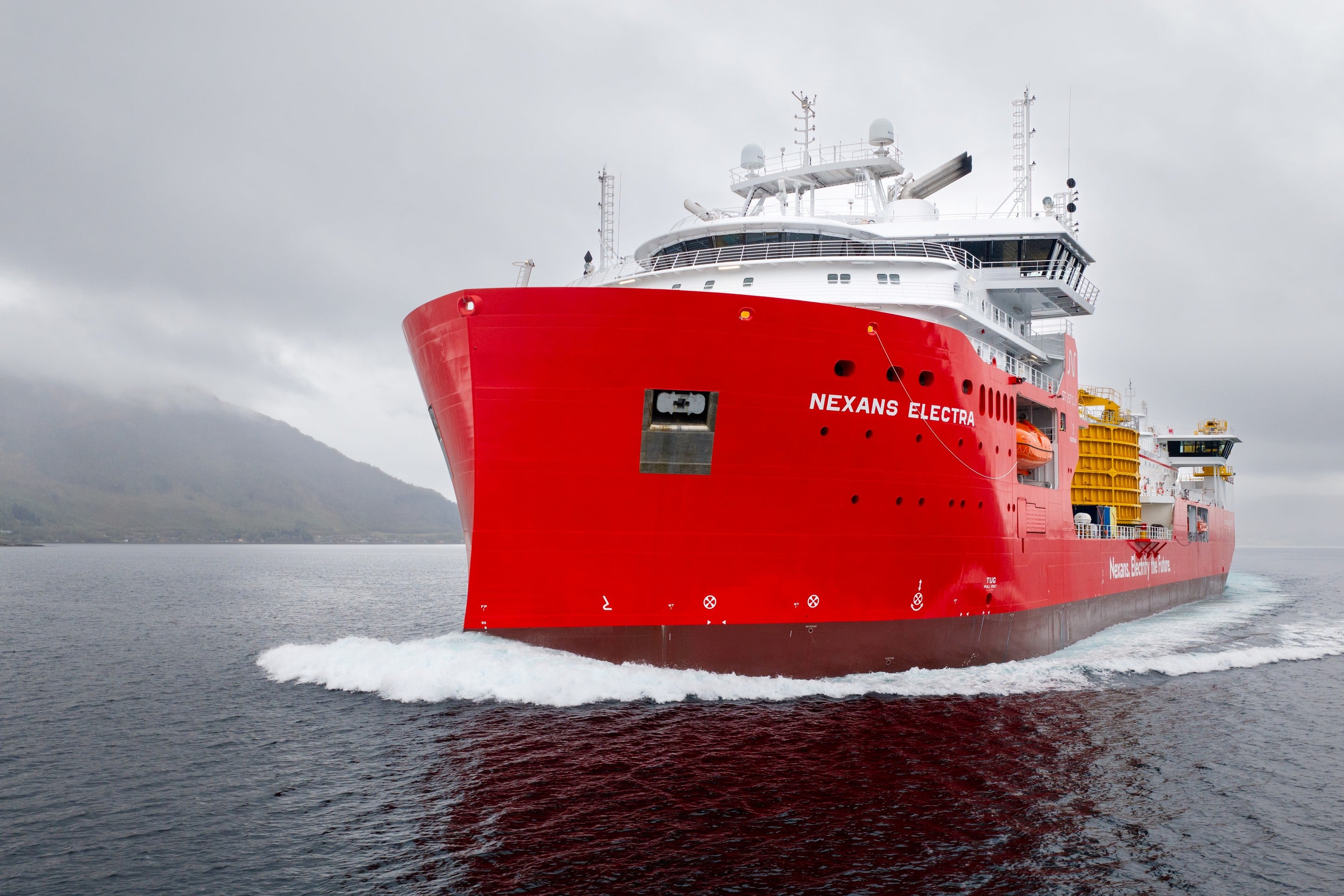
Ulstein hands over 155-meter cable-laying vessel to Nexans

In 60 seconds

Top move

Two recent cable‑laying vessel (CLV) additions and an order increase regional supply options but will take time to affect APAC schedules; buyers should not assume immediate relief for vessel shortages

Key takeaways

  • Two recent cable‑laying vessel (CLV) additions and an order increase regional supply options but will take time to affect APAC schedules; buyers should not assume immediate relief for vessel shortages.[3][2]
  • A live ammonia conversion of a platform supply vessel (PSV) signals growing operational demand for alternative fuel handling, creating new port bunkering and training requirements for offshore contractors.[1]
  • Net effect for APAC SURF and offshore: modest medium‑term easing of specialised cable capacity but near‑term competition for skilled crews, mobilisation windows and fabrication slots remains intact.[2][3][1]
  • These developments matter operationally because CLV delivery timelines and a first‑of‑its‑kind fuel retrofit both create discrete procurement touchpoints: vessel availability, mobilisation lead times, and new safety/compliance workstreams.[2][3][1]
  • Signal strength is uneven: vessel handover (delivered CLV) is immediately operational; the Boskalis newbuild is a firm demand signal for future capacity; ammonia retrofits are an operational trend to monitor for ports and crewing.[3][2][1]

What changed since last run

  • Added three supplier-driven signals: a delivered CLV to Nexans, a new Boskalis CLV order (future capacity), and an ammonia PSV conversion project — none were in last run and they change near‑term vessel and fuel consi...

Key facts

  • Two 12,000‑ton carousels (24,000‑ton total cable capacity)
  • Designed for long-distance HVDC and interconnector installation
  • Scheduled to enter service in 2029
  • 155.2‑meter length and 31‑meter beam
  • Three turntables with 13,500‑ton loading capacity
  • Capability to bundle‑lay up to four cables simultaneously

Why it matters

Two recent cable‑laying vessel (CLV) additions and an order increase regional supply options but will take time to affect APAC schedules; buyers should not assume immediate relief for vessel shortages. A live ammonia conversion of a platform supply vessel (PSV) signals growing operational demand for alternative fuel handling, creating new port bunkering and training requirements for offshore contractors. Net effect for APAC SURF and offshore: modest medium‑term easing of specialised cable capacity but near‑term competition for skilled crews, mobilisation windows and fabrication slots remains intact. These developments matter operationally because CLV delivery timelines and a first‑of‑its‑kind fuel retrofit both create discrete procurement touchpoints: vessel availability, mobilisation lead times, and new safety/compliance workstreams

Cost / money

  • Specialist cable-lay capacity additions should gradually reduce premium dayrates for complex long‑distance cable spreads, but the effect will be delayed until newbuilds enter service and reposition into APAC.[2]
  • Ammonia conversion programs introduce new capital and running cost considerations for owners and operators that can migrate into mobilisation pass‑throughs or scope change claims unless contract language is clarified.[1]

Supplier / commercial

  • Vessel owners handing over fit-for-purpose CLVs (delivered units) can demand tighter mobilisation windows and shorter quote validity because they can claim higher utilisation and forward bookings.[3]
  • Newbuild orders signal supplier pipeline activity; fabricators and shipyards will be selective on buyer work that competes for yard slots, giving suppliers leverage on scheduling and premium for accelerated delivery.[2]
  • Early adopters of ammonia fuel capability may seek commercial protection for fuel‑handling scope, crew training and insurance changes; expect negotiation points on who bears bunkering and certification costs.[1]

Safety / operations

  • Ammonia fuel retrofits create new safety and training obligations (tank systems, ammonia handling, emergency response) that must be reflected in mobilisation checklists and permit-to-work packages.[1]
  • Complex bundle-laying capabilities (simultaneous multiple cable lays) change offshore execution risk profiles — lifting, handling and burial operations require adjusted method statements and potentially different specialist contractors.[3][2]

What to watch

  • Watch for suppliers shortening quote validity and pushing mobilisation surcharges tied to specialised CLV availability or new fuel conversion costs; this is an early commercial posture to verify during RFQs.[2]
  • Watch regional bunkering and port permits for ammonia as retrofit projects proliferate — limited local handling capability could create execution holds or require third‑party bunkering solutions.[1]

Top stories

Story 1Offshore EnergyMay 18, 2026

Boskalis orders new cable-laying vessel for offshore wind, interconnector markets

Signal strongSource-grounded

What happened

Boskalis has ordered a new high-capacity cable‑laying vessel designed for long-distance HVDC and interconnector projects. The design includes two 12,000‑ton carousels (24,000‑ton total) to reduce offshore joints and is scheduled to enter service in 2029. Watch how this newbuild influences carrier selection and premium pricing for long continuous cable spreads serving APAC projects

Buyer takeaway

Treat the newbuild as a medium‑term capacity signal; do not assume immediate effect on APAC schedules because delivery and repositioning take years

Cost / money

Directional easing of premium dayrates is possible when newbuilds join the fleet, but timing lag means near-term cost exposure remains

Supplier / commercial

Shipyards and owners with newbuild pipelines can prioritise higher‑margin work and negotiate stronger mobilisation terms with buyers

Safety / operations

Larger continuous‑lay capability reduces offshore joint work but requires updated HSE plans for heavier lifts and longer offshore runs

What to watch

Verify owners' plans to position the newbuild into APAC markets; if owners keep it in Europe, APAC gains will be limited

Key facts

  • Two 12,000‑ton carousels (24,000‑ton total cable capacity)
  • Designed for long-distance HVDC and interconnector installation
  • Scheduled to enter service in 2029

Source excerpts

Home Vessels & Vehicles Boskalis orders new cable-laying vessel for offshore wind, interconnector markets May 18, 2026, by Boskalis will invest in a new high-capacity cable-laying vessel (CLV) targeting the offshore wind and interconnector markets, the company said on May 18. Image: Boskalis According to the company, the vessel is designed to support growing demand for long-distance cable installation, particularly for high-voltage direct current (HVDC) cables, driven by the electrification of energy demand and
Image: Boskalis According to the company, the vessel is designed to support growing demand for long-distance cable installation, particularly for high-voltage direct current (HVDC) cables, driven by the electrification of energy demand and grid expansion. The newbuild CLV will feature two 12,000-ton cable carousels, including a concentric carousel, giving the vessel a total cable carrying capacity of 24,000 tons
Home Vessels & Vehicles Boskalis orders new cable-laying vessel for offshore wind, interconnector markets May 18, 2026, by Boskalis will invest in a new high-capacity cable-laying vessel (CLV) targeting the offshore wind and interconnector markets, the company said on May 18
Story 2Offshore EnergyMay 18, 2026

Ulstein hands over 155-meter cable-laying vessel to Nexans

Signal strongSource-grounded

What happened

Ulstein has handed over the 155‑meter Nexans Electra CLV to Nexans, a delivered vessel ready for operations. The vessel can carry 13,500‑ton turntables and lay up to four cables simultaneously, expanding available execution capability now rather than in the future. Watch whether Nexans offers APAC mobilisation slots or prioritises nearby European projects first

Buyer takeaway

A delivered CLV is an actionable procurement option; include the vessel in shortlists and confirm mobilisation lead times now

Cost / money

Delivered capacity reduces reliance on scarce fleet and may remove a premium if owners offer APAC slots, but prices still depend on demand for nearby projects

Supplier / commercial

Owners with delivered assets can press for shorter quote windows and firm mobilisation fees; secure slots early to avoid last‑minute surcharges

Safety / operations

Bundle‑lay operations require updated method statements and specialist trenching partners; verify competency and joint handling procedures

What to watch

Confirm whether the vessel's initial assignment is fixed in Europe, which would limit APAC access despite the vessel being operational

Key facts

  • 155.2‑meter length and 31‑meter beam
  • Three turntables with 13,500‑ton loading capacity
  • Capability to bundle‑lay up to four cables simultaneously

Source excerpts

Source: Ulstein Nexans Electra was ordered as the second vessel by Nexans at Norway’s Ulstein Verft and is an updated version of sister vessel Nexans Aurora, delivered in 2021
2-meter-long and 31-meter-wide vessel is based on the ST-297 CLV design by Skipsteknisk and is equipped with three turntables boasting a 13,500-ton loading capacity
Home Subsea Ulstein hands over 155-meter cable-laying vessel to Nexans May 18, 2026, by Norway’s Ulstein Verft has delivered the cable-laying vessel (CLV) Nexans Electra to French cable systems designer and manufacturer Nexans, purpose‑built for the transport, laying, protection, repair and jointing of subsea power cables
Story 3Offshore EnergyMay 18, 2026

Eidesvik's PSV begins journey to ammonia-powered operations

Signal moderateSource-grounded

What happened

Eidesvik’s platform supply vessel Viking Energy has begun dockwork to convert to ammonia dual‑fuel operation. The retrofit includes major structural work, an ammonia tank and a Wärtsilä 25 dual‑fuel engine, and is due for completion in autumn. This is the first operational test in normal offshore service for ammonia fuel — watch port bunkering readiness and crew certification impacts

Buyer takeaway

Treat ammonia retrofits as an operational trend that will change scope and mobilisaton requirements; insist on explicit evidence of bunkering, training and emergency response readiness

Cost / money

Retrofit complexity and new fuel handling can create pass‑throughs or premium charges that suppliers may try to recover in mobilisation costs

Supplier / commercial

Owners investing in fuel conversion may seek to recoup costs through contract clauses or higher dayrates for demonstrably lower‑emission capability

Safety / operations

Ammonia introduces distinct hazards and regulatory oversight; buyers must require demonstration of port approvals and crew training as mobilisation gates

What to watch

Confirm local bunkering and port acceptance for ammonia; absence of local capability will force complex third‑party logistics or operational constraints

Key facts

  • 95‑meter PSV undergoing ammonia conversion
  • Wärtsilä to deliver a 25 dual‑fuel engine
  • Conversion planned to complete in autumn; claimed potential GHG reduction of 70%+

Source excerpts

Work to be carried out includes prefabrication of steel and piping systems, major structural modifications, installation and integration of a new ammonia dual-fuel engine, ammonia tank and fuel systems, and technical upgrades. Wärtsilä Marine will deliver its 25 dual-fuel engine capable of operating on ammonia and marine gas oil, while Breeze Ship Design is responsible for ship design and engineering
Work to be carried out includes prefabrication of steel and piping systems, major structural modifications, installation and integration of a new ammonia dual-fuel engine, ammonia tank and fuel systems, and technical upgrades
Source: Eidesvik Offshore via LinkedIn The conversion is planned to be completed in autumn, when the 95-meter-long vessel will continue operating for Equinor, with whom it has been on continuous contract since delivery in 2003. Work to be carried out includes prefabrication of steel and piping systems, major structural modifications, installation and integration of a new ammonia dual-fuel engine, ammonia tank and fuel systems, and technical upgrades

VP Snapshot

Executive Risk & Action View

Two recent cable‑laying vessel (CLV) additions and an order increase regional supply options but will take time to affect APAC schedules; buyers should not assume immediate relief for vessel shortages.

Overall
55
Cost
61
Supply
61
Schedule
38
Compliance
35

Top signals

30-180dcost

Signal 1: Cost / money

Specialist cable-lay capacity additions should gradually reduce premium dayrates for complex long‑distance cable spreads, but the effect will be delayed until newbuilds enter service and reposition into APAC.

Signal 2: Cost / money

Ammonia conversion programs introduce new capital and running cost considerations for owners and operators that can migrate into mobilisation pass‑throughs or scope change claims unless contract language is clarified.

30-180dcommercial

Signal 3: Supplier / commercial

Vessel owners handing over fit-for-purpose CLVs (delivered units) can demand tighter mobilisation windows and shorter quote validity because they can claim higher utilisation and forward bookings.

30-180dschedule

Signal 4: Supplier / commercial

Newbuild orders signal supplier pipeline activity; fabricators and shipyards will be selective on buyer work that competes for yard slots, giving suppliers leverage on scheduling and premium for accelerated delivery.

30-180dsupply

Signal 5: Supplier / commercial

Early adopters of ammonia fuel capability may seek commercial protection for fuel‑handling scope, crew training and insurance changes; expect negotiation points on who bears bunkering and certification costs.

0-30dregulatory

Signal 6: Safety / operations

Ammonia fuel retrofits create new safety and training obligations (tank systems, ammonia handling, emergency response) that must be reflected in mobilisation checklists and permit-to-work packages.

Recommended actions

CategoryDue 3d

Update vessel availability matrix to include delivered CLV capacity and near‑term newbuild pipeline.

Current view of CLV availability, owners, and delivery timing for procurement planning

ContractsDue 21d

Issue targeted RFQ addendum requiring bidders to state fuel‑handling capabilities, ammonia experience, and any related pass‑throughs for retrofits or new fuel systems.

Shortlisted bidders return clarified cost and compliance positions on fuel handling and retrofit scopes

CategoryDue 21d

Engage preferred CLV and trenching owners to map mobilisation windows and crew availability for APAC calendar planning.

Confirmed tentative mobilisation slots and a flagged list of potential schedule conflicts

LegalDue 60d

Work with Ops and Legal to add explicit clauses on fuel conversion responsibilities, bunkering approvals, and crew certification requirements in long‑form SURF and vessel contra...

Contracts that limit post‑award change exposure for fuel handling and specify evidence for crew and port approvals

CategoryDue 60d

Reassess supplier panel for cable installation and trenching to include owners with multi‑cable bundle capability and updated safety records.

Panel includes owners able to execute complex multi‑cable spreads and documented mobilisation constraints

Risk register

RiskTriggerMitigation
Watch for suppliers shortening quote validity and pushing mobilisation surcharges tied to specialised CLV availability or new fuel conversion costs; this is an early commercial posture to verify during RFQs.Watch for suppliers shortening quote validity and pushing mobilisation surcharges tied to specialised CLV availability or new fuel conversion costs; this is an early commercial posture to verify during RFQs.Confirm exposure with category, contracts, and operations before the next supplier commitment.
Watch regional bunkering and port permits for ammonia as retrofit projects proliferate — limited local handling capability could create execution holds or require third‑party bunkering solutions.Watch regional bunkering and port permits for ammonia as retrofit projects proliferate — limited local handling capability could create execution holds or require third‑party bunkering solutions.Confirm exposure with category, contracts, and operations before the next supplier commitment.

CM Snapshot

Category Manager Decision Detail

Today's priorities

Update vessel availability matrix to include delivered CLV capacity and near‑term newbuild pipeline.

because the Nexans handover and Boskalis newbuild change the supply map and affect APAC mobilisation planning windows; trigger: use the updated matrix to re-evaluate upcoming RFQs.

Due 3d

high

CM move

Use this as the immediate supplier or contract action to move before the next sourcing gate.

Issue targeted RFQ addendum requiring bidders to state fuel‑handling capabilities, ammonia experience, and any related pass‑throughs for retrofits or new fuel systems.

because ammonia conversions and alternative fuel use create new commercial and safety exposures that should be priced up-front; trigger: include requirement before award to avoi...

Due 21d

high

CM move

Use this as the immediate supplier or contract action to move before the next sourcing gate.

Engage preferred CLV and trenching owners to map mobilisation windows and crew availability for APAC calendar planning.

because delivered CLVs and newbuild orders influence where vessel capacity will be allocated; trigger: locking windows reduces the risk of late mobilisation surcharges.

Due 21d

high

CM move

Use this as the immediate supplier or contract action to move before the next sourcing gate.

Work with Ops and Legal to add explicit clauses on fuel conversion responsibilities, bunkering approvals, and crew certification requirements in long‑form SURF and vessel contra...

because first‑of‑kind fuel retrofits and evolving bunkering needs create allocation risk between buyer and supplier; trigger: contractual clarity prevents later claims and mobil...

Due 60d

high

CM move

Use this as the immediate supplier or contract action to move before the next sourcing gate.

Supplier radar

Offshore Energy

high

Observed supplier signal

Vessel owners handing over fit-for-purpose CLVs (delivered units) can demand tighter mobilisation windows and shorter quote validity because they can claim higher utilisation and forward bookings.

Commercial implication

Vessel owners handing over fit-for-purpose CLVs (delivered units) can demand tighter mobilisation windows and shorter quote validity because they can claim higher utilisation and forward bookings.

Next step: Validate the source-backed signal with incumbents and alternates before the next award or pricing decision.

Offshore Energy

high

Observed supplier signal

Newbuild orders signal supplier pipeline activity; fabricators and shipyards will be selective on buyer work that competes for yard slots, giving suppliers leverage on scheduling and premium for accelerated delivery.

Commercial implication

Newbuild orders signal supplier pipeline activity; fabricators and shipyards will be selective on buyer work that competes for yard slots, giving suppliers leverage on scheduling and premium for accelerated delivery.

Next step: Validate the source-backed signal with incumbents and alternates before the next award or pricing decision.

Offshore Energy

high

Observed supplier signal

Early adopters of ammonia fuel capability may seek commercial protection for fuel‑handling scope, crew training and insurance changes; expect negotiation points on who bears bunkering and certification costs.

Commercial implication

Early adopters of ammonia fuel capability may seek commercial protection for fuel‑handling scope, crew training and insurance changes; expect negotiation points on who bears bunkering and certification costs.

Next step: Validate the source-backed signal with incumbents and alternates before the next award or pricing decision.

Negotiation levers

Update vessel availability matrix to include delivered CLV capacity and near‑term newbuild pipeline.

When to use: because the Nexans handover and Boskalis newbuild change the supply map and affect APAC mobilisation planning windows; trigger: use the updated matrix to re-evaluate upcoming RFQs.

Expected outcome: Current view of CLV availability, owners, and delivery timing for procurement planning

Commercial mechanism to carry into the next supplier conversation

Issue targeted RFQ addendum requiring bidders to state fuel‑handling capabilities, ammonia experience, and any related pass‑throughs for retrofits or new fuel systems.

When to use: because ammonia conversions and alternative fuel use create new commercial and safety exposures that should be priced up-front; trigger: include requirement before award to avoi...

Expected outcome: Shortlisted bidders return clarified cost and compliance positions on fuel handling and retrofit scopes

Commercial mechanism to carry into the next supplier conversation

Engage preferred CLV and trenching owners to map mobilisation windows and crew availability for APAC calendar planning.

When to use: because delivered CLVs and newbuild orders influence where vessel capacity will be allocated; trigger: locking windows reduces the risk of late mobilisation surcharges.

Expected outcome: Confirmed tentative mobilisation slots and a flagged list of potential schedule conflicts

Commercial mechanism to carry into the next supplier conversation

Work with Ops and Legal to add explicit clauses on fuel conversion responsibilities, bunkering approvals, and crew certification requirements in long‑form SURF and vessel contra...

When to use: because first‑of‑kind fuel retrofits and evolving bunkering needs create allocation risk between buyer and supplier; trigger: contractual clarity prevents later claims and mobil...

Expected outcome: Contracts that limit post‑award change exposure for fuel handling and specify evidence for crew and port approvals

Commercial mechanism to carry into the next supplier conversation

Talking points

Two recent cable‑laying vessel (CLV) additions and an order increase regional supply options but will take time to affect APAC schedules; buyers should not assume immediate relief for vessel shortages.
A live ammonia conversion of a platform supply vessel (PSV) signals growing operational demand for alternative fuel handling, creating new port bunkering and training requirements for offshore contractors.
Net effect for APAC SURF and offshore: modest medium‑term easing of specialised cable capacity but near‑term competition for skilled crews, mobilisation windows and fabrication slots remains intact.
These developments matter operationally because CLV delivery timelines and a first‑of‑its‑kind fuel retrofit both create discrete procurement touchpoints: vessel availability, mobilisation lead times, and new safety/compliance workstreams.

Supplier radar

SupplierSignalImplicationNext stepConfidence
Offshore EnergyVessel owners handing over fit-for-purpose CLVs (delivered units) can demand tighter mobilisation windows and shorter quote validity because they can claim higher utilisation and forward bookings.Vessel owners handing over fit-for-purpose CLVs (delivered units) can demand tighter mobilisation windows and shorter quote validity because they can claim higher utilisation and forward bookings.Validate the source-backed signal with incumbents and alternates before the next award or pricing decision.high
Offshore EnergyNewbuild orders signal supplier pipeline activity; fabricators and shipyards will be selective on buyer work that competes for yard slots, giving suppliers leverage on scheduling and premium for accelerated delivery.Newbuild orders signal supplier pipeline activity; fabricators and shipyards will be selective on buyer work that competes for yard slots, giving suppliers leverage on scheduling and premium for accelerated delivery.Validate the source-backed signal with incumbents and alternates before the next award or pricing decision.high
Offshore EnergyEarly adopters of ammonia fuel capability may seek commercial protection for fuel‑handling scope, crew training and insurance changes; expect negotiation points on who bears bunkering and certification costs.Early adopters of ammonia fuel capability may seek commercial protection for fuel‑handling scope, crew training and insurance changes; expect negotiation points on who bears bunkering and certification costs.Validate the source-backed signal with incumbents and alternates before the next award or pricing decision.high

Negotiation levers

  • Update vessel availability matrix to include delivered CLV capacity and near‑term newbuild pipeline.because the Nexans handover and Boskalis newbuild change the supply map and affect APAC mobilisation planning windows; trigger: use the updated matrix to re-evaluate upcoming RFQs.Current view of CLV availability, owners, and delivery timing for procurement planning

    high confidence

  • Issue targeted RFQ addendum requiring bidders to state fuel‑handling capabilities, ammonia experience, and any related pass‑throughs for retrofits or new fuel systems.because ammonia conversions and alternative fuel use create new commercial and safety exposures that should be priced up-front; trigger: include requirement before award to avoi...Shortlisted bidders return clarified cost and compliance positions on fuel handling and retrofit scopes

    high confidence

  • Engage preferred CLV and trenching owners to map mobilisation windows and crew availability for APAC calendar planning.because delivered CLVs and newbuild orders influence where vessel capacity will be allocated; trigger: locking windows reduces the risk of late mobilisation surcharges.Confirmed tentative mobilisation slots and a flagged list of potential schedule conflicts

    high confidence

  • Work with Ops and Legal to add explicit clauses on fuel conversion responsibilities, bunkering approvals, and crew certification requirements in long‑form SURF and vessel contra...because first‑of‑kind fuel retrofits and evolving bunkering needs create allocation risk between buyer and supplier; trigger: contractual clarity prevents later claims and mobil...Contracts that limit post‑award change exposure for fuel handling and specify evidence for crew and port approvals

    high confidence

What to do / What to watch

What to do now

  • Update vessel availability matrix to include delivered CLV capacity and near‑term newbuild pipeline.

    Why: because the Nexans handover and Boskalis newbuild change the supply map and affect APAC mobilisation planning windows; trigger: use the updated matrix to re-evaluate upcoming RFQs.

    Owner: Category

    Expected outcome: Current view of CLV availability, owners, and delivery timing for procurement planning

    [3][2]

Next few weeks

  • Issue targeted RFQ addendum requiring bidders to state fuel‑handling capabilities, ammonia experience, and any related pass‑throughs for retrofits or new fuel systems.

    Why: because ammonia conversions and alternative fuel use create new commercial and safety exposures that should be priced up-front; trigger: include requirement before award to avoi...

    Owner: Contracts

    Expected outcome: Shortlisted bidders return clarified cost and compliance positions on fuel handling and retrofit scopes

    [1]
  • Engage preferred CLV and trenching owners to map mobilisation windows and crew availability for APAC calendar planning.

    Why: because delivered CLVs and newbuild orders influence where vessel capacity will be allocated; trigger: locking windows reduces the risk of late mobilisation surcharges.

    Owner: Category

    Expected outcome: Confirmed tentative mobilisation slots and a flagged list of potential schedule conflicts

    [3][2]

Longer view

  • Work with Ops and Legal to add explicit clauses on fuel conversion responsibilities, bunkering approvals, and crew certification requirements in long‑form SURF and vessel contra...

    Why: because first‑of‑kind fuel retrofits and evolving bunkering needs create allocation risk between buyer and supplier; trigger: contractual clarity prevents later claims and mobil...

    Owner: Legal

    Expected outcome: Contracts that limit post‑award change exposure for fuel handling and specify evidence for crew and port approvals

    [1]
  • Reassess supplier panel for cable installation and trenching to include owners with multi‑cable bundle capability and updated safety records.

    Why: because new CLV capabilities (bundle laying) change execution risk and can materially change scope and cost for complex interconnector or offshore wind exports; trigger: refresh...

    Owner: Category

    Expected outcome: Panel includes owners able to execute complex multi‑cable spreads and documented mobilisation constraints

    [3]

What to watch

  • Watch for suppliers shortening quote validity and pushing mobilisation surcharges tied to specialised CLV availability or new fuel conversion costs; this is an early commercial posture to verify during RFQs
  • Watch regional bunkering and port permits for ammonia as retrofit projects proliferate — limited local handling capability could create execution holds or require third‑party bunkering solutions
  • Watch for suppliers shortening quote validity and pushing mobilisation surcharges tied to specialised CLV availability or new fuel conversion costs; this is an early commercial posture to verify during RFQs.: Watch for suppliers shortening quote validity and pushing mobilisation surcharges tied to specialised CLV availability or new fuel conversion costs; this is an early commercial posture to verify during RFQs
  • Watch regional bunkering and port permits for ammonia as retrofit projects proliferate — limited local handling capability could create execution holds or require third‑party bunkering solutions.: Watch regional bunkering and port permits for ammonia as retrofit projects proliferate — limited local handling capability could create execution holds or require third‑party bunkering solutions
  • Two recent cable‑laying vessel (CLV) additions and an order increase regional supply options but will take time to affect APAC schedules; buyers should not assume immediate relief for vessel shortages
  • A live ammonia conversion of a platform supply vessel (PSV) signals growing operational demand for alternative fuel handling, creating new port bunkering and training requirements for offshore contractors
  • Net effect for APAC SURF and offshore: modest medium‑term easing of specialised cable capacity but near‑term competition for skilled crews, mobilisation windows and fabrication slots remains intact
  • These developments matter operationally because CLV delivery timelines and a first‑of‑its‑kind fuel retrofit both create discrete procurement touchpoints: vessel availability, mobilisation lead times, and new safety/compliance workstreams

Market pulse

IndexLatestChangeAs of
WTI Crude (WTI)71.23 /bbl+0.00 (+0.00%)May 18, 2026, 10:08 PM
Brent Crude (BRENT)74.89 /bbl+0.00 (+0.00%)May 18, 2026, 10:08 PM
Natural Gas (NG)3.12 /MMBtu+0.00 (+0.00%)May 18, 2026, 10:08 PM
Dry Bulk Shipping (BDRY) (BDRY)0 +0.00 (+0.00%)May 18, 2026, 10:08 PM
WTI (Fuel) (WTI)71.23 /bbl+0.00 (+0.00%)May 18, 2026, 10:08 PM
TechnipFMC (FTI)22 +0.00 (+0.00%)May 18, 2026, 10:08 PM
  • Dry Bulk Shipping (BDRY): Dry bulk shipping capacity and rates affect transport and mobilization costs for heavy cable and trenching gear
  • WTI Crude: Fuel price directionality is a secondary driver for dayrates and for decisions on alternative fuel retrofits

Sources

Inline citations jump here. Expand a source to read the excerpt, the AI interpretation, and the original link.

[1] Eidesvik's PSV begins journey to ammonia-powered operations

offshore-energy.biz · May 18, 2026

Expand

AI reading

Eidesvik’s platform supply vessel Viking Energy has begun dockwork to convert to ammonia dual‑fuel operation. The retrofit includes major structural work, an ammonia tank and a Wärtsilä 25 dual‑fuel engine, and is due for completion in autumn. This is the first operational test in normal offshore service for ammonia fuel — watch port bunkering readiness and crew certification impacts

Buyer takeaway

Treat ammonia retrofits as an operational trend that will change scope and mobilisaton requirements; insist on explicit evidence of bunkering, training and emergency response readiness

Cost / money

Retrofit complexity and new fuel handling can create pass‑throughs or premium charges that suppliers may try to recover in mobilisation costs

Supplier / commercial

Owners investing in fuel conversion may seek to recoup costs through contract clauses or higher dayrates for demonstrably lower‑emission capability

Safety / operations

Ammonia introduces distinct hazards and regulatory oversight; buyers must require demonstration of port approvals and crew training as mobilisation gates

What to watch

Confirm local bunkering and port acceptance for ammonia; absence of local capability will force complex third‑party logistics or operational constraints

Key facts

  • 95‑meter PSV undergoing ammonia conversion
  • Wärtsilä to deliver a 25 dual‑fuel engine
  • Conversion planned to complete in autumn; claimed potential GHG reduction of 70%+

Source excerpts

Work to be carried out includes prefabrication of steel and piping systems, major structural modifications, installation and integration of a new ammonia dual-fuel engine, ammonia tank and fuel systems, and technical upgrades. Wärtsilä Marine will deliver its 25 dual-fuel engine capable of operating on ammonia and marine gas oil, while Breeze Ship Design is responsible for ship design and engineering
Work to be carried out includes prefabrication of steel and piping systems, major structural modifications, installation and integration of a new ammonia dual-fuel engine, ammonia tank and fuel systems, and technical upgrades
Source: Eidesvik Offshore via LinkedIn The conversion is planned to be completed in autumn, when the 95-meter-long vessel will continue operating for Equinor, with whom it has been on continuous contract since delivery in 2003. Work to be carried out includes prefabrication of steel and piping systems, major structural modifications, installation and integration of a new ammonia dual-fuel engine, ammonia tank and fuel systems, and technical upgrades

Used in this brief

  • Supplier / commercial: Early adopters of ammonia fuel capability may seek commercial protection for fuel‑handling scope, crew training and insurance changes; expect negotiation points on who bears bunkering and certification costs
  • Safety / operations: Ammonia fuel retrofits create new safety and training obligations (tank systems, ammonia handling, emergency response) that must be reflected in mobilisation checklists and permit-to-work packages
  • Next 2-4 weeks — Issue targeted RFQ addendum requiring bidders to state fuel‑handling capabilities, ammonia experience, and any related pass‑throughs for retrofits or new fuel systems.. Rationale: because ammonia conversions and alternative fuel use create new commercial and safety exposures that should be priced up-front; trigger: include requirement before award to avoi.... Owner: Contracts. KPI: Shortlisted bidders return clarified cost and compliance positions on fuel handling and retrofit scopes
Open original source

[2] Boskalis orders new cable-laying vessel for offshore wind, interconnector markets

offshore-energy.biz · May 18, 2026

Expand

AI reading

Boskalis has ordered a new high-capacity cable‑laying vessel designed for long-distance HVDC and interconnector projects. The design includes two 12,000‑ton carousels (24,000‑ton total) to reduce offshore joints and is scheduled to enter service in 2029. Watch how this newbuild influences carrier selection and premium pricing for long continuous cable spreads serving APAC projects

Buyer takeaway

Treat the newbuild as a medium‑term capacity signal; do not assume immediate effect on APAC schedules because delivery and repositioning take years

Cost / money

Directional easing of premium dayrates is possible when newbuilds join the fleet, but timing lag means near-term cost exposure remains

Supplier / commercial

Shipyards and owners with newbuild pipelines can prioritise higher‑margin work and negotiate stronger mobilisation terms with buyers

Safety / operations

Larger continuous‑lay capability reduces offshore joint work but requires updated HSE plans for heavier lifts and longer offshore runs

What to watch

Verify owners' plans to position the newbuild into APAC markets; if owners keep it in Europe, APAC gains will be limited

Key facts

  • Two 12,000‑ton carousels (24,000‑ton total cable capacity)
  • Designed for long-distance HVDC and interconnector installation
  • Scheduled to enter service in 2029

Source excerpts

Home Vessels & Vehicles Boskalis orders new cable-laying vessel for offshore wind, interconnector markets May 18, 2026, by Boskalis will invest in a new high-capacity cable-laying vessel (CLV) targeting the offshore wind and interconnector markets, the company said on May 18. Image: Boskalis According to the company, the vessel is designed to support growing demand for long-distance cable installation, particularly for high-voltage direct current (HVDC) cables, driven by the electrification of energy demand and
Image: Boskalis According to the company, the vessel is designed to support growing demand for long-distance cable installation, particularly for high-voltage direct current (HVDC) cables, driven by the electrification of energy demand and grid expansion. The newbuild CLV will feature two 12,000-ton cable carousels, including a concentric carousel, giving the vessel a total cable carrying capacity of 24,000 tons
Home Vessels & Vehicles Boskalis orders new cable-laying vessel for offshore wind, interconnector markets May 18, 2026, by Boskalis will invest in a new high-capacity cable-laying vessel (CLV) targeting the offshore wind and interconnector markets, the company said on May 18

Used in this brief

  • Two recent cable‑laying vessel (CLV) additions and an order increase regional supply options but will take time to affect APAC schedules; buyers should not assume immediate relief for vessel shortages. A live ammonia conversion of a platform supply vessel (PSV) signals growing operational demand for alternative fuel handling, creating new port bunkering and training requirements for offshore contractors. Net effect for APAC SURF and offshore: modest medium‑term easing of specialised cable capacity but near‑term competition for skilled crews, mobilisation windows and fabrication slots remains intact. These developments matter operationally because CLV delivery timelines and a first‑of‑its‑kind fuel retrofit both create discrete procurement touchpoints: vessel availability, mobilisation lead times, and new safety/compliance workstreams
  • Cost / money: Specialist cable-lay capacity additions should gradually reduce premium dayrates for complex long‑distance cable spreads, but the effect will be delayed until newbuilds enter service and reposition into APAC
  • Watch for suppliers shortening quote validity and pushing mobilisation surcharges tied to specialised CLV availability or new fuel conversion costs; this is an early commercial posture to verify during RFQs
Open original source

[3] Ulstein hands over 155-meter cable-laying vessel to Nexans

offshore-energy.biz · May 18, 2026

Expand

AI reading

Ulstein has handed over the 155‑meter Nexans Electra CLV to Nexans, a delivered vessel ready for operations. The vessel can carry 13,500‑ton turntables and lay up to four cables simultaneously, expanding available execution capability now rather than in the future. Watch whether Nexans offers APAC mobilisation slots or prioritises nearby European projects first

Buyer takeaway

A delivered CLV is an actionable procurement option; include the vessel in shortlists and confirm mobilisation lead times now

Cost / money

Delivered capacity reduces reliance on scarce fleet and may remove a premium if owners offer APAC slots, but prices still depend on demand for nearby projects

Supplier / commercial

Owners with delivered assets can press for shorter quote windows and firm mobilisation fees; secure slots early to avoid last‑minute surcharges

Safety / operations

Bundle‑lay operations require updated method statements and specialist trenching partners; verify competency and joint handling procedures

What to watch

Confirm whether the vessel's initial assignment is fixed in Europe, which would limit APAC access despite the vessel being operational

Key facts

  • 155.2‑meter length and 31‑meter beam
  • Three turntables with 13,500‑ton loading capacity
  • Capability to bundle‑lay up to four cables simultaneously

Source excerpts

Source: Ulstein Nexans Electra was ordered as the second vessel by Nexans at Norway’s Ulstein Verft and is an updated version of sister vessel Nexans Aurora, delivered in 2021
2-meter-long and 31-meter-wide vessel is based on the ST-297 CLV design by Skipsteknisk and is equipped with three turntables boasting a 13,500-ton loading capacity
Home Subsea Ulstein hands over 155-meter cable-laying vessel to Nexans May 18, 2026, by Norway’s Ulstein Verft has delivered the cable-laying vessel (CLV) Nexans Electra to French cable systems designer and manufacturer Nexans, purpose‑built for the transport, laying, protection, repair and jointing of subsea power cables

Used in this brief

  • Next 72 hours — Update vessel availability matrix to include delivered CLV capacity and near‑term newbuild pipeline.. Rationale: because the Nexans handover and Boskalis newbuild change the supply map and affect APAC mobilisation planning windows; trigger: use the updated matrix to re-evaluate upcoming RFQs.. Owner: Category. KPI: Current view of CLV availability, owners, and delivery timing for procurement planning
  • Next 2-4 weeks — Engage preferred CLV and trenching owners to map mobilisation windows and crew availability for APAC calendar planning.. Rationale: because delivered CLVs and newbuild orders influence where vessel capacity will be allocated; trigger: locking windows reduces the risk of late mobilisation surcharges.. Owner: Category. KPI: Confirmed tentative mobilisation slots and a flagged list of potential schedule conflicts
  • Next quarter — Reassess supplier panel for cable installation and trenching to include owners with multi‑cable bundle capability and updated safety records.. Rationale: because new CLV capabilities (bundle laying) change execution risk and can materially change scope and cost for complex interconnector or offshore wind exports; trigger: refresh.... Owner: Category. KPI: Panel includes owners able to execute complex multi‑cable spreads and documented mobilisation constraints
Open original source

[4] Dry Bulk Shipping (BDRY)

finance.yahoo.com · n.d.

Expand

[5] WTI Crude

finance.yahoo.com · n.d.

Expand