$2.3 billion LNG project breaks ground in Southeast Asia
What happened
SK Innovation, PetroVietnam Power and partners held a ground‑breaking for the Quynh Lap LNG power and terminal project in Vietnam. The scope explicitly includes an LNG terminal plus a combined‑cycle power plant and the consortium is targeting commercial operations on the schedule stated in the article, making it a large APAC fabrication and marine demand program. Watch contracting windows and mobilisation milestones—when procurement moves from ground‑breaking to award, suppliers typically tighten quote validities and slot allocations
Buyer takeaway
Treat Quynh Lap as a firm regional demand driver to be added to mobilisation schedules and long‑lead procurement pipelines
Cost / money
Directional upward pressure on mobilisation premiums and long‑lead equipment as terminal builds absorb fabrication and vessel capacity
Supplier / commercial
Suppliers will prioritise firm, multi‑scope work and may shorten quote validities or seek mobilisation deposits to secure slots
Safety / operations
Concentrated heavy‑lift and integration activity increases HSE gate complexity during handovers and commissioning
What to watch
Watch contracting milestones and early supplier requests for deposit or tighter acceptance conditions
Key facts
- Ground‑breaking ceremony held at the Quynh Lap project site
- Project includes an LNG terminal plus a combined‑cycle power plant
- Consortium has a target commercial start date stated in the article
Source excerpts
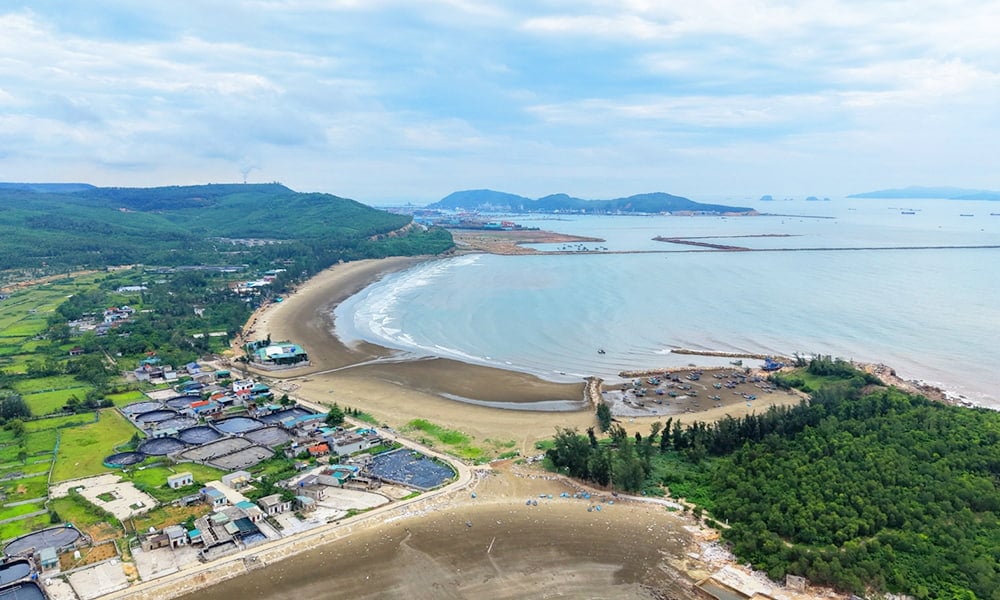
Bird’s-eye view of the Quynh Lap project site in Nghe An Province, Vietnam, where the LNG power plant, LNG terminal, and LNG storage tanks will be constructed; Source: SK Innovation SK Innovation, PetroVietnam Power, and NASU held the Quynh Lap LNG project launch and infrastructure groundbreaking ceremony on May 18, 2026, in Nghe An Province, Vietnam
” The Quynh Lap LNG project is described as a large-scale energy infrastructure project that will develop a 1
Upon completion, the LNG project is expected to enhance power supply stability through the national grid while serving as a catalyst for industrial development in the region