Major Equipment OEM & LTSA · International (Houston)

Reassess Gas-Linked Equipment Contracts Amid Regional Supply Shifts

Published May 20, 2026, 5:08 AM CSTINTERNATIONALFull category signal
Ask AI
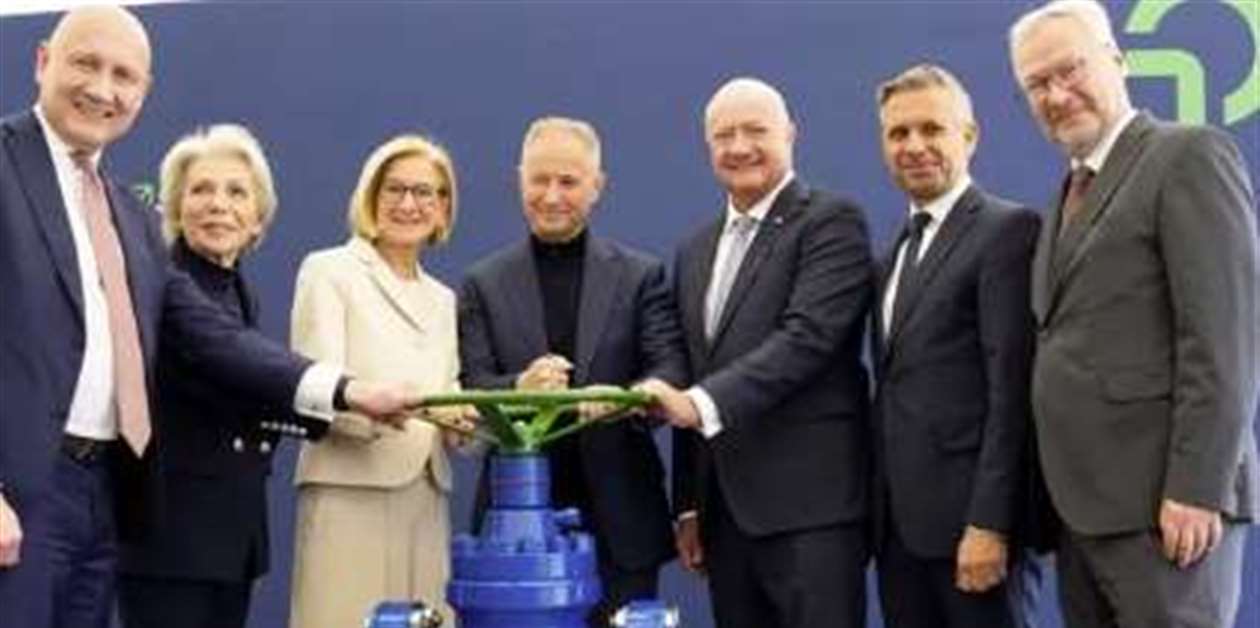
OMV starts production from major Austrian gas discovery

In 60 seconds

Top move

OMV brought a major Austrian gas field online, creating a verifiable local demand base for lifecycle support, spare parts, and on‑call services that shifts some compressor and skid needs from imports to regional suppliers

Key takeaways

  • OMV brought a major Austrian gas field online, creating a verifiable local demand base for lifecycle support, spare parts, and on‑call services that shifts some compressor and skid needs from imports to regional suppliers.[1]
  • North Dakota’s state-backed move to underwrite a large pipeline (Bakken East) is a clear demand signal for large‑diameter pipe, compressor stations, and long‑term service agreements tied to a multi‑phase project.[3]
  • Alaska LNG’s precedent gas-supply agreement with ConocoPhillips materially improves the project’s commercial basis and increases the likelihood of near‑term procurement for long‑lead pipeline and liquefaction equipment.[2]
  • COSCO’s confirmed order for LNG dual‑fuel container vessels reinforces growing demand for LNG fuel supply chains and dual‑fuel engine spares, which can tug on same fabrication and engine supplier capacity used for LNG plants and compressor packages.[5]
  • A scheduled industry webinar on LNG tech is useful background for strategy but provides only contextual, non‑operational signals for procurement planning today.[4]

What changed since last run

  • Added OMV Wittau start‑up as a new concrete supply-side event in Europe that can reduce reliance on imported gas and change regional lifecycle support demand (Article 4).
  • Added North Dakota state financial guarantee progress for the Bakken East pipeline, upgrading a planning signal to a funded project pathway (Article 2).
  • Added Alaska LNG precedent agreement with ConocoPhillips, which strengthens the project's commercial case and makes long‑lead procurement more likely (Article 5).

Key facts

  • Initial production phase supplying material domestic gas ahead of the winter season
  • Project has significant recoverable resources making it a multi‑year operational program
  • EUR‑scale investment in drilling and production equipment already committed
  • State financial guarantee to underwrite pipeline construction
  • Project includes approximately 350 miles mainline plus lateral pipelines in initial design
  • Planned multi‑phase in‑service approach with state participation in capacity

Why it matters

OMV brought a major Austrian gas field online, creating a verifiable local demand base for lifecycle support, spare parts, and on‑call services that shifts some compressor and skid needs from imports to regional suppliers. North Dakota’s state-backed move to underwrite a large pipeline (Bakken East) is a clear demand signal for large‑diameter pipe, compressor stations, and long‑term service agreements tied to a multi‑phase project. Alaska LNG’s precedent gas-supply agreement with ConocoPhillips materially improves the project’s commercial basis and increases the likelihood of near‑term procurement for long‑lead pipeline and liquefaction equipment. COSCO’s confirmed order for LNG dual‑fuel container vessels reinforces growing demand for LNG fuel supply chains and dual‑fuel engine spares, which can tug on same fabrication and engine supplier capacity used for LNG plants and compressor packages

Cost / money

  • State support for the Bakken East pipeline changes the cost footprint: public underwriting can lower financing risk but may shift buyer exposure toward capacity‑purchase obligations or contingent payments that affect capital planning.[3]
  • Alaska LNG precedent deals reduce commercial uncertainty for a major project, making suppliers likelier to require staged payments or stricter acceptance milestones for long‑lead equipment.[2]
  • Local production start (Austria) can compress logistics and lower import freight premiums for European installations, but it may reallocate spend to local fabrication and lifecycle service contracts.[1]

Supplier / commercial

  • Regional fabricators and service houses in Austria and Central Europe gain negotiating leverage for skids and maintenance LTSAs as OMV moves to domestic supply and lifecycle support.[1]
  • Large infrastructure demand from Bakken East increases commercial advantage for suppliers offering on‑shore fabrication, heavy lifting, and long‑duration mobilization capacity.[3]
  • Shipyard and dual‑fuel engine orders (COSCO) tie up specialized engine and gearbox capacity, which can push OEMs to shorten quote validity or add allocation language on similar engine and compressor scopes.[5]

Safety / operations

  • A new field start increases immediate uptime dependency: buyers should expect heightened spares consumption and early warranty/service work as the field ramps to stable production.[1]
  • Long pipeline phases and remote LNG projects add logistical complexity for maintenance mobilization and spares delivery, increasing the operational value of explicit mobilization SLAs in LTSAs.[2]

What to watch

  • Watch for suppliers to shorten quote‑validity windows or add allocation clauses as pipeline and LNG project momentum makes their capacity scarcer; treat this as an early procurement pressure sign.[3]
  • Watch whether COSCO’s shipbuilding program crowds dual‑fuel engine and gearbox suppliers — that could indirectly stretch lead times for plant and compressor engine deliveries.[5]

Top stories

Story 1CompressorTECH²May 19, 2026

OMV starts production from major Austrian gas discovery

Signal strongSource-grounded

What happened

OMV started production from the Wittau field, described as Austria’s largest gas discovery in decades. The initial phase came online ahead of the winter heating season and includes investments in drilling and production infrastructure. This creates a practical regional demand base for compressors, skids, spare inventories, and lifecycle service contracts — watch for supplier shifts to local support

Buyer takeaway

Treat this as an operational demand shift to regional suppliers; procurement should validate local capacity for skids, compressors, and long‑term service

Cost / money

Spending may shift toward local fabrication and LTSAs rather than imported packages, affecting capital allocation between CAPEX and OPEX

Supplier / commercial

Local vendors may shorten quote validity or seek longer LTSAs as they capture lifecycle work

Safety / operations

Ramping production increases spares consumption and early warranty/service call‑outs; uptime clauses matter more now

What to watch

Watch supplier statements on capacity and willingness to accept standard mobilization SLAs as leverage can change quickly

Key facts

  • Initial production phase supplying material domestic gas ahead of the winter season
  • Project has significant recoverable resources making it a multi‑year operational program
  • EUR‑scale investment in drilling and production equipment already committed

Source excerpts

The startup marks a significant milestone for OMV’s domestic gas strategy and comes as European energy companies continue seeking to strengthen regional supply security following years of geopolitical disruptions and market volatility. OMV said the Wittau project, discovered three years ago, is expected to play a major role in expanding Austria’s domestic gas production capacity
“Today’s start of production in Wittau is more than the development of a new gas field,” said Austrian Chancellor Christian Stocker
OMV estimates the field contains up to 48 terawatt-hours of recoverable resources, equivalent to roughly 4
Story 2CompressorTECH²May 9, 2026

N.D. readies pipeline funding

Signal moderateSource-grounded

What happened

North Dakota officials backed a financial guarantee to support construction of the Bakken East pipeline, with state purchase of transport capacity proposed as part of the support. The FERC filing outlines a multi‑phase, mains and laterals pipeline intended to move significant gas eastward. This is a clear procurement signal for pipe, compressors, construction logistics, and long‑term service frameworks

Buyer takeaway

Expect a step‑change in demand for midstream equipment and construction services; verify which packages are at risk of supplier allocation

Cost / money

Public underwriting can change contract financing dynamics and expose buyers to capacity‑purchase obligations

Supplier / commercial

Fabricators with heavy‑plate, welding and spool fabrication advantages will have upper hand on pricing and delivery windows

Safety / operations

Large pipeline builds increase mobilization complexity and on‑site safety planning needs for contractors and subcontractors

What to watch

Watch for allocation clauses, shortened quote windows, or requests for staged payments as suppliers react to a large funded build

Key facts

  • State financial guarantee to underwrite pipeline construction
  • Project includes approximately 350 miles mainline plus lateral pipelines in initial design
  • Planned multi‑phase in‑service approach with state participation in capacity

Source excerpts

State Support Rather than paying directly to build the project, the state would purchase a share of the pipeline’s transport capacity
At that time, Pipeline Authority Executive Director Justin Kringstad said, “As natural gas production grows, we need reliable, scalable infrastructure that expands takeaway capacity and connects our resources to new market opportunities. ” According to the North Dakota Monitor, the state has had a program to encourage businesses to build natural gas pipelines connecting to eastern North Dakota for over 15 years
The state’s support is intended to serve as a financial backstop for the project, with plans for the state to eventually transfer its share of the pipeline capacity to private businesses. The Pipeline Authority’s Justin Kringstad was quoted as saying if the state is unable to transfer its pipeline capacity, the authority could work with a gas marketing firm to try to recoup the investment
Story 3CompressorTECH²May 18, 2026

Alaska LNG secures ConocoPhillips gas supply agreement

Signal moderateSource-grounded

What happened

Alaska LNG secured a gas sales precedent agreement with ConocoPhillips to support Phase One of the project, strengthening the case for a potential final investment decision. The deal covers pipeline transport and supports a staged project design separating domestic pipeline work from export‑focused liquefaction phases. That structure makes long‑lead procurement for pipeline compression and rights‑of‑way work more actionable

Buyer takeaway

Phase‑separated project structure increases near‑term requirements for long‑lead pipeline and compressor procurement while deferring some liquefaction commitments

Cost / money

Improved commercial support may prompt suppliers to demand staged payments or stricter acceptance milestones for long‑lead items

Supplier / commercial

Contractors experienced in remote pipeline builds gain leverage; logistics and mobilization clauses become bargaining points

Safety / operations

Remote pipeline execution increases reliance on robust mobilization and emergency response arrangements in LTSAs

What to watch

Watch vendor commercial asks tied to staged financing or conditional FID triggers that shift cost or schedule risk to buyers

Key facts

  • Precedent agreement supports Phase One focused on a large‑diameter pipeline to serve domestic
  • Project split into two financially independent phases to accelerate execution
  • Agreement adds to precedent deals reportedly needed for potential FID

Source excerpts

(Image: Alaska LNG) Glenfarne Group subsidiary ConocoPhillips Alaska have signed a gas sales precedent agreement to supply North Slope natural gas for Phase One of the Alaska LNG project, marking another step forward for the long-delayed development. Under the 30-year agreement, ConocoPhillips will provide natural gas volumes intended to support the first phase of the project, which centers on construction of a large-diameter pipeline to deliver gas to Alaska consumers
Glenfarne says precedent deals with all major North Slope producers now support a potential final investment decision for the domestic gas phase The LNG liquefaction facility, located in Nikiski, will process, store, and transport up to 20 million tons of LNG per year. (Image: Alaska LNG) Glenfarne Group subsidiary ConocoPhillips Alaska have signed a gas sales precedent agreement to supply North Slope natural gas for Phase One of the Alaska LNG project, marking another step forward for the long-delayed developm
Under the 30-year agreement, ConocoPhillips will provide natural gas volumes intended to support the first phase of the project, which centers on construction of a large-diameter pipeline to deliver gas to Alaska consumers. Glenfarne said the agreement means Alaska LNG has now secured sufficient precedent agreements to support a potential final investment decision for Phase One
Story 4CompressorTECH²Apr 30, 2026

12 LNG container vessels ordered

Signal moderateDirectional

What happened

COSCO placed confirmed orders for 12 LNG dual‑fuel container vessels, locking in significant shipyard capacity and demand for dual‑fuel engines and associated systems. Deliveries are scheduled over multi‑year terms, which indicates sustained demand for LNG‑fuel infrastructure and for engine/gearbox supply chains that overlap with industrial turbomachinery markets. Procurement should expect indirect capacity pressure on dual‑fuel engine parts

Buyer takeaway

Treat dual‑fuel engine supply as a shared constrained resource across shipping and plant builds; validate engine availability early

Cost / money

Suppliers may benchmark pricing to recent shipbuilding contracts and push for similar commercial terms

Supplier / commercial

Engine and gearbox OEMs could shorten validity or prioritize higher‑margin shipbuilding clients

Safety / operations

Dual‑fuel engine adoption requires fuel‑supply integration and additional commissioning competency in operations teams

What to watch

Watch for longer OEM lead times and allocation language for engines and gearboxes as ship orders are fulfilled

Key facts

  • Order covers 12 LNG dual‑fuel container vessels
  • Financing mix and multi‑year delivery schedule indicate committed shipyard capacity
  • Vessels designed for LNG dual‑fuel engines and lower carbon intensity operations

Source excerpts

COSCO Shipping Holdings is investing $2. 22 billion to build 12 LNG dual-fuel container vessels, expanding its fleet with ships designed to improve fuel flexibility, lower emissions and strengthen its position on major global trade lanes
22 billion to build 12 LNG dual-fuel container vessels, expanding its fleet with ships designed to improve fuel flexibility, lower emissions and strengthen its position on major global trade lanes
COSCO said it sought bids from multiple shipbuilders, but only Hudong-Zhonghua and China Shipbuilding Trading were able to provide quotations, citing limited shipyard slot availability and resource constraints elsewhere in the market. The company said it benchmarked the pricing against publicly available orders for comparable LNG dual-fuel container vessels placed since 2024 and found the contract value to be within the middle of the prevailing market range
Story 5CompressorTECH²May 5, 2026

COMPRESSORTech2 to host LNG webinar

Signal limitedDirectional

What happened

COMPRESSORTech2 announced an industry webinar on LNG technologies and operating trends, featuring Siemens Energy perspectives. The event is informative for product strategy but offers no new execution or procurement commitments. Use it for market context rather than immediate sourcing decisions

Buyer takeaway

Good venue to validate supplier R&D direction and compressor product positioning; low operational immediacy

Cost / money

No direct cost impact today; useful to inform spec evolution for future tenders

Supplier / commercial

Watch product strategy signals that may justify adding alternates in spec lists down the line

Safety / operations

Technical content may highlight commissioning or integration caveats to capture in future LTSA scopes

What to watch

Limited immediate procurement relevance; treat findings as background for spec revisions

Key facts

  • Webinar scheduled with Siemens Energy and industry specialist presenters
  • Event intended to cover technologies and operating trends shaping next phase of LNG development

Source excerpts

(Image: Honeywell) COMPRESSORTech2 will host a free webinar on June 23 examining the technologies, operating trends and market drivers shaping the next phase of LNG development, with perspectives from Siemens Energy and global LNG specialist Mehdy Touil. The webinar, scheduled for 9 a
Touil will bring a global operational perspective to the discussion, drawing on his experience across LNG facilities worldwide and his work advancing technical dialogue around liquefaction systems
In her role at Siemens Energy, McBain helps guide product strategy for the company’s single-shaft centrifugal compressor line, including internal R&D direction and external LNG market positioning

VP Snapshot

Executive Risk & Action View

OMV brought a major Austrian gas field online, creating a verifiable local demand base for lifecycle support, spare parts, and on‑call services that shifts some compressor and skid needs from imports to regional suppliers.

Overall
46
Cost
79
Supply
97
Schedule
38
Compliance
15

Top signals

30-180dcost

Signal 1: Cost / money

State support for the Bakken East pipeline changes the cost footprint: public underwriting can lower financing risk but may shift buyer exposure toward capacity‑purchase obligations or contingent payments that affect capital planning.

Signal 2: Cost / money

Alaska LNG precedent deals reduce commercial uncertainty for a major project, making suppliers likelier to require staged payments or stricter acceptance milestones for long‑lead equipment.

Signal 3: Cost / money

Local production start (Austria) can compress logistics and lower import freight premiums for European installations, but it may reallocate spend to local fabrication and lifecycle service contracts.

30-180dsupply

Signal 4: Supplier / commercial

Regional fabricators and service houses in Austria and Central Europe gain negotiating leverage for skids and maintenance LTSAs as OMV moves to domestic supply and lifecycle support.

Signal 5: Supplier / commercial

Large infrastructure demand from Bakken East increases commercial advantage for suppliers offering on‑shore fabrication, heavy lifting, and long‑duration mobilization capacity.

Signal 6: Supplier / commercial

Shipyard and dual‑fuel engine orders (COSCO) tie up specialized engine and gearbox capacity, which can push OEMs to shorten quote validity or add allocation language on similar engine and compressor scopes.

Recommended actions

CategoryDue 3d

Inventory active RFQs, upcoming compressor/pipeline orders, and LTSA renewals that could touch Austria, North Dakota, or Alaska exposure.

Prioritized list of at‑risk procurements and which packages need mobilization or contingency clauses.

OpsDue 3d

Ask incumbents and key fabricators for current lead times, quote‑validity and allocation policies in writing for pipeline, compressor and dual‑fuel engine scopes.

Verified supplier lead‑time statements to inform sourcing and contract adjustments.

ContractsDue 21d

Update RFQ and LTSA templates to add explicit mobilization SLAs, spares provisioning clauses, and pass‑through cost guardrails tied to delivery milestones for large pipeline and...

Revised sourcing documents that limit supplier ability to shorten commitments or pass through unplanned costs.

CategoryDue 21d

Engage local European fabricators and lifecycle service providers to validate capacity and pricing for skid assembly and long‑term maintenance support around the OMV field.

List of capable local suppliers with preliminary capacity confirmations and commercial caveats.

CategoryDue 60d

Prioritize procurement of dual‑fuel engine spares, compressor internals, and long‑lead turbomachinery items where schedules overlap with shipbuilding and LNG plant build programs.

Secured long‑lead purchase commitments or optioned allocations that reduce execution risk.

ContractsDue 60d

Negotiate LTSA amendments to include defined spares levels, mobilization remedies, and uptime KPIs for new field and pipeline assets.

LTSA terms that provide clearer spares delivery timelines and remedies to reduce downtime exposure.

Risk register

RiskTriggerMitigation
Watch for suppliers to shorten quote‑validity windows or add allocation clauses as pipeline and LNG project momentum makes their capacity scarcer; treat this as an early procurement pressure sign.Watch for suppliers to shorten quote‑validity windows or add allocation clauses as pipeline and LNG project momentum makes their capacity scarcer; treat this as an early procurement pressure sign.Confirm exposure with category, contracts, and operations before the next supplier commitment.
Watch whether COSCO’s shipbuilding program crowds dual‑fuel engine and gearbox suppliers — that could indirectly stretch lead times for plant and compressor engine deliveries.Watch whether COSCO’s shipbuilding program crowds dual‑fuel engine and gearbox suppliers — that could indirectly stretch lead times for plant and compressor engine deliveries.Confirm exposure with category, contracts, and operations before the next supplier commitment.

CM Snapshot

Category Manager Decision Detail

Today's priorities

Inventory active RFQs, upcoming compressor/pipeline orders, and LTSA renewals that could touch Austria, North Dakota, or Alaska exposure.

because OMV’s field start and state‑backed pipeline moves indicate shifting regional demand that could concentrate supplier leverage on specific packages.

Due 3d

high

CM move

Use this as the immediate supplier or contract action to move before the next sourcing gate.

Ask incumbents and key fabricators for current lead times, quote‑validity and allocation policies in writing for pipeline, compressor and dual‑fuel engine scopes.

because North Dakota and Alaska project momentum can prompt suppliers to shorten commitments or add allocation language, and written statements let Ops plan contingencies.

Due 3d

high

CM move

Use this as the immediate supplier or contract action to move before the next sourcing gate.

Update RFQ and LTSA templates to add explicit mobilization SLAs, spares provisioning clauses, and pass‑through cost guardrails tied to delivery milestones for large pipeline and...

because Alaska LNG precedent agreements and multi‑phase pipeline designs increase the chance of long‑lead commitments and supplier requests for staged payments or pass‑throughs.

Due 21d

high

CM move

Use this as the immediate supplier or contract action to move before the next sourcing gate.

Engage local European fabricators and lifecycle service providers to validate capacity and pricing for skid assembly and long‑term maintenance support around the OMV field.

because a confirmed domestic gas source shifts demand toward regional suppliers who may tighten availability and commercial terms.

Due 21d

high

CM move

Use this as the immediate supplier or contract action to move before the next sourcing gate.

Supplier radar

CompressorTECH²

high

Observed supplier signal

Regional fabricators and service houses in Austria and Central Europe gain negotiating leverage for skids and maintenance LTSAs as OMV moves to domestic supply and lifecycle support.

Commercial implication

Regional fabricators and service houses in Austria and Central Europe gain negotiating leverage for skids and maintenance LTSAs as OMV moves to domestic supply and lifecycle support.

Next step: Validate the source-backed signal with incumbents and alternates before the next award or pricing decision.

CompressorTECH²

high

Observed supplier signal

Large infrastructure demand from Bakken East increases commercial advantage for suppliers offering on‑shore fabrication, heavy lifting, and long‑duration mobilization capacity.

Commercial implication

Large infrastructure demand from Bakken East increases commercial advantage for suppliers offering on‑shore fabrication, heavy lifting, and long‑duration mobilization capacity.

Next step: Validate the source-backed signal with incumbents and alternates before the next award or pricing decision.

CompressorTECH²

high

Observed supplier signal

Shipyard and dual‑fuel engine orders (COSCO) tie up specialized engine and gearbox capacity, which can push OEMs to shorten quote validity or add allocation language on similar engine and compressor scopes.

Commercial implication

Shipyard and dual‑fuel engine orders (COSCO) tie up specialized engine and gearbox capacity, which can push OEMs to shorten quote validity or add allocation language on similar engine and compressor scopes.

Next step: Validate the source-backed signal with incumbents and alternates before the next award or pricing decision.

Negotiation levers

Inventory active RFQs, upcoming compressor/pipeline orders, and LTSA renewals that could touch Austria, North Dakota, or Alaska exposure.

When to use: because OMV’s field start and state‑backed pipeline moves indicate shifting regional demand that could concentrate supplier leverage on specific packages.

Expected outcome: Prioritized list of at‑risk procurements and which packages need mobilization or contingency clauses.

Commercial mechanism to carry into the next supplier conversation

Ask incumbents and key fabricators for current lead times, quote‑validity and allocation policies in writing for pipeline, compressor and dual‑fuel engine scopes.

When to use: because North Dakota and Alaska project momentum can prompt suppliers to shorten commitments or add allocation language, and written statements let Ops plan contingencies.

Expected outcome: Verified supplier lead‑time statements to inform sourcing and contract adjustments.

Commercial mechanism to carry into the next supplier conversation

Update RFQ and LTSA templates to add explicit mobilization SLAs, spares provisioning clauses, and pass‑through cost guardrails tied to delivery milestones for large pipeline and...

When to use: because Alaska LNG precedent agreements and multi‑phase pipeline designs increase the chance of long‑lead commitments and supplier requests for staged payments or pass‑throughs.

Expected outcome: Revised sourcing documents that limit supplier ability to shorten commitments or pass through unplanned costs.

Commercial mechanism to carry into the next supplier conversation

Engage local European fabricators and lifecycle service providers to validate capacity and pricing for skid assembly and long‑term maintenance support around the OMV field.

When to use: because a confirmed domestic gas source shifts demand toward regional suppliers who may tighten availability and commercial terms.

Expected outcome: List of capable local suppliers with preliminary capacity confirmations and commercial caveats.

Commercial mechanism to carry into the next supplier conversation

Talking points

OMV brought a major Austrian gas field online, creating a verifiable local demand base for lifecycle support, spare parts, and on‑call services that shifts some compressor and skid needs from imports to regional suppliers.
North Dakota’s state-backed move to underwrite a large pipeline (Bakken East) is a clear demand signal for large‑diameter pipe, compressor stations, and long‑term service agreements tied to a multi‑phase project.
Alaska LNG’s precedent gas-supply agreement with ConocoPhillips materially improves the project’s commercial basis and increases the likelihood of near‑term procurement for long‑lead pipeline and liquefaction equipment.
COSCO’s confirmed order for LNG dual‑fuel container vessels reinforces growing demand for LNG fuel supply chains and dual‑fuel engine spares, which can tug on same fabrication and engine supplier capacity used for LNG plants and compressor packages.

Supplier radar

SupplierSignalImplicationNext stepConfidence
CompressorTECH²Regional fabricators and service houses in Austria and Central Europe gain negotiating leverage for skids and maintenance LTSAs as OMV moves to domestic supply and lifecycle support.Regional fabricators and service houses in Austria and Central Europe gain negotiating leverage for skids and maintenance LTSAs as OMV moves to domestic supply and lifecycle support.Validate the source-backed signal with incumbents and alternates before the next award or pricing decision.high
CompressorTECH²Large infrastructure demand from Bakken East increases commercial advantage for suppliers offering on‑shore fabrication, heavy lifting, and long‑duration mobilization capacity.Large infrastructure demand from Bakken East increases commercial advantage for suppliers offering on‑shore fabrication, heavy lifting, and long‑duration mobilization capacity.Validate the source-backed signal with incumbents and alternates before the next award or pricing decision.high
CompressorTECH²Shipyard and dual‑fuel engine orders (COSCO) tie up specialized engine and gearbox capacity, which can push OEMs to shorten quote validity or add allocation language on similar engine and compressor scopes.Shipyard and dual‑fuel engine orders (COSCO) tie up specialized engine and gearbox capacity, which can push OEMs to shorten quote validity or add allocation language on similar engine and compressor scopes.Validate the source-backed signal with incumbents and alternates before the next award or pricing decision.high

Negotiation levers

  • Inventory active RFQs, upcoming compressor/pipeline orders, and LTSA renewals that could touch Austria, North Dakota, or Alaska exposure.because OMV’s field start and state‑backed pipeline moves indicate shifting regional demand that could concentrate supplier leverage on specific packages.Prioritized list of at‑risk procurements and which packages need mobilization or contingency clauses.

    high confidence

  • Ask incumbents and key fabricators for current lead times, quote‑validity and allocation policies in writing for pipeline, compressor and dual‑fuel engine scopes.because North Dakota and Alaska project momentum can prompt suppliers to shorten commitments or add allocation language, and written statements let Ops plan contingencies.Verified supplier lead‑time statements to inform sourcing and contract adjustments.

    high confidence

  • Update RFQ and LTSA templates to add explicit mobilization SLAs, spares provisioning clauses, and pass‑through cost guardrails tied to delivery milestones for large pipeline and...because Alaska LNG precedent agreements and multi‑phase pipeline designs increase the chance of long‑lead commitments and supplier requests for staged payments or pass‑throughs.Revised sourcing documents that limit supplier ability to shorten commitments or pass through unplanned costs.

    high confidence

  • Engage local European fabricators and lifecycle service providers to validate capacity and pricing for skid assembly and long‑term maintenance support around the OMV field.because a confirmed domestic gas source shifts demand toward regional suppliers who may tighten availability and commercial terms.List of capable local suppliers with preliminary capacity confirmations and commercial caveats.

    high confidence

What to do / What to watch

What to do now

  • Inventory active RFQs, upcoming compressor/pipeline orders, and LTSA renewals that could touch Austria, North Dakota, or Alaska exposure.

    Why: because OMV’s field start and state‑backed pipeline moves indicate shifting regional demand that could concentrate supplier leverage on specific packages.

    Owner: Category

    Expected outcome: Prioritized list of at‑risk procurements and which packages need mobilization or contingency clauses.

    [1]
  • Ask incumbents and key fabricators for current lead times, quote‑validity and allocation policies in writing for pipeline, compressor and dual‑fuel engine scopes.

    Why: because North Dakota and Alaska project momentum can prompt suppliers to shorten commitments or add allocation language, and written statements let Ops plan contingencies.

    Owner: Ops

    Expected outcome: Verified supplier lead‑time statements to inform sourcing and contract adjustments.

    [3]

Next few weeks

  • Update RFQ and LTSA templates to add explicit mobilization SLAs, spares provisioning clauses, and pass‑through cost guardrails tied to delivery milestones for large pipeline and...

    Why: because Alaska LNG precedent agreements and multi‑phase pipeline designs increase the chance of long‑lead commitments and supplier requests for staged payments or pass‑throughs.

    Owner: Contracts

    Expected outcome: Revised sourcing documents that limit supplier ability to shorten commitments or pass through unplanned costs.

    [2]
  • Engage local European fabricators and lifecycle service providers to validate capacity and pricing for skid assembly and long‑term maintenance support around the OMV field.

    Why: because a confirmed domestic gas source shifts demand toward regional suppliers who may tighten availability and commercial terms.

    Owner: Category

    Expected outcome: List of capable local suppliers with preliminary capacity confirmations and commercial caveats.

    [1]

Longer view

  • Prioritize procurement of dual‑fuel engine spares, compressor internals, and long‑lead turbomachinery items where schedules overlap with shipbuilding and LNG plant build programs.

    Why: because COSCO’s new dual‑fuel vessel orders and multiple LNG projects can occupy specialized manufacturing capacity and extend lead times for the same components.

    Owner: Category

    Expected outcome: Secured long‑lead purchase commitments or optioned allocations that reduce execution risk.

    [5]
  • Negotiate LTSA amendments to include defined spares levels, mobilization remedies, and uptime KPIs for new field and pipeline assets.

    Why: because field start‑ups and extended pipeline phases raise spares burn and uptime dependency, making explicit spares commitments a practical risk transfer lever.

    Owner: Contracts

    Expected outcome: LTSA terms that provide clearer spares delivery timelines and remedies to reduce downtime exposure.

    [1]

What to watch

  • Watch for suppliers to shorten quote‑validity windows or add allocation clauses as pipeline and LNG project momentum makes their capacity scarcer; treat this as an early procurement pressure sign
  • Watch whether COSCO’s shipbuilding program crowds dual‑fuel engine and gearbox suppliers — that could indirectly stretch lead times for plant and compressor engine deliveries
  • Watch for suppliers to shorten quote‑validity windows or add allocation clauses as pipeline and LNG project momentum makes their capacity scarcer; treat this as an early procurement pressure sign.: Watch for suppliers to shorten quote‑validity windows or add allocation clauses as pipeline and LNG project momentum makes their capacity scarcer; treat this as an early procurement pressure sign
  • Watch whether COSCO’s shipbuilding program crowds dual‑fuel engine and gearbox suppliers — that could indirectly stretch lead times for plant and compressor engine deliveries.: Watch whether COSCO’s shipbuilding program crowds dual‑fuel engine and gearbox suppliers — that could indirectly stretch lead times for plant and compressor engine deliveries
  • OMV brought a major Austrian gas field online, creating a verifiable local demand base for lifecycle support, spare parts, and on‑call services that shifts some compressor and skid needs from imports to regional suppliers
  • North Dakota’s state-backed move to underwrite a large pipeline (Bakken East) is a clear demand signal for large‑diameter pipe, compressor stations, and long‑term service agreements tied to a multi‑phase project
  • Alaska LNG’s precedent gas-supply agreement with ConocoPhillips materially improves the project’s commercial basis and increases the likelihood of near‑term procurement for long‑lead pipeline and liquefaction equipment
  • COSCO’s confirmed order for LNG dual‑fuel container vessels reinforces growing demand for LNG fuel supply chains and dual‑fuel engine spares, which can tug on same fabrication and engine supplier capacity used for LNG plants and compressor packages

Market pulse

IndexLatestChangeAs of
WTI Crude (WTI)71.23 /bbl+0.00 (+0.00%)May 20, 2026, 10:09 AM
Brent Crude (BRENT)74.89 /bbl+0.00 (+0.00%)May 20, 2026, 10:09 AM
Natural Gas (NG)3.12 /MMBtu+0.00 (+0.00%)May 20, 2026, 10:09 AM
Baker Hughes (BKR)32 +0.00 (+0.00%)May 20, 2026, 10:09 AM
GE Vernova (GEV)175 +0.00 (+0.00%)May 20, 2026, 10:09 AM
  • Natural Gas: Regional gas supply events (Austria start, US pipeline moves) change regional gas availability and can alter timing for LNG vs domestic gas equipment procurement
  • Baker Hughes: Activity on major midstream projects typically tightens OEM and fabricator capacity, reflected in service and parts demand patterns tracked by industry suppliers

Sources

Inline citations jump here. Expand a source to read the excerpt, the AI interpretation, and the original link.

[1] OMV starts production from major Austrian gas discovery

compressortech2.com · May 19, 2026

Expand

AI reading

OMV started production from the Wittau field, described as Austria’s largest gas discovery in decades. The initial phase came online ahead of the winter heating season and includes investments in drilling and production infrastructure. This creates a practical regional demand base for compressors, skids, spare inventories, and lifecycle service contracts — watch for supplier shifts to local support

Buyer takeaway

Treat this as an operational demand shift to regional suppliers; procurement should validate local capacity for skids, compressors, and long‑term service

Cost / money

Spending may shift toward local fabrication and LTSAs rather than imported packages, affecting capital allocation between CAPEX and OPEX

Supplier / commercial

Local vendors may shorten quote validity or seek longer LTSAs as they capture lifecycle work

Safety / operations

Ramping production increases spares consumption and early warranty/service call‑outs; uptime clauses matter more now

What to watch

Watch supplier statements on capacity and willingness to accept standard mobilization SLAs as leverage can change quickly

Key facts

  • Initial production phase supplying material domestic gas ahead of the winter season
  • Project has significant recoverable resources making it a multi‑year operational program
  • EUR‑scale investment in drilling and production equipment already committed

Source excerpts

The startup marks a significant milestone for OMV’s domestic gas strategy and comes as European energy companies continue seeking to strengthen regional supply security following years of geopolitical disruptions and market volatility. OMV said the Wittau project, discovered three years ago, is expected to play a major role in expanding Austria’s domestic gas production capacity
“Today’s start of production in Wittau is more than the development of a new gas field,” said Austrian Chancellor Christian Stocker
OMV estimates the field contains up to 48 terawatt-hours of recoverable resources, equivalent to roughly 4

Used in this brief

  • Supplier / commercial: Regional fabricators and service houses in Austria and Central Europe gain negotiating leverage for skids and maintenance LTSAs as OMV moves to domestic supply and lifecycle support
  • Safety / operations: A new field start increases immediate uptime dependency: buyers should expect heightened spares consumption and early warranty/service work as the field ramps to stable production
  • Next 72 hours — Inventory active RFQs, upcoming compressor/pipeline orders, and LTSA renewals that could touch Austria, North Dakota, or Alaska exposure.. Rationale: because OMV’s field start and state‑backed pipeline moves indicate shifting regional demand that could concentrate supplier leverage on specific packages.. Owner: Category. KPI: Prioritized list of at‑risk procurements and which packages need mobilization or contingency clauses
Open original source

[2] Alaska LNG secures ConocoPhillips gas supply agreement

compressortech2.com · May 18, 2026

Expand

AI reading

Alaska LNG secured a gas sales precedent agreement with ConocoPhillips to support Phase One of the project, strengthening the case for a potential final investment decision. The deal covers pipeline transport and supports a staged project design separating domestic pipeline work from export‑focused liquefaction phases. That structure makes long‑lead procurement for pipeline compression and rights‑of‑way work more actionable

Buyer takeaway

Phase‑separated project structure increases near‑term requirements for long‑lead pipeline and compressor procurement while deferring some liquefaction commitments

Cost / money

Improved commercial support may prompt suppliers to demand staged payments or stricter acceptance milestones for long‑lead items

Supplier / commercial

Contractors experienced in remote pipeline builds gain leverage; logistics and mobilization clauses become bargaining points

Safety / operations

Remote pipeline execution increases reliance on robust mobilization and emergency response arrangements in LTSAs

What to watch

Watch vendor commercial asks tied to staged financing or conditional FID triggers that shift cost or schedule risk to buyers

Key facts

  • Precedent agreement supports Phase One focused on a large‑diameter pipeline to serve domestic
  • Project split into two financially independent phases to accelerate execution
  • Agreement adds to precedent deals reportedly needed for potential FID

Source excerpts

(Image: Alaska LNG) Glenfarne Group subsidiary ConocoPhillips Alaska have signed a gas sales precedent agreement to supply North Slope natural gas for Phase One of the Alaska LNG project, marking another step forward for the long-delayed development. Under the 30-year agreement, ConocoPhillips will provide natural gas volumes intended to support the first phase of the project, which centers on construction of a large-diameter pipeline to deliver gas to Alaska consumers
Glenfarne says precedent deals with all major North Slope producers now support a potential final investment decision for the domestic gas phase The LNG liquefaction facility, located in Nikiski, will process, store, and transport up to 20 million tons of LNG per year. (Image: Alaska LNG) Glenfarne Group subsidiary ConocoPhillips Alaska have signed a gas sales precedent agreement to supply North Slope natural gas for Phase One of the Alaska LNG project, marking another step forward for the long-delayed developm
Under the 30-year agreement, ConocoPhillips will provide natural gas volumes intended to support the first phase of the project, which centers on construction of a large-diameter pipeline to deliver gas to Alaska consumers. Glenfarne said the agreement means Alaska LNG has now secured sufficient precedent agreements to support a potential final investment decision for Phase One

Used in this brief

  • OMV brought a major Austrian gas field online, creating a verifiable local demand base for lifecycle support, spare parts, and on‑call services that shifts some compressor and skid needs from imports to regional suppliers. North Dakota’s state-backed move to underwrite a large pipeline (Bakken East) is a clear demand signal for large‑diameter pipe, compressor stations, and long‑term service agreements tied to a multi‑phase project. Alaska LNG’s precedent gas-supply agreement with ConocoPhillips materially improves the project’s commercial basis and increases the likelihood of near‑term procurement for long‑lead pipeline and liquefaction equipment. COSCO’s confirmed order for LNG dual‑fuel container vessels reinforces growing demand for LNG fuel supply chains and dual‑fuel engine spares, which can tug on same fabrication and engine supplier capacity used for LNG plants and compressor packages
  • Cost / money: Alaska LNG precedent deals reduce commercial uncertainty for a major project, making suppliers likelier to require staged payments or stricter acceptance milestones for long‑lead equipment
  • Next 2-4 weeks — Update RFQ and LTSA templates to add explicit mobilization SLAs, spares provisioning clauses, and pass‑through cost guardrails tied to delivery milestones for large pipeline and.... Rationale: because Alaska LNG precedent agreements and multi‑phase pipeline designs increase the chance of long‑lead commitments and supplier requests for staged payments or pass‑throughs.. Owner: Contracts. KPI: Revised sourcing documents that limit supplier ability to shorten commitments or pass through unplanned costs
Open original source

[3] N.D. readies pipeline funding

compressortech2.com · May 9, 2026

Expand

AI reading

North Dakota officials backed a financial guarantee to support construction of the Bakken East pipeline, with state purchase of transport capacity proposed as part of the support. The FERC filing outlines a multi‑phase, mains and laterals pipeline intended to move significant gas eastward. This is a clear procurement signal for pipe, compressors, construction logistics, and long‑term service frameworks

Buyer takeaway

Expect a step‑change in demand for midstream equipment and construction services; verify which packages are at risk of supplier allocation

Cost / money

Public underwriting can change contract financing dynamics and expose buyers to capacity‑purchase obligations

Supplier / commercial

Fabricators with heavy‑plate, welding and spool fabrication advantages will have upper hand on pricing and delivery windows

Safety / operations

Large pipeline builds increase mobilization complexity and on‑site safety planning needs for contractors and subcontractors

What to watch

Watch for allocation clauses, shortened quote windows, or requests for staged payments as suppliers react to a large funded build

Key facts

  • State financial guarantee to underwrite pipeline construction
  • Project includes approximately 350 miles mainline plus lateral pipelines in initial design
  • Planned multi‑phase in‑service approach with state participation in capacity

Source excerpts

State Support Rather than paying directly to build the project, the state would purchase a share of the pipeline’s transport capacity
At that time, Pipeline Authority Executive Director Justin Kringstad said, “As natural gas production grows, we need reliable, scalable infrastructure that expands takeaway capacity and connects our resources to new market opportunities. ” According to the North Dakota Monitor, the state has had a program to encourage businesses to build natural gas pipelines connecting to eastern North Dakota for over 15 years
The state’s support is intended to serve as a financial backstop for the project, with plans for the state to eventually transfer its share of the pipeline capacity to private businesses. The Pipeline Authority’s Justin Kringstad was quoted as saying if the state is unable to transfer its pipeline capacity, the authority could work with a gas marketing firm to try to recoup the investment

Used in this brief

  • Cost / money: State support for the Bakken East pipeline changes the cost footprint: public underwriting can lower financing risk but may shift buyer exposure toward capacity‑purchase obligations or contingent payments that affect capital planning
  • Next 72 hours — Ask incumbents and key fabricators for current lead times, quote‑validity and allocation policies in writing for pipeline, compressor and dual‑fuel engine scopes.. Rationale: because North Dakota and Alaska project momentum can prompt suppliers to shorten commitments or add allocation language, and written statements let Ops plan contingencies.. Owner: Ops. KPI: Verified supplier lead‑time statements to inform sourcing and contract adjustments
  • Watch for suppliers to shorten quote‑validity windows or add allocation clauses as pipeline and LNG project momentum makes their capacity scarcer; treat this as an early procurement pressure sign
Open original source

[4] COMPRESSORTech2 to host LNG webinar

compressortech2.com · May 5, 2026

Expand

AI reading

COMPRESSORTech2 announced an industry webinar on LNG technologies and operating trends, featuring Siemens Energy perspectives. The event is informative for product strategy but offers no new execution or procurement commitments. Use it for market context rather than immediate sourcing decisions

Buyer takeaway

Good venue to validate supplier R&D direction and compressor product positioning; low operational immediacy

Cost / money

No direct cost impact today; useful to inform spec evolution for future tenders

Supplier / commercial

Watch product strategy signals that may justify adding alternates in spec lists down the line

Safety / operations

Technical content may highlight commissioning or integration caveats to capture in future LTSA scopes

What to watch

Limited immediate procurement relevance; treat findings as background for spec revisions

Key facts

  • Webinar scheduled with Siemens Energy and industry specialist presenters
  • Event intended to cover technologies and operating trends shaping next phase of LNG development

Source excerpts

(Image: Honeywell) COMPRESSORTech2 will host a free webinar on June 23 examining the technologies, operating trends and market drivers shaping the next phase of LNG development, with perspectives from Siemens Energy and global LNG specialist Mehdy Touil. The webinar, scheduled for 9 a
Touil will bring a global operational perspective to the discussion, drawing on his experience across LNG facilities worldwide and his work advancing technical dialogue around liquefaction systems
In her role at Siemens Energy, McBain helps guide product strategy for the company’s single-shaft centrifugal compressor line, including internal R&D direction and external LNG market positioning

Used in this brief

  • COMPRESSORTech2 announced an industry webinar on LNG technologies and operating trends, featuring Siemens Energy perspectives. The event is informative for product strategy but offers no new execution or procurement commitments. Use it for market context rather than immediate sourcing decisions
  • Buyer bottom line: useful technical context for specification updates, but not an operational procurement signal by itself
  • Good venue to validate supplier R&D direction and compressor product positioning; low operational immediacy
Open original source

[5] 12 LNG container vessels ordered

compressortech2.com · Apr 30, 2026

Expand

AI reading

COSCO placed confirmed orders for 12 LNG dual‑fuel container vessels, locking in significant shipyard capacity and demand for dual‑fuel engines and associated systems. Deliveries are scheduled over multi‑year terms, which indicates sustained demand for LNG‑fuel infrastructure and for engine/gearbox supply chains that overlap with industrial turbomachinery markets. Procurement should expect indirect capacity pressure on dual‑fuel engine parts

Buyer takeaway

Treat dual‑fuel engine supply as a shared constrained resource across shipping and plant builds; validate engine availability early

Cost / money

Suppliers may benchmark pricing to recent shipbuilding contracts and push for similar commercial terms

Supplier / commercial

Engine and gearbox OEMs could shorten validity or prioritize higher‑margin shipbuilding clients

Safety / operations

Dual‑fuel engine adoption requires fuel‑supply integration and additional commissioning competency in operations teams

What to watch

Watch for longer OEM lead times and allocation language for engines and gearboxes as ship orders are fulfilled

Key facts

  • Order covers 12 LNG dual‑fuel container vessels
  • Financing mix and multi‑year delivery schedule indicate committed shipyard capacity
  • Vessels designed for LNG dual‑fuel engines and lower carbon intensity operations

Source excerpts

COSCO Shipping Holdings is investing $2. 22 billion to build 12 LNG dual-fuel container vessels, expanding its fleet with ships designed to improve fuel flexibility, lower emissions and strengthen its position on major global trade lanes
22 billion to build 12 LNG dual-fuel container vessels, expanding its fleet with ships designed to improve fuel flexibility, lower emissions and strengthen its position on major global trade lanes
COSCO said it sought bids from multiple shipbuilders, but only Hudong-Zhonghua and China Shipbuilding Trading were able to provide quotations, citing limited shipyard slot availability and resource constraints elsewhere in the market. The company said it benchmarked the pricing against publicly available orders for comparable LNG dual-fuel container vessels placed since 2024 and found the contract value to be within the middle of the prevailing market range

Used in this brief

  • Next quarter — Prioritize procurement of dual‑fuel engine spares, compressor internals, and long‑lead turbomachinery items where schedules overlap with shipbuilding and LNG plant build programs.. Rationale: because COSCO’s new dual‑fuel vessel orders and multiple LNG projects can occupy specialized manufacturing capacity and extend lead times for the same components.. Owner: Category. KPI: Secured long‑lead purchase commitments or optioned allocations that reduce execution risk
  • Watch whether COSCO’s shipbuilding program crowds dual‑fuel engine and gearbox suppliers — that could indirectly stretch lead times for plant and compressor engine deliveries
  • COSCO placed confirmed orders for 12 LNG dual‑fuel container vessels, locking in significant shipyard capacity and demand for dual‑fuel engines and associated systems. Deliveries are scheduled over multi‑year terms, which indicates sustained demand for LNG‑fuel infrastructure and for engine/gearbox supply chains that overlap with industrial turbomachinery markets. Procurement should expect indirect capacity pressure on dual‑fuel engine parts
Open original source

[6] Natural Gas

finance.yahoo.com · n.d.

Expand

[7] Baker Hughes

finance.yahoo.com · n.d.

Expand