Major Equipment OEM & LTSA · International (Houston)

Rebalance Supplier Strategy After Offshore and Floating LNG Moves

Published May 21, 2026, 5:08 AM CSTINTERNATIONALFull category signal
Ask AI
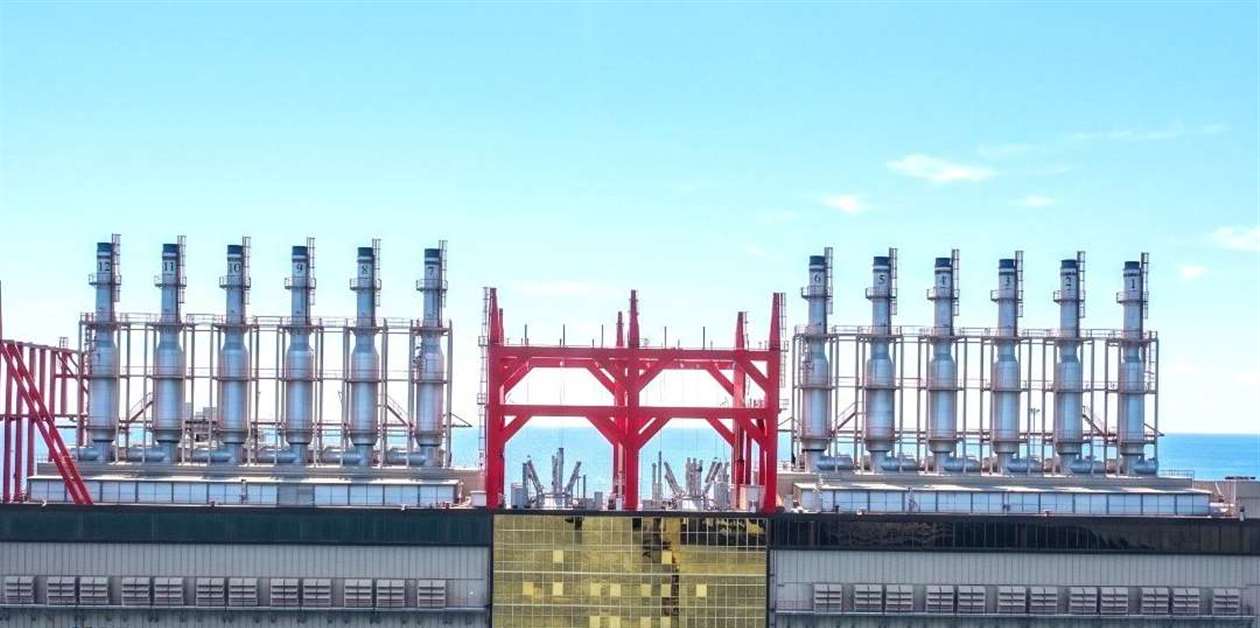
Karpowership to deploy floating LNG-to-power project in Mexico’s Yucatán Peninsula

In 60 seconds

Top move

Karpowership’s imminent floating LNG-to-power deployment in Mexico creates near-term execution and fuel-supply dependencies for buyers of floating import and powership services

Key takeaways

  • Karpowership’s imminent floating LNG-to-power deployment in Mexico creates near-term execution and fuel-supply dependencies for buyers of floating import and powership services.[1]
  • Freudenberg’s purchase of Balmoral Comtec concentrates subsea buoyancy, cable-protection and insulation supply, changing bargaining dynamics for engineered offshore components and spares.[2]
  • Australia’s LNG sector is not on a material expansion path, so regional liquefaction capacity is unlikely to be a near-term relief valve for global LNG-related equipment demand.[3]
  • For Major Equipment OEMs and LTSA holders, floating and rapid-deploy projects shift value toward mobilization, local service capability, and fuel/terminal commercial clarity.[1]
  • M&A in subsea/offshore hardware is an early-signal that suppliers may tighten allocation or shorten quote-validity windows; treat expected commercial tightening as directional until suppliers state policies.[2]

What changed since last run

  • New commercial development: Freudenberg completed acquisition of Balmoral Comtec, consolidating subsea buoyancy and protection supply (article 3).
  • New deployment: Karpowership announced arrival and near-term start of a 250-MW powership with floating LNG import infrastructure in Mexico’s Yucatán, creating immediate mobilization needs (article 6).

Key facts

  • Acquired Balmoral Comtec, a Scotland-based supplier with over 45 years of subsea experience
  • Approximately 400 employees across three UK locations
  • Adds buoyancy modules, cable protection and thermal insulation product lines
  • Deploys a 250-MW powership with integrated floating LNG import infrastructure
  • Operates under a three-year agreement with Mexico’s grid operator
  • Karpowership owns 45 powerships and 11 LNG terminal ships globally

Why it matters

Karpowership’s imminent floating LNG-to-power deployment in Mexico creates near-term execution and fuel-supply dependencies for buyers of floating import and powership services. Freudenberg’s purchase of Balmoral Comtec concentrates subsea buoyancy, cable-protection and insulation supply, changing bargaining dynamics for engineered offshore components and spares. Australia’s LNG sector is not on a material expansion path, so regional liquefaction capacity is unlikely to be a near-term relief valve for global LNG-related equipment demand. For Major Equipment OEMs and LTSA holders, floating and rapid-deploy projects shift value toward mobilization, local service capability, and fuel/terminal commercial clarity

Cost / money

  • Floating LNG-to-power lowers traditional capex lead times but shifts cost exposure toward fuel procurement and possible pass-throughs or terminal fees tied to operations.[1]
  • Acquisition of Balmoral Comtec may reduce competitive pressure on subsea items, making negotiated price, spares and warranty terms more important in new procurements.[2]
  • Limited near-term growth in Australia’s liquefaction footprint means regional supply tightness for some equipment types could persist, keeping long-lead inflationary pressure for select packages.[3]

Supplier / commercial

  • Post-acquisition, suppliers integrated into larger groups often re-prioritize allocation to larger integrated customers or internal projects; expect potential tightening of allocation language on RFQs.[2]
  • Karpowership’s expansion in the Americas signals new, recurring demand for shipyard services, floating import interfaces and LNG terminal-ship integration—these specialties can shorten competitive windows for related OEM offers.[1]
  • Where regional liquefaction is static, suppliers servicing LNG plants and floating assets may favor multi-year service or LTSA commitments over one-off orders, changing negotiating posture for spot buys.[3]

Safety / operations

  • Floating powerships increase interface with port, maritime and environmental regulators; operational readiness depends on coordinated permits, berth infrastructure and marine connectors.[1]
  • Rapid mobilization models raise uptime dependency on spares and local service capability—buyers should expect early warranty/service calls and higher initial spares consumption during ramp-up.[1]

What to watch

  • Watch for suppliers in the subsea and buoyancy space to shorten quote-validity and add allocation clauses after the Freudenberg deal; this is an early-signal of tighter commercial terms.[2]
  • Watch customs, port access and fuel-offtake confirmations for the Mexico deployment; delays in those areas can immediately affect commissioning and contractual start-of-operations obligations.[1]

Top stories

Story 1CompressorTECH²May 20, 2026

Freudenberg expands offshore energy portfolio with Balmoral Comtec acquisition

Signal strongSource-grounded

What happened

Freudenberg completed the acquisition of Balmoral Comtec, adding subsea buoyancy, cable protection and thermal insulation capabilities to its Flow Technologies unit. The deal brings experienced UK-based engineering and manufacturing capacity and broadens Freudenberg’s integrated offerings for offshore projects. Watch whether Freudenberg re-prioritizes allocations or changes commercial terms for legacy Balmoral customers

Buyer takeaway

Treat this as a structural change in subsea hardware supply: integrated suppliers can bundle hardware, services and digital monitoring, which shifts negotiation leverage toward incumbents

Cost / money

Directionally upward pressure: reduced supplier competition can make price, spares and warranty negotiation more material for procurement outcomes

Supplier / commercial

Expect shifts in allocation and prioritization; suppliers may favor integrated or high-volume customers and tighten quote-validity for small buyers

Safety / operations

No direct safety incident implied, but consolidation increases the need to lock spares and service SLAs to avoid prolonged outages on subsea assets

What to watch

Watch for shorter quote-validity, new minimum order quantities or re-assigned regional reps that change local service responsiveness

Key facts

  • Acquired Balmoral Comtec, a Scotland-based supplier with over 45 years of subsea experience
  • Approximately 400 employees across three UK locations
  • Adds buoyancy modules, cable protection and thermal insulation product lines

Source excerpts

Terms of the transaction were not disclosed. Based in Aberdeen, Scotland, Balmoral Comtec has more than 45 years of experience supplying engineered buoyancy and subsea protection products for offshore developments
(Image: Balmoral Group) Freudenberg Group is expanding its footprint in offshore energy infrastructure through the acquisition of Balmoral Comtec, a Scotland-based supplier of buoyancy, cable protection and thermal insulation systems serving offshore oil and gas and renewable energy markets. The acquisition, completed May 19 through Freudenberg Flow Technologies, strengthens the company’s Connectors and Sealing Solutions business unit, which provides sealing, connector and related technologies for energy-secto
(Image: Balmoral Group) Freudenberg Group is expanding its footprint in offshore energy infrastructure through the acquisition of Balmoral Comtec, a Scotland-based supplier of buoyancy, cable protection and thermal insulation systems serving offshore oil and gas and renewable energy markets
Story 2CompressorTECH²May 20, 2026

Karpowership to deploy floating LNG-to-power project in Mexico’s Yucatán Peninsula

Signal strongSource-grounded

What happened

Karpowership will deploy a 250-MW powership and floating LNG import infrastructure to Mexico’s Yucatán under a three-year agreement to bolster grid reliability. Commercial operations are expected soon after vessel arrival, creating immediate needs for berth readiness, customs clearance and fuel-offtake clarity. Monitor port access, fuel supply contracts and onshore interconnections as those items will gate commissioning

Buyer takeaway

Treat this as an immediate operational demand signal: floating solutions require coordinated port, fuel and customs readiness, which affects acceptance and early uptime

Cost / money

Cost exposure shifts from long-term capex to fuel procurement, terminal fees and potential pass-throughs during operations

Supplier / commercial

Shipyard and floating-interface suppliers gain short-window leverage on mobilization and integration packages during arrival and start-up

Safety / operations

Operational risk centers on marine interfaces, fuel-handling systems and regulatory compliance; commissioning depends on coordinated maritime approvals

What to watch

Verify fuel-of-take, berth and customs arrangements now; delays here will cascade into commissioning and contractual start obligations

Key facts

  • Deploys a 250-MW powership with integrated floating LNG import infrastructure
  • Operates under a three-year agreement with Mexico’s grid operator
  • Karpowership owns 45 powerships and 11 LNG terminal ships globally

Source excerpts

For the midstream and LNG sectors, floating LNG-to-power developments have become an increasingly important market segment, particularly in regions where pipeline infrastructure or permanent generation capacity remains limited. Karpowership’s LNG Terminal Ships function as floating LNG receiving and regasification infrastructure, supplying natural gas directly to adjacent Powerships for electricity generation
(Image: Karpowership) Karpowership will deploy a 250-MW Powership and floating LNG import infrastructure to Mexico’s Yucatán Peninsula under a three-year agreement aimed at strengthening electricity reliability in one of the country’s fastest-growing power markets. The project, developed in coordination with Mexico’s independent system operator, CENACE, marks another expansion of Karpowership’s LNG-to-power model across the Americas and reflects growing regional demand for rapidly deployable natural gas-fired
Commercial operations are expected to begin in the coming weeks following arrival of the vessels and coordination with state and federal authorities
Story 3CompressorTECH²May 6, 2026

Special Report: Australia’s LNG industry

Signal moderateDirectional

What happened

CT2’s special report finds Australia remains a major LNG exporter but is not on a material growth path for new liquefaction capacity. The piece highlights technical and economic constraints that limit additional Australian liquefaction, which matters where buyers expected expanding regional capacity to loosen equipment supply pressures. Watch whether project economics or new policy changes alter the outlook, but treat this as a moderate signal for procurement planning

Buyer takeaway

Do not rely on near-term Australian capacity expansion to relieve equipment or service demand; plan sourcing with that structural constraint in mind

Cost / money

Directional: constrained regional supply can keep pricing and lead times elevated for some LNG equipment categories

Supplier / commercial

Suppliers servicing existing Australian plants may prioritize maintenance or long-term service deals over incremental new-build orders

Safety / operations

No immediate operational safety change, but suppliers stretched across maintenance may affect outage planning and spares availability

What to watch

Monitor policy shifts or project re-evaluations that could change capacity outlook; currently the report signals limited near-term growth

Key facts

  • Australia has 10 major liquefaction facilities supporting significant export volumes
  • Report highlights technical and cost constraints limiting new material capacity additions
  • Context: constrained regional growth can sustain demand for LNG-related equipment and services

Source excerpts

“Seasonal and daily peak gas supply will be the critical areas to watch,” said Wilkinson
But by and large, these are not material expansions of Australian LNG capacity. ” A similar picture is presented by EnergyQuest’s CEO, Rick Wilkinson, who told CT2 that Australia’s LNG industry was “not on a growth path” compared with other major LNG suppliers
” Nonetheless, upstream depletion has resulted in some liquefaction capacity being shut down – Woodside permanently retired one of the liquefaction trains at North West Shelf last year. “Future gas developments may only sustain utilization of existing capacity rather than adding any more,” Munton said

VP Snapshot

Executive Risk & Action View

Karpowership’s imminent floating LNG-to-power deployment in Mexico creates near-term execution and fuel-supply dependencies for buyers of floating import and powership services.

Overall
62
Cost
79
Supply
25
Schedule
56
Compliance
15

Top signals

30-180dcost

Signal 1: Cost / money

Floating LNG-to-power lowers traditional capex lead times but shifts cost exposure toward fuel procurement and possible pass-throughs or terminal fees tied to operations.

Signal 2: Cost / money

Acquisition of Balmoral Comtec may reduce competitive pressure on subsea items, making negotiated price, spares and warranty terms more important in new procurements.

0-30dcost

Signal 3: Cost / money

Limited near-term growth in Australia’s liquefaction footprint means regional supply tightness for some equipment types could persist, keeping long-lead inflationary pressure for select packages.

30-180dcommercial

Signal 4: Supplier / commercial

Post-acquisition, suppliers integrated into larger groups often re-prioritize allocation to larger integrated customers or internal projects; expect potential tightening of allocation language on RFQs.

Signal 5: Supplier / commercial

Karpowership’s expansion in the Americas signals new, recurring demand for shipyard services, floating import interfaces and LNG terminal-ship integration—these specialties can shorten competitive windows for related OEM offers.

Signal 6: Supplier / commercial

Where regional liquefaction is static, suppliers servicing LNG plants and floating assets may favor multi-year service or LTSA commitments over one-off orders, changing negotiating posture for spot buys.

Recommended actions

OpsDue 3d

Confirm arrival and operational timeline with Karpowership and local authorities; document key interlock points for berthing, customs and fuel receipts.

Verified arrival/acceptance checklist and updated mobilization risk flags for floating integration packages.

CategoryDue 21d

Request written supplier positions from Balmoral/Freudenberg and identified subsea vendors on allocation policies, quote-validity, and spares lead times for upcoming packages.

Documented supplier statements to feed RFQ scheduling and contract clause decisions.

ContractsDue 21d

Amend RFQ and LTSA templates to include explicit mobilization SLAs, defined spares minimums, and fuel/terminal pass-through language for floating and rapid-deploy assets.

Updated templates that reduce buyer exposure to ambiguous pass-throughs and improve mobilization remedies.

CategoryDue 60d

Qualify and option second-source suppliers for buoyancy, cable-protection and thermal insulation to create intentional redundancy against single-vendor consolidation risk.

Shortlist of qualified alternatives and optioned supply paths to reduce single-supplier execution risk.

OpsDue 60d

Build a logistics and spares staging plan for floating assets that includes local service partners and expedited customs clearance options.

Spares staging plan with nominated local partners and documented customs mitigation steps to support faster service response.

Risk register

RiskTriggerMitigation
Watch for suppliers in the subsea and buoyancy space to shorten quote-validity and add allocation clauses after the Freudenberg deal; this is an early-signal of tighter commercial terms.Watch for suppliers in the subsea and buoyancy space to shorten quote-validity and add allocation clauses after the Freudenberg deal; this is an early-signal of tighter commercial terms.Confirm exposure with category, contracts, and operations before the next supplier commitment.
Watch customs, port access and fuel-offtake confirmations for the Mexico deployment; delays in those areas can immediately affect commissioning and contractual start-of-operations obligations.Watch customs, port access and fuel-offtake confirmations for the Mexico deployment; delays in those areas can immediately affect commissioning and contractual start-of-operations obligations.Confirm exposure with category, contracts, and operations before the next supplier commitment.

CM Snapshot

Category Manager Decision Detail

Today's priorities

Confirm arrival and operational timeline with Karpowership and local authorities; document key interlock points for berthing, customs and fuel receipts.

because the project expects commercial operations shortly after vessel arrival and these interlocks determine acceptance, mobilization and uptime dependency.

Due 3d

high

CM move

Use this as the immediate supplier or contract action to move before the next sourcing gate.

Request written supplier positions from Balmoral/Freudenberg and identified subsea vendors on allocation policies, quote-validity, and spares lead times for upcoming packages.

because the acquisition can change allocation priorities and suppliers may shorten commitment windows, and written positions let sourcing lock or redesign tenders accordingly.

Due 21d

high

CM move

Use this as the immediate supplier or contract action to move before the next sourcing gate.

Amend RFQ and LTSA templates to include explicit mobilization SLAs, defined spares minimums, and fuel/terminal pass-through language for floating and rapid-deploy assets.

because floating LNG-to-power models and near-term deployments shift commercial exposure toward fuel/terminal costs and rapid mobilization obligations.

Due 21d

high

CM move

Use this as the immediate supplier or contract action to move before the next sourcing gate.

Qualify and option second-source suppliers for buoyancy, cable-protection and thermal insulation to create intentional redundancy against single-vendor consolidation risk.

because the Balmoral Comtec acquisition concentrates supply and could limit allocation or increase lead times for critical subsea components.

Due 60d

high

CM move

Use this as the immediate supplier or contract action to move before the next sourcing gate.

Supplier radar

CompressorTECH²

high

Observed supplier signal

Post-acquisition, suppliers integrated into larger groups often re-prioritize allocation to larger integrated customers or internal projects; expect potential tightening of allocation language on RFQs.

Commercial implication

Post-acquisition, suppliers integrated into larger groups often re-prioritize allocation to larger integrated customers or internal projects; expect potential tightening of allocation language on RFQs.

Next step: Validate the source-backed signal with incumbents and alternates before the next award or pricing decision.

CompressorTECH²

high

Observed supplier signal

Karpowership’s expansion in the Americas signals new, recurring demand for shipyard services, floating import interfaces and LNG terminal-ship integration—these specialties can shorten competitive windows for related OEM offers.

Commercial implication

Karpowership’s expansion in the Americas signals new, recurring demand for shipyard services, floating import interfaces and LNG terminal-ship integration—these specialties can shorten competitive windows for related OEM offers.

Next step: Validate the source-backed signal with incumbents and alternates before the next award or pricing decision.

CompressorTECH²

high

Observed supplier signal

Where regional liquefaction is static, suppliers servicing LNG plants and floating assets may favor multi-year service or LTSA commitments over one-off orders, changing negotiating posture for spot buys.

Commercial implication

Where regional liquefaction is static, suppliers servicing LNG plants and floating assets may favor multi-year service or LTSA commitments over one-off orders, changing negotiating posture for spot buys.

Next step: Validate the source-backed signal with incumbents and alternates before the next award or pricing decision.

Negotiation levers

Confirm arrival and operational timeline with Karpowership and local authorities; document key interlock points for berthing, customs and fuel receipts.

When to use: because the project expects commercial operations shortly after vessel arrival and these interlocks determine acceptance, mobilization and uptime dependency.

Expected outcome: Verified arrival/acceptance checklist and updated mobilization risk flags for floating integration packages.

Commercial mechanism to carry into the next supplier conversation

Request written supplier positions from Balmoral/Freudenberg and identified subsea vendors on allocation policies, quote-validity, and spares lead times for upcoming packages.

When to use: because the acquisition can change allocation priorities and suppliers may shorten commitment windows, and written positions let sourcing lock or redesign tenders accordingly.

Expected outcome: Documented supplier statements to feed RFQ scheduling and contract clause decisions.

Commercial mechanism to carry into the next supplier conversation

Amend RFQ and LTSA templates to include explicit mobilization SLAs, defined spares minimums, and fuel/terminal pass-through language for floating and rapid-deploy assets.

When to use: because floating LNG-to-power models and near-term deployments shift commercial exposure toward fuel/terminal costs and rapid mobilization obligations.

Expected outcome: Updated templates that reduce buyer exposure to ambiguous pass-throughs and improve mobilization remedies.

Commercial mechanism to carry into the next supplier conversation

Qualify and option second-source suppliers for buoyancy, cable-protection and thermal insulation to create intentional redundancy against single-vendor consolidation risk.

When to use: because the Balmoral Comtec acquisition concentrates supply and could limit allocation or increase lead times for critical subsea components.

Expected outcome: Shortlist of qualified alternatives and optioned supply paths to reduce single-supplier execution risk.

Commercial mechanism to carry into the next supplier conversation

Talking points

Karpowership’s imminent floating LNG-to-power deployment in Mexico creates near-term execution and fuel-supply dependencies for buyers of floating import and powership services.
Freudenberg’s purchase of Balmoral Comtec concentrates subsea buoyancy, cable-protection and insulation supply, changing bargaining dynamics for engineered offshore components and spares.
Australia’s LNG sector is not on a material expansion path, so regional liquefaction capacity is unlikely to be a near-term relief valve for global LNG-related equipment demand.
For Major Equipment OEMs and LTSA holders, floating and rapid-deploy projects shift value toward mobilization, local service capability, and fuel/terminal commercial clarity.

Supplier radar

SupplierSignalImplicationNext stepConfidence
CompressorTECH²Post-acquisition, suppliers integrated into larger groups often re-prioritize allocation to larger integrated customers or internal projects; expect potential tightening of allocation language on RFQs.Post-acquisition, suppliers integrated into larger groups often re-prioritize allocation to larger integrated customers or internal projects; expect potential tightening of allocation language on RFQs.Validate the source-backed signal with incumbents and alternates before the next award or pricing decision.high
CompressorTECH²Karpowership’s expansion in the Americas signals new, recurring demand for shipyard services, floating import interfaces and LNG terminal-ship integration—these specialties can shorten competitive windows for related OEM offers.Karpowership’s expansion in the Americas signals new, recurring demand for shipyard services, floating import interfaces and LNG terminal-ship integration—these specialties can shorten competitive windows for related OEM offers.Validate the source-backed signal with incumbents and alternates before the next award or pricing decision.high
CompressorTECH²Where regional liquefaction is static, suppliers servicing LNG plants and floating assets may favor multi-year service or LTSA commitments over one-off orders, changing negotiating posture for spot buys.Where regional liquefaction is static, suppliers servicing LNG plants and floating assets may favor multi-year service or LTSA commitments over one-off orders, changing negotiating posture for spot buys.Validate the source-backed signal with incumbents and alternates before the next award or pricing decision.high

Negotiation levers

  • Confirm arrival and operational timeline with Karpowership and local authorities; document key interlock points for berthing, customs and fuel receipts.because the project expects commercial operations shortly after vessel arrival and these interlocks determine acceptance, mobilization and uptime dependency.Verified arrival/acceptance checklist and updated mobilization risk flags for floating integration packages.

    high confidence

  • Request written supplier positions from Balmoral/Freudenberg and identified subsea vendors on allocation policies, quote-validity, and spares lead times for upcoming packages.because the acquisition can change allocation priorities and suppliers may shorten commitment windows, and written positions let sourcing lock or redesign tenders accordingly.Documented supplier statements to feed RFQ scheduling and contract clause decisions.

    high confidence

  • Amend RFQ and LTSA templates to include explicit mobilization SLAs, defined spares minimums, and fuel/terminal pass-through language for floating and rapid-deploy assets.because floating LNG-to-power models and near-term deployments shift commercial exposure toward fuel/terminal costs and rapid mobilization obligations.Updated templates that reduce buyer exposure to ambiguous pass-throughs and improve mobilization remedies.

    high confidence

  • Qualify and option second-source suppliers for buoyancy, cable-protection and thermal insulation to create intentional redundancy against single-vendor consolidation risk.because the Balmoral Comtec acquisition concentrates supply and could limit allocation or increase lead times for critical subsea components.Shortlist of qualified alternatives and optioned supply paths to reduce single-supplier execution risk.

    high confidence

What to do / What to watch

What to do now

  • Confirm arrival and operational timeline with Karpowership and local authorities; document key interlock points for berthing, customs and fuel receipts.

    Why: because the project expects commercial operations shortly after vessel arrival and these interlocks determine acceptance, mobilization and uptime dependency.

    Owner: Ops

    Expected outcome: Verified arrival/acceptance checklist and updated mobilization risk flags for floating integration packages.

    [1]

Next few weeks

  • Request written supplier positions from Balmoral/Freudenberg and identified subsea vendors on allocation policies, quote-validity, and spares lead times for upcoming packages.

    Why: because the acquisition can change allocation priorities and suppliers may shorten commitment windows, and written positions let sourcing lock or redesign tenders accordingly.

    Owner: Category

    Expected outcome: Documented supplier statements to feed RFQ scheduling and contract clause decisions.

    [2]
  • Amend RFQ and LTSA templates to include explicit mobilization SLAs, defined spares minimums, and fuel/terminal pass-through language for floating and rapid-deploy assets.

    Why: because floating LNG-to-power models and near-term deployments shift commercial exposure toward fuel/terminal costs and rapid mobilization obligations.

    Owner: Contracts

    Expected outcome: Updated templates that reduce buyer exposure to ambiguous pass-throughs and improve mobilization remedies.

    [1]

Longer view

  • Qualify and option second-source suppliers for buoyancy, cable-protection and thermal insulation to create intentional redundancy against single-vendor consolidation risk.

    Why: because the Balmoral Comtec acquisition concentrates supply and could limit allocation or increase lead times for critical subsea components.

    Owner: Category

    Expected outcome: Shortlist of qualified alternatives and optioned supply paths to reduce single-supplier execution risk.

    [2]
  • Build a logistics and spares staging plan for floating assets that includes local service partners and expedited customs clearance options.

    Why: because rapid deployment and start-up of floating powerships increase value from local spares availability and fast customs resolution.

    Owner: Ops

    Expected outcome: Spares staging plan with nominated local partners and documented customs mitigation steps to support faster service response.

    [1]

What to watch

  • Watch for suppliers in the subsea and buoyancy space to shorten quote-validity and add allocation clauses after the Freudenberg deal; this is an early-signal of tighter commercial terms
  • Watch customs, port access and fuel-offtake confirmations for the Mexico deployment; delays in those areas can immediately affect commissioning and contractual start-of-operations obligations
  • Watch for suppliers in the subsea and buoyancy space to shorten quote-validity and add allocation clauses after the Freudenberg deal; this is an early-signal of tighter commercial terms.: Watch for suppliers in the subsea and buoyancy space to shorten quote-validity and add allocation clauses after the Freudenberg deal; this is an early-signal of tighter commercial terms
  • Watch customs, port access and fuel-offtake confirmations for the Mexico deployment; delays in those areas can immediately affect commissioning and contractual start-of-operations obligations.: Watch customs, port access and fuel-offtake confirmations for the Mexico deployment; delays in those areas can immediately affect commissioning and contractual start-of-operations obligations
  • Karpowership’s imminent floating LNG-to-power deployment in Mexico creates near-term execution and fuel-supply dependencies for buyers of floating import and powership services
  • Freudenberg’s purchase of Balmoral Comtec concentrates subsea buoyancy, cable-protection and insulation supply, changing bargaining dynamics for engineered offshore components and spares
  • Australia’s LNG sector is not on a material expansion path, so regional liquefaction capacity is unlikely to be a near-term relief valve for global LNG-related equipment demand
  • For Major Equipment OEMs and LTSA holders, floating and rapid-deploy projects shift value toward mobilization, local service capability, and fuel/terminal commercial clarity

Market pulse

IndexLatestChangeAs of
WTI Crude (WTI)71.23 /bbl+0.00 (+0.00%)May 21, 2026, 10:09 AM
Brent Crude (BRENT)74.89 /bbl+0.00 (+0.00%)May 21, 2026, 10:09 AM
Natural Gas (NG)3.12 /MMBtu+0.00 (+0.00%)May 21, 2026, 10:09 AM
Baker Hughes (BKR)32 +0.00 (+0.00%)May 21, 2026, 10:09 AM
GE Vernova (GEV)175 +0.00 (+0.00%)May 21, 2026, 10:09 AM
  • Natural Gas: Natural gas market movement matters for floating powership fuel pass-through exposure and short-term operating costs
  • Brent Crude: Global oil price direction can correlate with marine fuel and shipping costs that affect floating terminal logistics

Sources

Inline citations jump here. Expand a source to read the excerpt, the AI interpretation, and the original link.

[1] Karpowership to deploy floating LNG-to-power project in Mexico’s Yucatán Peninsula

compressortech2.com · May 20, 2026

Expand

AI reading

Karpowership will deploy a 250-MW powership and floating LNG import infrastructure to Mexico’s Yucatán under a three-year agreement to bolster grid reliability. Commercial operations are expected soon after vessel arrival, creating immediate needs for berth readiness, customs clearance and fuel-offtake clarity. Monitor port access, fuel supply contracts and onshore interconnections as those items will gate commissioning

Buyer takeaway

Treat this as an immediate operational demand signal: floating solutions require coordinated port, fuel and customs readiness, which affects acceptance and early uptime

Cost / money

Cost exposure shifts from long-term capex to fuel procurement, terminal fees and potential pass-throughs during operations

Supplier / commercial

Shipyard and floating-interface suppliers gain short-window leverage on mobilization and integration packages during arrival and start-up

Safety / operations

Operational risk centers on marine interfaces, fuel-handling systems and regulatory compliance; commissioning depends on coordinated maritime approvals

What to watch

Verify fuel-of-take, berth and customs arrangements now; delays here will cascade into commissioning and contractual start obligations

Key facts

  • Deploys a 250-MW powership with integrated floating LNG import infrastructure
  • Operates under a three-year agreement with Mexico’s grid operator
  • Karpowership owns 45 powerships and 11 LNG terminal ships globally

Source excerpts

For the midstream and LNG sectors, floating LNG-to-power developments have become an increasingly important market segment, particularly in regions where pipeline infrastructure or permanent generation capacity remains limited. Karpowership’s LNG Terminal Ships function as floating LNG receiving and regasification infrastructure, supplying natural gas directly to adjacent Powerships for electricity generation
(Image: Karpowership) Karpowership will deploy a 250-MW Powership and floating LNG import infrastructure to Mexico’s Yucatán Peninsula under a three-year agreement aimed at strengthening electricity reliability in one of the country’s fastest-growing power markets. The project, developed in coordination with Mexico’s independent system operator, CENACE, marks another expansion of Karpowership’s LNG-to-power model across the Americas and reflects growing regional demand for rapidly deployable natural gas-fired
Commercial operations are expected to begin in the coming weeks following arrival of the vessels and coordination with state and federal authorities

Used in this brief

  • Karpowership’s imminent floating LNG-to-power deployment in Mexico creates near-term execution and fuel-supply dependencies for buyers of floating import and powership services. Freudenberg’s purchase of Balmoral Comtec concentrates subsea buoyancy, cable-protection and insulation supply, changing bargaining dynamics for engineered offshore components and spares. Australia’s LNG sector is not on a material expansion path, so regional liquefaction capacity is unlikely to be a near-term relief valve for global LNG-related equipment demand. For Major Equipment OEMs and LTSA holders, floating and rapid-deploy projects shift value toward mobilization, local service capability, and fuel/terminal commercial clarity
  • Cost / money: Floating LNG-to-power lowers traditional capex lead times but shifts cost exposure toward fuel procurement and possible pass-throughs or terminal fees tied to operations
  • Supplier / commercial: Karpowership’s expansion in the Americas signals new, recurring demand for shipyard services, floating import interfaces and LNG terminal-ship integration—these specialties can shorten competitive windows for related OEM offers
Open original source

[2] Freudenberg expands offshore energy portfolio with Balmoral Comtec acquisition

compressortech2.com · May 20, 2026

Expand

AI reading

Freudenberg completed the acquisition of Balmoral Comtec, adding subsea buoyancy, cable protection and thermal insulation capabilities to its Flow Technologies unit. The deal brings experienced UK-based engineering and manufacturing capacity and broadens Freudenberg’s integrated offerings for offshore projects. Watch whether Freudenberg re-prioritizes allocations or changes commercial terms for legacy Balmoral customers

Buyer takeaway

Treat this as a structural change in subsea hardware supply: integrated suppliers can bundle hardware, services and digital monitoring, which shifts negotiation leverage toward incumbents

Cost / money

Directionally upward pressure: reduced supplier competition can make price, spares and warranty negotiation more material for procurement outcomes

Supplier / commercial

Expect shifts in allocation and prioritization; suppliers may favor integrated or high-volume customers and tighten quote-validity for small buyers

Safety / operations

No direct safety incident implied, but consolidation increases the need to lock spares and service SLAs to avoid prolonged outages on subsea assets

What to watch

Watch for shorter quote-validity, new minimum order quantities or re-assigned regional reps that change local service responsiveness

Key facts

  • Acquired Balmoral Comtec, a Scotland-based supplier with over 45 years of subsea experience
  • Approximately 400 employees across three UK locations
  • Adds buoyancy modules, cable protection and thermal insulation product lines

Source excerpts

Terms of the transaction were not disclosed. Based in Aberdeen, Scotland, Balmoral Comtec has more than 45 years of experience supplying engineered buoyancy and subsea protection products for offshore developments
(Image: Balmoral Group) Freudenberg Group is expanding its footprint in offshore energy infrastructure through the acquisition of Balmoral Comtec, a Scotland-based supplier of buoyancy, cable protection and thermal insulation systems serving offshore oil and gas and renewable energy markets. The acquisition, completed May 19 through Freudenberg Flow Technologies, strengthens the company’s Connectors and Sealing Solutions business unit, which provides sealing, connector and related technologies for energy-secto
(Image: Balmoral Group) Freudenberg Group is expanding its footprint in offshore energy infrastructure through the acquisition of Balmoral Comtec, a Scotland-based supplier of buoyancy, cable protection and thermal insulation systems serving offshore oil and gas and renewable energy markets

Used in this brief

  • Cost / money: Acquisition of Balmoral Comtec may reduce competitive pressure on subsea items, making negotiated price, spares and warranty terms more important in new procurements
  • Next 2-4 weeks — Request written supplier positions from Balmoral/Freudenberg and identified subsea vendors on allocation policies, quote-validity, and spares lead times for upcoming packages.. Rationale: because the acquisition can change allocation priorities and suppliers may shorten commitment windows, and written positions let sourcing lock or redesign tenders accordingly.. Owner: Category. KPI: Documented supplier statements to feed RFQ scheduling and contract clause decisions
  • Next quarter — Qualify and option second-source suppliers for buoyancy, cable-protection and thermal insulation to create intentional redundancy against single-vendor consolidation risk.. Rationale: because the Balmoral Comtec acquisition concentrates supply and could limit allocation or increase lead times for critical subsea components.. Owner: Category. KPI: Shortlist of qualified alternatives and optioned supply paths to reduce single-supplier execution risk
Open original source

[3] Special Report: Australia’s LNG industry

compressortech2.com · May 6, 2026

Expand

AI reading

CT2’s special report finds Australia remains a major LNG exporter but is not on a material growth path for new liquefaction capacity. The piece highlights technical and economic constraints that limit additional Australian liquefaction, which matters where buyers expected expanding regional capacity to loosen equipment supply pressures. Watch whether project economics or new policy changes alter the outlook, but treat this as a moderate signal for procurement planning

Buyer takeaway

Do not rely on near-term Australian capacity expansion to relieve equipment or service demand; plan sourcing with that structural constraint in mind

Cost / money

Directional: constrained regional supply can keep pricing and lead times elevated for some LNG equipment categories

Supplier / commercial

Suppliers servicing existing Australian plants may prioritize maintenance or long-term service deals over incremental new-build orders

Safety / operations

No immediate operational safety change, but suppliers stretched across maintenance may affect outage planning and spares availability

What to watch

Monitor policy shifts or project re-evaluations that could change capacity outlook; currently the report signals limited near-term growth

Key facts

  • Australia has 10 major liquefaction facilities supporting significant export volumes
  • Report highlights technical and cost constraints limiting new material capacity additions
  • Context: constrained regional growth can sustain demand for LNG-related equipment and services

Source excerpts

“Seasonal and daily peak gas supply will be the critical areas to watch,” said Wilkinson
But by and large, these are not material expansions of Australian LNG capacity. ” A similar picture is presented by EnergyQuest’s CEO, Rick Wilkinson, who told CT2 that Australia’s LNG industry was “not on a growth path” compared with other major LNG suppliers
” Nonetheless, upstream depletion has resulted in some liquefaction capacity being shut down – Woodside permanently retired one of the liquefaction trains at North West Shelf last year. “Future gas developments may only sustain utilization of existing capacity rather than adding any more,” Munton said

Used in this brief

  • What to watch: Watch customs, port access and fuel-offtake confirmations for the Mexico deployment; delays in those areas can immediately affect commissioning and contractual start-of-operations obligations
  • CT2’s special report finds Australia remains a major LNG exporter but is not on a material growth path for new liquefaction capacity. The piece highlights technical and economic constraints that limit additional Australian liquefaction, which matters where buyers expected expanding regional capacity to loosen equipment supply pressures. Watch whether project economics or new policy changes alter the outlook, but treat this as a moderate signal for procurement planning
  • Buyer bottom line: limited Australian liquefaction growth reduces the chance of near-term regional capacity easing, so equipment and service tightness may persist in affected markets
Open original source

[4] Natural Gas

finance.yahoo.com · n.d.

Expand

[5] Brent Crude

finance.yahoo.com · n.d.

Expand