Drilling Services · Australia (Perth)

Recalibrate APAC drilling sourcing for near-field Indonesia demand

Published May 22, 2026, 6:02 AM AWSTAPACFull category signal
Ask AI
BP, Inpex, CNOOC, and LNG Japan enrich oil & gas arsenal with new Southeast Asian blocks

In 60 seconds

Top move

Indonesia PSC awards near existing LNG infrastructure create a real near-field drilling signal — expect clustered demand that can shorten mobilisation windows for rigs and local support

Key takeaways

  • Indonesia PSC awards near existing LNG infrastructure create a real near-field drilling signal — expect clustered demand that can shorten mobilisation windows for rigs and local support.[3]
  • Rig-owner fleet moves and recent premium jack-up acquisitions are tightening available capacity on key APAC routes, which strengthens supplier pricing posture for short-notice work.[1]
  • Progress in offtake talks for a major Southeast Asia LNG project is an early procurement signal: it increases the probability of long‑lead drilling and subsea scopes but is not a firm award yet.[2]
  • Factory testing of an ammonia-capable marine engine shows technology is moving toward commercial vessels — this is a medium-term buyer consideration for future support-vessel specs, fuel logistics, and HSE gate checks.[4]
  • Operational notes from rig redeployments and schedule adjustments indicate schedule risk that should be captured in mobilisation and assignment clauses to avoid unplanned costs.[1]

What changed since last run

  • Added Indonesia PSC awards (BP and partners) as a proximate, on‑shore/offshore drilling demand signal near existing infrastructure.
  • Added rig-owner commercial moves and premium jack-up acquisitions (Borr) providing clearer near-term visibility on APAC jack-up capacity and utilisation.
  • Flagged Inpex offtake progress for a major SE Asia LNG project as an early indicator of potential clustered long‑lead drilling and subsea demand.

Key facts

  • Three PSCs awarded in Indonesian waters
  • Two blocks located near BP-operated Tangguh LNG infrastructure
  • Operator signals potential for early transition to development if exploration succeeds
  • Multiple premium jack-up acquisitions completed
  • Reported high technical and economic utilisation across the rig fleet
  • Several jack-ups redeployed across APAC routes with some schedule adjustments

Why it matters

Indonesia PSC awards near existing LNG infrastructure create a real near-field drilling signal — expect clustered demand that can shorten mobilisation windows for rigs and local support. Rig-owner fleet moves and recent premium jack-up acquisitions are tightening available capacity on key APAC routes, which strengthens supplier pricing posture for short-notice work. Progress in offtake talks for a major Southeast Asia LNG project is an early procurement signal: it increases the probability of long‑lead drilling and subsea scopes but is not a firm award yet. Factory testing of an ammonia-capable marine engine shows technology is moving toward commercial vessels — this is a medium-term buyer consideration for future support-vessel specs, fuel logistics, and HSE gate checks

Cost / money

  • Near-field development increases mobilisation pressure which can push short-term supplier pricing and reduce our ability to wait for competitive quotes.[3]
  • Premium jack-up acquisitions and high utilisation support a firmer contractor pricing posture on spot dayrates and mobilisation terms where demand aligns.[1]
  • If LNG offtake moves toward FID, expect pass-throughs for long‑lead subsea and drilling equipment to tighten project budgets and extend procurement cycles.[2]

Supplier / commercial

  • Suppliers with quick-mobilisation jack-ups or local logistics capability will gain leverage; anticipate shorter quote validities and requests for mobilisation deposits.[3]
  • Fleet acquisitions may change counterparty risk and require reassessment of assignment/novation clauses to ensure continuity of supply and warranties.[1]
  • Early offtake progress encourages FEED-stage supplier engagement, increasing proposal costs for bidders and making staged procurement or conditional awards a useful mechanism.[2]

Safety / operations

  • Clustered activity near existing hubs compresses handovers and mobilisations — reinforce HSE mobilisation gates for crew competence, spare parts, and equipment interfaces.[3]
  • Introduction of ammonia-capable engines changes vessel fuel handling and emergency response profiles; update HSE checks and crew competency requirements before accepting such tonnage.[4]

What to watch

  • Offtake agreements in principle are not SPAs or FID — monitor movement to signed offtake agreements because that transition materially changes procurement timing and award certainty.[2]
  • Watch for suppliers to shorten quote validities or require mobilisation deposits as owners with tight utilisation prioritise backlog customers over spot work.[1]

Top stories

Story 1Offshore EnergyMay 21, 2026

BP, Inpex, CNOOC, and LNG Japan enrich oil & gas arsenal with new Southeast Asian blocks

Signal strongSource-grounded

What happened

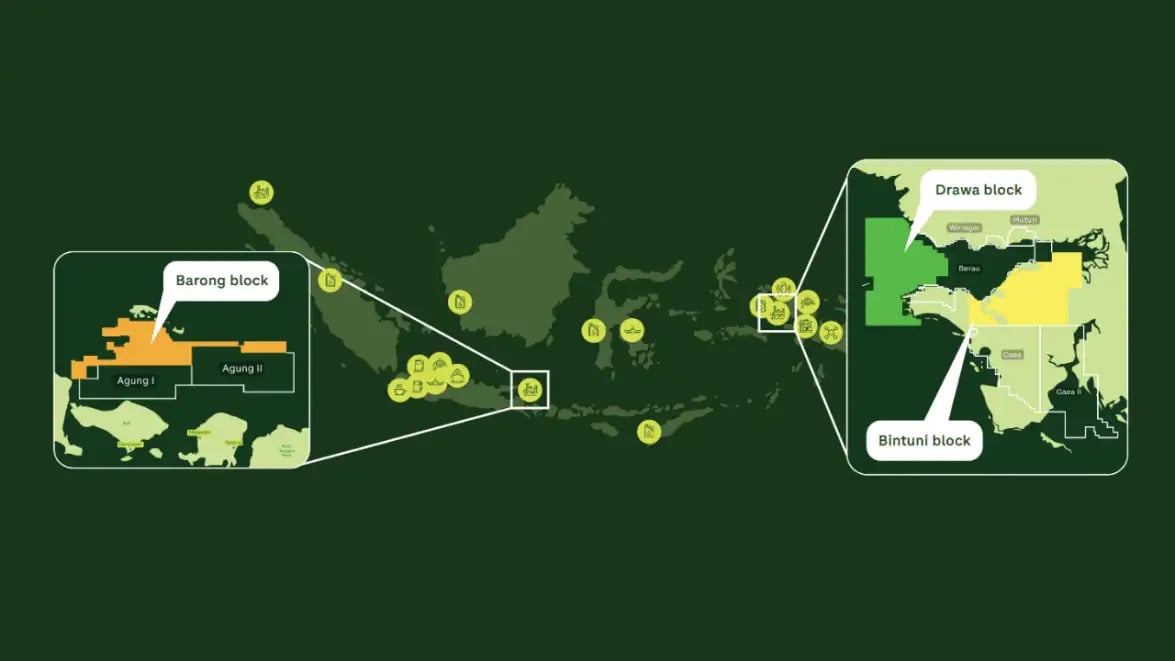
BP and partners signed three production-sharing contracts for Indonesian offshore blocks, including two near existing Tangguh LNG infrastructure. Proximity to operating assets makes short-cycle development more likely if exploration succeeds, creating clustered drilling demand and tighter mobilisation windows. Watch whether operators publish exploration drilling schedules or RFPs, which will convert this into actionable procurement timelines

Buyer takeaway

Treat these PSCs as a tangible near-field demand signal that may require accelerated sourcing for rigs and local support services

Cost / money

Clustered activity near hubs can raise mobilisation premiums and reduce buyer room to wait for best offers

Supplier / commercial

Local suppliers with quick-mobilisation capability may shorten quote validities and ask for mobilisation deposits to hold capacity

Safety / operations

Compressed mobilisations increase handover frequency; ensure mobilisation HSE gates cover crew competence, spare parts, and interface checks

What to watch

Watch for publication of drilling schedules or RFPs; that will materially change procurement timelines

Key facts

  • Three PSCs awarded in Indonesian waters
  • Two blocks located near BP-operated Tangguh LNG infrastructure
  • Operator signals potential for early transition to development if exploration succeeds

Source excerpts

We already have world-class assets in the country, and, subject to success, the proximity of two of these new blocks to our existing infrastructure could support the potential future development and production of these resources
“This year marks BP’s 60th in Indonesia and, through our dedicated regional team and continuous focus on safety and operational performance, we look forward to working with the government and our partners to continue supporting the country’s energy resilience and development objectives for years to come. ” The Barong working area is situated off the coast of East Java, where several oil and gas fields have been discovered; thus, Inpex underlines that East Java Province is expected to generate stable energy dema
Two of the latest PSCs are for the Bintuni and Drawa exploration blocks, which are located near the existing BP-operated Tangguh LNG in Papua Barat, creating potential for short-cycle development
Story 2Offshore EnergyMay 21, 2026

Borr Drilling’s CEO: Middle East conflict brings uncertainty but empowers long-term rig outlook

Signal strongSource-grounded

What happened

Borr Drilling disclosed multiple contract wins, premium jack-up acquisitions, and high fleet utilisation with several redeployments across APAC. The combination of purchases and busy backlog changes supplier availability and can shorten quote validities or trigger demands for deposits. Watch supplier mobilisation conditions and any assignment implications from asset transfers

Buyer takeaway

Expect suppliers to prioritise backlog customers and be stricter on mobilisation windows and payment/security terms after fleet consolidation

Cost / money

Higher utilisation supports a stronger pricing posture on premium jack-ups and can push mobilisation premiums for short-notice work

Supplier / commercial

Acquisitions can alter counterparty obligations; verify novation and assignment clauses where assets change ownership

Safety / operations

Faster turnarounds increase the risk of rushed handovers; reinforce pre-mobilisation HSE checks when rigs move between jobs quickly

What to watch

Watch for shortened quote validities, mobilisation deposit requests, and assignment issues following asset transfers

Key facts

  • Multiple premium jack-up acquisitions completed
  • Reported high technical and economic utilisation across the rig fleet
  • Several jack-ups redeployed across APAC routes with some schedule adjustments

Source excerpts

Home Fossil Energy Borr Drilling’s CEO: Middle East conflict brings uncertainty but empowers long-term rig outlook Borr Drilling, an offshore drilling player with its corporate base in Bermuda, has secured 13 contracts year-to-date, enhancing its backlog by adding 2,250 days and $274 million in jack-up rig deals
With 13 new deals in 2026, representing more than 2,250 days of backlog, the rig owner is optimistic about the offshore drilling market fundamentals in the future. The company also recognized contract commitments of a further 772 days upon completing its acquisition from Noble Corporation
However, start-up was delayed by additional contract preparation work and regulatory approvals
Story 3Offshore EnergyMay 21, 2026

Offtake talks move forward for Southeast Asia’s $20 billion LNG project

Signal moderateDirectional

What happened

Inpex announced progress on offtake talks and agreements in principle for a large Southeast Asia LNG project, including pipeline gas supply discussions. The company frames these agreements as milestones toward a final investment decision, which—if it proceeds—would generate long‑lead drilling, pipeline, and subsea procurement. This is an early procurement signal; watch for SPA/GSA finalisations and FID moves that will trigger firm sourcing activity

Buyer takeaway

Treat current offtake progress as a watch-and-prepare signal for longer-lead drilling and subsea scopes, not as immediate award activity

Cost / money

If SPAs advance, long-lead equipment pricing and pass-throughs can crystallise as procurement moves to award phase

Supplier / commercial

Early bidders may invest in FEED-stage work; consider staged procurement or conditional awards to manage supplier cost exposure

Safety / operations

Large LNG projects bring complex HSE and logistical interfaces for drilling and pipeline installation; early cross-functional planning reduces later rework

What to watch

Monitor movement from agreements-in-principle to signed SPAs or FID announcements — that transition materially changes procurement timelines

Key facts

  • Multiple offtake agreements in principle announced
  • Includes pipeline natural gas supply agreements in principle
  • Operator cites offtake progress as a milestone toward FID

Source excerpts

Home Fossil Energy Offtake talks move forward for Southeast Asia’s $20 billion LNG project May 21, 2026, by Japan’s exploration and production (E&P) company Inpex has shed light on the progress made in advancing discussions for liquefied natural gas (LNG) and pipeline gas offtake deals from a planned LNG project in Indonesia’s Masela block, which is seen as a way to fortify Southeast Asia’s energy security. Abadi LNG; Source: Inpex Inpex has reached multiple agreements in principle with energy players, includin
The firm claims that the agreements in principle relating to LNG offtake represent an important milestone for the project and contribute to steady progress toward a final investment decision (FID)
The firm claims that the agreements in principle relating to LNG offtake represent an important milestone for the project and contribute to steady progress toward a final investment decision (FID). Related Article The agreement in principle regarding pipeline natural gas supply is expected to lead to a gas sales agreement (GSA)
Story 4Offshore EnergyMay 21, 2026

Ammonia-fueled two-stroke engine passes second FAT

Signal moderateSource-grounded

What happened

A second factory acceptance test was completed for an ammonia-fuelled two-stroke marine engine, with testing witnessed by a classification society and intended for an ammonia-capable carrier. The result signals vendor progress toward commercial deployment and implies future changes in vessel fuel handling and HSE requirements. Watch for class approvals and first commercial vessel deliveries before changing standard vessel procurement specifications

Buyer takeaway

This is technical progress that will require procurement and HSE updates for ammonia-capable support vessels when commercial vessels enter service

Cost / money

Alternative-fuel vessels can change fuel logistics and maintenance cost profiles; plan for potential premium in early adoption periods

Supplier / commercial

Vendors may offer retrofit or new-build premium services; include lifecycle fuel and retrofit options in evaluations

Safety / operations

Ammonia handling requires updated HSE gate checks, crew competence verification, and emergency response revisions before mobilisation

What to watch

Watch first commercial vessel installs and class approvals before incorporating ammonia-specific clauses into standard contracts

Key facts

  • Second FAT completed for an ammonia-fuelled two-stroke engine
  • Testing witnessed by classification society and showed stable performance
  • Engine targeted for installation on ammonia-capable carrier series

Source excerpts

The engine will be installed on the first vessel for Tianjin Southwest Maritime in a series of four LPG/ammonia carriers currently under construction at CSSC Huangpu Wenchong Shipbuilding in China. “The successful completion of Factory Acceptance Testing in China provides further validation of our X-DF-A platform across key performance and safety parameters
Home Clean Fuel Ammonia-fueled two-stroke engine passes second FAT May 21, 2026, by Following what was described as the world’s first type approval (TAT) and factory acceptance testing (FAT) for this type of engine some three months ago, Swiss marine power company WinGD has completed another FAT for its ammonia-fueled two-stroke marine engine
This latest FAT follows the completion of TAT and the first FAT of the ammonia-fueled engine platform at the HD Hyundai Heavy Industries’ Engine & Machinery (HHI-EMD) facility in South Korea, as announced in February. According to WinGD, the testing took place on the 52-bore engine to be installed on a 25,000m3 LPG/ammonia carrier and demonstrated stable engine performance and encouraging emissions results

VP Snapshot

Executive Risk & Action View

Indonesia PSC awards near existing LNG infrastructure create a real near-field drilling signal — expect clustered demand that can shorten mobilisation windows for rigs and local support.

Overall
50
Cost
79
Supply
97
Schedule
20
Compliance
15

Top signals

30-180dcost

Signal 1: Cost / money

Near-field development increases mobilisation pressure which can push short-term supplier pricing and reduce our ability to wait for competitive quotes.

Signal 2: Cost / money

Premium jack-up acquisitions and high utilisation support a firmer contractor pricing posture on spot dayrates and mobilisation terms where demand aligns.

Signal 3: Cost / money

If LNG offtake moves toward FID, expect pass-throughs for long‑lead subsea and drilling equipment to tighten project budgets and extend procurement cycles.

30-180dcommercial

Signal 4: Supplier / commercial

Suppliers with quick-mobilisation jack-ups or local logistics capability will gain leverage; anticipate shorter quote validities and requests for mobilisation deposits.

Signal 6: Supplier / commercial

Early offtake progress encourages FEED-stage supplier engagement, increasing proposal costs for bidders and making staged procurement or conditional awards a useful mechanism.

30-180dsupply

Signal 5: Supplier / commercial

Fleet acquisitions may change counterparty risk and require reassessment of assignment/novation clauses to ensure continuity of supply and warranties.

Recommended actions

CategoryDue 3d

Run a focused rig and support-vessel availability check with core jack-up suppliers and incumbent contractors for Indonesian blocks and proximate SE Asia hubs.

Snapshot register of confirmed near-term rig and support-vessel availability to decide whether to accelerate RFPs or option mobilisation slots.

ContractsDue 3d

Ask Contracts to review assignment, novation, and mobilisation-deposit language across key drilling and vessel contracts.

List of contracts needing amendment and recommended contract clauses to protect mobilisation windows and transfer rights.

ContractsDue 21d

Update RFP templates and mobilisation terms to tighten quote validity, add optional mobilisation-deposit language, and include explicit HSE acceptance for alternative-fuel vesse...

Revised RFP and contract annexes that reduce exposure to short-validity quotes and ensure HSE acceptance criteria for novel vessel fuel systems are contractualized.

CategoryDue 21d

Run an options scan for contingent drill-support sourcing (local re-assignable rigs, regional bareboat options, and short-term charters) focused on Indonesian hubs.

Prioritised list of contingent sourcing options with mobilisation lead-time estimates and commercial flex points to brief Ops.

OpsDue 60d

Work with Ops and HSE to incorporate ammonia/alternative-fuel vessel specs and handling gate checks into the fleet acceptance and mobilisation checklist.

Updated mobilisation HSE checklist and supplier technical annexes that explicitly cover alternative-fuel vessel requirements and required crew competencies.

Risk register

RiskTriggerMitigation
Offtake agreements in principle are not SPAs or FID — monitor movement to signed offtake agreements because that transition materially changes procurement timing and award certainty.Offtake agreements in principle are not SPAs or FID — monitor movement to signed offtake agreements because that transition materially changes procurement timing and award certainty.Confirm exposure with category, contracts, and operations before the next supplier commitment.
Watch for suppliers to shorten quote validities or require mobilisation deposits as owners with tight utilisation prioritise backlog customers over spot work.Watch for suppliers to shorten quote validities or require mobilisation deposits as owners with tight utilisation prioritise backlog customers over spot work.Confirm exposure with category, contracts, and operations before the next supplier commitment.

CM Snapshot

Category Manager Decision Detail

Today's priorities

Run a focused rig and support-vessel availability check with core jack-up suppliers and incumbent contractors for Indonesian blocks and proximate SE Asia hubs.

because PSC awards near existing infrastructure and recent rig redeployments can compress mobilisation windows and change supplier pricing posture.

Due 3d

high

CM move

Use this as the immediate supplier or contract action to move before the next sourcing gate.

Ask Contracts to review assignment, novation, and mobilisation-deposit language across key drilling and vessel contracts.

because recent fleet acquisitions and tighter supplier capacity increase the chance of ownership changes and deposit requests that affect our mobilisation rights.

Due 3d

high

CM move

Use this as the immediate supplier or contract action to move before the next sourcing gate.

Update RFP templates and mobilisation terms to tighten quote validity, add optional mobilisation-deposit language, and include explicit HSE acceptance for alternative-fuel vesse...

because suppliers are likely to shorten validities and new engine fuel types require pre-acceptance checks that, if omitted, delay mobilisation.

Due 21d

high

CM move

Use this as the immediate supplier or contract action to move before the next sourcing gate.

Run an options scan for contingent drill-support sourcing (local re-assignable rigs, regional bareboat options, and short-term charters) focused on Indonesian hubs.

because proximate PSC activity can cluster demand and pre-identifying flexible sourcing reduces exposure to premium spot rates and mobilisation slippage.

Due 21d

high

CM move

Use this as the immediate supplier or contract action to move before the next sourcing gate.

Supplier radar

Offshore Energy

high

Observed supplier signal

Suppliers with quick-mobilisation jack-ups or local logistics capability will gain leverage; anticipate shorter quote validities and requests for mobilisation deposits.

Commercial implication

Suppliers with quick-mobilisation jack-ups or local logistics capability will gain leverage; anticipate shorter quote validities and requests for mobilisation deposits.

Next step: Validate the source-backed signal with incumbents and alternates before the next award or pricing decision.

Offshore Energy

high

Observed supplier signal

Fleet acquisitions may change counterparty risk and require reassessment of assignment/novation clauses to ensure continuity of supply and warranties.

Commercial implication

Fleet acquisitions may change counterparty risk and require reassessment of assignment/novation clauses to ensure continuity of supply and warranties.

Next step: Validate the source-backed signal with incumbents and alternates before the next award or pricing decision.

Offshore Energy

high

Observed supplier signal

Early offtake progress encourages FEED-stage supplier engagement, increasing proposal costs for bidders and making staged procurement or conditional awards a useful mechanism.

Commercial implication

Early offtake progress encourages FEED-stage supplier engagement, increasing proposal costs for bidders and making staged procurement or conditional awards a useful mechanism.

Next step: Validate the source-backed signal with incumbents and alternates before the next award or pricing decision.

Negotiation levers

Run a focused rig and support-vessel availability check with core jack-up suppliers and incumbent contractors for Indonesian blocks and proximate SE Asia hubs.

When to use: because PSC awards near existing infrastructure and recent rig redeployments can compress mobilisation windows and change supplier pricing posture.

Expected outcome: Snapshot register of confirmed near-term rig and support-vessel availability to decide whether to accelerate RFPs or option mobilisation slots.

Commercial mechanism to carry into the next supplier conversation

Ask Contracts to review assignment, novation, and mobilisation-deposit language across key drilling and vessel contracts.

When to use: because recent fleet acquisitions and tighter supplier capacity increase the chance of ownership changes and deposit requests that affect our mobilisation rights.

Expected outcome: List of contracts needing amendment and recommended contract clauses to protect mobilisation windows and transfer rights.

Commercial mechanism to carry into the next supplier conversation

Update RFP templates and mobilisation terms to tighten quote validity, add optional mobilisation-deposit language, and include explicit HSE acceptance for alternative-fuel vesse...

When to use: because suppliers are likely to shorten validities and new engine fuel types require pre-acceptance checks that, if omitted, delay mobilisation.

Expected outcome: Revised RFP and contract annexes that reduce exposure to short-validity quotes and ensure HSE acceptance criteria for novel vessel fuel systems are contractualized.

Commercial mechanism to carry into the next supplier conversation

Run an options scan for contingent drill-support sourcing (local re-assignable rigs, regional bareboat options, and short-term charters) focused on Indonesian hubs.

When to use: because proximate PSC activity can cluster demand and pre-identifying flexible sourcing reduces exposure to premium spot rates and mobilisation slippage.

Expected outcome: Prioritised list of contingent sourcing options with mobilisation lead-time estimates and commercial flex points to brief Ops.

Commercial mechanism to carry into the next supplier conversation

Talking points

Indonesia PSC awards near existing LNG infrastructure create a real near-field drilling signal — expect clustered demand that can shorten mobilisation windows for rigs and local support.
Rig-owner fleet moves and recent premium jack-up acquisitions are tightening available capacity on key APAC routes, which strengthens supplier pricing posture for short-notice work.
Progress in offtake talks for a major Southeast Asia LNG project is an early procurement signal: it increases the probability of long‑lead drilling and subsea scopes but is not a firm award yet.
Factory testing of an ammonia-capable marine engine shows technology is moving toward commercial vessels — this is a medium-term buyer consideration for future support-vessel specs, fuel logistics, and HSE gate checks.

Supplier radar

SupplierSignalImplicationNext stepConfidence
Offshore EnergySuppliers with quick-mobilisation jack-ups or local logistics capability will gain leverage; anticipate shorter quote validities and requests for mobilisation deposits.Suppliers with quick-mobilisation jack-ups or local logistics capability will gain leverage; anticipate shorter quote validities and requests for mobilisation deposits.Validate the source-backed signal with incumbents and alternates before the next award or pricing decision.high
Offshore EnergyFleet acquisitions may change counterparty risk and require reassessment of assignment/novation clauses to ensure continuity of supply and warranties.Fleet acquisitions may change counterparty risk and require reassessment of assignment/novation clauses to ensure continuity of supply and warranties.Validate the source-backed signal with incumbents and alternates before the next award or pricing decision.high
Offshore EnergyEarly offtake progress encourages FEED-stage supplier engagement, increasing proposal costs for bidders and making staged procurement or conditional awards a useful mechanism.Early offtake progress encourages FEED-stage supplier engagement, increasing proposal costs for bidders and making staged procurement or conditional awards a useful mechanism.Validate the source-backed signal with incumbents and alternates before the next award or pricing decision.high

Negotiation levers

  • Run a focused rig and support-vessel availability check with core jack-up suppliers and incumbent contractors for Indonesian blocks and proximate SE Asia hubs.because PSC awards near existing infrastructure and recent rig redeployments can compress mobilisation windows and change supplier pricing posture.Snapshot register of confirmed near-term rig and support-vessel availability to decide whether to accelerate RFPs or option mobilisation slots.

    high confidence

  • Ask Contracts to review assignment, novation, and mobilisation-deposit language across key drilling and vessel contracts.because recent fleet acquisitions and tighter supplier capacity increase the chance of ownership changes and deposit requests that affect our mobilisation rights.List of contracts needing amendment and recommended contract clauses to protect mobilisation windows and transfer rights.

    high confidence

  • Update RFP templates and mobilisation terms to tighten quote validity, add optional mobilisation-deposit language, and include explicit HSE acceptance for alternative-fuel vesse...because suppliers are likely to shorten validities and new engine fuel types require pre-acceptance checks that, if omitted, delay mobilisation.Revised RFP and contract annexes that reduce exposure to short-validity quotes and ensure HSE acceptance criteria for novel vessel fuel systems are contractualized.

    high confidence

  • Run an options scan for contingent drill-support sourcing (local re-assignable rigs, regional bareboat options, and short-term charters) focused on Indonesian hubs.because proximate PSC activity can cluster demand and pre-identifying flexible sourcing reduces exposure to premium spot rates and mobilisation slippage.Prioritised list of contingent sourcing options with mobilisation lead-time estimates and commercial flex points to brief Ops.

    high confidence

What to do / What to watch

What to do now

  • Run a focused rig and support-vessel availability check with core jack-up suppliers and incumbent contractors for Indonesian blocks and proximate SE Asia hubs.

    Why: because PSC awards near existing infrastructure and recent rig redeployments can compress mobilisation windows and change supplier pricing posture.

    Owner: Category

    Expected outcome: Snapshot register of confirmed near-term rig and support-vessel availability to decide whether to accelerate RFPs or option mobilisation slots.

    [3]
  • Ask Contracts to review assignment, novation, and mobilisation-deposit language across key drilling and vessel contracts.

    Why: because recent fleet acquisitions and tighter supplier capacity increase the chance of ownership changes and deposit requests that affect our mobilisation rights.

    Owner: Contracts

    Expected outcome: List of contracts needing amendment and recommended contract clauses to protect mobilisation windows and transfer rights.

    [1]

Next few weeks

  • Update RFP templates and mobilisation terms to tighten quote validity, add optional mobilisation-deposit language, and include explicit HSE acceptance for alternative-fuel vesse...

    Why: because suppliers are likely to shorten validities and new engine fuel types require pre-acceptance checks that, if omitted, delay mobilisation.

    Owner: Contracts

    Expected outcome: Revised RFP and contract annexes that reduce exposure to short-validity quotes and ensure HSE acceptance criteria for novel vessel fuel systems are contractualized.

    [1][4]
  • Run an options scan for contingent drill-support sourcing (local re-assignable rigs, regional bareboat options, and short-term charters) focused on Indonesian hubs.

    Why: because proximate PSC activity can cluster demand and pre-identifying flexible sourcing reduces exposure to premium spot rates and mobilisation slippage.

    Owner: Category

    Expected outcome: Prioritised list of contingent sourcing options with mobilisation lead-time estimates and commercial flex points to brief Ops.

    [3][2]

Longer view

  • Work with Ops and HSE to incorporate ammonia/alternative-fuel vessel specs and handling gate checks into the fleet acceptance and mobilisation checklist.

    Why: because factory acceptance testing for ammonia-capable engines indicates these vessels will enter service and early checklist updates reduce HSE and logistic surprises on future...

    Owner: Ops

    Expected outcome: Updated mobilisation HSE checklist and supplier technical annexes that explicitly cover alternative-fuel vessel requirements and required crew competencies.

    [4]

What to watch

  • Offtake agreements in principle are not SPAs or FID — monitor movement to signed offtake agreements because that transition materially changes procurement timing and award certainty
  • Watch for suppliers to shorten quote validities or require mobilisation deposits as owners with tight utilisation prioritise backlog customers over spot work
  • Offtake agreements in principle are not SPAs or FID — monitor movement to signed offtake agreements because that transition materially changes procurement timing and award certainty.: Offtake agreements in principle are not SPAs or FID — monitor movement to signed offtake agreements because that transition materially changes procurement timing and award certainty
  • Watch for suppliers to shorten quote validities or require mobilisation deposits as owners with tight utilisation prioritise backlog customers over spot work.: Watch for suppliers to shorten quote validities or require mobilisation deposits as owners with tight utilisation prioritise backlog customers over spot work
  • Indonesia PSC awards near existing LNG infrastructure create a real near-field drilling signal — expect clustered demand that can shorten mobilisation windows for rigs and local support
  • Rig-owner fleet moves and recent premium jack-up acquisitions are tightening available capacity on key APAC routes, which strengthens supplier pricing posture for short-notice work
  • Progress in offtake talks for a major Southeast Asia LNG project is an early procurement signal: it increases the probability of long‑lead drilling and subsea scopes but is not a firm award yet
  • Factory testing of an ammonia-capable marine engine shows technology is moving toward commercial vessels — this is a medium-term buyer consideration for future support-vessel specs, fuel logistics, and HSE gate checks

Market pulse

IndexLatestChangeAs of
WTI Crude (WTI)71.23 /bbl+0.00 (+0.00%)May 21, 2026, 10:05 PM
Brent Crude (BRENT)74.89 /bbl+0.00 (+0.00%)May 21, 2026, 10:05 PM
Natural Gas (NG)3.12 /MMBtu+0.00 (+0.00%)May 21, 2026, 10:05 PM
Schlumberger (SLB)48 +0.00 (+0.00%)May 21, 2026, 10:05 PM
Halliburton (HAL)35 +0.00 (+0.00%)May 21, 2026, 10:05 PM
Baker Hughes (BKR)32 +0.00 (+0.00%)May 21, 2026, 10:05 PM
  • WTI Crude: Crude price direction influences rig owner appetite for new work and dayrate negotiation leverage
  • Natural Gas: Natural gas market momentum is relevant to LNG project economics and drilling activity pipeline
  • Schlumberger: Major services OEMs' investment signals and share moves can correlate with equipment availability and sector capacity

Sources

Inline citations jump here. Expand a source to read the excerpt, the AI interpretation, and the original link.

[1] Borr Drilling’s CEO: Middle East conflict brings uncertainty but empowers long-term rig outlook

offshore-energy.biz · May 21, 2026

Expand

AI reading

Borr Drilling disclosed multiple contract wins, premium jack-up acquisitions, and high fleet utilisation with several redeployments across APAC. The combination of purchases and busy backlog changes supplier availability and can shorten quote validities or trigger demands for deposits. Watch supplier mobilisation conditions and any assignment implications from asset transfers

Buyer takeaway

Expect suppliers to prioritise backlog customers and be stricter on mobilisation windows and payment/security terms after fleet consolidation

Cost / money

Higher utilisation supports a stronger pricing posture on premium jack-ups and can push mobilisation premiums for short-notice work

Supplier / commercial

Acquisitions can alter counterparty obligations; verify novation and assignment clauses where assets change ownership

Safety / operations

Faster turnarounds increase the risk of rushed handovers; reinforce pre-mobilisation HSE checks when rigs move between jobs quickly

What to watch

Watch for shortened quote validities, mobilisation deposit requests, and assignment issues following asset transfers

Key facts

  • Multiple premium jack-up acquisitions completed
  • Reported high technical and economic utilisation across the rig fleet
  • Several jack-ups redeployed across APAC routes with some schedule adjustments

Source excerpts

Home Fossil Energy Borr Drilling’s CEO: Middle East conflict brings uncertainty but empowers long-term rig outlook Borr Drilling, an offshore drilling player with its corporate base in Bermuda, has secured 13 contracts year-to-date, enhancing its backlog by adding 2,250 days and $274 million in jack-up rig deals
With 13 new deals in 2026, representing more than 2,250 days of backlog, the rig owner is optimistic about the offshore drilling market fundamentals in the future. The company also recognized contract commitments of a further 772 days upon completing its acquisition from Noble Corporation
However, start-up was delayed by additional contract preparation work and regulatory approvals

Used in this brief

  • Next 72 hours — Ask Contracts to review assignment, novation, and mobilisation-deposit language across key drilling and vessel contracts.. Rationale: because recent fleet acquisitions and tighter supplier capacity increase the chance of ownership changes and deposit requests that affect our mobilisation rights.. Owner: Contracts. KPI: List of contracts needing amendment and recommended contract clauses to protect mobilisation windows and transfer rights
  • Next 2-4 weeks — Update RFP templates and mobilisation terms to tighten quote validity, add optional mobilisation-deposit language, and include explicit HSE acceptance for alternative-fuel vesse.... Rationale: because suppliers are likely to shorten validities and new engine fuel types require pre-acceptance checks that, if omitted, delay mobilisation.. Owner: Contracts. KPI: Revised RFP and contract annexes that reduce exposure to short-validity quotes and ensure HSE acceptance criteria for novel vessel fuel systems are contractualized
  • Watch for suppliers to shorten quote validities or require mobilisation deposits as owners with tight utilisation prioritise backlog customers over spot work
Open original source

[2] Offtake talks move forward for Southeast Asia’s $20 billion LNG project

offshore-energy.biz · May 21, 2026

Expand

AI reading

Inpex announced progress on offtake talks and agreements in principle for a large Southeast Asia LNG project, including pipeline gas supply discussions. The company frames these agreements as milestones toward a final investment decision, which—if it proceeds—would generate long‑lead drilling, pipeline, and subsea procurement. This is an early procurement signal; watch for SPA/GSA finalisations and FID moves that will trigger firm sourcing activity

Buyer takeaway

Treat current offtake progress as a watch-and-prepare signal for longer-lead drilling and subsea scopes, not as immediate award activity

Cost / money

If SPAs advance, long-lead equipment pricing and pass-throughs can crystallise as procurement moves to award phase

Supplier / commercial

Early bidders may invest in FEED-stage work; consider staged procurement or conditional awards to manage supplier cost exposure

Safety / operations

Large LNG projects bring complex HSE and logistical interfaces for drilling and pipeline installation; early cross-functional planning reduces later rework

What to watch

Monitor movement from agreements-in-principle to signed SPAs or FID announcements — that transition materially changes procurement timelines

Key facts

  • Multiple offtake agreements in principle announced
  • Includes pipeline natural gas supply agreements in principle
  • Operator cites offtake progress as a milestone toward FID

Source excerpts

Home Fossil Energy Offtake talks move forward for Southeast Asia’s $20 billion LNG project May 21, 2026, by Japan’s exploration and production (E&P) company Inpex has shed light on the progress made in advancing discussions for liquefied natural gas (LNG) and pipeline gas offtake deals from a planned LNG project in Indonesia’s Masela block, which is seen as a way to fortify Southeast Asia’s energy security. Abadi LNG; Source: Inpex Inpex has reached multiple agreements in principle with energy players, includin
The firm claims that the agreements in principle relating to LNG offtake represent an important milestone for the project and contribute to steady progress toward a final investment decision (FID)
The firm claims that the agreements in principle relating to LNG offtake represent an important milestone for the project and contribute to steady progress toward a final investment decision (FID). Related Article The agreement in principle regarding pipeline natural gas supply is expected to lead to a gas sales agreement (GSA)

Used in this brief

  • Indonesia PSC awards near existing LNG infrastructure create a real near-field drilling signal — expect clustered demand that can shorten mobilisation windows for rigs and local support. Rig-owner fleet moves and recent premium jack-up acquisitions are tightening available capacity on key APAC routes, which strengthens supplier pricing posture for short-notice work. Progress in offtake talks for a major Southeast Asia LNG project is an early procurement signal: it increases the probability of long‑lead drilling and subsea scopes but is not a firm award yet. Factory testing of an ammonia-capable marine engine shows technology is moving toward commercial vessels — this is a medium-term buyer consideration for future support-vessel specs, fuel logistics, and HSE gate checks
  • Cost / money: If LNG offtake moves toward FID, expect pass-throughs for long‑lead subsea and drilling equipment to tighten project budgets and extend procurement cycles
  • What to watch: Offtake agreements in principle are not SPAs or FID — monitor movement to signed offtake agreements because that transition materially changes procurement timing and award certainty
Open original source

[3] BP, Inpex, CNOOC, and LNG Japan enrich oil & gas arsenal with new Southeast Asian blocks

offshore-energy.biz · May 21, 2026

Expand

AI reading

BP and partners signed three production-sharing contracts for Indonesian offshore blocks, including two near existing Tangguh LNG infrastructure. Proximity to operating assets makes short-cycle development more likely if exploration succeeds, creating clustered drilling demand and tighter mobilisation windows. Watch whether operators publish exploration drilling schedules or RFPs, which will convert this into actionable procurement timelines

Buyer takeaway

Treat these PSCs as a tangible near-field demand signal that may require accelerated sourcing for rigs and local support services

Cost / money

Clustered activity near hubs can raise mobilisation premiums and reduce buyer room to wait for best offers

Supplier / commercial

Local suppliers with quick-mobilisation capability may shorten quote validities and ask for mobilisation deposits to hold capacity

Safety / operations

Compressed mobilisations increase handover frequency; ensure mobilisation HSE gates cover crew competence, spare parts, and interface checks

What to watch

Watch for publication of drilling schedules or RFPs; that will materially change procurement timelines

Key facts

  • Three PSCs awarded in Indonesian waters
  • Two blocks located near BP-operated Tangguh LNG infrastructure
  • Operator signals potential for early transition to development if exploration succeeds

Source excerpts

We already have world-class assets in the country, and, subject to success, the proximity of two of these new blocks to our existing infrastructure could support the potential future development and production of these resources
“This year marks BP’s 60th in Indonesia and, through our dedicated regional team and continuous focus on safety and operational performance, we look forward to working with the government and our partners to continue supporting the country’s energy resilience and development objectives for years to come. ” The Barong working area is situated off the coast of East Java, where several oil and gas fields have been discovered; thus, Inpex underlines that East Java Province is expected to generate stable energy dema
Two of the latest PSCs are for the Bintuni and Drawa exploration blocks, which are located near the existing BP-operated Tangguh LNG in Papua Barat, creating potential for short-cycle development

Used in this brief

  • Next 72 hours — Run a focused rig and support-vessel availability check with core jack-up suppliers and incumbent contractors for Indonesian blocks and proximate SE Asia hubs.. Rationale: because PSC awards near existing infrastructure and recent rig redeployments can compress mobilisation windows and change supplier pricing posture.. Owner: Category. KPI: Snapshot register of confirmed near-term rig and support-vessel availability to decide whether to accelerate RFPs or option mobilisation slots
  • Next 2-4 weeks — Run an options scan for contingent drill-support sourcing (local re-assignable rigs, regional bareboat options, and short-term charters) focused on Indonesian hubs.. Rationale: because proximate PSC activity can cluster demand and pre-identifying flexible sourcing reduces exposure to premium spot rates and mobilisation slippage.. Owner: Category. KPI: Prioritised list of contingent sourcing options with mobilisation lead-time estimates and commercial flex points to brief Ops
  • BP and partners signed three production-sharing contracts for Indonesian offshore blocks, including two near existing Tangguh LNG infrastructure. Proximity to operating assets makes short-cycle development more likely if exploration succeeds, creating clustered drilling demand and tighter mobilisation windows. Watch whether operators publish exploration drilling schedules or RFPs, which will convert this into actionable procurement timelines
Open original source

[4] Ammonia-fueled two-stroke engine passes second FAT

offshore-energy.biz · May 21, 2026

Expand

AI reading

A second factory acceptance test was completed for an ammonia-fuelled two-stroke marine engine, with testing witnessed by a classification society and intended for an ammonia-capable carrier. The result signals vendor progress toward commercial deployment and implies future changes in vessel fuel handling and HSE requirements. Watch for class approvals and first commercial vessel deliveries before changing standard vessel procurement specifications

Buyer takeaway

This is technical progress that will require procurement and HSE updates for ammonia-capable support vessels when commercial vessels enter service

Cost / money

Alternative-fuel vessels can change fuel logistics and maintenance cost profiles; plan for potential premium in early adoption periods

Supplier / commercial

Vendors may offer retrofit or new-build premium services; include lifecycle fuel and retrofit options in evaluations

Safety / operations

Ammonia handling requires updated HSE gate checks, crew competence verification, and emergency response revisions before mobilisation

What to watch

Watch first commercial vessel installs and class approvals before incorporating ammonia-specific clauses into standard contracts

Key facts

  • Second FAT completed for an ammonia-fuelled two-stroke engine
  • Testing witnessed by classification society and showed stable performance
  • Engine targeted for installation on ammonia-capable carrier series

Source excerpts

The engine will be installed on the first vessel for Tianjin Southwest Maritime in a series of four LPG/ammonia carriers currently under construction at CSSC Huangpu Wenchong Shipbuilding in China. “The successful completion of Factory Acceptance Testing in China provides further validation of our X-DF-A platform across key performance and safety parameters
Home Clean Fuel Ammonia-fueled two-stroke engine passes second FAT May 21, 2026, by Following what was described as the world’s first type approval (TAT) and factory acceptance testing (FAT) for this type of engine some three months ago, Swiss marine power company WinGD has completed another FAT for its ammonia-fueled two-stroke marine engine
This latest FAT follows the completion of TAT and the first FAT of the ammonia-fueled engine platform at the HD Hyundai Heavy Industries’ Engine & Machinery (HHI-EMD) facility in South Korea, as announced in February. According to WinGD, the testing took place on the 52-bore engine to be installed on a 25,000m3 LPG/ammonia carrier and demonstrated stable engine performance and encouraging emissions results

Used in this brief

  • Next quarter — Work with Ops and HSE to incorporate ammonia/alternative-fuel vessel specs and handling gate checks into the fleet acceptance and mobilisation checklist.. Rationale: because factory acceptance testing for ammonia-capable engines indicates these vessels will enter service and early checklist updates reduce HSE and logistic surprises on future.... Owner: Ops. KPI: Updated mobilisation HSE checklist and supplier technical annexes that explicitly cover alternative-fuel vessel requirements and required crew competencies
  • A second factory acceptance test was completed for an ammonia-fuelled two-stroke marine engine, with testing witnessed by a classification society and intended for an ammonia-capable carrier. The result signals vendor progress toward commercial deployment and implies future changes in vessel fuel handling and HSE requirements. Watch for class approvals and first commercial vessel deliveries before changing standard vessel procurement specifications
  • Buyer bottom line: validated ammonia engine tech will require updates to support-vessel specifications, fuel logistics planning, and mobilisation HSE checks ahead of adoption
Open original source

[5] WTI Crude

finance.yahoo.com · n.d.

Expand

[6] Natural Gas

finance.yahoo.com · n.d.

Expand

[7] Schlumberger

finance.yahoo.com · n.d.

Expand