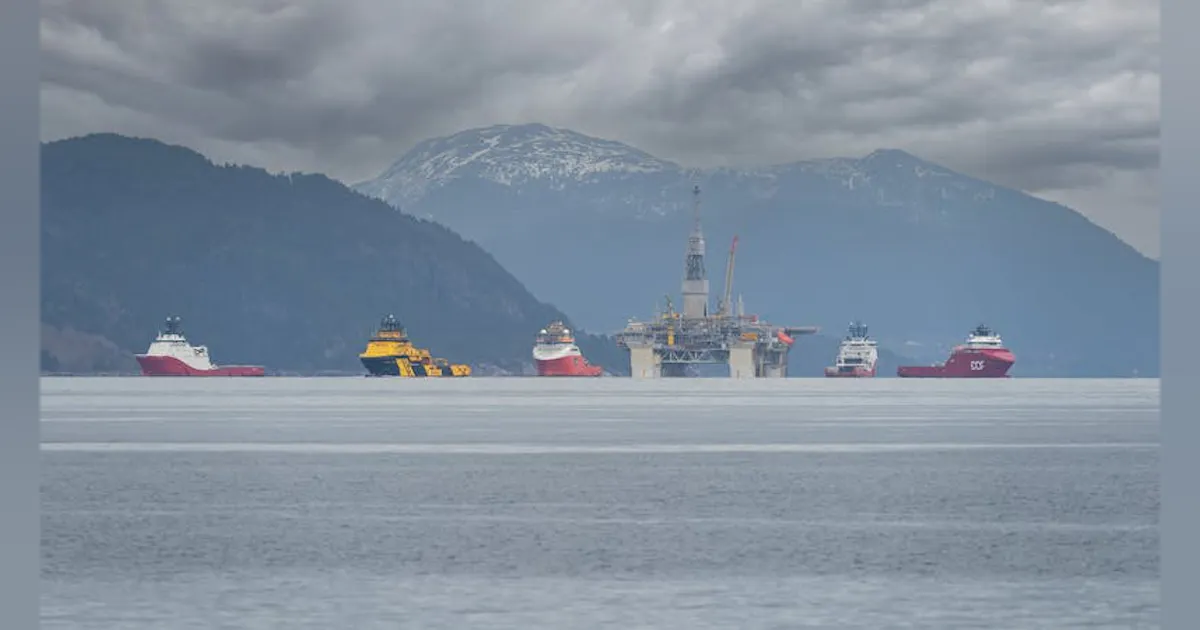
Offshore vessel fleets tighten amid sustained supply discipline
What happened
Westwood Global reports the global offshore support vessel fleet is tightening due to an aging operational fleet, limited reactivation and a modest orderbook. The analysis shows marketed utilization rising and a smaller laid-up fleet, which makes vessel availability and mobilization rights operationally real for P&A campaigns. Watch whether utilization keeps increasing and how demolition or newbuild activity changes optionality
Buyer takeaway
Prioritize mobilization rights and option days in vessel and heavy-lift contracts because tightening utilization raises mobilization and slot risk
Cost / money
Directional upward pressure on mobilization premiums and shorter quote validity windows; expect suppliers to price option rights or require higher advance payments
Supplier / commercial
Suppliers gain leverage to shorten quote windows and prefer multi-campaign clients; include pass-through and cancellation terms to limit exposure
Safety / operations
Older vessels can mean more maintenance-related downtime; require class and recent maintenance logs to protect schedule integrity
What to watch
Watch for suppliers to reduce spot availability and shorten quote validity; this can force faster awards or premium mobilization terms
Key facts
- Marketed utilization improving across OSV segments
- Operational fleet skewed toward older tonnage with muted demolition activity
- Orderbook limited to modest incremental supply
Source excerpts
Key takeaways: The global offshore support vessel fleet is aging, with over half of the operational fleet exceeding 15 years, yet demand-driven utilization is improving due to limited reactivation and newbuilds. Offshore service vessels, including pipelay, ROV support and saturation dive vessels, are experiencing high utilization levels, driven by ongoing offshore projects and wind development, with limited newbuild activity constraining capacity
Key takeaways: The global offshore support vessel fleet is aging, with over half of the operational fleet exceeding 15 years, yet demand-driven utilization is improving due to limited reactivation and newbuilds
In 2025, a greater share of heavy-lift vessel activity was driven by offshore wind projects relative to 2024