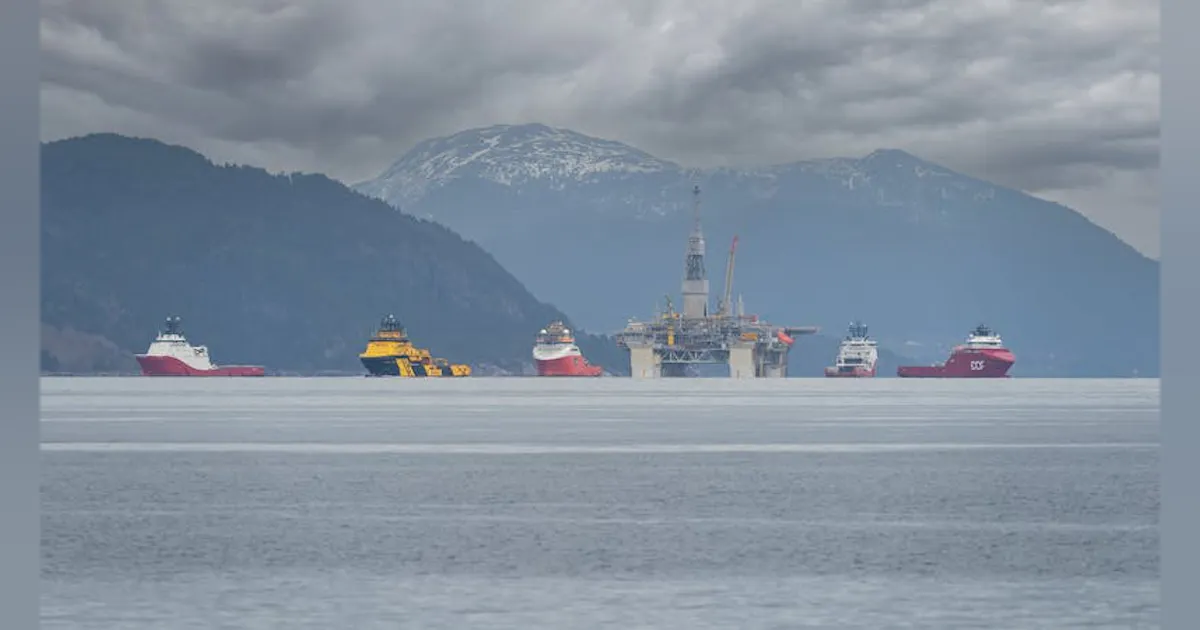
Offshore vessel fleets tighten amid sustained supply discipline
What happened
Westwood reports the global offshore support vessel (OSV) market is tightening as utilization improves and reactivation is limited. The report points to higher marketed utilization and a large share of the fleet being older than 15 years, which reduces spare capacity for pipelay, ROV support and saturation dive vessels. Procurement should watch vessel availability windows and booking terms ahead of SURF and heavy‑lift awards
Buyer takeaway
Treat vessel availability as a near‑term procurement constraint: confirm windows and include mobilisation triggers in contracts
Cost / money
Tighter utilization implies higher probability of mobilisation surcharges and premium day‑rates for short‑notice hires
Supplier / commercial
Vessel owners can narrow booking windows or push deposit/staged payment terms where spare capacity is low
Safety / operations
Higher utilisation raises the risk of rushed mobilisations and compressed readiness checks—enforce witnessed FAT/WIT and pre‑mobilisation acceptance
What to watch
Monitor RFQ validity and booking terms from AHTS/PSV/multipurpose providers for shortened windows or deposits
Key facts
- Marketed utilization improved to about 76%
- More than half of the operational OSV fleet is older than 15 years
- OSV orderbook limited (mostly AHTS and PSVs)
Source excerpts
This has preserved optionality within the supply side but at the cost of higher average fleet age
These figures underscore a steadily tightening market, particularly when viewed against the backdrop of a maturing fleet. More than half of the operational OSV fleet is now over 15 years old
comSubsea7’s pipelay and heavy-lift vessel Seven Borealis is shown operating offshore Limassol, Cyprus, in March 2016. In 2025, marketed utilization averaged 73% for pipelay vessels, while ROV support vessels (ROVSVs) and saturation dive support vessels (Sat DSVs) recorded 75% and 73%, respectively