Subsea, SURF & Offshore · Australia (Perth)

Reassess SURF supplier exposure as subsea EPCI and tech shifts

Published May 24, 2026, 6:06 AM AWSTAPACFull category signal
Ask AI
Subsea7 clinches multimillion-dollar deal for Norwegian gas export project

In 60 seconds

Top move

A major Tier‑1 EPCI award to Subsea7 for a gas export tie‑in in Norway reallocates engineering and vessel capacity among global SURF contractors; this can tighten mobilisation windows that APAC campaigns compete for

Key takeaways

  • A major Tier‑1 EPCI award to Subsea7 for a gas export tie‑in in Norway reallocates engineering and vessel capacity among global SURF contractors; this can tighten mobilisation windows that APAC campaigns compete for.[1]
  • Archer’s planned acquisition of isol8 brings new alloy barrier tech and talent into the P&A supplier set, shifting qualification filters and giving early commercial leverage to firms that own specialised barrier technology.[3]
  • A final investment decision for a subsea pump project signals rising adoption of subsea boosting technology, which creates long‑lead equipment and new uptime dependencies buyers must capture in procurement and spares planning.[2]
  • These items are location‑agnostic supply‑chain signals rather than APAC project awards: they change global supplier capacity, technology adoption and long‑lead equipment demand patterns that will influence APAC SURF sourcing.[1]
  • None of the items announce APAC contract awards; treat near‑term APAC impact as secondary but real — monitor supplier sloting and tech qualification updates that can cascade into mobilisation costs and contract terms.[3]

What changed since last run

  • Added three new supplier/technology developments not covered in the May 23 brief: Subsea7 Goliat EPCI award , Archer acquisition of isol8 , and BP/Exxon subsea pump FID at Thunder Horse .

Key facts

  • EPCI award for a 12.7 km uninsulated carbon steel pipeline
  • Offshore operations scheduled in a 2027–2028 window
  • First contract under a new strategic partnership with Vår Energi
  • Acquisition to expand alloy barrier and rigless P&A capability
  • Transaction expected to complete later in the second quarter (subject to approvals)
  • Archer intends to scale isol8 technology across its global customer base

Why it matters

A major Tier‑1 EPCI award to Subsea7 for a gas export tie‑in in Norway reallocates engineering and vessel capacity among global SURF contractors; this can tighten mobilisation windows that APAC campaigns compete for. Archer’s planned acquisition of isol8 brings new alloy barrier tech and talent into the P&A supplier set, shifting qualification filters and giving early commercial leverage to firms that own specialised barrier technology. A final investment decision for a subsea pump project signals rising adoption of subsea boosting technology, which creates long‑lead equipment and new uptime dependencies buyers must capture in procurement and spares planning. These items are location‑agnostic supply‑chain signals rather than APAC project awards: they change global supplier capacity, technology adoption and long‑lead equipment demand patterns that will influence APAC SURF sourcing

Cost / money

  • Tier‑1 EPCI awards tend to absorb specialised vessels and yard capacity, increasing the likelihood of mobilisation pass‑throughs or schedule premiums for APAC SURF campaigns.[1]
  • New commercialisation of alloy‑based P&A solutions can shift pricing dynamics in abandonment scopes — early adopters may command premium pricing while buyers adjust qualification and test requirements.[3]

Supplier / commercial

  • Subsea7’s new partnership work creates precedence for bundled EPCI partnerships (operator + Tier‑1) that can prefer integrated teams over single‑service bidders, changing competitive sourcing lists.[1]
  • Archer expanding into isol8’s tech will change who qualifies on rigless P&A tenders and may shorten quote‑validity windows as suppliers consolidate IP and local service footprints.[3]
  • Subsea pump FID expands the addressable market for equipment OEMs and specialist suppliers, moving some supplier focus toward long‑lead boosting packages and away from commoditised SURF scopes.[2]

Safety / operations

  • Adoption of subsea pumps raises operational dependency on subsea power, controls and remote maintenance — contract uptime obligations and spare‑parts strategies must reflect that shift.[2]
  • New alloy barrier products affect well‑integrity and P&A safety profiles; buyers should require documented alloy testing, third‑party verification, and local support plans before awarding P&A scopes.[3]

What to watch

  • Watch for suppliers to tighten slot commitments and shorten quote validity after large EPCI awards — this can force faster award decisions or higher mobilization premiums for APAC tenders.[1]
  • Watch for updated pre‑qualification requirements in P&A tenders as isol8 tech is commercialised; current tender lists may exclude new tech‑owners unless buyers explicitly adjust PQ criteria.[3]

Top stories

Story 1Offshore EnergyMay 22, 2026

Subsea7 clinches multimillion-dollar deal for Norwegian gas export project

Signal strongSource-grounded

What happened

Subsea7 won a substantial EPCI award to tie the Goliat field into an export route, covering a 12.7‑kilometer pipeline and associated subsea infrastructure. Offshore operations are scheduled for 2027–2028 and engineering starts immediately from Stavanger, making this a multi‑year workload for a Tier‑1 contractor. Watch whether Subsea7 and its partners formalise sloting and mobilisation timelines that could be quoted as precedence in future SURF tenders

Buyer takeaway

Treat this as a real supplier capacity signal: Tier‑1 EPCI work will occupy vessels and yards that APAC campaigns compete for, so check mobilisation exposure now

Cost / money

Directional upward pressure on mobilisation premiums and pass‑throughs is likely where schedule collisions occur due to Tier‑1 asset absorption

Supplier / commercial

Integrated partnership awards encourage suppliers to prioritise bundled scopes and may shorten quote validity and slot commitment willingness for single‑service bidders

Safety / operations

Large EPCI tie‑ins require validated interface and testing plans; buyers should confirm supplier readiness to avoid rework and schedule slippage

What to watch

Watch whether partners publish firm mobilisation slots, and whether subcontracting to local yards will be used to deconflict schedules

Key facts

  • EPCI award for a 12.7 km uninsulated carbon steel pipeline
  • Offshore operations scheduled in a 2027–2028 window
  • First contract under a new strategic partnership with Vår Energi

Source excerpts

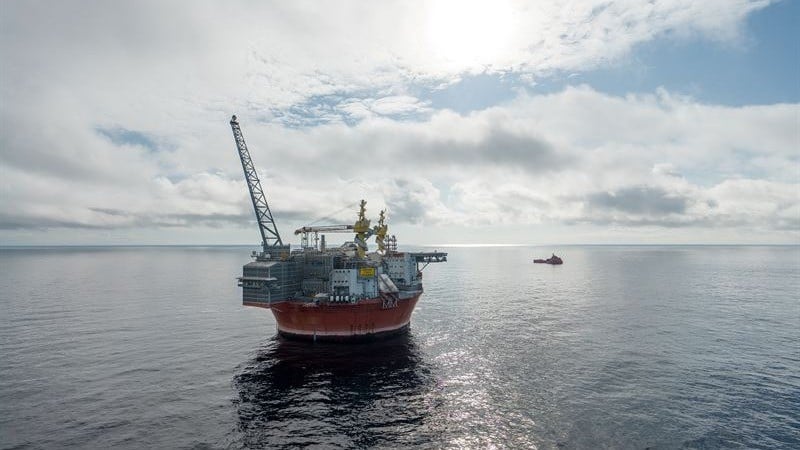
Goliat; Source: Var Energi Subsea7 has secured the award of a substantial contract, worth between $150 million and $300 million, with Vår Energi for the Goliat Gas Export project in the Barents Sea, offshore Norway. This development will enable the export of gas from the Goliat field to the Hammerfest LNG plant on the island of Melkøya through the existing Snøhvit pipeline system
This content is available after accepting the cookies
Erik Femsteinevik, Vice President for Subsea7 Norway, commented: “We are proud to be awarded the Goliat gas export project, which represents the first contract awarded under our new strategic partnership agreement with Vår Energi
Story 2Offshore EnergyMay 22, 2026

Archer acquires Scottish firm to expand subsea and rigless P&A capabilities

Signal moderateDirectional

What happened

Archer announced it will acquire isol8, a Scottish company with alloy‑based barrier solutions to expand its subsea and rigless plug‑and‑abandonment (P&A) capabilities. Completion is expected later in the second quarter subject to approvals, meaning buyers should expect near‑term changes to the P&A supplier landscape. Watch how Archer integrates isol8’s qualification and deployment model, which may become a tender differentiator for rigless and subsea abandonment work

Buyer takeaway

Assume P&A qualification sets will change; update PQ requirements to ensure tenders compare like‑for‑like technical risk and local support

Cost / money

Potential for short‑term price premium for new alloy solutions as adoption rises, while long‑term unit costs may fall if tech scales

Supplier / commercial

Archer’s broader reach can accelerate commercialisation and give it early leverage in rigless P&A award discussions

Safety / operations

Alloy barrier tech affects well‑integrity and abandonment procedures—buyers need documented metallurgical testing and supported deployment plans

What to watch

Limited APAC evidence today; treat this as a supplier‑set change to monitor rather than an immediate procurement disruption

Key facts

  • Acquisition to expand alloy barrier and rigless P&A capability
  • Transaction expected to complete later in the second quarter (subject to approvals)
  • Archer intends to scale isol8 technology across its global customer base

Source excerpts

Together, we have the opportunity to expand adoption of our existing alloy barrier products and accelerate the commercialisation of our emerging metal element technology,” Andrew Louden, Founder and CEO of isol8, noted
“Archer’s global reach and established customer base create a strong platform to scale deployment of isol8’s technologies across the entire well lifecycle. Together, we have the opportunity to expand adoption of our existing alloy barrier products and accelerate the commercialisation of our emerging metal element technology,” Andrew Louden, Founder and CEO of isol8, noted
Home Subsea Archer acquires Scottish firm to expand subsea and rigless P&A capabilities May 22, 2026, by Oslo Stock Exchange-listed oil services company Archer is set to acquire isol8, a Scottish well technology company focused on alloy-based barrier solutions and advanced materials for use in well completions, intervention, and plug and abandonment (P&A). Illustration; Source: Archer The completion of the transaction is expected later in the second quarter of 2026, subject to customary regulatory approvals
Story 3Offshore EnergyMay 22, 2026

BP, ExxonMobil set on ramping up production at US Gulf oil & gas platform

Signal strongSource-grounded

What happened

BP and ExxonMobil approved a subsea pump project (FID) intended to boost production at an offshore platform, marking a strategic move to increase flow using subsea boosting technology. The project is described as cost‑efficient by design and is planned to reach first oil under the current schedule, indicating OEM and service demand for subsea boosting systems. Buyers should watch how OEM lead times, control‑system dependencies and spare‑parts requirements are specified in future SURF and subsea equipment tenders

Buyer takeaway

Include subsea boosting dependencies in procurement and spares planning; long‑lead pumps and controls become critical path items

Cost / money

Adds long‑lead capital and potential increased OPEX for remote maintenance and spare‑parts inventories

Supplier / commercial

Opens competition to pump OEMs and specialist subsea integrators; buyers must capture lead times and warranty/uptime commitments in contracts

Safety / operations

Increases reliance on subsea electrical and control systems; buyers must define maintenance access and emergency recovery obligations

What to watch

Strong signal for technology adoption—monitor OEM delivery timelines and ensure contracting captures uptime and replacement obligations

Key facts

  • FID approved for a subsea pump development to boost platform production
  • Operator cites subsea pump as comparable to drilling up to two new wells in production uplift
  • Project positions subsea boosting as a preferred production‑enhancing technology

Source excerpts

Subsea pumps are one example, supporting sustained and increased production over the life of our fields. “A subsea pump is installed on the seafloor as part of a subsea production system
Gulf of Mexico), thanks to a subsea pump development. Thunder Horse; Source: BP BP and ExxonMobil announced a final investment decision (FID) for the Thunder Horse subsea pump project, which is expected to add around 15,000 barrels of oil equivalent per day of peak gross annual average production
“A subsea pump is installed on the seafloor as part of a subsea production system

VP Snapshot

Executive Risk & Action View

A major Tier‑1 EPCI award to Subsea7 for a gas export tie‑in in Norway reallocates engineering and vessel capacity among global SURF contractors; this can tighten mobilisation windows that APAC campaigns compete for.

Overall
69
Cost
61
Supply
43
Schedule
20
Compliance
15

Top signals

30-180dcost

Signal 1: Cost / money

Tier‑1 EPCI awards tend to absorb specialised vessels and yard capacity, increasing the likelihood of mobilisation pass‑throughs or schedule premiums for APAC SURF campaigns.

Signal 2: Cost / money

New commercialisation of alloy‑based P&A solutions can shift pricing dynamics in abandonment scopes — early adopters may command premium pricing while buyers adjust qualification and test requirements.

30-180dcommercial

Signal 3: Supplier / commercial

Subsea7’s new partnership work creates precedence for bundled EPCI partnerships (operator + Tier‑1) that can prefer integrated teams over single‑service bidders, changing competitive sourcing lists.

Signal 4: Supplier / commercial

Archer expanding into isol8’s tech will change who qualifies on rigless P&A tenders and may shorten quote‑validity windows as suppliers consolidate IP and local service footprints.

Signal 5: Supplier / commercial

Subsea pump FID expands the addressable market for equipment OEMs and specialist suppliers, moving some supplier focus toward long‑lead boosting packages and away from commoditised SURF scopes.

Signal 6: Safety / operations

Adoption of subsea pumps raises operational dependency on subsea power, controls and remote maintenance — contract uptime obligations and spare‑parts strategies must reflect that shift.

Recommended actions

CategoryDue 3d

Update the APAC SURF supplier and vessel/yard risk register to include Subsea7’s Goliat EPCI award and its likely demand on Tier‑1 assets.

Risk register shows suppliers, potential slot conflicts and candidate mitigations for upcoming APAC tenders.

ContractsDue 21d

Issue conditional availability and quote‑validity requests to shortlisted yards, charters and Tier‑1 SURF contractors for priority APAC campaigns.

Returned supplier statements that disclose provisional slot availability, lead times and conditional pricing to inform award sequencing.

ContractsDue 21d

Revise P&A pre‑qualification criteria to include alloy barrier certification, metallurgical test evidence and local service support for tenders where isol8‑style tech is relevant.

Updated PQ checklist that captures alloy verification and local support commitments so tenders evaluate comparable technical risk.

CategoryDue 60d

Model subsea boosting equipment dependency in project procurement plans and create a critical spares and lead‑time register for subsea pumps and control equipment.

Procurement model with lead times and prioritized spare parts list that informs RFQ timing and contingency allocations.

ContractsDue 60d

Update SURF RFQ and contract templates to include explicit mobilisation pass‑through clauses, slot reservation remedies and tightened quote‑validity expectations for Tier‑1 serv...

RFQ and contract templates that allow buyers to recover costs or re‑negotiate if suppliers miss reserved mobilisation slots.

Risk register

RiskTriggerMitigation
Watch for suppliers to tighten slot commitments and shorten quote validity after large EPCI awards — this can force faster award decisions or higher mobilization premiums for APAC tenders.Watch for suppliers to tighten slot commitments and shorten quote validity after large EPCI awards — this can force faster award decisions or higher mobilization premiums for APAC tenders.Confirm exposure with category, contracts, and operations before the next supplier commitment.
Watch for updated pre‑qualification requirements in P&A tenders as isol8 tech is commercialised; current tender lists may exclude new tech‑owners unless buyers explicitly adjust PQ criteria.Watch for updated pre‑qualification requirements in P&A tenders as isol8 tech is commercialised; current tender lists may exclude new tech‑owners unless buyers explicitly adjust PQ criteria.Confirm exposure with category, contracts, and operations before the next supplier commitment.

CM Snapshot

Category Manager Decision Detail

Today's priorities

Update the APAC SURF supplier and vessel/yard risk register to include Subsea7’s Goliat EPCI award and its likely demand on Tier‑1 assets.

Do this because a confirmed Tier‑1 EPCI award reallocates specialized vessels and yard slots that create mobilisation pass‑through and schedule risk for APAC campaigns.

Due 3d

high

CM move

Use this as the immediate supplier or contract action to move before the next sourcing gate.

Issue conditional availability and quote‑validity requests to shortlisted yards, charters and Tier‑1 SURF contractors for priority APAC campaigns.

Do this because supplier windows can shorten after large awards, and conditional availability statements reveal who can commit slots or will require mobilisation pass‑throughs.

Due 21d

high

CM move

Use this as the immediate supplier or contract action to move before the next sourcing gate.

Revise P&A pre‑qualification criteria to include alloy barrier certification, metallurgical test evidence and local service support for tenders where isol8‑style tech is relevant.

Do this because Archer’s acquisition commercialises alloy barrier solutions and buyers must avoid excluding or being surprised by new technical qualifiers during evaluation.

Due 21d

high

CM move

Use this as the immediate supplier or contract action to move before the next sourcing gate.

Model subsea boosting equipment dependency in project procurement plans and create a critical spares and lead‑time register for subsea pumps and control equipment.

Do this because a confirmed FID for subsea pumps indicates rising adoption that introduces long‑lead supply, spare‑parts needs, and uptime obligations into SURF scopes.

Due 60d

high

CM move

Use this as the immediate supplier or contract action to move before the next sourcing gate.

Supplier radar

Offshore Energy

high

Observed supplier signal

Subsea7’s new partnership work creates precedence for bundled EPCI partnerships (operator + Tier‑1) that can prefer integrated teams over single‑service bidders, changing competitive sourcing lists.

Commercial implication

Subsea7’s new partnership work creates precedence for bundled EPCI partnerships (operator + Tier‑1) that can prefer integrated teams over single‑service bidders, changing competitive sourcing lists.

Next step: Validate the source-backed signal with incumbents and alternates before the next award or pricing decision.

Offshore Energy

high

Observed supplier signal

Archer expanding into isol8’s tech will change who qualifies on rigless P&A tenders and may shorten quote‑validity windows as suppliers consolidate IP and local service footprints.

Commercial implication

Archer expanding into isol8’s tech will change who qualifies on rigless P&A tenders and may shorten quote‑validity windows as suppliers consolidate IP and local service footprints.

Next step: Validate the source-backed signal with incumbents and alternates before the next award or pricing decision.

Offshore Energy

high

Observed supplier signal

Subsea pump FID expands the addressable market for equipment OEMs and specialist suppliers, moving some supplier focus toward long‑lead boosting packages and away from commoditised SURF scopes.

Commercial implication

Subsea pump FID expands the addressable market for equipment OEMs and specialist suppliers, moving some supplier focus toward long‑lead boosting packages and away from commoditised SURF scopes.

Next step: Validate the source-backed signal with incumbents and alternates before the next award or pricing decision.

Negotiation levers

Update the APAC SURF supplier and vessel/yard risk register to include Subsea7’s Goliat EPCI award and its likely demand on Tier‑1 assets.

When to use: Do this because a confirmed Tier‑1 EPCI award reallocates specialized vessels and yard slots that create mobilisation pass‑through and schedule risk for APAC campaigns.

Expected outcome: Risk register shows suppliers, potential slot conflicts and candidate mitigations for upcoming APAC tenders.

Commercial mechanism to carry into the next supplier conversation

Issue conditional availability and quote‑validity requests to shortlisted yards, charters and Tier‑1 SURF contractors for priority APAC campaigns.

When to use: Do this because supplier windows can shorten after large awards, and conditional availability statements reveal who can commit slots or will require mobilisation pass‑throughs.

Expected outcome: Returned supplier statements that disclose provisional slot availability, lead times and conditional pricing to inform award sequencing.

Commercial mechanism to carry into the next supplier conversation

Revise P&A pre‑qualification criteria to include alloy barrier certification, metallurgical test evidence and local service support for tenders where isol8‑style tech is relevant.

When to use: Do this because Archer’s acquisition commercialises alloy barrier solutions and buyers must avoid excluding or being surprised by new technical qualifiers during evaluation.

Expected outcome: Updated PQ checklist that captures alloy verification and local support commitments so tenders evaluate comparable technical risk.

Commercial mechanism to carry into the next supplier conversation

Model subsea boosting equipment dependency in project procurement plans and create a critical spares and lead‑time register for subsea pumps and control equipment.

When to use: Do this because a confirmed FID for subsea pumps indicates rising adoption that introduces long‑lead supply, spare‑parts needs, and uptime obligations into SURF scopes.

Expected outcome: Procurement model with lead times and prioritized spare parts list that informs RFQ timing and contingency allocations.

Commercial mechanism to carry into the next supplier conversation

Talking points

A major Tier‑1 EPCI award to Subsea7 for a gas export tie‑in in Norway reallocates engineering and vessel capacity among global SURF contractors; this can tighten mobilisation windows that APAC campaigns compete for.
Archer’s planned acquisition of isol8 brings new alloy barrier tech and talent into the P&A supplier set, shifting qualification filters and giving early commercial leverage to firms that own specialised barrier technology.
A final investment decision for a subsea pump project signals rising adoption of subsea boosting technology, which creates long‑lead equipment and new uptime dependencies buyers must capture in procurement and spares planning.
These items are location‑agnostic supply‑chain signals rather than APAC project awards: they change global supplier capacity, technology adoption and long‑lead equipment demand patterns that will influence APAC SURF sourcing.

Supplier radar

SupplierSignalImplicationNext stepConfidence
Offshore EnergySubsea7’s new partnership work creates precedence for bundled EPCI partnerships (operator + Tier‑1) that can prefer integrated teams over single‑service bidders, changing competitive sourcing lists.Subsea7’s new partnership work creates precedence for bundled EPCI partnerships (operator + Tier‑1) that can prefer integrated teams over single‑service bidders, changing competitive sourcing lists.Validate the source-backed signal with incumbents and alternates before the next award or pricing decision.high
Offshore EnergyArcher expanding into isol8’s tech will change who qualifies on rigless P&A tenders and may shorten quote‑validity windows as suppliers consolidate IP and local service footprints.Archer expanding into isol8’s tech will change who qualifies on rigless P&A tenders and may shorten quote‑validity windows as suppliers consolidate IP and local service footprints.Validate the source-backed signal with incumbents and alternates before the next award or pricing decision.high
Offshore EnergySubsea pump FID expands the addressable market for equipment OEMs and specialist suppliers, moving some supplier focus toward long‑lead boosting packages and away from commoditised SURF scopes.Subsea pump FID expands the addressable market for equipment OEMs and specialist suppliers, moving some supplier focus toward long‑lead boosting packages and away from commoditised SURF scopes.Validate the source-backed signal with incumbents and alternates before the next award or pricing decision.high

Negotiation levers

  • Update the APAC SURF supplier and vessel/yard risk register to include Subsea7’s Goliat EPCI award and its likely demand on Tier‑1 assets.Do this because a confirmed Tier‑1 EPCI award reallocates specialized vessels and yard slots that create mobilisation pass‑through and schedule risk for APAC campaigns.Risk register shows suppliers, potential slot conflicts and candidate mitigations for upcoming APAC tenders.

    high confidence

  • Issue conditional availability and quote‑validity requests to shortlisted yards, charters and Tier‑1 SURF contractors for priority APAC campaigns.Do this because supplier windows can shorten after large awards, and conditional availability statements reveal who can commit slots or will require mobilisation pass‑throughs.Returned supplier statements that disclose provisional slot availability, lead times and conditional pricing to inform award sequencing.

    high confidence

  • Revise P&A pre‑qualification criteria to include alloy barrier certification, metallurgical test evidence and local service support for tenders where isol8‑style tech is relevant.Do this because Archer’s acquisition commercialises alloy barrier solutions and buyers must avoid excluding or being surprised by new technical qualifiers during evaluation.Updated PQ checklist that captures alloy verification and local support commitments so tenders evaluate comparable technical risk.

    high confidence

  • Model subsea boosting equipment dependency in project procurement plans and create a critical spares and lead‑time register for subsea pumps and control equipment.Do this because a confirmed FID for subsea pumps indicates rising adoption that introduces long‑lead supply, spare‑parts needs, and uptime obligations into SURF scopes.Procurement model with lead times and prioritized spare parts list that informs RFQ timing and contingency allocations.

    high confidence

What to do / What to watch

What to do now

  • Update the APAC SURF supplier and vessel/yard risk register to include Subsea7’s Goliat EPCI award and its likely demand on Tier‑1 assets.

    Why: Do this because a confirmed Tier‑1 EPCI award reallocates specialized vessels and yard slots that create mobilisation pass‑through and schedule risk for APAC campaigns.

    Owner: Category

    Expected outcome: Risk register shows suppliers, potential slot conflicts and candidate mitigations for upcoming APAC tenders.

    [1]

Next few weeks

  • Issue conditional availability and quote‑validity requests to shortlisted yards, charters and Tier‑1 SURF contractors for priority APAC campaigns.

    Why: Do this because supplier windows can shorten after large awards, and conditional availability statements reveal who can commit slots or will require mobilisation pass‑throughs.

    Owner: Contracts

    Expected outcome: Returned supplier statements that disclose provisional slot availability, lead times and conditional pricing to inform award sequencing.

    [1]
  • Revise P&A pre‑qualification criteria to include alloy barrier certification, metallurgical test evidence and local service support for tenders where isol8‑style tech is relevant.

    Why: Do this because Archer’s acquisition commercialises alloy barrier solutions and buyers must avoid excluding or being surprised by new technical qualifiers during evaluation.

    Owner: Contracts

    Expected outcome: Updated PQ checklist that captures alloy verification and local support commitments so tenders evaluate comparable technical risk.

    [3]

Longer view

  • Model subsea boosting equipment dependency in project procurement plans and create a critical spares and lead‑time register for subsea pumps and control equipment.

    Why: Do this because a confirmed FID for subsea pumps indicates rising adoption that introduces long‑lead supply, spare‑parts needs, and uptime obligations into SURF scopes.

    Owner: Category

    Expected outcome: Procurement model with lead times and prioritized spare parts list that informs RFQ timing and contingency allocations.

    [2]
  • Update SURF RFQ and contract templates to include explicit mobilisation pass‑through clauses, slot reservation remedies and tightened quote‑validity expectations for Tier‑1 serv...

    Why: Do this because Tier‑1 awards are likely to compress supplier windows and buyers need contractual levers to manage schedule and cost transfer risks.

    Owner: Contracts

    Expected outcome: RFQ and contract templates that allow buyers to recover costs or re‑negotiate if suppliers miss reserved mobilisation slots.

    [1]

What to watch

  • Watch for suppliers to tighten slot commitments and shorten quote validity after large EPCI awards — this can force faster award decisions or higher mobilization premiums for APAC tenders
  • Watch for updated pre‑qualification requirements in P&A tenders as isol8 tech is commercialised; current tender lists may exclude new tech‑owners unless buyers explicitly adjust PQ criteria
  • Watch for suppliers to tighten slot commitments and shorten quote validity after large EPCI awards — this can force faster award decisions or higher mobilization premiums for APAC tenders.: Watch for suppliers to tighten slot commitments and shorten quote validity after large EPCI awards — this can force faster award decisions or higher mobilization premiums for APAC tenders
  • Watch for updated pre‑qualification requirements in P&A tenders as isol8 tech is commercialised; current tender lists may exclude new tech‑owners unless buyers explicitly adjust PQ criteria.: Watch for updated pre‑qualification requirements in P&A tenders as isol8 tech is commercialised; current tender lists may exclude new tech‑owners unless buyers explicitly adjust PQ criteria
  • A major Tier‑1 EPCI award to Subsea7 for a gas export tie‑in in Norway reallocates engineering and vessel capacity among global SURF contractors; this can tighten mobilisation windows that APAC campaigns compete for
  • Archer’s planned acquisition of isol8 brings new alloy barrier tech and talent into the P&A supplier set, shifting qualification filters and giving early commercial leverage to firms that own specialised barrier technology
  • A final investment decision for a subsea pump project signals rising adoption of subsea boosting technology, which creates long‑lead equipment and new uptime dependencies buyers must capture in procurement and spares planning
  • These items are location‑agnostic supply‑chain signals rather than APAC project awards: they change global supplier capacity, technology adoption and long‑lead equipment demand patterns that will influence APAC SURF sourcing

Market pulse

IndexLatestChangeAs of
WTI Crude (WTI)71.23 /bbl+0.00 (+0.00%)May 23, 2026, 10:08 PM
Brent Crude (BRENT)74.89 /bbl+0.00 (+0.00%)May 23, 2026, 10:08 PM
Natural Gas (NG)3.12 /MMBtu+0.00 (+0.00%)May 23, 2026, 10:08 PM
Dry Bulk Shipping (BDRY) (BDRY)0 +0.00 (+0.00%)May 23, 2026, 10:08 PM
WTI (Fuel) (WTI)71.23 /bbl+0.00 (+0.00%)May 23, 2026, 10:08 PM
TechnipFMC (FTI)22 +0.00 (+0.00%)May 23, 2026, 10:08 PM
  • TechnipFMC: Tier‑1 contractor activity and stock signal supplier appetite for large EPCI packages; watch for reallocation of fleet/yard resources
  • Dry Bulk Shipping (BDRY): Dry bulk shipping tightness affects mobilization costs and vessel availability for subsea spread logistics

Sources

Inline citations jump here. Expand a source to read the excerpt, the AI interpretation, and the original link.

[1] Subsea7 clinches multimillion-dollar deal for Norwegian gas export project

offshore-energy.biz · May 22, 2026

Expand

AI reading

Subsea7 won a substantial EPCI award to tie the Goliat field into an export route, covering a 12.7‑kilometer pipeline and associated subsea infrastructure. Offshore operations are scheduled for 2027–2028 and engineering starts immediately from Stavanger, making this a multi‑year workload for a Tier‑1 contractor. Watch whether Subsea7 and its partners formalise sloting and mobilisation timelines that could be quoted as precedence in future SURF tenders

Buyer takeaway

Treat this as a real supplier capacity signal: Tier‑1 EPCI work will occupy vessels and yards that APAC campaigns compete for, so check mobilisation exposure now

Cost / money

Directional upward pressure on mobilisation premiums and pass‑throughs is likely where schedule collisions occur due to Tier‑1 asset absorption

Supplier / commercial

Integrated partnership awards encourage suppliers to prioritise bundled scopes and may shorten quote validity and slot commitment willingness for single‑service bidders

Safety / operations

Large EPCI tie‑ins require validated interface and testing plans; buyers should confirm supplier readiness to avoid rework and schedule slippage

What to watch

Watch whether partners publish firm mobilisation slots, and whether subcontracting to local yards will be used to deconflict schedules

Key facts

  • EPCI award for a 12.7 km uninsulated carbon steel pipeline
  • Offshore operations scheduled in a 2027–2028 window
  • First contract under a new strategic partnership with Vår Energi

Source excerpts

Goliat; Source: Var Energi Subsea7 has secured the award of a substantial contract, worth between $150 million and $300 million, with Vår Energi for the Goliat Gas Export project in the Barents Sea, offshore Norway. This development will enable the export of gas from the Goliat field to the Hammerfest LNG plant on the island of Melkøya through the existing Snøhvit pipeline system
This content is available after accepting the cookies
Erik Femsteinevik, Vice President for Subsea7 Norway, commented: “We are proud to be awarded the Goliat gas export project, which represents the first contract awarded under our new strategic partnership agreement with Vår Energi

Used in this brief

  • Next 72 hours — Update the APAC SURF supplier and vessel/yard risk register to include Subsea7’s Goliat EPCI award and its likely demand on Tier‑1 assets.. Rationale: Do this because a confirmed Tier‑1 EPCI award reallocates specialized vessels and yard slots that create mobilisation pass‑through and schedule risk for APAC campaigns.. Owner: Category. KPI: Risk register shows suppliers, potential slot conflicts and candidate mitigations for upcoming APAC tenders
  • Next 2-4 weeks — Issue conditional availability and quote‑validity requests to shortlisted yards, charters and Tier‑1 SURF contractors for priority APAC campaigns.. Rationale: Do this because supplier windows can shorten after large awards, and conditional availability statements reveal who can commit slots or will require mobilisation pass‑throughs.. Owner: Contracts. KPI: Returned supplier statements that disclose provisional slot availability, lead times and conditional pricing to inform award sequencing
  • Next quarter — Update SURF RFQ and contract templates to include explicit mobilisation pass‑through clauses, slot reservation remedies and tightened quote‑validity expectations for Tier‑1 serv.... Rationale: Do this because Tier‑1 awards are likely to compress supplier windows and buyers need contractual levers to manage schedule and cost transfer risks.. Owner: Contracts. KPI: RFQ and contract templates that allow buyers to recover costs or re‑negotiate if suppliers miss reserved mobilisation slots
Open original source

[2] BP, ExxonMobil set on ramping up production at US Gulf oil & gas platform

offshore-energy.biz · May 22, 2026

Expand

AI reading

BP and ExxonMobil approved a subsea pump project (FID) intended to boost production at an offshore platform, marking a strategic move to increase flow using subsea boosting technology. The project is described as cost‑efficient by design and is planned to reach first oil under the current schedule, indicating OEM and service demand for subsea boosting systems. Buyers should watch how OEM lead times, control‑system dependencies and spare‑parts requirements are specified in future SURF and subsea equipment tenders

Buyer takeaway

Include subsea boosting dependencies in procurement and spares planning; long‑lead pumps and controls become critical path items

Cost / money

Adds long‑lead capital and potential increased OPEX for remote maintenance and spare‑parts inventories

Supplier / commercial

Opens competition to pump OEMs and specialist subsea integrators; buyers must capture lead times and warranty/uptime commitments in contracts

Safety / operations

Increases reliance on subsea electrical and control systems; buyers must define maintenance access and emergency recovery obligations

What to watch

Strong signal for technology adoption—monitor OEM delivery timelines and ensure contracting captures uptime and replacement obligations

Key facts

  • FID approved for a subsea pump development to boost platform production
  • Operator cites subsea pump as comparable to drilling up to two new wells in production uplift
  • Project positions subsea boosting as a preferred production‑enhancing technology

Source excerpts

Subsea pumps are one example, supporting sustained and increased production over the life of our fields. “A subsea pump is installed on the seafloor as part of a subsea production system
Gulf of Mexico), thanks to a subsea pump development. Thunder Horse; Source: BP BP and ExxonMobil announced a final investment decision (FID) for the Thunder Horse subsea pump project, which is expected to add around 15,000 barrels of oil equivalent per day of peak gross annual average production
“A subsea pump is installed on the seafloor as part of a subsea production system

Used in this brief

  • Safety / operations: Adoption of subsea pumps raises operational dependency on subsea power, controls and remote maintenance — contract uptime obligations and spare‑parts strategies must reflect that shift
  • Next quarter — Model subsea boosting equipment dependency in project procurement plans and create a critical spares and lead‑time register for subsea pumps and control equipment.. Rationale: Do this because a confirmed FID for subsea pumps indicates rising adoption that introduces long‑lead supply, spare‑parts needs, and uptime obligations into SURF scopes.. Owner: Category. KPI: Procurement model with lead times and prioritized spare parts list that informs RFQ timing and contingency allocations
  • Added three new supplier/technology developments not covered in the May 23 brief: Subsea7 Goliat EPCI award, Archer acquisition of isol8, and BP/Exxon subsea pump FID at Thunder Horse
Open original source

[3] Archer acquires Scottish firm to expand subsea and rigless P&A capabilities

offshore-energy.biz · May 22, 2026

Expand

AI reading

Archer announced it will acquire isol8, a Scottish company with alloy‑based barrier solutions to expand its subsea and rigless plug‑and‑abandonment (P&A) capabilities. Completion is expected later in the second quarter subject to approvals, meaning buyers should expect near‑term changes to the P&A supplier landscape. Watch how Archer integrates isol8’s qualification and deployment model, which may become a tender differentiator for rigless and subsea abandonment work

Buyer takeaway

Assume P&A qualification sets will change; update PQ requirements to ensure tenders compare like‑for‑like technical risk and local support

Cost / money

Potential for short‑term price premium for new alloy solutions as adoption rises, while long‑term unit costs may fall if tech scales

Supplier / commercial

Archer’s broader reach can accelerate commercialisation and give it early leverage in rigless P&A award discussions

Safety / operations

Alloy barrier tech affects well‑integrity and abandonment procedures—buyers need documented metallurgical testing and supported deployment plans

What to watch

Limited APAC evidence today; treat this as a supplier‑set change to monitor rather than an immediate procurement disruption

Key facts

  • Acquisition to expand alloy barrier and rigless P&A capability
  • Transaction expected to complete later in the second quarter (subject to approvals)
  • Archer intends to scale isol8 technology across its global customer base

Source excerpts

Together, we have the opportunity to expand adoption of our existing alloy barrier products and accelerate the commercialisation of our emerging metal element technology,” Andrew Louden, Founder and CEO of isol8, noted
“Archer’s global reach and established customer base create a strong platform to scale deployment of isol8’s technologies across the entire well lifecycle. Together, we have the opportunity to expand adoption of our existing alloy barrier products and accelerate the commercialisation of our emerging metal element technology,” Andrew Louden, Founder and CEO of isol8, noted
Home Subsea Archer acquires Scottish firm to expand subsea and rigless P&A capabilities May 22, 2026, by Oslo Stock Exchange-listed oil services company Archer is set to acquire isol8, a Scottish well technology company focused on alloy-based barrier solutions and advanced materials for use in well completions, intervention, and plug and abandonment (P&A). Illustration; Source: Archer The completion of the transaction is expected later in the second quarter of 2026, subject to customary regulatory approvals

Used in this brief

  • Next 2-4 weeks — Revise P&A pre‑qualification criteria to include alloy barrier certification, metallurgical test evidence and local service support for tenders where isol8‑style tech is relevant.. Rationale: Do this because Archer’s acquisition commercialises alloy barrier solutions and buyers must avoid excluding or being surprised by new technical qualifiers during evaluation.. Owner: Contracts. KPI: Updated PQ checklist that captures alloy verification and local support commitments so tenders evaluate comparable technical risk
  • Watch for updated pre‑qualification requirements in P&A tenders as isol8 tech is commercialised; current tender lists may exclude new tech‑owners unless buyers explicitly adjust PQ criteria
  • Archer announced it will acquire isol8, a Scottish company with alloy‑based barrier solutions to expand its subsea and rigless plug‑and‑abandonment (P&A) capabilities. Completion is expected later in the second quarter subject to approvals, meaning buyers should expect near‑term changes to the P&A supplier landscape. Watch how Archer integrates isol8’s qualification and deployment model, which may become a tender differentiator for rigless and subsea abandonment work
Open original source

[4] TechnipFMC

finance.yahoo.com · n.d.

Expand

[5] Dry Bulk Shipping (BDRY)

finance.yahoo.com · n.d.

Expand