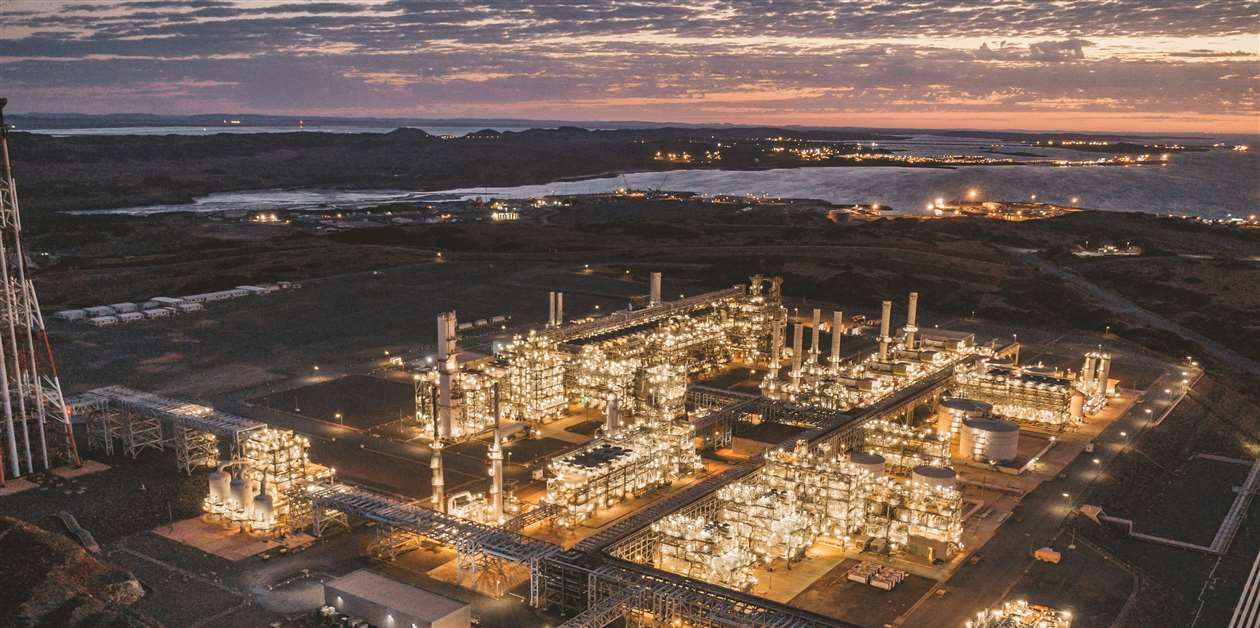
Special Report: Australia’s LNG industry
What happened
The special report reviews Australia’s LNG industry and confirms Australia remains a top exporter with a concentrated set of established liquefaction facilities. The piece highlights export volumes and existing capacity as the operational anchor that shapes aftermarket and retrofit demand for compressors and services. Watch whether commentary or project announcements begin to change commissioning or spare provisioning needs in those mature plants
Buyer takeaway
Treat Australia as a stable, high‑volume aftermarket market; prioritize spare availability, certified crews, and clear LTSA commissioning overlap
Cost / money
Near‑term capital pressure for new liquefaction builds appears limited; procurement savings are likelier in negotiating spares and service terms rather than postponing large capex
Supplier / commercial
Suppliers may push bundled life‑cycle contracts for established plants to lock recurring revenue; expect negotiation on mobilization windows and spare provisioning SLAs
Safety / operations
High uptime dependency on proven compressor maintenance increases the need to verify supplier commissioning responsibilities and local regulatory compliance
What to watch
Watch whether suppliers start narrowing quote validity or proposing allocation clauses for high‑value spare kits in response to stable export demand
Key facts
- Australia had 87.6mn tonnes per annum (mtpa) liquefaction capacity at end‑2024
- Exported 81 mt over 2024, concentration in ten major liquefaction facilities
- Operational scope: offshore and onshore gas feedstocks underpinning facilities
Source excerpts
But by and large, these are not material expansions of Australian LNG capacity. ” A similar picture is presented by EnergyQuest’s CEO, Rick Wilkinson, who told CT2 that Australia’s LNG industry was “not on a growth path” compared with other major LNG suppliers
” However, this looks set to change around 2035-36, when current foundation contracts to export LNG expire and new permits from the government will be required to export LNG. “These are not likely to be given unless the domestic gas market is fully supplied,” Wilkinson said
Meanwhile, the Scarborough project, which is targeting its first LNG cargo for the fourth quarter of this year, entails the modification and expansion of Pluto LNG