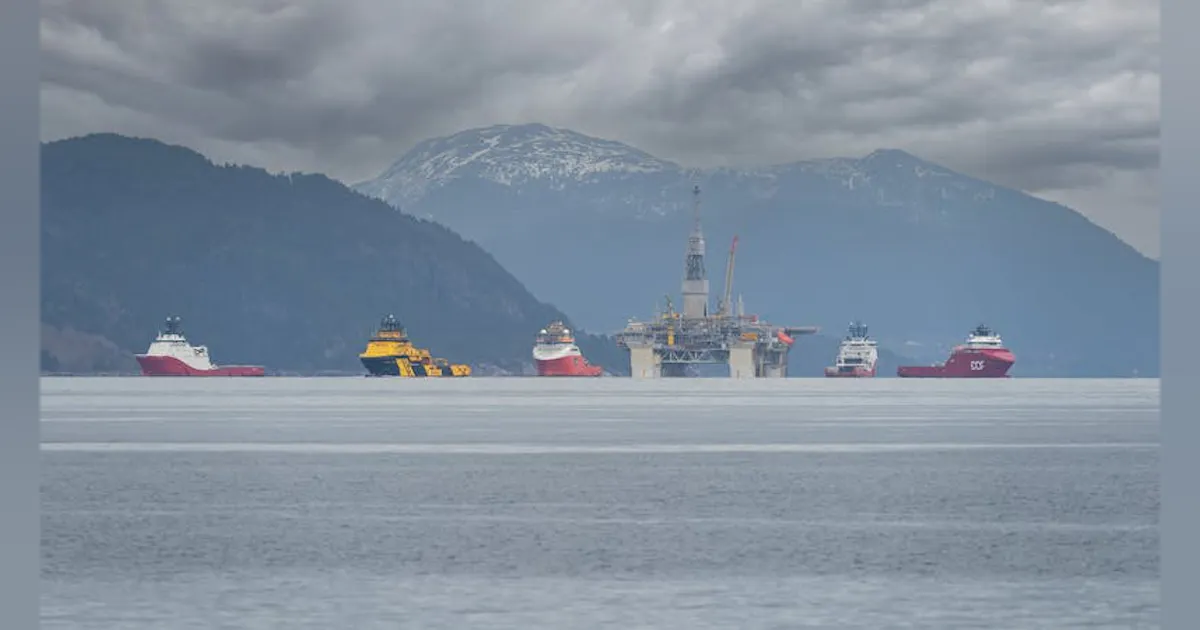
Offshore vessel fleets tighten amid sustained supply discipline
What happened
Market research from Westwood shows the offshore support vessel (OSV) fleet is aging and utilization has strengthened, tightening available capacity for oilfield service days. The report cites higher marketed utilization and a limited newbuild orderbook, which makes short‑notice vessel availability and mobilization premiums a practical procurement risk. Watch whether regional demand pockets drive charter premiums for heavy or multipurpose vessels tied to P&A campaigns
Buyer takeaway
Treat vessel availability as a gating constraint for P&A scheduling; securing vessel options reduces exposure to short‑notice premiums
Cost / money
Tighter vessel supply is likely to increase charter pass‑throughs and mobilization premiums, shifting cost pressure into the vessel budget line
Supplier / commercial
Vessel owners and integrated contractors can pressure buyers toward bundled offers and stricter mobilization terms
Safety / operations
Higher utilization and older tonnage increase the chance of reliability issues and reduce spare capacity for unexpected tasks during execution
What to watch
Watch for regional pockets where demand spikes could push premiums higher and for suppliers shortening quote validity to align with vessel bookings
Key facts
- Marketed utilization reported around mid‑70% range
- More than half of operational OSV fleet older than 15 years
- Orderbook limited to a few hundred OSVs, constraining rapid supply growth
Source excerpts
Offshore energy industry news, trends, insights and outlooksThe offshore support vessel market is tightening as supply discipline, aging fleets and constrained reactivation reshape utilization trends, according to Westwood Global Energy Group. Key takeaways: The global offshore support vessel fleet is aging, with over half of the operational fleet exceeding 15 years, yet demand-driven utilization is improving due to limited reactivation and newbuilds
Offshore support vessels: Maturing fleet, improving balance The global offshore support vessel (OSV) market posted modest but meaningful improvement in 2025
A converging theme: Utilization optimization and strategic positioningWhile macroeconomic risks persist, particularly around price volatility and policy uncertainty, underlying vessel markets are increasingly characterized by tightening fundamentals. For owners and investors, the next phase of the cycle is expected to be defined less by rapid fleet expansion and more by optimizing utilization, advancing fleet renewal, diversifying geographically and strategically positioning for structurally tighter market cond