Plug & Abandonment / Decommissioning · Australia (Perth)

Lock Down Vessel Slots and Reprioritise P&A Supply Chains in APAC

Published May 27, 2026, 6:06 AM AWSTAPACFull category signal
Ask AI
ABL finds work on ExxonMobil’s huge Australian offshore decom campaign

In 60 seconds

Top move

ExxonMobil’s Bass Strait decommissioning is now a confirmed, large concentrated demand event that makes heavy‑lift vessel slot rights and marine warranty (MWS) scope the primary procurement constraints for Australian P&A work

Key takeaways

  • ExxonMobil’s Bass Strait decommissioning is now a confirmed, large concentrated demand event that makes heavy‑lift vessel slot rights and marine warranty (MWS) scope the primary procurement constraints for Australian P&A work.[1]
  • Two DPII vessels with valid Australian safety cases are now market‑available through a Reach Subsea / Beacon Offshore partnership, improving local subsea and survey uplift options and shortening mobilisation lead time for APAC tenders.[2]
  • Helms Geomarine’s resumed, back‑to‑back geotechnical campaigns and a new DP2 survey vessel increase local survey capacity for Sarawak P&A, which shifts short‑term demand onto contractors with modern DP2 assets.[4]
  • A recent fatal FSO incident in Malaysian waters is driving immediate, operator‑led HSE scrutiny and likely adds pre‑mobilisation audit and compliance steps for contractors working in the region.[3]
  • Net procurement outcome: local vessel and survey availability relieves some charter pressure but creates concentrated windows where slot rights, cancellation clauses and pass‑through cost terms will determine total execution cost and schedule risk.[1]

What changed since last run

  • New confirmed Bass Strait decommissioning campaign with ABL contracted for marine warranty survey work, creating a material heavy‑lift and MWS procurement event in Australia (article 2).
  • Reach Subsea and Beacon Offshore have an MoA that brings two DPII vessels with valid Australian safety cases into the APAC pool, changing local vessel availability dynamics for subsea and survey packages (article 9).
  • A fatal incident on FSO Sepat in Malaysian waters has initiated an ongoing investigation and is expected to raise immediate HSE pre‑mobilisation demands for regional contractors (article 7).

Key facts

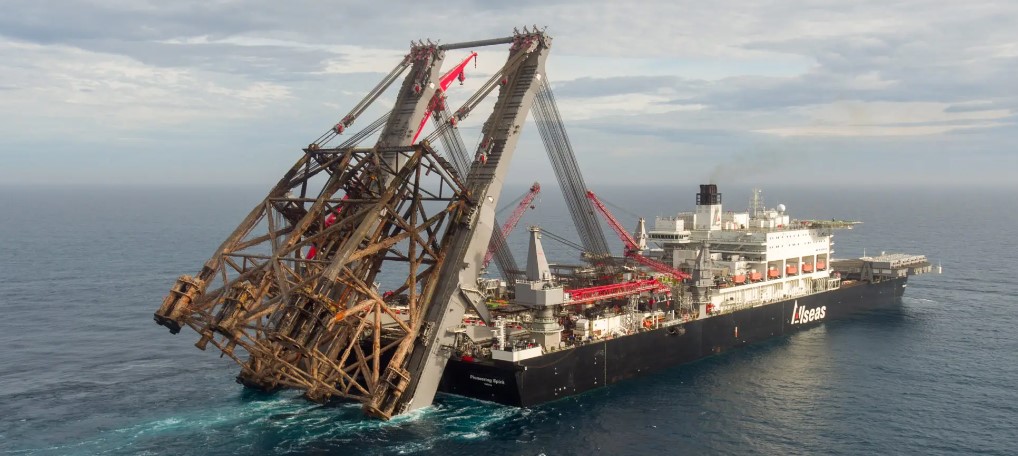
  • Offshore lifting campaign planned using Allseas’ Pioneering Spirit
  • Programme covers multiple platforms and extensive subsea infrastructure
  • Material removal tonnage and high recycling targets make disposal and pass‑throughs operation
  • Exclusive MoA to pursue subsea projects in Australia
  • Access to two DPII offshore vessels already safety‑case approved for Australian operations
  • Vessels available for immediate deployment in regional tenders

Why it matters

ExxonMobil’s Bass Strait decommissioning is now a confirmed, large concentrated demand event that makes heavy‑lift vessel slot rights and marine warranty (MWS) scope the primary procurement constraints for Australian P&A work. Two DPII vessels with valid Australian safety cases are now market‑available through a Reach Subsea / Beacon Offshore partnership, improving local subsea and survey uplift options and shortening mobilisation lead time for APAC tenders. Helms Geomarine’s resumed, back‑to‑back geotechnical campaigns and a new DP2 survey vessel increase local survey capacity for Sarawak P&A, which shifts short‑term demand onto contractors with modern DP2 assets. A recent fatal FSO incident in Malaysian waters is driving immediate, operator‑led HSE scrutiny and likely adds pre‑mobilisation audit and compliance steps for contractors working in the region

Cost / money

  • Reliance on a single class of heavy‑lift asset (Allseas’ Pioneering Spirit) for major lifts creates price exposure via mobilisation and slot premiums if buyers lack pre‑negotiated slot rights.[1]
  • Local DPII vessel availability can lower short‑term spot charter dependency for subsea and survey scopes, but suppliers holding Australian safety cases will capture improved pricing leverage.[2]

Supplier / commercial

  • Operators are buying specialist marine warranty and assurance services early in the campaign procurement chain; expect distinct MWS scope lines in tenders and separate commercial evaluation of warranty providers.[1]
  • Back‑to‑back geotechnical campaigns and modern DP2 assets concentrate demand on a narrower supplier set, increasing the chance firms shorten quote validity and add mobilisation deposits to protect schedules.[4]

Safety / operations

  • The FSO Sepat fatalities will translate into tougher on‑boarding checks, additional documentation requests, and possible operator‑led audits before contractor mobilisation in Malaysian waters.[3]
  • Large platform removals and high recycling targets in the Bass Strait campaign raise the need for explicit HSE, marine warranty and environmental management prescriptions in contracts to avoid operational scope gaps.[1]

What to watch

  • Watch whether Allseas’ vessel schedule and confirmed slot assignments tighten supplier leverage around cancellation terms and uplift pricing; limited slot availability would push negotiation toward securing contractual slot rights.[1]
  • Watch for suppliers to shorten bid validity or add mobilisation deposits on P&A and survey tenders as regional back‑to‑back programs crystallise; these commercial terms will reduce buyer negotiation room if not addressed contractually.[4]

Top stories

Story 1Offshore EnergyMay 26, 2026

ABL finds work on ExxonMobil’s huge Australian offshore decom campaign

Signal strongSource-grounded

What happened

Esso Australia (ExxonMobil) has engaged ABL to deliver marine warranty survey services for what the article describes as Australia’s largest offshore decommissioning campaign, with offshore lifting work scheduled to begin using Allseas’ Pioneering Spirit. Preparations are advanced and the programme packages heavy‑lift, platform removals and large recycling targets, which makes vessel slot confirmation and MWS scope operationally real for buyers. Watch for formal slot assignments, detailed MWS scopes and recycling/disposal obligations as procurement moves from planning into tendering

Buyer takeaway

Treat this as a scheduled, multi‑discipline demand window where pre‑agreed slot confirmations and clear MWS scopes reduce mobilisation cost and schedule risk

Cost / money

Mobilisation and slot premiums are the primary cost exposure if slot rights are not secured; absence of contractual slot language increases pass‑through risk

Supplier / commercial

Suppliers offering integrated heavy‑lift, MWS and recycling services gain leverage; require disclosure of competing commitments and charter confirmations during tendering

Safety / operations

Large removals elevate HSE and marine warranty needs—contracts must close scope gaps for lift phases and decommissioning transport

What to watch

Confirm vessel slot allocations and detailed MWS scope early; unresolved slot ambiguity will shift negotiation leverage to suppliers

Key facts

  • Offshore lifting campaign planned using Allseas’ Pioneering Spirit
  • Programme covers multiple platforms and extensive subsea infrastructure
  • Material removal tonnage and high recycling targets make disposal and pass‑throughs operation

Source excerpts

ABL’s operations in Australia were commissioned by Esso to provide marine warranty survey (MWS) services to assist in the safe and efficient delivery of the first phase of the decommissioning campaign
Esso is planning to undertake the first Bass Strait decommissioning campaign after more than 50 years of delivering energy to Australia
The preparations for the campaign are said to be well advanced, with the offshore lifting campaign to remove up to 13 platforms scheduled to begin in 2027, using Allseas’s Pioneering Spirit vessel. ABL’s operations in Australia were commissioned by Esso to provide marine warranty survey (MWS) services to assist in the safe and efficient delivery of the first phase of the decommissioning campaign
Story 2Offshore EnergyMay 26, 2026

Reach Subsea and Beacon Offshore jointly pursuing subsea projects in Australia

Signal moderateSource-grounded

What happened

Reach Subsea and Beacon Offshore signed a memorandum of agreement to market and execute subsea projects in Australia and will make two DPII vessels with valid Australian safety cases available for regional work. The vessels are equipped for immediate deployment, which shortens lead times for survey and subsea tender responses. Procurement should verify exclusivity terms in the MoA and confirm vessel availability windows during supplier evaluation

Buyer takeaway

Prioritise suppliers with validated Australian safety cases to capture shorter mobilisation options and reduce short‑term charter dependency

Cost / money

Local vessel availability reduces spot charter exposure but shifts pricing leverage toward suppliers holding safety‑case approvals

Supplier / commercial

The partnership creates a consolidated offering; confirm whether exclusivity or preferred‑rate arrangements could limit open competition

Safety / operations

Vessels with existing safety cases reduce regulatory mobilisation risk and speed approvals

What to watch

Verify whether the MoA contains exclusive deployment commitments or preferred rate clauses that could restrict competition

Key facts

  • Exclusive MoA to pursue subsea projects in Australia
  • Access to two DPII offshore vessels already safety‑case approved for Australian operations
  • Vessels available for immediate deployment in regional tenders

Source excerpts

According to Reach Subsea, a key element of the partnership is access to two DPII offshore vessels, GO Explorer and GO Supporter, enabling Reach Subsea to expand its operational footprint and service offering in the region. The vessels can immediately be deployed in the market as they are already equipped for subsea operations and have valid Australian Safety Cases
The vessels can immediately be deployed in the market as they are already equipped for subsea operations and have valid Australian Safety Cases
Home Subsea Reach Subsea and Beacon Offshore jointly pursuing subsea projects in Australia May 26, 2026, by Norwegian Reach Subsea and Texas-based exploration and production company Beacon Offshore have established a strategic partnership to pursue subsea projects offshore Australia. Source: Reach Subsea Under a memorandum of agreement (MoA), the companies will collaborate exclusively to market, tender for, and execute subsea projects in Australia, combining Reach Subsea’s engineering and technology offering wit
Story 3Offshore EnergyMay 26, 2026

After Shell, Malaysian firm gets to work for Petronas

Signal moderateSource-grounded

What happened

Helms Geomarine completed a geotechnical campaign for Shell ahead of schedule and reported it will resume back‑to‑back soil investigation campaigns to support Petronas P&A works in Sarawak waters, while preparing a new DP2 survey vessel for service. The combination of resumed programmes and upgraded assets increases local geotechnical capacity and concentrates booking demand on DP2 operators. Buyers should expect suppliers to require shorter bid validity windows and to prefer suppliers with modern DP2 capability in tendering

Buyer takeaway

Factor DP2 asset availability and recent delivery performance into evaluation criteria; contractors with modern rigs reduce mobilisation time

Cost / money

Improved local survey capacity can contain baseline geotech scope costs, but concentrated programmes may lead suppliers to tighten bid validity and add mobilisation terms

Supplier / commercial

Contractors with DP2 capabilities and recent regional track records will be prioritised; require disclosure of current bookings

Safety / operations

DP2 vessels with modern positioning systems lower operational risk for P&A surveys but demand validated crew competency and maintenance records

What to watch

Limited broader APAC impact, but regional demand concentration could shorten availability for non‑priority buyers

Key facts

  • Completed geotechnical work for Shell ahead of schedule
  • Resuming back‑to‑back soil investigations supporting Petronas P&A
  • New DP2 vessel equipped with moonpool and multiple positioning systems

Source excerpts

” Following the completion, Helms reported it would resume its back-to-back lineup of soil investigation campaigns for PETRONAS Carigali Sdn Bhd (PCSB) to support plug & abandonment (P&A) works in Sarawak waters. The company further announced it was preparing for the upcoming launch of its latest DP2 geotechnical survey vessel, Keyfield Itqan
The company further announced it was preparing for the upcoming launch of its latest DP2 geotechnical survey vessel, Keyfield Itqan
The company further announced it was preparing for the upcoming launch of its latest DP2 geotechnical survey vessel, Keyfield Itqan. The Malaysia-flagged vessel is equipped with a moonpool, four-point mooring system, four positioning reference systems and Helms’ latest HG-50 offshore geotechnical drilling rig
Story 4Offshore EnergyMay 26, 2026

Investigation ongoing: Three dead and one injured in Southeast Asian FSO incident

Signal strongSource-grounded

What happened

A fatal incident during lifeboat maintenance on FSO Sepat in Malaysian waters resulted in three contractor fatalities and has prompted an ongoing investigation coordinated with authorities. The investigation and operator response are likely to change mobilisation and access procedures for offshore maintenance and P&A activities. Procurement teams should expect requests for additional documentation, potential audit requirements and temporary operational constraints while the probe progresses

Buyer takeaway

Revalidate contractor safety documentation and maintenance competency before award; prepare for operator or regulator‑driven audits

Cost / money

Additional HSE verification and audits may add pre‑mobilisation cost and timing, which suppliers may attempt to pass through

Supplier / commercial

Contractors with robust recent safety records and transparent maintenance logs will be favoured; those with gaps may face delays or added conditions

Safety / operations

Expect tighter access controls, mandatory incident reporting and potential temporary moratoria on specific maintenance activities until probes conclude

What to watch

Investigation timeline and regulator recommendations are currently unknown; monitor for directives that materially change mobilisation or competency requirements

Key facts

  • Incident during lifeboat maintenance resulted in three contractor fatalities
  • Investigation ongoing with coordination from authorities
  • Operator follow‑up actions likely to affect regional contractor oversight

Source excerpts

FSO Sepat; Source: Bumi Armada While confirming that an incident occurred at approximately 12. 50 pm on May 24, 2025, during lifeboat maintenance work at the FSO Sepat, Petronas explained that four contractor personnel were involved in the tragic event, which took place in Malaysian waters
Petronas has highlighted that investigations into the cause of the incident are ongoing in coordination with the relevant authorities
50 pm on May 24, 2025, during lifeboat maintenance work at the FSO Sepat, Petronas explained that four contractor personnel were involved in the tragic event, which took place in Malaysian waters

VP Snapshot

Executive Risk & Action View

ExxonMobil’s Bass Strait decommissioning is now a confirmed, large concentrated demand event that makes heavy‑lift vessel slot rights and marine warranty (MWS) scope the primary procurement constraints for Australian P&A work.

Overall
69
Cost
61
Supply
43
Schedule
20
Compliance
15

Top signals

30-180dcost

Signal 1: Cost / money

Reliance on a single class of heavy‑lift asset (Allseas’ Pioneering Spirit) for major lifts creates price exposure via mobilisation and slot premiums if buyers lack pre‑negotiated slot rights.

0-30dcost

Signal 2: Cost / money

Local DPII vessel availability can lower short‑term spot charter dependency for subsea and survey scopes, but suppliers holding Australian safety cases will capture improved pricing leverage.

30-180dcommercial

Signal 3: Supplier / commercial

Operators are buying specialist marine warranty and assurance services early in the campaign procurement chain; expect distinct MWS scope lines in tenders and separate commercial evaluation of warranty providers.

Signal 4: Supplier / commercial

Back‑to‑back geotechnical campaigns and modern DP2 assets concentrate demand on a narrower supplier set, increasing the chance firms shorten quote validity and add mobilisation deposits to protect schedules.

30-180dsupplier

Signal 5: Safety / operations

The FSO Sepat fatalities will translate into tougher on‑boarding checks, additional documentation requests, and possible operator‑led audits before contractor mobilisation in Malaysian waters.

Signal 6: Safety / operations

Large platform removals and high recycling targets in the Bass Strait campaign raise the need for explicit HSE, marine warranty and environmental management prescriptions in contracts to avoid operational scope gaps.

Recommended actions

ContractsDue 3d

Request written slot, charter and committed‑booking declarations from shortlisted heavy‑lift, lifting contractor and marine‑warranty suppliers for Australian decommissioning opp...

Clear visibility on firm versus opportunistic supplier capacity and early identification of slot conflicts to reduce last‑minute premium exposure.

OpsDue 3d

Refresh HSE pre‑qualification for contractors bidding in Malaysian and Sarawak waters, requiring recent incident disclosures, updated maintenance logs, and evidence of crew comp...

Shortlist with validated safety credentials and fewer mobilisation holds due to HSE gaps.

LegalDue 21d

Amend upcoming RFP and framework language to add explicit slot‑confirmation rights, defined MWS deliverables, and cancellation/cost pass‑through caps for heavy‑lift and platform...

Contracts that limit supplier leverage on vessel slots and clarify warranty deliverables during lift phases, improving award‑to‑mobilisation certainty.

CategoryDue 21d

Fast‑track evaluation and create a preferred‑list appendix for suppliers holding Australian safety cases and available DPII vessels to prioritise immediate‑deploy assets in upco...

A ranked supplier shortlist that shortens mobilisation lead time and reduces dependence on expensive spot charters.

LegalDue 60d

Negotiate a capacity‑share annex in long‑form decommissioning frameworks that captures rights to negotiate and confirm vessel slots, uplift pricing bands, and defined MWS respon...

Frameworks that preserve buyer mobilisation optionality and limit last‑minute premium bookings during concentrated campaign windows.

Risk register

RiskTriggerMitigation
Watch whether Allseas’ vessel schedule and confirmed slot assignments tighten supplier leverage around cancellation terms and uplift pricing; limited slot availability would push negotiation toward securing contractual slot rights.Watch whether Allseas’ vessel schedule and confirmed slot assignments tighten supplier leverage around cancellation terms and uplift pricing; limited slot availability would push negotiation toward securing contractual slot rights.Confirm exposure with category, contracts, and operations before the next supplier commitment.
Watch for suppliers to shorten bid validity or add mobilisation deposits on P&A and survey tenders as regional back‑to‑back programs crystallise; these commercial terms will reduce buyer negotiation room if not addressed contractually.Watch for suppliers to shorten bid validity or add mobilisation deposits on P&A and survey tenders as regional back‑to‑back programs crystallise; these commercial terms will reduce buyer negotiation room if not addressed contractually.Confirm exposure with category, contracts, and operations before the next supplier commitment.

CM Snapshot

Category Manager Decision Detail

Today's priorities

Request written slot, charter and committed‑booking declarations from shortlisted heavy‑lift, lifting contractor and marine‑warranty suppliers for Australian decommissioning opp...

because the Bass Strait campaign relies on limited heavy‑lift availability and early written confirmations expose competing commitments that would otherwise create late mobilisa...

Due 3d

high

CM move

Use this as the immediate supplier or contract action to move before the next sourcing gate.

Refresh HSE pre‑qualification for contractors bidding in Malaysian and Sarawak waters, requiring recent incident disclosures, updated maintenance logs, and evidence of crew comp...

because the FSO Sepat fatality and ongoing probe will drive operator and regulator checks that can delay mobilisation if documentation is incomplete.

Due 3d

high

CM move

Use this as the immediate supplier or contract action to move before the next sourcing gate.

Amend upcoming RFP and framework language to add explicit slot‑confirmation rights, defined MWS deliverables, and cancellation/cost pass‑through caps for heavy‑lift and platform...

because a concentrated heavy‑lift campaign centralises mobilisation risk and clearer contract terms will transfer specific schedule and uplift exposures back to suppliers.

Due 21d

high

CM move

Use this as the immediate supplier or contract action to move before the next sourcing gate.

Fast‑track evaluation and create a preferred‑list appendix for suppliers holding Australian safety cases and available DPII vessels to prioritise immediate‑deploy assets in upco...

because Reach Subsea’s vessels are immediately deployable and suppliers with valid Australian safety cases materially shorten mobilisation windows and reduce charter uncertainty.

Due 21d

high

CM move

Use this as the immediate supplier or contract action to move before the next sourcing gate.

Supplier radar

Offshore Energy

high

Observed supplier signal

Operators are buying specialist marine warranty and assurance services early in the campaign procurement chain; expect distinct MWS scope lines in tenders and separate commercial evaluation of warranty providers.

Commercial implication

Operators are buying specialist marine warranty and assurance services early in the campaign procurement chain; expect distinct MWS scope lines in tenders and separate commercial evaluation of warranty providers.

Next step: Validate the source-backed signal with incumbents and alternates before the next award or pricing decision.

Offshore Energy

high

Observed supplier signal

Back‑to‑back geotechnical campaigns and modern DP2 assets concentrate demand on a narrower supplier set, increasing the chance firms shorten quote validity and add mobilisation deposits to protect schedules.

Commercial implication

Back‑to‑back geotechnical campaigns and modern DP2 assets concentrate demand on a narrower supplier set, increasing the chance firms shorten quote validity and add mobilisation deposits to protect schedules.

Next step: Validate the source-backed signal with incumbents and alternates before the next award or pricing decision.

Negotiation levers

Request written slot, charter and committed‑booking declarations from shortlisted heavy‑lift, lifting contractor and marine‑warranty suppliers for Australian decommissioning opp...

When to use: because the Bass Strait campaign relies on limited heavy‑lift availability and early written confirmations expose competing commitments that would otherwise create late mobilisa...

Expected outcome: Clear visibility on firm versus opportunistic supplier capacity and early identification of slot conflicts to reduce last‑minute premium exposure.

Commercial mechanism to carry into the next supplier conversation

Refresh HSE pre‑qualification for contractors bidding in Malaysian and Sarawak waters, requiring recent incident disclosures, updated maintenance logs, and evidence of crew comp...

When to use: because the FSO Sepat fatality and ongoing probe will drive operator and regulator checks that can delay mobilisation if documentation is incomplete.

Expected outcome: Shortlist with validated safety credentials and fewer mobilisation holds due to HSE gaps.

Commercial mechanism to carry into the next supplier conversation

Amend upcoming RFP and framework language to add explicit slot‑confirmation rights, defined MWS deliverables, and cancellation/cost pass‑through caps for heavy‑lift and platform...

When to use: because a concentrated heavy‑lift campaign centralises mobilisation risk and clearer contract terms will transfer specific schedule and uplift exposures back to suppliers.

Expected outcome: Contracts that limit supplier leverage on vessel slots and clarify warranty deliverables during lift phases, improving award‑to‑mobilisation certainty.

Commercial mechanism to carry into the next supplier conversation

Fast‑track evaluation and create a preferred‑list appendix for suppliers holding Australian safety cases and available DPII vessels to prioritise immediate‑deploy assets in upco...

When to use: because Reach Subsea’s vessels are immediately deployable and suppliers with valid Australian safety cases materially shorten mobilisation windows and reduce charter uncertainty.

Expected outcome: A ranked supplier shortlist that shortens mobilisation lead time and reduces dependence on expensive spot charters.

Commercial mechanism to carry into the next supplier conversation

Talking points

ExxonMobil’s Bass Strait decommissioning is now a confirmed, large concentrated demand event that makes heavy‑lift vessel slot rights and marine warranty (MWS) scope the primary procurement constraints for Australian P&A work.
Two DPII vessels with valid Australian safety cases are now market‑available through a Reach Subsea / Beacon Offshore partnership, improving local subsea and survey uplift options and shortening mobilisation lead time for APAC tenders.
Helms Geomarine’s resumed, back‑to‑back geotechnical campaigns and a new DP2 survey vessel increase local survey capacity for Sarawak P&A, which shifts short‑term demand onto contractors with modern DP2 assets.
A recent fatal FSO incident in Malaysian waters is driving immediate, operator‑led HSE scrutiny and likely adds pre‑mobilisation audit and compliance steps for contractors working in the region.

Supplier radar

SupplierSignalImplicationNext stepConfidence
Offshore EnergyOperators are buying specialist marine warranty and assurance services early in the campaign procurement chain; expect distinct MWS scope lines in tenders and separate commercial evaluation of warranty providers.Operators are buying specialist marine warranty and assurance services early in the campaign procurement chain; expect distinct MWS scope lines in tenders and separate commercial evaluation of warranty providers.Validate the source-backed signal with incumbents and alternates before the next award or pricing decision.high
Offshore EnergyBack‑to‑back geotechnical campaigns and modern DP2 assets concentrate demand on a narrower supplier set, increasing the chance firms shorten quote validity and add mobilisation deposits to protect schedules.Back‑to‑back geotechnical campaigns and modern DP2 assets concentrate demand on a narrower supplier set, increasing the chance firms shorten quote validity and add mobilisation deposits to protect schedules.Validate the source-backed signal with incumbents and alternates before the next award or pricing decision.high

Negotiation levers

  • Request written slot, charter and committed‑booking declarations from shortlisted heavy‑lift, lifting contractor and marine‑warranty suppliers for Australian decommissioning opp...because the Bass Strait campaign relies on limited heavy‑lift availability and early written confirmations expose competing commitments that would otherwise create late mobilisa...Clear visibility on firm versus opportunistic supplier capacity and early identification of slot conflicts to reduce last‑minute premium exposure.

    high confidence

  • Refresh HSE pre‑qualification for contractors bidding in Malaysian and Sarawak waters, requiring recent incident disclosures, updated maintenance logs, and evidence of crew comp...because the FSO Sepat fatality and ongoing probe will drive operator and regulator checks that can delay mobilisation if documentation is incomplete.Shortlist with validated safety credentials and fewer mobilisation holds due to HSE gaps.

    high confidence

  • Amend upcoming RFP and framework language to add explicit slot‑confirmation rights, defined MWS deliverables, and cancellation/cost pass‑through caps for heavy‑lift and platform...because a concentrated heavy‑lift campaign centralises mobilisation risk and clearer contract terms will transfer specific schedule and uplift exposures back to suppliers.Contracts that limit supplier leverage on vessel slots and clarify warranty deliverables during lift phases, improving award‑to‑mobilisation certainty.

    high confidence

  • Fast‑track evaluation and create a preferred‑list appendix for suppliers holding Australian safety cases and available DPII vessels to prioritise immediate‑deploy assets in upco...because Reach Subsea’s vessels are immediately deployable and suppliers with valid Australian safety cases materially shorten mobilisation windows and reduce charter uncertainty.A ranked supplier shortlist that shortens mobilisation lead time and reduces dependence on expensive spot charters.

    high confidence

What to do / What to watch

What to do now

  • Request written slot, charter and committed‑booking declarations from shortlisted heavy‑lift, lifting contractor and marine‑warranty suppliers for Australian decommissioning opp...

    Why: because the Bass Strait campaign relies on limited heavy‑lift availability and early written confirmations expose competing commitments that would otherwise create late mobilisa...

    Owner: Contracts

    Expected outcome: Clear visibility on firm versus opportunistic supplier capacity and early identification of slot conflicts to reduce last‑minute premium exposure.

    [1]
  • Refresh HSE pre‑qualification for contractors bidding in Malaysian and Sarawak waters, requiring recent incident disclosures, updated maintenance logs, and evidence of crew comp...

    Why: because the FSO Sepat fatality and ongoing probe will drive operator and regulator checks that can delay mobilisation if documentation is incomplete.

    Owner: Ops

    Expected outcome: Shortlist with validated safety credentials and fewer mobilisation holds due to HSE gaps.

    [3][4]

Next few weeks

  • Amend upcoming RFP and framework language to add explicit slot‑confirmation rights, defined MWS deliverables, and cancellation/cost pass‑through caps for heavy‑lift and platform...

    Why: because a concentrated heavy‑lift campaign centralises mobilisation risk and clearer contract terms will transfer specific schedule and uplift exposures back to suppliers.

    Owner: Legal

    Expected outcome: Contracts that limit supplier leverage on vessel slots and clarify warranty deliverables during lift phases, improving award‑to‑mobilisation certainty.

    [1]
  • Fast‑track evaluation and create a preferred‑list appendix for suppliers holding Australian safety cases and available DPII vessels to prioritise immediate‑deploy assets in upco...

    Why: because Reach Subsea’s vessels are immediately deployable and suppliers with valid Australian safety cases materially shorten mobilisation windows and reduce charter uncertainty.

    Owner: Category

    Expected outcome: A ranked supplier shortlist that shortens mobilisation lead time and reduces dependence on expensive spot charters.

    [2]

Longer view

  • Negotiate a capacity‑share annex in long‑form decommissioning frameworks that captures rights to negotiate and confirm vessel slots, uplift pricing bands, and defined MWS respon...

    Why: because major, concentrated campaigns like Bass Strait will recreate mobilisation premiums unless slot rights and pass‑through rules are contractually captured ahead of demand p...

    Owner: Legal

    Expected outcome: Frameworks that preserve buyer mobilisation optionality and limit last‑minute premium bookings during concentrated campaign windows.

    [1]

What to watch

  • Watch whether Allseas’ vessel schedule and confirmed slot assignments tighten supplier leverage around cancellation terms and uplift pricing; limited slot availability would push negotiation toward securing contractual slot rights
  • Watch for suppliers to shorten bid validity or add mobilisation deposits on P&A and survey tenders as regional back‑to‑back programs crystallise; these commercial terms will reduce buyer negotiation room if not addressed contractually
  • Watch whether Allseas’ vessel schedule and confirmed slot assignments tighten supplier leverage around cancellation terms and uplift pricing; limited slot availability would push negotiation toward securing contractual slot rights.: Watch whether Allseas’ vessel schedule and confirmed slot assignments tighten supplier leverage around cancellation terms and uplift pricing; limited slot availability would push negotiation toward securing contractual slot rights
  • Watch for suppliers to shorten bid validity or add mobilisation deposits on P&A and survey tenders as regional back‑to‑back programs crystallise; these commercial terms will reduce buyer negotiation room if not addressed contractually.: Watch for suppliers to shorten bid validity or add mobilisation deposits on P&A and survey tenders as regional back‑to‑back programs crystallise; these commercial terms will reduce buyer negotiation room if not addressed contractually
  • ExxonMobil’s Bass Strait decommissioning is now a confirmed, large concentrated demand event that makes heavy‑lift vessel slot rights and marine warranty (MWS) scope the primary procurement constraints for Australian P&A work
  • Two DPII vessels with valid Australian safety cases are now market‑available through a Reach Subsea / Beacon Offshore partnership, improving local subsea and survey uplift options and shortening mobilisation lead time for APAC tenders
  • Helms Geomarine’s resumed, back‑to‑back geotechnical campaigns and a new DP2 survey vessel increase local survey capacity for Sarawak P&A, which shifts short‑term demand onto contractors with modern DP2 assets
  • A recent fatal FSO incident in Malaysian waters is driving immediate, operator‑led HSE scrutiny and likely adds pre‑mobilisation audit and compliance steps for contractors working in the region

Market pulse

IndexLatestChangeAs of
WTI Crude (WTI)71.23 /bbl+0.00 (+0.00%)May 26, 2026, 10:10 PM
Brent Crude (BRENT)74.89 /bbl+0.00 (+0.00%)May 26, 2026, 10:10 PM
Natural Gas (NG)3.12 /MMBtu+0.00 (+0.00%)May 26, 2026, 10:10 PM
Baltic Dry (BDI)1,245 pts+0.00 (+0.00%)May 26, 2026, 10:10 PM
  • Baltic Dry: Baltic Dry Index is a proxy for heavy transport and lift market tightness; upward pressure would signal greater charter cost and schedule tightness for structure removal and transport
  • Brent Crude: Brent price movements affect operator budget posture and can influence the timing or scale of decommissioning decisions that change procurement windows

Sources

Inline citations jump here. Expand a source to read the excerpt, the AI interpretation, and the original link.

[1] ABL finds work on ExxonMobil’s huge Australian offshore decom campaign

offshore-energy.biz · May 26, 2026

Expand

AI reading

Esso Australia (ExxonMobil) has engaged ABL to deliver marine warranty survey services for what the article describes as Australia’s largest offshore decommissioning campaign, with offshore lifting work scheduled to begin using Allseas’ Pioneering Spirit. Preparations are advanced and the programme packages heavy‑lift, platform removals and large recycling targets, which makes vessel slot confirmation and MWS scope operationally real for buyers. Watch for formal slot assignments, detailed MWS scopes and recycling/disposal obligations as procurement moves from planning into tendering

Buyer takeaway

Treat this as a scheduled, multi‑discipline demand window where pre‑agreed slot confirmations and clear MWS scopes reduce mobilisation cost and schedule risk

Cost / money

Mobilisation and slot premiums are the primary cost exposure if slot rights are not secured; absence of contractual slot language increases pass‑through risk

Supplier / commercial

Suppliers offering integrated heavy‑lift, MWS and recycling services gain leverage; require disclosure of competing commitments and charter confirmations during tendering

Safety / operations

Large removals elevate HSE and marine warranty needs—contracts must close scope gaps for lift phases and decommissioning transport

What to watch

Confirm vessel slot allocations and detailed MWS scope early; unresolved slot ambiguity will shift negotiation leverage to suppliers

Key facts

  • Offshore lifting campaign planned using Allseas’ Pioneering Spirit
  • Programme covers multiple platforms and extensive subsea infrastructure
  • Material removal tonnage and high recycling targets make disposal and pass‑throughs operation

Source excerpts

ABL’s operations in Australia were commissioned by Esso to provide marine warranty survey (MWS) services to assist in the safe and efficient delivery of the first phase of the decommissioning campaign
Esso is planning to undertake the first Bass Strait decommissioning campaign after more than 50 years of delivering energy to Australia
The preparations for the campaign are said to be well advanced, with the offshore lifting campaign to remove up to 13 platforms scheduled to begin in 2027, using Allseas’s Pioneering Spirit vessel. ABL’s operations in Australia were commissioned by Esso to provide marine warranty survey (MWS) services to assist in the safe and efficient delivery of the first phase of the decommissioning campaign

Used in this brief

  • Supplier / commercial: Operators are buying specialist marine warranty and assurance services early in the campaign procurement chain; expect distinct MWS scope lines in tenders and separate commercial evaluation of warranty providers
  • Next 72 hours — Request written slot, charter and committed‑booking declarations from shortlisted heavy‑lift, lifting contractor and marine‑warranty suppliers for Australian decommissioning opp.... Rationale: because the Bass Strait campaign relies on limited heavy‑lift availability and early written confirmations expose competing commitments that would otherwise create late mobilisa.... Owner: Contracts. KPI: Clear visibility on firm versus opportunistic supplier capacity and early identification of slot conflicts to reduce last‑minute premium exposure
  • Next 2-4 weeks — Amend upcoming RFP and framework language to add explicit slot‑confirmation rights, defined MWS deliverables, and cancellation/cost pass‑through caps for heavy‑lift and platform.... Rationale: because a concentrated heavy‑lift campaign centralises mobilisation risk and clearer contract terms will transfer specific schedule and uplift exposures back to suppliers.. Owner: Legal. KPI: Contracts that limit supplier leverage on vessel slots and clarify warranty deliverables during lift phases, improving award‑to‑mobilisation certainty
Open original source

[2] Reach Subsea and Beacon Offshore jointly pursuing subsea projects in Australia

offshore-energy.biz · May 26, 2026

Expand

AI reading

Reach Subsea and Beacon Offshore signed a memorandum of agreement to market and execute subsea projects in Australia and will make two DPII vessels with valid Australian safety cases available for regional work. The vessels are equipped for immediate deployment, which shortens lead times for survey and subsea tender responses. Procurement should verify exclusivity terms in the MoA and confirm vessel availability windows during supplier evaluation

Buyer takeaway

Prioritise suppliers with validated Australian safety cases to capture shorter mobilisation options and reduce short‑term charter dependency

Cost / money

Local vessel availability reduces spot charter exposure but shifts pricing leverage toward suppliers holding safety‑case approvals

Supplier / commercial

The partnership creates a consolidated offering; confirm whether exclusivity or preferred‑rate arrangements could limit open competition

Safety / operations

Vessels with existing safety cases reduce regulatory mobilisation risk and speed approvals

What to watch

Verify whether the MoA contains exclusive deployment commitments or preferred rate clauses that could restrict competition

Key facts

  • Exclusive MoA to pursue subsea projects in Australia
  • Access to two DPII offshore vessels already safety‑case approved for Australian operations
  • Vessels available for immediate deployment in regional tenders

Source excerpts

According to Reach Subsea, a key element of the partnership is access to two DPII offshore vessels, GO Explorer and GO Supporter, enabling Reach Subsea to expand its operational footprint and service offering in the region. The vessels can immediately be deployed in the market as they are already equipped for subsea operations and have valid Australian Safety Cases
The vessels can immediately be deployed in the market as they are already equipped for subsea operations and have valid Australian Safety Cases
Home Subsea Reach Subsea and Beacon Offshore jointly pursuing subsea projects in Australia May 26, 2026, by Norwegian Reach Subsea and Texas-based exploration and production company Beacon Offshore have established a strategic partnership to pursue subsea projects offshore Australia. Source: Reach Subsea Under a memorandum of agreement (MoA), the companies will collaborate exclusively to market, tender for, and execute subsea projects in Australia, combining Reach Subsea’s engineering and technology offering wit

Used in this brief

  • ExxonMobil’s Bass Strait decommissioning is now a confirmed, large concentrated demand event that makes heavy‑lift vessel slot rights and marine warranty (MWS) scope the primary procurement constraints for Australian P&A work. Two DPII vessels with valid Australian safety cases are now market‑available through a Reach Subsea / Beacon Offshore partnership, improving local subsea and survey uplift options and shortening mobilisation lead time for APAC tenders. Helms Geomarine’s resumed, back‑to‑back geotechnical campaigns and a new DP2 survey vessel increase local survey capacity for Sarawak P&A, which shifts short‑term demand onto contractors with modern DP2 assets. A recent fatal FSO incident in Malaysian waters is driving immediate, operator‑led HSE scrutiny and likely adds pre‑mobilisation audit and compliance steps for contractors working in the region
  • Cost / money: Local DPII vessel availability can lower short‑term spot charter dependency for subsea and survey scopes, but suppliers holding Australian safety cases will capture improved pricing leverage
  • Next 2-4 weeks — Fast‑track evaluation and create a preferred‑list appendix for suppliers holding Australian safety cases and available DPII vessels to prioritise immediate‑deploy assets in upco.... Rationale: because Reach Subsea’s vessels are immediately deployable and suppliers with valid Australian safety cases materially shorten mobilisation windows and reduce charter uncertainty.. Owner: Category. KPI: A ranked supplier shortlist that shortens mobilisation lead time and reduces dependence on expensive spot charters
Open original source

[3] Investigation ongoing: Three dead and one injured in Southeast Asian FSO incident

offshore-energy.biz · May 26, 2026

Expand

AI reading

A fatal incident during lifeboat maintenance on FSO Sepat in Malaysian waters resulted in three contractor fatalities and has prompted an ongoing investigation coordinated with authorities. The investigation and operator response are likely to change mobilisation and access procedures for offshore maintenance and P&A activities. Procurement teams should expect requests for additional documentation, potential audit requirements and temporary operational constraints while the probe progresses

Buyer takeaway

Revalidate contractor safety documentation and maintenance competency before award; prepare for operator or regulator‑driven audits

Cost / money

Additional HSE verification and audits may add pre‑mobilisation cost and timing, which suppliers may attempt to pass through

Supplier / commercial

Contractors with robust recent safety records and transparent maintenance logs will be favoured; those with gaps may face delays or added conditions

Safety / operations

Expect tighter access controls, mandatory incident reporting and potential temporary moratoria on specific maintenance activities until probes conclude

What to watch

Investigation timeline and regulator recommendations are currently unknown; monitor for directives that materially change mobilisation or competency requirements

Key facts

  • Incident during lifeboat maintenance resulted in three contractor fatalities
  • Investigation ongoing with coordination from authorities
  • Operator follow‑up actions likely to affect regional contractor oversight

Source excerpts

FSO Sepat; Source: Bumi Armada While confirming that an incident occurred at approximately 12. 50 pm on May 24, 2025, during lifeboat maintenance work at the FSO Sepat, Petronas explained that four contractor personnel were involved in the tragic event, which took place in Malaysian waters
Petronas has highlighted that investigations into the cause of the incident are ongoing in coordination with the relevant authorities
50 pm on May 24, 2025, during lifeboat maintenance work at the FSO Sepat, Petronas explained that four contractor personnel were involved in the tragic event, which took place in Malaysian waters

Used in this brief

  • Safety / operations: The FSO Sepat fatalities will translate into tougher on‑boarding checks, additional documentation requests, and possible operator‑led audits before contractor mobilisation in Malaysian waters
  • Next 72 hours — Refresh HSE pre‑qualification for contractors bidding in Malaysian and Sarawak waters, requiring recent incident disclosures, updated maintenance logs, and evidence of crew comp.... Rationale: because the FSO Sepat fatality and ongoing probe will drive operator and regulator checks that can delay mobilisation if documentation is incomplete.. Owner: Ops. KPI: Shortlist with validated safety credentials and fewer mobilisation holds due to HSE gaps
  • A fatal incident on FSO Sepat in Malaysian waters has initiated an ongoing investigation and is expected to raise immediate HSE pre‑mobilisation demands for regional contractors (article 7)
Open original source

[4] After Shell, Malaysian firm gets to work for Petronas

offshore-energy.biz · May 26, 2026

Expand

AI reading

Helms Geomarine completed a geotechnical campaign for Shell ahead of schedule and reported it will resume back‑to‑back soil investigation campaigns to support Petronas P&A works in Sarawak waters, while preparing a new DP2 survey vessel for service. The combination of resumed programmes and upgraded assets increases local geotechnical capacity and concentrates booking demand on DP2 operators. Buyers should expect suppliers to require shorter bid validity windows and to prefer suppliers with modern DP2 capability in tendering

Buyer takeaway

Factor DP2 asset availability and recent delivery performance into evaluation criteria; contractors with modern rigs reduce mobilisation time

Cost / money

Improved local survey capacity can contain baseline geotech scope costs, but concentrated programmes may lead suppliers to tighten bid validity and add mobilisation terms

Supplier / commercial

Contractors with DP2 capabilities and recent regional track records will be prioritised; require disclosure of current bookings

Safety / operations

DP2 vessels with modern positioning systems lower operational risk for P&A surveys but demand validated crew competency and maintenance records

What to watch

Limited broader APAC impact, but regional demand concentration could shorten availability for non‑priority buyers

Key facts

  • Completed geotechnical work for Shell ahead of schedule
  • Resuming back‑to‑back soil investigations supporting Petronas P&A
  • New DP2 vessel equipped with moonpool and multiple positioning systems

Source excerpts

” Following the completion, Helms reported it would resume its back-to-back lineup of soil investigation campaigns for PETRONAS Carigali Sdn Bhd (PCSB) to support plug & abandonment (P&A) works in Sarawak waters. The company further announced it was preparing for the upcoming launch of its latest DP2 geotechnical survey vessel, Keyfield Itqan
The company further announced it was preparing for the upcoming launch of its latest DP2 geotechnical survey vessel, Keyfield Itqan
The company further announced it was preparing for the upcoming launch of its latest DP2 geotechnical survey vessel, Keyfield Itqan. The Malaysia-flagged vessel is equipped with a moonpool, four-point mooring system, four positioning reference systems and Helms’ latest HG-50 offshore geotechnical drilling rig

Used in this brief

  • Supplier / commercial: Back‑to‑back geotechnical campaigns and modern DP2 assets concentrate demand on a narrower supplier set, increasing the chance firms shorten quote validity and add mobilisation deposits to protect schedules
  • Watch for suppliers to shorten bid validity or add mobilisation deposits on P&A and survey tenders as regional back‑to‑back programs crystallise; these commercial terms will reduce buyer negotiation room if not addressed contractually
  • Helms Geomarine completed a geotechnical campaign for Shell ahead of schedule and reported it will resume back‑to‑back soil investigation campaigns to support Petronas P&A works in Sarawak waters, while preparing a new DP2 survey vessel for service. The combination of resumed programmes and upgraded assets increases local geotechnical capacity and concentrates booking demand on DP2 operators. Buyers should expect suppliers to require shorter bid validity windows and to prefer suppliers with modern DP2 capability in tendering
Open original source

[5] Baltic Dry

finance.yahoo.com · n.d.

Expand

[6] Brent Crude

finance.yahoo.com · n.d.

Expand