Projects (EPC/EPCM & Construction) · Australia (Perth)

Recalibrate Mobilisation Plans for Australia’s Offshore Decommissioning and Subsea Capacity

Published May 27, 2026, 6:00 AM AWSTAPACFull category signal
Ask AI
ABL finds work on ExxonMobil’s huge Australian offshore decom campaign

In 60 seconds

Top move

ExxonMobil’s Bass Strait decommissioning has moved into advanced planning with ABL engaged for marine warranty and preparatory surveys, creating a concrete local demand driver for heavy‑lift, vessel charter and removal contractors in Australia

Key takeaways

  • ExxonMobil’s Bass Strait decommissioning has moved into advanced planning with ABL engaged for marine warranty and preparatory surveys, creating a concrete local demand driver for heavy‑lift, vessel charter and removal contractors in Australia.[2]
  • Reach Subsea’s MoA with Beacon Offshore adds two DPII vessels with valid Australian Safety Cases into the market, lowering near‑term vessel mobilisation friction for subsea, inspection and preparatory removal work if marketed commercially.[3]
  • Helms completed a geotechnical campaign early and is preparing a new DP2 vessel, signalling active survey capability but also a potential squeeze on DP2 windows when removals and P&A prep overlap.[5]
  • A fatal lifeboat maintenance incident on an FSO in regional waters will raise immediate contractor prequalification, permit‑to‑work and insurance scrutiny for maintenance and similar confined‑task activities.[4]
  • ABS’s statement of maturity for SBM Offshore’s seawater intake riser (SWIR) qualifies a new topsides cooling option that buyers should include in FPSO retrofit scope reviews and tender checklists to avoid later scope gaps.[1]

What changed since last run

  • ABL has been confirmed for marine warranty and preparatory survey work on ExxonMobil’s Bass Strait decommissioning campaign, adding a major Australian removal programme to the market.
  • Reach Subsea and Beacon Offshore’s MoA supplies two DPII vessels with Australian Safety Cases into the local fleet—immediate lift and subsea capacity that can reduce short‑term charter lead times.
  • A fatal FSO maintenance incident in Southeast Asian waters introduces a new, near‑term safety and insurance scrutiny vector that was not present in the prior run.

Key facts

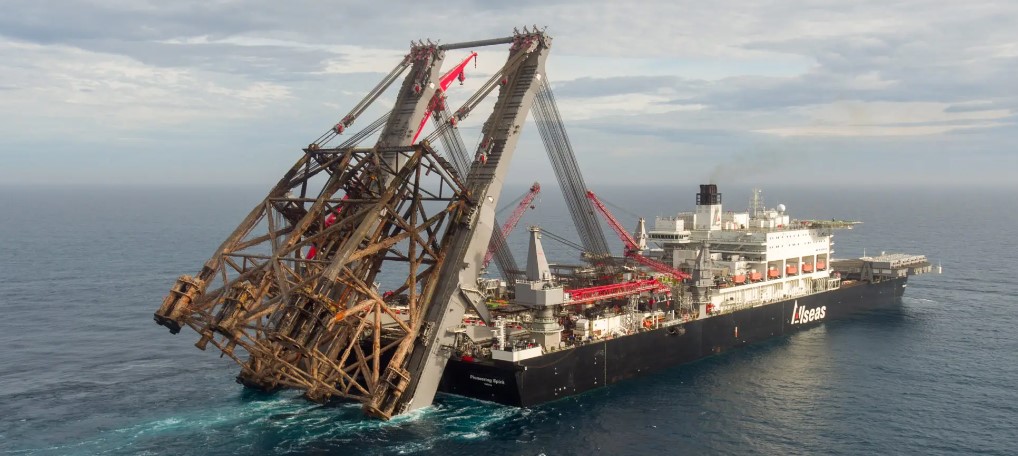
  • Programme includes removal lifts using Allseas’ Pioneering Spirit
  • Campaign inventory spans platforms, subsea pipelines and wells requiring validated marine spr
  • MoA provides access to two DPII offshore vessels
  • Vessels are fitted for subsea operations and hold valid Australian Safety Cases
  • Campaign included seabed CPT, soil borings and downhole cone penetration tests
  • Work executed under a long‑term offshore geotechnical services contract

Why it matters

ExxonMobil’s Bass Strait decommissioning has moved into advanced planning with ABL engaged for marine warranty and preparatory surveys, creating a concrete local demand driver for heavy‑lift, vessel charter and removal contractors in Australia. Reach Subsea’s MoA with Beacon Offshore adds two DPII vessels with valid Australian Safety Cases into the market, lowering near‑term vessel mobilisation friction for subsea, inspection and preparatory removal work if marketed commercially. Helms completed a geotechnical campaign early and is preparing a new DP2 vessel, signalling active survey capability but also a potential squeeze on DP2 windows when removals and P&A prep overlap. A fatal lifeboat maintenance incident on an FSO in regional waters will raise immediate contractor prequalification, permit‑to‑work and insurance scrutiny for maintenance and similar confined‑task activities

Cost / money

  • Decommissioning shifts operator cost exposure from drilling and day‑rate markets into vessel charters, heavy‑lift mobilisation and recycling logistics where pass‑throughs and mobilisation premiums become primary drivers of near‑term price movement.[2]
  • Two DPII vessels arriving with Australian Safety Cases can, if offered commercially, reduce short‑term charter premiums and hold costs for subsea and preparatory removal work.[3]
  • SWIR maturity changes the commercial calculus on FPSO retrofits by introducing a new topsides equipment option that may reallocate capex versus operating‑cost tradeoffs in vendor bids.[1]

Supplier / commercial

  • Marine warranty, heavy‑lift and removal contractors gain leverage as demand concentrates for Bass Strait removals; expect suppliers to insist on explicit mobilisation liabilities and blackout‑date pricing in RFx responses.[2]
  • Reach Subsea + Beacon can offer bundled vessel+engineering propositions, pressuring smaller installers to pursue partnerships or accept narrower commercial terms to remain competitive.[3]
  • Vendors with DP2 and back‑to‑back survey capability can monetise availability through preferred‑supplier positioning or shorter lead time premiums during overlapping P&A and removal campaigns.[5]

Safety / operations

  • The FSO lifeboat fatality will prompt tighter HSE prequalification and permit‑to‑work expectations for maintenance tasks regionally, increasing documentary requirements for bidders on similar scopes.[4]
  • Decommissioning lifts and heavy‑lift marine operations raise marine, lifting and UXO risk profiles; validated marine spread proposals, MWS sign‑offs and integrated HSE plans will be required before mobilisation.[2]
  • Adoption of SWIR on FPSOs introduces new intake and riser interfaces that must be reflected in HSE, maintenance and testing scopes during retrofit planning and vendor assessment.[1]

What to watch

  • Watch whether Allseas’ Pioneering Spirit lift windows compress against other Bass Strait activities—any schedule squeeze will push mobilisation premiums and blackout‑date clauses higher.[2]
  • Watch whether Reach Subsea and Beacon commercially market their DPII vessels or keep them reserved for select tenders; commercial posture determines whether buyers can rely on that capacity for near‑term RFx schedules.[3]
  • Watch insurer and client audit responses after the FSO incident; new evidence demands could slow contractor onboarding for maintenance and increase quoted pass‑throughs for higher‑risk tasks.[4]

Top stories

Story 1Offshore EnergyMay 26, 2026

ABL finds work on ExxonMobil’s huge Australian offshore decom campaign

Signal strongSource-grounded

What happened

ABL was hired to provide marine warranty survey (MWS) services for ExxonMobil’s large Bass Strait decommissioning campaign, which includes preparatory surveys and validation of marine spread proposals. Preparations are well advanced and the campaign plans heavy lifts using Allseas’ Pioneering Spirit, making this an operationally real near‑term demand driver for heavy‑lift, MWS and recycling contractors. Watch whether lift windows or vessel scheduling compress—if they do, mobilisation premiums and blackout‑date pricing will rise quickly

Buyer takeaway

Treat this as a high‑impact local demand event; mobilisation windows and blackout dates will be primary negotiation levers for decom packages

Cost / money

Cost exposure shifts toward vessel charters, heavy‑lift mobilisation and recycling logistics where pass‑throughs and hold premiums will show up in bids

Supplier / commercial

MWS and heavy‑lift providers can demand clearer mobilisation liabilities and non‑reimbursable hold costs in RFx responses

Safety / operations

Heavy‑lift and removal scopes require validated marine spreads, MWS sign‑offs and integrated HSE plans before mobilisation

What to watch

Watch Allseas’ vessel schedule and planned lift phases for compression that would escalate mobilisation premiums and reduce slot options

Key facts

  • Programme includes removal lifts using Allseas’ Pioneering Spirit
  • Campaign inventory spans platforms, subsea pipelines and wells requiring validated marine spr

Source excerpts

ABL’s operations in Australia were commissioned by Esso to provide marine warranty survey (MWS) services to assist in the safe and efficient delivery of the first phase of the decommissioning campaign. The company is getting ready for this assignment by conducting suitability surveys to validate the proposed marine spread, and technical review and approval of decommissioning documentation
The preparations for the campaign are said to be well advanced, with the offshore lifting campaign to remove up to 13 platforms scheduled to begin in 2027, using Allseas’s Pioneering Spirit vessel. ABL’s operations in Australia were commissioned by Esso to provide marine warranty survey (MWS) services to assist in the safe and efficient delivery of the first phase of the decommissioning campaign
ABL’s operations in Australia were commissioned by Esso to provide marine warranty survey (MWS) services to assist in the safe and efficient delivery of the first phase of the decommissioning campaign
Story 2Offshore EnergyMay 26, 2026

Reach Subsea and Beacon Offshore jointly pursuing subsea projects in Australia

Signal moderateSource-grounded

What happened

Reach Subsea and Beacon Offshore signed a memorandum to pursue subsea projects in Australia and provide access to two DPII vessels, GO Explorer and GO Supporter. The vessels are equipped for subsea operations and already hold Australian Safety Cases, which immediately increases usable vessel capacity for subsea, inspection and preparatory removal work if made commercially available. Watch whether the vessels are marketed into competitive tenders or reserved for strategic projects, as that determines buyer access to near‑term slots

Buyer takeaway

Treat these vessels as potential near‑term capacity when scheduling subsea or preparatory removal activities, subject to commercial availability

Cost / money

Commercial marketing of these vessels can lower immediate charter premia and mobilisation hold costs for RFx windows

Supplier / commercial

Reach + Beacon can propose bundled vessel+engineering solutions, pressuring smaller vendors to partner or accept tighter margins

Safety / operations

Valid Australian Safety Cases reduce regulatory hurdles, but buyers must still verify equipment lists and scope fit

What to watch

Watch whether the vessels enter open tenders or are retained for select projects; posture determines their practical availability

Key facts

  • MoA provides access to two DPII offshore vessels
  • Vessels are fitted for subsea operations and hold valid Australian Safety Cases

Source excerpts

Source: Reach Subsea Under a memorandum of agreement (MoA), the companies will collaborate exclusively to market, tender for, and execute subsea projects in Australia, combining Reach Subsea’s engineering and technology offering with vessel capabilities provided by Beacon Offshore. According to Reach Subsea, a key element of the partnership is access to two DPII offshore vessels, GO Explorer and GO Supporter, enabling Reach Subsea to expand its operational footprint and service offering in the region
According to Reach Subsea, a key element of the partnership is access to two DPII offshore vessels, GO Explorer and GO Supporter, enabling Reach Subsea to expand its operational footprint and service offering in the region. The vessels can immediately be deployed in the market as they are already equipped for subsea operations and have valid Australian Safety Cases
Home Subsea Reach Subsea and Beacon Offshore jointly pursuing subsea projects in Australia May 26, 2026, by Norwegian Reach Subsea and Texas-based exploration and production company Beacon Offshore have established a strategic partnership to pursue subsea projects offshore Australia. Source: Reach Subsea Under a memorandum of agreement (MoA), the companies will collaborate exclusively to market, tender for, and execute subsea projects in Australia, combining Reach Subsea’s engineering and technology offering wit
Story 3Offshore EnergyMay 26, 2026

After Shell, Malaysian firm gets to work for Petronas

Signal strongSource-grounded

What happened

Helms Geomarine completed an offshore geotechnical campaign ahead of schedule for Sarawak Shell and is preparing a new DP2 geotechnical survey vessel for upcoming work. The campaign included seabed CPTs, soil borings and downhole tests supporting platform installation and jack‑up entry locations, demonstrating active regional survey capability. Watch whether Helms’ DP2 availability fills preparatory windows for P&A and removals or gets reallocated to other follow‑on campaigns

Buyer takeaway

Secure DP2 and geotechnical windows early—Helms’ capacity is operational and in demand for regional campaigns

Cost / money

Early contracting of DP2 capacity can avoid expedited survey premiums and reduce mobilisation hold costs

Supplier / commercial

DP2 vendors can command premium rates for back‑to‑back campaigns and preferred‑supplier terms

Safety / operations

Timely geotechnical data reduces subsurface uncertainty and execution risk for removals and jack‑up operations

What to watch

Watch for back‑to‑back scheduling that may constrain DP2 availability during overlapping removal windows

Key facts

  • Campaign included seabed CPT, soil borings and downhole cone penetration tests
  • Work executed under a long‑term offshore geotechnical services contract
  • Helms preparing a DP2 survey vessel with moonpool and multi‑positioning systems

Source excerpts

” Following the completion, Helms reported it would resume its back-to-back lineup of soil investigation campaigns for PETRONAS Carigali Sdn Bhd (PCSB) to support plug & abandonment (P&A) works in Sarawak waters. The company further announced it was preparing for the upcoming launch of its latest DP2 geotechnical survey vessel, Keyfield Itqan
The company further announced it was preparing for the upcoming launch of its latest DP2 geotechnical survey vessel, Keyfield Itqan
Home Fossil Energy After Shell, Malaysian firm gets to work for Petronas May 26, 2026, by Malaysian offshore soil investigation and geotechnical engineering services company Helms Geomarine has performed an offshore geotechnical investigation campaign for Shell offshore Sarawak. Source: Helms Geomarine The campaign was carried out for Sarawak Shell Berhad using the DP2 geotechnical survey vessel Keyfield Helms 1, ahead of schedule, the Malaysian company said
Story 4Offshore EnergyMay 26, 2026

Investigation ongoing: Three dead and one injured in Southeast Asian FSO incident

Signal strongSource-grounded

What happened

A lifeboat maintenance incident on an FSO in Southeast Asian waters resulted in three contractor fatalities and one injury, and investigations are ongoing with Petronas coordinating authorities. The event highlights potential procedural and contractor assurance gaps for maintenance tasks on floating units and is likely to trigger tighter prequalification and insurance demands for similar scopes. Watch for immediate increases in contractor audit requests and stricter permit‑to‑work evidence in tenders

Buyer takeaway

Treat lifeboat and rescue‑equipment maintenance tasks as high‑scrutiny items and require demonstrable procedures and recent safety performance

Cost / money

Expect contractors and insurers to price higher premiums or exclusions for maintenance works judged higher risk, increasing pass‑throughs in bids

Supplier / commercial

Contractors may require tighter contractual protections and clearer indemnities for higher‑risk maintenance scopes

Safety / operations

Upgrade HSE oversight, permit‑to‑work rigor and contractor competency checks for similar tasks immediately

What to watch

Watch insurer and client audit responses that could lengthen vendor onboarding and add documentary requirements

Key facts

  • Incident occurred during lifeboat maintenance; three fatalities and one injured worker reported
  • Investigations are ongoing with operator coordination

Source excerpts

FSO Sepat; Source: Bumi Armada While confirming that an incident occurred at approximately 12. 50 pm on May 24, 2025, during lifeboat maintenance work at the FSO Sepat, Petronas explained that four contractor personnel were involved in the tragic event, which took place in Malaysian waters
Home Fossil Energy Investigation ongoing: Three dead and one injured in Southeast Asian FSO incident May 26, 2026, by Malaysia’s state-owned oil and gas heavyweight Petronas has shed light on an offshore incident connected with a floating storage and offloading (FSO) unit, which is working at a field off the coast of East Coast Peninsular Malaysia, Southeast Asia. FSO Sepat; Source: Bumi Armada While confirming that an incident occurred at approximately 12
50 pm on May 24, 2025, during lifeboat maintenance work at the FSO Sepat, Petronas explained that four contractor personnel were involved in the tragic event, which took place in Malaysian waters
Story 5Offshore EnergyMay 26, 2026

ABS endorses SBM Offshore’s Shell-backed FPSO deepwater cooling tech

Signal moderateSource-grounded

What happened

ABS issued a statement of maturity for SBM Offshore’s seawater intake riser (SWIR) after a prototype qualification campaign, qualifying the technology for incorporation into production units. The SWIR pulls colder seawater from depth to topsides for process cooling and completed a multi‑party, six‑month prototype validation—this makes it a viable option for FPSO retrofits and should be checked in tender scope reviews. Watch whether operators choose to mandate SWIR in retrofit specifications, which would alter supplier shortlists and bid evaluation criteria

Buyer takeaway

Include SWIR checks in FPSO retrofit pre‑tenders to prevent later scope gaps and change claims on cooling and utility interfaces

Cost / money

Request split pricing for SWIR integration versus baseline topsides works to understand capex/opex tradeoffs in vendor bids

Supplier / commercial

Topside process vendors may price SWIR integration as a separate scope and seek testing and milestone payment terms

Safety / operations

SWIR adds intake and riser interfaces that must be included in HSE and maintenance planning for retrofit work

What to watch

Watch whether operators adopt SWIR as a mandated retrofit spec; that would change shortlist and evaluation criteria

Key facts

  • Prototype qualification followed a six‑month validation campaign
  • SWIR pumps colder seawater from deep layers to topsides for cooling and potential fuel reduction

Source excerpts

Home Fossil Energy ABS endorses SBM Offshore’s Shell-backed FPSO deepwater cooling tech May 26, 2026, by Netherlands-based SBM Offshore, a provider of the design, construction, installation, and operation of offshore floating facilities, has received the green light for its seawater intake riser (SWIR) technology from American Bureau of Shipping (ABS), a classification society. FPSO illustration; Source: SBM Offshore Following the application of its new technology qualification (NTQ) program to evaluate the pro
The statement of maturity signifies that the technology is qualified to be incorporated into a production unit in the aftermath of tests and validation. The SWIR technology is described as featuring an innovative technique to pump colder seawater from around 700 meters below the ocean’s surface up to an FPSO’s topsides to be used for cooling purposes
The SWIR technology is described as featuring an innovative technique to pump colder seawater from around 700 meters below the ocean’s surface up to an FPSO’s topsides to be used for cooling purposes

VP Snapshot

Executive Risk & Action View

ExxonMobil’s Bass Strait decommissioning has moved into advanced planning with ABL engaged for marine warranty and preparatory surveys, creating a concrete local demand driver for heavy‑lift, vessel charter and removal contractors in Australia.

Overall
51
Cost
79
Supply
61
Schedule
38
Compliance
35

Top signals

30-180dcost

Signal 1: Cost / money

Decommissioning shifts operator cost exposure from drilling and day‑rate markets into vessel charters, heavy‑lift mobilisation and recycling logistics where pass‑throughs and mobilisation premiums become primary drivers of near‑term price movement.

Signal 2: Cost / money

Two DPII vessels arriving with Australian Safety Cases can, if offered commercially, reduce short‑term charter premiums and hold costs for subsea and preparatory removal work.

Signal 3: Cost / money

SWIR maturity changes the commercial calculus on FPSO retrofits by introducing a new topsides equipment option that may reallocate capex versus operating‑cost tradeoffs in vendor bids.

30-180dcommercial

Signal 4: Supplier / commercial

Marine warranty, heavy‑lift and removal contractors gain leverage as demand concentrates for Bass Strait removals; expect suppliers to insist on explicit mobilisation liabilities and blackout‑date pricing in RFx responses.

Signal 5: Supplier / commercial

Reach Subsea + Beacon can offer bundled vessel+engineering propositions, pressuring smaller installers to pursue partnerships or accept narrower commercial terms to remain competitive.

0-30dsupply

Signal 6: Supplier / commercial

Vendors with DP2 and back‑to‑back survey capability can monetise availability through preferred‑supplier positioning or shorter lead time premiums during overlapping P&A and removal campaigns.

Recommended actions

CategoryDue 3d

Map heavy‑lift, MWS providers and DPII vessel availability against planned Bass Strait removal phases.

Availability matrix of MWS providers, DPII vessel slots and potential blackout windows for RFx scheduling

OpsDue 3d

Request enhanced safety prequalification updates from shortlisted contractors that specifically cover lifeboat maintenance procedures and recent incident records.

Updated supplier HSE dossiers and a narrowed shortlist of contractors meeting strengthened maintenance assurance criteria

ContractsDue 21d

Issue RFx templates that require split pricing for supply versus install and explicit mobilisation liabilities for decommissioning and FPSO retrofit scopes.

Tender responses that separate vessel charter, mobilisation and installation costs for apples‑to‑apples commercial comparison

CategoryDue 21d

Engage DP2 geotechnical vendors to confirm moonpool capability, DP2 scheduling constraints and likely survey windows for P&A and preparatory removal work.

Shortlist of DP2 vendors with probable availability windows and constraints to include in tender schedules

ContractsDue 60d

Rework contract templates to require firm mobilisation windows, MWS acceptance criteria and transparent pass‑through clauses for vessel charter and recycling liabilities in deco...

Contract clause set that enforces mobilisation dates, MWS deliverables and pass‑through cost transparency for decom contracts

CategoryDue 60d

Develop a supplier resilience plan identifying single‑vendor risks across heavy‑lift, vessel charter and MWS and recommend mitigations such as staged mobilisation or dual‑sourcing.

Ranked mitigation options and recommended sourcing levers to reduce single‑vendor bottlenecks during peak mobilisation periods

Risk register

RiskTriggerMitigation
Watch whether Allseas’ Pioneering Spirit lift windows compress against other Bass Strait activities—any schedule squeeze will push mobilisation premiums and blackout‑date clauses higher.Watch whether Allseas’ Pioneering Spirit lift windows compress against other Bass Strait activities—any schedule squeeze will push mobilisation premiums and blackout‑date clauses higher.Confirm exposure with category, contracts, and operations before the next supplier commitment.
Watch whether Reach Subsea and Beacon commercially market their DPII vessels or keep them reserved for select tenders; commercial posture determines whether buyers can rely on that capacity for near‑term RFx schedules.Watch whether Reach Subsea and Beacon commercially market their DPII vessels or keep them reserved for select tenders; commercial posture determines whether buyers can rely on that capacity for near‑term RFx schedules.Confirm exposure with category, contracts, and operations before the next supplier commitment.
Watch insurer and client audit responses after the FSO incident; new evidence demands could slow contractor onboarding for maintenance and increase quoted pass‑throughs for higher‑risk tasks.Watch insurer and client audit responses after the FSO incident; new evidence demands could slow contractor onboarding for maintenance and increase quoted pass‑throughs for higher‑risk tasks.Confirm exposure with category, contracts, and operations before the next supplier commitment.

CM Snapshot

Category Manager Decision Detail

Today's priorities

Map heavy‑lift, MWS providers and DPII vessel availability against planned Bass Strait removal phases.

Do this because ExxonMobil’s decom campaign has assigned MWS support and an intended lift plan, and knowing who can cover discrete windows reduces mobilisation hold costs and cl...

Due 3d

high

CM move

Use this as the immediate supplier or contract action to move before the next sourcing gate.

Request enhanced safety prequalification updates from shortlisted contractors that specifically cover lifeboat maintenance procedures and recent incident records.

Do this because a recent FSO maintenance fatality increases near‑term scrutiny from operators and insurers and may be reflected in tender prequalification requirements.

Due 3d

high

CM move

Use this as the immediate supplier or contract action to move before the next sourcing gate.

Issue RFx templates that require split pricing for supply versus install and explicit mobilisation liabilities for decommissioning and FPSO retrofit scopes.

Do this because contractors are likely to bundle vessel and installation work for decom and retrofit projects and split pricing preserves buyer negotiation levers and clarifies...

Due 21d

high

CM move

Use this as the immediate supplier or contract action to move before the next sourcing gate.

Engage DP2 geotechnical vendors to confirm moonpool capability, DP2 scheduling constraints and likely survey windows for P&A and preparatory removal work.

Do this because Helms’ resumed campaigns and DP2 vessel prep indicate active DP2 demand that could conflict with removal windows unless survey slots are secured.

Due 21d

high

CM move

Use this as the immediate supplier or contract action to move before the next sourcing gate.

Supplier radar

Offshore Energy

high

Observed supplier signal

Marine warranty, heavy‑lift and removal contractors gain leverage as demand concentrates for Bass Strait removals; expect suppliers to insist on explicit mobilisation liabilities and blackout‑date pricing in RFx responses.

Commercial implication

Marine warranty, heavy‑lift and removal contractors gain leverage as demand concentrates for Bass Strait removals; expect suppliers to insist on explicit mobilisation liabilities and blackout‑date pricing in RFx responses.

Next step: Validate the source-backed signal with incumbents and alternates before the next award or pricing decision.

Offshore Energy

high

Observed supplier signal

Reach Subsea + Beacon can offer bundled vessel+engineering propositions, pressuring smaller installers to pursue partnerships or accept narrower commercial terms to remain competitive.

Commercial implication

Reach Subsea + Beacon can offer bundled vessel+engineering propositions, pressuring smaller installers to pursue partnerships or accept narrower commercial terms to remain competitive.

Next step: Validate the source-backed signal with incumbents and alternates before the next award or pricing decision.

Offshore Energy

high

Observed supplier signal

Vendors with DP2 and back‑to‑back survey capability can monetise availability through preferred‑supplier positioning or shorter lead time premiums during overlapping P&A and removal campaigns.

Commercial implication

Vendors with DP2 and back‑to‑back survey capability can monetise availability through preferred‑supplier positioning or shorter lead time premiums during overlapping P&A and removal campaigns.

Next step: Validate the source-backed signal with incumbents and alternates before the next award or pricing decision.

Negotiation levers

Map heavy‑lift, MWS providers and DPII vessel availability against planned Bass Strait removal phases.

When to use: Do this because ExxonMobil’s decom campaign has assigned MWS support and an intended lift plan, and knowing who can cover discrete windows reduces mobilisation hold costs and cl...

Expected outcome: Availability matrix of MWS providers, DPII vessel slots and potential blackout windows for RFx scheduling

Commercial mechanism to carry into the next supplier conversation

Request enhanced safety prequalification updates from shortlisted contractors that specifically cover lifeboat maintenance procedures and recent incident records.

When to use: Do this because a recent FSO maintenance fatality increases near‑term scrutiny from operators and insurers and may be reflected in tender prequalification requirements.

Expected outcome: Updated supplier HSE dossiers and a narrowed shortlist of contractors meeting strengthened maintenance assurance criteria

Commercial mechanism to carry into the next supplier conversation

Issue RFx templates that require split pricing for supply versus install and explicit mobilisation liabilities for decommissioning and FPSO retrofit scopes.

When to use: Do this because contractors are likely to bundle vessel and installation work for decom and retrofit projects and split pricing preserves buyer negotiation levers and clarifies...

Expected outcome: Tender responses that separate vessel charter, mobilisation and installation costs for apples‑to‑apples commercial comparison

Commercial mechanism to carry into the next supplier conversation

Engage DP2 geotechnical vendors to confirm moonpool capability, DP2 scheduling constraints and likely survey windows for P&A and preparatory removal work.

When to use: Do this because Helms’ resumed campaigns and DP2 vessel prep indicate active DP2 demand that could conflict with removal windows unless survey slots are secured.

Expected outcome: Shortlist of DP2 vendors with probable availability windows and constraints to include in tender schedules

Commercial mechanism to carry into the next supplier conversation

Talking points

ExxonMobil’s Bass Strait decommissioning has moved into advanced planning with ABL engaged for marine warranty and preparatory surveys, creating a concrete local demand driver for heavy‑lift, vessel charter and removal contractors in Australia.
Reach Subsea’s MoA with Beacon Offshore adds two DPII vessels with valid Australian Safety Cases into the market, lowering near‑term vessel mobilisation friction for subsea, inspection and preparatory removal work if marketed commercially.
Helms completed a geotechnical campaign early and is preparing a new DP2 vessel, signalling active survey capability but also a potential squeeze on DP2 windows when removals and P&A prep overlap.
A fatal lifeboat maintenance incident on an FSO in regional waters will raise immediate contractor prequalification, permit‑to‑work and insurance scrutiny for maintenance and similar confined‑task activities.

Supplier radar

SupplierSignalImplicationNext stepConfidence
Offshore EnergyMarine warranty, heavy‑lift and removal contractors gain leverage as demand concentrates for Bass Strait removals; expect suppliers to insist on explicit mobilisation liabilities and blackout‑date pricing in RFx responses.Marine warranty, heavy‑lift and removal contractors gain leverage as demand concentrates for Bass Strait removals; expect suppliers to insist on explicit mobilisation liabilities and blackout‑date pricing in RFx responses.Validate the source-backed signal with incumbents and alternates before the next award or pricing decision.high
Offshore EnergyReach Subsea + Beacon can offer bundled vessel+engineering propositions, pressuring smaller installers to pursue partnerships or accept narrower commercial terms to remain competitive.Reach Subsea + Beacon can offer bundled vessel+engineering propositions, pressuring smaller installers to pursue partnerships or accept narrower commercial terms to remain competitive.Validate the source-backed signal with incumbents and alternates before the next award or pricing decision.high
Offshore EnergyVendors with DP2 and back‑to‑back survey capability can monetise availability through preferred‑supplier positioning or shorter lead time premiums during overlapping P&A and removal campaigns.Vendors with DP2 and back‑to‑back survey capability can monetise availability through preferred‑supplier positioning or shorter lead time premiums during overlapping P&A and removal campaigns.Validate the source-backed signal with incumbents and alternates before the next award or pricing decision.high

Negotiation levers

  • Map heavy‑lift, MWS providers and DPII vessel availability against planned Bass Strait removal phases.Do this because ExxonMobil’s decom campaign has assigned MWS support and an intended lift plan, and knowing who can cover discrete windows reduces mobilisation hold costs and cl...Availability matrix of MWS providers, DPII vessel slots and potential blackout windows for RFx scheduling

    high confidence

  • Request enhanced safety prequalification updates from shortlisted contractors that specifically cover lifeboat maintenance procedures and recent incident records.Do this because a recent FSO maintenance fatality increases near‑term scrutiny from operators and insurers and may be reflected in tender prequalification requirements.Updated supplier HSE dossiers and a narrowed shortlist of contractors meeting strengthened maintenance assurance criteria

    high confidence

  • Issue RFx templates that require split pricing for supply versus install and explicit mobilisation liabilities for decommissioning and FPSO retrofit scopes.Do this because contractors are likely to bundle vessel and installation work for decom and retrofit projects and split pricing preserves buyer negotiation levers and clarifies...Tender responses that separate vessel charter, mobilisation and installation costs for apples‑to‑apples commercial comparison

    high confidence

  • Engage DP2 geotechnical vendors to confirm moonpool capability, DP2 scheduling constraints and likely survey windows for P&A and preparatory removal work.Do this because Helms’ resumed campaigns and DP2 vessel prep indicate active DP2 demand that could conflict with removal windows unless survey slots are secured.Shortlist of DP2 vendors with probable availability windows and constraints to include in tender schedules

    high confidence

What to do / What to watch

What to do now

  • Map heavy‑lift, MWS providers and DPII vessel availability against planned Bass Strait removal phases.

    Why: Do this because ExxonMobil’s decom campaign has assigned MWS support and an intended lift plan, and knowing who can cover discrete windows reduces mobilisation hold costs and cl...

    Owner: Category

    Expected outcome: Availability matrix of MWS providers, DPII vessel slots and potential blackout windows for RFx scheduling

    [2][3]
  • Request enhanced safety prequalification updates from shortlisted contractors that specifically cover lifeboat maintenance procedures and recent incident records.

    Why: Do this because a recent FSO maintenance fatality increases near‑term scrutiny from operators and insurers and may be reflected in tender prequalification requirements.

    Owner: Ops

    Expected outcome: Updated supplier HSE dossiers and a narrowed shortlist of contractors meeting strengthened maintenance assurance criteria

    [4]

Next few weeks

  • Issue RFx templates that require split pricing for supply versus install and explicit mobilisation liabilities for decommissioning and FPSO retrofit scopes.

    Why: Do this because contractors are likely to bundle vessel and installation work for decom and retrofit projects and split pricing preserves buyer negotiation levers and clarifies...

    Owner: Contracts

    Expected outcome: Tender responses that separate vessel charter, mobilisation and installation costs for apples‑to‑apples commercial comparison

    [2][1]
  • Engage DP2 geotechnical vendors to confirm moonpool capability, DP2 scheduling constraints and likely survey windows for P&A and preparatory removal work.

    Why: Do this because Helms’ resumed campaigns and DP2 vessel prep indicate active DP2 demand that could conflict with removal windows unless survey slots are secured.

    Owner: Category

    Expected outcome: Shortlist of DP2 vendors with probable availability windows and constraints to include in tender schedules

    [5]

Longer view

  • Rework contract templates to require firm mobilisation windows, MWS acceptance criteria and transparent pass‑through clauses for vessel charter and recycling liabilities in deco...

    Why: Do this because the Bass Strait programme shifts cost and execution risk into heavy‑lift and removal services and stronger contract clauses reduce later change claims and buyer...

    Owner: Contracts

    Expected outcome: Contract clause set that enforces mobilisation dates, MWS deliverables and pass‑through cost transparency for decom contracts

    [2]
  • Develop a supplier resilience plan identifying single‑vendor risks across heavy‑lift, vessel charter and MWS and recommend mitigations such as staged mobilisation or dual‑sourcing.

    Why: Do this because local specialist contractor and vessel pools will be contested by decom and subsea projects and a resilience plan reduces execution delays and price exposure.

    Owner: Category

    Expected outcome: Ranked mitigation options and recommended sourcing levers to reduce single‑vendor bottlenecks during peak mobilisation periods

    [2][3][5]

What to watch

  • Watch whether Allseas’ Pioneering Spirit lift windows compress against other Bass Strait activities—any schedule squeeze will push mobilisation premiums and blackout‑date clauses higher
  • Watch whether Reach Subsea and Beacon commercially market their DPII vessels or keep them reserved for select tenders; commercial posture determines whether buyers can rely on that capacity for near‑term RFx schedules
  • Watch insurer and client audit responses after the FSO incident; new evidence demands could slow contractor onboarding for maintenance and increase quoted pass‑throughs for higher‑risk tasks
  • Watch whether Allseas’ Pioneering Spirit lift windows compress against other Bass Strait activities—any schedule squeeze will push mobilisation premiums and blackout‑date clauses higher.: Watch whether Allseas’ Pioneering Spirit lift windows compress against other Bass Strait activities—any schedule squeeze will push mobilisation premiums and blackout‑date clauses higher
  • Watch whether Reach Subsea and Beacon commercially market their DPII vessels or keep them reserved for select tenders; commercial posture determines whether buyers can rely on that capacity for near‑term RFx schedules.: Watch whether Reach Subsea and Beacon commercially market their DPII vessels or keep them reserved for select tenders; commercial posture determines whether buyers can rely on that capacity for near‑term RFx schedules
  • Watch insurer and client audit responses after the FSO incident; new evidence demands could slow contractor onboarding for maintenance and increase quoted pass‑throughs for higher‑risk tasks.: Watch insurer and client audit responses after the FSO incident; new evidence demands could slow contractor onboarding for maintenance and increase quoted pass‑throughs for higher‑risk tasks
  • ExxonMobil’s Bass Strait decommissioning has moved into advanced planning with ABL engaged for marine warranty and preparatory surveys, creating a concrete local demand driver for heavy‑lift, vessel charter and removal contractors in Australia
  • Reach Subsea’s MoA with Beacon Offshore adds two DPII vessels with valid Australian Safety Cases into the market, lowering near‑term vessel mobilisation friction for subsea, inspection and preparatory removal work if marketed commercially

Market pulse

IndexLatestChangeAs of
Henry Hub Gas (NG)3.12 /MMBtu+0.00 (+0.00%)May 26, 2026, 10:05 PM
Cheniere (LNG) (LNG)185 +0.00 (+0.00%)May 26, 2026, 10:05 PM
Brent Crude (BRENT)74.89 /bbl+0.00 (+0.00%)May 26, 2026, 10:05 PM
Fluor Corp (FLR)42 +0.00 (+0.00%)May 26, 2026, 10:05 PM
KBR Inc (KBR)58 +0.00 (+0.00%)May 26, 2026, 10:05 PM
  • Fluor Corp: Large EPC contractors with heavy‑lift and decommissioning capability should be monitored for bandwidth constraints and bid posture
  • Brent Crude: Sustained oil price levels influence operator trade‑offs between removal and life‑extension spend and can shift tender appetite

Sources

Inline citations jump here. Expand a source to read the excerpt, the AI interpretation, and the original link.

[1] ABS endorses SBM Offshore’s Shell-backed FPSO deepwater cooling tech

offshore-energy.biz · May 26, 2026

Expand

AI reading

ABS issued a statement of maturity for SBM Offshore’s seawater intake riser (SWIR) after a prototype qualification campaign, qualifying the technology for incorporation into production units. The SWIR pulls colder seawater from depth to topsides for process cooling and completed a multi‑party, six‑month prototype validation—this makes it a viable option for FPSO retrofits and should be checked in tender scope reviews. Watch whether operators choose to mandate SWIR in retrofit specifications, which would alter supplier shortlists and bid evaluation criteria

Buyer takeaway

Include SWIR checks in FPSO retrofit pre‑tenders to prevent later scope gaps and change claims on cooling and utility interfaces

Cost / money

Request split pricing for SWIR integration versus baseline topsides works to understand capex/opex tradeoffs in vendor bids

Supplier / commercial

Topside process vendors may price SWIR integration as a separate scope and seek testing and milestone payment terms

Safety / operations

SWIR adds intake and riser interfaces that must be included in HSE and maintenance planning for retrofit work

What to watch

Watch whether operators adopt SWIR as a mandated retrofit spec; that would change shortlist and evaluation criteria

Key facts

  • Prototype qualification followed a six‑month validation campaign
  • SWIR pumps colder seawater from deep layers to topsides for cooling and potential fuel reduction

Source excerpts

Home Fossil Energy ABS endorses SBM Offshore’s Shell-backed FPSO deepwater cooling tech May 26, 2026, by Netherlands-based SBM Offshore, a provider of the design, construction, installation, and operation of offshore floating facilities, has received the green light for its seawater intake riser (SWIR) technology from American Bureau of Shipping (ABS), a classification society. FPSO illustration; Source: SBM Offshore Following the application of its new technology qualification (NTQ) program to evaluate the pro
The statement of maturity signifies that the technology is qualified to be incorporated into a production unit in the aftermath of tests and validation. The SWIR technology is described as featuring an innovative technique to pump colder seawater from around 700 meters below the ocean’s surface up to an FPSO’s topsides to be used for cooling purposes
The SWIR technology is described as featuring an innovative technique to pump colder seawater from around 700 meters below the ocean’s surface up to an FPSO’s topsides to be used for cooling purposes

Used in this brief

  • ABS issued a statement of maturity for SBM Offshore’s seawater intake riser (SWIR) after a prototype qualification campaign, qualifying the technology for incorporation into production units. The SWIR pulls colder seawater from depth to topsides for process cooling and completed a multi‑party, six‑month prototype validation—this makes it a viable option for FPSO retrofits and should be checked in tender scope reviews. Watch whether operators choose to mandate SWIR in retrofit specifications, which would alter supplier shortlists and bid evaluation criteria
  • Buyer bottom line: SWIR maturity creates a new topsides equipment consideration for FPSO refurbishments and may change retrofit scope and supplier selection
  • Include SWIR checks in FPSO retrofit pre‑tenders to prevent later scope gaps and change claims on cooling and utility interfaces
Open original source

[2] ABL finds work on ExxonMobil’s huge Australian offshore decom campaign

offshore-energy.biz · May 26, 2026

Expand

AI reading

ABL was hired to provide marine warranty survey (MWS) services for ExxonMobil’s large Bass Strait decommissioning campaign, which includes preparatory surveys and validation of marine spread proposals. Preparations are well advanced and the campaign plans heavy lifts using Allseas’ Pioneering Spirit, making this an operationally real near‑term demand driver for heavy‑lift, MWS and recycling contractors. Watch whether lift windows or vessel scheduling compress—if they do, mobilisation premiums and blackout‑date pricing will rise quickly

Buyer takeaway

Treat this as a high‑impact local demand event; mobilisation windows and blackout dates will be primary negotiation levers for decom packages

Cost / money

Cost exposure shifts toward vessel charters, heavy‑lift mobilisation and recycling logistics where pass‑throughs and hold premiums will show up in bids

Supplier / commercial

MWS and heavy‑lift providers can demand clearer mobilisation liabilities and non‑reimbursable hold costs in RFx responses

Safety / operations

Heavy‑lift and removal scopes require validated marine spreads, MWS sign‑offs and integrated HSE plans before mobilisation

What to watch

Watch Allseas’ vessel schedule and planned lift phases for compression that would escalate mobilisation premiums and reduce slot options

Key facts

  • Programme includes removal lifts using Allseas’ Pioneering Spirit
  • Campaign inventory spans platforms, subsea pipelines and wells requiring validated marine spr

Source excerpts

ABL’s operations in Australia were commissioned by Esso to provide marine warranty survey (MWS) services to assist in the safe and efficient delivery of the first phase of the decommissioning campaign. The company is getting ready for this assignment by conducting suitability surveys to validate the proposed marine spread, and technical review and approval of decommissioning documentation
The preparations for the campaign are said to be well advanced, with the offshore lifting campaign to remove up to 13 platforms scheduled to begin in 2027, using Allseas’s Pioneering Spirit vessel. ABL’s operations in Australia were commissioned by Esso to provide marine warranty survey (MWS) services to assist in the safe and efficient delivery of the first phase of the decommissioning campaign
ABL’s operations in Australia were commissioned by Esso to provide marine warranty survey (MWS) services to assist in the safe and efficient delivery of the first phase of the decommissioning campaign

Used in this brief

  • Safety / operations: Decommissioning lifts and heavy‑lift marine operations raise marine, lifting and UXO risk profiles; validated marine spread proposals, MWS sign‑offs and integrated HSE plans will be required before mobilisation
  • Next 72 hours — Map heavy‑lift, MWS providers and DPII vessel availability against planned Bass Strait removal phases.. Rationale: Do this because ExxonMobil’s decom campaign has assigned MWS support and an intended lift plan, and knowing who can cover discrete windows reduces mobilisation hold costs and cl.... Owner: Category. KPI: Availability matrix of MWS providers, DPII vessel slots and potential blackout windows for RFx scheduling
  • Next 2-4 weeks — Issue RFx templates that require split pricing for supply versus install and explicit mobilisation liabilities for decommissioning and FPSO retrofit scopes.. Rationale: Do this because contractors are likely to bundle vessel and installation work for decom and retrofit projects and split pricing preserves buyer negotiation levers and clarifies.... Owner: Contracts. KPI: Tender responses that separate vessel charter, mobilisation and installation costs for apples‑to‑apples commercial comparison
Open original source

[3] Reach Subsea and Beacon Offshore jointly pursuing subsea projects in Australia

offshore-energy.biz · May 26, 2026

Expand

AI reading

Reach Subsea and Beacon Offshore signed a memorandum to pursue subsea projects in Australia and provide access to two DPII vessels, GO Explorer and GO Supporter. The vessels are equipped for subsea operations and already hold Australian Safety Cases, which immediately increases usable vessel capacity for subsea, inspection and preparatory removal work if made commercially available. Watch whether the vessels are marketed into competitive tenders or reserved for strategic projects, as that determines buyer access to near‑term slots

Buyer takeaway

Treat these vessels as potential near‑term capacity when scheduling subsea or preparatory removal activities, subject to commercial availability

Cost / money

Commercial marketing of these vessels can lower immediate charter premia and mobilisation hold costs for RFx windows

Supplier / commercial

Reach + Beacon can propose bundled vessel+engineering solutions, pressuring smaller vendors to partner or accept tighter margins

Safety / operations

Valid Australian Safety Cases reduce regulatory hurdles, but buyers must still verify equipment lists and scope fit

What to watch

Watch whether the vessels enter open tenders or are retained for select projects; posture determines their practical availability

Key facts

  • MoA provides access to two DPII offshore vessels
  • Vessels are fitted for subsea operations and hold valid Australian Safety Cases

Source excerpts

Source: Reach Subsea Under a memorandum of agreement (MoA), the companies will collaborate exclusively to market, tender for, and execute subsea projects in Australia, combining Reach Subsea’s engineering and technology offering with vessel capabilities provided by Beacon Offshore. According to Reach Subsea, a key element of the partnership is access to two DPII offshore vessels, GO Explorer and GO Supporter, enabling Reach Subsea to expand its operational footprint and service offering in the region
According to Reach Subsea, a key element of the partnership is access to two DPII offshore vessels, GO Explorer and GO Supporter, enabling Reach Subsea to expand its operational footprint and service offering in the region. The vessels can immediately be deployed in the market as they are already equipped for subsea operations and have valid Australian Safety Cases
Home Subsea Reach Subsea and Beacon Offshore jointly pursuing subsea projects in Australia May 26, 2026, by Norwegian Reach Subsea and Texas-based exploration and production company Beacon Offshore have established a strategic partnership to pursue subsea projects offshore Australia. Source: Reach Subsea Under a memorandum of agreement (MoA), the companies will collaborate exclusively to market, tender for, and execute subsea projects in Australia, combining Reach Subsea’s engineering and technology offering wit

Used in this brief

  • ExxonMobil’s Bass Strait decommissioning has moved into advanced planning with ABL engaged for marine warranty and preparatory surveys, creating a concrete local demand driver for heavy‑lift, vessel charter and removal contractors in Australia. Reach Subsea’s MoA with Beacon Offshore adds two DPII vessels with valid Australian Safety Cases into the market, lowering near‑term vessel mobilisation friction for subsea, inspection and preparatory removal work if marketed commercially. Helms completed a geotechnical campaign early and is preparing a new DP2 vessel, signalling active survey capability but also a potential squeeze on DP2 windows when removals and P&A prep overlap. A fatal lifeboat maintenance incident on an FSO in regional waters will raise immediate contractor prequalification, permit‑to‑work and insurance scrutiny for maintenance and similar confined‑task activities
  • Cost / money: Two DPII vessels arriving with Australian Safety Cases can, if offered commercially, reduce short‑term charter premiums and hold costs for subsea and preparatory removal work
  • Supplier / commercial: Reach Subsea + Beacon can offer bundled vessel+engineering propositions, pressuring smaller installers to pursue partnerships or accept narrower commercial terms to remain competitive
Open original source

[4] Investigation ongoing: Three dead and one injured in Southeast Asian FSO incident

offshore-energy.biz · May 26, 2026

Expand

AI reading

A lifeboat maintenance incident on an FSO in Southeast Asian waters resulted in three contractor fatalities and one injury, and investigations are ongoing with Petronas coordinating authorities. The event highlights potential procedural and contractor assurance gaps for maintenance tasks on floating units and is likely to trigger tighter prequalification and insurance demands for similar scopes. Watch for immediate increases in contractor audit requests and stricter permit‑to‑work evidence in tenders

Buyer takeaway

Treat lifeboat and rescue‑equipment maintenance tasks as high‑scrutiny items and require demonstrable procedures and recent safety performance

Cost / money

Expect contractors and insurers to price higher premiums or exclusions for maintenance works judged higher risk, increasing pass‑throughs in bids

Supplier / commercial

Contractors may require tighter contractual protections and clearer indemnities for higher‑risk maintenance scopes

Safety / operations

Upgrade HSE oversight, permit‑to‑work rigor and contractor competency checks for similar tasks immediately

What to watch

Watch insurer and client audit responses that could lengthen vendor onboarding and add documentary requirements

Key facts

  • Incident occurred during lifeboat maintenance; three fatalities and one injured worker reported
  • Investigations are ongoing with operator coordination

Source excerpts

FSO Sepat; Source: Bumi Armada While confirming that an incident occurred at approximately 12. 50 pm on May 24, 2025, during lifeboat maintenance work at the FSO Sepat, Petronas explained that four contractor personnel were involved in the tragic event, which took place in Malaysian waters
Home Fossil Energy Investigation ongoing: Three dead and one injured in Southeast Asian FSO incident May 26, 2026, by Malaysia’s state-owned oil and gas heavyweight Petronas has shed light on an offshore incident connected with a floating storage and offloading (FSO) unit, which is working at a field off the coast of East Coast Peninsular Malaysia, Southeast Asia. FSO Sepat; Source: Bumi Armada While confirming that an incident occurred at approximately 12
50 pm on May 24, 2025, during lifeboat maintenance work at the FSO Sepat, Petronas explained that four contractor personnel were involved in the tragic event, which took place in Malaysian waters

Used in this brief

  • Next 72 hours — Request enhanced safety prequalification updates from shortlisted contractors that specifically cover lifeboat maintenance procedures and recent incident records.. Rationale: Do this because a recent FSO maintenance fatality increases near‑term scrutiny from operators and insurers and may be reflected in tender prequalification requirements.. Owner: Ops. KPI: Updated supplier HSE dossiers and a narrowed shortlist of contractors meeting strengthened maintenance assurance criteria
  • Watch insurer and client audit responses after the FSO incident; new evidence demands could slow contractor onboarding for maintenance and increase quoted pass‑throughs for higher‑risk tasks
  • A fatal FSO maintenance incident in Southeast Asian waters introduces a new, near‑term safety and insurance scrutiny vector that was not present in the prior run
Open original source

[5] After Shell, Malaysian firm gets to work for Petronas

offshore-energy.biz · May 26, 2026

Expand

AI reading

Helms Geomarine completed an offshore geotechnical campaign ahead of schedule for Sarawak Shell and is preparing a new DP2 geotechnical survey vessel for upcoming work. The campaign included seabed CPTs, soil borings and downhole tests supporting platform installation and jack‑up entry locations, demonstrating active regional survey capability. Watch whether Helms’ DP2 availability fills preparatory windows for P&A and removals or gets reallocated to other follow‑on campaigns

Buyer takeaway

Secure DP2 and geotechnical windows early—Helms’ capacity is operational and in demand for regional campaigns

Cost / money

Early contracting of DP2 capacity can avoid expedited survey premiums and reduce mobilisation hold costs

Supplier / commercial

DP2 vendors can command premium rates for back‑to‑back campaigns and preferred‑supplier terms

Safety / operations

Timely geotechnical data reduces subsurface uncertainty and execution risk for removals and jack‑up operations

What to watch

Watch for back‑to‑back scheduling that may constrain DP2 availability during overlapping removal windows

Key facts

  • Campaign included seabed CPT, soil borings and downhole cone penetration tests
  • Work executed under a long‑term offshore geotechnical services contract
  • Helms preparing a DP2 survey vessel with moonpool and multi‑positioning systems

Source excerpts

” Following the completion, Helms reported it would resume its back-to-back lineup of soil investigation campaigns for PETRONAS Carigali Sdn Bhd (PCSB) to support plug & abandonment (P&A) works in Sarawak waters. The company further announced it was preparing for the upcoming launch of its latest DP2 geotechnical survey vessel, Keyfield Itqan
The company further announced it was preparing for the upcoming launch of its latest DP2 geotechnical survey vessel, Keyfield Itqan
Home Fossil Energy After Shell, Malaysian firm gets to work for Petronas May 26, 2026, by Malaysian offshore soil investigation and geotechnical engineering services company Helms Geomarine has performed an offshore geotechnical investigation campaign for Shell offshore Sarawak. Source: Helms Geomarine The campaign was carried out for Sarawak Shell Berhad using the DP2 geotechnical survey vessel Keyfield Helms 1, ahead of schedule, the Malaysian company said

Used in this brief

  • Supplier / commercial: Vendors with DP2 and back‑to‑back survey capability can monetise availability through preferred‑supplier positioning or shorter lead time premiums during overlapping P&A and removal campaigns
  • Next 2-4 weeks — Engage DP2 geotechnical vendors to confirm moonpool capability, DP2 scheduling constraints and likely survey windows for P&A and preparatory removal work.. Rationale: Do this because Helms’ resumed campaigns and DP2 vessel prep indicate active DP2 demand that could conflict with removal windows unless survey slots are secured.. Owner: Category. KPI: Shortlist of DP2 vendors with probable availability windows and constraints to include in tender schedules
  • Helms Geomarine completed an offshore geotechnical campaign ahead of schedule for Sarawak Shell and is preparing a new DP2 geotechnical survey vessel for upcoming work. The campaign included seabed CPTs, soil borings and downhole tests supporting platform installation and jack‑up entry locations, demonstrating active regional survey capability. Watch whether Helms’ DP2 availability fills preparatory windows for P&A and removals or gets reallocated to other follow‑on campaigns
Open original source

[6] Fluor Corp

finance.yahoo.com · n.d.

Expand

[7] Brent Crude

finance.yahoo.com · n.d.

Expand