Subsea, SURF & Offshore · Australia (Perth)

Secure Vessel Capacity and Decom Readiness for APAC SURF Work

Published May 27, 2026, 6:06 AM AWSTAPACFull category signal
Ask AI
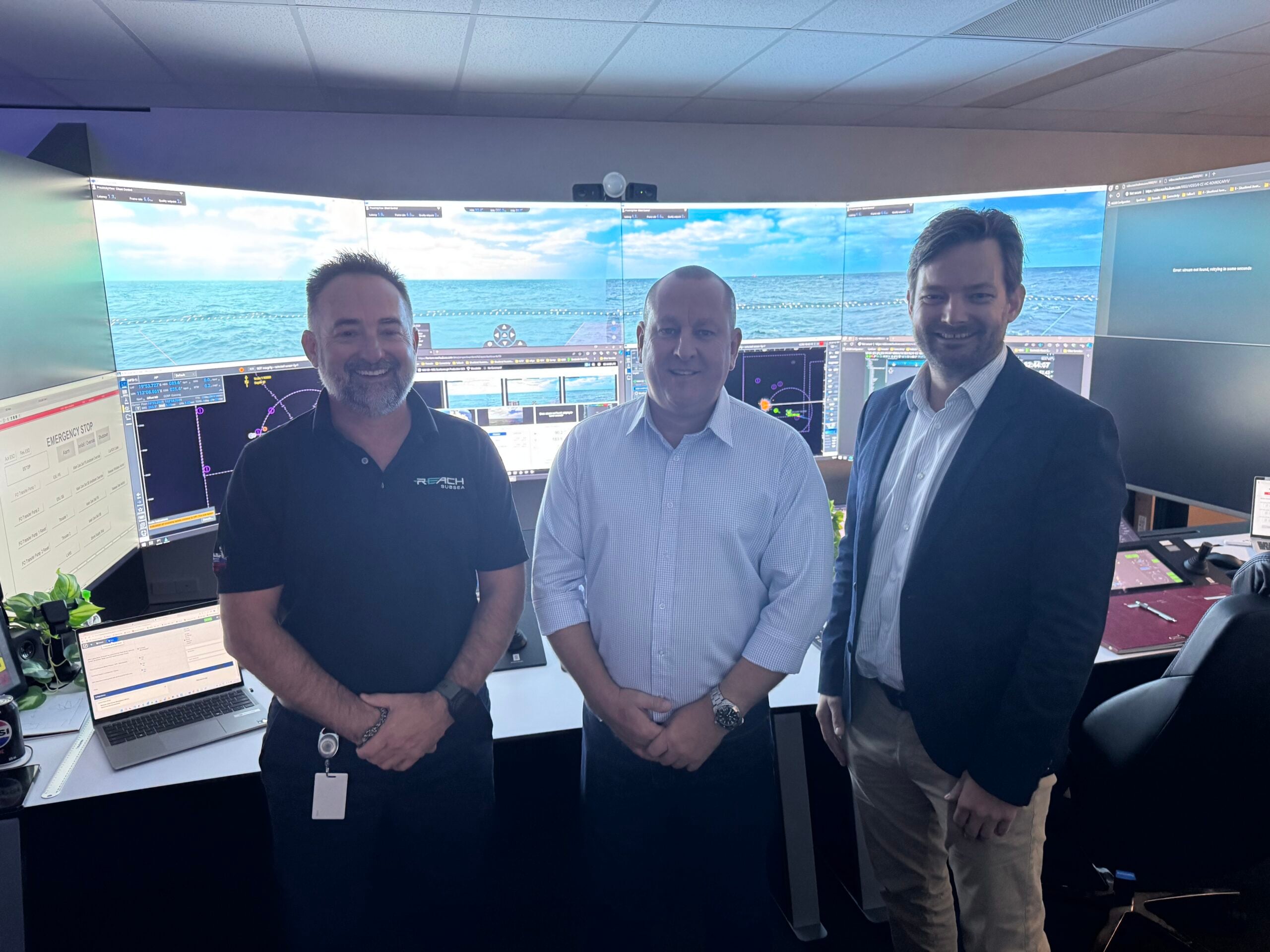
Reach Subsea and Beacon Offshore jointly pursuing subsea projects in Australia

In 60 seconds

Top move

Reach Subsea’s memorandum with Beacon Offshore immediately adds two DPII vessels with valid Australian safety cases, shortening mobilization lead times and making local vessel availability a live procurement variable for upcoming subsea tenders

Key takeaways

  • Reach Subsea’s memorandum with Beacon Offshore immediately adds two DPII vessels with valid Australian safety cases, shortening mobilization lead times and making local vessel availability a live procurement variable for upcoming subsea tenders.[4]
  • ExxonMobil’s Bass Strait decommissioning campaign has advanced into detailed execution prep with ABL contracted for marine warranty survey work and Allseas’ Pioneering Spirit lined up for heavy lifts, creating sustained demand for heavy‑lift, decommissioning support and recycling services in Australia.[3]
  • IMO’s new ammonia‑fuel safety guidelines reduce regulatory uncertainty for ammonia-capable vessels, meaning future charter specs and fuel‑supply clauses should be reviewed now to avoid rework later as ammonia-capable ships enter service.[2]
  • ABS has issued a statement of maturity for SBM Offshore’s deepwater seawater intake riser (SWIR) prototype, making the tech operationally eligible for inclusion in FPSO projects and creating a legitimate basis to revisit FPSO cooling, fuel‑use assumptions and related OPEX clauses in service agreements.[1]
  • Taken together the signals are practical (two APAC operational items) plus two cross‑cutting technology/regulatory changes; relevance to immediate awards is moderate but procurement should verify vessel slots, heavy‑lift windows and spec gaps in current RFQs.[4][3][2][1]

What changed since last run

  • Added two APAC‑specific operational developments not in prior run: Reach Subsea/Beacon MoA (local vessel capacity) and ABL’s role on ExxonMobil’s Bass Strait decom campaign.
  • Added technology/regulatory items (SBM SWIR maturity and IMO ammonia guidance) that create actionable spec and OPEX review items absent from the previous Otway/Amplitude-focused brief.

Key facts

  • Memorandum of agreement to collaborate exclusively in Australia
  • Access to two DPII vessels: GO Explorer and GO Supporter
  • Vessels equipped for subsea operations and hold valid Australian safety cases
  • MWS role supporting Bass Strait decom campaign
  • Offshore lifting campaign to remove up to 12 platforms using Allseas’ Pioneering Spirit
  • Campaign preparation well advanced and focused on heavy‑lift and marine assurance

Why it matters

Reach Subsea’s memorandum with Beacon Offshore immediately adds two DPII vessels with valid Australian safety cases, shortening mobilization lead times and making local vessel availability a live procurement variable for upcoming subsea tenders. ExxonMobil’s Bass Strait decommissioning campaign has advanced into detailed execution prep with ABL contracted for marine warranty survey work and Allseas’ Pioneering Spirit lined up for heavy lifts, creating sustained demand for heavy‑lift, decommissioning support and recycling services in Australia. IMO’s new ammonia‑fuel safety guidelines reduce regulatory uncertainty for ammonia-capable vessels, meaning future charter specs and fuel‑supply clauses should be reviewed now to avoid rework later as ammonia-capable ships enter service. ABS has issued a statement of maturity for SBM Offshore’s deepwater seawater intake riser (SWIR) prototype, making the tech operationally eligible for inclusion in FPSO projects and creating a legitimate basis to revisit FPSO cooling, fuel‑use assumptions and related OPEX clauses in service agreements

Cost / money

  • Immediate availability of two DPII vessels in Australia can reduce short‑term charter premiums for buyers who can secure slots, but it also concentrates vessel demand into visible windows that suppliers can monetise.[4]
  • Large decommissioning activity in Bass Strait will shift local pricing for heavy‑lift, marine warranty survey and recycling services as suppliers reallocate capacity toward extended decom campaigns.[3]
  • SBM’s SWIR validation gives buyers a defensible reason to adjust FPSO OPEX and fuel assumptions during contract renegotiations or new charters, with potential directional downwards pressure on fuel pass‑through lines.[1]

Supplier / commercial

  • Reach Subsea’s exclusive MoA with Beacon means a single commercial point with immediate vessel access; suppliers holding those vessel slots gain leverage on timing and conditional availability statements.[4]
  • ABL’s appointment and Allseas’ planned Pioneering Spirit lift windows make MWS and heavy‑lift vendors central to award sequencing for decom work, increasing the importance of slot reservation or conditional‑availability language in contracts.[3]
  • IMO guidance reduces commercial uncertainty for ammonia adoption, which will change owner/operator requirements and could shift charter negotiations toward fuel‑spec and liability allocation for alternative fuels.[2]

Safety / operations

  • IMO’s ammonia guidelines provide an operational safety baseline that helps reduce the implementation risk for ammonia‑capable ships and associated offshore fuelling ops, enabling safer pilot deployments where ammonia is proposed.[2]
  • SBM’s SWIR maturity signal is an operational enabler: validated intake risers can improve topside cooling margins and reduce thermal risk on FPSO process systems when implemented correctly.[1]
  • Large‑scale decommissioning in Bass Strait will require tight marine assurance, lifting plans and contractor competency verification during mobilization — MWS and suitability surveys are operational critical paths.[3]

What to watch

  • Watch for shortened quote validity or conditional availability language from vessel and heavy‑lift suppliers as market players respond to decom and local vessel demand (early‑signal: suppliers often shorten windows when slot demand clusters).[4][3]
  • Watch whether reach/Beacon deploy the vessels into commercial tenders quickly or retain slots for proprietary work; slot hoarding would reduce open market capacity despite the vessels’ presence (early‑signal).[4]
  • Watch operator decisions that reference SWIR or ammonia in upcoming FPSO or logistics procurements; early specification mentions may force scope and approval changes in current RFQs (early‑signal).[1][2]

Top stories

Story 1Offshore EnergyMay 26, 2026

Reach Subsea and Beacon Offshore jointly pursuing subsea projects in Australia

Signal strongSource-grounded

What happened

Reach Subsea and Beacon Offshore signed a memorandum of agreement to jointly market, tender for and execute subsea projects in Australia. The deal specifically gives Reach Subsea access to two DPII vessels (GO Explorer and GO Supporter) that are already equipped for subsea work and have valid Australian safety cases, meaning the vessels can be deployed into local tenders immediately. Watch whether the pair put those vessels into open market tenders or retain them for exclusives, which will affect available commercial capacity

Buyer takeaway

Treat new vessel access as a real, near‑term capacity change because validated safety cases mean those ships can bid and mobilise quickly

Cost / money

Directional: added local vessel capacity can lower short‑term charter premiums for buyers who secure slots, but consolidated control under an MoA gives the partners pricing leverage

Supplier / commercial

Suppliers with those vessel slots will be able to offer conditional availability statements and slot‑based pricing; expect shorter quote validity windows

Safety / operations

Because the vessels already have Australian safety cases, safety onboarding risk is reduced for immediate deployments, but buyer should still verify crew competency and local compliance

What to watch

Watch whether the vessels are made available into open tenders or reserved for the MoA pipeline; slot hoarding would negate the capacity increase for the wider market

Key facts

  • Memorandum of agreement to collaborate exclusively in Australia
  • Access to two DPII vessels: GO Explorer and GO Supporter
  • Vessels equipped for subsea operations and hold valid Australian safety cases

Source excerpts

Source: Reach Subsea Under a memorandum of agreement (MoA), the companies will collaborate exclusively to market, tender for, and execute subsea projects in Australia, combining Reach Subsea’s engineering and technology offering with vessel capabilities provided by Beacon Offshore
Source: Reach Subsea Under a memorandum of agreement (MoA), the companies will collaborate exclusively to market, tender for, and execute subsea projects in Australia, combining Reach Subsea’s engineering and technology offering with vessel capabilities provided by Beacon Offshore. According to Reach Subsea, a key element of the partnership is access to two DPII offshore vessels, GO Explorer and GO Supporter, enabling Reach Subsea to expand its operational footprint and service offering in the region
According to Reach Subsea, a key element of the partnership is access to two DPII offshore vessels, GO Explorer and GO Supporter, enabling Reach Subsea to expand its operational footprint and service offering in the region. The vessels can immediately be deployed in the market as they are already equipped for subsea operations and have valid Australian Safety Cases
Story 2Offshore EnergyMay 26, 2026

ABL finds work on ExxonMobil’s huge Australian offshore decom campaign

Signal strongSource-grounded

What happened

ABL has been appointed to support Esso Australia/ExxonMobil on a major Bass Strait decommissioning campaign as marine warranty surveyor. The programme includes preparations for removal of multiple platforms and large heavy‑lift activity using Allseas’ Pioneering Spirit, making MWS, suitability surveys and lift windows operationally critical; watch whether heavy‑lift scheduling and recycling capacity become regulators of award sequencing

Buyer takeaway

Treat Bass Strait decom as a sustained demand pool for heavy‑lift and MWS rather than a one‑off bid, because large removals and heavy‑lift scheduling tend to occupy market capacity for extended periods

Cost / money

Directional: heavy‑lift and MWS demand can push up day rates and mobilisation pass‑throughs for overlapping projects in the region

Supplier / commercial

Expect suppliers to require slot reservation fees, conditional pricing and stronger mobilisation pass‑throughs given the scale and schedule visibility of the campaign

Safety / operations

Decom work elevates lifting, marine assurance and environmental controls; MWS and suitability checks become gating activities for safe execution

What to watch

Watch for suppliers shortening quote validity and adding conditional clauses as they prioritise decom slots; capture commitments early to avoid scramble pricing

Key facts

  • MWS role supporting Bass Strait decom campaign
  • Offshore lifting campaign to remove up to 12 platforms using Allseas’ Pioneering Spirit
  • Campaign preparation well advanced and focused on heavy‑lift and marine assurance

Source excerpts

ABL’s operations in Australia were commissioned by Esso to provide marine warranty survey (MWS) services to assist in the safe and efficient delivery of the first phase of the decommissioning campaign
ABL’s operations in Australia were commissioned by Esso to provide marine warranty survey (MWS) services to assist in the safe and efficient delivery of the first phase of the decommissioning campaign. The company is getting ready for this assignment by conducting suitability surveys to validate the proposed marine spread, and technical review and approval of decommissioning documentation
” The Bass Strait assets comprise approximately 400 wells, six subsea facilities, more than 800 kilometers of subsea pipelines, and 19 platforms. Esso is planning to undertake the first Bass Strait decommissioning campaign after more than 50 years of delivering energy to Australia
Story 3Offshore EnergyMay 26, 2026

IMO approves new safety guidelines for ammonia-fueled ships

Signal strongSource-grounded

What happened

The IMO approved new safety guidelines for ammonia‑fueled ships, providing a practical framework for handling ammonia onboard and reducing regulatory uncertainty for early projects. The guidance draws on operational experience and is expected to accelerate safe adoption, so procurement teams should watch charter and newbuild spec changes where ammonia may be proposed

Buyer takeaway

Use the guidance as a basis to update fuel‑spec and fuel‑liability language in charters and logistics contracts because it lowers regulatory risk for ammonia adoption

Cost / money

Directional: clearer rules reduce contingency premiums for charters that specify ammonia capability, but fuel supply and bunkering terms will remain negotiation points

Supplier / commercial

Shipowners and designers can more confidently offer ammonia options; expect newbuild and retrofit proposals to include conditional pricing tied to regulatory and port acceptance

Safety / operations

The guidelines improve operational safety baseline for ammonia handling, but execution will still require operator training, emergency procedures and port acceptance checks

What to watch

Watch ports and flag administrations that lag in adopting the guidance; operational acceptance at ports will affect real‑world feasibility of ammonia logistics

Key facts

  • IMO Maritime Safety Committee approved ammonia fuel safety guidelines
  • Guidance was developed with Lloyd’s Register, FPS Mobility and EXMAR based on operational input
  • Aims to reduce uncertainty as ammonia‑capable vessels approach entry into service

Source excerpts

Home Clean Fuel IMO approves new safety guidelines for ammonia-fueled ships May 26, 2026, by The International Maritime Organization (IMO) has approved the new safety guidelines for the use of ammonia as fuel on gas carriers, providing a practical framework to manage the associated safety risks, particularly its toxicity and handling requirements. Exmar’s Antwerpen ammonia dual-fuel midsize gas carrier (MGC)
Home Clean Fuel IMO approves new safety guidelines for ammonia-fueled ships May 26, 2026, by The International Maritime Organization (IMO) has approved the new safety guidelines for the use of ammonia as fuel on gas carriers, providing a practical framework to manage the associated safety risks, particularly its toxicity and handling requirements
According to LR, the approval is expected to reduce uncertainty for shipowners and designers assessing ammonia as a future fuel, particularly as the first vessels designed to operate on ammonia approach entry into service
Story 4Offshore EnergyMay 26, 2026

ABS endorses SBM Offshore’s Shell-backed FPSO deepwater cooling tech

Signal strongSource-grounded

What happened

ABS has released a statement of maturity for SBM Offshore’s seawater intake riser (SWIR) after prototype validation, clearing the technology for inclusion in production units. The riser pulls colder seawater from depth to improve topside cooling and can reduce fuel gas consumption and emissions, so procurement should watch for operators specifying the tech or requesting OPEX adjustments tied to cooling efficiency

Buyer takeaway

Consider SWIR as a credible option when negotiating FPSO cooling scope and OPEX clauses because the classification society has validated the prototype

Cost / money

Directional: SWIR adoption provides a defensible argument to reduce fuel consumption assumptions in OPEX models, which can shift commercial terms in charters or service contracts

Supplier / commercial

Vendors supplying SWIR components and integration services may seek premium pricing during early adoption; buyers can use the maturity statement to require performance guarantees

Safety / operations

If correctly installed and commissioned, SWIR improves thermal margins and can reduce process upset risk, but it introduces new inspection and maintenance scopes

What to watch

Watch integration complexity and tender readiness; early adopters may face longer approval cycles or bespoke contractual acceptance tests

Key facts

  • ABS statement of maturity following prototype qualification
  • SWIR pumps colder seawater from around 700m to topsides for cooling
  • Prototype campaign included multi‑party testing involving ABS, Shell and Petrobras

Source excerpts

The SWIR technology is described as featuring an innovative technique to pump colder seawater from around 700 meters below the ocean’s surface up to an FPSO’s topsides to be used for cooling purposes. Leile Froufe, ABS’ Vice President, Engineering, emphasized: “Completing the prototype validation stage is a testament to the strength of our collaborative relationship with SBM Offshore and our collective dedication to engineering excellence and safety
The SWIR technology is described as featuring an innovative technique to pump colder seawater from around 700 meters below the ocean’s surface up to an FPSO’s topsides to be used for cooling purposes
” This seawater intake riser technology can use cold seawater for onboard process cooling and power generation, depending on process conditions and site characteristics, improving energy efficiency and reducing fuel gas consumption and greenhouse gas (GHG) emissions in offshore oil and gas production

VP Snapshot

Executive Risk & Action View

Reach Subsea’s memorandum with Beacon Offshore immediately adds two DPII vessels with valid Australian safety cases, shortening mobilization lead times and making local vessel availability a live procurement variable for upcoming subsea tenders.

Overall
46
Cost
79
Supply
97
Schedule
38
Compliance
15

Top signals

0-30dcost

Signal 1: Cost / money

Immediate availability of two DPII vessels in Australia can reduce short‑term charter premiums for buyers who can secure slots, but it also concentrates vessel demand into visible windows that suppliers can monetise.

30-180dcost

Signal 2: Cost / money

Large decommissioning activity in Bass Strait will shift local pricing for heavy‑lift, marine warranty survey and recycling services as suppliers reallocate capacity toward extended decom campaigns.

Signal 3: Cost / money

SBM’s SWIR validation gives buyers a defensible reason to adjust FPSO OPEX and fuel assumptions during contract renegotiations or new charters, with potential directional downwards pressure on fuel pass‑through lines.

0-30dsupply

Signal 4: Supplier / commercial

Reach Subsea’s exclusive MoA with Beacon means a single commercial point with immediate vessel access; suppliers holding those vessel slots gain leverage on timing and conditional availability statements.

Signal 5: Supplier / commercial

ABL’s appointment and Allseas’ planned Pioneering Spirit lift windows make MWS and heavy‑lift vendors central to award sequencing for decom work, increasing the importance of slot reservation or conditional‑availability language in contracts.

30-180dcommercial

Signal 6: Supplier / commercial

IMO guidance reduces commercial uncertainty for ammonia adoption, which will change owner/operator requirements and could shift charter negotiations toward fuel‑spec and liability allocation for alternative fuels.

Recommended actions

CategoryDue 3d

Update vessel and heavy‑lift availability register to include GO Explorer, GO Supporter and confirmed Allseas Pioneering Spirit windows.

Supplier‑vessel availability matrix and named owners for slot follow‑up in sourcing decisions

ContractsDue 3d

Direct Contracts to scan active RFQs for missing clauses on alternative‑fuel readiness and new cooling tech acceptance (SWIR) to flag necessary spec updates.

Inventory of RFQs with gaps against ammonia and SWIR acceptance criteria

ContractsDue 21d

Issue conditional‑availability and slot‑reservation requests to Reach Subsea/Beacon, Allseas representatives and priority MWS vendors to capture provisional commitments and cond...

Returned supplier statements mapping provisional slot windows and conditional pricing triggers to inform award sequencing

OpsDue 21d

Run a spec‑review with Ops and Technical to identify where SWIR or ammonia considerations change scope, safety cases, or OPEX pass‑throughs in active and planned FPSO and logist...

List of contracts/RFQs requiring SWIR/ammonia clauses and recommended language for technical and OPEX treatment

CategoryDue 60d

Align APAC decom sourcing strategy to include long‑lead reservations for heavy‑lift and MWS providers and embed mobilisation pass‑through caps and slot remedies into template co...

Procurement plan that sequences tenders against heavy‑lift availability with updated contract templates containing slot reservation and pass‑through caps

ContractsDue 60d

Update FPSO service and charter tender templates to include SWIR acceptance criteria, fuel efficiency KPIs and optionality for alternative cooling tech adoption.

Revised tender templates with SWIR technical acceptance and related OPEX/KPI clauses ready for next FPSO/RFQ cycle

Risk register

RiskTriggerMitigation
Watch for shortened quote validity or conditional availability language from vessel and heavy‑lift suppliers as market players respond to decom and local vessel demand (early‑signal: suppliers often shorten windows when slot demand clusters).Watch for shortened quote validity or conditional availability language from vessel and heavy‑lift suppliers as market players respond to decom and local vessel demand (early‑signal: suppliers often shorten windows when slot demand clusters).Confirm exposure with category, contracts, and operations before the next supplier commitment.
Watch whether reach/Beacon deploy the vessels into commercial tenders quickly or retain slots for proprietary work; slot hoarding would reduce open market capacity despite the vessels’ presence (early‑signal).Watch whether reach/Beacon deploy the vessels into commercial tenders quickly or retain slots for proprietary work; slot hoarding would reduce open market capacity despite the vessels’ presence (early‑signal).Confirm exposure with category, contracts, and operations before the next supplier commitment.
Watch operator decisions that reference SWIR or ammonia in upcoming FPSO or logistics procurements; early specification mentions may force scope and approval changes in current RFQs (early‑signal).Watch operator decisions that reference SWIR or ammonia in upcoming FPSO or logistics procurements; early specification mentions may force scope and approval changes in current RFQs (early‑signal).Confirm exposure with category, contracts, and operations before the next supplier commitment.

CM Snapshot

Category Manager Decision Detail

Today's priorities

Update vessel and heavy‑lift availability register to include GO Explorer, GO Supporter and confirmed Allseas Pioneering Spirit windows.

because Reach Subsea’s MoA makes two DPII vessels immediately market‑deployable and Allseas’ heavy‑lift plan anchors decom timing, and knowing slots avoids last‑minute mobilisat...

Due 3d

high

CM move

Use this as the immediate supplier or contract action to move before the next sourcing gate.

Direct Contracts to scan active RFQs for missing clauses on alternative‑fuel readiness and new cooling tech acceptance (SWIR) to flag necessary spec updates.

because IMO’s ammonia guidance and ABS’s SWIR maturity create new safety and technical acceptance criteria that should be reflected in contract specs to avoid rework at award.

Due 3d

high

CM move

Use this as the immediate supplier or contract action to move before the next sourcing gate.

Issue conditional‑availability and slot‑reservation requests to Reach Subsea/Beacon, Allseas representatives and priority MWS vendors to capture provisional commitments and cond...

because the MoA and planned Bass Strait decom program concentrate vessel and heavy‑lift demand and suppliers are likely to provide conditional availability that should be captur...

Due 21d

high

CM move

Use this as the immediate supplier or contract action to move before the next sourcing gate.

Run a spec‑review with Ops and Technical to identify where SWIR or ammonia considerations change scope, safety cases, or OPEX pass‑throughs in active and planned FPSO and logist...

because ABS’s SWIR statement of maturity and IMO’s ammonia guidelines change technical acceptance and safety baselines that affect scope and O&M cost assumptions.

Due 21d

high

CM move

Use this as the immediate supplier or contract action to move before the next sourcing gate.

Supplier radar

Offshore Energy

high

Observed supplier signal

Reach Subsea’s exclusive MoA with Beacon means a single commercial point with immediate vessel access; suppliers holding those vessel slots gain leverage on timing and conditional availability statements.

Commercial implication

Reach Subsea’s exclusive MoA with Beacon means a single commercial point with immediate vessel access; suppliers holding those vessel slots gain leverage on timing and conditional availability statements.

Next step: Validate the source-backed signal with incumbents and alternates before the next award or pricing decision.

Offshore Energy

high

Observed supplier signal

ABL’s appointment and Allseas’ planned Pioneering Spirit lift windows make MWS and heavy‑lift vendors central to award sequencing for decom work, increasing the importance of slot reservation or conditional‑availability language in contracts.

Commercial implication

ABL’s appointment and Allseas’ planned Pioneering Spirit lift windows make MWS and heavy‑lift vendors central to award sequencing for decom work, increasing the importance of slot reservation or conditional‑availability language in contracts.

Next step: Validate the source-backed signal with incumbents and alternates before the next award or pricing decision.

Offshore Energy

high

Observed supplier signal

IMO guidance reduces commercial uncertainty for ammonia adoption, which will change owner/operator requirements and could shift charter negotiations toward fuel‑spec and liability allocation for alternative fuels.

Commercial implication

IMO guidance reduces commercial uncertainty for ammonia adoption, which will change owner/operator requirements and could shift charter negotiations toward fuel‑spec and liability allocation for alternative fuels.

Next step: Validate the source-backed signal with incumbents and alternates before the next award or pricing decision.

Negotiation levers

Update vessel and heavy‑lift availability register to include GO Explorer, GO Supporter and confirmed Allseas Pioneering Spirit windows.

When to use: because Reach Subsea’s MoA makes two DPII vessels immediately market‑deployable and Allseas’ heavy‑lift plan anchors decom timing, and knowing slots avoids last‑minute mobilisat...

Expected outcome: Supplier‑vessel availability matrix and named owners for slot follow‑up in sourcing decisions

Commercial mechanism to carry into the next supplier conversation

Direct Contracts to scan active RFQs for missing clauses on alternative‑fuel readiness and new cooling tech acceptance (SWIR) to flag necessary spec updates.

When to use: because IMO’s ammonia guidance and ABS’s SWIR maturity create new safety and technical acceptance criteria that should be reflected in contract specs to avoid rework at award.

Expected outcome: Inventory of RFQs with gaps against ammonia and SWIR acceptance criteria

Commercial mechanism to carry into the next supplier conversation

Issue conditional‑availability and slot‑reservation requests to Reach Subsea/Beacon, Allseas representatives and priority MWS vendors to capture provisional commitments and cond...

When to use: because the MoA and planned Bass Strait decom program concentrate vessel and heavy‑lift demand and suppliers are likely to provide conditional availability that should be captur...

Expected outcome: Returned supplier statements mapping provisional slot windows and conditional pricing triggers to inform award sequencing

Commercial mechanism to carry into the next supplier conversation

Run a spec‑review with Ops and Technical to identify where SWIR or ammonia considerations change scope, safety cases, or OPEX pass‑throughs in active and planned FPSO and logist...

When to use: because ABS’s SWIR statement of maturity and IMO’s ammonia guidelines change technical acceptance and safety baselines that affect scope and O&M cost assumptions.

Expected outcome: List of contracts/RFQs requiring SWIR/ammonia clauses and recommended language for technical and OPEX treatment

Commercial mechanism to carry into the next supplier conversation

Talking points

Reach Subsea’s memorandum with Beacon Offshore immediately adds two DPII vessels with valid Australian safety cases, shortening mobilization lead times and making local vessel availability a live procurement variable for upcoming subsea tenders.
ExxonMobil’s Bass Strait decommissioning campaign has advanced into detailed execution prep with ABL contracted for marine warranty survey work and Allseas’ Pioneering Spirit lined up for heavy lifts, creating sustained demand for heavy‑lift, decommissioning support and recycling services in Australia.
IMO’s new ammonia‑fuel safety guidelines reduce regulatory uncertainty for ammonia-capable vessels, meaning future charter specs and fuel‑supply clauses should be reviewed now to avoid rework later as ammonia-capable ships enter service.
ABS has issued a statement of maturity for SBM Offshore’s deepwater seawater intake riser (SWIR) prototype, making the tech operationally eligible for inclusion in FPSO projects and creating a legitimate basis to revisit FPSO cooling, fuel‑use assumptions and related OPEX clauses in service agreements.

Supplier radar

SupplierSignalImplicationNext stepConfidence
Offshore EnergyReach Subsea’s exclusive MoA with Beacon means a single commercial point with immediate vessel access; suppliers holding those vessel slots gain leverage on timing and conditional availability statements.Reach Subsea’s exclusive MoA with Beacon means a single commercial point with immediate vessel access; suppliers holding those vessel slots gain leverage on timing and conditional availability statements.Validate the source-backed signal with incumbents and alternates before the next award or pricing decision.high
Offshore EnergyABL’s appointment and Allseas’ planned Pioneering Spirit lift windows make MWS and heavy‑lift vendors central to award sequencing for decom work, increasing the importance of slot reservation or conditional‑availability language in contracts.ABL’s appointment and Allseas’ planned Pioneering Spirit lift windows make MWS and heavy‑lift vendors central to award sequencing for decom work, increasing the importance of slot reservation or conditional‑availability language in contracts.Validate the source-backed signal with incumbents and alternates before the next award or pricing decision.high
Offshore EnergyIMO guidance reduces commercial uncertainty for ammonia adoption, which will change owner/operator requirements and could shift charter negotiations toward fuel‑spec and liability allocation for alternative fuels.IMO guidance reduces commercial uncertainty for ammonia adoption, which will change owner/operator requirements and could shift charter negotiations toward fuel‑spec and liability allocation for alternative fuels.Validate the source-backed signal with incumbents and alternates before the next award or pricing decision.high

Negotiation levers

  • Update vessel and heavy‑lift availability register to include GO Explorer, GO Supporter and confirmed Allseas Pioneering Spirit windows.because Reach Subsea’s MoA makes two DPII vessels immediately market‑deployable and Allseas’ heavy‑lift plan anchors decom timing, and knowing slots avoids last‑minute mobilisat...Supplier‑vessel availability matrix and named owners for slot follow‑up in sourcing decisions

    high confidence

  • Direct Contracts to scan active RFQs for missing clauses on alternative‑fuel readiness and new cooling tech acceptance (SWIR) to flag necessary spec updates.because IMO’s ammonia guidance and ABS’s SWIR maturity create new safety and technical acceptance criteria that should be reflected in contract specs to avoid rework at award.Inventory of RFQs with gaps against ammonia and SWIR acceptance criteria

    high confidence

  • Issue conditional‑availability and slot‑reservation requests to Reach Subsea/Beacon, Allseas representatives and priority MWS vendors to capture provisional commitments and cond...because the MoA and planned Bass Strait decom program concentrate vessel and heavy‑lift demand and suppliers are likely to provide conditional availability that should be captur...Returned supplier statements mapping provisional slot windows and conditional pricing triggers to inform award sequencing

    high confidence

  • Run a spec‑review with Ops and Technical to identify where SWIR or ammonia considerations change scope, safety cases, or OPEX pass‑throughs in active and planned FPSO and logist...because ABS’s SWIR statement of maturity and IMO’s ammonia guidelines change technical acceptance and safety baselines that affect scope and O&M cost assumptions.List of contracts/RFQs requiring SWIR/ammonia clauses and recommended language for technical and OPEX treatment

    high confidence

What to do / What to watch

What to do now

  • Update vessel and heavy‑lift availability register to include GO Explorer, GO Supporter and confirmed Allseas Pioneering Spirit windows.

    Why: because Reach Subsea’s MoA makes two DPII vessels immediately market‑deployable and Allseas’ heavy‑lift plan anchors decom timing, and knowing slots avoids last‑minute mobilisat...

    Owner: Category

    Expected outcome: Supplier‑vessel availability matrix and named owners for slot follow‑up in sourcing decisions

    [4][3]
  • Direct Contracts to scan active RFQs for missing clauses on alternative‑fuel readiness and new cooling tech acceptance (SWIR) to flag necessary spec updates.

    Why: because IMO’s ammonia guidance and ABS’s SWIR maturity create new safety and technical acceptance criteria that should be reflected in contract specs to avoid rework at award.

    Owner: Contracts

    Expected outcome: Inventory of RFQs with gaps against ammonia and SWIR acceptance criteria

    [2][1]

Next few weeks

  • Issue conditional‑availability and slot‑reservation requests to Reach Subsea/Beacon, Allseas representatives and priority MWS vendors to capture provisional commitments and cond...

    Why: because the MoA and planned Bass Strait decom program concentrate vessel and heavy‑lift demand and suppliers are likely to provide conditional availability that should be captur...

    Owner: Contracts

    Expected outcome: Returned supplier statements mapping provisional slot windows and conditional pricing triggers to inform award sequencing

    [4][3]
  • Run a spec‑review with Ops and Technical to identify where SWIR or ammonia considerations change scope, safety cases, or OPEX pass‑throughs in active and planned FPSO and logist...

    Why: because ABS’s SWIR statement of maturity and IMO’s ammonia guidelines change technical acceptance and safety baselines that affect scope and O&M cost assumptions.

    Owner: Ops

    Expected outcome: List of contracts/RFQs requiring SWIR/ammonia clauses and recommended language for technical and OPEX treatment

    [1][2]

Longer view

  • Align APAC decom sourcing strategy to include long‑lead reservations for heavy‑lift and MWS providers and embed mobilisation pass‑through caps and slot remedies into template co...

    Why: because ExxonMobil’s Bass Strait decom program and related heavy‑lift schedules create sustained local demand that can raise mobilisation premiums unless mitigation clauses and...

    Owner: Category

    Expected outcome: Procurement plan that sequences tenders against heavy‑lift availability with updated contract templates containing slot reservation and pass‑through caps

    [3]
  • Update FPSO service and charter tender templates to include SWIR acceptance criteria, fuel efficiency KPIs and optionality for alternative cooling tech adoption.

    Why: because the SWIR prototype maturity provides a validated technical option that should be considered in new FPSO procurements to capture potential OPEX and emissions benefits.

    Owner: Contracts

    Expected outcome: Revised tender templates with SWIR technical acceptance and related OPEX/KPI clauses ready for next FPSO/RFQ cycle

    [1]

What to watch

  • Watch for shortened quote validity or conditional availability language from vessel and heavy‑lift suppliers as market players respond to decom and local vessel demand (early‑signal: suppliers often shorten windows when slot demand clusters)
  • Watch whether reach/Beacon deploy the vessels into commercial tenders quickly or retain slots for proprietary work; slot hoarding would reduce open market capacity despite the vessels’ presence (early‑signal)
  • Watch operator decisions that reference SWIR or ammonia in upcoming FPSO or logistics procurements; early specification mentions may force scope and approval changes in current RFQs (early‑signal)
  • Watch for shortened quote validity or conditional availability language from vessel and heavy‑lift suppliers as market players respond to decom and local vessel demand (early‑signal: suppliers often shorten windows when slot demand clusters).: Watch for shortened quote validity or conditional availability language from vessel and heavy‑lift suppliers as market players respond to decom and local vessel demand (early‑signal: suppliers often shorten windows when slot demand clusters)
  • Watch whether reach/Beacon deploy the vessels into commercial tenders quickly or retain slots for proprietary work; slot hoarding would reduce open market capacity despite the vessels’ presence (early‑signal).: Watch whether reach/Beacon deploy the vessels into commercial tenders quickly or retain slots for proprietary work; slot hoarding would reduce open market capacity despite the vessels’ presence (early‑signal)
  • Watch operator decisions that reference SWIR or ammonia in upcoming FPSO or logistics procurements; early specification mentions may force scope and approval changes in current RFQs (early‑signal).: Watch operator decisions that reference SWIR or ammonia in upcoming FPSO or logistics procurements; early specification mentions may force scope and approval changes in current RFQs (early‑signal)
  • Reach Subsea’s memorandum with Beacon Offshore immediately adds two DPII vessels with valid Australian safety cases, shortening mobilization lead times and making local vessel availability a live procurement variable for upcoming subsea tenders
  • ExxonMobil’s Bass Strait decommissioning campaign has advanced into detailed execution prep with ABL contracted for marine warranty survey work and Allseas’ Pioneering Spirit lined up for heavy lifts, creating sustained demand for heavy‑lift, decommissioning support and recycling services in Australia

Market pulse

IndexLatestChangeAs of
WTI Crude (WTI)71.23 /bbl+0.00 (+0.00%)May 26, 2026, 10:09 PM
Brent Crude (BRENT)74.89 /bbl+0.00 (+0.00%)May 26, 2026, 10:09 PM
Natural Gas (NG)3.12 /MMBtu+0.00 (+0.00%)May 26, 2026, 10:09 PM
Dry Bulk Shipping (BDRY) (BDRY)0 +0.00 (+0.00%)May 26, 2026, 10:09 PM
WTI (Fuel) (WTI)71.23 /bbl+0.00 (+0.00%)May 26, 2026, 10:09 PM
TechnipFMC (FTI)22 +0.00 (+0.00%)May 26, 2026, 10:09 PM
  • Dry Bulk Shipping (BDRY): Dry bulk shipping tightness affects project lift and seabed‑transport costs — monitor for charter rate movement during decom windows
  • TechnipFMC: TechnipFMC index proxy for SURF equipment and activity — use as a directional signal when assessing vendor capacity and equipment lead times

Sources

Inline citations jump here. Expand a source to read the excerpt, the AI interpretation, and the original link.

[1] ABS endorses SBM Offshore’s Shell-backed FPSO deepwater cooling tech

offshore-energy.biz · May 26, 2026

Expand

AI reading

ABS has released a statement of maturity for SBM Offshore’s seawater intake riser (SWIR) after prototype validation, clearing the technology for inclusion in production units. The riser pulls colder seawater from depth to improve topside cooling and can reduce fuel gas consumption and emissions, so procurement should watch for operators specifying the tech or requesting OPEX adjustments tied to cooling efficiency

Buyer takeaway

Consider SWIR as a credible option when negotiating FPSO cooling scope and OPEX clauses because the classification society has validated the prototype

Cost / money

Directional: SWIR adoption provides a defensible argument to reduce fuel consumption assumptions in OPEX models, which can shift commercial terms in charters or service contracts

Supplier / commercial

Vendors supplying SWIR components and integration services may seek premium pricing during early adoption; buyers can use the maturity statement to require performance guarantees

Safety / operations

If correctly installed and commissioned, SWIR improves thermal margins and can reduce process upset risk, but it introduces new inspection and maintenance scopes

What to watch

Watch integration complexity and tender readiness; early adopters may face longer approval cycles or bespoke contractual acceptance tests

Key facts

  • ABS statement of maturity following prototype qualification
  • SWIR pumps colder seawater from around 700m to topsides for cooling
  • Prototype campaign included multi‑party testing involving ABS, Shell and Petrobras

Source excerpts

The SWIR technology is described as featuring an innovative technique to pump colder seawater from around 700 meters below the ocean’s surface up to an FPSO’s topsides to be used for cooling purposes. Leile Froufe, ABS’ Vice President, Engineering, emphasized: “Completing the prototype validation stage is a testament to the strength of our collaborative relationship with SBM Offshore and our collective dedication to engineering excellence and safety
The SWIR technology is described as featuring an innovative technique to pump colder seawater from around 700 meters below the ocean’s surface up to an FPSO’s topsides to be used for cooling purposes
” This seawater intake riser technology can use cold seawater for onboard process cooling and power generation, depending on process conditions and site characteristics, improving energy efficiency and reducing fuel gas consumption and greenhouse gas (GHG) emissions in offshore oil and gas production

Used in this brief

  • Next 2-4 weeks — Run a spec‑review with Ops and Technical to identify where SWIR or ammonia considerations change scope, safety cases, or OPEX pass‑throughs in active and planned FPSO and logist.... Rationale: because ABS’s SWIR statement of maturity and IMO’s ammonia guidelines change technical acceptance and safety baselines that affect scope and O&M cost assumptions.. Owner: Ops. KPI: List of contracts/RFQs requiring SWIR/ammonia clauses and recommended language for technical and OPEX treatment
  • Next quarter — Update FPSO service and charter tender templates to include SWIR acceptance criteria, fuel efficiency KPIs and optionality for alternative cooling tech adoption.. Rationale: because the SWIR prototype maturity provides a validated technical option that should be considered in new FPSO procurements to capture potential OPEX and emissions benefits.. Owner: Contracts. KPI: Revised tender templates with SWIR technical acceptance and related OPEX/KPI clauses ready for next FPSO/RFQ cycle
  • Watch operator decisions that reference SWIR or ammonia in upcoming FPSO or logistics procurements; early specification mentions may force scope and approval changes in current RFQs (early‑signal)
Open original source

[2] IMO approves new safety guidelines for ammonia-fueled ships

offshore-energy.biz · May 26, 2026

Expand

AI reading

The IMO approved new safety guidelines for ammonia‑fueled ships, providing a practical framework for handling ammonia onboard and reducing regulatory uncertainty for early projects. The guidance draws on operational experience and is expected to accelerate safe adoption, so procurement teams should watch charter and newbuild spec changes where ammonia may be proposed

Buyer takeaway

Use the guidance as a basis to update fuel‑spec and fuel‑liability language in charters and logistics contracts because it lowers regulatory risk for ammonia adoption

Cost / money

Directional: clearer rules reduce contingency premiums for charters that specify ammonia capability, but fuel supply and bunkering terms will remain negotiation points

Supplier / commercial

Shipowners and designers can more confidently offer ammonia options; expect newbuild and retrofit proposals to include conditional pricing tied to regulatory and port acceptance

Safety / operations

The guidelines improve operational safety baseline for ammonia handling, but execution will still require operator training, emergency procedures and port acceptance checks

What to watch

Watch ports and flag administrations that lag in adopting the guidance; operational acceptance at ports will affect real‑world feasibility of ammonia logistics

Key facts

  • IMO Maritime Safety Committee approved ammonia fuel safety guidelines
  • Guidance was developed with Lloyd’s Register, FPS Mobility and EXMAR based on operational input
  • Aims to reduce uncertainty as ammonia‑capable vessels approach entry into service

Source excerpts

Home Clean Fuel IMO approves new safety guidelines for ammonia-fueled ships May 26, 2026, by The International Maritime Organization (IMO) has approved the new safety guidelines for the use of ammonia as fuel on gas carriers, providing a practical framework to manage the associated safety risks, particularly its toxicity and handling requirements. Exmar’s Antwerpen ammonia dual-fuel midsize gas carrier (MGC)
Home Clean Fuel IMO approves new safety guidelines for ammonia-fueled ships May 26, 2026, by The International Maritime Organization (IMO) has approved the new safety guidelines for the use of ammonia as fuel on gas carriers, providing a practical framework to manage the associated safety risks, particularly its toxicity and handling requirements
According to LR, the approval is expected to reduce uncertainty for shipowners and designers assessing ammonia as a future fuel, particularly as the first vessels designed to operate on ammonia approach entry into service

Used in this brief

  • Reach Subsea’s memorandum with Beacon Offshore immediately adds two DPII vessels with valid Australian safety cases, shortening mobilization lead times and making local vessel availability a live procurement variable for upcoming subsea tenders. ExxonMobil’s Bass Strait decommissioning campaign has advanced into detailed execution prep with ABL contracted for marine warranty survey work and Allseas’ Pioneering Spirit lined up for heavy lifts, creating sustained demand for heavy‑lift, decommissioning support and recycling services in Australia. IMO’s new ammonia‑fuel safety guidelines reduce regulatory uncertainty for ammonia-capable vessels, meaning future charter specs and fuel‑supply clauses should be reviewed now to avoid rework later as ammonia-capable ships enter service. ABS has issued a statement of maturity for SBM Offshore’s deepwater seawater intake riser (SWIR) prototype, making the tech operationally eligible for inclusion in FPSO projects and creating a legitimate basis to revisit FPSO cooling, fuel‑use assumptions and related OPEX clauses in service agreements
  • Supplier / commercial: IMO guidance reduces commercial uncertainty for ammonia adoption, which will change owner/operator requirements and could shift charter negotiations toward fuel‑spec and liability allocation for alternative fuels
  • Safety / operations: IMO’s ammonia guidelines provide an operational safety baseline that helps reduce the implementation risk for ammonia‑capable ships and associated offshore fuelling ops, enabling safer pilot deployments where ammonia is proposed
Open original source

[3] ABL finds work on ExxonMobil’s huge Australian offshore decom campaign

offshore-energy.biz · May 26, 2026

Expand

AI reading

ABL has been appointed to support Esso Australia/ExxonMobil on a major Bass Strait decommissioning campaign as marine warranty surveyor. The programme includes preparations for removal of multiple platforms and large heavy‑lift activity using Allseas’ Pioneering Spirit, making MWS, suitability surveys and lift windows operationally critical; watch whether heavy‑lift scheduling and recycling capacity become regulators of award sequencing

Buyer takeaway

Treat Bass Strait decom as a sustained demand pool for heavy‑lift and MWS rather than a one‑off bid, because large removals and heavy‑lift scheduling tend to occupy market capacity for extended periods

Cost / money

Directional: heavy‑lift and MWS demand can push up day rates and mobilisation pass‑throughs for overlapping projects in the region

Supplier / commercial

Expect suppliers to require slot reservation fees, conditional pricing and stronger mobilisation pass‑throughs given the scale and schedule visibility of the campaign

Safety / operations

Decom work elevates lifting, marine assurance and environmental controls; MWS and suitability checks become gating activities for safe execution

What to watch

Watch for suppliers shortening quote validity and adding conditional clauses as they prioritise decom slots; capture commitments early to avoid scramble pricing

Key facts

  • MWS role supporting Bass Strait decom campaign
  • Offshore lifting campaign to remove up to 12 platforms using Allseas’ Pioneering Spirit
  • Campaign preparation well advanced and focused on heavy‑lift and marine assurance

Source excerpts

ABL’s operations in Australia were commissioned by Esso to provide marine warranty survey (MWS) services to assist in the safe and efficient delivery of the first phase of the decommissioning campaign
ABL’s operations in Australia were commissioned by Esso to provide marine warranty survey (MWS) services to assist in the safe and efficient delivery of the first phase of the decommissioning campaign. The company is getting ready for this assignment by conducting suitability surveys to validate the proposed marine spread, and technical review and approval of decommissioning documentation
” The Bass Strait assets comprise approximately 400 wells, six subsea facilities, more than 800 kilometers of subsea pipelines, and 19 platforms. Esso is planning to undertake the first Bass Strait decommissioning campaign after more than 50 years of delivering energy to Australia

Used in this brief

  • Cost / money: Large decommissioning activity in Bass Strait will shift local pricing for heavy‑lift, marine warranty survey and recycling services as suppliers reallocate capacity toward extended decom campaigns
  • Safety / operations: Large‑scale decommissioning in Bass Strait will require tight marine assurance, lifting plans and contractor competency verification during mobilization — MWS and suitability surveys are operational critical paths
  • Next quarter — Align APAC decom sourcing strategy to include long‑lead reservations for heavy‑lift and MWS providers and embed mobilisation pass‑through caps and slot remedies into template co.... Rationale: because ExxonMobil’s Bass Strait decom program and related heavy‑lift schedules create sustained local demand that can raise mobilisation premiums unless mitigation clauses and.... Owner: Category. KPI: Procurement plan that sequences tenders against heavy‑lift availability with updated contract templates containing slot reservation and pass‑through caps
Open original source

[4] Reach Subsea and Beacon Offshore jointly pursuing subsea projects in Australia

offshore-energy.biz · May 26, 2026

Expand

AI reading

Reach Subsea and Beacon Offshore signed a memorandum of agreement to jointly market, tender for and execute subsea projects in Australia. The deal specifically gives Reach Subsea access to two DPII vessels (GO Explorer and GO Supporter) that are already equipped for subsea work and have valid Australian safety cases, meaning the vessels can be deployed into local tenders immediately. Watch whether the pair put those vessels into open market tenders or retain them for exclusives, which will affect available commercial capacity

Buyer takeaway

Treat new vessel access as a real, near‑term capacity change because validated safety cases mean those ships can bid and mobilise quickly

Cost / money

Directional: added local vessel capacity can lower short‑term charter premiums for buyers who secure slots, but consolidated control under an MoA gives the partners pricing leverage

Supplier / commercial

Suppliers with those vessel slots will be able to offer conditional availability statements and slot‑based pricing; expect shorter quote validity windows

Safety / operations

Because the vessels already have Australian safety cases, safety onboarding risk is reduced for immediate deployments, but buyer should still verify crew competency and local compliance

What to watch

Watch whether the vessels are made available into open tenders or reserved for the MoA pipeline; slot hoarding would negate the capacity increase for the wider market

Key facts

  • Memorandum of agreement to collaborate exclusively in Australia
  • Access to two DPII vessels: GO Explorer and GO Supporter
  • Vessels equipped for subsea operations and hold valid Australian safety cases

Source excerpts

Source: Reach Subsea Under a memorandum of agreement (MoA), the companies will collaborate exclusively to market, tender for, and execute subsea projects in Australia, combining Reach Subsea’s engineering and technology offering with vessel capabilities provided by Beacon Offshore
Source: Reach Subsea Under a memorandum of agreement (MoA), the companies will collaborate exclusively to market, tender for, and execute subsea projects in Australia, combining Reach Subsea’s engineering and technology offering with vessel capabilities provided by Beacon Offshore. According to Reach Subsea, a key element of the partnership is access to two DPII offshore vessels, GO Explorer and GO Supporter, enabling Reach Subsea to expand its operational footprint and service offering in the region
According to Reach Subsea, a key element of the partnership is access to two DPII offshore vessels, GO Explorer and GO Supporter, enabling Reach Subsea to expand its operational footprint and service offering in the region. The vessels can immediately be deployed in the market as they are already equipped for subsea operations and have valid Australian Safety Cases

Used in this brief

  • Supplier / commercial: Reach Subsea’s exclusive MoA with Beacon means a single commercial point with immediate vessel access; suppliers holding those vessel slots gain leverage on timing and conditional availability statements
  • Next 72 hours — Update vessel and heavy‑lift availability register to include GO Explorer, GO Supporter and confirmed Allseas Pioneering Spirit windows.. Rationale: because Reach Subsea’s MoA makes two DPII vessels immediately market‑deployable and Allseas’ heavy‑lift plan anchors decom timing, and knowing slots avoids last‑minute mobilisat.... Owner: Category. KPI: Supplier‑vessel availability matrix and named owners for slot follow‑up in sourcing decisions
  • Next 2-4 weeks — Issue conditional‑availability and slot‑reservation requests to Reach Subsea/Beacon, Allseas representatives and priority MWS vendors to capture provisional commitments and cond.... Rationale: because the MoA and planned Bass Strait decom program concentrate vessel and heavy‑lift demand and suppliers are likely to provide conditional availability that should be captur.... Owner: Contracts. KPI: Returned supplier statements mapping provisional slot windows and conditional pricing triggers to inform award sequencing
Open original source

[5] Dry Bulk Shipping (BDRY)

finance.yahoo.com · n.d.

Expand

[6] TechnipFMC

finance.yahoo.com · n.d.

Expand