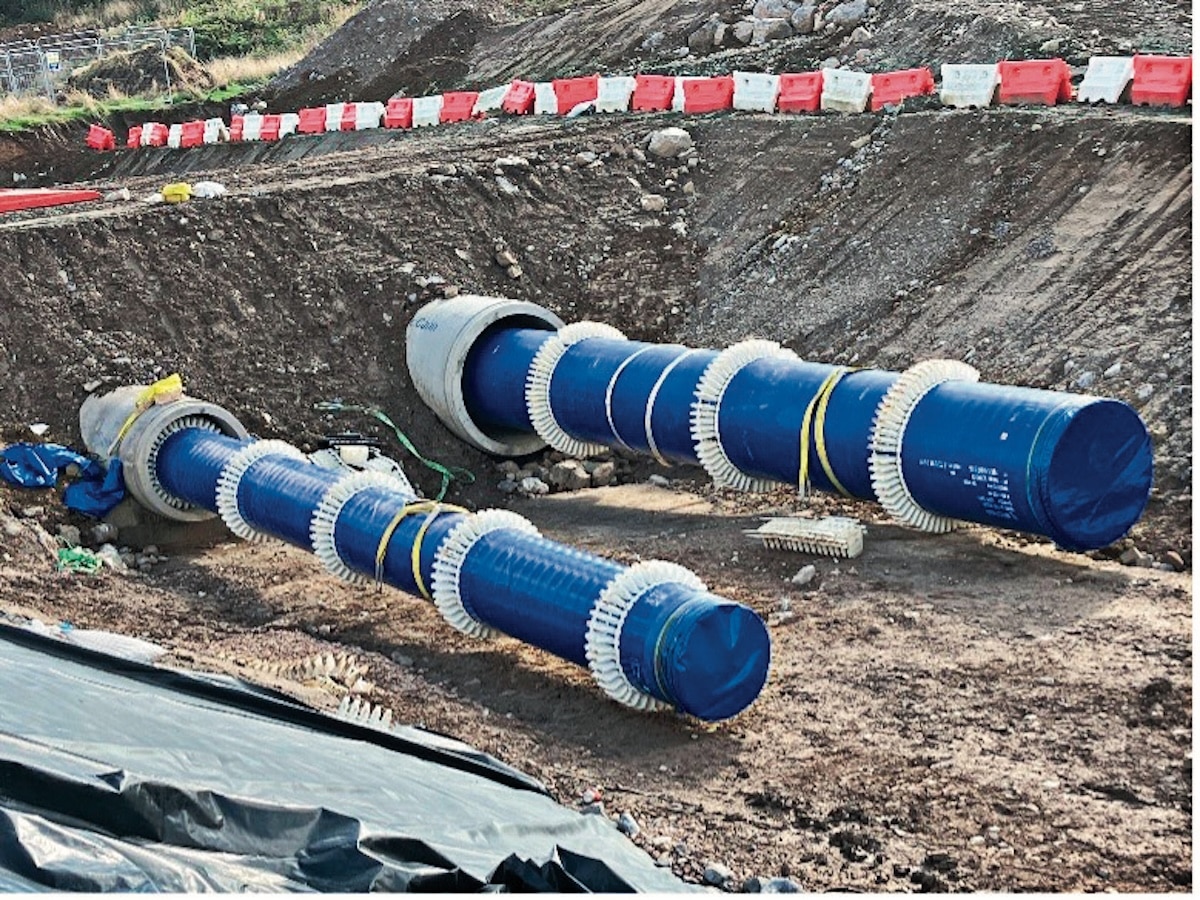
Why spacer systems matter in a pipeline project
What happened
The article explains why pipeline spacer systems are critical in slip-lining and other carrier‑in‑host installs. It highlights that poor centralisation can create point loading and uneven grout or coating stress that increases insertion forces and on-site equipment needs. Watch whether suppliers provide insertion‑force data and field test reports for proposed spacer designs
Buyer takeaway
Spacer selection changes mobilisation scope; require documented insertion‑force limits and handling recommendations up front
Cost / money
Directional: higher insertion forces imply larger handling equipment and possible labour increases, raising mobilisation and short‑term execution cost
Supplier / commercial
Suppliers with proven spacer products can demand premium terms and shorter quote validity if demand for reliable fit increases
Safety / operations
Incorrect spacer fit raises mechanical strain during pull‑in and risks coating damage or pipe contact events on site
What to watch
Ask for real-world pull-in data and case studies — vendor marketing claims should be backed with measurable insertion-force evidence
Key facts
- Proven product used on Cairns Water Security Stage 1
- Spacer designs reduce contact and maintain consistent annular spacing
- Vendor track record spans multiple industries and decades
Source excerpts
Poorly designed spacers can create excessive insertion forces, requiring larger equipment and increasing costs
Additionally, its spacer systems are proven on major infrastructure projects around the world
Poor centralisation or high-friction materials can cause damage during installation, stripping coatings or weakening pipe walls before the asset is even commissioned