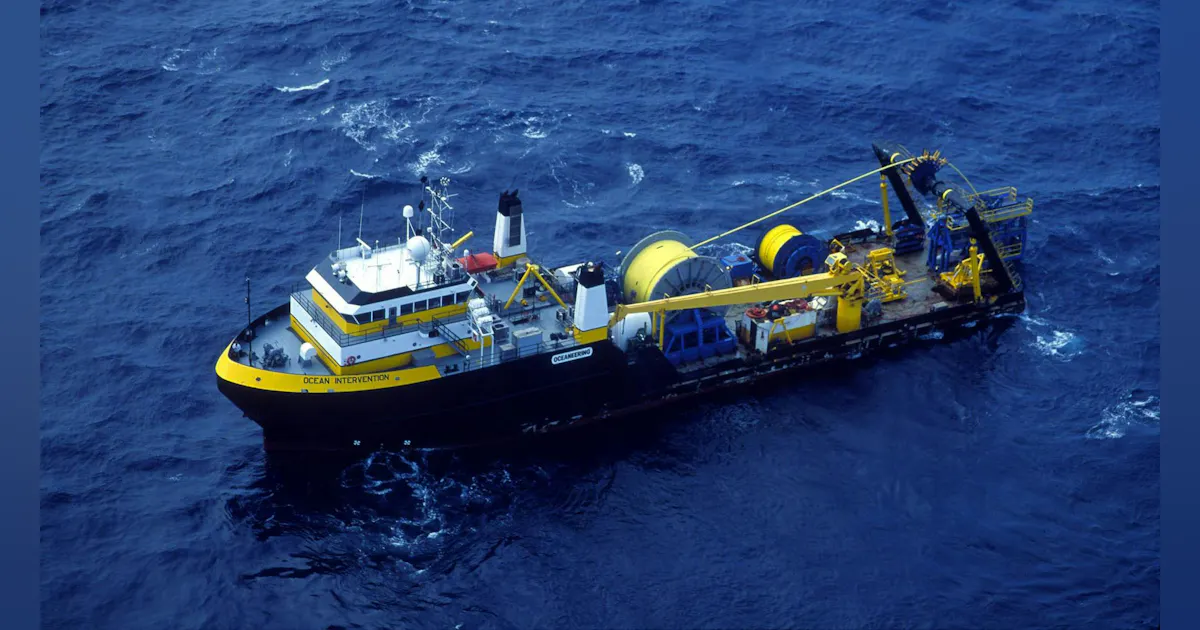
Strohm providing first TCP flowline offshore Egypt
What happened
Strohm will supply a 2,000‑meter thermoplastic composite pipe (TCP) for the WDDM project offshore Egypt and Oceaneering will install it using a horizontal‑lay spread. The method is qualified to DNV‑ST‑F119 and allows use of a multi‑purpose vessel instead of a specialist installation ship, meaning operators can materially change vessel sourcing choices. Watch whether other operators adopt TCP installs and whether multi‑purpose vessel bookings increase as a result
Buyer takeaway
Treat TCP + horizontal‑lay as a validated execution alternative to specialist ships that should be evaluated in upcoming RFQs and mobilization planning
Cost / money
Directionally reduces specialist installation charter exposure but shifts negotiation toward multi‑purpose vessel day‑rates and integration fees
Supplier / commercial
Contractors offering horizontal‑lay capability can bundle installation and P&A scopes, tightening competition for standalone awards
Safety / operations
Different lifting, handling and SIMOPS considerations require updated procedures and insurer acceptance before contract close
What to watch
Confirm insurer acceptance and multi‑purpose vessel availability; watch whether invoice pass‑throughs move from specialist charters to integration fees
Key facts
- 2,000‑m TCP flowline replacing steel
- Design pressure 5,000 psi and DNV‑ST‑F119 qualification
- Water depths near 600 m and horizontal‑lay used to enable multi‑purpose vessel installation
Source excerpts
Oceaneering also will deploy a horizontal lay spread, enabling use of a multi-purpose vessel instead of a specialist installation ship. TCP, Strohm added, is lightweight and can therefore be transported and installed using light construction vessels
Oceaneering also will deploy a horizontal lay spread, enabling use of a multi-purpose vessel instead of a specialist installation ship
It is Strohm’s first contract offshore Egypt