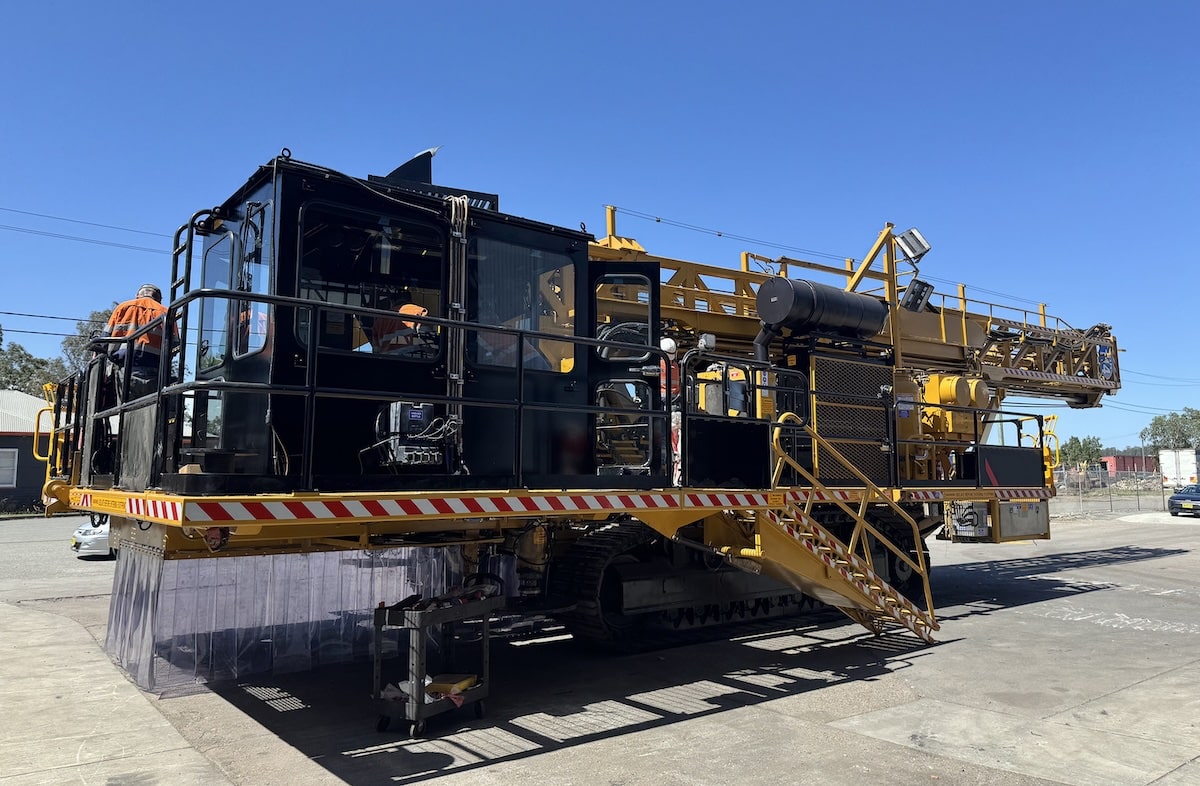
When drill rigs need more than another fix
What happened
An Australian trade piece warns that ageing or heavily used drill rigs often reach a point where reactive repairs stop being economical and reliability declines. It highlights falling mean‑time‑between‑failures (MTBF) and rising mean‑time‑to‑repair (MTTR) as the trigger for structured overhauls. Procurement should watch workshop capacity, parts lead times and whether suppliers offer block‑booking or consignment options next
Buyer takeaway
Treat the article as an operational demand signal: overhauls will compete for limited workshop time and spare parts, so early holds or conditional agreements preserve uptime
Cost / money
Overhauls move cost into planned spend but raise near-term cash and mobilisation exposure as buyers secure shop time and specialist labour
Supplier / commercial
Workshops and parts suppliers are likely to offer block slots or consignment deals; they may require deposits or minimum‑term commitments to hold capacity
Safety / operations
Structured overhauls reduce unplanned HSE exposure versus repeated reactive fixes, but only if done in proper workshop conditions with correct permits and scope control
What to watch
Watch for suppliers prioritising block‑booked customers and for secondary damage claims if overhauls are deferred; verify competence matrices for overhaul teams
Key facts
- Sustained decline in MTBF and rising MTTR reported as primary indicators
- Shift from reactive repairs to structured, workshop-led overhauls
Source excerpts
When a rig is healthy, maintenance is planned and costs are predictable
In other words: failures happen more often, and each repair takes longer – often because secondary damage is accumulating as worn systems keep operating
On a mine site, a drill rig is a production-critical machine that sets the pace for drilling schedules and downstream activities. When a rig is healthy, maintenance is planned and costs are predictable