Rigs & Integrated Drilling · Australia (Perth)

Reassess Australian gas exposure and digitalize rig maintenance planning

Published May 29, 2026, 6:02 AM AWSTAPACFull category signal
Ask AI
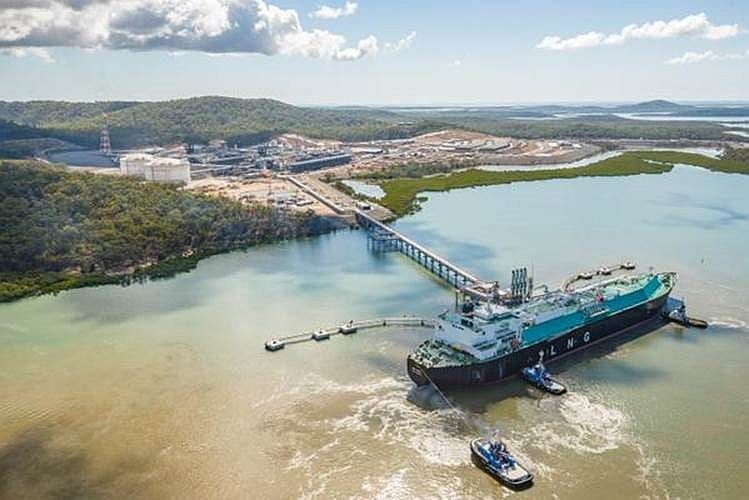
Australian gas reservation draft raises the alarm over export reliability

In 60 seconds

Top move

Australia’s draft domestic gas reservation creates real procurement and contract risk for LNG exporters and buyers; it includes a proposed 20% export-to-domestic requirement that industry says could displace smaller producers and change dispatch economics

Key takeaways

  • Australia’s draft domestic gas reservation creates real procurement and contract risk for LNG exporters and buyers; it includes a proposed 20% export-to-domestic requirement that industry says could displace smaller producers and change dispatch economics.[3]
  • Industry analysis on AI and digitalization elevates predictive maintenance and remote operations as practical ways to lower drilling cost-per-day and reduce unplanned downtime — this is now a vendor-commercial battleground.[2]
  • Technip Energies’ FNTP on a large modular US LNG EPC program confirms multi-train, repeatable builds are moving into execution and will pull fabrication, turbomachinery and specialist labour that APAC rig campaigns compete for.[1]
  • For rigs & integrated drilling in Australia, the draft policy is operational: expect compressed supplier quote windows, potential reallocation of volumes, and purchase‑to‑delivery friction rather than only fiscal debate.[3]
  • Digitalization is a procurement lever: providers will offer predictive‑maintenance and remote‑ops packages; buyers should expect capex/SaaS pricing models and must validate integration with rig control and uptime metrics.[2]

What changed since last run

  • New: Federal draft domestic gas reservation published and reported (moves policy watch to concrete text and compliance risk vs prior conceptual monitoring).
  • New: Rystad / industry piece published that elevates AI/digitalization as a direct operational cost lever for rigs and maintenance sourcing.
  • New: Technip Energies received FNTP for a large modular US LNG EPC, confirming near-term global demand for fabrication and turbomachinery capacity that competes with APAC schedules.

Key facts

  • Draft requires a percentage of export volumes to be supplied domestically (reported as 20% in
  • Industry groups warn that requirement would represent a large share of the east coast market
  • Report highlights predictive maintenance and remote operations as early adopters delivering m
  • Examples cited where operators have already realised AI-driven value, making vendor claims op
  • FNTP awarded for a multi‑train LNG facility employing repeatable modular design
  • Scope includes major turbomachinery and cryogenic equipment from known suppliers

Why it matters

Australia’s draft domestic gas reservation creates real procurement and contract risk for LNG exporters and buyers; it includes a proposed 20% export-to-domestic requirement that industry says could displace smaller producers and change dispatch economics. Industry analysis on AI and digitalization elevates predictive maintenance and remote operations as practical ways to lower drilling cost-per-day and reduce unplanned downtime — this is now a vendor-commercial battleground. Technip Energies’ FNTP on a large modular US LNG EPC program confirms multi-train, repeatable builds are moving into execution and will pull fabrication, turbomachinery and specialist labour that APAC rig campaigns compete for. For rigs & integrated drilling in Australia, the draft policy is operational: expect compressed supplier quote windows, potential reallocation of volumes, and purchase‑to‑delivery friction rather than only fiscal debate

Cost / money

  • Policy-driven domestic supply obligations can force reallocation of volumes and change marginal supply economics, increasing short-term competition for drilling days, mobilisation and local fabrication slots.[3]
  • AI and predictive‑maintenance adoption reduces reactive repair costs and can lower cost-per-operating-day; procurement should expect vendors to pitch measurable uptime/value propositions.[2]
  • Large EPC execution (modular LNG trains) will absorb specialist fabrication and turbomachinery capacity, tightening lead times and raising mobilisation and charter costs for projects that need the same suppliers or skilled labour.[1]

Supplier / commercial

  • Suppliers are likely to shorten quote validity, demand mobilisation deposits, and seek conditional availability clauses as local policy or large EPC projects firm up demand and reduce buyer leverage.[3]
  • Vendors offering digital or AI services will propose mixed commercial models (capex, SaaS, outcome-based); negotiate scope, data access and maintenance SLAs to avoid hidden pass-throughs later.[2]
  • Fabricators and turbomachinery vendors working on large LNG EPCs may prioritise block bookings or long lead commitments, reducing flexible short-notice capacity for APAC rig support scopes.[1]

Safety / operations

  • If export allocations force rapid production profile changes, planned maintenance windows and resourcing for rigs can compress, increasing the risk of rushed or out‑of‑sequence work.[3][1]
  • Adoption of remote monitoring and predictive maintenance can improve safety by reducing reactive interventions, but only if data integration and change‑management are handled in procurement and operations.[2]

What to watch

  • Monitor final wording and implementation timeline of Australia’s draft gas reservation closely — the draft creates compliance complexity and exemption patchworks that materially change contracting and supplier planning.[3]

Top stories

Story 1Offshore EnergyMay 28, 2026

Australian gas reservation draft raises the alarm over export reliability

Signal moderateSource-grounded

What happened

The Australian government published a draft domestic gas reservation framework that would require LNG exporters to supply a portion of export volumes to the domestic market. Industry groups warn the draft creates complex compliance obligations and could crowd out smaller producers, increasing uncertainty around contract performance and investment signals. Procurement should watch final text, exemption rules, and the implementation timetable for material implications to sourcing and supplier commitments

Buyer takeaway

Treat the draft as an operational procurement risk: it can force reallocation of volumes and change sourcing assumptions for rigs, spares and services

Cost / money

May raise short‑term mobilisation and substitution costs as suppliers reassign capacity to meet domestic demand or seek premium pricing for export‑compatible volumes

Supplier / commercial

Expect suppliers to shorten quote validity, request mobilisation deposits, and insert conditional availability clauses as they manage volume and schedule risk

Safety / operations

Compressed or re‑sequenced production/maintenance schedules could increase the chance of rushed maintenance activities if resource availability becomes constrained

What to watch

Limited until final policy and exemptions are set; watch for implementation rules, compliance processes, and any transitional arrangements that affect contracts

Key facts

  • Draft requires a percentage of export volumes to be supplied domestically (reported as 20% in
  • Industry groups warn that requirement would represent a large share of the east coast market

Source excerpts

Home Fossil Energy Australian gas reservation draft raises the alarm over export reliability May 28, 2026, by Given the growing concerns over a draft domestic gas reservation framework, Australian Energy Producers, representing Australia’s upstream oil and gas exploration and production industry, has emphasized the investment risks such a move could bring, intensifying east coast gas supply pressures. Illustration; Source: Australian Energy Producers (former APPEA) After the federal government released its draf
This comes after she previously underscored that the Federal government’s proposal to require LNG exporters to supply 20% of export volumes into the domestic market raised significant concerns about the potential impacts on competition, investment, and future gas supply. Australian Energy Producers’ Chief Executive said: “Forcing Queensland LNG exporters to supply 20% of export volumes into the east coast market would crowd out smaller domestic producers, reduce competition and impact future supply
Home Fossil Energy Australian gas reservation draft raises the alarm over export reliability May 28, 2026, by Given the growing concerns over a draft domestic gas reservation framework, Australian Energy Producers, representing Australia’s upstream oil and gas exploration and production industry, has emphasized the investment risks such a move could bring, intensifying east coast gas supply pressures
Story 2Offshore EnergyMay 28, 2026

Oil & gas players unlocking $500 billion opportunity with AI and digitalization

Signal moderateDirectional

What happened

Rystad Energy published analysis highlighting a large value pool from AI and digitalization in upstream operations, noting predictive maintenance and remote operations are already delivering measurable savings at early adopters. The report emphasizes that operations & maintenance workflows are near-term adopters, so procurement can source proven predictive‑maintenance solutions and expect vendors to offer integrated uptime outcomes. Watch vendor claims and integration complexity before committing to large rollouts

Buyer takeaway

Prioritise vendors that demonstrate rig‑level integration, clear uptime SLAs and a track record of measurable maintenance savings

Cost / money

Directional reduction in reactive maintenance and drilling cost-per-day if predictive maintenance is correctly implemented and measured

Supplier / commercial

Expect mixed commercial offers (capex, SaaS, outcome-based). Insist on data access, integration cost clarity, and measurable KPIs in contracts

Safety / operations

Better monitoring reduces reactive interventions and the safety risk associated with rushed repairs, provided change management is implemented

What to watch

Vendor claims vary and integration effort can be underestimated; run small pilots to validate before scaling

Key facts

  • Report highlights predictive maintenance and remote operations as early adopters delivering m
  • Examples cited where operators have already realised AI-driven value, making vendor claims op

Source excerpts

When it comes to newer deployments, operations and maintenance is seeing more rapid adoption, primarily through predictive maintenance and remote operations delivering double-digit cost reductions at leading operators. “Subsurface workflows hold the largest untapped value potential, especially from getting more volumes out of the ground and reducing drilling costs
When it comes to newer deployments, operations and maintenance is seeing more rapid adoption, primarily through predictive maintenance and remote operations delivering double-digit cost reductions at leading operators
S. shale operators are close to physical drilling limits, where the best wells can still improve, but the biggest effect would come from lifting the average well
Story 3Offshore EnergyMay 28, 2026

Technip Energies rakes in over €1 billion for job on $13B US LNG project

Signal strongSource-grounded

What happened

Technip Energies received full notice to proceed on a large US LNG EPC containing six identical liquefaction trains using a modular SnapLNG design, and the contract names major turbomachinery and cryogenic equipment suppliers. The FNTP moves the program from planning into full execution, which will absorb specialist fabrication capacity and skilled labour. Procurement should expect tighter global competition for fabrication slots and turbomachinery schedules that can affect APAC rig and overhaul timelines

Buyer takeaway

Treat major LNG EPC execution as a real constraint on specialist fabrication and turbomachinery availability when planning rig overhauls and mobilisations

Cost / money

Execution demand will tighten lead times and can increase mobilisation and charter costs for projects that need the same specialist vendors or labour pools

Supplier / commercial

Suppliers may prioritise block bookings and long‑lead commitments for EPC work; buyers should secure conditional holds or early‑works options where possible

Safety / operations

Competing schedules can force tighter turnarounds; verify that compressed workshop timelines do not compromise planned testing and NDT scopes

What to watch

Watch supplier schedules and workshop bookings — availability slips can cascade into higher mobilisation fees or longer downtime windows

Key facts

  • FNTP awarded for a multi‑train LNG facility employing repeatable modular design
  • Scope includes major turbomachinery and cryogenic equipment from known suppliers

Source excerpts

” The project lined up long‑term offtake agreements with several players, encapsulating EQT, Glencore, Mercuria, Petronas, and Aramco Trading
The scope of the contract includes the delivery of six identical liquefaction trains, utilizing the firm’s SnapLNG by T
The project will be capable of loading LNG carriers up to 216,000 cubic meters. Technip Energies highlights that the FNTP milestone reinforces its position as a global leader in LNG, having delivered over 20% of the world’s operating LNG capacity

VP Snapshot

Executive Risk & Action View

Australia’s draft domestic gas reservation creates real procurement and contract risk for LNG exporters and buyers; it includes a proposed 20% export-to-domestic requirement that industry says could displace smaller producers and change dispatch economics.

Overall
56
Cost
79
Supply
61
Schedule
38
Compliance
15

Top signals

30-180dcost

Signal 1: Cost / money

Policy-driven domestic supply obligations can force reallocation of volumes and change marginal supply economics, increasing short-term competition for drilling days, mobilisation and local fabrication slots.

Signal 2: Cost / money

AI and predictive‑maintenance adoption reduces reactive repair costs and can lower cost-per-operating-day; procurement should expect vendors to pitch measurable uptime/value propositions.

Signal 3: Cost / money

Large EPC execution (modular LNG trains) will absorb specialist fabrication and turbomachinery capacity, tightening lead times and raising mobilisation and charter costs for projects that need the same suppliers or skilled labour.

0-30dsupply

Signal 4: Supplier / commercial

Suppliers are likely to shorten quote validity, demand mobilisation deposits, and seek conditional availability clauses as local policy or large EPC projects firm up demand and reduce buyer leverage.

30-180dcommercial

Signal 5: Supplier / commercial

Vendors offering digital or AI services will propose mixed commercial models (capex, SaaS, outcome-based); negotiate scope, data access and maintenance SLAs to avoid hidden pass-throughs later.

30-180dsupply

Signal 6: Supplier / commercial

Fabricators and turbomachinery vendors working on large LNG EPCs may prioritise block bookings or long lead commitments, reducing flexible short-notice capacity for APAC rig support scopes.

Recommended actions

ContractsDue 3d

Hold a cross‑functional review (Category, Contracts, Ops) to map which contracts and LNG-linked supply commitments reference export volumes or force majeure terms.

Registered list of at‑risk contracts and clauses flagged for amendment or contingency planning

OpsDue 3d

Ask Ops to validate current rig maintenance windows and upcoming mobilisation plans against named local fabrication and workshop bookings.

Confirmed availability matrix for rigs, workshops and critical spares to inform near-term scheduling

CategoryDue 21d

Issue focused RFIs to predictive‑maintenance and remote‑ops vendors to collect offerings, integration requirements, and commercial models (capex/SaaS/outcome) for rig fleets.

Competitive vendor short-list with integration risk register and commercial model comparisons

ContractsDue 21d

Update contracting templates to include mobilisation deposits, shortened quote‑validity, and conditional reschedule clauses for fabrication and turbomachinery suppliers supporti...

Contract annex ready to deploy that limits surprise mobilisation fees and clarifies reschedule rules

CategoryDue 60d

Run a sourcing scenario comparing block‑booked fabrication/workshop reservations versus on‑demand overhaul procurement, and include a pilot with a predictive‑maintenance provide...

Decision paper with recommended sourcing approach, expected uptime impact, and preferred supplier commitments

Risk register

RiskTriggerMitigation
Monitor final wording and implementation timeline of Australia’s draft gas reservation closely — the draft creates compliance complexity and exemption patchworks that materially change contracting and supplier planning.Monitor final wording and implementation timeline of Australia’s draft gas reservation closely — the draft creates compliance complexity and exemption patchworks that materially change contracting and supplier planning.Confirm exposure with category, contracts, and operations before the next supplier commitment.

CM Snapshot

Category Manager Decision Detail

Today's priorities

Hold a cross‑functional review (Category, Contracts, Ops) to map which contracts and LNG-linked supply commitments reference export volumes or force majeure terms.

Do this because the draft domestic reservation text can change the allocation of gas and create contract non-performance or compliance obligations that affect sourcing.

Due 3d

high

CM move

Use this as the immediate supplier or contract action to move before the next sourcing gate.

Ask Ops to validate current rig maintenance windows and upcoming mobilisation plans against named local fabrication and workshop bookings.

Do this because both the draft policy and nearby large EPC campaigns can compress local workshop capacity and change mobilisation timing and costs.

Due 3d

high

CM move

Use this as the immediate supplier or contract action to move before the next sourcing gate.

Issue focused RFIs to predictive‑maintenance and remote‑ops vendors to collect offerings, integration requirements, and commercial models (capex/SaaS/outcome) for rig fleets.

Do this because Rystad and industry reporting make predictive maintenance a measurable cost and uptime lever that procurement can source now to reduce drilling OPEX.

Due 21d

high

CM move

Use this as the immediate supplier or contract action to move before the next sourcing gate.

Update contracting templates to include mobilisation deposits, shortened quote‑validity, and conditional reschedule clauses for fabrication and turbomachinery suppliers supporti...

Do this because large EPC execution and policy uncertainty are shortening supplier availability windows and increasing mobilisation risk — contract language must protect schedul...

Due 21d

high

CM move

Use this as the immediate supplier or contract action to move before the next sourcing gate.

Supplier radar

Offshore Energy

high

Observed supplier signal

Suppliers are likely to shorten quote validity, demand mobilisation deposits, and seek conditional availability clauses as local policy or large EPC projects firm up demand and reduce buyer leverage.

Commercial implication

Suppliers are likely to shorten quote validity, demand mobilisation deposits, and seek conditional availability clauses as local policy or large EPC projects firm up demand and reduce buyer leverage.

Next step: Validate the source-backed signal with incumbents and alternates before the next award or pricing decision.

Offshore Energy

high

Observed supplier signal

Vendors offering digital or AI services will propose mixed commercial models (capex, SaaS, outcome-based); negotiate scope, data access and maintenance SLAs to avoid hidden pass-throughs later.

Commercial implication

Vendors offering digital or AI services will propose mixed commercial models (capex, SaaS, outcome-based); negotiate scope, data access and maintenance SLAs to avoid hidden pass-throughs later.

Next step: Validate the source-backed signal with incumbents and alternates before the next award or pricing decision.

Offshore Energy

high

Observed supplier signal

Fabricators and turbomachinery vendors working on large LNG EPCs may prioritise block bookings or long lead commitments, reducing flexible short-notice capacity for APAC rig support scopes.

Commercial implication

Fabricators and turbomachinery vendors working on large LNG EPCs may prioritise block bookings or long lead commitments, reducing flexible short-notice capacity for APAC rig support scopes.

Next step: Validate the source-backed signal with incumbents and alternates before the next award or pricing decision.

Negotiation levers

Hold a cross‑functional review (Category, Contracts, Ops) to map which contracts and LNG-linked supply commitments reference export volumes or force majeure terms.

When to use: Do this because the draft domestic reservation text can change the allocation of gas and create contract non-performance or compliance obligations that affect sourcing.

Expected outcome: Registered list of at‑risk contracts and clauses flagged for amendment or contingency planning

Commercial mechanism to carry into the next supplier conversation

Ask Ops to validate current rig maintenance windows and upcoming mobilisation plans against named local fabrication and workshop bookings.

When to use: Do this because both the draft policy and nearby large EPC campaigns can compress local workshop capacity and change mobilisation timing and costs.

Expected outcome: Confirmed availability matrix for rigs, workshops and critical spares to inform near-term scheduling

Commercial mechanism to carry into the next supplier conversation

Issue focused RFIs to predictive‑maintenance and remote‑ops vendors to collect offerings, integration requirements, and commercial models (capex/SaaS/outcome) for rig fleets.

When to use: Do this because Rystad and industry reporting make predictive maintenance a measurable cost and uptime lever that procurement can source now to reduce drilling OPEX.

Expected outcome: Competitive vendor short-list with integration risk register and commercial model comparisons

Commercial mechanism to carry into the next supplier conversation

Update contracting templates to include mobilisation deposits, shortened quote‑validity, and conditional reschedule clauses for fabrication and turbomachinery suppliers supporti...

When to use: Do this because large EPC execution and policy uncertainty are shortening supplier availability windows and increasing mobilisation risk — contract language must protect schedul...

Expected outcome: Contract annex ready to deploy that limits surprise mobilisation fees and clarifies reschedule rules

Commercial mechanism to carry into the next supplier conversation

Talking points

Australia’s draft domestic gas reservation creates real procurement and contract risk for LNG exporters and buyers; it includes a proposed 20% export-to-domestic requirement that industry says could displace smaller producers and change dispatch economics.
Industry analysis on AI and digitalization elevates predictive maintenance and remote operations as practical ways to lower drilling cost-per-day and reduce unplanned downtime — this is now a vendor-commercial battleground.
Technip Energies’ FNTP on a large modular US LNG EPC program confirms multi-train, repeatable builds are moving into execution and will pull fabrication, turbomachinery and specialist labour that APAC rig campaigns compete for.
For rigs & integrated drilling in Australia, the draft policy is operational: expect compressed supplier quote windows, potential reallocation of volumes, and purchase‑to‑delivery friction rather than only fiscal debate.

Supplier radar

SupplierSignalImplicationNext stepConfidence
Offshore EnergySuppliers are likely to shorten quote validity, demand mobilisation deposits, and seek conditional availability clauses as local policy or large EPC projects firm up demand and reduce buyer leverage.Suppliers are likely to shorten quote validity, demand mobilisation deposits, and seek conditional availability clauses as local policy or large EPC projects firm up demand and reduce buyer leverage.Validate the source-backed signal with incumbents and alternates before the next award or pricing decision.high
Offshore EnergyVendors offering digital or AI services will propose mixed commercial models (capex, SaaS, outcome-based); negotiate scope, data access and maintenance SLAs to avoid hidden pass-throughs later.Vendors offering digital or AI services will propose mixed commercial models (capex, SaaS, outcome-based); negotiate scope, data access and maintenance SLAs to avoid hidden pass-throughs later.Validate the source-backed signal with incumbents and alternates before the next award or pricing decision.high
Offshore EnergyFabricators and turbomachinery vendors working on large LNG EPCs may prioritise block bookings or long lead commitments, reducing flexible short-notice capacity for APAC rig support scopes.Fabricators and turbomachinery vendors working on large LNG EPCs may prioritise block bookings or long lead commitments, reducing flexible short-notice capacity for APAC rig support scopes.Validate the source-backed signal with incumbents and alternates before the next award or pricing decision.high

Negotiation levers

  • Hold a cross‑functional review (Category, Contracts, Ops) to map which contracts and LNG-linked supply commitments reference export volumes or force majeure terms.Do this because the draft domestic reservation text can change the allocation of gas and create contract non-performance or compliance obligations that affect sourcing.Registered list of at‑risk contracts and clauses flagged for amendment or contingency planning

    high confidence

  • Ask Ops to validate current rig maintenance windows and upcoming mobilisation plans against named local fabrication and workshop bookings.Do this because both the draft policy and nearby large EPC campaigns can compress local workshop capacity and change mobilisation timing and costs.Confirmed availability matrix for rigs, workshops and critical spares to inform near-term scheduling

    high confidence

  • Issue focused RFIs to predictive‑maintenance and remote‑ops vendors to collect offerings, integration requirements, and commercial models (capex/SaaS/outcome) for rig fleets.Do this because Rystad and industry reporting make predictive maintenance a measurable cost and uptime lever that procurement can source now to reduce drilling OPEX.Competitive vendor short-list with integration risk register and commercial model comparisons

    high confidence

  • Update contracting templates to include mobilisation deposits, shortened quote‑validity, and conditional reschedule clauses for fabrication and turbomachinery suppliers supporti...Do this because large EPC execution and policy uncertainty are shortening supplier availability windows and increasing mobilisation risk — contract language must protect schedul...Contract annex ready to deploy that limits surprise mobilisation fees and clarifies reschedule rules

    high confidence

What to do / What to watch

What to do now

  • Hold a cross‑functional review (Category, Contracts, Ops) to map which contracts and LNG-linked supply commitments reference export volumes or force majeure terms.

    Why: Do this because the draft domestic reservation text can change the allocation of gas and create contract non-performance or compliance obligations that affect sourcing.

    Owner: Contracts

    Expected outcome: Registered list of at‑risk contracts and clauses flagged for amendment or contingency planning

    [3]
  • Ask Ops to validate current rig maintenance windows and upcoming mobilisation plans against named local fabrication and workshop bookings.

    Why: Do this because both the draft policy and nearby large EPC campaigns can compress local workshop capacity and change mobilisation timing and costs.

    Owner: Ops

    Expected outcome: Confirmed availability matrix for rigs, workshops and critical spares to inform near-term scheduling

    [1][3]

Next few weeks

  • Issue focused RFIs to predictive‑maintenance and remote‑ops vendors to collect offerings, integration requirements, and commercial models (capex/SaaS/outcome) for rig fleets.

    Why: Do this because Rystad and industry reporting make predictive maintenance a measurable cost and uptime lever that procurement can source now to reduce drilling OPEX.

    Owner: Category

    Expected outcome: Competitive vendor short-list with integration risk register and commercial model comparisons

    [2]
  • Update contracting templates to include mobilisation deposits, shortened quote‑validity, and conditional reschedule clauses for fabrication and turbomachinery suppliers supporti...

    Why: Do this because large EPC execution and policy uncertainty are shortening supplier availability windows and increasing mobilisation risk — contract language must protect schedul...

    Owner: Contracts

    Expected outcome: Contract annex ready to deploy that limits surprise mobilisation fees and clarifies reschedule rules

    [1][3]

Longer view

  • Run a sourcing scenario comparing block‑booked fabrication/workshop reservations versus on‑demand overhaul procurement, and include a pilot with a predictive‑maintenance provide...

    Why: Do this because competing demands from large LNG builds and potential domestic supply reallocation change the commercial trade-off between guaranteed capacity (higher near-term...

    Owner: Category

    Expected outcome: Decision paper with recommended sourcing approach, expected uptime impact, and preferred supplier commitments

    [1][2][3]

What to watch

  • Monitor final wording and implementation timeline of Australia’s draft gas reservation closely — the draft creates compliance complexity and exemption patchworks that materially change contracting and supplier planning
  • Monitor final wording and implementation timeline of Australia’s draft gas reservation closely — the draft creates compliance complexity and exemption patchworks that materially change contracting and supplier planning.: Monitor final wording and implementation timeline of Australia’s draft gas reservation closely — the draft creates compliance complexity and exemption patchworks that materially change contracting and supplier planning
  • Australia’s draft domestic gas reservation creates real procurement and contract risk for LNG exporters and buyers; it includes a proposed 20% export-to-domestic requirement that industry says could displace smaller producers and change dispatch economics
  • Industry analysis on AI and digitalization elevates predictive maintenance and remote operations as practical ways to lower drilling cost-per-day and reduce unplanned downtime — this is now a vendor-commercial battleground
  • Technip Energies’ FNTP on a large modular US LNG EPC program confirms multi-train, repeatable builds are moving into execution and will pull fabrication, turbomachinery and specialist labour that APAC rig campaigns compete for
  • For rigs & integrated drilling in Australia, the draft policy is operational: expect compressed supplier quote windows, potential reallocation of volumes, and purchase‑to‑delivery friction rather than only fiscal debate

Market pulse

IndexLatestChangeAs of
WTI Crude (WTI)71.23 /bbl+0.00 (+0.00%)May 28, 2026, 10:04 PM
Brent Crude (BRENT)74.89 /bbl+0.00 (+0.00%)May 28, 2026, 10:04 PM
Natural Gas (NG)3.12 /MMBtu+0.00 (+0.00%)May 28, 2026, 10:04 PM
Transocean (RIG)4.5 +0.00 (+0.00%)May 28, 2026, 10:04 PM
Valaris (VAL)52 +0.00 (+0.00%)May 28, 2026, 10:04 PM
  • Natural Gas: Natural gas market moves will affect domestic demand and export allocation risk tied to the policy draft
  • Transocean: Rig market and contractor capacity sensitivity relevant given competing demand from large EPC campaigns

Sources

Inline citations jump here. Expand a source to read the excerpt, the AI interpretation, and the original link.

[1] Technip Energies rakes in over €1 billion for job on $13B US LNG project

offshore-energy.biz · May 28, 2026

Expand

AI reading

Technip Energies received full notice to proceed on a large US LNG EPC containing six identical liquefaction trains using a modular SnapLNG design, and the contract names major turbomachinery and cryogenic equipment suppliers. The FNTP moves the program from planning into full execution, which will absorb specialist fabrication capacity and skilled labour. Procurement should expect tighter global competition for fabrication slots and turbomachinery schedules that can affect APAC rig and overhaul timelines

Buyer takeaway

Treat major LNG EPC execution as a real constraint on specialist fabrication and turbomachinery availability when planning rig overhauls and mobilisations

Cost / money

Execution demand will tighten lead times and can increase mobilisation and charter costs for projects that need the same specialist vendors or labour pools

Supplier / commercial

Suppliers may prioritise block bookings and long‑lead commitments for EPC work; buyers should secure conditional holds or early‑works options where possible

Safety / operations

Competing schedules can force tighter turnarounds; verify that compressed workshop timelines do not compromise planned testing and NDT scopes

What to watch

Watch supplier schedules and workshop bookings — availability slips can cascade into higher mobilisation fees or longer downtime windows

Key facts

  • FNTP awarded for a multi‑train LNG facility employing repeatable modular design
  • Scope includes major turbomachinery and cryogenic equipment from known suppliers

Source excerpts

” The project lined up long‑term offtake agreements with several players, encapsulating EQT, Glencore, Mercuria, Petronas, and Aramco Trading
The scope of the contract includes the delivery of six identical liquefaction trains, utilizing the firm’s SnapLNG by T
The project will be capable of loading LNG carriers up to 216,000 cubic meters. Technip Energies highlights that the FNTP milestone reinforces its position as a global leader in LNG, having delivered over 20% of the world’s operating LNG capacity

Used in this brief

  • Next 72 hours — Ask Ops to validate current rig maintenance windows and upcoming mobilisation plans against named local fabrication and workshop bookings.. Rationale: Do this because both the draft policy and nearby large EPC campaigns can compress local workshop capacity and change mobilisation timing and costs.. Owner: Ops. KPI: Confirmed availability matrix for rigs, workshops and critical spares to inform near-term scheduling
  • Next 2-4 weeks — Update contracting templates to include mobilisation deposits, shortened quote‑validity, and conditional reschedule clauses for fabrication and turbomachinery suppliers supporti.... Rationale: Do this because large EPC execution and policy uncertainty are shortening supplier availability windows and increasing mobilisation risk — contract language must protect schedul.... Owner: Contracts. KPI: Contract annex ready to deploy that limits surprise mobilisation fees and clarifies reschedule rules
  • Next quarter — Run a sourcing scenario comparing block‑booked fabrication/workshop reservations versus on‑demand overhaul procurement, and include a pilot with a predictive‑maintenance provide.... Rationale: Do this because competing demands from large LNG builds and potential domestic supply reallocation change the commercial trade-off between guaranteed capacity (higher near-term.... Owner: Category. KPI: Decision paper with recommended sourcing approach, expected uptime impact, and preferred supplier commitments
Open original source

[2] Oil & gas players unlocking $500 billion opportunity with AI and digitalization

offshore-energy.biz · May 28, 2026

Expand

AI reading

Rystad Energy published analysis highlighting a large value pool from AI and digitalization in upstream operations, noting predictive maintenance and remote operations are already delivering measurable savings at early adopters. The report emphasizes that operations & maintenance workflows are near-term adopters, so procurement can source proven predictive‑maintenance solutions and expect vendors to offer integrated uptime outcomes. Watch vendor claims and integration complexity before committing to large rollouts

Buyer takeaway

Prioritise vendors that demonstrate rig‑level integration, clear uptime SLAs and a track record of measurable maintenance savings

Cost / money

Directional reduction in reactive maintenance and drilling cost-per-day if predictive maintenance is correctly implemented and measured

Supplier / commercial

Expect mixed commercial offers (capex, SaaS, outcome-based). Insist on data access, integration cost clarity, and measurable KPIs in contracts

Safety / operations

Better monitoring reduces reactive interventions and the safety risk associated with rushed repairs, provided change management is implemented

What to watch

Vendor claims vary and integration effort can be underestimated; run small pilots to validate before scaling

Key facts

  • Report highlights predictive maintenance and remote operations as early adopters delivering m
  • Examples cited where operators have already realised AI-driven value, making vendor claims op

Source excerpts

When it comes to newer deployments, operations and maintenance is seeing more rapid adoption, primarily through predictive maintenance and remote operations delivering double-digit cost reductions at leading operators. “Subsurface workflows hold the largest untapped value potential, especially from getting more volumes out of the ground and reducing drilling costs
When it comes to newer deployments, operations and maintenance is seeing more rapid adoption, primarily through predictive maintenance and remote operations delivering double-digit cost reductions at leading operators
S. shale operators are close to physical drilling limits, where the best wells can still improve, but the biggest effect would come from lifting the average well

Used in this brief

  • Cost / money: AI and predictive‑maintenance adoption reduces reactive repair costs and can lower cost-per-operating-day; procurement should expect vendors to pitch measurable uptime/value propositions
  • Safety / operations: If export allocations force rapid production profile changes, planned maintenance windows and resourcing for rigs can compress, increasing the risk of rushed or out‑of‑sequence work
  • Safety / operations: Adoption of remote monitoring and predictive maintenance can improve safety by reducing reactive interventions, but only if data integration and change‑management are handled in procurement and operations
Open original source

[3] Australian gas reservation draft raises the alarm over export reliability

offshore-energy.biz · May 28, 2026

Expand

AI reading

The Australian government published a draft domestic gas reservation framework that would require LNG exporters to supply a portion of export volumes to the domestic market. Industry groups warn the draft creates complex compliance obligations and could crowd out smaller producers, increasing uncertainty around contract performance and investment signals. Procurement should watch final text, exemption rules, and the implementation timetable for material implications to sourcing and supplier commitments

Buyer takeaway

Treat the draft as an operational procurement risk: it can force reallocation of volumes and change sourcing assumptions for rigs, spares and services

Cost / money

May raise short‑term mobilisation and substitution costs as suppliers reassign capacity to meet domestic demand or seek premium pricing for export‑compatible volumes

Supplier / commercial

Expect suppliers to shorten quote validity, request mobilisation deposits, and insert conditional availability clauses as they manage volume and schedule risk

Safety / operations

Compressed or re‑sequenced production/maintenance schedules could increase the chance of rushed maintenance activities if resource availability becomes constrained

What to watch

Limited until final policy and exemptions are set; watch for implementation rules, compliance processes, and any transitional arrangements that affect contracts

Key facts

  • Draft requires a percentage of export volumes to be supplied domestically (reported as 20% in
  • Industry groups warn that requirement would represent a large share of the east coast market

Source excerpts

Home Fossil Energy Australian gas reservation draft raises the alarm over export reliability May 28, 2026, by Given the growing concerns over a draft domestic gas reservation framework, Australian Energy Producers, representing Australia’s upstream oil and gas exploration and production industry, has emphasized the investment risks such a move could bring, intensifying east coast gas supply pressures. Illustration; Source: Australian Energy Producers (former APPEA) After the federal government released its draf
This comes after she previously underscored that the Federal government’s proposal to require LNG exporters to supply 20% of export volumes into the domestic market raised significant concerns about the potential impacts on competition, investment, and future gas supply. Australian Energy Producers’ Chief Executive said: “Forcing Queensland LNG exporters to supply 20% of export volumes into the east coast market would crowd out smaller domestic producers, reduce competition and impact future supply
Home Fossil Energy Australian gas reservation draft raises the alarm over export reliability May 28, 2026, by Given the growing concerns over a draft domestic gas reservation framework, Australian Energy Producers, representing Australia’s upstream oil and gas exploration and production industry, has emphasized the investment risks such a move could bring, intensifying east coast gas supply pressures

Used in this brief

  • Australia’s draft domestic gas reservation creates real procurement and contract risk for LNG exporters and buyers; it includes a proposed 20% export-to-domestic requirement that industry says could displace smaller producers and change dispatch economics. Industry analysis on AI and digitalization elevates predictive maintenance and remote operations as practical ways to lower drilling cost-per-day and reduce unplanned downtime — this is now a vendor-commercial battleground. Technip Energies’ FNTP on a large modular US LNG EPC program confirms multi-train, repeatable builds are moving into execution and will pull fabrication, turbomachinery and specialist labour that APAC rig campaigns compete for. For rigs & integrated drilling in Australia, the draft policy is operational: expect compressed supplier quote windows, potential reallocation of volumes, and purchase‑to‑delivery friction rather than only fiscal debate
  • Cost / money: Policy-driven domestic supply obligations can force reallocation of volumes and change marginal supply economics, increasing short-term competition for drilling days, mobilisation and local fabrication slots
  • What to watch: Monitor final wording and implementation timeline of Australia’s draft gas reservation closely — the draft creates compliance complexity and exemption patchworks that materially change contracting and supplier planning
Open original source

[4] Natural Gas

finance.yahoo.com · n.d.

Expand

[5] Transocean

finance.yahoo.com · n.d.

Expand