Plug & Abandonment / Decommissioning · International (Houston)

Protect Margins by Repricing Riser Recovery and Well Services

Published May 29, 2026, 5:06 AM CSTINTERNATIONALFull category signal
Ask AI
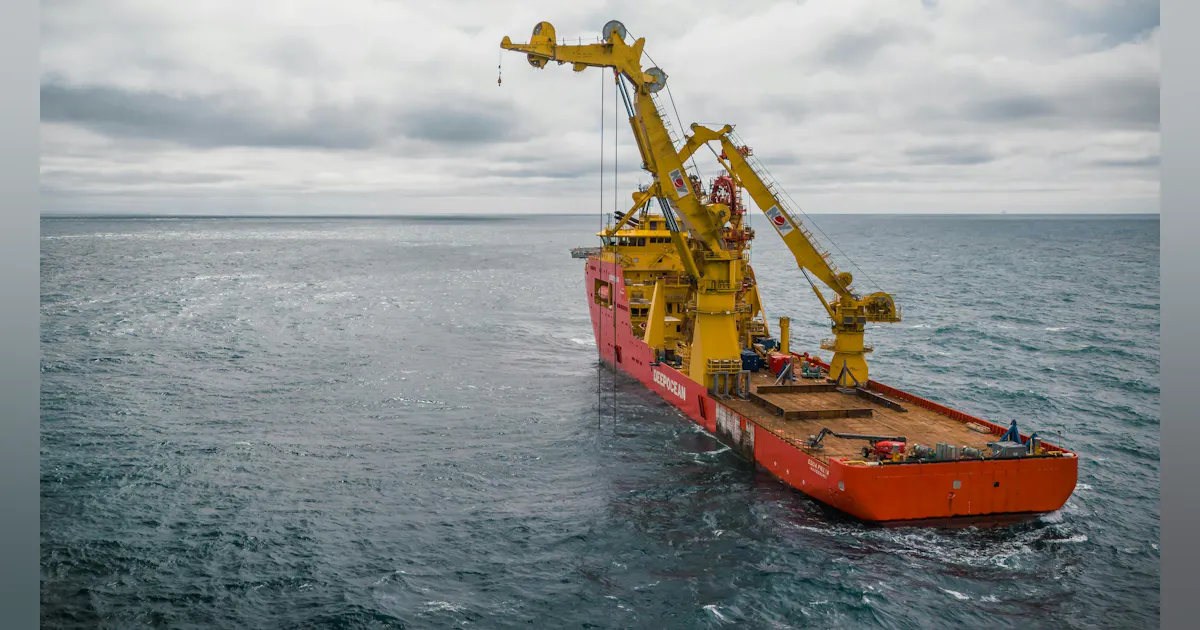
DeepOcean wins subsea tieback, riser jobs at three Equinor fields offshore Norway

In 60 seconds

Top move

A confirmed DeepOcean award in Norway creates concrete demand for subsea installation and riser/umbilical recovery work that will consume vessel and fabrication capacity during the 2027-28 seasons, tightening mobilization windows for decommissioning packages that need similar assets

Key takeaways

  • A confirmed DeepOcean award in Norway creates concrete demand for subsea installation and riser/umbilical recovery work that will consume vessel and fabrication capacity during the 2027-28 seasons, tightening mobilization windows for decommissioning packages that need similar assets.
  • SIMOPS on live fields (riser replacements and tie-ins) raises insurer and interface requirements; contracts will likely need explicit SIMOPS risk allocation and pre-mobilization acceptance steps.
  • Baker Hughes’ extended integrated well-services scope expands suppliers that can bundle drilling, intervention and well construction — that increases the chance P&A scopes will be bundled or deprioritized versus integrated well work.[2]
  • A peripheral but relevant trend: front-loaded instrumentation and QA on monopile projects forces heavier onshore validation and reduces tolerance for rework; similar front-loading may appear in subsea and pile-related decommissioning scopes.[3]
  • Procurement outcome: verify vessel/yard booking windows and tighten mobilization pass-through language now, since awarded multi-season subsea programs will change slot availability and supplier pricing posture.

What changed since last run

  • Added DeepOcean subsea award with explicit riser recovery and SIMOPS work in Norway, creating a visible multi-season vessel/installation demand signal not present in the prior brief (May 28).
  • Added Baker Hughes contract extensions for integrated well services with Petrobras and Equinor, widening the pool of suppliers offering bundled well + intervention services since the prior run.

Key facts

  • Options to recover eight existing risers and umbilicals
  • Work spread across 2027-28 seasons
  • Water depths around 300–400 m
  • Contract extensions for Petrobras (Santos Basin) and Equinor (North Sea)
  • Scope includes AutoTrak, wireline, cementing and PRIME technology
  • Builds on a well-services award issued in early 2024

Why it matters

A confirmed DeepOcean award in Norway creates concrete demand for subsea installation and riser/umbilical recovery work that will consume vessel and fabrication capacity during the 2027-28 seasons, tightening mobilization windows for decommissioning packages that need similar assets. SIMOPS on live fields (riser replacements and tie-ins) raises insurer and interface requirements; contracts will likely need explicit SIMOPS risk allocation and pre-mobilization acceptance steps. Baker Hughes’ extended integrated well-services scope expands suppliers that can bundle drilling, intervention and well construction — that increases the chance P&A scopes will be bundled or deprioritized versus integrated well work. A peripheral but relevant trend: front-loaded instrumentation and QA on monopile projects forces heavier onshore validation and reduces tolerance for rework; similar front-loading may appear in subsea and pile-related decommissioning scopes

Cost / money

  • Mobilization and vessel day-rate pressure likely to rise for decommissioning scopes that require subsea installation or riser recovery, because awarded multi-season programs lock vessel capacity and can drive spot premiums for overlapping windows.
  • Integrated well-services extensions shift some cost exposure from fabrications and standalone P&A contractors toward specialized well-service suppliers, changing which line items (mobilization, specialized tools, intervention services) appear in bids.[2]
  • Front-loaded onshore QA and instrumentation acceptance increases yard hold time and pre-mobilization cost if buyers require supplier validation before tow-out or offshore handover.[3]

Supplier / commercial

  • Suppliers winning multi-field packages (tiebacks, riser replacements, recoveries) will gain negotiation leverage on timelines and quote validity, reducing competition for standalone P&A lots.
  • Baker Hughes’ broader scope encourages more integrated bids that bundle well intervention and decommissioning-adjacent tasks, which can exclude smaller specialty P&A vendors unless RFQs explicitly protect standalone scopes.[2]
  • Prequalification filters should be updated to capture SIMOPS experience and multi-discipline execution records, because awards are already calling for simultaneous operations and complex tie-ins.

Safety / operations

  • SIMOPS on live production fields increases HSE interface complexity; expect stricter permitting, detailed lift and tie-in sequencing, and insurer sign-off requirements before NTP (notice to proceed).
  • Front-loading instrumentation and QA under difficult environmental conditions (cold/climate cure) raises the chance of pre-mobilization failures that can delay offshore work if rework is not possible after tow-out.[3]

What to watch

  • Watch for suppliers shortening quote validity or prioritizing higher-margin multi-field programs over standalone P&A bids — that behavior would reduce bid liquidity and increase mobilization pass-through risk.[2]
  • Watch whether awarded subsea programs start absorbing shared assets (cable/CTV, pipelay, construction vessels) in 2027-28; that could force staged mobilization or premium spot chartering for decommissioning campaigns.

Top stories

Story 1Offshore-mag

DeepOcean wins subsea tieback, riser jobs at three Equinor fields offshore Norway

Signal strongSource-grounded

What happened

Equinor awarded DeepOcean multiple subsea contracts including tiebacks, riser replacements and options to recover eight existing risers and umbilicals. The work is scheduled across the 2027-28 seasons and includes SIMOPS on live production fields, making it a multi-season demand signal for vessels and installation resources. Procurement should watch booking windows, SIMOPS clauses and how recoveries are tendered versus bundled installation work

Buyer takeaway

Treat this as a solid, actionable demand signal: awarded multi-field subsea work will lock vessel and fabrication slots that decommissioning campaigns commonly need

Cost / money

Directional upward pressure on mobilization and vessel day rates is likely because multi-season program awards consume limited tonnage and specialist equipment

Supplier / commercial

Winners of these packages gain leverage to bundle related scopes, shorten quote validity, and demand staged mobilization terms

Safety / operations

SIMOPS increases HSE complexity and will require explicit interface management, insurer engagement and more detailed pre-mobilization acceptance steps

What to watch

Watch supplier quote windows, bundling behavior, and early locking of shared assets (CTVs, pipelay vessels) that can force spot chartering for P&A

Key facts

  • Options to recover eight existing risers and umbilicals
  • Work spread across 2027-28 seasons
  • Water depths around 300–400 m

Source excerpts

5-km subsea satellite tieback to the Johan Castberg FPSO in the Barents Sea. DeepOcean will install the four-slot template and manifold module, flowlines, and static umbilical, while also managing associated survey, tie-ins and pre-commissioning tasks
Equinor has awarded subsea construction work to DeepOcean at three field centers offshore Norway
For the Visund Field in the North Sea, the SIMOPRO (simultaneous marine operation and production) installation contract involves replacing a gas export riser and an oil export riser, while the offshore production facility is in operation
Story 2Offshore-mag

Baker Hughes expanding scope of well services delivery to Petrobras and Equinor

Signal strongSource-grounded

What happened

Baker Hughes secured contract extensions with Petrobras and Equinor to expand integrated well-construction, drilling and intervention services. The extension broadens the supplier’s scope to include advanced downhole tools, wireline, cementing and autonomous technologies, making integrated bids more competitive versus standalone P&A vendors. Watch whether integrated suppliers start prioritizing bundled workloads and shorten quote validity on standalone packages

Buyer takeaway

Expect more integrated offers and fewer standalone P&A-only bids; protect competition by specifying unbundled options where needed

Cost / money

Cost exposure can shift into specialized well services and intervention tool rental, altering mobilization and pass-through line items in supplier bids

Supplier / commercial

Integrated suppliers can offer bundled pricing and prioritized scheduling, which may reduce market liquidity for specialty P&A contractors

Safety / operations

Integration of drilling/intervention and well construction with remote/autonomous tools affects on-site crew mixes and uptime dependency

What to watch

Watch for shorter quote validity from integrated suppliers and early slot allocation favoring bundled projects

Key facts

  • Contract extensions for Petrobras (Santos Basin) and Equinor (North Sea)
  • Scope includes AutoTrak, wireline, cementing and PRIME technology
  • Builds on a well-services award issued in early 2024

Source excerpts

Integrated well construction program extended for Petrobras’ Santos Basin developments Baker Hughes has secured extensions to contracts from Petrobras and Equinor for well construction, drilling and well services
Equinor awards multi‑year extensions for North Sea drilling and intervention services Equinor has confirmed multi-year contract extensions with Baker Hughes covering integrated drilling and well services and wireline intervention services – all supporting Equinor’s offshore hydrocarbon production programs in the Norwegian North Sea. For the integrated drilling and well services contract, Baker Hughes said it would employ holistic solutions for mature and greenfield development projects from its Well Constructi
For the integrated drilling and well services contract, Baker Hughes said it would employ holistic solutions for mature and greenfield development projects from its Well Construction and Completions, Intervention and Measurement portfolios
Story 3Offshore-mag

Instrumentation for Baltica 2 monopiles fitted, tested ahead of tow to offshore site

Signal limitedDirectional

What happened

Acteon/UTEC fitted and tested instrumentation on Baltica 2 monopiles before tow, front-loading monitoring systems under controlled conditions. The approach requires cured adhesives and validated QA prior to long-distance tow and offshore hammering, so there is no opportunity for offshore rework. This is a limited but relevant signal: buyers should watch supplier acceptance and front-loaded QA practices that could appear in some subsea or pile-related decommissioning scopes

Buyer takeaway

This is a limited cross-sector signal: front-loaded QA is operationally real for large structural installs and will matter where P&A suppliers rely on pre-mobilization acceptance

Cost / money

Upfront QA and cure-stage failures can add yard time and pre-mobilization cost if buyers require validation before offshore work

Supplier / commercial

Suppliers may require explicit acceptance gates and rejection/rework responsibility in contracts when front-loading instrumentation

Safety / operations

Front-loaded installation reduces offshore handling risks but increases dependency on controlled yard conditions and logistics

What to watch

Limited relevance to P&A but watch for similar front-loaded acceptance clauses appearing in subsea or pile-related decommissioning RFQs

Key facts

  • Instrumentation installed and tested before tow to site
  • Installation requires controlled curing and QA under cold conditions
  • Monitoring systems intended for long-term asset life

Source excerpts

” Front-loading installation assurance and validation “Although Baltica 2 is still in the delivery phase,” said Sandip Ukani, global technology systems and IT director at UTEC Monitoring, “the project is already illustrating the practical value of front-loading installation assurance when monitoring equipment must be installed early and then carried through a complex logistics chain without further access. Controlled installation environments and quantified dolly testing are providing measurable evidence, befor
Once the monopiles leave the yard, the sensors will be carried through transportation, handling and piling with no opportunity for rework. Therefore, Acteon is applying dolly testing alongside sensor installation, installing test samples under the same environmental conditions and pull-testing them over time to confirm adhesive strength development before the monopiles are moved offshore
As for the local offshore environment, currents and seabed conditions, “this campaign does not rely on pre-existing knowledge supplied by the client, other than the design information required for us to develop and install our monitoring solution," he added

VP Snapshot

Executive Risk & Action View

A confirmed DeepOcean award in Norway creates concrete demand for subsea installation and riser/umbilical recovery work that will consume vessel and fabrication capacity during the 2027-28 seasons, tightening mobilization windows for decommissioning packages that need similar assets.

Overall
58
Cost
97
Supply
25
Schedule
56
Compliance
15

Top signals

30-180dcost

Signal 1: Cost / money

Mobilization and vessel day-rate pressure likely to rise for decommissioning scopes that require subsea installation or riser recovery, because awarded multi-season programs lock vessel capacity and can drive spot premiums for overlapping windows.

Signal 2: Cost / money

Integrated well-services extensions shift some cost exposure from fabrications and standalone P&A contractors toward specialized well-service suppliers, changing which line items (mobilization, specialized tools, intervention services) appear in bids.

Signal 3: Cost / money

Front-loaded onshore QA and instrumentation acceptance increases yard hold time and pre-mobilization cost if buyers require supplier validation before tow-out or offshore handover.

30-180dcommercial

Signal 4: Supplier / commercial

Suppliers winning multi-field packages (tiebacks, riser replacements, recoveries) will gain negotiation leverage on timelines and quote validity, reducing competition for standalone P&A lots.

Signal 5: Supplier / commercial

Baker Hughes’ broader scope encourages more integrated bids that bundle well intervention and decommissioning-adjacent tasks, which can exclude smaller specialty P&A vendors unless RFQs explicitly protect standalone scopes.

Signal 6: Supplier / commercial

Prequalification filters should be updated to capture SIMOPS experience and multi-discipline execution records, because awards are already calling for simultaneous operations and complex tie-ins.

Recommended actions

ContractsDue 3d

Request confirmed vessel and yard booking windows from incumbent suppliers for regions where riser/umbilical recovery could compete with awarded tieback programs.

Documented supplier booking windows and a list of slot conflicts to inform bid schedules and mobilization clauses.

CategoryDue 3d

Run a quick supplier capability check on SIMOPS experience and insurer acceptance for simultaneous operations.

Shortlist annotated with SIMOPS capability and insurer contacts for rapid qualification decisions.

ContractsDue 21d

Update RFQ prequalification criteria to require explicit riser/umbilical recovery experience, SIMOPS records, and evidence of insurer sign-off or acceptance for similar scopes.

Revised RFQ template that disqualifies vendors without documented SIMOPS/riser recovery track records or insurer evidence.

CategoryDue 21d

Engage top incumbent well-services suppliers to map which integrated scopes they will prioritize (drilling/intervention vs standalone P&A) and obtain provisional price posture f...

Supplier position matrix showing likely bundling behavior and indicative price posture for standalone P&A scopes.

ContractsDue 60d

Negotiate contract clauses that cap mobilization pass-throughs, require insurer sign-off on SIMOPS and riser-recovery methods before NTP, and define staged mobilization triggers.

Contracts with mobilization pass-through limits, insurer-accepted SIMOPS clauses, and clear staged mobilization triggers to control cost and schedule leakage.

Risk register

RiskTriggerMitigation
Watch for suppliers shortening quote validity or prioritizing higher-margin multi-field programs over standalone P&A bids — that behavior would reduce bid liquidity and increase mobilization pass-through risk.Watch for suppliers shortening quote validity or prioritizing higher-margin multi-field programs over standalone P&A bids — that behavior would reduce bid liquidity and increase mobilization pass-through risk.Confirm exposure with category, contracts, and operations before the next supplier commitment.
Watch whether awarded subsea programs start absorbing shared assets (cable/CTV, pipelay, construction vessels) in 2027-28; that could force staged mobilization or premium spot chartering for decommissioning campaigns.Watch whether awarded subsea programs start absorbing shared assets (cable/CTV, pipelay, construction vessels) in 2027-28; that could force staged mobilization or premium spot chartering for decommissioning campaigns.Confirm exposure with category, contracts, and operations before the next supplier commitment.

CM Snapshot

Category Manager Decision Detail

Today's priorities

Request confirmed vessel and yard booking windows from incumbent suppliers for regions where riser/umbilical recovery could compete with awarded tieback programs.

Act because the DeepOcean award shows multi-season scheduling that can consume vessel/yard capacity; verify bookings now because confirmed slots will influence shortlist and mob...

Due 3d

high

CM move

Use this as the immediate supplier or contract action to move before the next sourcing gate.

Run a quick supplier capability check on SIMOPS experience and insurer acceptance for simultaneous operations.

Act because Equinor’s SIMOPS-based riser work requires proven SIMOPS execution and insurer comfort; capture existing evidence because lack of documented SIMOPS experience will i...

Due 3d

high

CM move

Use this as the immediate supplier or contract action to move before the next sourcing gate.

Update RFQ prequalification criteria to require explicit riser/umbilical recovery experience, SIMOPS records, and evidence of insurer sign-off or acceptance for similar scopes.

Act because awarded subsea recoveries and SIMOPS work increase execution and insurance requirements; embed these criteria because they will filter bids and protect the buyer fro...

Due 21d

high

CM move

Use this as the immediate supplier or contract action to move before the next sourcing gate.

Engage top incumbent well-services suppliers to map which integrated scopes they will prioritize (drilling/intervention vs standalone P&A) and obtain provisional price posture f...

Act because Baker Hughes’ expanded integrated delivery changes supplier bundling behavior; verify supplier prioritization because it will affect competition, pricing posture, an...

Due 21d

high

CM move

Use this as the immediate supplier or contract action to move before the next sourcing gate.

Supplier radar

Offshore-mag

high

Observed supplier signal

Suppliers winning multi-field packages (tiebacks, riser replacements, recoveries) will gain negotiation leverage on timelines and quote validity, reducing competition for standalone P&A lots.

Commercial implication

Suppliers winning multi-field packages (tiebacks, riser replacements, recoveries) will gain negotiation leverage on timelines and quote validity, reducing competition for standalone P&A lots.

Next step: Validate the source-backed signal with incumbents and alternates before the next award or pricing decision.

Offshore-mag

high

Observed supplier signal

Baker Hughes’ broader scope encourages more integrated bids that bundle well intervention and decommissioning-adjacent tasks, which can exclude smaller specialty P&A vendors unless RFQs explicitly protect standalone scopes.

Commercial implication

Baker Hughes’ broader scope encourages more integrated bids that bundle well intervention and decommissioning-adjacent tasks, which can exclude smaller specialty P&A vendors unless RFQs explicitly protect standalone scopes.

Next step: Validate the source-backed signal with incumbents and alternates before the next award or pricing decision.

Offshore-mag

high

Observed supplier signal

Prequalification filters should be updated to capture SIMOPS experience and multi-discipline execution records, because awards are already calling for simultaneous operations and complex tie-ins.

Commercial implication

Prequalification filters should be updated to capture SIMOPS experience and multi-discipline execution records, because awards are already calling for simultaneous operations and complex tie-ins.

Next step: Validate the source-backed signal with incumbents and alternates before the next award or pricing decision.

Negotiation levers

Request confirmed vessel and yard booking windows from incumbent suppliers for regions where riser/umbilical recovery could compete with awarded tieback programs.

When to use: Act because the DeepOcean award shows multi-season scheduling that can consume vessel/yard capacity; verify bookings now because confirmed slots will influence shortlist and mob...

Expected outcome: Documented supplier booking windows and a list of slot conflicts to inform bid schedules and mobilization clauses.

Commercial mechanism to carry into the next supplier conversation

Run a quick supplier capability check on SIMOPS experience and insurer acceptance for simultaneous operations.

When to use: Act because Equinor’s SIMOPS-based riser work requires proven SIMOPS execution and insurer comfort; capture existing evidence because lack of documented SIMOPS experience will i...

Expected outcome: Shortlist annotated with SIMOPS capability and insurer contacts for rapid qualification decisions.

Commercial mechanism to carry into the next supplier conversation

Update RFQ prequalification criteria to require explicit riser/umbilical recovery experience, SIMOPS records, and evidence of insurer sign-off or acceptance for similar scopes.

When to use: Act because awarded subsea recoveries and SIMOPS work increase execution and insurance requirements; embed these criteria because they will filter bids and protect the buyer fro...

Expected outcome: Revised RFQ template that disqualifies vendors without documented SIMOPS/riser recovery track records or insurer evidence.

Commercial mechanism to carry into the next supplier conversation

Engage top incumbent well-services suppliers to map which integrated scopes they will prioritize (drilling/intervention vs standalone P&A) and obtain provisional price posture f...

When to use: Act because Baker Hughes’ expanded integrated delivery changes supplier bundling behavior; verify supplier prioritization because it will affect competition, pricing posture, an...

Expected outcome: Supplier position matrix showing likely bundling behavior and indicative price posture for standalone P&A scopes.

Commercial mechanism to carry into the next supplier conversation

Talking points

A confirmed DeepOcean award in Norway creates concrete demand for subsea installation and riser/umbilical recovery work that will consume vessel and fabrication capacity during the 2027-28 seasons, tightening mobilization windows for decommissioning packages that need similar assets.
SIMOPS on live fields (riser replacements and tie-ins) raises insurer and interface requirements; contracts will likely need explicit SIMOPS risk allocation and pre-mobilization acceptance steps.
Baker Hughes’ extended integrated well-services scope expands suppliers that can bundle drilling, intervention and well construction — that increases the chance P&A scopes will be bundled or deprioritized versus integrated well work.
A peripheral but relevant trend: front-loaded instrumentation and QA on monopile projects forces heavier onshore validation and reduces tolerance for rework; similar front-loading may appear in subsea and pile-related decommissioning scopes.

Supplier radar

SupplierSignalImplicationNext stepConfidence
Offshore-magSuppliers winning multi-field packages (tiebacks, riser replacements, recoveries) will gain negotiation leverage on timelines and quote validity, reducing competition for standalone P&A lots.Suppliers winning multi-field packages (tiebacks, riser replacements, recoveries) will gain negotiation leverage on timelines and quote validity, reducing competition for standalone P&A lots.Validate the source-backed signal with incumbents and alternates before the next award or pricing decision.high
Offshore-magBaker Hughes’ broader scope encourages more integrated bids that bundle well intervention and decommissioning-adjacent tasks, which can exclude smaller specialty P&A vendors unless RFQs explicitly protect standalone scopes.Baker Hughes’ broader scope encourages more integrated bids that bundle well intervention and decommissioning-adjacent tasks, which can exclude smaller specialty P&A vendors unless RFQs explicitly protect standalone scopes.Validate the source-backed signal with incumbents and alternates before the next award or pricing decision.high
Offshore-magPrequalification filters should be updated to capture SIMOPS experience and multi-discipline execution records, because awards are already calling for simultaneous operations and complex tie-ins.Prequalification filters should be updated to capture SIMOPS experience and multi-discipline execution records, because awards are already calling for simultaneous operations and complex tie-ins.Validate the source-backed signal with incumbents and alternates before the next award or pricing decision.high

Negotiation levers

  • Request confirmed vessel and yard booking windows from incumbent suppliers for regions where riser/umbilical recovery could compete with awarded tieback programs.Act because the DeepOcean award shows multi-season scheduling that can consume vessel/yard capacity; verify bookings now because confirmed slots will influence shortlist and mob...Documented supplier booking windows and a list of slot conflicts to inform bid schedules and mobilization clauses.

    high confidence

  • Run a quick supplier capability check on SIMOPS experience and insurer acceptance for simultaneous operations.Act because Equinor’s SIMOPS-based riser work requires proven SIMOPS execution and insurer comfort; capture existing evidence because lack of documented SIMOPS experience will i...Shortlist annotated with SIMOPS capability and insurer contacts for rapid qualification decisions.

    high confidence

  • Update RFQ prequalification criteria to require explicit riser/umbilical recovery experience, SIMOPS records, and evidence of insurer sign-off or acceptance for similar scopes.Act because awarded subsea recoveries and SIMOPS work increase execution and insurance requirements; embed these criteria because they will filter bids and protect the buyer fro...Revised RFQ template that disqualifies vendors without documented SIMOPS/riser recovery track records or insurer evidence.

    high confidence

  • Engage top incumbent well-services suppliers to map which integrated scopes they will prioritize (drilling/intervention vs standalone P&A) and obtain provisional price posture f...Act because Baker Hughes’ expanded integrated delivery changes supplier bundling behavior; verify supplier prioritization because it will affect competition, pricing posture, an...Supplier position matrix showing likely bundling behavior and indicative price posture for standalone P&A scopes.

    high confidence

What to do / What to watch

What to do now

  • Request confirmed vessel and yard booking windows from incumbent suppliers for regions where riser/umbilical recovery could compete with awarded tieback programs.

    Why: Act because the DeepOcean award shows multi-season scheduling that can consume vessel/yard capacity; verify bookings now because confirmed slots will influence shortlist and mob...

    Owner: Contracts

    Expected outcome: Documented supplier booking windows and a list of slot conflicts to inform bid schedules and mobilization clauses.

  • Run a quick supplier capability check on SIMOPS experience and insurer acceptance for simultaneous operations.

    Why: Act because Equinor’s SIMOPS-based riser work requires proven SIMOPS execution and insurer comfort; capture existing evidence because lack of documented SIMOPS experience will i...

    Owner: Category

    Expected outcome: Shortlist annotated with SIMOPS capability and insurer contacts for rapid qualification decisions.

Next few weeks

  • Update RFQ prequalification criteria to require explicit riser/umbilical recovery experience, SIMOPS records, and evidence of insurer sign-off or acceptance for similar scopes.

    Why: Act because awarded subsea recoveries and SIMOPS work increase execution and insurance requirements; embed these criteria because they will filter bids and protect the buyer fro...

    Owner: Contracts

    Expected outcome: Revised RFQ template that disqualifies vendors without documented SIMOPS/riser recovery track records or insurer evidence.

  • Engage top incumbent well-services suppliers to map which integrated scopes they will prioritize (drilling/intervention vs standalone P&A) and obtain provisional price posture f...

    Why: Act because Baker Hughes’ expanded integrated delivery changes supplier bundling behavior; verify supplier prioritization because it will affect competition, pricing posture, an...

    Owner: Category

    Expected outcome: Supplier position matrix showing likely bundling behavior and indicative price posture for standalone P&A scopes.

    [2]

Longer view

  • Negotiate contract clauses that cap mobilization pass-throughs, require insurer sign-off on SIMOPS and riser-recovery methods before NTP, and define staged mobilization triggers.

    Why: Act because multi-season subsea programs and integrated supplier behavior increase mobilization and insurance risk; include these clauses because they transfer defined financial...

    Owner: Contracts

    Expected outcome: Contracts with mobilization pass-through limits, insurer-accepted SIMOPS clauses, and clear staged mobilization triggers to control cost and schedule leakage.

    [2]

What to watch

  • Watch for suppliers shortening quote validity or prioritizing higher-margin multi-field programs over standalone P&A bids — that behavior would reduce bid liquidity and increase mobilization pass-through risk
  • Watch whether awarded subsea programs start absorbing shared assets (cable/CTV, pipelay, construction vessels) in 2027-28; that could force staged mobilization or premium spot chartering for decommissioning campaigns
  • Watch for suppliers shortening quote validity or prioritizing higher-margin multi-field programs over standalone P&A bids — that behavior would reduce bid liquidity and increase mobilization pass-through risk.: Watch for suppliers shortening quote validity or prioritizing higher-margin multi-field programs over standalone P&A bids — that behavior would reduce bid liquidity and increase mobilization pass-through risk
  • Watch whether awarded subsea programs start absorbing shared assets (cable/CTV, pipelay, construction vessels) in 2027-28; that could force staged mobilization or premium spot chartering for decommissioning campaigns.: Watch whether awarded subsea programs start absorbing shared assets (cable/CTV, pipelay, construction vessels) in 2027-28; that could force staged mobilization or premium spot chartering for decommissioning campaigns
  • A confirmed DeepOcean award in Norway creates concrete demand for subsea installation and riser/umbilical recovery work that will consume vessel and fabrication capacity during the 2027-28 seasons, tightening mobilization windows for decommissioning packages that need similar assets
  • SIMOPS on live fields (riser replacements and tie-ins) raises insurer and interface requirements; contracts will likely need explicit SIMOPS risk allocation and pre-mobilization acceptance steps
  • Baker Hughes’ extended integrated well-services scope expands suppliers that can bundle drilling, intervention and well construction — that increases the chance P&A scopes will be bundled or deprioritized versus integrated well work
  • A peripheral but relevant trend: front-loaded instrumentation and QA on monopile projects forces heavier onshore validation and reduces tolerance for rework; similar front-loading may appear in subsea and pile-related decommissioning scopes

Market pulse

IndexLatestChangeAs of
WTI Crude (WTI)71.23 /bbl+0.00 (+0.00%)May 29, 2026, 10:08 AM
Brent Crude (BRENT)74.89 /bbl+0.00 (+0.00%)May 29, 2026, 10:08 AM
Natural Gas (NG)3.12 /MMBtu+0.00 (+0.00%)May 29, 2026, 10:08 AM
Baltic Dry (BDI)1,245 pts+0.00 (+0.00%)May 29, 2026, 10:08 AM
  • Baltic Dry: Baltic Dry trends matter to vessel/transport availability and charter cost for yards and pre-mobilization logistics
  • WTI Crude: Oil price direction influences operator capital timing and the pace at which decommissioning budgets are released or deferred

Sources

Inline citations jump here. Expand a source to read the excerpt, the AI interpretation, and the original link.

[1] DeepOcean wins subsea tieback, riser jobs at three Equinor fields offshore Norway

offshore-mag.com · n.d.

Expand

AI reading

Equinor awarded DeepOcean multiple subsea contracts including tiebacks, riser replacements and options to recover eight existing risers and umbilicals. The work is scheduled across the 2027-28 seasons and includes SIMOPS on live production fields, making it a multi-season demand signal for vessels and installation resources. Procurement should watch booking windows, SIMOPS clauses and how recoveries are tendered versus bundled installation work

Buyer takeaway

Treat this as a solid, actionable demand signal: awarded multi-field subsea work will lock vessel and fabrication slots that decommissioning campaigns commonly need

Cost / money

Directional upward pressure on mobilization and vessel day rates is likely because multi-season program awards consume limited tonnage and specialist equipment

Supplier / commercial

Winners of these packages gain leverage to bundle related scopes, shorten quote validity, and demand staged mobilization terms

Safety / operations

SIMOPS increases HSE complexity and will require explicit interface management, insurer engagement and more detailed pre-mobilization acceptance steps

What to watch

Watch supplier quote windows, bundling behavior, and early locking of shared assets (CTVs, pipelay vessels) that can force spot chartering for P&A

Key facts

  • Options to recover eight existing risers and umbilicals
  • Work spread across 2027-28 seasons
  • Water depths around 300–400 m

Source excerpts

5-km subsea satellite tieback to the Johan Castberg FPSO in the Barents Sea. DeepOcean will install the four-slot template and manifold module, flowlines, and static umbilical, while also managing associated survey, tie-ins and pre-commissioning tasks
Equinor has awarded subsea construction work to DeepOcean at three field centers offshore Norway
For the Visund Field in the North Sea, the SIMOPRO (simultaneous marine operation and production) installation contract involves replacing a gas export riser and an oil export riser, while the offshore production facility is in operation

Used in this brief

  • Next 72 hours — Request confirmed vessel and yard booking windows from incumbent suppliers for regions where riser/umbilical recovery could compete with awarded tieback programs.. Rationale: Act because the DeepOcean award shows multi-season scheduling that can consume vessel/yard capacity; verify bookings now because confirmed slots will influence shortlist and mob.... Owner: Contracts. KPI: Documented supplier booking windows and a list of slot conflicts to inform bid schedules and mobilization clauses
  • Next 72 hours — Run a quick supplier capability check on SIMOPS experience and insurer acceptance for simultaneous operations.. Rationale: Act because Equinor’s SIMOPS-based riser work requires proven SIMOPS execution and insurer comfort; capture existing evidence because lack of documented SIMOPS experience will i.... Owner: Category. KPI: Shortlist annotated with SIMOPS capability and insurer contacts for rapid qualification decisions
  • Next 2-4 weeks — Update RFQ prequalification criteria to require explicit riser/umbilical recovery experience, SIMOPS records, and evidence of insurer sign-off or acceptance for similar scopes.. Rationale: Act because awarded subsea recoveries and SIMOPS work increase execution and insurance requirements; embed these criteria because they will filter bids and protect the buyer fro.... Owner: Contracts. KPI: Revised RFQ template that disqualifies vendors without documented SIMOPS/riser recovery track records or insurer evidence
Open original source

[2] Baker Hughes expanding scope of well services delivery to Petrobras and Equinor

offshore-mag.com · n.d.

Expand

AI reading

Baker Hughes secured contract extensions with Petrobras and Equinor to expand integrated well-construction, drilling and intervention services. The extension broadens the supplier’s scope to include advanced downhole tools, wireline, cementing and autonomous technologies, making integrated bids more competitive versus standalone P&A vendors. Watch whether integrated suppliers start prioritizing bundled workloads and shorten quote validity on standalone packages

Buyer takeaway

Expect more integrated offers and fewer standalone P&A-only bids; protect competition by specifying unbundled options where needed

Cost / money

Cost exposure can shift into specialized well services and intervention tool rental, altering mobilization and pass-through line items in supplier bids

Supplier / commercial

Integrated suppliers can offer bundled pricing and prioritized scheduling, which may reduce market liquidity for specialty P&A contractors

Safety / operations

Integration of drilling/intervention and well construction with remote/autonomous tools affects on-site crew mixes and uptime dependency

What to watch

Watch for shorter quote validity from integrated suppliers and early slot allocation favoring bundled projects

Key facts

  • Contract extensions for Petrobras (Santos Basin) and Equinor (North Sea)
  • Scope includes AutoTrak, wireline, cementing and PRIME technology
  • Builds on a well-services award issued in early 2024

Source excerpts

Integrated well construction program extended for Petrobras’ Santos Basin developments Baker Hughes has secured extensions to contracts from Petrobras and Equinor for well construction, drilling and well services
Equinor awards multi‑year extensions for North Sea drilling and intervention services Equinor has confirmed multi-year contract extensions with Baker Hughes covering integrated drilling and well services and wireline intervention services – all supporting Equinor’s offshore hydrocarbon production programs in the Norwegian North Sea. For the integrated drilling and well services contract, Baker Hughes said it would employ holistic solutions for mature and greenfield development projects from its Well Constructi
For the integrated drilling and well services contract, Baker Hughes said it would employ holistic solutions for mature and greenfield development projects from its Well Construction and Completions, Intervention and Measurement portfolios

Used in this brief

  • A confirmed DeepOcean award in Norway creates concrete demand for subsea installation and riser/umbilical recovery work that will consume vessel and fabrication capacity during the 2027-28 seasons, tightening mobilization windows for decommissioning packages that need similar assets. SIMOPS on live fields (riser replacements and tie-ins) raises insurer and interface requirements; contracts will likely need explicit SIMOPS risk allocation and pre-mobilization acceptance steps. Baker Hughes’ extended integrated well-services scope expands suppliers that can bundle drilling, intervention and well construction — that increases the chance P&A scopes will be bundled or deprioritized versus integrated well work. A peripheral but relevant trend: front-loaded instrumentation and QA on monopile projects forces heavier onshore validation and reduces tolerance for rework; similar front-loading may appear in subsea and pile-related decommissioning scopes
  • Cost / money: Integrated well-services extensions shift some cost exposure from fabrications and standalone P&A contractors toward specialized well-service suppliers, changing which line items (mobilization, specialized tools, intervention services) appear in bids
  • Supplier / commercial: Baker Hughes’ broader scope encourages more integrated bids that bundle well intervention and decommissioning-adjacent tasks, which can exclude smaller specialty P&A vendors unless RFQs explicitly protect standalone scopes
Open original source

[3] Instrumentation for Baltica 2 monopiles fitted, tested ahead of tow to offshore site

offshore-mag.com · n.d.

Expand

AI reading

Acteon/UTEC fitted and tested instrumentation on Baltica 2 monopiles before tow, front-loading monitoring systems under controlled conditions. The approach requires cured adhesives and validated QA prior to long-distance tow and offshore hammering, so there is no opportunity for offshore rework. This is a limited but relevant signal: buyers should watch supplier acceptance and front-loaded QA practices that could appear in some subsea or pile-related decommissioning scopes

Buyer takeaway

This is a limited cross-sector signal: front-loaded QA is operationally real for large structural installs and will matter where P&A suppliers rely on pre-mobilization acceptance

Cost / money

Upfront QA and cure-stage failures can add yard time and pre-mobilization cost if buyers require validation before offshore work

Supplier / commercial

Suppliers may require explicit acceptance gates and rejection/rework responsibility in contracts when front-loading instrumentation

Safety / operations

Front-loaded installation reduces offshore handling risks but increases dependency on controlled yard conditions and logistics

What to watch

Limited relevance to P&A but watch for similar front-loaded acceptance clauses appearing in subsea or pile-related decommissioning RFQs

Key facts

  • Instrumentation installed and tested before tow to site
  • Installation requires controlled curing and QA under cold conditions
  • Monitoring systems intended for long-term asset life

Source excerpts

” Front-loading installation assurance and validation “Although Baltica 2 is still in the delivery phase,” said Sandip Ukani, global technology systems and IT director at UTEC Monitoring, “the project is already illustrating the practical value of front-loading installation assurance when monitoring equipment must be installed early and then carried through a complex logistics chain without further access. Controlled installation environments and quantified dolly testing are providing measurable evidence, befor
Once the monopiles leave the yard, the sensors will be carried through transportation, handling and piling with no opportunity for rework. Therefore, Acteon is applying dolly testing alongside sensor installation, installing test samples under the same environmental conditions and pull-testing them over time to confirm adhesive strength development before the monopiles are moved offshore
As for the local offshore environment, currents and seabed conditions, “this campaign does not rely on pre-existing knowledge supplied by the client, other than the design information required for us to develop and install our monitoring solution," he added

Used in this brief

  • Acteon/UTEC fitted and tested instrumentation on Baltica 2 monopiles before tow, front-loading monitoring systems under controlled conditions. The approach requires cured adhesives and validated QA prior to long-distance tow and offshore hammering, so there is no opportunity for offshore rework. This is a limited but relevant signal: buyers should watch supplier acceptance and front-loaded QA practices that could appear in some subsea or pile-related decommissioning scopes
  • Buyer bottom line: front-loaded onshore QA reduces offshore rework tolerance and can lengthen yard hold time—include acceptance gates in mobilization planning
  • This is a limited cross-sector signal: front-loaded QA is operationally real for large structural installs and will matter where P&A suppliers rely on pre-mobilization acceptance
Open original source

[4] Baltic Dry

finance.yahoo.com · n.d.

Expand

[5] WTI Crude

finance.yahoo.com · n.d.

Expand