Site Services & Facilities · Australia (Perth)

Adjust Security Procurement and Contract Terms for Event and EPC Signals

Published May 30, 2026, 6:04 AM AWSTAPACLight-signal edition
Ask AI
DroneShield boosts world cup security

Coverage note

No material category-specific items detected today; relevant oil & gas context that could affect this category is: DroneShield boosts world cup security (Manufacturers' Monthly); Bechtel in charge of EPC scope for Cheniere’s LNG terminal expansion project (Offshore Energy). Procurement implication: keep supplier-risk monitoring active, maintain contract flexibility, and use index-linked guardrails until category-specific volume improves.

In 60 seconds

Top move

Event-scale urban airspace detection (radar + RF + sensor fusion) is being deployed for major events, creating a procurement need to define temporary airborne-detection services, integration SLAs, and data handover for site security scopes

Key takeaways

  • Event-scale urban airspace detection (radar + RF + sensor fusion) is being deployed for major events, creating a procurement need to define temporary airborne-detection services, integration SLAs, and data handover for site security scopes.[2]
  • Large lump-sum EPC awards for LNG expansion shift execution risk to prime contractors and can change how temporary site services, utilities and contractor interfaces are priced and passed through to buyers.
  • Today’s coverage is light for APAC site-services specifics — the actionable outcome is to watch and prepare (review contracts, confirm supplier capabilities) rather than execute urgent buys.[2]
  • Both items are operationally real but geographically indirect for APAC: the event-security example is US-based and the EPC work is a US Gulf project, so expect influence on vendor offers and contracting models rather than immediate local site changes.[2]
  • No new NSW EPA monitoring requirements were reported today — maintain the regulatory watchlist from the previous brief and prioritise supplier readiness and contract clause templates for when regional rules appear.

What changed since last run

  • Shift from NSW monitoring regulatory signals to two operational supplier signals (event airspace detection and a large US EPC award); no new APAC regulatory content to act on.

Key facts

  • Multi-site urban airspace deployment for a major international event
  • Combines radar, RF sensing and sensor-fusion for integrated situational awareness
  • Designed to operate across multiple jurisdictions and public-safety partners
  • Lump-sum, turnkey EPC contract for the first phase (Train 7) of an LNG terminal expansion
  • Scope includes boil-off gas re-liquefaction and tie-ins to existing terminal infrastructure
  • Project advancing to construction mobilization and sponsor investment decision milestones

Why it matters

Event-scale urban airspace detection (radar + RF + sensor fusion) is being deployed for major events, creating a procurement need to define temporary airborne-detection services, integration SLAs, and data handover for site security scopes. Large lump-sum EPC awards for LNG expansion shift execution risk to prime contractors and can change how temporary site services, utilities and contractor interfaces are priced and passed through to buyers. Today’s coverage is light for APAC site-services specifics — the actionable outcome is to watch and prepare (review contracts, confirm supplier capabilities) rather than execute urgent buys. Both items are operationally real but geographically indirect for APAC: the event-security example is US-based and the EPC work is a US Gulf project, so expect influence on vendor offers and contracting models rather than immediate local site changes

Cost / money

  • Temporary airborne-detection and integrated situational-awareness services add new budget lines (rental, integration, data services) for event security scopes and may be quoted as time-limited or conditional.[2]
  • Lump-sum EPC deals tend to centralise cost control with the prime but can create pass-throughs for temporary site services, utilities and interface works that raise total owner expense during construction phases.
  • Specialist suppliers (fabrication yards, integrated security vendors) can see tighter availability during large EPC cycles or major events, which directionally increases buyer bargaining friction on price and lead times.

Supplier / commercial

  • Integrated sensor vendors offering detection + software dashboards gain commercial leverage for multi-site or event contracts; require interoperability and data-delivery SLAs to retain buyer leverage.[2]
  • Prime EPC contractors will likely control subcontractor selection and scheduling; local site-services suppliers should expect stricter compliance, fixed milestones, and clearer change-order drivers under lump-sum structures.
  • APAC buyers should verify who owns sensor data and who bears integration costs when contracting temporary detection or construction-interface services to avoid surprise pass-throughs.[2]

Safety / operations

  • Airspace detection deployments change on-site security workflows: integrate airspace-awareness outputs into site control rooms, update SOPs, and train staff on detection-to-response handoffs.[2]
  • Large EPC activity increases complexity at site boundaries — coordinate safety handovers, permit alignment and isolation responsibilities clearly in contracts before construction begins.
  • Compressed supplier mobilisations (both security integrators and construction subs) can strain permit, training and equipment-check schedules — validate readiness windows in sourcing conversations.[2]

What to watch

  • Watch for vendors shortening quote validity or adding conditional pricing for integrated detection systems (e.g., ‘integration cost TBC’) — this reduces negotiating leverage for buyers.[2]
  • Watch contract pass-through language on EPC projects for temporary utilities, site services and mobilisation fees — primes may move these costs out of lump-sum coverage into change orders.

Top stories

Story 1Manufacturers' MonthlyMay 28, 2026

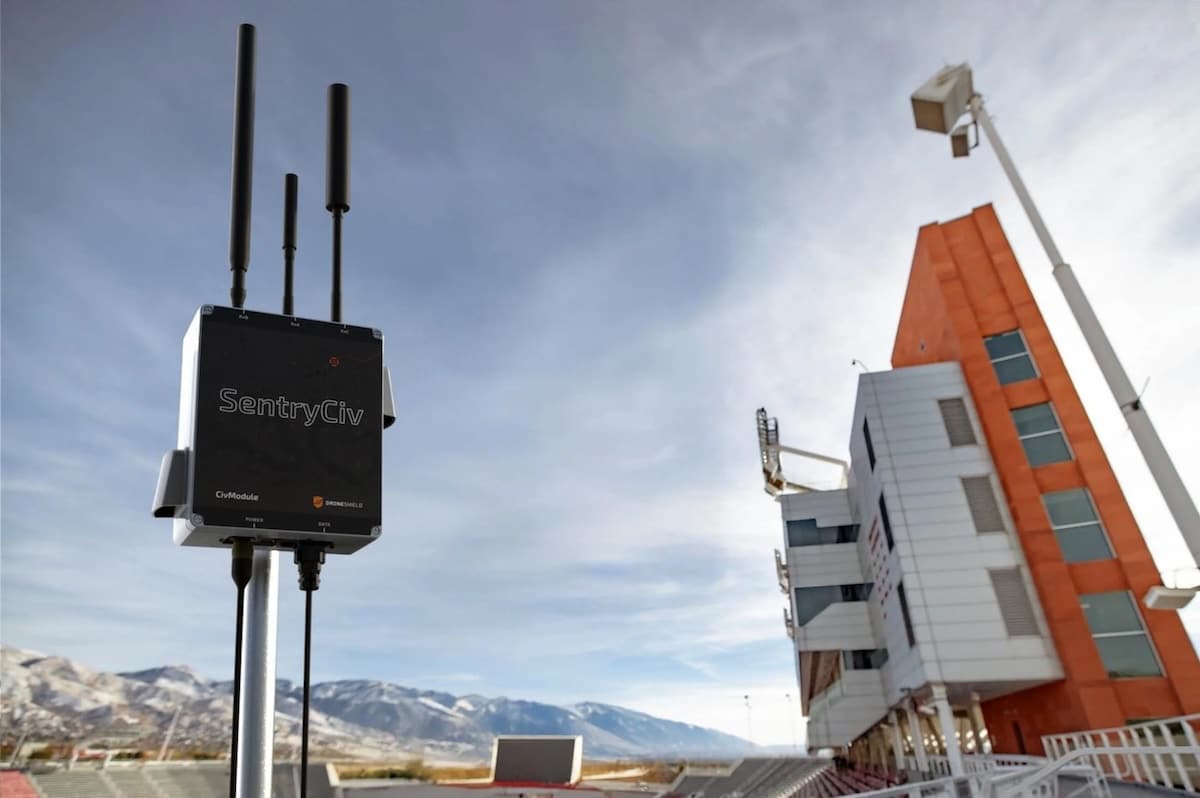
DroneShield boosts world cup security

Signal strongSource-grounded

What happened

DroneShield is deploying multi-site urban airspace security for FIFA World Cup coverage in Kansas City. The rollout combines radar, radio-frequency drone detection and sensor-fusion with an integrated situational-awareness portal ahead of the tournament. Watch for vendors packaging ‘detection-as-a-service’ and for conditional pricing tied to integration and data delivery

Buyer takeaway

Treat this as an operational demand signal for temporary airborne-detection services and data integration rather than a pure security equipment sale

Cost / money

Expect new line items for sensor rental, integration engineering and data services; suppliers may quote conditionally on integration scope

Supplier / commercial

Vendors offering integrated stacks (hardware + software + ops) will get leverage; require interoperability clauses and firm quote-validity terms

Safety / operations

Adds new detection-to-response workflows for site security teams and requires training and SOP updates for airspace incidents

What to watch

Watch for shortened quote windows, conditional pricing for integration, and vague data-ownership terms in supplier bids

Key facts

  • Multi-site urban airspace deployment for a major international event
  • Combines radar, RF sensing and sensor-fusion for integrated situational awareness
  • Designed to operate across multiple jurisdictions and public-safety partners

Source excerpts

Unlike traditional single-site security systems, the Kansas City approach focuses on persistent regional airspace awareness across multiple operational areas and jurisdictions. The model reflects growing demand for scalable urban airspace resilience strategies that can support both major event security and long-term public safety operations
It combines operational airspace coordination, distributed radar coverage, radio frequency-based drone detection and integrated situational awareness systems to support security operations across multiple jurisdictions ahead of the tournament. DroneShield will act as the primary detection and threat response layer within the deployment, supporting multi-site airspace awareness workflows through radio frequency sensing, sensor fusion, operational coordination and counter-unmanned aircraft system capabilities
The system has been designed for complex urban environments where authorised drone operations, public safety aviation activity, media coverage and potential unauthorised drone activity may occur simultaneously. Tom Adams, director of public safety at DroneShield and a retired FBI agent with 20 years specialising in counterterrorism and public safety, said cities were increasingly facing new airspace security challenges
Story 2Offshore EnergyMay 29, 2026

Bechtel in charge of EPC scope for Cheniere’s LNG terminal expansion project

Signal strongSource-grounded

What happened

Bechtel has been awarded the EPC scope for the first phase of a large LNG terminal expansion at Sabine Pass. The contract is lump-sum, turnkey for Train 7 and supporting infrastructure, and the project is moving toward construction approvals and an expected investment decision timeline referenced by the sponsor; monitor subcontracting and pass-through profiles as the prime mobilises

Buyer takeaway

Expect prime contractors to control supplier selection and schedule; buyers should verify how temporary services, utilities and interfaces are scoped and charged

Cost / money

While lump-sum shifts many risks to the prime, pass-throughs and change-order drivers can still increase owner costs for site services and temporary works

Supplier / commercial

Local subs and fabrication yards may face compressed lead times and stricter compliance under a prime-led schedule, reducing negotiation room

Safety / operations

Large construction phases require clarified safety handovers and interface management between operations and construction teams

What to watch

Watch contract pass-through language for temporary utilities, site services and mobilisation fees that can emerge as change orders

Key facts

  • Lump-sum, turnkey EPC contract for the first phase (Train 7) of an LNG terminal expansion
  • Scope includes boil-off gas re-liquefaction and tie-ins to existing terminal infrastructure
  • Project advancing to construction mobilization and sponsor investment decision milestones

Source excerpts

The full construction is expected to begin in early 2027
Cheniere’s Sabine Pass LNG; Source: Bechtel Cheniere has entered into a lump sum, turnkey, engineering, procurement, and construction (EPC) contract with Bechtel for the first phase of the SPL expansion project and given the firm the green light to start early engineering and procurement for Phase 1 under a limited notice to proceed (LNTP)
Cheniere’s Sabine Pass LNG; Source: Bechtel Cheniere has entered into a lump sum, turnkey, engineering, procurement, and construction (EPC) contract with Bechtel for the first phase of the SPL expansion project and given the firm the green light to start early engineering and procurement for Phase 1 under a limited notice to proceed (LNTP). The full construction is expected to begin in early 2027

VP Snapshot

Executive Risk & Action View

Event-scale urban airspace detection (radar + RF + sensor fusion) is being deployed for major events, creating a procurement need to define temporary airborne-detection services, integration SLAs, and data handover for site security scopes.

Overall
47
Cost
97
Supply
25
Schedule
38
Compliance
75

Top signals

30-180dcost

Signal 1: Cost / money

Temporary airborne-detection and integrated situational-awareness services add new budget lines (rental, integration, data services) for event security scopes and may be quoted as time-limited or conditional.

Signal 2: Cost / money

Lump-sum EPC deals tend to centralise cost control with the prime but can create pass-throughs for temporary site services, utilities and interface works that raise total owner expense during construction phases.

0-30dcost

Signal 3: Cost / money

Specialist suppliers (fabrication yards, integrated security vendors) can see tighter availability during large EPC cycles or major events, which directionally increases buyer bargaining friction on price and lead times.

30-180dschedule

Signal 4: Supplier / commercial

Integrated sensor vendors offering detection + software dashboards gain commercial leverage for multi-site or event contracts; require interoperability and data-delivery SLAs to retain buyer leverage.

30-180dregulatory

Signal 5: Supplier / commercial

Prime EPC contractors will likely control subcontractor selection and scheduling; local site-services suppliers should expect stricter compliance, fixed milestones, and clearer change-order drivers under lump-sum structures.

30-180dcommercial

Signal 6: Supplier / commercial

APAC buyers should verify who owns sensor data and who bears integration costs when contracting temporary detection or construction-interface services to avoid surprise pass-throughs.

Recommended actions

CategoryDue 3d

Add event-airspace detection and large-EPC flags to the APAC procurement watchlist and tag relevant contracts for rapid clause review.

Updated watchlist with flagged contracts ready for clause review when scopes arise.

ContractsDue 3d

Ask incumbent security integrators for a short capability note on RF detection, radar integration and data-sharing readiness.

Supplier capability matrix summarising which vendors can deliver integrated airborne detection and what integration work remains.

ContractsDue 21d

Run targeted contract clause reviews for temporary event security and construction-interface work focusing on data ownership, SLA/performance metrics, quote validity, and pass-t...

Clause library updates and a prioritized list of contracts needing amendment before next event season or construction mobilization.

CategoryDue 21d

Engage shortlisted fabrication, temporary utilities and site-services suppliers to confirm lead times, conditional pricing, and mobilisation constraints for large construction o...

Market feedback report showing supplier availability, likely constraints and negotiation levers.

OpsDue 60d

Task Operations to run a cross-functional readiness assessment for sites that host large events or may interface with nearby construction, covering safety handovers, temporary s...

Site readiness report with prioritized remediation items for safety, contract interfaces and temporary services.

Risk register

RiskTriggerMitigation
Watch for vendors shortening quote validity or adding conditional pricing for integrated detection systems (e.g., ‘integration cost TBC’) — this reduces negotiating leverage for buyers.Watch for vendors shortening quote validity or adding conditional pricing for integrated detection systems (e.g., ‘integration cost TBC’) — this reduces negotiating leverage for buyers.Confirm exposure with category, contracts, and operations before the next supplier commitment.
Watch contract pass-through language on EPC projects for temporary utilities, site services and mobilisation fees — primes may move these costs out of lump-sum coverage into change orders.Watch contract pass-through language on EPC projects for temporary utilities, site services and mobilisation fees — primes may move these costs out of lump-sum coverage into change orders.Confirm exposure with category, contracts, and operations before the next supplier commitment.

CM Snapshot

Category Manager Decision Detail

Today's priorities

Add event-airspace detection and large-EPC flags to the APAC procurement watchlist and tag relevant contracts for rapid clause review.

Do this because the DroneShield multi-site event model and the large lump-sum EPC award both create likely negotiation hotspots (data SLAs, integration fees, pass-throughs) and...

Due 3d

high

CM move

Use this as the immediate supplier or contract action to move before the next sourcing gate.

Ask incumbent security integrators for a short capability note on RF detection, radar integration and data-sharing readiness.

Do this because event-scale deployments show integrated detection is a packaged capability and suppliers with ready stacks will command better terms; capability notes reveal rea...

Due 3d

high

CM move

Use this as the immediate supplier or contract action to move before the next sourcing gate.

Run targeted contract clause reviews for temporary event security and construction-interface work focusing on data ownership, SLA/performance metrics, quote validity, and pass-t...

Do this because both the airspace-detection and EPC signals identify data integration and pass-throughs as likely negotiation points and pre-drafted clauses reduce cycle time du...

Due 21d

high

CM move

Use this as the immediate supplier or contract action to move before the next sourcing gate.

Engage shortlisted fabrication, temporary utilities and site-services suppliers to confirm lead times, conditional pricing, and mobilisation constraints for large construction o...

Do this because prime-led EPC work and event deployments can tighten supplier availability and change pricing posture; early supplier checks preserve sourcing options.

Due 21d

high

CM move

Use this as the immediate supplier or contract action to move before the next sourcing gate.

Supplier radar

Manufacturers' Monthly

high

Observed supplier signal

Integrated sensor vendors offering detection + software dashboards gain commercial leverage for multi-site or event contracts; require interoperability and data-delivery SLAs to retain buyer leverage.

Commercial implication

Integrated sensor vendors offering detection + software dashboards gain commercial leverage for multi-site or event contracts; require interoperability and data-delivery SLAs to retain buyer leverage.

Next step: Validate the source-backed signal with incumbents and alternates before the next award or pricing decision.

Offshore Energy

high

Observed supplier signal

Prime EPC contractors will likely control subcontractor selection and scheduling; local site-services suppliers should expect stricter compliance, fixed milestones, and clearer change-order drivers under lump-sum structures.

Commercial implication

Prime EPC contractors will likely control subcontractor selection and scheduling; local site-services suppliers should expect stricter compliance, fixed milestones, and clearer change-order drivers under lump-sum structures.

Next step: Validate the source-backed signal with incumbents and alternates before the next award or pricing decision.

Manufacturers' Monthly

high

Observed supplier signal

APAC buyers should verify who owns sensor data and who bears integration costs when contracting temporary detection or construction-interface services to avoid surprise pass-throughs.

Commercial implication

APAC buyers should verify who owns sensor data and who bears integration costs when contracting temporary detection or construction-interface services to avoid surprise pass-throughs.

Next step: Validate the source-backed signal with incumbents and alternates before the next award or pricing decision.

Negotiation levers

Add event-airspace detection and large-EPC flags to the APAC procurement watchlist and tag relevant contracts for rapid clause review.

When to use: Do this because the DroneShield multi-site event model and the large lump-sum EPC award both create likely negotiation hotspots (data SLAs, integration fees, pass-throughs) and...

Expected outcome: Updated watchlist with flagged contracts ready for clause review when scopes arise.

Commercial mechanism to carry into the next supplier conversation

Ask incumbent security integrators for a short capability note on RF detection, radar integration and data-sharing readiness.

When to use: Do this because event-scale deployments show integrated detection is a packaged capability and suppliers with ready stacks will command better terms; capability notes reveal rea...

Expected outcome: Supplier capability matrix summarising which vendors can deliver integrated airborne detection and what integration work remains.

Commercial mechanism to carry into the next supplier conversation

Run targeted contract clause reviews for temporary event security and construction-interface work focusing on data ownership, SLA/performance metrics, quote validity, and pass-t...

When to use: Do this because both the airspace-detection and EPC signals identify data integration and pass-throughs as likely negotiation points and pre-drafted clauses reduce cycle time du...

Expected outcome: Clause library updates and a prioritized list of contracts needing amendment before next event season or construction mobilization.

Commercial mechanism to carry into the next supplier conversation

Engage shortlisted fabrication, temporary utilities and site-services suppliers to confirm lead times, conditional pricing, and mobilisation constraints for large construction o...

When to use: Do this because prime-led EPC work and event deployments can tighten supplier availability and change pricing posture; early supplier checks preserve sourcing options.

Expected outcome: Market feedback report showing supplier availability, likely constraints and negotiation levers.

Commercial mechanism to carry into the next supplier conversation

Talking points

Event-scale urban airspace detection (radar + RF + sensor fusion) is being deployed for major events, creating a procurement need to define temporary airborne-detection services, integration SLAs, and data handover for site security scopes.
Large lump-sum EPC awards for LNG expansion shift execution risk to prime contractors and can change how temporary site services, utilities and contractor interfaces are priced and passed through to buyers.
Today’s coverage is light for APAC site-services specifics — the actionable outcome is to watch and prepare (review contracts, confirm supplier capabilities) rather than execute urgent buys.
Both items are operationally real but geographically indirect for APAC: the event-security example is US-based and the EPC work is a US Gulf project, so expect influence on vendor offers and contracting models rather than immediate local site changes.

Supplier radar

SupplierSignalImplicationNext stepConfidence
Manufacturers' MonthlyIntegrated sensor vendors offering detection + software dashboards gain commercial leverage for multi-site or event contracts; require interoperability and data-delivery SLAs to retain buyer leverage.Integrated sensor vendors offering detection + software dashboards gain commercial leverage for multi-site or event contracts; require interoperability and data-delivery SLAs to retain buyer leverage.Validate the source-backed signal with incumbents and alternates before the next award or pricing decision.high
Offshore EnergyPrime EPC contractors will likely control subcontractor selection and scheduling; local site-services suppliers should expect stricter compliance, fixed milestones, and clearer change-order drivers under lump-sum structures.Prime EPC contractors will likely control subcontractor selection and scheduling; local site-services suppliers should expect stricter compliance, fixed milestones, and clearer change-order drivers under lump-sum structures.Validate the source-backed signal with incumbents and alternates before the next award or pricing decision.high
Manufacturers' MonthlyAPAC buyers should verify who owns sensor data and who bears integration costs when contracting temporary detection or construction-interface services to avoid surprise pass-throughs.APAC buyers should verify who owns sensor data and who bears integration costs when contracting temporary detection or construction-interface services to avoid surprise pass-throughs.Validate the source-backed signal with incumbents and alternates before the next award or pricing decision.high

Negotiation levers

  • Add event-airspace detection and large-EPC flags to the APAC procurement watchlist and tag relevant contracts for rapid clause review.Do this because the DroneShield multi-site event model and the large lump-sum EPC award both create likely negotiation hotspots (data SLAs, integration fees, pass-throughs) and...Updated watchlist with flagged contracts ready for clause review when scopes arise.

    high confidence

  • Ask incumbent security integrators for a short capability note on RF detection, radar integration and data-sharing readiness.Do this because event-scale deployments show integrated detection is a packaged capability and suppliers with ready stacks will command better terms; capability notes reveal rea...Supplier capability matrix summarising which vendors can deliver integrated airborne detection and what integration work remains.

    high confidence

  • Run targeted contract clause reviews for temporary event security and construction-interface work focusing on data ownership, SLA/performance metrics, quote validity, and pass-t...Do this because both the airspace-detection and EPC signals identify data integration and pass-throughs as likely negotiation points and pre-drafted clauses reduce cycle time du...Clause library updates and a prioritized list of contracts needing amendment before next event season or construction mobilization.

    high confidence

  • Engage shortlisted fabrication, temporary utilities and site-services suppliers to confirm lead times, conditional pricing, and mobilisation constraints for large construction o...Do this because prime-led EPC work and event deployments can tighten supplier availability and change pricing posture; early supplier checks preserve sourcing options.Market feedback report showing supplier availability, likely constraints and negotiation levers.

    high confidence

What to do / What to watch

What to do now

  • Add event-airspace detection and large-EPC flags to the APAC procurement watchlist and tag relevant contracts for rapid clause review.

    Why: Do this because the DroneShield multi-site event model and the large lump-sum EPC award both create likely negotiation hotspots (data SLAs, integration fees, pass-throughs) and...

    Owner: Category

    Expected outcome: Updated watchlist with flagged contracts ready for clause review when scopes arise.

    [2]
  • Ask incumbent security integrators for a short capability note on RF detection, radar integration and data-sharing readiness.

    Why: Do this because event-scale deployments show integrated detection is a packaged capability and suppliers with ready stacks will command better terms; capability notes reveal rea...

    Owner: Contracts

    Expected outcome: Supplier capability matrix summarising which vendors can deliver integrated airborne detection and what integration work remains.

    [2]

Next few weeks

  • Run targeted contract clause reviews for temporary event security and construction-interface work focusing on data ownership, SLA/performance metrics, quote validity, and pass-t...

    Why: Do this because both the airspace-detection and EPC signals identify data integration and pass-throughs as likely negotiation points and pre-drafted clauses reduce cycle time du...

    Owner: Contracts

    Expected outcome: Clause library updates and a prioritized list of contracts needing amendment before next event season or construction mobilization.

    [2]
  • Engage shortlisted fabrication, temporary utilities and site-services suppliers to confirm lead times, conditional pricing, and mobilisation constraints for large construction o...

    Why: Do this because prime-led EPC work and event deployments can tighten supplier availability and change pricing posture; early supplier checks preserve sourcing options.

    Owner: Category

    Expected outcome: Market feedback report showing supplier availability, likely constraints and negotiation levers.

Longer view

  • Task Operations to run a cross-functional readiness assessment for sites that host large events or may interface with nearby construction, covering safety handovers, temporary s...

    Why: Do this because combining airspace-detection deployments and large EPC activity increases on-site interfaces and safety handovers; a readiness assessment identifies contractual...

    Owner: Ops

    Expected outcome: Site readiness report with prioritized remediation items for safety, contract interfaces and temporary services.

    [2]

What to watch

  • Watch for vendors shortening quote validity or adding conditional pricing for integrated detection systems (e.g., ‘integration cost TBC’) — this reduces negotiating leverage for buyers
  • Watch contract pass-through language on EPC projects for temporary utilities, site services and mobilisation fees — primes may move these costs out of lump-sum coverage into change orders
  • Watch for vendors shortening quote validity or adding conditional pricing for integrated detection systems (e.g., ‘integration cost TBC’) — this reduces negotiating leverage for buyers.: Watch for vendors shortening quote validity or adding conditional pricing for integrated detection systems (e.g., ‘integration cost TBC’) — this reduces negotiating leverage for buyers
  • Watch contract pass-through language on EPC projects for temporary utilities, site services and mobilisation fees — primes may move these costs out of lump-sum coverage into change orders.: Watch contract pass-through language on EPC projects for temporary utilities, site services and mobilisation fees — primes may move these costs out of lump-sum coverage into change orders
  • Event-scale urban airspace detection (radar + RF + sensor fusion) is being deployed for major events, creating a procurement need to define temporary airborne-detection services, integration SLAs, and data handover for site security scopes
  • Large lump-sum EPC awards for LNG expansion shift execution risk to prime contractors and can change how temporary site services, utilities and contractor interfaces are priced and passed through to buyers
  • Today’s coverage is light for APAC site-services specifics — the actionable outcome is to watch and prepare (review contracts, confirm supplier capabilities) rather than execute urgent buys
  • Both items are operationally real but geographically indirect for APAC: the event-security example is US-based and the EPC work is a US Gulf project, so expect influence on vendor offers and contracting models rather than immediate local site changes

Market pulse

IndexLatestChangeAs of
Waste Management (WM)185 +0.00 (+0.00%)May 29, 2026, 10:06 PM
Republic Services (RSG)175 +0.00 (+0.00%)May 29, 2026, 10:06 PM
Natural Gas (NG)3.12 /MMBtu+0.00 (+0.00%)May 29, 2026, 10:06 PM
  • Natural Gas: Large LNG EPC awards imply stronger demand for gas-related site services, fabrication and temporary utilities—expect upward pressure on specialised supplier availability (source: article 3)
  • Waste Management: Major events with multi-site security deployments can increase short-term waste and site-services needs for event logistics; check local vendors' capacity for event windows (source: article 1)

Sources

Inline citations jump here. Expand a source to read the excerpt, the AI interpretation, and the original link.

[1] Bechtel in charge of EPC scope for Cheniere’s LNG terminal expansion project

offshore-energy.biz · May 29, 2026

Expand

AI reading

Bechtel has been awarded the EPC scope for the first phase of a large LNG terminal expansion at Sabine Pass. The contract is lump-sum, turnkey for Train 7 and supporting infrastructure, and the project is moving toward construction approvals and an expected investment decision timeline referenced by the sponsor; monitor subcontracting and pass-through profiles as the prime mobilises

Buyer takeaway

Expect prime contractors to control supplier selection and schedule; buyers should verify how temporary services, utilities and interfaces are scoped and charged

Cost / money

While lump-sum shifts many risks to the prime, pass-throughs and change-order drivers can still increase owner costs for site services and temporary works

Supplier / commercial

Local subs and fabrication yards may face compressed lead times and stricter compliance under a prime-led schedule, reducing negotiation room

Safety / operations

Large construction phases require clarified safety handovers and interface management between operations and construction teams

What to watch

Watch contract pass-through language for temporary utilities, site services and mobilisation fees that can emerge as change orders

Key facts

  • Lump-sum, turnkey EPC contract for the first phase (Train 7) of an LNG terminal expansion
  • Scope includes boil-off gas re-liquefaction and tie-ins to existing terminal infrastructure
  • Project advancing to construction mobilization and sponsor investment decision milestones

Source excerpts

The full construction is expected to begin in early 2027
Cheniere’s Sabine Pass LNG; Source: Bechtel Cheniere has entered into a lump sum, turnkey, engineering, procurement, and construction (EPC) contract with Bechtel for the first phase of the SPL expansion project and given the firm the green light to start early engineering and procurement for Phase 1 under a limited notice to proceed (LNTP)
Cheniere’s Sabine Pass LNG; Source: Bechtel Cheniere has entered into a lump sum, turnkey, engineering, procurement, and construction (EPC) contract with Bechtel for the first phase of the SPL expansion project and given the firm the green light to start early engineering and procurement for Phase 1 under a limited notice to proceed (LNTP). The full construction is expected to begin in early 2027

Used in this brief

  • Next 2-4 weeks — Engage shortlisted fabrication, temporary utilities and site-services suppliers to confirm lead times, conditional pricing, and mobilisation constraints for large construction o.... Rationale: Do this because prime-led EPC work and event deployments can tighten supplier availability and change pricing posture; early supplier checks preserve sourcing options.. Owner: Category. KPI: Market feedback report showing supplier availability, likely constraints and negotiation levers
  • Watch contract pass-through language on EPC projects for temporary utilities, site services and mobilisation fees — primes may move these costs out of lump-sum coverage into change orders
  • Bechtel has been awarded the EPC scope for the first phase of a large LNG terminal expansion at Sabine Pass. The contract is lump-sum, turnkey for Train 7 and supporting infrastructure, and the project is moving toward construction approvals and an expected investment decision timeline referenced by the sponsor; monitor subcontracting and pass-through profiles as the prime mobilises
Open original source

[2] DroneShield boosts world cup security

manmonthly.com.au · May 28, 2026

Expand

AI reading

DroneShield is deploying multi-site urban airspace security for FIFA World Cup coverage in Kansas City. The rollout combines radar, radio-frequency drone detection and sensor-fusion with an integrated situational-awareness portal ahead of the tournament. Watch for vendors packaging ‘detection-as-a-service’ and for conditional pricing tied to integration and data delivery

Buyer takeaway

Treat this as an operational demand signal for temporary airborne-detection services and data integration rather than a pure security equipment sale

Cost / money

Expect new line items for sensor rental, integration engineering and data services; suppliers may quote conditionally on integration scope

Supplier / commercial

Vendors offering integrated stacks (hardware + software + ops) will get leverage; require interoperability clauses and firm quote-validity terms

Safety / operations

Adds new detection-to-response workflows for site security teams and requires training and SOP updates for airspace incidents

What to watch

Watch for shortened quote windows, conditional pricing for integration, and vague data-ownership terms in supplier bids

Key facts

  • Multi-site urban airspace deployment for a major international event
  • Combines radar, RF sensing and sensor-fusion for integrated situational awareness
  • Designed to operate across multiple jurisdictions and public-safety partners

Source excerpts

Unlike traditional single-site security systems, the Kansas City approach focuses on persistent regional airspace awareness across multiple operational areas and jurisdictions. The model reflects growing demand for scalable urban airspace resilience strategies that can support both major event security and long-term public safety operations
It combines operational airspace coordination, distributed radar coverage, radio frequency-based drone detection and integrated situational awareness systems to support security operations across multiple jurisdictions ahead of the tournament. DroneShield will act as the primary detection and threat response layer within the deployment, supporting multi-site airspace awareness workflows through radio frequency sensing, sensor fusion, operational coordination and counter-unmanned aircraft system capabilities
The system has been designed for complex urban environments where authorised drone operations, public safety aviation activity, media coverage and potential unauthorised drone activity may occur simultaneously. Tom Adams, director of public safety at DroneShield and a retired FBI agent with 20 years specialising in counterterrorism and public safety, said cities were increasingly facing new airspace security challenges

Used in this brief

  • Event-scale urban airspace detection (radar + RF + sensor fusion) is being deployed for major events, creating a procurement need to define temporary airborne-detection services, integration SLAs, and data handover for site security scopes. Large lump-sum EPC awards for LNG expansion shift execution risk to prime contractors and can change how temporary site services, utilities and contractor interfaces are priced and passed through to buyers. Today’s coverage is light for APAC site-services specifics — the actionable outcome is to watch and prepare (review contracts, confirm supplier capabilities) rather than execute urgent buys. Both items are operationally real but geographically indirect for APAC: the event-security example is US-based and the EPC work is a US Gulf project, so expect influence on vendor offers and contracting models rather than immediate local site changes
  • Safety / operations: Airspace detection deployments change on-site security workflows: integrate airspace-awareness outputs into site control rooms, update SOPs, and train staff on detection-to-response handoffs
  • Safety / operations: Large EPC activity increases complexity at site boundaries — coordinate safety handovers, permit alignment and isolation responsibilities clearly in contracts before construction begins
Open original source

[3] Natural Gas

finance.yahoo.com · n.d.

Expand

[4] Waste Management

finance.yahoo.com · n.d.

Expand