Subsea, SURF & Offshore · International (Houston)

Adapt Procurement for Uncrewed Surveys and Automated Drillship Efficiency

Published May 30, 2026, 5:06 AM CSTINTERNATIONALFull category signal
Ask AI
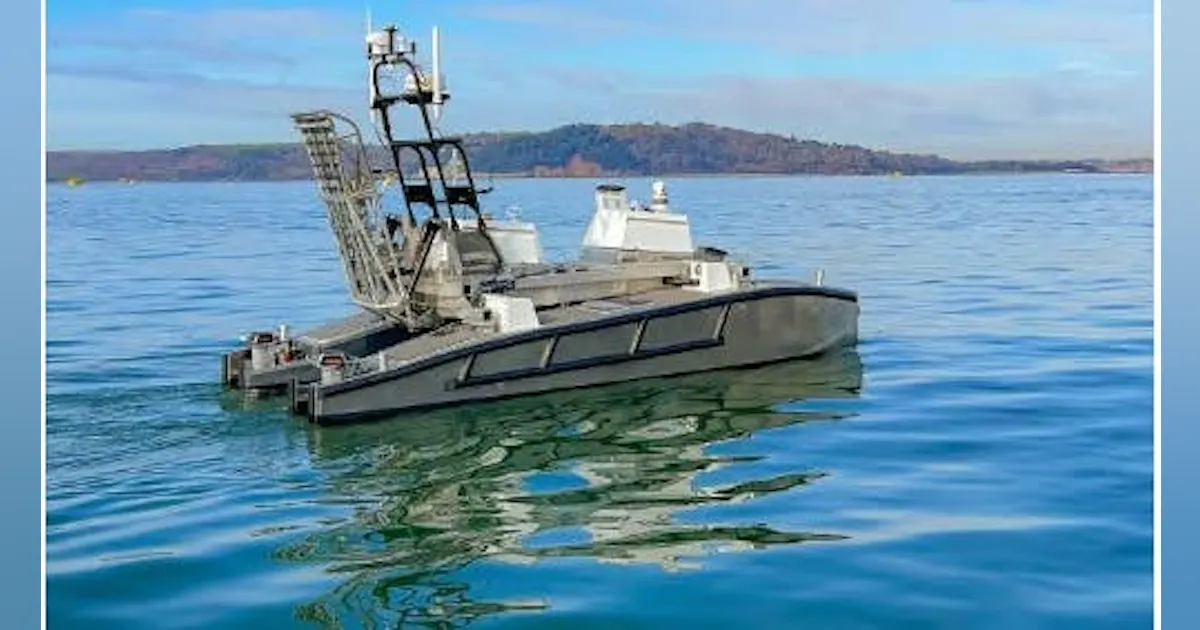
Syncro pipeline survey ROV integrated to uncrewed vessel

In 60 seconds

Top move

Uncrewed surface vessels paired with pipeline-survey ROVs are now a procurement-ready option for repeat shallow-water inspections; this changes the competitive set and can reduce reliance on crewed survey charters

Key takeaways

  • Uncrewed surface vessels paired with pipeline-survey ROVs are now a procurement-ready option for repeat shallow-water inspections; this changes the competitive set and can reduce reliance on crewed survey charters.[1]
  • Integrated, highly automated drillships are compressing well-delivery windows and shifting maintenance and spare-parts expectations onto buyers who depend on tight rig schedules.[2]
  • A multi-client survey campaign operating off Liberia ties vessels into sequential survey and pipeline-support work, creating localized vessel demand and logistics exposure for adjacent SURF activities.[3]
  • Fleet and tonnage signals across offshore reporting continue to favour specialized vessels (survey, cable-lay, heavy-lift), implying constrained availability for niche SURF windows in some regions.[2]
  • These signals are mixed in scale: USV+ROV is operationally real for shallow work, while broader fleet tightness and drillship adoption rates remain dependent on supplier rollout and project-specific needs.[1][2]

What changed since last run

  • Added a concrete equipment/tech signal: uncrewed surface vessel integrated with a Syncro pipeline-survey ROV (article 5) that can reduce crewed-survey vessel demand for shallow-water work.
  • Added operational procurement implications from integrated drillship automation (article 7) that increase schedule sensitivity and shift maintenance planning compared with prior mobilisation-focused items.

Key facts

  • REAV-60 uncrewed surface vessel integration with Syncro ROV
  • Jointly developed launch & recovery system (LARS)
  • Intended to enable repeatable, high-resolution shallow-water pipeline and cable surveys
  • Integrated drillship operations reducing spud-to-handover time through automation
  • Condition-based and preventive maintenance aligned to narrow operational windows
  • Extended BOP/riser deployment strategies to cut flat time

Why it matters

Uncrewed surface vessels paired with pipeline-survey ROVs are now a procurement-ready option for repeat shallow-water inspections; this changes the competitive set and can reduce reliance on crewed survey charters. Integrated, highly automated drillships are compressing well-delivery windows and shifting maintenance and spare-parts expectations onto buyers who depend on tight rig schedules. A multi-client survey campaign operating off Liberia ties vessels into sequential survey and pipeline-support work, creating localized vessel demand and logistics exposure for adjacent SURF activities. Fleet and tonnage signals across offshore reporting continue to favour specialized vessels (survey, cable-lay, heavy-lift), implying constrained availability for niche SURF windows in some regions

Cost / money

  • Shallow-water inspection budgets can shift from episodic high vessel-day charters to recurring service agreements if suppliers offer subscription-style inspections with USV+ROV.[1]
  • Compressed drillship programs concentrate spend into shorter windows and can raise near-term mobilisation and parts-cost exposure if schedule slips occur.[2]
  • Multi-week, sequential survey campaigns in regions like Liberia reduce local vessel availability and can drive short-term uplifts in local charter and mobilisation costs for SURF scopes.[3]

Supplier / commercial

  • Vendors adopting USV+ROV stacks may propose subscription or multi-pass commercial models; buyers should expect different payment terms compared with one-off charters.[1]
  • Drillship operators demonstrating faster cycles can push for tighter award-to-mobilisation clauses and shortened RFQ validity to protect their execution windows.[2]
  • Regional multi-client campaigns increase leverage for in-country suppliers and vessel owners, potentially creating single-supplier exposure on mobilization support.[3]

Safety / operations

  • USV-deployed ROVs remove some personnel-transfer risk but introduce LARS (launch/recovery system) and tether-management hazards that must be validated and specified in scope and acceptance testing.[1]
  • Higher automation and extended BOP/riser deployment strategies change maintenance cadences and necessitate verification that contractor maintenance regimes align with buyer uptime expectations.[2]

What to watch

  • Watch whether suppliers reprice shallow-water survey lots into subscription contracts that lock buyers into recurring terms without clear exit or performance triggers.[1]
  • Watch for tightened RFQ validity, deposit requests, or mobilisation clauses from high-utilisation drillship and specialist vessel operators as they protect compressed schedules.[2]
  • Watch that multi-week regional campaigns do not create single-vendor logistics dependencies; confirm contingency options for mobilization and local support.[3]

Top stories

Story 1Offshore-mag

Syncro pipeline survey ROV integrated to uncrewed vessel

Signal strongSource-grounded

What happened

HydroSurv and BeyonC are integrating the Syncro pipeline-survey ROV with a REAV-60 uncrewed surface vessel and a purpose-built launch and recovery system. The upgrade targets station-keeping, automated ROV following and real-time connectivity to make repeat shallow-water pipeline and cable surveys commercially viable without crewed support vessels. Watch whether commercial offers pivot to recurring inspection packages and how operators validate LARS and tether management in real conditions

Buyer takeaway

Treat USV+ROV as a procurement option for shallow-water integrity scopes, not yet a full replacement for all survey work; require evidence of LARS and tether-management performance

Cost / money

Potential to reduce vessel-day expense on repeat inspections and enable recurring-commercial models, altering budgeting from episodic charters to service agreements

Supplier / commercial

Suppliers adopting this tech can repackage work into subscription or multi-pass contracts; expect different payment and cancellation terms compared with one-off charters

Safety / operations

Removes some crew-transfer risk but adds new equipment-interface hazards at launch/recovery and tether handling that must be covered by supplier procedures and acceptance tests

What to watch

Watch supplier proposals for vague LARS or connectivity claims; require test evidence and acceptance criteria in contract before awarding recurring scopes

Key facts

  • REAV-60 uncrewed surface vessel integration with Syncro ROV
  • Jointly developed launch & recovery system (LARS)
  • Intended to enable repeatable, high-resolution shallow-water pipeline and cable surveys

Source excerpts

HydroSurv and BeyonC will collaborate on an REAV-60 Uncrewed Surface Vessel (USV) that can deploy BeyonC’s Syncro pipeline survey ROV. BeyonC has designed Syncro to conduct repeatable and safe survey operations in shallow-water environments
Through dispensing with conventional crewed support vessels for shallow-water applications, Syncro is said to offer potential for reduced vessel day rates and to make repeat survey of infrastructure commercially viable at scale
The partners’ jointly developed Launch & Recovery System (LARS) will be integrated into the uncrewed vessel. HydroSurv’s tether management winch and system architecture is said to allow coordinated positioning between the USV and the ROV
Story 2Offshore-mag

Integrated drillships are redefining offshore drilling efficiency

Signal strongSource-grounded

What happened

A Noble Corp. case study shows integrated drillship specialization, automation and condition-based maintenance materially reduce well delivery time and nonproductive time. The details show maintenance and BOP/riser strategies aligned to compressed windows, changing mobilisation lead times and spare parts expectations for buyers using these rigs

Buyer takeaway

Expect suppliers to bid on tighter schedules and to ask for shorter RFQ validity; buyers should validate maintenance cadences and spare-part arrangements before award

Cost / money

Compressed programs can concentrate spend and increase near-term mobilisation and parts costs if schedule slips occur

Supplier / commercial

Operators may seek contractual protections (shorter validity, deposits) to secure high-utilisation assets under tight calendars

Safety / operations

Automation can improve consistency and uptime but requires verification that remote/automated systems integrate with buyer safety and emergency procedures

What to watch

Watch for supplier terms that shift maintenance or uptime risk back to the buyer via shortened notice windows or reduced contractor-held spares

Key facts

  • Integrated drillship operations reducing spud-to-handover time through automation
  • Condition-based and preventive maintenance aligned to narrow operational windows
  • Extended BOP/riser deployment strategies to cut flat time

Source excerpts

Extended BOP deployment, riser-enabled moves and MPD are delivering measurable reductions in flat time and nonproductive time. Increasing automation and condition-based maintenance are improving consistency, safety and uptime across modern deepwater drillship fleets
A Guyana case study shows how rig specialization, automation and targeted technologies are reducing well delivery times and improving offshore drilling performance. Key takeaways: Integrated drillship operations in Guyana demonstrate how fleet coordination, specialization and continuous improvement can reduce well delivery times
The Noble Bob Douglas ultradeepwater drillship is equipped with advanced drilling and automation systems that support high-efficiency offshore campaigns, including operations offshore Guyana
Story 3Offshore-mag

TDI-Brooks in Liberia for offshore exploration surveys

Signal moderateSource-grounded

What happened

TDI-Brooks has mobilized R/V Gyre for a multi-client multibeam echo-sounder and seep sampling survey offshore Liberia and plans sequential pipeline-support work after completion. The campaign is multi-week and ties the vessel into follow-on work, increasing local mobilisation and logistics commitments

Buyer takeaway

Treat demonstrated multi-week survey campaigns as a real regional demand signal and check logistics chains and local mobilisation availability before tendering related scopes

Cost / money

Sequential on-site campaigns can constrain local vessel availability and raise short-term charter rates for nearby projects

Supplier / commercial

Local suppliers and vessel owners gain leverage during multi-week campaigns; expect tighter availability windows and potentially higher mobilisation terms

Safety / operations

Extended survey operations impose fatigue and maintenance routines for survey crews and equipment; verify daily maintenance and spare-part plans with providers

What to watch

Watch that sequential surveying into pipeline support doesn't lock operators into single-vendor logistics solutions without contingency options

Key facts

  • Multi-client multibeam echo-sounder and seep sampling survey offshore southern Liberia
  • R/V Gyre currently in-country supporting survey work
  • Campaign continues into pipeline-support work after survey completion

Source excerpts

TDI-Brooks, working with GeoPartners and the National Oil Company of Liberia (NOCAL), will soon conduct a multi-client multibeam echo sounder survey and seep sampling survey offshore southern Liberia
The survey will continue over an estimated six-week period
R/V Gyre, the TDI-Brooks’ research vessel, is in Monrovia for the seep detection campaign

VP Snapshot

Executive Risk & Action View

Uncrewed surface vessels paired with pipeline-survey ROVs are now a procurement-ready option for repeat shallow-water inspections; this changes the competitive set and can reduce reliance on crewed survey charters.

Overall
62
Cost
79
Supply
25
Schedule
56
Compliance
15

Top signals

30-180dcost

Signal 1: Cost / money

Shallow-water inspection budgets can shift from episodic high vessel-day charters to recurring service agreements if suppliers offer subscription-style inspections with USV+ROV.

0-30dcost

Signal 2: Cost / money

Compressed drillship programs concentrate spend into shorter windows and can raise near-term mobilisation and parts-cost exposure if schedule slips occur.

Signal 3: Cost / money

Multi-week, sequential survey campaigns in regions like Liberia reduce local vessel availability and can drive short-term uplifts in local charter and mobilisation costs for SURF scopes.

30-180dcommercial

Signal 4: Supplier / commercial

Vendors adopting USV+ROV stacks may propose subscription or multi-pass commercial models; buyers should expect different payment terms compared with one-off charters.

Signal 5: Supplier / commercial

Drillship operators demonstrating faster cycles can push for tighter award-to-mobilisation clauses and shortened RFQ validity to protect their execution windows.

30-180dschedule

Signal 6: Supplier / commercial

Regional multi-client campaigns increase leverage for in-country suppliers and vessel owners, potentially creating single-supplier exposure on mobilization support.

Recommended actions

CategoryDue 3d

Flag active integrity and shallow-water survey tenders where USV or ROV delivery is viable and add technology acceptance criteria to the tender record.

Tender register annotated with USV/ROV acceptance criteria and prioritized lots for alternative delivery models.

ContractsDue 21d

Request commercial proposals from shortlisted survey vendors for recurring inspection packages and require LARS/tether-management test evidence as part of the bid.

Received proposals include service model options, LARS/tether QA evidence, and defined SLAs for repeat inspections.

CategoryDue 21d

Survey primary rig and drillship providers on mobilisation lead times, RFQ validity windows, and spare-parts staging to capture any shift toward shorter commercial commitments.

Supplier position matrix summarizing mobilisation, RFQ validity, and spares commitments for procurement planning.

OpsDue 21d

Validate local logistics and vessel availability for planned SURF lots in West Africa and build contingency options for mobilisation if multi-week survey campaigns coincide with...

Logistics assessment identifying at-risk windows and at least two contingency mobilisation options.

ContractsDue 60d

Update SURF and integrity contract templates to include explicit LARS/tether acceptance tests, remote-operation connectivity requirements, and optional recurring-inspection comm...

Revised templates require supplier evidence of LARS procedures, tether-management testing, and include optional service-agreement clauses for recurring inspections.

OpsDue 60d

Run a readiness audit with operations and maintenance teams for vendors claiming high automation and extended BOP availability, focusing on spares, remote-support dependencies,...

Readiness report identifying gaps in spares, remote-support SLAs and recommended procurement mitigations.

Risk register

RiskTriggerMitigation
Watch whether suppliers reprice shallow-water survey lots into subscription contracts that lock buyers into recurring terms without clear exit or performance triggers.Watch whether suppliers reprice shallow-water survey lots into subscription contracts that lock buyers into recurring terms without clear exit or performance triggers.Confirm exposure with category, contracts, and operations before the next supplier commitment.
Watch for tightened RFQ validity, deposit requests, or mobilisation clauses from high-utilisation drillship and specialist vessel operators as they protect compressed schedules.Watch for tightened RFQ validity, deposit requests, or mobilisation clauses from high-utilisation drillship and specialist vessel operators as they protect compressed schedules.Confirm exposure with category, contracts, and operations before the next supplier commitment.
Watch that multi-week regional campaigns do not create single-vendor logistics dependencies; confirm contingency options for mobilization and local support.Watch that multi-week regional campaigns do not create single-vendor logistics dependencies; confirm contingency options for mobilization and local support.Confirm exposure with category, contracts, and operations before the next supplier commitment.

CM Snapshot

Category Manager Decision Detail

Today's priorities

Flag active integrity and shallow-water survey tenders where USV or ROV delivery is viable and add technology acceptance criteria to the tender record.

Do this because USV+ROV integrations change the competitive set and suppliers may bid different commercial models that require upfront acceptance gates.

Due 3d

high

CM move

Use this as the immediate supplier or contract action to move before the next sourcing gate.

Request commercial proposals from shortlisted survey vendors for recurring inspection packages and require LARS/tether-management test evidence as part of the bid.

Do this because suppliers adopting USV+ROV are likely to offer subscription or multi-pass contracts and buyers need documented performance evidence before committing.

Due 21d

high

CM move

Use this as the immediate supplier or contract action to move before the next sourcing gate.

Survey primary rig and drillship providers on mobilisation lead times, RFQ validity windows, and spare-parts staging to capture any shift toward shorter commercial commitments.

Do this because integrated drillship automation compresses program windows and suppliers may shorten RFQ validity or request deposits to secure assets.

Due 21d

high

CM move

Use this as the immediate supplier or contract action to move before the next sourcing gate.

Validate local logistics and vessel availability for planned SURF lots in West Africa and build contingency options for mobilisation if multi-week survey campaigns coincide with...

Do this because multi-client survey campaigns tie vessels into sequential work and can constrain local availability for adjacent projects.

Due 21d

high

CM move

Use this as the immediate supplier or contract action to move before the next sourcing gate.

Supplier radar

Offshore-mag

high

Observed supplier signal

Vendors adopting USV+ROV stacks may propose subscription or multi-pass commercial models; buyers should expect different payment terms compared with one-off charters.

Commercial implication

Vendors adopting USV+ROV stacks may propose subscription or multi-pass commercial models; buyers should expect different payment terms compared with one-off charters.

Next step: Validate the source-backed signal with incumbents and alternates before the next award or pricing decision.

Offshore-mag

high

Observed supplier signal

Drillship operators demonstrating faster cycles can push for tighter award-to-mobilisation clauses and shortened RFQ validity to protect their execution windows.

Commercial implication

Drillship operators demonstrating faster cycles can push for tighter award-to-mobilisation clauses and shortened RFQ validity to protect their execution windows.

Next step: Validate the source-backed signal with incumbents and alternates before the next award or pricing decision.

Offshore-mag

high

Observed supplier signal

Regional multi-client campaigns increase leverage for in-country suppliers and vessel owners, potentially creating single-supplier exposure on mobilization support.

Commercial implication

Regional multi-client campaigns increase leverage for in-country suppliers and vessel owners, potentially creating single-supplier exposure on mobilization support.

Next step: Validate the source-backed signal with incumbents and alternates before the next award or pricing decision.

Negotiation levers

Flag active integrity and shallow-water survey tenders where USV or ROV delivery is viable and add technology acceptance criteria to the tender record.

When to use: Do this because USV+ROV integrations change the competitive set and suppliers may bid different commercial models that require upfront acceptance gates.

Expected outcome: Tender register annotated with USV/ROV acceptance criteria and prioritized lots for alternative delivery models.

Commercial mechanism to carry into the next supplier conversation

Request commercial proposals from shortlisted survey vendors for recurring inspection packages and require LARS/tether-management test evidence as part of the bid.

When to use: Do this because suppliers adopting USV+ROV are likely to offer subscription or multi-pass contracts and buyers need documented performance evidence before committing.

Expected outcome: Received proposals include service model options, LARS/tether QA evidence, and defined SLAs for repeat inspections.

Commercial mechanism to carry into the next supplier conversation

Survey primary rig and drillship providers on mobilisation lead times, RFQ validity windows, and spare-parts staging to capture any shift toward shorter commercial commitments.

When to use: Do this because integrated drillship automation compresses program windows and suppliers may shorten RFQ validity or request deposits to secure assets.

Expected outcome: Supplier position matrix summarizing mobilisation, RFQ validity, and spares commitments for procurement planning.

Commercial mechanism to carry into the next supplier conversation

Validate local logistics and vessel availability for planned SURF lots in West Africa and build contingency options for mobilisation if multi-week survey campaigns coincide with...

When to use: Do this because multi-client survey campaigns tie vessels into sequential work and can constrain local availability for adjacent projects.

Expected outcome: Logistics assessment identifying at-risk windows and at least two contingency mobilisation options.

Commercial mechanism to carry into the next supplier conversation

Talking points

Uncrewed surface vessels paired with pipeline-survey ROVs are now a procurement-ready option for repeat shallow-water inspections; this changes the competitive set and can reduce reliance on crewed survey charters.
Integrated, highly automated drillships are compressing well-delivery windows and shifting maintenance and spare-parts expectations onto buyers who depend on tight rig schedules.
A multi-client survey campaign operating off Liberia ties vessels into sequential survey and pipeline-support work, creating localized vessel demand and logistics exposure for adjacent SURF activities.
Fleet and tonnage signals across offshore reporting continue to favour specialized vessels (survey, cable-lay, heavy-lift), implying constrained availability for niche SURF windows in some regions.

Supplier radar

SupplierSignalImplicationNext stepConfidence
Offshore-magVendors adopting USV+ROV stacks may propose subscription or multi-pass commercial models; buyers should expect different payment terms compared with one-off charters.Vendors adopting USV+ROV stacks may propose subscription or multi-pass commercial models; buyers should expect different payment terms compared with one-off charters.Validate the source-backed signal with incumbents and alternates before the next award or pricing decision.high
Offshore-magDrillship operators demonstrating faster cycles can push for tighter award-to-mobilisation clauses and shortened RFQ validity to protect their execution windows.Drillship operators demonstrating faster cycles can push for tighter award-to-mobilisation clauses and shortened RFQ validity to protect their execution windows.Validate the source-backed signal with incumbents and alternates before the next award or pricing decision.high
Offshore-magRegional multi-client campaigns increase leverage for in-country suppliers and vessel owners, potentially creating single-supplier exposure on mobilization support.Regional multi-client campaigns increase leverage for in-country suppliers and vessel owners, potentially creating single-supplier exposure on mobilization support.Validate the source-backed signal with incumbents and alternates before the next award or pricing decision.high

Negotiation levers

  • Flag active integrity and shallow-water survey tenders where USV or ROV delivery is viable and add technology acceptance criteria to the tender record.Do this because USV+ROV integrations change the competitive set and suppliers may bid different commercial models that require upfront acceptance gates.Tender register annotated with USV/ROV acceptance criteria and prioritized lots for alternative delivery models.

    high confidence

  • Request commercial proposals from shortlisted survey vendors for recurring inspection packages and require LARS/tether-management test evidence as part of the bid.Do this because suppliers adopting USV+ROV are likely to offer subscription or multi-pass contracts and buyers need documented performance evidence before committing.Received proposals include service model options, LARS/tether QA evidence, and defined SLAs for repeat inspections.

    high confidence

  • Survey primary rig and drillship providers on mobilisation lead times, RFQ validity windows, and spare-parts staging to capture any shift toward shorter commercial commitments.Do this because integrated drillship automation compresses program windows and suppliers may shorten RFQ validity or request deposits to secure assets.Supplier position matrix summarizing mobilisation, RFQ validity, and spares commitments for procurement planning.

    high confidence

  • Validate local logistics and vessel availability for planned SURF lots in West Africa and build contingency options for mobilisation if multi-week survey campaigns coincide with...Do this because multi-client survey campaigns tie vessels into sequential work and can constrain local availability for adjacent projects.Logistics assessment identifying at-risk windows and at least two contingency mobilisation options.

    high confidence

What to do / What to watch

What to do now

  • Flag active integrity and shallow-water survey tenders where USV or ROV delivery is viable and add technology acceptance criteria to the tender record.

    Why: Do this because USV+ROV integrations change the competitive set and suppliers may bid different commercial models that require upfront acceptance gates.

    Owner: Category

    Expected outcome: Tender register annotated with USV/ROV acceptance criteria and prioritized lots for alternative delivery models.

    [1]

Next few weeks

  • Request commercial proposals from shortlisted survey vendors for recurring inspection packages and require LARS/tether-management test evidence as part of the bid.

    Why: Do this because suppliers adopting USV+ROV are likely to offer subscription or multi-pass contracts and buyers need documented performance evidence before committing.

    Owner: Contracts

    Expected outcome: Received proposals include service model options, LARS/tether QA evidence, and defined SLAs for repeat inspections.

    [1]
  • Survey primary rig and drillship providers on mobilisation lead times, RFQ validity windows, and spare-parts staging to capture any shift toward shorter commercial commitments.

    Why: Do this because integrated drillship automation compresses program windows and suppliers may shorten RFQ validity or request deposits to secure assets.

    Owner: Category

    Expected outcome: Supplier position matrix summarizing mobilisation, RFQ validity, and spares commitments for procurement planning.

    [2]
  • Validate local logistics and vessel availability for planned SURF lots in West Africa and build contingency options for mobilisation if multi-week survey campaigns coincide with...

    Why: Do this because multi-client survey campaigns tie vessels into sequential work and can constrain local availability for adjacent projects.

    Owner: Ops

    Expected outcome: Logistics assessment identifying at-risk windows and at least two contingency mobilisation options.

    [3]

Longer view

  • Update SURF and integrity contract templates to include explicit LARS/tether acceptance tests, remote-operation connectivity requirements, and optional recurring-inspection comm...

    Why: Do this because USV+ROV deployments introduce new equipment, connectivity and acceptance dependencies that shift execution risk versus traditional crewed-vessel scopes.

    Owner: Contracts

    Expected outcome: Revised templates require supplier evidence of LARS procedures, tether-management testing, and include optional service-agreement clauses for recurring inspections.

    [1]
  • Run a readiness audit with operations and maintenance teams for vendors claiming high automation and extended BOP availability, focusing on spares, remote-support dependencies,...

    Why: Do this because increased automation and extended deployments change uptime dependencies and buyers must verify spares and remote-support pathways before award.

    Owner: Ops

    Expected outcome: Readiness report identifying gaps in spares, remote-support SLAs and recommended procurement mitigations.

    [2]

What to watch

  • Watch whether suppliers reprice shallow-water survey lots into subscription contracts that lock buyers into recurring terms without clear exit or performance triggers
  • Watch for tightened RFQ validity, deposit requests, or mobilisation clauses from high-utilisation drillship and specialist vessel operators as they protect compressed schedules
  • Watch that multi-week regional campaigns do not create single-vendor logistics dependencies; confirm contingency options for mobilization and local support
  • Watch whether suppliers reprice shallow-water survey lots into subscription contracts that lock buyers into recurring terms without clear exit or performance triggers.: Watch whether suppliers reprice shallow-water survey lots into subscription contracts that lock buyers into recurring terms without clear exit or performance triggers
  • Watch for tightened RFQ validity, deposit requests, or mobilisation clauses from high-utilisation drillship and specialist vessel operators as they protect compressed schedules.: Watch for tightened RFQ validity, deposit requests, or mobilisation clauses from high-utilisation drillship and specialist vessel operators as they protect compressed schedules
  • Watch that multi-week regional campaigns do not create single-vendor logistics dependencies; confirm contingency options for mobilization and local support.: Watch that multi-week regional campaigns do not create single-vendor logistics dependencies; confirm contingency options for mobilization and local support
  • Uncrewed surface vessels paired with pipeline-survey ROVs are now a procurement-ready option for repeat shallow-water inspections; this changes the competitive set and can reduce reliance on crewed survey charters
  • Integrated, highly automated drillships are compressing well-delivery windows and shifting maintenance and spare-parts expectations onto buyers who depend on tight rig schedules

Market pulse

IndexLatestChangeAs of
WTI Crude (WTI)71.23 /bbl+0.00 (+0.00%)May 30, 2026, 10:08 AM
Brent Crude (BRENT)74.89 /bbl+0.00 (+0.00%)May 30, 2026, 10:08 AM
Natural Gas (NG)3.12 /MMBtu+0.00 (+0.00%)May 30, 2026, 10:08 AM
Dry Bulk Shipping (BDRY) (BDRY)0 +0.00 (+0.00%)May 30, 2026, 10:08 AM
WTI (Fuel) (WTI)71.23 /bbl+0.00 (+0.00%)May 30, 2026, 10:08 AM
TechnipFMC (FTI)22 +0.00 (+0.00%)May 30, 2026, 10:08 AM
  • Dry Bulk Shipping (BDRY): Dry-bulk shipping tightness raises transport and mobilization costs for heavy-lift and cable-lay logistics, affecting SURF project planning
  • WTI Crude: Fuel price directionality impacts vessel operating costs and therefore day-rate economics for survey and support tonnage

Sources

Inline citations jump here. Expand a source to read the excerpt, the AI interpretation, and the original link.

[1] Syncro pipeline survey ROV integrated to uncrewed vessel

offshore-mag.com · n.d.

Expand

AI reading

HydroSurv and BeyonC are integrating the Syncro pipeline-survey ROV with a REAV-60 uncrewed surface vessel and a purpose-built launch and recovery system. The upgrade targets station-keeping, automated ROV following and real-time connectivity to make repeat shallow-water pipeline and cable surveys commercially viable without crewed support vessels. Watch whether commercial offers pivot to recurring inspection packages and how operators validate LARS and tether management in real conditions

Buyer takeaway

Treat USV+ROV as a procurement option for shallow-water integrity scopes, not yet a full replacement for all survey work; require evidence of LARS and tether-management performance

Cost / money

Potential to reduce vessel-day expense on repeat inspections and enable recurring-commercial models, altering budgeting from episodic charters to service agreements

Supplier / commercial

Suppliers adopting this tech can repackage work into subscription or multi-pass contracts; expect different payment and cancellation terms compared with one-off charters

Safety / operations

Removes some crew-transfer risk but adds new equipment-interface hazards at launch/recovery and tether handling that must be covered by supplier procedures and acceptance tests

What to watch

Watch supplier proposals for vague LARS or connectivity claims; require test evidence and acceptance criteria in contract before awarding recurring scopes

Key facts

  • REAV-60 uncrewed surface vessel integration with Syncro ROV
  • Jointly developed launch & recovery system (LARS)
  • Intended to enable repeatable, high-resolution shallow-water pipeline and cable surveys

Source excerpts

HydroSurv and BeyonC will collaborate on an REAV-60 Uncrewed Surface Vessel (USV) that can deploy BeyonC’s Syncro pipeline survey ROV. BeyonC has designed Syncro to conduct repeatable and safe survey operations in shallow-water environments
Through dispensing with conventional crewed support vessels for shallow-water applications, Syncro is said to offer potential for reduced vessel day rates and to make repeat survey of infrastructure commercially viable at scale
The partners’ jointly developed Launch & Recovery System (LARS) will be integrated into the uncrewed vessel. HydroSurv’s tether management winch and system architecture is said to allow coordinated positioning between the USV and the ROV

Used in this brief

  • Uncrewed surface vessels paired with pipeline-survey ROVs are now a procurement-ready option for repeat shallow-water inspections; this changes the competitive set and can reduce reliance on crewed survey charters. Integrated, highly automated drillships are compressing well-delivery windows and shifting maintenance and spare-parts expectations onto buyers who depend on tight rig schedules. A multi-client survey campaign operating off Liberia ties vessels into sequential survey and pipeline-support work, creating localized vessel demand and logistics exposure for adjacent SURF activities. Fleet and tonnage signals across offshore reporting continue to favour specialized vessels (survey, cable-lay, heavy-lift), implying constrained availability for niche SURF windows in some regions
  • Cost / money: Shallow-water inspection budgets can shift from episodic high vessel-day charters to recurring service agreements if suppliers offer subscription-style inspections with USV+ROV
  • Safety / operations: USV-deployed ROVs remove some personnel-transfer risk but introduce LARS (launch/recovery system) and tether-management hazards that must be validated and specified in scope and acceptance testing
Open original source

[2] Integrated drillships are redefining offshore drilling efficiency

offshore-mag.com · n.d.

Expand

AI reading

A Noble Corp. case study shows integrated drillship specialization, automation and condition-based maintenance materially reduce well delivery time and nonproductive time. The details show maintenance and BOP/riser strategies aligned to compressed windows, changing mobilisation lead times and spare parts expectations for buyers using these rigs

Buyer takeaway

Expect suppliers to bid on tighter schedules and to ask for shorter RFQ validity; buyers should validate maintenance cadences and spare-part arrangements before award

Cost / money

Compressed programs can concentrate spend and increase near-term mobilisation and parts costs if schedule slips occur

Supplier / commercial

Operators may seek contractual protections (shorter validity, deposits) to secure high-utilisation assets under tight calendars

Safety / operations

Automation can improve consistency and uptime but requires verification that remote/automated systems integrate with buyer safety and emergency procedures

What to watch

Watch for supplier terms that shift maintenance or uptime risk back to the buyer via shortened notice windows or reduced contractor-held spares

Key facts

  • Integrated drillship operations reducing spud-to-handover time through automation
  • Condition-based and preventive maintenance aligned to narrow operational windows
  • Extended BOP/riser deployment strategies to cut flat time

Source excerpts

Extended BOP deployment, riser-enabled moves and MPD are delivering measurable reductions in flat time and nonproductive time. Increasing automation and condition-based maintenance are improving consistency, safety and uptime across modern deepwater drillship fleets
A Guyana case study shows how rig specialization, automation and targeted technologies are reducing well delivery times and improving offshore drilling performance. Key takeaways: Integrated drillship operations in Guyana demonstrate how fleet coordination, specialization and continuous improvement can reduce well delivery times
The Noble Bob Douglas ultradeepwater drillship is equipped with advanced drilling and automation systems that support high-efficiency offshore campaigns, including operations offshore Guyana

Used in this brief

  • Safety / operations: Higher automation and extended BOP/riser deployment strategies change maintenance cadences and necessitate verification that contractor maintenance regimes align with buyer uptime expectations
  • Next 2-4 weeks — Survey primary rig and drillship providers on mobilisation lead times, RFQ validity windows, and spare-parts staging to capture any shift toward shorter commercial commitments.. Rationale: Do this because integrated drillship automation compresses program windows and suppliers may shorten RFQ validity or request deposits to secure assets.. Owner: Category. KPI: Supplier position matrix summarizing mobilisation, RFQ validity, and spares commitments for procurement planning
  • Next quarter — Run a readiness audit with operations and maintenance teams for vendors claiming high automation and extended BOP availability, focusing on spares, remote-support dependencies,.... Rationale: Do this because increased automation and extended deployments change uptime dependencies and buyers must verify spares and remote-support pathways before award.. Owner: Ops. KPI: Readiness report identifying gaps in spares, remote-support SLAs and recommended procurement mitigations
Open original source

[3] TDI-Brooks in Liberia for offshore exploration surveys

offshore-mag.com · n.d.

Expand

AI reading

TDI-Brooks has mobilized R/V Gyre for a multi-client multibeam echo-sounder and seep sampling survey offshore Liberia and plans sequential pipeline-support work after completion. The campaign is multi-week and ties the vessel into follow-on work, increasing local mobilisation and logistics commitments

Buyer takeaway

Treat demonstrated multi-week survey campaigns as a real regional demand signal and check logistics chains and local mobilisation availability before tendering related scopes

Cost / money

Sequential on-site campaigns can constrain local vessel availability and raise short-term charter rates for nearby projects

Supplier / commercial

Local suppliers and vessel owners gain leverage during multi-week campaigns; expect tighter availability windows and potentially higher mobilisation terms

Safety / operations

Extended survey operations impose fatigue and maintenance routines for survey crews and equipment; verify daily maintenance and spare-part plans with providers

What to watch

Watch that sequential surveying into pipeline support doesn't lock operators into single-vendor logistics solutions without contingency options

Key facts

  • Multi-client multibeam echo-sounder and seep sampling survey offshore southern Liberia
  • R/V Gyre currently in-country supporting survey work
  • Campaign continues into pipeline-support work after survey completion

Source excerpts

TDI-Brooks, working with GeoPartners and the National Oil Company of Liberia (NOCAL), will soon conduct a multi-client multibeam echo sounder survey and seep sampling survey offshore southern Liberia
The survey will continue over an estimated six-week period
R/V Gyre, the TDI-Brooks’ research vessel, is in Monrovia for the seep detection campaign

Used in this brief

  • Next 2-4 weeks — Validate local logistics and vessel availability for planned SURF lots in West Africa and build contingency options for mobilisation if multi-week survey campaigns coincide with.... Rationale: Do this because multi-client survey campaigns tie vessels into sequential work and can constrain local availability for adjacent projects.. Owner: Ops. KPI: Logistics assessment identifying at-risk windows and at least two contingency mobilisation options
  • Watch that multi-week regional campaigns do not create single-vendor logistics dependencies; confirm contingency options for mobilization and local support
  • TDI-Brooks has mobilized R/V Gyre for a multi-client multibeam echo-sounder and seep sampling survey offshore Liberia and plans sequential pipeline-support work after completion. The campaign is multi-week and ties the vessel into follow-on work, increasing local mobilisation and logistics commitments
Open original source

[4] Dry Bulk Shipping (BDRY)

finance.yahoo.com · n.d.

Expand

[5] WTI Crude

finance.yahoo.com · n.d.

Expand