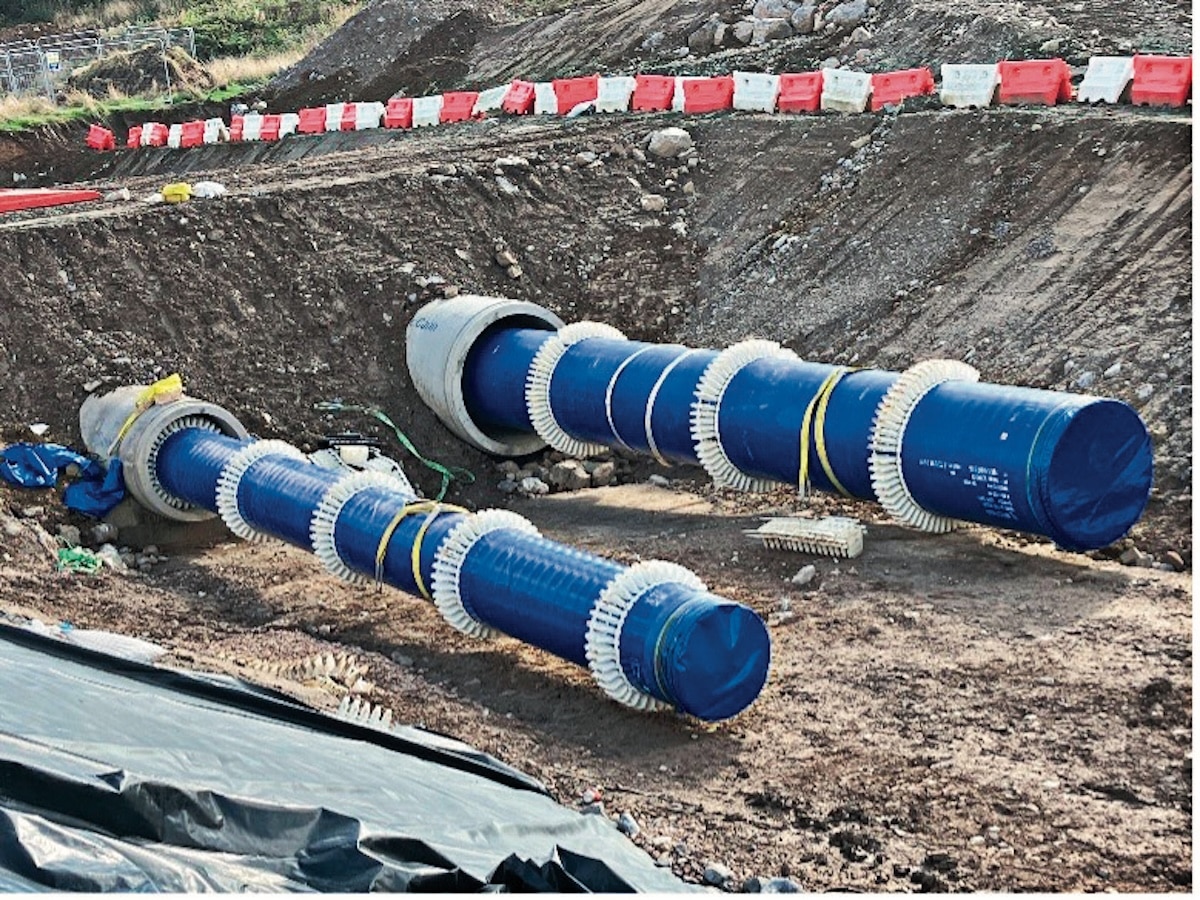
Why spacer systems matter in a pipeline project
What happened
A pipeline-industry piece explains why spacer systems (centralisers) are critical to preventing pipe-to-casing contact and protecting coatings. It emphasises that spacer design affects insertion forces, required equipment and installation speed—making spacer choice operationally meaningful for depot handling and mobilisation. Watch whether vendors start marketing spacers as a commercial differentiator and whether they supply FAT/handling evidence with quotes
Buyer takeaway
Treat spacer systems as a procurement factor: they change mobilisation equipment, depot handling needs and acceptance evidence requirements
Cost / money
Directional: better spacer design can lower labour and rework costs; poor design can add mobilisation equipment and handling expense
Supplier / commercial
Suppliers with proven spacer records can justify shorter quote validity and mobilisation premiums; demand FAT and handling proof during selection
Safety / operations
Correct spacers reduce point loading and coating damage, reducing rework and safety incidents on installation
What to watch
Watch for vendors promoting fast installs without providing FAT/handling records or clear depot procedures
Key facts
- kwik‑ZIP used on major infrastructure projects
- Lightweight construction and simple assembly enable faster installs
- Poor design can create excessive insertion forces requiring larger equipment
Source excerpts
Poorly designed spacers can create excessive insertion forces, requiring larger equipment and increasing costs
Beyond simple alignment, these systems help prevent direct contact between the carrier pipe and casing, reducing wear and maintaining coating integrity if present
Combined with lightweight construction and simple assembly, these features translate into faster installs, lower labour costs and reduced on-site risk