Rigs & Integrated Drilling · Australia (Perth)

Adjust sourcing posture as specialist fleet and well‑services awards accelerate

Published Jun 1, 2026, 6:02 AM AWSTAPACFull category signal
Ask AI
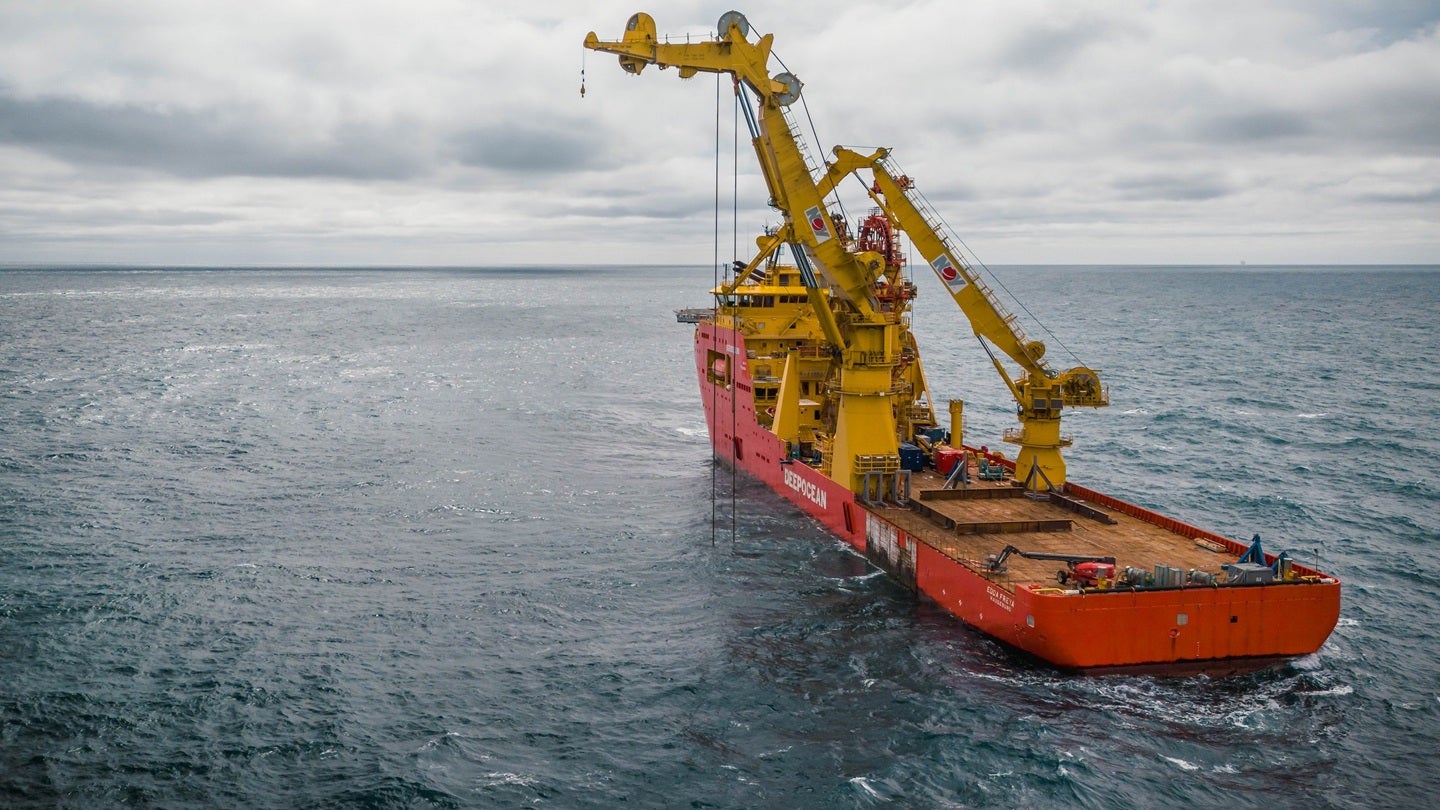
Equinor picks DeepOcean for multi-field subsea projects on NCS

In 60 seconds

Top move

Major subsea and integrated‑well awards outside APAC (Equinor→DeepOcean; Baker Hughes extensions) are absorbing chartered vessels and integrated service capacity, which can reduce immediate availability for APAC mobilisations

Key takeaways

  • Major subsea and integrated‑well awards outside APAC (Equinor→DeepOcean; Baker Hughes extensions) are absorbing chartered vessels and integrated service capacity, which can reduce immediate availability for APAC mobilisations.[1]
  • Baker Hughes’ expanded Santos Basin scope emphasizes use of proprietary drilling tools and integrated well construction, concentrating vendor long‑lead stocks and specialist crews that cross regional programmes.[3]
  • Large LNG EPC momentum (Cheniere → Bechtel, LNTP issued) strengthens demand for heavy engineering and marine support in the coming procurement cycles, shifting supplier focus toward LNG project backlogs.[2]
  • Selected items today are regionally concentrated in EMEA and the Americas; direct APAC contract awards are absent in the sample, so actionable APAC changes are limited and should be verified locally.[1]
  • Overall signal: normal/limited for APAC—these global awards matter to capacity and pricing posture, but there is no single APAC event requiring emergency action today.[3]

What changed since last run

  • Added several global contract awards (DeepOcean subsea package; Baker Hughes Santos Basin extension; Bechtel EPC LNTP) that increase risk of shared‑fleet and long‑lead tool competition versus prior run.
  • No new APAC‑specific mobilisation disruptions reported; prior mobilisation and routing risks flagged last run remain the main APAC operational exposures.

Key facts

  • Offshore operations scheduled during 2027 and 2028
  • Covers Visund, Snorre A and Johan Castberg fields
  • Planned use of chartered subsea fleet for 300–400m water depths
  • Contract extension covers integrated well construction in the Santos Basin
  • Deployment of AutoTrak rotary steerable system and Dynamus extended‑life drill bits
  • Scope includes wireline, cementing and wellbore clean‑up services

Why it matters

Major subsea and integrated‑well awards outside APAC (Equinor→DeepOcean; Baker Hughes extensions) are absorbing chartered vessels and integrated service capacity, which can reduce immediate availability for APAC mobilisations. Baker Hughes’ expanded Santos Basin scope emphasizes use of proprietary drilling tools and integrated well construction, concentrating vendor long‑lead stocks and specialist crews that cross regional programmes. Large LNG EPC momentum (Cheniere → Bechtel, LNTP issued) strengthens demand for heavy engineering and marine support in the coming procurement cycles, shifting supplier focus toward LNG project backlogs. Selected items today are regionally concentrated in EMEA and the Americas; direct APAC contract awards are absent in the sample, so actionable APAC changes are limited and should be verified locally

Cost / money

  • Chartered subsea vessels and specialist intervention assets are being committed to multi‑field programmes, which can push short‑notice charter premiums and mobilization pass‑throughs for buyers.[1]
  • Deployment of proprietary drilling systems and extended‑life drill bits into Santos Basin work can concentrate supply of consumables and repair spares, increasing spot replacement costs for other programmes.[3]

Supplier / commercial

  • Suppliers awarded multi‑field or multi‑year packages gain leverage to shorten quote validity, require mobilisation deposits, and prioritise backlog customers over spot demand.[1]
  • Bechtel’s LNTP on a large LNG expansion signals early procurement of heavy engineering, which can pull fabrication capacity and subcontractor attention away from non‑LNG projects.[2]

Safety / operations

  • SIMOPRO subsea work (simultaneous marine operations while facilities remain live) raises coordination complexity and requires tighter joint HSE and permit alignment between operators and contractors.[1]
  • Integrated well construction scopes that bundle wireline, cementing and drilling tools increase offshore team interfaces; readiness gaps in crew training or spares can cascade into schedule slips.[3]

What to watch

  • Watch for suppliers to narrow availability windows or request deposits as they prioritise awarded multi‑field programmes; this behaviour would reduce buyer flexibility for APAC spot mobilisations.[1]
  • Watch whether early engineering and procurement on large LNG trains consumes regional fabrication and heavy‑lift slots, which could shift lead times for rigs, modules, and marine support.[2]

Top stories

Story 1Offshore TechnologyMay 29, 2026

Equinor picks DeepOcean for multi-field subsea projects on NCS

Signal strongSource-grounded

What happened

Equinor awarded DeepOcean a multi‑field subsea contract covering Visund, Snorre A and Johan Castberg with offshore work scheduled in 2027–2028. The package includes complex activities such as SIMOPRO riser replacements and installation of templates, using DeepOcean’s chartered subsea fleet for 300–400m water depths. Operationally this ties up specialist vessels and increases the importance of joint HSE and coordination plans; watch for supplier quote tightening and vessel scheduling constraints

Buyer takeaway

Treat this as a real capacity commitment for specialist subsea fleet; that fleet is finite and often shared across regions

Cost / money

Directional upward pressure on short‑notice charter rates and mobilization pass‑throughs where vessel days are tight

Supplier / commercial

Contract winners may shorten quote validity and prioritise awarded work, reducing spot flexibility for other buyers

Safety / operations

SIMOPRO activity increases coordination and joint HSE requirements; buyers must verify contractor safety plans and interface governance

What to watch

Watch for supplier scheduling notices and shortened quote windows that indicate capacity stress

Key facts

  • Offshore operations scheduled during 2027 and 2028
  • Covers Visund, Snorre A and Johan Castberg fields
  • Planned use of chartered subsea fleet for 300–400m water depths

Source excerpts

The multi-year agreements are aimed at supporting Equinor’s hydrocarbon production on the NCS
SIMOPRO projects involve complex marine work conducted without interrupting ongoing operations
DeepOcean plans to use vessels from its chartered subsea fleet for the projects, with operations taking place in water depths of 300–400m
Story 2Offshore TechnologyMay 27, 2026

Baker Hughes secures expanded Santos Basin contract

Signal strongSource-grounded

What happened

Baker Hughes secured an expanded integrated well construction extension in the Santos Basin to deploy rotary steerable systems and extended‑life drill bits. The scope signals concentrated use of proprietary tools and integrated services across multiple fields, which makes long‑lead tool stocks and specialised crews operationally real constraints. Watch whether vendors reallocate spare inventories or crew rotations away from other regions

Buyer takeaway

Expect tighter availability of proprietary drilling tools and integrated service crews as vendors prioritise larger basin programmes

Cost / money

Potential for increased spot costs on consumables and expedited logistics when vendors prioritise awarded programmes

Supplier / commercial

Vendors with integrated offerings can bundle services and push longer commitment terms or deposits

Safety / operations

Bundled scopes increase offshore interfaces; require verification of integrated team competency and spare strategy

What to watch

Confirm vendor spare pools and crew rotation plans to avoid last‑minute scope gaps

Key facts

  • Contract extension covers integrated well construction in the Santos Basin
  • Deployment of AutoTrak rotary steerable system and Dynamus extended‑life drill bits
  • Scope includes wireline, cementing and wellbore clean‑up services

Source excerpts

Baker Hughes has secured a contract extension from Petrobras to provide integrated well construction solutions in the Santos Basin, located offshore Brazil
Find out more The contract extension covers the use of Baker Hughes’ AutoTrak rotary steerable system, logging-while-drilling tools, and Dynamus extended-life drill bits. These systems are expected to improve access to subsurface reservoirs in deepwater wells
” The agreement builds on a well construction services award made earlier in 2024 with Petrobras to deliver integrated well construction services in Brazil’s Buzios field. This project included a range of services such as drilling, drill bits, wireline operations, cementing, wellbore clean-up, and geosciences
Story 3Offshore TechnologyMay 29, 2026

Cheniere awards EPC contract Bechtel for SPL Expansion Phase 1

Signal strongSource-grounded

What happened

Cheniere awarded Bechtel an EPC lump‑sum contract with limited notice to proceed for Phase 1 of the Sabine Pass LNG expansion, moving procurement into early engineering and procurement. The LNTP and project structure accelerate heavy engineering and marine procurement, making fabrication yards and heavy‑lift schedules more consumptive of global capacity. Watch whether early procurement choices shift subcontractor and vessel availability away from non‑LNG oil & gas projects

Buyer takeaway

Early EPC action shifts market attention and supplier capacity toward large LNG trains; treat related supplier commitments as material to scheduling risk

Cost / money

Early procurement for large EPCs can push up fabrication and marine rates as suppliers triage backlog

Supplier / commercial

EPC winners and their supply chains may demand firm commitments and deposits from subcontractors, reducing spot options

Safety / operations

Large onshore/offshore integration requires coordinated HSE regimes and heavy‑lift sequencing; buyers should validate supplier sequencing plans

What to watch

Monitor permit and financing milestones that drive the tempo of procurement and on‑site activity

Key facts

  • Bechtel awarded lump‑sum EPC with limited notice to proceed for SPL Expansion Phase 1
  • Phase 1 includes Train 7 and supporting re‑liquefaction and integration works
  • Cheniere expects to progress to FID and has started early engineering/procurement

Source excerpts

Find out more Bechtel has also been granted limited notice to proceed (LNTP), enabling the company to begin early engineering and procurement activities linked to Phase 1. The SPL Expansion Project is set to include up to three major liquefaction trains, targeting a combined peak production capacity of roughly 20 million tonnes per annum (mtpa) of liquefied natural gas (LNG)
“The EPC contract and the issuance of LNTP mark important steps toward FID, which we expect to occur by early next year
The Sabine Pass LNG terminal features six trains, five LNG storage tanks, vapourisers and three marine berths

VP Snapshot

Executive Risk & Action View

Major subsea and integrated‑well awards outside APAC (Equinor→DeepOcean; Baker Hughes extensions) are absorbing chartered vessels and integrated service capacity, which can reduce immediate availability for APAC mobilisations.

Overall
49
Cost
61
Supply
97
Schedule
20
Compliance
35

Top signals

30-180dcost

Signal 1: Cost / money

Chartered subsea vessels and specialist intervention assets are being committed to multi‑field programmes, which can push short‑notice charter premiums and mobilization pass‑throughs for buyers.

Signal 2: Cost / money

Deployment of proprietary drilling systems and extended‑life drill bits into Santos Basin work can concentrate supply of consumables and repair spares, increasing spot replacement costs for other programmes.

30-180dsupply

Signal 3: Supplier / commercial

Suppliers awarded multi‑field or multi‑year packages gain leverage to shorten quote validity, require mobilisation deposits, and prioritise backlog customers over spot demand.

Signal 4: Supplier / commercial

Bechtel’s LNTP on a large LNG expansion signals early procurement of heavy engineering, which can pull fabrication capacity and subcontractor attention away from non‑LNG projects.

Signal 6: Safety / operations

Integrated well construction scopes that bundle wireline, cementing and drilling tools increase offshore team interfaces; readiness gaps in crew training or spares can cascade into schedule slips.

0-30dregulatory

Signal 5: Safety / operations

SIMOPRO subsea work (simultaneous marine operations while facilities remain live) raises coordination complexity and requires tighter joint HSE and permit alignment between operators and contractors.

Recommended actions

CategoryDue 3d

Verify near‑term availability of specialised subsea vessels and integrated well crews for any APAC mobilisations on the calendar.

Updated risk flags and supplier availability matrix for imminent APAC mobilisations (vessels, ROVs, integrated crews).

ContractsDue 21d

Update contracting language to require clearer mobilisation windows, shortened quote validity, and optional mobilisation deposit terms where supplier backlog risk is evident.

Deployable contract annex that preserves buyer negotiation leverage on mobilisations and pass‑throughs.

CategoryDue 60d

Run a sourcing scenario comparing block reservations versus spot chartering for heavy‑lift and subsea vessel needs tied to APAC campaigns.

Recommendation paper with preferred sourcing approach, identified candidate suppliers, and anticipated operational impacts.

Risk register

RiskTriggerMitigation
Watch for suppliers to narrow availability windows or request deposits as they prioritise awarded multi‑field programmes; this behaviour would reduce buyer flexibility for APAC spot mobilisations.Watch for suppliers to narrow availability windows or request deposits as they prioritise awarded multi‑field programmes; this behaviour would reduce buyer flexibility for APAC spot mobilisations.Confirm exposure with category, contracts, and operations before the next supplier commitment.
Watch whether early engineering and procurement on large LNG trains consumes regional fabrication and heavy‑lift slots, which could shift lead times for rigs, modules, and marine support.Watch whether early engineering and procurement on large LNG trains consumes regional fabrication and heavy‑lift slots, which could shift lead times for rigs, modules, and marine support.Confirm exposure with category, contracts, and operations before the next supplier commitment.

CM Snapshot

Category Manager Decision Detail

Today's priorities

Verify near‑term availability of specialised subsea vessels and integrated well crews for any APAC mobilisations on the calendar.

Do this because awarded multi‑field subsea packages and expanded integrated well services are actively committing chartered fleet and crew pools that APAC jobs may need to share.

Due 3d

high

CM move

Use this as the immediate supplier or contract action to move before the next sourcing gate.

Update contracting language to require clearer mobilisation windows, shortened quote validity, and optional mobilisation deposit terms where supplier backlog risk is evident.

Do this because suppliers on multi‑field or large EPC programmes are more likely to tighten commercial terms and prioritise backlog customers over spot jobs.

Due 21d

high

CM move

Use this as the immediate supplier or contract action to move before the next sourcing gate.

Run a sourcing scenario comparing block reservations versus spot chartering for heavy‑lift and subsea vessel needs tied to APAC campaigns.

Do this because continued awards to multi‑field projects and early EPC procurement can reduce spot availability and change supplier pricing posture into the next procurement cycle.

Due 60d

high

CM move

Use this as the immediate supplier or contract action to move before the next sourcing gate.

Supplier radar

Offshore Technology

high

Observed supplier signal

Suppliers awarded multi‑field or multi‑year packages gain leverage to shorten quote validity, require mobilisation deposits, and prioritise backlog customers over spot demand.

Commercial implication

Suppliers awarded multi‑field or multi‑year packages gain leverage to shorten quote validity, require mobilisation deposits, and prioritise backlog customers over spot demand.

Next step: Validate the source-backed signal with incumbents and alternates before the next award or pricing decision.

Offshore Technology

high

Observed supplier signal

Bechtel’s LNTP on a large LNG expansion signals early procurement of heavy engineering, which can pull fabrication capacity and subcontractor attention away from non‑LNG projects.

Commercial implication

Bechtel’s LNTP on a large LNG expansion signals early procurement of heavy engineering, which can pull fabrication capacity and subcontractor attention away from non‑LNG projects.

Next step: Validate the source-backed signal with incumbents and alternates before the next award or pricing decision.

Negotiation levers

Verify near‑term availability of specialised subsea vessels and integrated well crews for any APAC mobilisations on the calendar.

When to use: Do this because awarded multi‑field subsea packages and expanded integrated well services are actively committing chartered fleet and crew pools that APAC jobs may need to share.

Expected outcome: Updated risk flags and supplier availability matrix for imminent APAC mobilisations (vessels, ROVs, integrated crews).

Commercial mechanism to carry into the next supplier conversation

Update contracting language to require clearer mobilisation windows, shortened quote validity, and optional mobilisation deposit terms where supplier backlog risk is evident.

When to use: Do this because suppliers on multi‑field or large EPC programmes are more likely to tighten commercial terms and prioritise backlog customers over spot jobs.

Expected outcome: Deployable contract annex that preserves buyer negotiation leverage on mobilisations and pass‑throughs.

Commercial mechanism to carry into the next supplier conversation

Run a sourcing scenario comparing block reservations versus spot chartering for heavy‑lift and subsea vessel needs tied to APAC campaigns.

When to use: Do this because continued awards to multi‑field projects and early EPC procurement can reduce spot availability and change supplier pricing posture into the next procurement cycle.

Expected outcome: Recommendation paper with preferred sourcing approach, identified candidate suppliers, and anticipated operational impacts.

Commercial mechanism to carry into the next supplier conversation

Talking points

Major subsea and integrated‑well awards outside APAC (Equinor→DeepOcean; Baker Hughes extensions) are absorbing chartered vessels and integrated service capacity, which can reduce immediate availability for APAC mobilisations.
Baker Hughes’ expanded Santos Basin scope emphasizes use of proprietary drilling tools and integrated well construction, concentrating vendor long‑lead stocks and specialist crews that cross regional programmes.
Large LNG EPC momentum (Cheniere → Bechtel, LNTP issued) strengthens demand for heavy engineering and marine support in the coming procurement cycles, shifting supplier focus toward LNG project backlogs.
Selected items today are regionally concentrated in EMEA and the Americas; direct APAC contract awards are absent in the sample, so actionable APAC changes are limited and should be verified locally.

Supplier radar

SupplierSignalImplicationNext stepConfidence
Offshore TechnologySuppliers awarded multi‑field or multi‑year packages gain leverage to shorten quote validity, require mobilisation deposits, and prioritise backlog customers over spot demand.Suppliers awarded multi‑field or multi‑year packages gain leverage to shorten quote validity, require mobilisation deposits, and prioritise backlog customers over spot demand.Validate the source-backed signal with incumbents and alternates before the next award or pricing decision.high
Offshore TechnologyBechtel’s LNTP on a large LNG expansion signals early procurement of heavy engineering, which can pull fabrication capacity and subcontractor attention away from non‑LNG projects.Bechtel’s LNTP on a large LNG expansion signals early procurement of heavy engineering, which can pull fabrication capacity and subcontractor attention away from non‑LNG projects.Validate the source-backed signal with incumbents and alternates before the next award or pricing decision.high

Negotiation levers

  • Verify near‑term availability of specialised subsea vessels and integrated well crews for any APAC mobilisations on the calendar.Do this because awarded multi‑field subsea packages and expanded integrated well services are actively committing chartered fleet and crew pools that APAC jobs may need to share.Updated risk flags and supplier availability matrix for imminent APAC mobilisations (vessels, ROVs, integrated crews).

    high confidence

  • Update contracting language to require clearer mobilisation windows, shortened quote validity, and optional mobilisation deposit terms where supplier backlog risk is evident.Do this because suppliers on multi‑field or large EPC programmes are more likely to tighten commercial terms and prioritise backlog customers over spot jobs.Deployable contract annex that preserves buyer negotiation leverage on mobilisations and pass‑throughs.

    high confidence

  • Run a sourcing scenario comparing block reservations versus spot chartering for heavy‑lift and subsea vessel needs tied to APAC campaigns.Do this because continued awards to multi‑field projects and early EPC procurement can reduce spot availability and change supplier pricing posture into the next procurement cycle.Recommendation paper with preferred sourcing approach, identified candidate suppliers, and anticipated operational impacts.

    high confidence

What to do / What to watch

What to do now

  • Verify near‑term availability of specialised subsea vessels and integrated well crews for any APAC mobilisations on the calendar.

    Why: Do this because awarded multi‑field subsea packages and expanded integrated well services are actively committing chartered fleet and crew pools that APAC jobs may need to share.

    Owner: Category

    Expected outcome: Updated risk flags and supplier availability matrix for imminent APAC mobilisations (vessels, ROVs, integrated crews).

    [1]

Next few weeks

  • Update contracting language to require clearer mobilisation windows, shortened quote validity, and optional mobilisation deposit terms where supplier backlog risk is evident.

    Why: Do this because suppliers on multi‑field or large EPC programmes are more likely to tighten commercial terms and prioritise backlog customers over spot jobs.

    Owner: Contracts

    Expected outcome: Deployable contract annex that preserves buyer negotiation leverage on mobilisations and pass‑throughs.

    [1][2]

Longer view

  • Run a sourcing scenario comparing block reservations versus spot chartering for heavy‑lift and subsea vessel needs tied to APAC campaigns.

    Why: Do this because continued awards to multi‑field projects and early EPC procurement can reduce spot availability and change supplier pricing posture into the next procurement cycle.

    Owner: Category

    Expected outcome: Recommendation paper with preferred sourcing approach, identified candidate suppliers, and anticipated operational impacts.

    [2][1]

What to watch

  • Watch for suppliers to narrow availability windows or request deposits as they prioritise awarded multi‑field programmes; this behaviour would reduce buyer flexibility for APAC spot mobilisations
  • Watch whether early engineering and procurement on large LNG trains consumes regional fabrication and heavy‑lift slots, which could shift lead times for rigs, modules, and marine support
  • Watch for suppliers to narrow availability windows or request deposits as they prioritise awarded multi‑field programmes; this behaviour would reduce buyer flexibility for APAC spot mobilisations.: Watch for suppliers to narrow availability windows or request deposits as they prioritise awarded multi‑field programmes; this behaviour would reduce buyer flexibility for APAC spot mobilisations
  • Watch whether early engineering and procurement on large LNG trains consumes regional fabrication and heavy‑lift slots, which could shift lead times for rigs, modules, and marine support.: Watch whether early engineering and procurement on large LNG trains consumes regional fabrication and heavy‑lift slots, which could shift lead times for rigs, modules, and marine support
  • Major subsea and integrated‑well awards outside APAC (Equinor→DeepOcean; Baker Hughes extensions) are absorbing chartered vessels and integrated service capacity, which can reduce immediate availability for APAC mobilisations
  • Baker Hughes’ expanded Santos Basin scope emphasizes use of proprietary drilling tools and integrated well construction, concentrating vendor long‑lead stocks and specialist crews that cross regional programmes
  • Large LNG EPC momentum (Cheniere → Bechtel, LNTP issued) strengthens demand for heavy engineering and marine support in the coming procurement cycles, shifting supplier focus toward LNG project backlogs
  • Selected items today are regionally concentrated in EMEA and the Americas; direct APAC contract awards are absent in the sample, so actionable APAC changes are limited and should be verified locally

Market pulse

IndexLatestChangeAs of
WTI Crude (WTI)71.23 /bbl+0.00 (+0.00%)May 31, 2026, 10:05 PM
Brent Crude (BRENT)74.89 /bbl+0.00 (+0.00%)May 31, 2026, 10:05 PM
Natural Gas (NG)3.12 /MMBtu+0.00 (+0.00%)May 31, 2026, 10:05 PM
Transocean (RIG)4.5 +0.00 (+0.00%)May 31, 2026, 10:05 PM
Valaris (VAL)52 +0.00 (+0.00%)May 31, 2026, 10:05 PM
  • WTI Crude: Crude price direction affects operator capex and timing; keep watch for near‑term price moves that influence rig demand
  • Transocean: Rig equity movements are a proxy for market confidence in offshore work; rising rig index can tighten contractor availability

Sources

Inline citations jump here. Expand a source to read the excerpt, the AI interpretation, and the original link.

[1] Equinor picks DeepOcean for multi-field subsea projects on NCS

offshore-technology.com · May 29, 2026

Expand

AI reading

Equinor awarded DeepOcean a multi‑field subsea contract covering Visund, Snorre A and Johan Castberg with offshore work scheduled in 2027–2028. The package includes complex activities such as SIMOPRO riser replacements and installation of templates, using DeepOcean’s chartered subsea fleet for 300–400m water depths. Operationally this ties up specialist vessels and increases the importance of joint HSE and coordination plans; watch for supplier quote tightening and vessel scheduling constraints

Buyer takeaway

Treat this as a real capacity commitment for specialist subsea fleet; that fleet is finite and often shared across regions

Cost / money

Directional upward pressure on short‑notice charter rates and mobilization pass‑throughs where vessel days are tight

Supplier / commercial

Contract winners may shorten quote validity and prioritise awarded work, reducing spot flexibility for other buyers

Safety / operations

SIMOPRO activity increases coordination and joint HSE requirements; buyers must verify contractor safety plans and interface governance

What to watch

Watch for supplier scheduling notices and shortened quote windows that indicate capacity stress

Key facts

  • Offshore operations scheduled during 2027 and 2028
  • Covers Visund, Snorre A and Johan Castberg fields
  • Planned use of chartered subsea fleet for 300–400m water depths

Source excerpts

The multi-year agreements are aimed at supporting Equinor’s hydrocarbon production on the NCS
SIMOPRO projects involve complex marine work conducted without interrupting ongoing operations
DeepOcean plans to use vessels from its chartered subsea fleet for the projects, with operations taking place in water depths of 300–400m

Used in this brief

  • Supplier / commercial: Suppliers awarded multi‑field or multi‑year packages gain leverage to shorten quote validity, require mobilisation deposits, and prioritise backlog customers over spot demand
  • Safety / operations: SIMOPRO subsea work (simultaneous marine operations while facilities remain live) raises coordination complexity and requires tighter joint HSE and permit alignment between operators and contractors
  • Next 72 hours — Verify near‑term availability of specialised subsea vessels and integrated well crews for any APAC mobilisations on the calendar.. Rationale: Do this because awarded multi‑field subsea packages and expanded integrated well services are actively committing chartered fleet and crew pools that APAC jobs may need to share.. Owner: Category. KPI: Updated risk flags and supplier availability matrix for imminent APAC mobilisations (vessels, ROVs, integrated crews)
Open original source

[2] Cheniere awards EPC contract Bechtel for SPL Expansion Phase 1

offshore-technology.com · May 29, 2026

Expand

AI reading

Cheniere awarded Bechtel an EPC lump‑sum contract with limited notice to proceed for Phase 1 of the Sabine Pass LNG expansion, moving procurement into early engineering and procurement. The LNTP and project structure accelerate heavy engineering and marine procurement, making fabrication yards and heavy‑lift schedules more consumptive of global capacity. Watch whether early procurement choices shift subcontractor and vessel availability away from non‑LNG oil & gas projects

Buyer takeaway

Early EPC action shifts market attention and supplier capacity toward large LNG trains; treat related supplier commitments as material to scheduling risk

Cost / money

Early procurement for large EPCs can push up fabrication and marine rates as suppliers triage backlog

Supplier / commercial

EPC winners and their supply chains may demand firm commitments and deposits from subcontractors, reducing spot options

Safety / operations

Large onshore/offshore integration requires coordinated HSE regimes and heavy‑lift sequencing; buyers should validate supplier sequencing plans

What to watch

Monitor permit and financing milestones that drive the tempo of procurement and on‑site activity

Key facts

  • Bechtel awarded lump‑sum EPC with limited notice to proceed for SPL Expansion Phase 1
  • Phase 1 includes Train 7 and supporting re‑liquefaction and integration works
  • Cheniere expects to progress to FID and has started early engineering/procurement

Source excerpts

Find out more Bechtel has also been granted limited notice to proceed (LNTP), enabling the company to begin early engineering and procurement activities linked to Phase 1. The SPL Expansion Project is set to include up to three major liquefaction trains, targeting a combined peak production capacity of roughly 20 million tonnes per annum (mtpa) of liquefied natural gas (LNG)
“The EPC contract and the issuance of LNTP mark important steps toward FID, which we expect to occur by early next year
The Sabine Pass LNG terminal features six trains, five LNG storage tanks, vapourisers and three marine berths

Used in this brief

  • Supplier / commercial: Bechtel’s LNTP on a large LNG expansion signals early procurement of heavy engineering, which can pull fabrication capacity and subcontractor attention away from non‑LNG projects
  • Next quarter — Run a sourcing scenario comparing block reservations versus spot chartering for heavy‑lift and subsea vessel needs tied to APAC campaigns.. Rationale: Do this because continued awards to multi‑field projects and early EPC procurement can reduce spot availability and change supplier pricing posture into the next procurement cycle.. Owner: Category. KPI: Recommendation paper with preferred sourcing approach, identified candidate suppliers, and anticipated operational impacts
  • Watch whether early engineering and procurement on large LNG trains consumes regional fabrication and heavy‑lift slots, which could shift lead times for rigs, modules, and marine support
Open original source

[3] Baker Hughes secures expanded Santos Basin contract

offshore-technology.com · May 27, 2026

Expand

AI reading

Baker Hughes secured an expanded integrated well construction extension in the Santos Basin to deploy rotary steerable systems and extended‑life drill bits. The scope signals concentrated use of proprietary tools and integrated services across multiple fields, which makes long‑lead tool stocks and specialised crews operationally real constraints. Watch whether vendors reallocate spare inventories or crew rotations away from other regions

Buyer takeaway

Expect tighter availability of proprietary drilling tools and integrated service crews as vendors prioritise larger basin programmes

Cost / money

Potential for increased spot costs on consumables and expedited logistics when vendors prioritise awarded programmes

Supplier / commercial

Vendors with integrated offerings can bundle services and push longer commitment terms or deposits

Safety / operations

Bundled scopes increase offshore interfaces; require verification of integrated team competency and spare strategy

What to watch

Confirm vendor spare pools and crew rotation plans to avoid last‑minute scope gaps

Key facts

  • Contract extension covers integrated well construction in the Santos Basin
  • Deployment of AutoTrak rotary steerable system and Dynamus extended‑life drill bits
  • Scope includes wireline, cementing and wellbore clean‑up services

Source excerpts

Baker Hughes has secured a contract extension from Petrobras to provide integrated well construction solutions in the Santos Basin, located offshore Brazil
Find out more The contract extension covers the use of Baker Hughes’ AutoTrak rotary steerable system, logging-while-drilling tools, and Dynamus extended-life drill bits. These systems are expected to improve access to subsurface reservoirs in deepwater wells
” The agreement builds on a well construction services award made earlier in 2024 with Petrobras to deliver integrated well construction services in Brazil’s Buzios field. This project included a range of services such as drilling, drill bits, wireline operations, cementing, wellbore clean-up, and geosciences

Used in this brief

  • Major subsea and integrated‑well awards outside APAC (Equinor→DeepOcean; Baker Hughes extensions) are absorbing chartered vessels and integrated service capacity, which can reduce immediate availability for APAC mobilisations. Baker Hughes’ expanded Santos Basin scope emphasizes use of proprietary drilling tools and integrated well construction, concentrating vendor long‑lead stocks and specialist crews that cross regional programmes. Large LNG EPC momentum (Cheniere → Bechtel, LNTP issued) strengthens demand for heavy engineering and marine support in the coming procurement cycles, shifting supplier focus toward LNG project backlogs. Selected items today are regionally concentrated in EMEA and the Americas; direct APAC contract awards are absent in the sample, so actionable APAC changes are limited and should be verified locally
  • Cost / money: Deployment of proprietary drilling systems and extended‑life drill bits into Santos Basin work can concentrate supply of consumables and repair spares, increasing spot replacement costs for other programmes
  • Safety / operations: Integrated well construction scopes that bundle wireline, cementing and drilling tools increase offshore team interfaces; readiness gaps in crew training or spares can cascade into schedule slips
Open original source

[4] WTI Crude

finance.yahoo.com · n.d.

Expand

[5] Transocean

finance.yahoo.com · n.d.

Expand