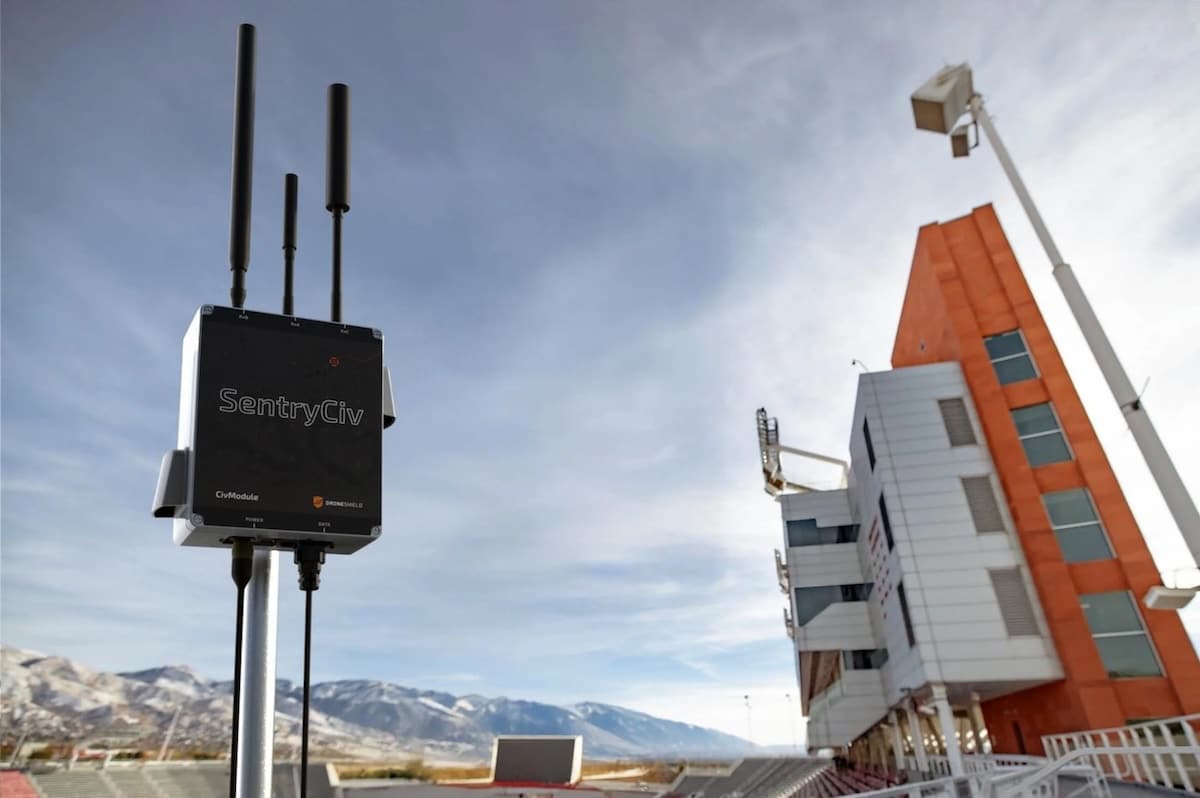
DroneShield boosts world cup security
What happened
DroneShield is leading a multi-site urban airspace security deployment for the FIFA World Cup that combines radar, radio-frequency drone detection and an operational situational-awareness portal. The deployment is led with local public-safety partners and designed for dense urban environments where authorised aviation, media operations and unauthorised drones may overlap. For procurement, watch whether suppliers start bundling sensors, integration and data services as single packages and shorten quote validity windows
Buyer takeaway
Treat the World Cup deployment as an operational template: buyers should expect vendors to offer bundled detection + dashboard + data services that require explicit SLAs
Cost / money
Directionally increases short-term scope: rental, integration and data services may appear as separate cost lines and could be quoted with short validity
Supplier / commercial
Vendors offering end-to-end stacks gain leverage on pricing and timing; buyers should extract interoperability and handoff commitments to retain control
Safety / operations
Operational integration into control rooms and SOPs is required for the system to be effective; contractual delivery alone is not sufficient for operational readiness
What to watch
Watch for package pricing, shortened quote windows, and vendors that defer integration responsibilities to downstream contracts
Key facts
- Multi-site deployment for FIFA World Cup 2026 in Kansas City
- Combines radar, RF-based drone detection and situational-awareness portal
- Led by Kansas City Police Department with Airspace Link and DroneShield
Source excerpts
It combines operational airspace coordination, distributed radar coverage, radio frequency-based drone detection and integrated situational awareness systems to support security operations across multiple jurisdictions ahead of the tournament. DroneShield will act as the primary detection and threat response layer within the deployment, supporting multi-site airspace awareness workflows through radio frequency sensing, sensor fusion, operational coordination and counter-unmanned aircraft system capabilities
Unlike traditional single-site security systems, the Kansas City approach focuses on persistent regional airspace awareness across multiple operational areas and jurisdictions. The model reflects growing demand for scalable urban airspace resilience strategies that can support both major event security and long-term public safety operations
DroneShield will act as the primary detection and threat response layer within the deployment, supporting multi-site airspace awareness workflows through radio frequency sensing, sensor fusion, operational coordination and counter-unmanned aircraft system capabilities