Subsea, SURF & Offshore · International (Houston)

Reprioritize SURF Contracts Around FPSO Redeployment and Rig Consolidation

Published Jun 2, 2026, 5:06 AM CSTINTERNATIONALFull category signal
Ask AI
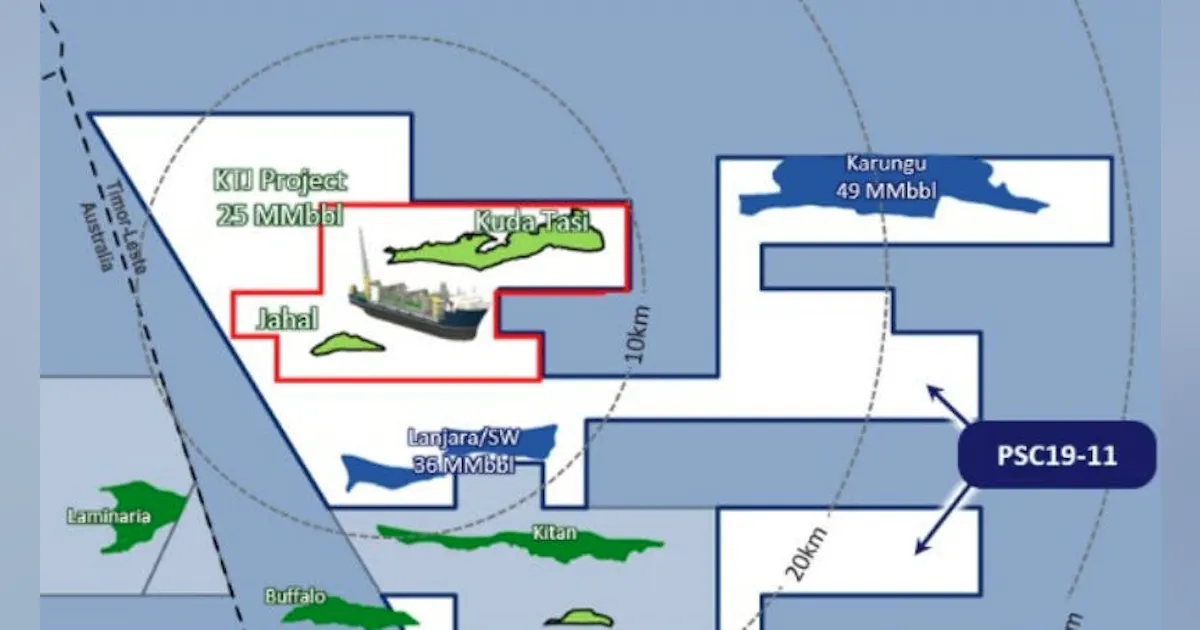
Finder Energy submits main documents for KTI project offshore Timor-Leste

In 60 seconds

Top move

Finder Energy’s shipyard Invitation to Tender for redeploying the Petrojarl I FPSO creates an immediate procurement event that brings shipyard mobilisation, scoped modifications, and long‑lead material alignment into SURF and FPSO contract planning

Key takeaways

  • Finder Energy’s shipyard Invitation to Tender for redeploying the Petrojarl I FPSO creates an immediate procurement event that brings shipyard mobilisation, scoped modifications, and long‑lead material alignment into SURF and FPSO contract planning.[1]
  • An announced Eldorado/Vantage drillship merger concentrates ultra‑deepwater rig capacity and will likely shorten buyers’ negotiation windows for rig and specialised vessel chartering, increasing the chance suppliers seek deposits or shorter RFQ validity.[2]
  • Integrated drillship practices and higher automation are shrinking well delivery time and shifting maintenance toward condition‑based models, meaning contracts should capture spares, uptime commitments, and digital/automation service terms.[3]
  • Pre‑installation instrumentation on monopiles (Baltica 2) highlights yard QA, adhesive curing, and handling risks that can transfer cost or rework into SURF logistics and sensor supply chains if not front‑loaded into contract acceptance criteria.[4]
  • Overall signal is normal: no systemic crisis, but concrete events (shipyard tender + rig consolidation + tech efficiencies) add pressure on mobilisation, RFQ validity and contract scope — plan to verify supplier windows rather than assume slack.[1]

What changed since last run

  • New shipyard Invitation to Tender for Petrojarl I FPSO redeployment appeared, adding concrete shipyard mobilisation and modification work to active procurements (Article 3).
  • Eldorado announced a planned acquisition of Vantage Drilling, introducing a fresh consolidation event that may tighten deepwater rig availability since the last brief (Article 4).
  • A detailed case study on integrated drillship efficiency gives stronger operational evidence for compressed maintenance and crew/readiness windows than our prior thematic notes (Article 6).

Key facts

  • Invitation to Tender issued for Petrojarl I FPSO shipyard redeployment
  • Long‑lead casing and completion equipment cited as secured for the drilling campaign
  • Tender scope includes topside modification and life‑extension works tied to redeployment
  • Announced all‑cash acquisition of Vantage Drilling by Eldorado Drilling
  • Transaction pairs modern high‑spec drillships with an established operating footprint
  • Expected regulatory/shareholder steps remain before close

Why it matters

Finder Energy’s shipyard Invitation to Tender for redeploying the Petrojarl I FPSO creates an immediate procurement event that brings shipyard mobilisation, scoped modifications, and long‑lead material alignment into SURF and FPSO contract planning. An announced Eldorado/Vantage drillship merger concentrates ultra‑deepwater rig capacity and will likely shorten buyers’ negotiation windows for rig and specialised vessel chartering, increasing the chance suppliers seek deposits or shorter RFQ validity. Integrated drillship practices and higher automation are shrinking well delivery time and shifting maintenance toward condition‑based models, meaning contracts should capture spares, uptime commitments, and digital/automation service terms. Pre‑installation instrumentation on monopiles (Baltica 2) highlights yard QA, adhesive curing, and handling risks that can transfer cost or rework into SURF logistics and sensor supply chains if not front‑loaded into contract acceptance criteria

Cost / money

  • Shipyard life‑extension tenders push mobilisation and yard‑handling costs into the critical path of SURF budgets; buyers may face higher contingency or pass‑through charges tied to yard sequencing.[1]
  • Drillship consolidation increases the probability of firmer rig/charter pricing and shorter award‑to‑mobilisation windows, which can raise mobilisation premiums on deepwater lots.[2]
  • Front‑loaded instrumentation and pre‑installation QA increase onshore QA and logistics cost exposure for buyers and may shift validated delivery responsibilities earlier in the supply chain.[4]

Supplier / commercial

  • The Petrojarl I shipyard tender lets buyers require staged payments, explicit material‑ownership triggers, and mobilisation milestones to control pass‑through risk and supplier behaviour.[1]
  • Fleet consolidation gives owners more leverage to shorten RFQ validity, request mobilisation deposits, or push stricter mobilisation milestones on rig and specialised vessel RFQs.[2]
  • Integrated drillship operators increasingly offer automation and digital services that may carry recurring fees; buyers should define deliverables, IP rights and pricing rather than accept undefined digital scope creep.[3]

Safety / operations

  • Compressed rig and work‑package schedules require explicit condition‑based maintenance plans, spares lists and onshore/offshore acceptance tests in contracts to avoid degraded uptime or scope disputes.[3][1]
  • Pre‑installed monopile instrumentation raises yard‑stage handling and curing risks; without yard QA clauses and hold points, buyers face operational rework offshore that affects installation sequencing.[4]
  • FPSO redeployment and topside modification work should include documented LARS/launch‑recovery and mooring acceptance tests to reduce cable‑handling and mooring hazards during mobilisation.[1]

What to watch

  • Watch for suppliers to shorten RFQ validity, add mobilisation deposit clauses, or require staged‑delivery language on shipyard, rig and cable‑lay RFQs as they protect committed windows.[2]
  • Watch whether shipyards bidding the Petrojarl I scope propose material pass‑through or strict hold points that shift cost and schedule risk back to the buyer.[1]
  • Watch for suppliers to bundle automation/digital services with maintenance and propose recurring fees or data‑sharing clauses; clarify IP and pricing early in negotiations.[3]

Top stories

Story 1Offshore-mag

Finder Energy submits main documents for KTI project offshore Timor-Leste

Signal strongSource-grounded

What happened

Finder Energy submitted the environmental impact statement and field development plan for the KTI project and has issued an Invitation to Tender for shipyard work to redeploy the Petrojarl I FPSO. The tender covers modification and life‑extension scopes linked to an upcoming drilling campaign and lists long‑lead items already secured, making this an actionable shipyard procurement event. Watch whether shipyards propose staged deliveries, material pass‑throughs, or strict mobilisation hold points that shift cost or timing risk

Buyer takeaway

Treat this as real, scheduled work that requires mobilization and material‑delivery controls in awards because shipyard scopes and long‑lead items are already being aligned to a drilling campaign

Cost / money

Expect mobilisation and yard sequencing to show up as contingency or pass‑through unless contracts explicitly define staged deliveries and material ownership

Supplier / commercial

Use the tender to demand staged payments, material‑ownership triggers and clear mobilisation milestones rather than accepting open pass‑through or broad hold points

Safety / operations

Include LARS, mooring and topside acceptance tests in mobilisation milestones to reduce offshore rework and hazards during redeployment

What to watch

Watch whether bidders push material pass‑through clauses or tight delivery windows that shift schedule risk to the buyer

Key facts

  • Invitation to Tender issued for Petrojarl I FPSO shipyard redeployment
  • Long‑lead casing and completion equipment cited as secured for the drilling campaign
  • Tender scope includes topside modification and life‑extension works tied to redeployment

Source excerpts

Amplus Energy has issued an Invitation to Tender for the shipyard scope of work for the redeployment of the Petrojarl I FPSO to qualifying shipyards
Other current workstreams connected to the planned 2027 development well campaign include commercial arrangements for the drilling rig; long lead items for the 2027 drilling campaign, such as casing and completion equipment (all secured); and procurement of other items for the planned drilling window
The company has submitted the environmental impact statement (EIS) and the field development plan (FDP), both advancing through the approval process
Story 2Offshore-mag

Eldorado Drilling to acquire Vantage Drilling in $258-million deal

Signal moderateDirectional

What happened

Eldorado Drilling announced a planned all‑cash acquisition of Vantage Drilling, combining modern seventh‑generation drillships with Vantage’s operating footprint. The merger is presented as closing subject to approvals and will concentrate ultra‑deepwater capacity under fewer commercial owners. Watch for shifts in RFQ validity, deposit practices and tighter mobilisation windows once the transaction progresses

Buyer takeaway

Plan for reduced negotiation room on ultra‑deepwater rig and specialised vessel RFQs because consolidation tightens supplier options and can shorten quote windows

Cost / money

Potential for firmer dayrates and mobilisation premiums as owner scale reduces idle capacity and increases leverage

Supplier / commercial

Anticipate requests for shorter RFQ validity and mobilisation deposits; proactively clarify these points in pre‑bid communications

Safety / operations

Consolidation may standardize operating processes but also requires confirmation of spares/support and integration plans across previously separate fleets

What to watch

Watch supplier bid validity, deposit clauses and any change in mobilisation milestones for existing RFQs tied to ultra‑deepwater campaigns

Key facts

  • Announced all‑cash acquisition of Vantage Drilling by Eldorado Drilling
  • Transaction pairs modern high‑spec drillships with an established operating footprint
  • Expected regulatory/shareholder steps remain before close

Source excerpts

Eldorado’s wholly owned subsidiary, created for the deal, will merge into Vantage, with Vantage surviving as a wholly owned subsidiary of Eldorado while continuing to operate under its name
It pairs Hornbeck’s support vessel fleet with Helix’s well intervention and subsea capabilities. Other notable activity includes smaller/jackup-focused deals (e
This created one of the largest fleets of 7th-generation dual-BOP drillships, expanded Noble’s overall rig count to 41 (28 floaters and 13 jackups), and added substantial backlog
Story 3Offshore-mag

Integrated drillships are redefining offshore drilling efficiency

Signal strongSource-grounded

What happened

A case study on integrated drillships shows how rig specialization, automation and condition‑based maintenance are cutting well delivery times and nonproductive time. The most important operational detail is the documented shift to planned, condition‑based maintenance and automation that reduces traditional maintenance windows and changes spares and crew models. Watch how suppliers price automation, digital services and spares commitments when those features are included in bids

Buyer takeaway

Require clarity on spares, condition‑based maintenance schedules and digital service deliverables in procurement documents because uptime depends on those deliverables

Cost / money

Automation and reduced crew models can lower operational day costs but may introduce recurring digital fees or higher initial capex for upgraded systems

Supplier / commercial

Suppliers may bundle automation and maintenance as premium services; buyers should separate pricing for digital services and define IP and access rights

Safety / operations

Condition‑based maintenance improves safety and uptime but needs contractual spares and response SLAs to be effective in the field

What to watch

Watch for suppliers to present automation as a bundled benefit while leaving spares and response SLAs under‑specified

Key facts

  • Case study shows reduced well delivery and nonproductive time via integrated drillship practices
  • Operators adopting condition‑based maintenance and automation to improve uptime
  • Maintenance planning aligned to short opportunity windows to minimize impact on operations

Source excerpts

Increasing automation and condition-based maintenance are improving consistency, safety and uptime across modern deepwater drillship fleets
Three rigs have been upgraded to full rig floor automation using MMC and NOVOS, with the fourth scheduled for upgrade in early 2027. The benefits of automation extend beyond removing personnel from the drill floor
Maintenance strategies supporting high uptime At Noble, maintenance activities are planned aggressively around operational windows, with condition-based and preventive schedules aligned to two-week opportunity windows to minimize impact
Story 4Offshore-mag

Instrumentation for Baltica 2 monopiles fitted, tested ahead of tow to offshore site

Signal strongSource-grounded

What happened

Acteon and partners have installed structural monitoring instrumentation on Baltica 2 monopiles before towing, meaning the sensors must survive long handling and piling without the opportunity for offshore rework. The concrete procurement implication is the increased importance of yard QA, adhesive curing processes and logistics that must be defined and accepted before tow

Buyer takeaway

Include yard hold points, adhesive curing acceptance criteria and transport handling requirements in supplier contracts because pre‑towed instrumentation cannot be reworked easily offshore

Cost / money

Shifting more work and QA to yards can increase up‑front yard costs but reduces offshore rework risk if validated correctly

Supplier / commercial

Yards may seek price uplifts for extended QA, climate‑controlled curing or additional handling steps; define who bears these costs and acceptance gates

Safety / operations

Proper QA and validated installation processes reduce the risk of sensor failure during towing, piling and early operations

What to watch

Watch for bidders to under‑price or omit yard QA steps; insist on documented curing and handling evidence before accepting deliveries

Key facts

  • Instrumentation fitted and tested on monopiles prior to tow to site
  • Adhesive‑based sensor installation requires controlled curing and handling
  • Approach reduces on‑site rework but increases yard‑stage QA importance

Source excerpts

Once the monopiles leave the yard, the sensors will be carried through transportation, handling and piling with no opportunity for rework
By comparison, on many North Sea projects Acteon has worked on the instrumentation may be installed later in the construction sequence or may pass through fewer pre-installation handling steps
" Because instrumentation is installed before the monopiles are floated and towed, verification becomes critical at this stage, Huerta added. Once the monopiles leave the yard, the sensors will be carried through transportation, handling and piling with no opportunity for rework

VP Snapshot

Executive Risk & Action View

Finder Energy’s shipyard Invitation to Tender for redeploying the Petrojarl I FPSO creates an immediate procurement event that brings shipyard mobilisation, scoped modifications, and long‑lead material alignment into SURF and FPSO contract planning.

Overall
57
Cost
97
Supply
43
Schedule
38
Compliance
15

Top signals

30-180dcost

Signal 1: Cost / money

Shipyard life‑extension tenders push mobilisation and yard‑handling costs into the critical path of SURF budgets; buyers may face higher contingency or pass‑through charges tied to yard sequencing.

Signal 2: Cost / money

Drillship consolidation increases the probability of firmer rig/charter pricing and shorter award‑to‑mobilisation windows, which can raise mobilisation premiums on deepwater lots.

Signal 3: Cost / money

Front‑loaded instrumentation and pre‑installation QA increase onshore QA and logistics cost exposure for buyers and may shift validated delivery responsibilities earlier in the supply chain.

30-180dcommercial

Signal 4: Supplier / commercial

The Petrojarl I shipyard tender lets buyers require staged payments, explicit material‑ownership triggers, and mobilisation milestones to control pass‑through risk and supplier behaviour.

Signal 6: Supplier / commercial

Integrated drillship operators increasingly offer automation and digital services that may carry recurring fees; buyers should define deliverables, IP rights and pricing rather than accept undefined digital scope creep.

30-180dsupply

Signal 5: Supplier / commercial

Fleet consolidation gives owners more leverage to shorten RFQ validity, request mobilisation deposits, or push stricter mobilisation milestones on rig and specialised vessel RFQs.

Recommended actions

CategoryDue 3d

Annotate active SURF, FPSO and shipyard RFQs with mobilisation and yard‑risk flags and circulate to ops and contracts.

Tender register shows mobilisation/yard‑risk flags visible to procurement, ops and contracts for all impacted lots.

ContractsDue 21d

Ask shortlisted rig and specialised vessel suppliers to confirm availability windows, RFQ validity, deposit expectations and mobilisation lead times in writing.

Supplier confirmation matrix capturing availability, quote validity and mobilisation/deposit positions for key rig and vessel suppliers.

OpsDue 21d

Schedule a yard QA walkthrough and targeted supplier audit for yards installing pre‑towed instrumentation or front‑loaded subsea monitoring systems.

Audit report listing non‑conformances, required hold points and acceptance checkpoints for yard‑installed instrumentation.

ContractsDue 60d

Update SURF/FPSO contract templates to include staged deliveries, material‑ownership triggers, explicit mobilisation milestones and acceptance test requirements for yards and ve...

Revised template and clause bank ready to use on upcoming shipyard and SURF awards to limit pass‑through and mobilisation disputes.

CategoryDue 60d

Run a vessel and rig contingency planning exercise focused on cable‑lay, pipelay and ultra‑deepwater drillship availability to inform sourcing cadence and mobilisation levers.

Contingency shortlist and recommended procurement levers (shorter RFQ windows, deposit clauses, alternative mobilisation plans) for affected campaigns.

Risk register

RiskTriggerMitigation
Watch for suppliers to shorten RFQ validity, add mobilisation deposit clauses, or require staged‑delivery language on shipyard, rig and cable‑lay RFQs as they protect committed windows.Watch for suppliers to shorten RFQ validity, add mobilisation deposit clauses, or require staged‑delivery language on shipyard, rig and cable‑lay RFQs as they protect committed windows.Confirm exposure with category, contracts, and operations before the next supplier commitment.
Watch whether shipyards bidding the Petrojarl I scope propose material pass‑through or strict hold points that shift cost and schedule risk back to the buyer.Watch whether shipyards bidding the Petrojarl I scope propose material pass‑through or strict hold points that shift cost and schedule risk back to the buyer.Confirm exposure with category, contracts, and operations before the next supplier commitment.
Watch for suppliers to bundle automation/digital services with maintenance and propose recurring fees or data‑sharing clauses; clarify IP and pricing early in negotiations.Watch for suppliers to bundle automation/digital services with maintenance and propose recurring fees or data‑sharing clauses; clarify IP and pricing early in negotiations.Confirm exposure with category, contracts, and operations before the next supplier commitment.

CM Snapshot

Category Manager Decision Detail

Today's priorities

Annotate active SURF, FPSO and shipyard RFQs with mobilisation and yard‑risk flags and circulate to ops and contracts.

because Finder Energy has issued a shipyard Invitation to Tender for Petrojarl I redeployment that creates near‑term mobilisation and long‑lead alignment needs.

Due 3d

high

CM move

Use this as the immediate supplier or contract action to move before the next sourcing gate.

Ask shortlisted rig and specialised vessel suppliers to confirm availability windows, RFQ validity, deposit expectations and mobilisation lead times in writing.

because the Eldorado/Vantage consolidation and active campaign planning can shorten supplier windows and increase deposit/validity demands, so early confirmation preserves negot...

Due 21d

high

CM move

Use this as the immediate supplier or contract action to move before the next sourcing gate.

Schedule a yard QA walkthrough and targeted supplier audit for yards installing pre‑towed instrumentation or front‑loaded subsea monitoring systems.

because pre‑installation of instrumentation (Baltica 2 approach) raises adhesive‑curing, handling and QA risks that are best mitigated before offshore tow and piling.

Due 21d

high

CM move

Use this as the immediate supplier or contract action to move before the next sourcing gate.

Update SURF/FPSO contract templates to include staged deliveries, material‑ownership triggers, explicit mobilisation milestones and acceptance test requirements for yards and ve...

because the Petrojarl I tender and compressed rig schedules make contract mechanics decisive in allocating mobilisation and long‑lead material risk.

Due 60d

high

CM move

Use this as the immediate supplier or contract action to move before the next sourcing gate.

Supplier radar

Offshore-mag

high

Observed supplier signal

The Petrojarl I shipyard tender lets buyers require staged payments, explicit material‑ownership triggers, and mobilisation milestones to control pass‑through risk and supplier behaviour.

Commercial implication

The Petrojarl I shipyard tender lets buyers require staged payments, explicit material‑ownership triggers, and mobilisation milestones to control pass‑through risk and supplier behaviour.

Next step: Validate the source-backed signal with incumbents and alternates before the next award or pricing decision.

Offshore-mag

high

Observed supplier signal

Fleet consolidation gives owners more leverage to shorten RFQ validity, request mobilisation deposits, or push stricter mobilisation milestones on rig and specialised vessel RFQs.

Commercial implication

Fleet consolidation gives owners more leverage to shorten RFQ validity, request mobilisation deposits, or push stricter mobilisation milestones on rig and specialised vessel RFQs.

Next step: Validate the source-backed signal with incumbents and alternates before the next award or pricing decision.

Offshore-mag

high

Observed supplier signal

Integrated drillship operators increasingly offer automation and digital services that may carry recurring fees; buyers should define deliverables, IP rights and pricing rather than accept undefined digital scope creep.

Commercial implication

Integrated drillship operators increasingly offer automation and digital services that may carry recurring fees; buyers should define deliverables, IP rights and pricing rather than accept undefined digital scope creep.

Next step: Validate the source-backed signal with incumbents and alternates before the next award or pricing decision.

Negotiation levers

Annotate active SURF, FPSO and shipyard RFQs with mobilisation and yard‑risk flags and circulate to ops and contracts.

When to use: because Finder Energy has issued a shipyard Invitation to Tender for Petrojarl I redeployment that creates near‑term mobilisation and long‑lead alignment needs.

Expected outcome: Tender register shows mobilisation/yard‑risk flags visible to procurement, ops and contracts for all impacted lots.

Commercial mechanism to carry into the next supplier conversation

Ask shortlisted rig and specialised vessel suppliers to confirm availability windows, RFQ validity, deposit expectations and mobilisation lead times in writing.

When to use: because the Eldorado/Vantage consolidation and active campaign planning can shorten supplier windows and increase deposit/validity demands, so early confirmation preserves negot...

Expected outcome: Supplier confirmation matrix capturing availability, quote validity and mobilisation/deposit positions for key rig and vessel suppliers.

Commercial mechanism to carry into the next supplier conversation

Schedule a yard QA walkthrough and targeted supplier audit for yards installing pre‑towed instrumentation or front‑loaded subsea monitoring systems.

When to use: because pre‑installation of instrumentation (Baltica 2 approach) raises adhesive‑curing, handling and QA risks that are best mitigated before offshore tow and piling.

Expected outcome: Audit report listing non‑conformances, required hold points and acceptance checkpoints for yard‑installed instrumentation.

Commercial mechanism to carry into the next supplier conversation

Update SURF/FPSO contract templates to include staged deliveries, material‑ownership triggers, explicit mobilisation milestones and acceptance test requirements for yards and ve...

When to use: because the Petrojarl I tender and compressed rig schedules make contract mechanics decisive in allocating mobilisation and long‑lead material risk.

Expected outcome: Revised template and clause bank ready to use on upcoming shipyard and SURF awards to limit pass‑through and mobilisation disputes.

Commercial mechanism to carry into the next supplier conversation

Talking points

Finder Energy’s shipyard Invitation to Tender for redeploying the Petrojarl I FPSO creates an immediate procurement event that brings shipyard mobilisation, scoped modifications, and long‑lead material alignment into SURF and FPSO contract planning.
An announced Eldorado/Vantage drillship merger concentrates ultra‑deepwater rig capacity and will likely shorten buyers’ negotiation windows for rig and specialised vessel chartering, increasing the chance suppliers seek deposits or shorter RFQ validity.
Integrated drillship practices and higher automation are shrinking well delivery time and shifting maintenance toward condition‑based models, meaning contracts should capture spares, uptime commitments, and digital/automation service terms.
Pre‑installation instrumentation on monopiles (Baltica 2) highlights yard QA, adhesive curing, and handling risks that can transfer cost or rework into SURF logistics and sensor supply chains if not front‑loaded into contract acceptance criteria.

Supplier radar

SupplierSignalImplicationNext stepConfidence
Offshore-magThe Petrojarl I shipyard tender lets buyers require staged payments, explicit material‑ownership triggers, and mobilisation milestones to control pass‑through risk and supplier behaviour.The Petrojarl I shipyard tender lets buyers require staged payments, explicit material‑ownership triggers, and mobilisation milestones to control pass‑through risk and supplier behaviour.Validate the source-backed signal with incumbents and alternates before the next award or pricing decision.high
Offshore-magFleet consolidation gives owners more leverage to shorten RFQ validity, request mobilisation deposits, or push stricter mobilisation milestones on rig and specialised vessel RFQs.Fleet consolidation gives owners more leverage to shorten RFQ validity, request mobilisation deposits, or push stricter mobilisation milestones on rig and specialised vessel RFQs.Validate the source-backed signal with incumbents and alternates before the next award or pricing decision.high
Offshore-magIntegrated drillship operators increasingly offer automation and digital services that may carry recurring fees; buyers should define deliverables, IP rights and pricing rather than accept undefined digital scope creep.Integrated drillship operators increasingly offer automation and digital services that may carry recurring fees; buyers should define deliverables, IP rights and pricing rather than accept undefined digital scope creep.Validate the source-backed signal with incumbents and alternates before the next award or pricing decision.high

Negotiation levers

  • Annotate active SURF, FPSO and shipyard RFQs with mobilisation and yard‑risk flags and circulate to ops and contracts.because Finder Energy has issued a shipyard Invitation to Tender for Petrojarl I redeployment that creates near‑term mobilisation and long‑lead alignment needs.Tender register shows mobilisation/yard‑risk flags visible to procurement, ops and contracts for all impacted lots.

    high confidence

  • Ask shortlisted rig and specialised vessel suppliers to confirm availability windows, RFQ validity, deposit expectations and mobilisation lead times in writing.because the Eldorado/Vantage consolidation and active campaign planning can shorten supplier windows and increase deposit/validity demands, so early confirmation preserves negot...Supplier confirmation matrix capturing availability, quote validity and mobilisation/deposit positions for key rig and vessel suppliers.

    high confidence

  • Schedule a yard QA walkthrough and targeted supplier audit for yards installing pre‑towed instrumentation or front‑loaded subsea monitoring systems.because pre‑installation of instrumentation (Baltica 2 approach) raises adhesive‑curing, handling and QA risks that are best mitigated before offshore tow and piling.Audit report listing non‑conformances, required hold points and acceptance checkpoints for yard‑installed instrumentation.

    high confidence

  • Update SURF/FPSO contract templates to include staged deliveries, material‑ownership triggers, explicit mobilisation milestones and acceptance test requirements for yards and ve...because the Petrojarl I tender and compressed rig schedules make contract mechanics decisive in allocating mobilisation and long‑lead material risk.Revised template and clause bank ready to use on upcoming shipyard and SURF awards to limit pass‑through and mobilisation disputes.

    high confidence

What to do / What to watch

What to do now

  • Annotate active SURF, FPSO and shipyard RFQs with mobilisation and yard‑risk flags and circulate to ops and contracts.

    Why: because Finder Energy has issued a shipyard Invitation to Tender for Petrojarl I redeployment that creates near‑term mobilisation and long‑lead alignment needs.

    Owner: Category

    Expected outcome: Tender register shows mobilisation/yard‑risk flags visible to procurement, ops and contracts for all impacted lots.

    [1]

Next few weeks

  • Ask shortlisted rig and specialised vessel suppliers to confirm availability windows, RFQ validity, deposit expectations and mobilisation lead times in writing.

    Why: because the Eldorado/Vantage consolidation and active campaign planning can shorten supplier windows and increase deposit/validity demands, so early confirmation preserves negot...

    Owner: Contracts

    Expected outcome: Supplier confirmation matrix capturing availability, quote validity and mobilisation/deposit positions for key rig and vessel suppliers.

    [2]
  • Schedule a yard QA walkthrough and targeted supplier audit for yards installing pre‑towed instrumentation or front‑loaded subsea monitoring systems.

    Why: because pre‑installation of instrumentation (Baltica 2 approach) raises adhesive‑curing, handling and QA risks that are best mitigated before offshore tow and piling.

    Owner: Ops

    Expected outcome: Audit report listing non‑conformances, required hold points and acceptance checkpoints for yard‑installed instrumentation.

    [4]

Longer view

  • Update SURF/FPSO contract templates to include staged deliveries, material‑ownership triggers, explicit mobilisation milestones and acceptance test requirements for yards and ve...

    Why: because the Petrojarl I tender and compressed rig schedules make contract mechanics decisive in allocating mobilisation and long‑lead material risk.

    Owner: Contracts

    Expected outcome: Revised template and clause bank ready to use on upcoming shipyard and SURF awards to limit pass‑through and mobilisation disputes.

    [1]
  • Run a vessel and rig contingency planning exercise focused on cable‑lay, pipelay and ultra‑deepwater drillship availability to inform sourcing cadence and mobilisation levers.

    Why: because fleet consolidation and ongoing campaign activity may tighten specialised vessel availability and increase mobilisation premiums without contingency options.

    Owner: Category

    Expected outcome: Contingency shortlist and recommended procurement levers (shorter RFQ windows, deposit clauses, alternative mobilisation plans) for affected campaigns.

    [2]

What to watch

  • Watch for suppliers to shorten RFQ validity, add mobilisation deposit clauses, or require staged‑delivery language on shipyard, rig and cable‑lay RFQs as they protect committed windows
  • Watch whether shipyards bidding the Petrojarl I scope propose material pass‑through or strict hold points that shift cost and schedule risk back to the buyer
  • Watch for suppliers to bundle automation/digital services with maintenance and propose recurring fees or data‑sharing clauses; clarify IP and pricing early in negotiations
  • Watch for suppliers to shorten RFQ validity, add mobilisation deposit clauses, or require staged‑delivery language on shipyard, rig and cable‑lay RFQs as they protect committed windows.: Watch for suppliers to shorten RFQ validity, add mobilisation deposit clauses, or require staged‑delivery language on shipyard, rig and cable‑lay RFQs as they protect committed windows
  • Watch whether shipyards bidding the Petrojarl I scope propose material pass‑through or strict hold points that shift cost and schedule risk back to the buyer.: Watch whether shipyards bidding the Petrojarl I scope propose material pass‑through or strict hold points that shift cost and schedule risk back to the buyer
  • Watch for suppliers to bundle automation/digital services with maintenance and propose recurring fees or data‑sharing clauses; clarify IP and pricing early in negotiations.: Watch for suppliers to bundle automation/digital services with maintenance and propose recurring fees or data‑sharing clauses; clarify IP and pricing early in negotiations
  • Finder Energy’s shipyard Invitation to Tender for redeploying the Petrojarl I FPSO creates an immediate procurement event that brings shipyard mobilisation, scoped modifications, and long‑lead material alignment into SURF and FPSO contract planning
  • An announced Eldorado/Vantage drillship merger concentrates ultra‑deepwater rig capacity and will likely shorten buyers’ negotiation windows for rig and specialised vessel chartering, increasing the chance suppliers seek deposits or shorter RFQ validity

Market pulse

IndexLatestChangeAs of
WTI Crude (WTI)71.23 /bbl+0.00 (+0.00%)Jun 2, 2026, 10:07 AM
Brent Crude (BRENT)74.89 /bbl+0.00 (+0.00%)Jun 2, 2026, 10:07 AM
Natural Gas (NG)3.12 /MMBtu+0.00 (+0.00%)Jun 2, 2026, 10:07 AM
Dry Bulk Shipping (BDRY) (BDRY)0 +0.00 (+0.00%)Jun 2, 2026, 10:07 AM
WTI (Fuel) (WTI)71.23 /bbl+0.00 (+0.00%)Jun 2, 2026, 10:07 AM
TechnipFMC (FTI)22 +0.00 (+0.00%)Jun 2, 2026, 10:07 AM
  • Dry Bulk Shipping (BDRY): Dry bulk shipping tightness can raise transport and yard module movement costs for heavy subsea structures; factor into logistics contingencies
  • WTI Crude: Fuel price movements influence vessel fuel surcharges and charter economics — monitor for pass‑through impacts on vessel charters and mobilisation legs

Sources

Inline citations jump here. Expand a source to read the excerpt, the AI interpretation, and the original link.

[1] Finder Energy submits main documents for KTI project offshore Timor-Leste

offshore-mag.com · n.d.

Expand

AI reading

Finder Energy submitted the environmental impact statement and field development plan for the KTI project and has issued an Invitation to Tender for shipyard work to redeploy the Petrojarl I FPSO. The tender covers modification and life‑extension scopes linked to an upcoming drilling campaign and lists long‑lead items already secured, making this an actionable shipyard procurement event. Watch whether shipyards propose staged deliveries, material pass‑throughs, or strict mobilisation hold points that shift cost or timing risk

Buyer takeaway

Treat this as real, scheduled work that requires mobilization and material‑delivery controls in awards because shipyard scopes and long‑lead items are already being aligned to a drilling campaign

Cost / money

Expect mobilisation and yard sequencing to show up as contingency or pass‑through unless contracts explicitly define staged deliveries and material ownership

Supplier / commercial

Use the tender to demand staged payments, material‑ownership triggers and clear mobilisation milestones rather than accepting open pass‑through or broad hold points

Safety / operations

Include LARS, mooring and topside acceptance tests in mobilisation milestones to reduce offshore rework and hazards during redeployment

What to watch

Watch whether bidders push material pass‑through clauses or tight delivery windows that shift schedule risk to the buyer

Key facts

  • Invitation to Tender issued for Petrojarl I FPSO shipyard redeployment
  • Long‑lead casing and completion equipment cited as secured for the drilling campaign
  • Tender scope includes topside modification and life‑extension works tied to redeployment

Source excerpts

Amplus Energy has issued an Invitation to Tender for the shipyard scope of work for the redeployment of the Petrojarl I FPSO to qualifying shipyards
Other current workstreams connected to the planned 2027 development well campaign include commercial arrangements for the drilling rig; long lead items for the 2027 drilling campaign, such as casing and completion equipment (all secured); and procurement of other items for the planned drilling window
The company has submitted the environmental impact statement (EIS) and the field development plan (FDP), both advancing through the approval process

Used in this brief

  • Next 72 hours — Annotate active SURF, FPSO and shipyard RFQs with mobilisation and yard‑risk flags and circulate to ops and contracts.. Rationale: because Finder Energy has issued a shipyard Invitation to Tender for Petrojarl I redeployment that creates near‑term mobilisation and long‑lead alignment needs.. Owner: Category. KPI: Tender register shows mobilisation/yard‑risk flags visible to procurement, ops and contracts for all impacted lots
  • Next quarter — Update SURF/FPSO contract templates to include staged deliveries, material‑ownership triggers, explicit mobilisation milestones and acceptance test requirements for yards and ve.... Rationale: because the Petrojarl I tender and compressed rig schedules make contract mechanics decisive in allocating mobilisation and long‑lead material risk.. Owner: Contracts. KPI: Revised template and clause bank ready to use on upcoming shipyard and SURF awards to limit pass‑through and mobilisation disputes
  • Watch whether shipyards bidding the Petrojarl I scope propose material pass‑through or strict hold points that shift cost and schedule risk back to the buyer
Open original source

[2] Eldorado Drilling to acquire Vantage Drilling in $258-million deal

offshore-mag.com · n.d.

Expand

AI reading

Eldorado Drilling announced a planned all‑cash acquisition of Vantage Drilling, combining modern seventh‑generation drillships with Vantage’s operating footprint. The merger is presented as closing subject to approvals and will concentrate ultra‑deepwater capacity under fewer commercial owners. Watch for shifts in RFQ validity, deposit practices and tighter mobilisation windows once the transaction progresses

Buyer takeaway

Plan for reduced negotiation room on ultra‑deepwater rig and specialised vessel RFQs because consolidation tightens supplier options and can shorten quote windows

Cost / money

Potential for firmer dayrates and mobilisation premiums as owner scale reduces idle capacity and increases leverage

Supplier / commercial

Anticipate requests for shorter RFQ validity and mobilisation deposits; proactively clarify these points in pre‑bid communications

Safety / operations

Consolidation may standardize operating processes but also requires confirmation of spares/support and integration plans across previously separate fleets

What to watch

Watch supplier bid validity, deposit clauses and any change in mobilisation milestones for existing RFQs tied to ultra‑deepwater campaigns

Key facts

  • Announced all‑cash acquisition of Vantage Drilling by Eldorado Drilling
  • Transaction pairs modern high‑spec drillships with an established operating footprint
  • Expected regulatory/shareholder steps remain before close

Source excerpts

Eldorado’s wholly owned subsidiary, created for the deal, will merge into Vantage, with Vantage surviving as a wholly owned subsidiary of Eldorado while continuing to operate under its name
It pairs Hornbeck’s support vessel fleet with Helix’s well intervention and subsea capabilities. Other notable activity includes smaller/jackup-focused deals (e
This created one of the largest fleets of 7th-generation dual-BOP drillships, expanded Noble’s overall rig count to 41 (28 floaters and 13 jackups), and added substantial backlog

Used in this brief

  • Next 2-4 weeks — Ask shortlisted rig and specialised vessel suppliers to confirm availability windows, RFQ validity, deposit expectations and mobilisation lead times in writing.. Rationale: because the Eldorado/Vantage consolidation and active campaign planning can shorten supplier windows and increase deposit/validity demands, so early confirmation preserves negot.... Owner: Contracts. KPI: Supplier confirmation matrix capturing availability, quote validity and mobilisation/deposit positions for key rig and vessel suppliers
  • Next quarter — Run a vessel and rig contingency planning exercise focused on cable‑lay, pipelay and ultra‑deepwater drillship availability to inform sourcing cadence and mobilisation levers.. Rationale: because fleet consolidation and ongoing campaign activity may tighten specialised vessel availability and increase mobilisation premiums without contingency options.. Owner: Category. KPI: Contingency shortlist and recommended procurement levers (shorter RFQ windows, deposit clauses, alternative mobilisation plans) for affected campaigns
  • Watch for suppliers to shorten RFQ validity, add mobilisation deposit clauses, or require staged‑delivery language on shipyard, rig and cable‑lay RFQs as they protect committed windows
Open original source

[3] Integrated drillships are redefining offshore drilling efficiency

offshore-mag.com · n.d.

Expand

AI reading

A case study on integrated drillships shows how rig specialization, automation and condition‑based maintenance are cutting well delivery times and nonproductive time. The most important operational detail is the documented shift to planned, condition‑based maintenance and automation that reduces traditional maintenance windows and changes spares and crew models. Watch how suppliers price automation, digital services and spares commitments when those features are included in bids

Buyer takeaway

Require clarity on spares, condition‑based maintenance schedules and digital service deliverables in procurement documents because uptime depends on those deliverables

Cost / money

Automation and reduced crew models can lower operational day costs but may introduce recurring digital fees or higher initial capex for upgraded systems

Supplier / commercial

Suppliers may bundle automation and maintenance as premium services; buyers should separate pricing for digital services and define IP and access rights

Safety / operations

Condition‑based maintenance improves safety and uptime but needs contractual spares and response SLAs to be effective in the field

What to watch

Watch for suppliers to present automation as a bundled benefit while leaving spares and response SLAs under‑specified

Key facts

  • Case study shows reduced well delivery and nonproductive time via integrated drillship practices
  • Operators adopting condition‑based maintenance and automation to improve uptime
  • Maintenance planning aligned to short opportunity windows to minimize impact on operations

Source excerpts

Increasing automation and condition-based maintenance are improving consistency, safety and uptime across modern deepwater drillship fleets
Three rigs have been upgraded to full rig floor automation using MMC and NOVOS, with the fourth scheduled for upgrade in early 2027. The benefits of automation extend beyond removing personnel from the drill floor
Maintenance strategies supporting high uptime At Noble, maintenance activities are planned aggressively around operational windows, with condition-based and preventive schedules aligned to two-week opportunity windows to minimize impact

Used in this brief

  • Finder Energy’s shipyard Invitation to Tender for redeploying the Petrojarl I FPSO creates an immediate procurement event that brings shipyard mobilisation, scoped modifications, and long‑lead material alignment into SURF and FPSO contract planning. An announced Eldorado/Vantage drillship merger concentrates ultra‑deepwater rig capacity and will likely shorten buyers’ negotiation windows for rig and specialised vessel chartering, increasing the chance suppliers seek deposits or shorter RFQ validity. Integrated drillship practices and higher automation are shrinking well delivery time and shifting maintenance toward condition‑based models, meaning contracts should capture spares, uptime commitments, and digital/automation service terms. Pre‑installation instrumentation on monopiles (Baltica 2) highlights yard QA, adhesive curing, and handling risks that can transfer cost or rework into SURF logistics and sensor supply chains if not front‑loaded into contract acceptance criteria
  • Safety / operations: Compressed rig and work‑package schedules require explicit condition‑based maintenance plans, spares lists and onshore/offshore acceptance tests in contracts to avoid degraded uptime or scope disputes
  • Watch for suppliers to bundle automation/digital services with maintenance and propose recurring fees or data‑sharing clauses; clarify IP and pricing early in negotiations
Open original source

[4] Instrumentation for Baltica 2 monopiles fitted, tested ahead of tow to offshore site

offshore-mag.com · n.d.

Expand

AI reading

Acteon and partners have installed structural monitoring instrumentation on Baltica 2 monopiles before towing, meaning the sensors must survive long handling and piling without the opportunity for offshore rework. The concrete procurement implication is the increased importance of yard QA, adhesive curing processes and logistics that must be defined and accepted before tow

Buyer takeaway

Include yard hold points, adhesive curing acceptance criteria and transport handling requirements in supplier contracts because pre‑towed instrumentation cannot be reworked easily offshore

Cost / money

Shifting more work and QA to yards can increase up‑front yard costs but reduces offshore rework risk if validated correctly

Supplier / commercial

Yards may seek price uplifts for extended QA, climate‑controlled curing or additional handling steps; define who bears these costs and acceptance gates

Safety / operations

Proper QA and validated installation processes reduce the risk of sensor failure during towing, piling and early operations

What to watch

Watch for bidders to under‑price or omit yard QA steps; insist on documented curing and handling evidence before accepting deliveries

Key facts

  • Instrumentation fitted and tested on monopiles prior to tow to site
  • Adhesive‑based sensor installation requires controlled curing and handling
  • Approach reduces on‑site rework but increases yard‑stage QA importance

Source excerpts

Once the monopiles leave the yard, the sensors will be carried through transportation, handling and piling with no opportunity for rework
By comparison, on many North Sea projects Acteon has worked on the instrumentation may be installed later in the construction sequence or may pass through fewer pre-installation handling steps
" Because instrumentation is installed before the monopiles are floated and towed, verification becomes critical at this stage, Huerta added. Once the monopiles leave the yard, the sensors will be carried through transportation, handling and piling with no opportunity for rework

Used in this brief

  • Cost / money: Shipyard life‑extension tenders push mobilisation and yard‑handling costs into the critical path of SURF budgets; buyers may face higher contingency or pass‑through charges tied to yard sequencing
  • Cost / money: Front‑loaded instrumentation and pre‑installation QA increase onshore QA and logistics cost exposure for buyers and may shift validated delivery responsibilities earlier in the supply chain
  • Safety / operations: Pre‑installed monopile instrumentation raises yard‑stage handling and curing risks; without yard QA clauses and hold points, buyers face operational rework offshore that affects installation sequencing
Open original source

[5] Dry Bulk Shipping (BDRY)

finance.yahoo.com · n.d.

Expand

[6] WTI Crude

finance.yahoo.com · n.d.

Expand