Logistics, Marine & Aviation · Australia (Perth)

Reassess Bulk Contracts After Equipment Failures and Crop Drop

Published Jun 3, 2026, 6:08 AM AWSTAPACFull category signal
Ask AI
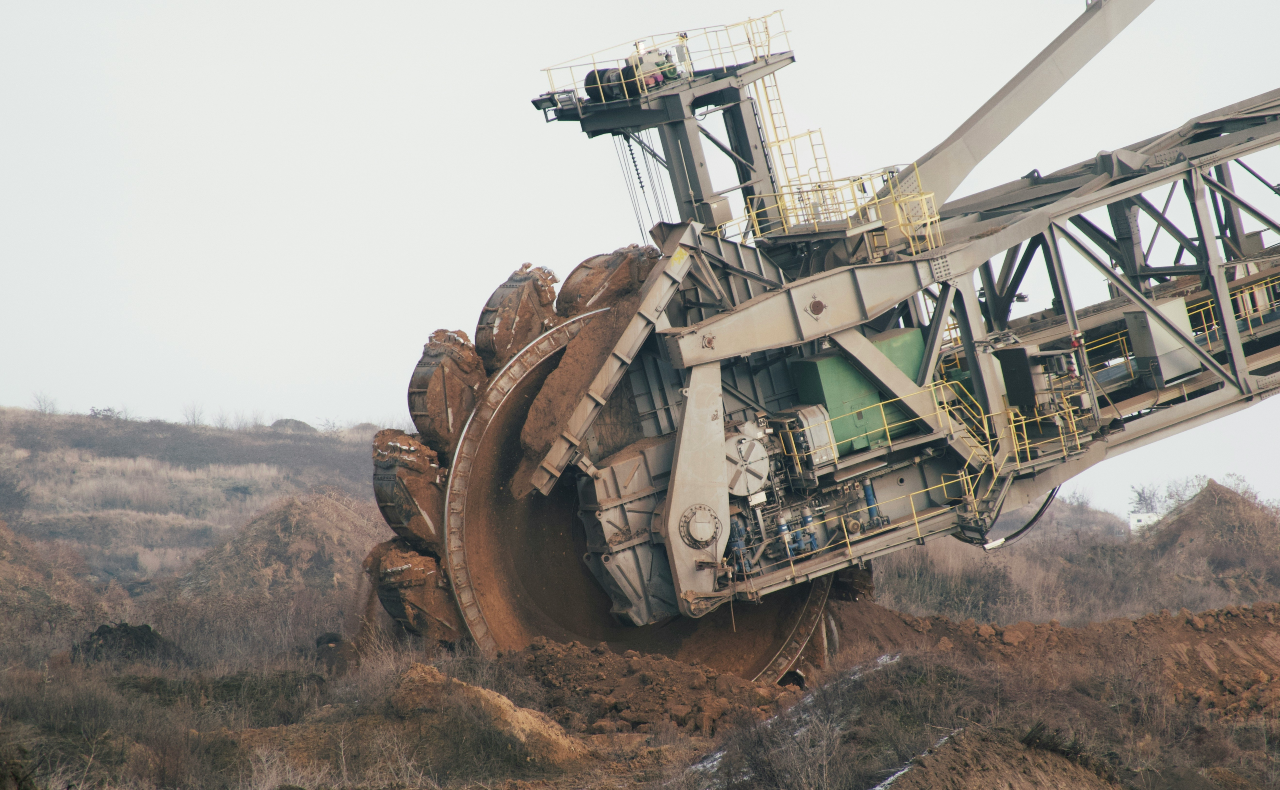
Ageing industrial infrastructure risks bulk exports

In 60 seconds

Top move

A commodities report signals a sizable drop in crop exports; treat this as a demand-change hypothesis for upcoming bulk tenders but verify before resizing panels

Key takeaways

  • A commodities report signals a sizable drop in crop exports; treat this as a demand-change hypothesis for upcoming bulk tenders but verify before resizing panels.[1]
  • Reporting shows bulk-handling fleets running past expected service life; this elevates real uptime and emergency-repair pass-through risk at terminals.[2]
  • An authorised Sydney depot (Price & Speed) confirms 7-day biosecurity and fumigation capabilities that can reduce port quarantine exposure while creating invoice pass-through exposure that must be contractually managed.[3]
  • A Tasmanian political proposal to reshape TT Line and TasPorts is public but early-stage; it is a governance-watch item rather than an immediate supplier change.[4]
  • Before making procurement moves, require harvest/manifest confirmation and terminal condition reports so sourcing decisions reflect verified volume and uptime signals.[1]

What changed since last run

  • New reporting surfaced a forecasted decline in crop export volumes, introducing a lower-demand scenario that was not in the prior brief.
  • Industry coverage identified terminal bulk-handling fleets operating beyond recommended service life, elevating supplier uptime and pass-through repair risk for the portfolio.
  • A Sydney depot (Price & Speed) has been confirmed as an authorised biosecurity/fumigation facility with 7-day operations, validating the routing lever previously recommended for verification.

Key facts

  • Forecasted 14% decline in crop export volumes
  • Primary impact signalled on winter crop export flows
  • Multiple bulk-handling machines reported operating past expected service life
  • Elevated risk of equipment-driven berth delays and repair events
  • Authorised facility for commercial operations and biosecurity
  • Two depots near Sydney Ports with advertised 7-day service availability

Why it matters

A commodities report signals a sizable drop in crop exports; treat this as a demand-change hypothesis for upcoming bulk tenders but verify before resizing panels. Reporting shows bulk-handling fleets running past expected service life; this elevates real uptime and emergency-repair pass-through risk at terminals. An authorised Sydney depot (Price & Speed) confirms 7-day biosecurity and fumigation capabilities that can reduce port quarantine exposure while creating invoice pass-through exposure that must be contractually managed. A Tasmanian political proposal to reshape TT Line and TasPorts is public but early-stage; it is a governance-watch item rather than an immediate supplier change

Cost / money

  • Lower crop-export volumes change utilisation assumptions for bulk sailings and may shift cost allocation or reduce fixture demand on affected lanes.[1]
  • Terminals running aging equipment increase the chance of emergency repairs being billed as pass-throughs, which raises landed-cost volatility for shippers.[2]

Supplier / commercial

  • Depot operators with authorised biosecurity services can standardise pass-through billing; requiring PO-level acceptance reduces billing disputes and unexpected charges.[3]
  • Terminal owners exposed to ageing-equipment risk may shorten quote validity or seek contractual uplifts to cover spare parts and onsite maintenance exposure.[2]

Safety / operations

  • Equipment beyond normal service life raises safety and failure risk that can cascade into berth delays, lower throughput and higher demurrage exposure.[2]
  • Routing via an authorised depot shifts inspection and fumigation timing off-port and increases dependency on depot scheduling and compliance, affecting gate-in/gate-out flow.[3]

What to watch

  • Do not resize bulk tenders based solely on the forecasted crop decline — verify with harvest and shipping manifests before changing volumes.[1]
  • Track formal parliamentary or procurement notices on the TasPorts/TT Line proposal; early political statements may not translate to enacted operational change.[4]

Top stories

Story 1Thedcn

Crop export volumes tipped to tumble

Signal moderateSource-grounded

What happened

A commodities report forecasts a material fall in crop export volumes. The report frames this as a decline in winter-crop shipments that would reduce near-term bulk export demand and affect tender volumes. Procurement should watch official harvest and shipping manifests to confirm the signal before resizing contracts or panels

Buyer takeaway

Treat the forecast as a directional scenario for tender planning, not a confirmed volume change until harvest and shipping manifests are verified

Cost / money

Lower short-term utilisation could reduce fixture demand on some lanes and shift landed-cost exposure; timing will determine material impact

Supplier / commercial

Buyers may gain temporary leverage in fixtures if verified, but suppliers will likely protect minimum-usage economics in contracts

Safety / operations

Reduced volumes lower berth congestion risk but schedule compressions during harvest windows can still stress crews and equipment

What to watch

Verify with harvest and shipping data; forecasts can move and should not trigger immediate contract downsizing

Key facts

  • Forecasted 14% decline in crop export volumes
  • Primary impact signalled on winter crop export flows

Source excerpts

News Crop export volumes tipped to tumble Image: Ethereal Optics / Unsplash Posted by David Sexton | 2 June, 2026 CROP export volumes are set to fall by 14% in 2026–27, largely reflecting expected lower winter crop production, the latest commodities report from the Australian Bureau of Agriculture and Resource Economics (ABARES) predicts
A former DCN editor, he returns to covering shipping and logistics after a four-year hiatus working at Monash University during which time he managed production of key reports into the Indonesian ports and rail sectors
Story 2Thedcn

Ageing industrial infrastructure risks bulk exports

Signal strongSource-grounded

What happened

Coverage flags fleets of bulk-handling machines operating beyond their expected service life. Older equipment raises real failure and repair lead-time risks that directly affect berth throughput and create opportunities for vendors to pass repair costs to buyers. Watch vendor maintenance notices and short-notice service-impact advisories as early indicators of escalating pass-throughs

Buyer takeaway

Require transparency on maintenance schedules and spare-part access and add approval steps for emergency maintenance pass-throughs

Cost / money

Raises probability of emergency-repair pass-throughs and short-notice labour or demurrage costs

Supplier / commercial

Terminals may shorten quote validity and request contractual uplifts to cover ageing-equipment risk

Safety / operations

Older machinery increases safety incident risk and can reduce berth productivity, affecting vessel schedules

What to watch

Request condition reports and seek contractual caps or approval workflows for unplanned repairs

Key facts

  • Multiple bulk-handling machines reported operating past expected service life
  • Elevated risk of equipment-driven berth delays and repair events

Source excerpts

News Ageing industrial infrastructure risks bulk exports Image: Sven Eisenschmidt and Unsplash Posted by David Sexton | 2 June, 2026 GROWING fleets of bulk handling machines are operating beyond their lifespan jeopardising the future of key exports, a new study reveals
News Ageing industrial infrastructure risks bulk exports Image: Sven Eisenschmidt and Unsplash Posted by David Sexton | 2 June, 2026 GROWING fleets of bulk handling machines are operating beyond their lifespan jeopardising the future of key exports, a new study reveals. This content is for members only Create a free account with www
au to access this exclusive content
Story 3Price & Speed

Sydney Container Depot

Signal strongSource-grounded

What happened

Price & Speed lists itself as an authorised Sydney depot providing fumigation, out-of-gauge handling and 7-day operations close to ports. That makes the depot a practical routing option to reduce port-side quarantine holds and associated downtime. Watch whether depot operators formalise pass-through charges or require PO-level acceptance when used frequently

Buyer takeaway

Confirm depot contact, service list and pricing up front and add explicit order-level acceptance for biosecurity services

Cost / money

Using the depot can reduce quarantine fines and port dwell but may introduce pass-through handling fees unless capped contractually

Supplier / commercial

Depot operators can standardise pass-through billing and may require clearer PO-level acceptance for fumigation and inspection work

Safety / operations

Depot-handled biosecurity work reduces port-side hold risk but shifts compliance and scheduling dependency to the depot

What to watch

Verify depot contract terms, operating hours and emergency handling capacity before routing volumes through the facility

Key facts

  • Authorised facility for commercial operations and biosecurity
  • Two depots near Sydney Ports with advertised 7-day service availability

Source excerpts

+61 2 9666 6565Open 7 dayscheck our contact page for depot operating hours
Located close to Sydney Ports, Price & Speed is an authorised facility for commercial operations and biosecurity activities
We strive to provide a service that reflects our name in that all of our services and products are both cost effective and timely. Located close to Sydney Ports, Price & Speed is an authorised facility for commercial operations and biosecurity activities
Story 4Thedcn

Labor proposes TT Line, TasPorts shake-up

Signal limitedDirectional

What happened

Tasmanian opposition leaders proposed a major overhaul of TT Line and TasPorts, citing significant past spending concerns. The proposal is political and early-stage, but if advanced it could change procurement governance, ownership or counterparty arrangements. Watch parliamentary notices and procurement bulletins for any formal steps that would require contract-level protections

Buyer takeaway

Monitor political progress and prepare clause-level protections for contracts rather than assuming immediate structural changes

Cost / money

If enacted, restructuring could change how costs and pass-throughs are allocated, but current impact is speculative

Supplier / commercial

A governance change could alter contract signatories and assignment processes, creating renegotiation risk if the proposal gains traction

Safety / operations

Service-continuity risk is the primary concern at this stage; direct safety impacts are indirect and speculative

What to watch

Track formal motions, procurement notices and any transition plans; do not treat early statements as enacted policy

Key facts

  • Opposition cites claimed past waste totaling more than $3 billion
  • Proposal targets TT Line and TasPorts governance and structure

Source excerpts

News Labor proposes TT Line, TasPorts shake-up Tasmanian Opposition leader Josh Willie
News Labor proposes TT Line, TasPorts shake-up Tasmanian Opposition leader Josh Willie. Image: Josh Willie / Facebook Posted by Dale Crisp | 2 June, 2026 THE TASMANIAN Labor Opposition is touting a major overhaul of government business enterprises after highlighting what it claims is wastage of more than $3 billion since the Liberal Government came to office in 2014

VP Snapshot

Executive Risk & Action View

A commodities report signals a sizable drop in crop exports; treat this as a demand-change hypothesis for upcoming bulk tenders but verify before resizing panels.

Overall
69
Cost
61
Supply
25
Schedule
20
Compliance
35

Top signals

30-180dcost

Signal 1: Cost / money

Lower crop-export volumes change utilisation assumptions for bulk sailings and may shift cost allocation or reduce fixture demand on affected lanes.

Signal 2: Cost / money

Terminals running aging equipment increase the chance of emergency repairs being billed as pass-throughs, which raises landed-cost volatility for shippers.

30-180dcommercial

Signal 3: Supplier / commercial

Depot operators with authorised biosecurity services can standardise pass-through billing; requiring PO-level acceptance reduces billing disputes and unexpected charges.

Signal 4: Supplier / commercial

Terminal owners exposed to ageing-equipment risk may shorten quote validity or seek contractual uplifts to cover spare parts and onsite maintenance exposure.

30-180dsupplier

Signal 5: Safety / operations

Equipment beyond normal service life raises safety and failure risk that can cascade into berth delays, lower throughput and higher demurrage exposure.

30-180dregulatory

Signal 6: Safety / operations

Routing via an authorised depot shifts inspection and fumigation timing off-port and increases dependency on depot scheduling and compliance, affecting gate-in/gate-out flow.

Recommended actions

OpsDue 3d

Confirm Price & Speed depot contact details, operating hours, documented biosecurity services and attach that confirmation to routing rules.

Verified depot contact, hours and documented service list available to routing and operations teams.

CategoryDue 3d

Request recent equipment-condition and maintenance-history reports from priority bulk terminals used by our flows.

List of terminals with flagged equipment-condition issues and recommended contingency stevedore plans.

ContractsDue 21d

Negotiate terminal contract addenda to define caps or approval steps for maintenance and emergency repair pass-throughs.

Standard addendum template ready to limit unplanned maintenance pass-throughs and require buyer approval for costly repairs.

CategoryDue 21d

Re-run demand scenarios for upcoming bulk tenders and hold RFQ volume adjustments until harvest and shipping manifest confirmations are received.

Updated tender volume scenarios and decision triggers tied to verified shipment/harvest confirmations.

LegalDue 60d

Commission a contract-risk review for Tasmanian port and ferry agreements and draft assignment/governance-protection clauses.

Contract risk assessment and clause recommendations to protect continuity and limit exposure to counterparty changes.

Risk register

RiskTriggerMitigation
Do not resize bulk tenders based solely on the forecasted crop decline — verify with harvest and shipping manifests before changing volumes.Do not resize bulk tenders based solely on the forecasted crop decline — verify with harvest and shipping manifests before changing volumes.Confirm exposure with category, contracts, and operations before the next supplier commitment.
Track formal parliamentary or procurement notices on the TasPorts/TT Line proposal; early political statements may not translate to enacted operational change.Track formal parliamentary or procurement notices on the TasPorts/TT Line proposal; early political statements may not translate to enacted operational change.Confirm exposure with category, contracts, and operations before the next supplier commitment.

CM Snapshot

Category Manager Decision Detail

Today's priorities

Confirm Price & Speed depot contact details, operating hours, documented biosecurity services and attach that confirmation to routing rules.

because Price & Speed is an authorised biosecurity/fumigation depot near Sydney ports and confirming scope prevents last-minute reroutes and unexpected pass-through fees.

Due 3d

high

CM move

Use this as the immediate supplier or contract action to move before the next sourcing gate.

Request recent equipment-condition and maintenance-history reports from priority bulk terminals used by our flows.

because reporting shows fleets operating past recommended service life and early-condition data is the fastest way to quantify near-term outage risk.

Due 3d

high

CM move

Use this as the immediate supplier or contract action to move before the next sourcing gate.

Negotiate terminal contract addenda to define caps or approval steps for maintenance and emergency repair pass-throughs.

because ageing terminal infrastructure increases the likelihood vendors will seek to recover emergency repairs via pass-through billing unless contracts limit that path.

Due 21d

high

CM move

Use this as the immediate supplier or contract action to move before the next sourcing gate.

Re-run demand scenarios for upcoming bulk tenders and hold RFQ volume adjustments until harvest and shipping manifest confirmations are received.

because a published crop-export decline is directional; verified harvest/shipping data should trigger any tender-volume or timing changes.

Due 21d

high

CM move

Use this as the immediate supplier or contract action to move before the next sourcing gate.

Supplier radar

Price & Speed

high

Observed supplier signal

Depot operators with authorised biosecurity services can standardise pass-through billing; requiring PO-level acceptance reduces billing disputes and unexpected charges.

Commercial implication

Depot operators with authorised biosecurity services can standardise pass-through billing; requiring PO-level acceptance reduces billing disputes and unexpected charges.

Next step: Validate the source-backed signal with incumbents and alternates before the next award or pricing decision.

Thedcn

high

Observed supplier signal

Terminal owners exposed to ageing-equipment risk may shorten quote validity or seek contractual uplifts to cover spare parts and onsite maintenance exposure.

Commercial implication

Terminal owners exposed to ageing-equipment risk may shorten quote validity or seek contractual uplifts to cover spare parts and onsite maintenance exposure.

Next step: Validate the source-backed signal with incumbents and alternates before the next award or pricing decision.

Negotiation levers

Confirm Price & Speed depot contact details, operating hours, documented biosecurity services and attach that confirmation to routing rules.

When to use: because Price & Speed is an authorised biosecurity/fumigation depot near Sydney ports and confirming scope prevents last-minute reroutes and unexpected pass-through fees.

Expected outcome: Verified depot contact, hours and documented service list available to routing and operations teams.

Commercial mechanism to carry into the next supplier conversation

Request recent equipment-condition and maintenance-history reports from priority bulk terminals used by our flows.

When to use: because reporting shows fleets operating past recommended service life and early-condition data is the fastest way to quantify near-term outage risk.

Expected outcome: List of terminals with flagged equipment-condition issues and recommended contingency stevedore plans.

Commercial mechanism to carry into the next supplier conversation

Negotiate terminal contract addenda to define caps or approval steps for maintenance and emergency repair pass-throughs.

When to use: because ageing terminal infrastructure increases the likelihood vendors will seek to recover emergency repairs via pass-through billing unless contracts limit that path.

Expected outcome: Standard addendum template ready to limit unplanned maintenance pass-throughs and require buyer approval for costly repairs.

Commercial mechanism to carry into the next supplier conversation

Re-run demand scenarios for upcoming bulk tenders and hold RFQ volume adjustments until harvest and shipping manifest confirmations are received.

When to use: because a published crop-export decline is directional; verified harvest/shipping data should trigger any tender-volume or timing changes.

Expected outcome: Updated tender volume scenarios and decision triggers tied to verified shipment/harvest confirmations.

Commercial mechanism to carry into the next supplier conversation

Talking points

A commodities report signals a sizable drop in crop exports; treat this as a demand-change hypothesis for upcoming bulk tenders but verify before resizing panels.
Reporting shows bulk-handling fleets running past expected service life; this elevates real uptime and emergency-repair pass-through risk at terminals.
An authorised Sydney depot (Price & Speed) confirms 7-day biosecurity and fumigation capabilities that can reduce port quarantine exposure while creating invoice pass-through exposure that must be contractually managed.
A Tasmanian political proposal to reshape TT Line and TasPorts is public but early-stage; it is a governance-watch item rather than an immediate supplier change.

Supplier radar

SupplierSignalImplicationNext stepConfidence
Price & SpeedDepot operators with authorised biosecurity services can standardise pass-through billing; requiring PO-level acceptance reduces billing disputes and unexpected charges.Depot operators with authorised biosecurity services can standardise pass-through billing; requiring PO-level acceptance reduces billing disputes and unexpected charges.Validate the source-backed signal with incumbents and alternates before the next award or pricing decision.high
ThedcnTerminal owners exposed to ageing-equipment risk may shorten quote validity or seek contractual uplifts to cover spare parts and onsite maintenance exposure.Terminal owners exposed to ageing-equipment risk may shorten quote validity or seek contractual uplifts to cover spare parts and onsite maintenance exposure.Validate the source-backed signal with incumbents and alternates before the next award or pricing decision.high

Negotiation levers

  • Confirm Price & Speed depot contact details, operating hours, documented biosecurity services and attach that confirmation to routing rules.because Price & Speed is an authorised biosecurity/fumigation depot near Sydney ports and confirming scope prevents last-minute reroutes and unexpected pass-through fees.Verified depot contact, hours and documented service list available to routing and operations teams.

    high confidence

  • Request recent equipment-condition and maintenance-history reports from priority bulk terminals used by our flows.because reporting shows fleets operating past recommended service life and early-condition data is the fastest way to quantify near-term outage risk.List of terminals with flagged equipment-condition issues and recommended contingency stevedore plans.

    high confidence

  • Negotiate terminal contract addenda to define caps or approval steps for maintenance and emergency repair pass-throughs.because ageing terminal infrastructure increases the likelihood vendors will seek to recover emergency repairs via pass-through billing unless contracts limit that path.Standard addendum template ready to limit unplanned maintenance pass-throughs and require buyer approval for costly repairs.

    high confidence

  • Re-run demand scenarios for upcoming bulk tenders and hold RFQ volume adjustments until harvest and shipping manifest confirmations are received.because a published crop-export decline is directional; verified harvest/shipping data should trigger any tender-volume or timing changes.Updated tender volume scenarios and decision triggers tied to verified shipment/harvest confirmations.

    high confidence

What to do / What to watch

What to do now

  • Confirm Price & Speed depot contact details, operating hours, documented biosecurity services and attach that confirmation to routing rules.

    Why: because Price & Speed is an authorised biosecurity/fumigation depot near Sydney ports and confirming scope prevents last-minute reroutes and unexpected pass-through fees.

    Owner: Ops

    Expected outcome: Verified depot contact, hours and documented service list available to routing and operations teams.

    [3]
  • Request recent equipment-condition and maintenance-history reports from priority bulk terminals used by our flows.

    Why: because reporting shows fleets operating past recommended service life and early-condition data is the fastest way to quantify near-term outage risk.

    Owner: Category

    Expected outcome: List of terminals with flagged equipment-condition issues and recommended contingency stevedore plans.

    [2]

Next few weeks

  • Negotiate terminal contract addenda to define caps or approval steps for maintenance and emergency repair pass-throughs.

    Why: because ageing terminal infrastructure increases the likelihood vendors will seek to recover emergency repairs via pass-through billing unless contracts limit that path.

    Owner: Contracts

    Expected outcome: Standard addendum template ready to limit unplanned maintenance pass-throughs and require buyer approval for costly repairs.

    [2]
  • Re-run demand scenarios for upcoming bulk tenders and hold RFQ volume adjustments until harvest and shipping manifest confirmations are received.

    Why: because a published crop-export decline is directional; verified harvest/shipping data should trigger any tender-volume or timing changes.

    Owner: Category

    Expected outcome: Updated tender volume scenarios and decision triggers tied to verified shipment/harvest confirmations.

    [1]

Longer view

  • Commission a contract-risk review for Tasmanian port and ferry agreements and draft assignment/governance-protection clauses.

    Why: because a proposed overhaul of TT Line/TasPorts could change counterparty structure or procurement rules if it advances beyond political statements.

    Owner: Legal

    Expected outcome: Contract risk assessment and clause recommendations to protect continuity and limit exposure to counterparty changes.

    [4]

What to watch

  • Do not resize bulk tenders based solely on the forecasted crop decline — verify with harvest and shipping manifests before changing volumes
  • Track formal parliamentary or procurement notices on the TasPorts/TT Line proposal; early political statements may not translate to enacted operational change
  • Do not resize bulk tenders based solely on the forecasted crop decline — verify with harvest and shipping manifests before changing volumes.: Do not resize bulk tenders based solely on the forecasted crop decline — verify with harvest and shipping manifests before changing volumes
  • Track formal parliamentary or procurement notices on the TasPorts/TT Line proposal; early political statements may not translate to enacted operational change.: Track formal parliamentary or procurement notices on the TasPorts/TT Line proposal; early political statements may not translate to enacted operational change
  • A commodities report signals a sizable drop in crop exports; treat this as a demand-change hypothesis for upcoming bulk tenders but verify before resizing panels
  • Reporting shows bulk-handling fleets running past expected service life; this elevates real uptime and emergency-repair pass-through risk at terminals
  • An authorised Sydney depot (Price & Speed) confirms 7-day biosecurity and fumigation capabilities that can reduce port quarantine exposure while creating invoice pass-through exposure that must be contractually managed
  • A Tasmanian political proposal to reshape TT Line and TasPorts is public but early-stage; it is a governance-watch item rather than an immediate supplier change

Market pulse

IndexLatestChangeAs of
Dry Bulk Shipping (BDRY) (BDRY)0 +0.00 (+0.00%)Jun 2, 2026, 10:11 PM
WTI (Fuel) (WTI)71.23 /bbl+0.00 (+0.00%)Jun 2, 2026, 10:11 PM
FedEx (FDX)285 +0.00 (+0.00%)Jun 2, 2026, 10:11 PM
UPS (UPS)142 +0.00 (+0.00%)Jun 2, 2026, 10:11 PM
Maersk (MAERSK)9.5 +0.00 (+0.00%)Jun 2, 2026, 10:11 PM
  • Dry Bulk Shipping (BDRY): Dry-bulk index will show whether crop-export softness is already priced into charter markets; monitor for signals that affect bulk freight re-pricing
  • WTI (Fuel): Fuel index movement affects bunker pass-throughs and can compound maintenance-related cost pressures at terminals and on voyages

Sources

Inline citations jump here. Expand a source to read the excerpt, the AI interpretation, and the original link.

[1] Crop export volumes tipped to tumble

thedcn.com.au · n.d.

Expand

AI reading

A commodities report forecasts a material fall in crop export volumes. The report frames this as a decline in winter-crop shipments that would reduce near-term bulk export demand and affect tender volumes. Procurement should watch official harvest and shipping manifests to confirm the signal before resizing contracts or panels

Buyer takeaway

Treat the forecast as a directional scenario for tender planning, not a confirmed volume change until harvest and shipping manifests are verified

Cost / money

Lower short-term utilisation could reduce fixture demand on some lanes and shift landed-cost exposure; timing will determine material impact

Supplier / commercial

Buyers may gain temporary leverage in fixtures if verified, but suppliers will likely protect minimum-usage economics in contracts

Safety / operations

Reduced volumes lower berth congestion risk but schedule compressions during harvest windows can still stress crews and equipment

What to watch

Verify with harvest and shipping data; forecasts can move and should not trigger immediate contract downsizing

Key facts

  • Forecasted 14% decline in crop export volumes
  • Primary impact signalled on winter crop export flows

Source excerpts

News Crop export volumes tipped to tumble Image: Ethereal Optics / Unsplash Posted by David Sexton | 2 June, 2026 CROP export volumes are set to fall by 14% in 2026–27, largely reflecting expected lower winter crop production, the latest commodities report from the Australian Bureau of Agriculture and Resource Economics (ABARES) predicts
A former DCN editor, he returns to covering shipping and logistics after a four-year hiatus working at Monash University during which time he managed production of key reports into the Indonesian ports and rail sectors

Used in this brief

  • Cost / money: Lower crop-export volumes change utilisation assumptions for bulk sailings and may shift cost allocation or reduce fixture demand on affected lanes
  • Next 2-4 weeks — Re-run demand scenarios for upcoming bulk tenders and hold RFQ volume adjustments until harvest and shipping manifest confirmations are received.. Rationale: because a published crop-export decline is directional; verified harvest/shipping data should trigger any tender-volume or timing changes.. Owner: Category. KPI: Updated tender volume scenarios and decision triggers tied to verified shipment/harvest confirmations
  • Do not resize bulk tenders based solely on the forecasted crop decline — verify with harvest and shipping manifests before changing volumes
Open original source

[2] Ageing industrial infrastructure risks bulk exports

thedcn.com.au · n.d.

Expand

AI reading

Coverage flags fleets of bulk-handling machines operating beyond their expected service life. Older equipment raises real failure and repair lead-time risks that directly affect berth throughput and create opportunities for vendors to pass repair costs to buyers. Watch vendor maintenance notices and short-notice service-impact advisories as early indicators of escalating pass-throughs

Buyer takeaway

Require transparency on maintenance schedules and spare-part access and add approval steps for emergency maintenance pass-throughs

Cost / money

Raises probability of emergency-repair pass-throughs and short-notice labour or demurrage costs

Supplier / commercial

Terminals may shorten quote validity and request contractual uplifts to cover ageing-equipment risk

Safety / operations

Older machinery increases safety incident risk and can reduce berth productivity, affecting vessel schedules

What to watch

Request condition reports and seek contractual caps or approval workflows for unplanned repairs

Key facts

  • Multiple bulk-handling machines reported operating past expected service life
  • Elevated risk of equipment-driven berth delays and repair events

Source excerpts

News Ageing industrial infrastructure risks bulk exports Image: Sven Eisenschmidt and Unsplash Posted by David Sexton | 2 June, 2026 GROWING fleets of bulk handling machines are operating beyond their lifespan jeopardising the future of key exports, a new study reveals
News Ageing industrial infrastructure risks bulk exports Image: Sven Eisenschmidt and Unsplash Posted by David Sexton | 2 June, 2026 GROWING fleets of bulk handling machines are operating beyond their lifespan jeopardising the future of key exports, a new study reveals. This content is for members only Create a free account with www
au to access this exclusive content

Used in this brief

  • Next 72 hours — Request recent equipment-condition and maintenance-history reports from priority bulk terminals used by our flows.. Rationale: because reporting shows fleets operating past recommended service life and early-condition data is the fastest way to quantify near-term outage risk.. Owner: Category. KPI: List of terminals with flagged equipment-condition issues and recommended contingency stevedore plans
  • Next 2-4 weeks — Negotiate terminal contract addenda to define caps or approval steps for maintenance and emergency repair pass-throughs.. Rationale: because ageing terminal infrastructure increases the likelihood vendors will seek to recover emergency repairs via pass-through billing unless contracts limit that path.. Owner: Contracts. KPI: Standard addendum template ready to limit unplanned maintenance pass-throughs and require buyer approval for costly repairs
  • Industry coverage identified terminal bulk-handling fleets operating beyond recommended service life, elevating supplier uptime and pass-through repair risk for the portfolio
Open original source

[3] Sydney Container Depot

thedcn.com.au · n.d.

Expand

AI reading

Price & Speed lists itself as an authorised Sydney depot providing fumigation, out-of-gauge handling and 7-day operations close to ports. That makes the depot a practical routing option to reduce port-side quarantine holds and associated downtime. Watch whether depot operators formalise pass-through charges or require PO-level acceptance when used frequently

Buyer takeaway

Confirm depot contact, service list and pricing up front and add explicit order-level acceptance for biosecurity services

Cost / money

Using the depot can reduce quarantine fines and port dwell but may introduce pass-through handling fees unless capped contractually

Supplier / commercial

Depot operators can standardise pass-through billing and may require clearer PO-level acceptance for fumigation and inspection work

Safety / operations

Depot-handled biosecurity work reduces port-side hold risk but shifts compliance and scheduling dependency to the depot

What to watch

Verify depot contract terms, operating hours and emergency handling capacity before routing volumes through the facility

Key facts

  • Authorised facility for commercial operations and biosecurity
  • Two depots near Sydney Ports with advertised 7-day service availability

Source excerpts

+61 2 9666 6565Open 7 dayscheck our contact page for depot operating hours
Located close to Sydney Ports, Price & Speed is an authorised facility for commercial operations and biosecurity activities
We strive to provide a service that reflects our name in that all of our services and products are both cost effective and timely. Located close to Sydney Ports, Price & Speed is an authorised facility for commercial operations and biosecurity activities

Used in this brief

  • Next 72 hours — Confirm Price & Speed depot contact details, operating hours, documented biosecurity services and attach that confirmation to routing rules.. Rationale: because Price & Speed is an authorised biosecurity/fumigation depot near Sydney ports and confirming scope prevents last-minute reroutes and unexpected pass-through fees.. Owner: Ops. KPI: Verified depot contact, hours and documented service list available to routing and operations teams
  • A Sydney depot (Price & Speed) has been confirmed as an authorised biosecurity/fumigation facility with 7-day operations, validating the routing lever previously recommended for verification
  • Price & Speed lists itself as an authorised Sydney depot providing fumigation, out-of-gauge handling and 7-day operations close to ports. That makes the depot a practical routing option to reduce port-side quarantine holds and associated downtime. Watch whether depot operators formalise pass-through charges or require PO-level acceptance when used frequently
Open original source

[4] Labor proposes TT Line, TasPorts shake-up

thedcn.com.au · n.d.

Expand

AI reading

Tasmanian opposition leaders proposed a major overhaul of TT Line and TasPorts, citing significant past spending concerns. The proposal is political and early-stage, but if advanced it could change procurement governance, ownership or counterparty arrangements. Watch parliamentary notices and procurement bulletins for any formal steps that would require contract-level protections

Buyer takeaway

Monitor political progress and prepare clause-level protections for contracts rather than assuming immediate structural changes

Cost / money

If enacted, restructuring could change how costs and pass-throughs are allocated, but current impact is speculative

Supplier / commercial

A governance change could alter contract signatories and assignment processes, creating renegotiation risk if the proposal gains traction

Safety / operations

Service-continuity risk is the primary concern at this stage; direct safety impacts are indirect and speculative

What to watch

Track formal motions, procurement notices and any transition plans; do not treat early statements as enacted policy

Key facts

  • Opposition cites claimed past waste totaling more than $3 billion
  • Proposal targets TT Line and TasPorts governance and structure

Source excerpts

News Labor proposes TT Line, TasPorts shake-up Tasmanian Opposition leader Josh Willie
News Labor proposes TT Line, TasPorts shake-up Tasmanian Opposition leader Josh Willie. Image: Josh Willie / Facebook Posted by Dale Crisp | 2 June, 2026 THE TASMANIAN Labor Opposition is touting a major overhaul of government business enterprises after highlighting what it claims is wastage of more than $3 billion since the Liberal Government came to office in 2014

Used in this brief

  • Next quarter — Commission a contract-risk review for Tasmanian port and ferry agreements and draft assignment/governance-protection clauses.. Rationale: because a proposed overhaul of TT Line/TasPorts could change counterparty structure or procurement rules if it advances beyond political statements.. Owner: Legal. KPI: Contract risk assessment and clause recommendations to protect continuity and limit exposure to counterparty changes
  • Track formal parliamentary or procurement notices on the TasPorts/TT Line proposal; early political statements may not translate to enacted operational change
  • Tasmanian opposition leaders proposed a major overhaul of TT Line and TasPorts, citing significant past spending concerns. The proposal is political and early-stage, but if advanced it could change procurement governance, ownership or counterparty arrangements. Watch parliamentary notices and procurement bulletins for any formal steps that would require contract-level protections
Open original source

[5] Dry Bulk Shipping (BDRY)

finance.yahoo.com · n.d.

Expand

[6] WTI (Fuel)

finance.yahoo.com · n.d.

Expand