Projects (EPC/EPCM & Construction) · Australia (Perth)

Lock In Contingency Options As EPC Fleet Capacity Tightens

Published Jun 3, 2026, 6:00 AM AWSTAPACFull category signal
Ask AI
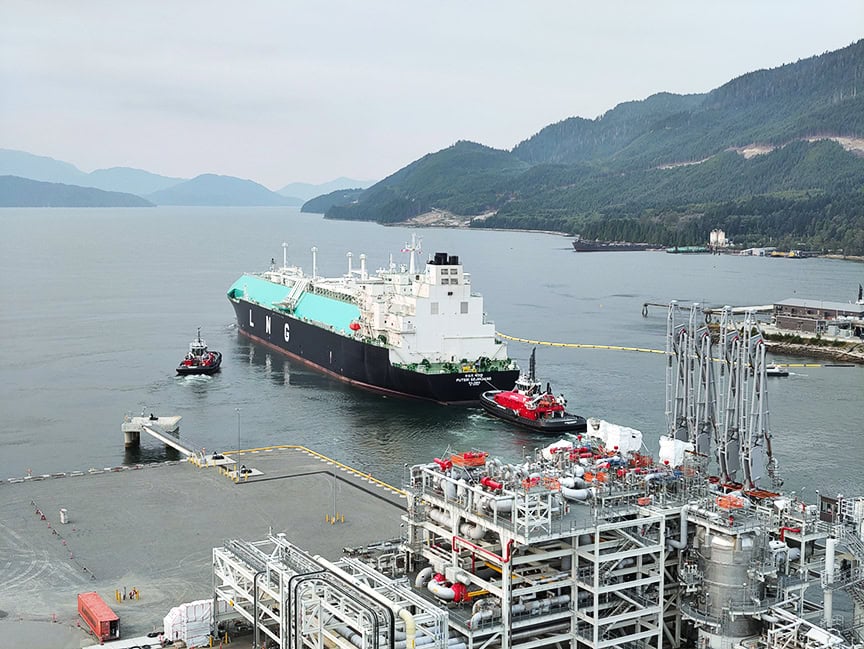
JGC, Fluor in the clear for early works to double output at Shell-run LNG Canada

In 60 seconds

Top move

A limited notice to proceed (LNTP) for a major LNG Phase 2 converts potential demand into real procurement workstreams — expect earlier long‑lead buys and heavier yard and marine planning pressure

Key takeaways

  • A limited notice to proceed (LNTP) for a major LNG Phase 2 converts potential demand into real procurement workstreams — expect earlier long‑lead buys and heavier yard and marine planning pressure.[2]
  • New multi‑year rig fixtures remove drilling capacity from the open market, tightening rebooking options and raising the chance of mobilisation premiums for drilling‑dependent scopes.[1]
  • An LOI for a next‑generation installation vessel signals medium‑term capacity growth but is not immediate relief; buyers should not rely on it to resolve near‑term vessel shortages.[3]
  • Taken together these moves increase supplier leverage on quote validity, mobilisation terms and logistics pass‑throughs for specialist modules, heavy lifts and marine services.[2]
  • This is a normal market shift in large EPC cycles — there’s no crisis today, but category teams should verify availability, sharpen allocation clauses and prepare contingency supplier lists.[2]

What changed since last run

  • Added confirmed LNTP for the LNG Canada Phase 2 (JFJV) — a concrete re‑activation of large EPC early works versus the prior rig‑consolidation focus.
  • Logged a new firm rig contract (Borgland Dolphin) that increases confirmed rig backlog compared with the prior run.
  • Recorded an LOI for a new multi‑purpose installation vessel, which introduces a medium‑term capacity signal not present in the previous brief.

Key facts

  • Limited notice to proceed (LNTP) granted for proposed Phase 2
  • Phase 1 delivered major infrastructure including processing trains and marine terminal
  • Phase 2 aims to double facility output if FID is achieved
  • Borgland Dolphin contract begins after existing commitment and covers mobilisation/demobilisa
  • Firm term runs through the rig's scheduled special period survey window
  • Deal includes extension options that lengthen operator control

Why it matters

A limited notice to proceed (LNTP) for a major LNG Phase 2 converts potential demand into real procurement workstreams — expect earlier long‑lead buys and heavier yard and marine planning pressure. New multi‑year rig fixtures remove drilling capacity from the open market, tightening rebooking options and raising the chance of mobilisation premiums for drilling‑dependent scopes. An LOI for a next‑generation installation vessel signals medium‑term capacity growth but is not immediate relief; buyers should not rely on it to resolve near‑term vessel shortages. Taken together these moves increase supplier leverage on quote validity, mobilisation terms and logistics pass‑throughs for specialist modules, heavy lifts and marine services

Cost / money

  • LNTP pushes early ordering for long‑lead modules, tanks and heavy fabrication — buyers should expect accelerated supplier pricing windows and reduced time to negotiate large scope discounts.[2]
  • Firm rig fixtures reduce short‑term dayrate flexibility and increase the likelihood of mobilisation premiums when buyers need to rebook drilling services out of sequence.[1]
  • Shipyard LOIs for installation vessels may anchor future charter availability to JV priorities, which can keep charter rates elevated until new capacity is delivered.[3]

Supplier / commercial

  • Suppliers working on secured large programmes can shorten quote validity and insist on mobilisation deposits as they prioritise confirmed work over ad‑hoc enquiries.[2]
  • Drilling contractors with strengthened backlog will demand clearer scheduling commitments and may decline flexible date requests without premium terms.[1]
  • Shipowner and yard JV structures create commercial prioritisation risk — buyers without allocation rights may face secondary charter or yard slots.[3]

Safety / operations

  • Overlapping EPC, heavy‑lift and marine programmes increase SIMOPs complexity; buyers must verify integrated lift plans and joint‑operation controls before mobilisation.[2][3]
  • Long rig terms can improve crew continuity and safety practices but create single‑provider uptime dependencies that need contingency rigs or vessel fallback plans.[1]

What to watch

  • Watch supplier quote validity and mobilisation clauses for shortened windows or deposit requirements as early works move into execution — these are likely near‑term commercial behaviours.[2]
  • Track shipyard contract signing and financing milestones for the new installation vessel — LOIs can be delayed or cancelled, so don’t treat them as guaranteed capacity.[3]

Top stories

Story 1Offshore EnergyJun 2, 2026

JGC, Fluor in the clear for early works to double output at Shell-run LNG Canada

Signal strongSource-grounded

What happened

JFJV (JGC + Fluor) received a limited notice to proceed for the proposed Phase 2 expansion of LNG Canada. The LNTP enables early planning and pushes procurement and early works for modules, tanks, and marine infrastructure into motion. Watch whether the project proceeds to FID and how supplier mobilisation windows and lead‑time confirmations change as early works progress

Buyer takeaway

Treat this as a real near‑term demand signal that will consume fabrication yards, marine slots and specialist suppliers if it progresses to FID

Cost / money

Directional upward pressure on module, heavy‑lift and yard pricing is likely as suppliers prioritise confirmed programmes and tighten quote windows

Supplier / commercial

Expect suppliers to shorten validity, demand mobilisation deposits, or include logistics pass‑through clauses as they reallocate capacity to secured work

Safety / operations

SIMOPs and heavy‑lift interfaces increase; verify contractor joint lift plans and marine integration before site start

What to watch

Watch for shortened quote windows and mobilisation deposits; track any early vendor lock‑ins for yards or heavy‑lift vessels

Key facts

  • Limited notice to proceed (LNTP) granted for proposed Phase 2
  • Phase 1 delivered major infrastructure including processing trains and marine terminal
  • Phase 2 aims to double facility output if FID is achieved

Source excerpts

This project is said to position the nation as a major supplier of lower-carbon natural gas to global markets and will operate under a 40-year license. The Phase 2 expansion is expected to double the facility’s production capacity if a final investment decision (FID) is achieved
Pierre Bechelany, Fluor’s Business Group President of Energy Solutions, commented: “Our long‑standing partnership with LNG Canada is a point of pride for us, and we look forward to advancing the next phase of this world‑class project to help connect Canadian natural gas to global markets. “The LNTP enables us to initiate early planning and move forward with key activities to support a proposed Phase 2 final investment decision by LNG Canada
The same joint venture partners (JFJV) played a central role in delivering Phase 1 of the Shell-led project, providing engineering, procurement, fabrication management, construction and commissioning services
Story 2Offshore EnergyJun 2, 2026

UK oil & gas operator hires Dolphin Drilling’s rig on multimillion-dollar gig

Signal strongSource-grounded

What happened

Dolphin Drilling announced a multi‑year contract for the Borgland Dolphin rig that starts after its current engagement and runs through scheduled surveys. The firm term includes mobilisation and demobilisation and strengthens firm rig backlog, removing capacity from the open market. Watch rig release dates and survey windows for cascading impacts on drilling‑dependent EPC schedules

Buyer takeaway

Rig fixtures are actionable capacity removals — buyers should verify rig availability early and accept narrower rebooking options for drilling windows

Cost / money

Firming of rigs reduces dayrate flexibility and increases the chance of mobilisation premium requests when buyers need to rebook

Supplier / commercial

Drilling contractors with secured backlog can require clearer scheduling commitments and may shorten acceptance windows for other work

Safety / operations

Longer firm terms can improve crew continuity and safety through consistent manning, but they increase dependency on single providers for uptime

What to watch

Track rig release dates and survey windows closely; late changes to a fixed rig schedule create cascading resourcing headaches

Key facts

  • Borgland Dolphin contract begins after existing commitment and covers mobilisation/demobilisa
  • Firm term runs through the rig's scheduled special period survey window
  • Deal includes extension options that lengthen operator control

Source excerpts

Borgland Dolphin rig; Source: Dolphin Drilling Dolphin Drilling has revealed a contract fixture for its Borgland Dolphin semi-submersible rig with an unnamed player on the UK Continental Shelf (UKCS), which represents approximately $239 million in firm contract backlog, as outlined in the letter of intent (LOI). The contract is scheduled to start in the second half of 2027, following the rig’s release from its existing contract
Home Fossil Energy UK oil & gas operator hires Dolphin Drilling’s rig on multimillion-dollar gig June 2, 2026, by Dolphin Drilling, an Oslo-listed, Aberdeen-headquartered owner and operator of a fleet of harsh environment mid-water and deepwater semi-submersible drilling rigs, has picked up an assignment in the UK with an undisclosed oil and gas operator for one of its semi-submersible rigs. Borgland Dolphin rig; Source: Dolphin Drilling Dolphin Drilling has revealed a contract fixture for its Borgland Dolphin
“Importantly, it delivers long-term earnings visibility across two rigs in the UK, both rigs firmly secured on contract for the next five years, as we guided on and in line with the strategic plan for Dolphin
Story 3Offshore EnergyJun 2, 2026

SBM Offshore, Solstad enrich fleet pool with new multi‑purpose installation vessel

Signal moderateDirectional

What happened

SBM Offshore and Solstad Offshore signed an LOI with a selected shipyard to order a new multi‑purpose installation vessel. The ship is targeted for delivery in the first half of 2029 and will support SBM projects and third‑party charters when not in use. This is an early indicator of planned additional installation capacity but timing means it is not immediate relief for near‑term charter constraints

Buyer takeaway

Consider this a medium‑term capacity signal; do not reduce contingency planning based on an LOI alone

Cost / money

Newbuilds can eventually ease charter premiums, but the near‑term effect is limited and may not lower current market rates

Supplier / commercial

Shipowners may use LOIs to pre‑book shipyard slots and secure financing, which can anchor future charter availability to JV priorities

Safety / operations

A modern installation vessel can reduce execution risk and improve predictability for complex heavy‑lift sequences when it enters service

What to watch

Track yard contract signing and financing milestones; LOIs can be withdrawn or delayed and do not guarantee delivery schedule

Key facts

  • JV entered an LOI to order a next‑generation installation vessel
  • Targeted delivery in the first half of 2029
  • Vessel will support deepwater installation and be available for third‑party charters

Source excerpts

When not required for SBM Offshore’s installation projects, the joint venture may charter the vessel to third parties
The company claims that the new installation vessel builds on the operational success of Normand Installer and the existing partnership, combining the firm’s installation expertise with Solstad Offshore’s track record of offshore support vessel operations
Illustration; Source: Solstad Offshore SBM Offshore and Solstad Offshore have formed a joint venture (JV), which has entered into a letter of intent (LOI) with a selected shipyard to order a new-build next-generation multi-purpose deepwater installation and construction vessel

VP Snapshot

Executive Risk & Action View

A limited notice to proceed (LNTP) for a major LNG Phase 2 converts potential demand into real procurement workstreams — expect earlier long‑lead buys and heavier yard and marine planning pressure.

Overall
55
Cost
79
Supply
79
Schedule
20
Compliance
15

Top signals

30-180dcost

Signal 1: Cost / money

LNTP pushes early ordering for long‑lead modules, tanks and heavy fabrication — buyers should expect accelerated supplier pricing windows and reduced time to negotiate large scope discounts.

Signal 2: Cost / money

Firm rig fixtures reduce short‑term dayrate flexibility and increase the likelihood of mobilisation premiums when buyers need to rebook drilling services out of sequence.

0-30dcost

Signal 3: Cost / money

Shipyard LOIs for installation vessels may anchor future charter availability to JV priorities, which can keep charter rates elevated until new capacity is delivered.

30-180dcommercial

Signal 4: Supplier / commercial

Suppliers working on secured large programmes can shorten quote validity and insist on mobilisation deposits as they prioritise confirmed work over ad‑hoc enquiries.

Signal 6: Supplier / commercial

Shipowner and yard JV structures create commercial prioritisation risk — buyers without allocation rights may face secondary charter or yard slots.

30-180dsupply

Signal 5: Supplier / commercial

Drilling contractors with strengthened backlog will demand clearer scheduling commitments and may decline flexible date requests without premium terms.

Recommended actions

CategoryDue 3d

Confirm and log current mobilisation, quote validity and deposit terms with preferred heavy fabricators, installation vessel brokers and rig providers.

Updated supplier availability register and flagged scopes with constrained capacity

ContractsDue 3d

Flag critical long‑lead items in active RFx (modules, transformers, heavy lifts) and request written confirmation of lead‑time assumptions from shortlisted vendors.

RFx returns that include verifiable lead‑time commitments for flagged items

ContractsDue 21d

Amend upcoming RFx and supplier questionnaires to require split pricing (fabrication vs on‑site execution), explicit mobilisation terms, and an allocation/prioritisation clause...

RFx responses with separate fabrication/execution pricing and defined mobilisation and allocation terms

CategoryDue 21d

Pre‑qualify alternate installation vessels and rig options (including international charters) and record availability constraints in supplier scorecards.

Prioritised contingency supplier list with availability windows and commercial notes

OpsDue 60d

Run a focused long‑lead and logistics risk review for heavy lifts, marine terminals and module fabrication and update contract terms to clarify port handling and pass‑through re...

Revised contractual delivery and logistics responsibilities mitigating port and shipping exposure

ContractsDue 60d

Negotiate mobilisation and allocation rights in major upcoming awards (defined hold‑fees, priority triggers or allocation schedules) where supplier leverage is elevated.

Contracts that include clear mobilisation and allocation protections

Risk register

RiskTriggerMitigation
Watch supplier quote validity and mobilisation clauses for shortened windows or deposit requirements as early works move into execution — these are likely near‑term commercial behaviours.Watch supplier quote validity and mobilisation clauses for shortened windows or deposit requirements as early works move into execution — these are likely near‑term commercial behaviours.Confirm exposure with category, contracts, and operations before the next supplier commitment.
Track shipyard contract signing and financing milestones for the new installation vessel — LOIs can be delayed or cancelled, so don’t treat them as guaranteed capacity.Track shipyard contract signing and financing milestones for the new installation vessel — LOIs can be delayed or cancelled, so don’t treat them as guaranteed capacity.Confirm exposure with category, contracts, and operations before the next supplier commitment.

CM Snapshot

Category Manager Decision Detail

Today's priorities

Confirm and log current mobilisation, quote validity and deposit terms with preferred heavy fabricators, installation vessel brokers and rig providers.

Do this because the JFJV LNTP and recent rig fixtures make shortened quote windows and deposit demands more likely, and a live availability log preserves negotiating leverage.

Due 3d

high

CM move

Use this as the immediate supplier or contract action to move before the next sourcing gate.

Flag critical long‑lead items in active RFx (modules, transformers, heavy lifts) and request written confirmation of lead‑time assumptions from shortlisted vendors.

Do this because Phase 2 early works will re‑prioritise yard and vendor slots, and explicit lead‑time confirmations reduce downstream schedule risk.

Due 3d

high

CM move

Use this as the immediate supplier or contract action to move before the next sourcing gate.

Amend upcoming RFx and supplier questionnaires to require split pricing (fabrication vs on‑site execution), explicit mobilisation terms, and an allocation/prioritisation clause...

Do this because suppliers on confirmed large programmes are likely to bundle mobilisation risk or shorten quote windows, and split pricing plus allocation clauses protect compar...

Due 21d

high

CM move

Use this as the immediate supplier or contract action to move before the next sourcing gate.

Pre‑qualify alternate installation vessels and rig options (including international charters) and record availability constraints in supplier scorecards.

Do this because recent rig bookings and the long timeline for newbuild arrivals mean local capacity could be constrained, and qualified alternates preserve execution choices.

Due 21d

high

CM move

Use this as the immediate supplier or contract action to move before the next sourcing gate.

Supplier radar

Offshore Energy

high

Observed supplier signal

Suppliers working on secured large programmes can shorten quote validity and insist on mobilisation deposits as they prioritise confirmed work over ad‑hoc enquiries.

Commercial implication

Suppliers working on secured large programmes can shorten quote validity and insist on mobilisation deposits as they prioritise confirmed work over ad‑hoc enquiries.

Next step: Validate the source-backed signal with incumbents and alternates before the next award or pricing decision.

Offshore Energy

high

Observed supplier signal

Drilling contractors with strengthened backlog will demand clearer scheduling commitments and may decline flexible date requests without premium terms.

Commercial implication

Drilling contractors with strengthened backlog will demand clearer scheduling commitments and may decline flexible date requests without premium terms.

Next step: Validate the source-backed signal with incumbents and alternates before the next award or pricing decision.

Offshore Energy

high

Observed supplier signal

Shipowner and yard JV structures create commercial prioritisation risk — buyers without allocation rights may face secondary charter or yard slots.

Commercial implication

Shipowner and yard JV structures create commercial prioritisation risk — buyers without allocation rights may face secondary charter or yard slots.

Next step: Validate the source-backed signal with incumbents and alternates before the next award or pricing decision.

Negotiation levers

Confirm and log current mobilisation, quote validity and deposit terms with preferred heavy fabricators, installation vessel brokers and rig providers.

When to use: Do this because the JFJV LNTP and recent rig fixtures make shortened quote windows and deposit demands more likely, and a live availability log preserves negotiating leverage.

Expected outcome: Updated supplier availability register and flagged scopes with constrained capacity

Commercial mechanism to carry into the next supplier conversation

Flag critical long‑lead items in active RFx (modules, transformers, heavy lifts) and request written confirmation of lead‑time assumptions from shortlisted vendors.

When to use: Do this because Phase 2 early works will re‑prioritise yard and vendor slots, and explicit lead‑time confirmations reduce downstream schedule risk.

Expected outcome: RFx returns that include verifiable lead‑time commitments for flagged items

Commercial mechanism to carry into the next supplier conversation

Amend upcoming RFx and supplier questionnaires to require split pricing (fabrication vs on‑site execution), explicit mobilisation terms, and an allocation/prioritisation clause...

When to use: Do this because suppliers on confirmed large programmes are likely to bundle mobilisation risk or shorten quote windows, and split pricing plus allocation clauses protect compar...

Expected outcome: RFx responses with separate fabrication/execution pricing and defined mobilisation and allocation terms

Commercial mechanism to carry into the next supplier conversation

Pre‑qualify alternate installation vessels and rig options (including international charters) and record availability constraints in supplier scorecards.

When to use: Do this because recent rig bookings and the long timeline for newbuild arrivals mean local capacity could be constrained, and qualified alternates preserve execution choices.

Expected outcome: Prioritised contingency supplier list with availability windows and commercial notes

Commercial mechanism to carry into the next supplier conversation

Talking points

A limited notice to proceed (LNTP) for a major LNG Phase 2 converts potential demand into real procurement workstreams — expect earlier long‑lead buys and heavier yard and marine planning pressure.
New multi‑year rig fixtures remove drilling capacity from the open market, tightening rebooking options and raising the chance of mobilisation premiums for drilling‑dependent scopes.
An LOI for a next‑generation installation vessel signals medium‑term capacity growth but is not immediate relief; buyers should not rely on it to resolve near‑term vessel shortages.
Taken together these moves increase supplier leverage on quote validity, mobilisation terms and logistics pass‑throughs for specialist modules, heavy lifts and marine services.

Supplier radar

SupplierSignalImplicationNext stepConfidence
Offshore EnergySuppliers working on secured large programmes can shorten quote validity and insist on mobilisation deposits as they prioritise confirmed work over ad‑hoc enquiries.Suppliers working on secured large programmes can shorten quote validity and insist on mobilisation deposits as they prioritise confirmed work over ad‑hoc enquiries.Validate the source-backed signal with incumbents and alternates before the next award or pricing decision.high
Offshore EnergyDrilling contractors with strengthened backlog will demand clearer scheduling commitments and may decline flexible date requests without premium terms.Drilling contractors with strengthened backlog will demand clearer scheduling commitments and may decline flexible date requests without premium terms.Validate the source-backed signal with incumbents and alternates before the next award or pricing decision.high
Offshore EnergyShipowner and yard JV structures create commercial prioritisation risk — buyers without allocation rights may face secondary charter or yard slots.Shipowner and yard JV structures create commercial prioritisation risk — buyers without allocation rights may face secondary charter or yard slots.Validate the source-backed signal with incumbents and alternates before the next award or pricing decision.high

Negotiation levers

  • Confirm and log current mobilisation, quote validity and deposit terms with preferred heavy fabricators, installation vessel brokers and rig providers.Do this because the JFJV LNTP and recent rig fixtures make shortened quote windows and deposit demands more likely, and a live availability log preserves negotiating leverage.Updated supplier availability register and flagged scopes with constrained capacity

    high confidence

  • Flag critical long‑lead items in active RFx (modules, transformers, heavy lifts) and request written confirmation of lead‑time assumptions from shortlisted vendors.Do this because Phase 2 early works will re‑prioritise yard and vendor slots, and explicit lead‑time confirmations reduce downstream schedule risk.RFx returns that include verifiable lead‑time commitments for flagged items

    high confidence

  • Amend upcoming RFx and supplier questionnaires to require split pricing (fabrication vs on‑site execution), explicit mobilisation terms, and an allocation/prioritisation clause...Do this because suppliers on confirmed large programmes are likely to bundle mobilisation risk or shorten quote windows, and split pricing plus allocation clauses protect compar...RFx responses with separate fabrication/execution pricing and defined mobilisation and allocation terms

    high confidence

  • Pre‑qualify alternate installation vessels and rig options (including international charters) and record availability constraints in supplier scorecards.Do this because recent rig bookings and the long timeline for newbuild arrivals mean local capacity could be constrained, and qualified alternates preserve execution choices.Prioritised contingency supplier list with availability windows and commercial notes

    high confidence

What to do / What to watch

What to do now

  • Confirm and log current mobilisation, quote validity and deposit terms with preferred heavy fabricators, installation vessel brokers and rig providers.

    Why: Do this because the JFJV LNTP and recent rig fixtures make shortened quote windows and deposit demands more likely, and a live availability log preserves negotiating leverage.

    Owner: Category

    Expected outcome: Updated supplier availability register and flagged scopes with constrained capacity

    [2]
  • Flag critical long‑lead items in active RFx (modules, transformers, heavy lifts) and request written confirmation of lead‑time assumptions from shortlisted vendors.

    Why: Do this because Phase 2 early works will re‑prioritise yard and vendor slots, and explicit lead‑time confirmations reduce downstream schedule risk.

    Owner: Contracts

    Expected outcome: RFx returns that include verifiable lead‑time commitments for flagged items

    [2]

Next few weeks

  • Amend upcoming RFx and supplier questionnaires to require split pricing (fabrication vs on‑site execution), explicit mobilisation terms, and an allocation/prioritisation clause...

    Why: Do this because suppliers on confirmed large programmes are likely to bundle mobilisation risk or shorten quote windows, and split pricing plus allocation clauses protect compar...

    Owner: Contracts

    Expected outcome: RFx responses with separate fabrication/execution pricing and defined mobilisation and allocation terms

    [2]
  • Pre‑qualify alternate installation vessels and rig options (including international charters) and record availability constraints in supplier scorecards.

    Why: Do this because recent rig bookings and the long timeline for newbuild arrivals mean local capacity could be constrained, and qualified alternates preserve execution choices.

    Owner: Category

    Expected outcome: Prioritised contingency supplier list with availability windows and commercial notes

    [1]

Longer view

  • Run a focused long‑lead and logistics risk review for heavy lifts, marine terminals and module fabrication and update contract terms to clarify port handling and pass‑through re...

    Why: Do this because confirmed EPC progression increases the chance of port/yard slot contention and logistics pass‑through claims, and tightened contract terms shift risk appropriat...

    Owner: Ops

    Expected outcome: Revised contractual delivery and logistics responsibilities mitigating port and shipping exposure

    [2]
  • Negotiate mobilisation and allocation rights in major upcoming awards (defined hold‑fees, priority triggers or allocation schedules) where supplier leverage is elevated.

    Why: Do this because suppliers tied to multi‑project programmes or JV shipowners can reallocate capacity, and defined allocation rights preserve buyer schedule certainty.

    Owner: Contracts

    Expected outcome: Contracts that include clear mobilisation and allocation protections

    [3]

What to watch

  • Watch supplier quote validity and mobilisation clauses for shortened windows or deposit requirements as early works move into execution — these are likely near‑term commercial behaviours
  • Track shipyard contract signing and financing milestones for the new installation vessel — LOIs can be delayed or cancelled, so don’t treat them as guaranteed capacity
  • Watch supplier quote validity and mobilisation clauses for shortened windows or deposit requirements as early works move into execution — these are likely near‑term commercial behaviours.: Watch supplier quote validity and mobilisation clauses for shortened windows or deposit requirements as early works move into execution — these are likely near‑term commercial behaviours
  • Track shipyard contract signing and financing milestones for the new installation vessel — LOIs can be delayed or cancelled, so don’t treat them as guaranteed capacity.: Track shipyard contract signing and financing milestones for the new installation vessel — LOIs can be delayed or cancelled, so don’t treat them as guaranteed capacity
  • A limited notice to proceed (LNTP) for a major LNG Phase 2 converts potential demand into real procurement workstreams — expect earlier long‑lead buys and heavier yard and marine planning pressure
  • New multi‑year rig fixtures remove drilling capacity from the open market, tightening rebooking options and raising the chance of mobilisation premiums for drilling‑dependent scopes
  • An LOI for a next‑generation installation vessel signals medium‑term capacity growth but is not immediate relief; buyers should not rely on it to resolve near‑term vessel shortages
  • Taken together these moves increase supplier leverage on quote validity, mobilisation terms and logistics pass‑throughs for specialist modules, heavy lifts and marine services

Market pulse

IndexLatestChangeAs of
Henry Hub Gas (NG)3.12 /MMBtu+0.00 (+0.00%)Jun 2, 2026, 10:04 PM
Cheniere (LNG) (LNG)185 +0.00 (+0.00%)Jun 2, 2026, 10:04 PM
Brent Crude (BRENT)74.89 /bbl+0.00 (+0.00%)Jun 2, 2026, 10:04 PM
Fluor Corp (FLR)42 +0.00 (+0.00%)Jun 2, 2026, 10:04 PM
KBR Inc (KBR)58 +0.00 (+0.00%)Jun 2, 2026, 10:04 PM
  • Fluor Corp: Fluor JV LNTP is a direct procurement demand signal for large EPC services, long‑lead module fabrication and marine integration exposure
  • KBR Inc: Rig fixtures and installation vessel moves point to stronger contractor backlogs that can affect EPC peers' resource allocation and scheduling flexibility

Sources

Inline citations jump here. Expand a source to read the excerpt, the AI interpretation, and the original link.

[1] UK oil & gas operator hires Dolphin Drilling’s rig on multimillion-dollar gig

offshore-energy.biz · Jun 2, 2026

Expand

AI reading

Dolphin Drilling announced a multi‑year contract for the Borgland Dolphin rig that starts after its current engagement and runs through scheduled surveys. The firm term includes mobilisation and demobilisation and strengthens firm rig backlog, removing capacity from the open market. Watch rig release dates and survey windows for cascading impacts on drilling‑dependent EPC schedules

Buyer takeaway

Rig fixtures are actionable capacity removals — buyers should verify rig availability early and accept narrower rebooking options for drilling windows

Cost / money

Firming of rigs reduces dayrate flexibility and increases the chance of mobilisation premium requests when buyers need to rebook

Supplier / commercial

Drilling contractors with secured backlog can require clearer scheduling commitments and may shorten acceptance windows for other work

Safety / operations

Longer firm terms can improve crew continuity and safety through consistent manning, but they increase dependency on single providers for uptime

What to watch

Track rig release dates and survey windows closely; late changes to a fixed rig schedule create cascading resourcing headaches

Key facts

  • Borgland Dolphin contract begins after existing commitment and covers mobilisation/demobilisa
  • Firm term runs through the rig's scheduled special period survey window
  • Deal includes extension options that lengthen operator control

Source excerpts

Borgland Dolphin rig; Source: Dolphin Drilling Dolphin Drilling has revealed a contract fixture for its Borgland Dolphin semi-submersible rig with an unnamed player on the UK Continental Shelf (UKCS), which represents approximately $239 million in firm contract backlog, as outlined in the letter of intent (LOI). The contract is scheduled to start in the second half of 2027, following the rig’s release from its existing contract
Home Fossil Energy UK oil & gas operator hires Dolphin Drilling’s rig on multimillion-dollar gig June 2, 2026, by Dolphin Drilling, an Oslo-listed, Aberdeen-headquartered owner and operator of a fleet of harsh environment mid-water and deepwater semi-submersible drilling rigs, has picked up an assignment in the UK with an undisclosed oil and gas operator for one of its semi-submersible rigs. Borgland Dolphin rig; Source: Dolphin Drilling Dolphin Drilling has revealed a contract fixture for its Borgland Dolphin
“Importantly, it delivers long-term earnings visibility across two rigs in the UK, both rigs firmly secured on contract for the next five years, as we guided on and in line with the strategic plan for Dolphin

Used in this brief

  • Next 2-4 weeks — Pre‑qualify alternate installation vessels and rig options (including international charters) and record availability constraints in supplier scorecards.. Rationale: Do this because recent rig bookings and the long timeline for newbuild arrivals mean local capacity could be constrained, and qualified alternates preserve execution choices.. Owner: Category. KPI: Prioritised contingency supplier list with availability windows and commercial notes
  • Logged a new firm rig contract (Borgland Dolphin) that increases confirmed rig backlog compared with the prior run
  • Dolphin Drilling announced a multi‑year contract for the Borgland Dolphin rig that starts after its current engagement and runs through scheduled surveys. The firm term includes mobilisation and demobilisation and strengthens firm rig backlog, removing capacity from the open market. Watch rig release dates and survey windows for cascading impacts on drilling‑dependent EPC schedules
Open original source

[2] JGC, Fluor in the clear for early works to double output at Shell-run LNG Canada

offshore-energy.biz · Jun 2, 2026

Expand

AI reading

JFJV (JGC + Fluor) received a limited notice to proceed for the proposed Phase 2 expansion of LNG Canada. The LNTP enables early planning and pushes procurement and early works for modules, tanks, and marine infrastructure into motion. Watch whether the project proceeds to FID and how supplier mobilisation windows and lead‑time confirmations change as early works progress

Buyer takeaway

Treat this as a real near‑term demand signal that will consume fabrication yards, marine slots and specialist suppliers if it progresses to FID

Cost / money

Directional upward pressure on module, heavy‑lift and yard pricing is likely as suppliers prioritise confirmed programmes and tighten quote windows

Supplier / commercial

Expect suppliers to shorten validity, demand mobilisation deposits, or include logistics pass‑through clauses as they reallocate capacity to secured work

Safety / operations

SIMOPs and heavy‑lift interfaces increase; verify contractor joint lift plans and marine integration before site start

What to watch

Watch for shortened quote windows and mobilisation deposits; track any early vendor lock‑ins for yards or heavy‑lift vessels

Key facts

  • Limited notice to proceed (LNTP) granted for proposed Phase 2
  • Phase 1 delivered major infrastructure including processing trains and marine terminal
  • Phase 2 aims to double facility output if FID is achieved

Source excerpts

This project is said to position the nation as a major supplier of lower-carbon natural gas to global markets and will operate under a 40-year license. The Phase 2 expansion is expected to double the facility’s production capacity if a final investment decision (FID) is achieved
Pierre Bechelany, Fluor’s Business Group President of Energy Solutions, commented: “Our long‑standing partnership with LNG Canada is a point of pride for us, and we look forward to advancing the next phase of this world‑class project to help connect Canadian natural gas to global markets. “The LNTP enables us to initiate early planning and move forward with key activities to support a proposed Phase 2 final investment decision by LNG Canada
The same joint venture partners (JFJV) played a central role in delivering Phase 1 of the Shell-led project, providing engineering, procurement, fabrication management, construction and commissioning services

Used in this brief

  • Next 72 hours — Confirm and log current mobilisation, quote validity and deposit terms with preferred heavy fabricators, installation vessel brokers and rig providers.. Rationale: Do this because the JFJV LNTP and recent rig fixtures make shortened quote windows and deposit demands more likely, and a live availability log preserves negotiating leverage.. Owner: Category. KPI: Updated supplier availability register and flagged scopes with constrained capacity
  • Next 72 hours — Flag critical long‑lead items in active RFx (modules, transformers, heavy lifts) and request written confirmation of lead‑time assumptions from shortlisted vendors.. Rationale: Do this because Phase 2 early works will re‑prioritise yard and vendor slots, and explicit lead‑time confirmations reduce downstream schedule risk.. Owner: Contracts. KPI: RFx returns that include verifiable lead‑time commitments for flagged items
  • Next 2-4 weeks — Amend upcoming RFx and supplier questionnaires to require split pricing (fabrication vs on‑site execution), explicit mobilisation terms, and an allocation/prioritisation clause.... Rationale: Do this because suppliers on confirmed large programmes are likely to bundle mobilisation risk or shorten quote windows, and split pricing plus allocation clauses protect compar.... Owner: Contracts. KPI: RFx responses with separate fabrication/execution pricing and defined mobilisation and allocation terms
Open original source

[3] SBM Offshore, Solstad enrich fleet pool with new multi‑purpose installation vessel

offshore-energy.biz · Jun 2, 2026

Expand

AI reading

SBM Offshore and Solstad Offshore signed an LOI with a selected shipyard to order a new multi‑purpose installation vessel. The ship is targeted for delivery in the first half of 2029 and will support SBM projects and third‑party charters when not in use. This is an early indicator of planned additional installation capacity but timing means it is not immediate relief for near‑term charter constraints

Buyer takeaway

Consider this a medium‑term capacity signal; do not reduce contingency planning based on an LOI alone

Cost / money

Newbuilds can eventually ease charter premiums, but the near‑term effect is limited and may not lower current market rates

Supplier / commercial

Shipowners may use LOIs to pre‑book shipyard slots and secure financing, which can anchor future charter availability to JV priorities

Safety / operations

A modern installation vessel can reduce execution risk and improve predictability for complex heavy‑lift sequences when it enters service

What to watch

Track yard contract signing and financing milestones; LOIs can be withdrawn or delayed and do not guarantee delivery schedule

Key facts

  • JV entered an LOI to order a next‑generation installation vessel
  • Targeted delivery in the first half of 2029
  • Vessel will support deepwater installation and be available for third‑party charters

Source excerpts

When not required for SBM Offshore’s installation projects, the joint venture may charter the vessel to third parties
The company claims that the new installation vessel builds on the operational success of Normand Installer and the existing partnership, combining the firm’s installation expertise with Solstad Offshore’s track record of offshore support vessel operations
Illustration; Source: Solstad Offshore SBM Offshore and Solstad Offshore have formed a joint venture (JV), which has entered into a letter of intent (LOI) with a selected shipyard to order a new-build next-generation multi-purpose deepwater installation and construction vessel

Used in this brief

  • Cost / money: Shipyard LOIs for installation vessels may anchor future charter availability to JV priorities, which can keep charter rates elevated until new capacity is delivered
  • What to watch: Track shipyard contract signing and financing milestones for the new installation vessel — LOIs can be delayed or cancelled, so don’t treat them as guaranteed capacity
  • Next quarter — Negotiate mobilisation and allocation rights in major upcoming awards (defined hold‑fees, priority triggers or allocation schedules) where supplier leverage is elevated.. Rationale: Do this because suppliers tied to multi‑project programmes or JV shipowners can reallocate capacity, and defined allocation rights preserve buyer schedule certainty.. Owner: Contracts. KPI: Contracts that include clear mobilisation and allocation protections
Open original source

[4] Fluor Corp

finance.yahoo.com · n.d.

Expand

[5] KBR Inc

finance.yahoo.com · n.d.

Expand