Rigs & Integrated Drilling · Australia (Perth)

Reassess Mobilisation and Crew Plans Ahead of New Fixtures and Strikes

Published Jun 3, 2026, 6:02 AM AWSTAPACFull category signal
Ask AI
UK oil & gas operator hires Dolphin Drilling’s rig on multimillion-dollar gig

In 60 seconds

Top move

A multi-year firm rig contract (Borgland Dolphin) materially increases firm backlog and tightens future mobilisation windows for semi‑submersible capacity—this shifts leverage toward owners that can offer locked availability and long lead mobilisations

Key takeaways

  • A multi-year firm rig contract (Borgland Dolphin) materially increases firm backlog and tightens future mobilisation windows for semi‑submersible capacity—this shifts leverage toward owners that can offer locked availability and long lead mobilisations.[1]
  • Scheduled multi‑day industrial action by Bilfinger workers on North Sea assets concretes a crew‑availability and continuity risk that can ripple into cross‑region crew rotations and specialist labour pools.[2]
  • Watch whether the cited signal starts changing supplier availability, pricing posture, or execution timing.[3]
  • Operational read-through: expect shorter quote validity, earlier deposit asks, and tighter mobilisation slots from suppliers as owners convert backlog into booked work—buyers should verify mobilisation terms on any near‑term RFQs.[1][3]
  • Geography note: North Sea labour disruptions and new Europe‑focused vessel orders matter to APAC because specialised crews and installation resources rotate internationally; cross‑region impacts are directional but real to check.[2][3]

What changed since last run

  • A specific rig fixture for the Borgland Dolphin was announced, adding a sizable, multi‑year firm contract to owner backlog (previous brief warned of consolidation but did not cite this specific award).
  • North Sea industrial action has moved from potential to scheduled multi‑day strikes on defined assets and dates, upgrading the labour‑disruption risk from theoretical to scheduled.

Key facts

  • Contract starts after current engagement
  • Firm through special period survey window
  • Included multi‑year extension options
  • Multi‑day strike on North Sea assets
  • Includes scaffolders, engineers and rope access workers
  • Scheduled across defined asset dates

Why it matters

A multi-year firm rig contract (Borgland Dolphin) materially increases firm backlog and tightens future mobilisation windows for semi‑submersible capacity—this shifts leverage toward owners that can offer locked availability and long lead mobilisations. Scheduled multi‑day industrial action by Bilfinger workers on North Sea assets concretes a crew‑availability and continuity risk that can ripple into cross‑region crew rotations and specialist labour pools. Watch whether the cited signal starts changing supplier availability, pricing posture, or execution timing. Operational read-through: expect shorter quote validity, earlier deposit asks, and tighter mobilisation slots from suppliers as owners convert backlog into booked work—buyers should verify mobilisation terms on any near‑term RFQs

Cost / money

  • Firm multi‑year rig awards reduce available spot semi‑submersible capacity and can push mobilisation premiums and pass‑throughs higher for buyers needing similar assets on short notice.[1]
  • Delivery lead time on new installation tonnage is long; buyers depending on third‑party installation or heavy lift should expect continued premium or premium‑timed charters until newbuilds arrive.[3]

Supplier / commercial

  • Owners with growing backlog can shorten quote validity and prioritise backlog customers, increasing the likelihood suppliers request mobilisation deposits or stricter payment terms.[1]
  • Strike action on contractor crews makes specialist suppliers more likely to demand clarity on crew rotation windows and to price in contingency staffing or overtime clauses.[2]

Safety / operations

  • Compressed mobilisation and shortened readiness windows raise operational risk if crews, spares, or permits are not verified in advance—this is especially relevant for semi‑sub rigs switching between long term contracts.[1][2]
  • Industrial action that removes scaffolders, rope access and deck staff from assets increases near‑term execution risk for maintenance and hook‑up tasks unless alternate crews are arranged.[2]

What to watch

  • Watch for suppliers to begin requiring mobilisation deposits or to cut quote validity windows on APAC work as backlog owners consolidate demand.[1]
  • Monitor charter and heavy‑lift calendars for evidence of congestion; newbuild LOIs reduce long‑term risk but do not relieve short‑term capacity tightness.[3]

Top stories

Story 1Offshore EnergyJun 2, 2026

UK oil & gas operator hires Dolphin Drilling’s rig on multimillion-dollar gig

Signal strongSource-grounded

What happened

Dolphin Drilling announced a major firm contract for the Borgland Dolphin semi‑submersible that materially increases the owner's firm backlog. The contract is firm through the rig's special period survey window and includes options that extend potential term; work starts after the rig’s current engagement. Treat this as an operational tightening of semi‑sub capacity that can shorten mobilisation flexibility for similar APAC requirements

Buyer takeaway

The fixture is a concrete demand squeeze on semi‑sub capacity and shifts short‑term leverage to owners with backlog

Cost / money

Directional upward pressure on mobilisation premiums and pass‑throughs is likely as available spot capacity shrinks

Supplier / commercial

Suppliers may shorten quote validity and prioritise backlog customers or ask for mobilisation deposits

Safety / operations

Faster or tighter mobilisation windows can compress crew readiness and spares staging, elevating operational risk if not pre‑cleared

What to watch

Watch for shortened quote windows, deposit requests, and re‑priced mobilisations in RFQs

Key facts

  • Contract starts after current engagement
  • Firm through special period survey window
  • Included multi‑year extension options

Source excerpts

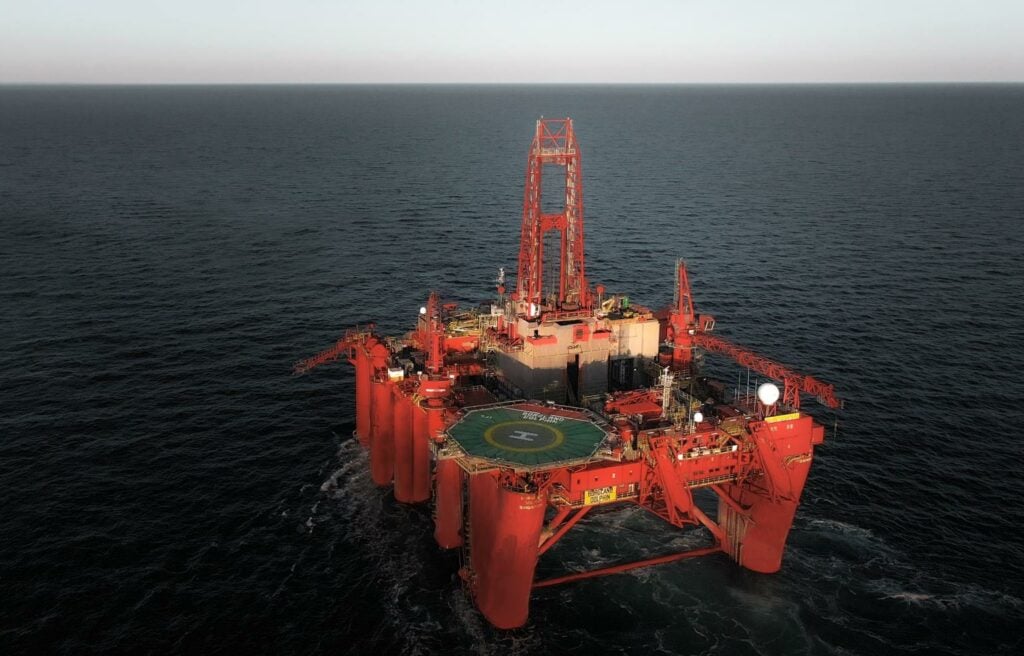
Borgland Dolphin rig; Source: Dolphin Drilling Dolphin Drilling has revealed a contract fixture for its Borgland Dolphin semi-submersible rig with an unnamed player on the UK Continental Shelf (UKCS), which represents approximately $239 million in firm contract backlog, as outlined in the letter of intent (LOI). The contract is scheduled to start in the second half of 2027, following the rig’s release from its existing contract
Borgland Dolphin rig; Source: Dolphin Drilling Dolphin Drilling has revealed a contract fixture for its Borgland Dolphin semi-submersible rig with an unnamed player on the UK Continental Shelf (UKCS), which represents approximately $239 million in firm contract backlog, as outlined in the letter of intent (LOI)
With a maximum drilling depth of 27,800 feet, the rig can undertake operations in water depths of 1,476 feet. The semi-sub was selected by Repsol last year for a seven-well contract, with an option available to extend the deal to include three more wells
Story 2Offshore EnergyJun 2, 2026

Bilfinger workers on multi-day strike mission at Ithaca’s North Sea assets over pay dispute

Signal moderateSource-grounded

What happened

Bilfinger workers have scheduled multi‑day strike action on specified North Sea assets over a pay dispute, affecting scaffolders, engineers, deck and rope access workers. The industrial action is set on defined asset dates and durations, making crew shortages a near‑term operational risk. Buyers should watch whether the strike prompts suppliers to restrict rotations or demand contingency staffing premiums

Buyer takeaway

This moves labour disruption from potential to scheduled, requiring verification of rotation and relief plans for impacted campaigns

Cost / money

Expect potential contingency staffing or overtime costs if alternate crews or premium rotations are needed

Supplier / commercial

Contractors may require contractual clarity on rotation windows or include force majeure/strike clauses in mobilisations

Safety / operations

Reduced specialist crews on assets increases execution risk for maintenance and hook‑up tasks unless alternates are arranged

What to watch

Monitor whether other asset operators or suppliers adopt crew exclusions or restrict cross‑hire during the strike period

Key facts

  • Multi‑day strike on North Sea assets
  • Includes scaffolders, engineers and rope access workers
  • Scheduled across defined asset dates

Source excerpts

We will also escalate this action if Ithaca Energy and Bilfinger refuse to see sense. ” This comes after Unite announced an industrial action ballot for offshore workers on Neo Next + Energy’s Elgin Franklin and North Alwyn platforms
Home Fossil Energy Bilfinger workers on multi-day strike mission at Ithaca’s North Sea assets over pay dispute June 2, 2026, by Multiple offshore members employed by Bilfinger are set to kick off multi-day industrial action due to a dispute over pay, which will lead to an eight-day stoppage at a floating storage unit (FSU) and a floating production facility (FPF) on the UK Continental Shelf (UKCS). FPF-1; Source: Ithaca Energy Britain’s Unite the union has confirmed that around 20 of its members employed by Bil
Home Fossil Energy Bilfinger workers on multi-day strike mission at Ithaca’s North Sea assets over pay dispute June 2, 2026, by Multiple offshore members employed by Bilfinger are set to kick off multi-day industrial action due to a dispute over pay, which will lead to an eight-day stoppage at a floating storage unit (FSU) and a floating production facility (FPF) on the UK Continental Shelf (UKCS)
Story 3Offshore EnergyJun 2, 2026

SBM Offshore, Solstad enrich fleet pool with new multi‑purpose installation vessel

Signal moderateDirectional

What happened

SBM Offshore and Solstad have an LOI to order a next‑generation multi‑purpose installation vessel to support floating infrastructure installation. The newbuild targets delivery in the stated multi‑year future window and will be chartable to third parties when not in JV use. This increases long‑term installation capacity but does not change near‑term charter availability

Buyer takeaway

The LOI is a medium‑term positive for installation supply but does not affect immediate APAC scheduling

Cost / money

Newbuilds can lower long‑run charter pricing pressure, but near‑term charters remain premium due to lead times

Supplier / commercial

JV ownership and potential chartering mean buyers should explore early option holds or long‑lead agreements for future projects

Safety / operations

A purpose‑built installation vessel can reduce execution risk when available, but timelines mean current projects can't rely on it

What to watch

Track yard contract progress and the JV’s charter policies to understand how much capacity will be offered commercially

Key facts

  • LOI for next‑generation installation vessel
  • Targets delivery in the established future delivery window
  • Vessel will be available for third‑party charter when idle

Source excerpts

When not required for SBM Offshore’s installation projects, the joint venture may charter the vessel to third parties
“This will in turn reduce execution risk for our clients and improve predictability of our EPCIO schedule and cost
Home Fossil Energy SBM Offshore, Solstad enrich fleet pool with new multi‑purpose installation vessel June 2, 2026, by Norwegian shipping company Solstad Offshore has joined forces with Netherlands-based SBM Offshore, a provider of the design, construction, installation, and operation of offshore floating facilities, to strengthen its fleet with a new-build multi-purpose deepwater installation and construction vessel. Illustration; Source: Solstad Offshore SBM Offshore and Solstad Offshore have formed a joint v

VP Snapshot

Executive Risk & Action View

A multi-year firm rig contract (Borgland Dolphin) materially increases firm backlog and tightens future mobilisation windows for semi‑submersible capacity—this shifts leverage toward owners that can offer locked availability and long lead mobilisations.

Overall
55
Cost
79
Supply
79
Schedule
20
Compliance
15

Top signals

30-180dcost

Signal 1: Cost / money

Firm multi‑year rig awards reduce available spot semi‑submersible capacity and can push mobilisation premiums and pass‑throughs higher for buyers needing similar assets on short notice.

Signal 2: Cost / money

Delivery lead time on new installation tonnage is long; buyers depending on third‑party installation or heavy lift should expect continued premium or premium‑timed charters until newbuilds arrive.

Signal 4: Supplier / commercial

Strike action on contractor crews makes specialist suppliers more likely to demand clarity on crew rotation windows and to price in contingency staffing or overtime clauses.

30-180dsupply

Signal 3: Supplier / commercial

Owners with growing backlog can shorten quote validity and prioritise backlog customers, increasing the likelihood suppliers request mobilisation deposits or stricter payment terms.

30-180dcommercial

Signal 5: Safety / operations

Compressed mobilisation and shortened readiness windows raise operational risk if crews, spares, or permits are not verified in advance—this is especially relevant for semi‑sub rigs switching between long term contracts.

Signal 6: Safety / operations

Industrial action that removes scaffolders, rope access and deck staff from assets increases near‑term execution risk for maintenance and hook‑up tasks unless alternate crews are arranged.

Recommended actions

CategoryDue 3d

Confirm near‑term rig and specialist crew availability with primary suppliers and flagged contractors for any upcoming APAC mobilisations.

Updated supplier availability matrix and identified mobilisation constraints for imminent campaigns

OpsDue 3d

Ask Ops to validate status of critical spares, permits, and rotation windows for scheduled deployments and note any items vulnerable to crew shortages.

List of at‑risk items and mitigation needs to preserve planned uptime

ContractsDue 21d

Work with Contracts to insert or refresh mobilisation annex language that clarifies quote validity, deposit triggers, and mobilisation penalties/recovery terms for APAC scopes.

Deployable annex preserving buyer leverage on mobilisation timing and pass‑throughs

CategoryDue 21d

Open dialogue with primary installation and heavy‑lift providers to assess charter windows and soft‑book options ahead of seasonal booking increases.

Shortlist of providers with preliminary hold or option proposals to secure installation slots

OpsDue 60d

Develop a crew‑contingency plan that formalises alternate supplier pools and cross‑region rotation clauses to mitigate strike or regional disruption impacts.

Contingency crew roster and contractual clauses enabling rapid alternate sourcing

CategoryDue 60d

Run sourcing scenarios comparing reserved capacity (charter holds or multi‑leg mobilisation agreements) versus spot contracting for installation/heavy‑lift requirements.

Sourcing recommendation with preferred approach, candidate suppliers and trade‑off analysis

Risk register

RiskTriggerMitigation
Watch for suppliers to begin requiring mobilisation deposits or to cut quote validity windows on APAC work as backlog owners consolidate demand.Watch for suppliers to begin requiring mobilisation deposits or to cut quote validity windows on APAC work as backlog owners consolidate demand.Confirm exposure with category, contracts, and operations before the next supplier commitment.
Monitor charter and heavy‑lift calendars for evidence of congestion; newbuild LOIs reduce long‑term risk but do not relieve short‑term capacity tightness.Monitor charter and heavy‑lift calendars for evidence of congestion; newbuild LOIs reduce long‑term risk but do not relieve short‑term capacity tightness.Confirm exposure with category, contracts, and operations before the next supplier commitment.

CM Snapshot

Category Manager Decision Detail

Today's priorities

Confirm near‑term rig and specialist crew availability with primary suppliers and flagged contractors for any upcoming APAC mobilisations.

Do this because the Borgland Dolphin fixture increases booked semi‑submersible demand and scheduled North Sea strikes raise cross‑region crew pressure, so immediate supplier con...

Due 3d

high

CM move

Use this as the immediate supplier or contract action to move before the next sourcing gate.

Ask Ops to validate status of critical spares, permits, and rotation windows for scheduled deployments and note any items vulnerable to crew shortages.

Do this because compressed mobilisation windows and strike‑driven crew gaps can cause last‑minute execution failures if spares or permits are not confirmed.

Due 3d

high

CM move

Use this as the immediate supplier or contract action to move before the next sourcing gate.

Work with Contracts to insert or refresh mobilisation annex language that clarifies quote validity, deposit triggers, and mobilisation penalties/recovery terms for APAC scopes.

Do this because owners with expanding backlog are more likely to shorten quote validity and ask for deposits, so contract language should protect buyer timing and costs.

Due 21d

high

CM move

Use this as the immediate supplier or contract action to move before the next sourcing gate.

Open dialogue with primary installation and heavy‑lift providers to assess charter windows and soft‑book options ahead of seasonal booking increases.

Do this because new LOIs for installation vessels indicate future capacity additions but do not address short‑term calendar congestion, so early holds or options can reduce exec...

Due 21d

high

CM move

Use this as the immediate supplier or contract action to move before the next sourcing gate.

Supplier radar

Offshore Energy

high

Observed supplier signal

Owners with growing backlog can shorten quote validity and prioritise backlog customers, increasing the likelihood suppliers request mobilisation deposits or stricter payment terms.

Commercial implication

Owners with growing backlog can shorten quote validity and prioritise backlog customers, increasing the likelihood suppliers request mobilisation deposits or stricter payment terms.

Next step: Validate the source-backed signal with incumbents and alternates before the next award or pricing decision.

Offshore Energy

high

Observed supplier signal

Strike action on contractor crews makes specialist suppliers more likely to demand clarity on crew rotation windows and to price in contingency staffing or overtime clauses.

Commercial implication

Strike action on contractor crews makes specialist suppliers more likely to demand clarity on crew rotation windows and to price in contingency staffing or overtime clauses.

Next step: Validate the source-backed signal with incumbents and alternates before the next award or pricing decision.

Negotiation levers

Confirm near‑term rig and specialist crew availability with primary suppliers and flagged contractors for any upcoming APAC mobilisations.

When to use: Do this because the Borgland Dolphin fixture increases booked semi‑submersible demand and scheduled North Sea strikes raise cross‑region crew pressure, so immediate supplier con...

Expected outcome: Updated supplier availability matrix and identified mobilisation constraints for imminent campaigns

Commercial mechanism to carry into the next supplier conversation

Ask Ops to validate status of critical spares, permits, and rotation windows for scheduled deployments and note any items vulnerable to crew shortages.

When to use: Do this because compressed mobilisation windows and strike‑driven crew gaps can cause last‑minute execution failures if spares or permits are not confirmed.

Expected outcome: List of at‑risk items and mitigation needs to preserve planned uptime

Commercial mechanism to carry into the next supplier conversation

Work with Contracts to insert or refresh mobilisation annex language that clarifies quote validity, deposit triggers, and mobilisation penalties/recovery terms for APAC scopes.

When to use: Do this because owners with expanding backlog are more likely to shorten quote validity and ask for deposits, so contract language should protect buyer timing and costs.

Expected outcome: Deployable annex preserving buyer leverage on mobilisation timing and pass‑throughs

Commercial mechanism to carry into the next supplier conversation

Open dialogue with primary installation and heavy‑lift providers to assess charter windows and soft‑book options ahead of seasonal booking increases.

When to use: Do this because new LOIs for installation vessels indicate future capacity additions but do not address short‑term calendar congestion, so early holds or options can reduce exec...

Expected outcome: Shortlist of providers with preliminary hold or option proposals to secure installation slots

Commercial mechanism to carry into the next supplier conversation

Talking points

A multi-year firm rig contract (Borgland Dolphin) materially increases firm backlog and tightens future mobilisation windows for semi‑submersible capacity—this shifts leverage toward owners that can offer locked availability and long lead mobilisations.
Scheduled multi‑day industrial action by Bilfinger workers on North Sea assets concretes a crew‑availability and continuity risk that can ripple into cross‑region crew rotations and specialist labour pools.
Watch whether the cited signal starts changing supplier availability, pricing posture, or execution timing.
Operational read-through: expect shorter quote validity, earlier deposit asks, and tighter mobilisation slots from suppliers as owners convert backlog into booked work—buyers should verify mobilisation terms on any near‑term RFQs.

Supplier radar

SupplierSignalImplicationNext stepConfidence
Offshore EnergyOwners with growing backlog can shorten quote validity and prioritise backlog customers, increasing the likelihood suppliers request mobilisation deposits or stricter payment terms.Owners with growing backlog can shorten quote validity and prioritise backlog customers, increasing the likelihood suppliers request mobilisation deposits or stricter payment terms.Validate the source-backed signal with incumbents and alternates before the next award or pricing decision.high
Offshore EnergyStrike action on contractor crews makes specialist suppliers more likely to demand clarity on crew rotation windows and to price in contingency staffing or overtime clauses.Strike action on contractor crews makes specialist suppliers more likely to demand clarity on crew rotation windows and to price in contingency staffing or overtime clauses.Validate the source-backed signal with incumbents and alternates before the next award or pricing decision.high

Negotiation levers

  • Confirm near‑term rig and specialist crew availability with primary suppliers and flagged contractors for any upcoming APAC mobilisations.Do this because the Borgland Dolphin fixture increases booked semi‑submersible demand and scheduled North Sea strikes raise cross‑region crew pressure, so immediate supplier con...Updated supplier availability matrix and identified mobilisation constraints for imminent campaigns

    high confidence

  • Ask Ops to validate status of critical spares, permits, and rotation windows for scheduled deployments and note any items vulnerable to crew shortages.Do this because compressed mobilisation windows and strike‑driven crew gaps can cause last‑minute execution failures if spares or permits are not confirmed.List of at‑risk items and mitigation needs to preserve planned uptime

    high confidence

  • Work with Contracts to insert or refresh mobilisation annex language that clarifies quote validity, deposit triggers, and mobilisation penalties/recovery terms for APAC scopes.Do this because owners with expanding backlog are more likely to shorten quote validity and ask for deposits, so contract language should protect buyer timing and costs.Deployable annex preserving buyer leverage on mobilisation timing and pass‑throughs

    high confidence

  • Open dialogue with primary installation and heavy‑lift providers to assess charter windows and soft‑book options ahead of seasonal booking increases.Do this because new LOIs for installation vessels indicate future capacity additions but do not address short‑term calendar congestion, so early holds or options can reduce exec...Shortlist of providers with preliminary hold or option proposals to secure installation slots

    high confidence

What to do / What to watch

What to do now

  • Confirm near‑term rig and specialist crew availability with primary suppliers and flagged contractors for any upcoming APAC mobilisations.

    Why: Do this because the Borgland Dolphin fixture increases booked semi‑submersible demand and scheduled North Sea strikes raise cross‑region crew pressure, so immediate supplier con...

    Owner: Category

    Expected outcome: Updated supplier availability matrix and identified mobilisation constraints for imminent campaigns

    [1][2]
  • Ask Ops to validate status of critical spares, permits, and rotation windows for scheduled deployments and note any items vulnerable to crew shortages.

    Why: Do this because compressed mobilisation windows and strike‑driven crew gaps can cause last‑minute execution failures if spares or permits are not confirmed.

    Owner: Ops

    Expected outcome: List of at‑risk items and mitigation needs to preserve planned uptime

    [1][2]

Next few weeks

  • Work with Contracts to insert or refresh mobilisation annex language that clarifies quote validity, deposit triggers, and mobilisation penalties/recovery terms for APAC scopes.

    Why: Do this because owners with expanding backlog are more likely to shorten quote validity and ask for deposits, so contract language should protect buyer timing and costs.

    Owner: Contracts

    Expected outcome: Deployable annex preserving buyer leverage on mobilisation timing and pass‑throughs

    [1]
  • Open dialogue with primary installation and heavy‑lift providers to assess charter windows and soft‑book options ahead of seasonal booking increases.

    Why: Do this because new LOIs for installation vessels indicate future capacity additions but do not address short‑term calendar congestion, so early holds or options can reduce exec...

    Owner: Category

    Expected outcome: Shortlist of providers with preliminary hold or option proposals to secure installation slots

    [3]

Longer view

  • Develop a crew‑contingency plan that formalises alternate supplier pools and cross‑region rotation clauses to mitigate strike or regional disruption impacts.

    Why: Do this because scheduled industrial action and tighter owner backlogs increase the probability of specialist crew shortages, so formal contingencies preserve operations.

    Owner: Ops

    Expected outcome: Contingency crew roster and contractual clauses enabling rapid alternate sourcing

    [2][1]
  • Run sourcing scenarios comparing reserved capacity (charter holds or multi‑leg mobilisation agreements) versus spot contracting for installation/heavy‑lift requirements.

    Why: Do this because backlog‑driven firmness in the rig market and long lead times for new installation tonnage change supplier pricing posture and availability, requiring a refreshe...

    Owner: Category

    Expected outcome: Sourcing recommendation with preferred approach, candidate suppliers and trade‑off analysis

    [1][3]

What to watch

  • Watch for suppliers to begin requiring mobilisation deposits or to cut quote validity windows on APAC work as backlog owners consolidate demand
  • Monitor charter and heavy‑lift calendars for evidence of congestion; newbuild LOIs reduce long‑term risk but do not relieve short‑term capacity tightness
  • Watch for suppliers to begin requiring mobilisation deposits or to cut quote validity windows on APAC work as backlog owners consolidate demand.: Watch for suppliers to begin requiring mobilisation deposits or to cut quote validity windows on APAC work as backlog owners consolidate demand
  • Monitor charter and heavy‑lift calendars for evidence of congestion; newbuild LOIs reduce long‑term risk but do not relieve short‑term capacity tightness.: Monitor charter and heavy‑lift calendars for evidence of congestion; newbuild LOIs reduce long‑term risk but do not relieve short‑term capacity tightness
  • A multi-year firm rig contract (Borgland Dolphin) materially increases firm backlog and tightens future mobilisation windows for semi‑submersible capacity—this shifts leverage toward owners that can offer locked availability and long lead mobilisations
  • Scheduled multi‑day industrial action by Bilfinger workers on North Sea assets concretes a crew‑availability and continuity risk that can ripple into cross‑region crew rotations and specialist labour pools
  • Watch whether the cited signal starts changing supplier availability, pricing posture, or execution timing
  • Operational read-through: expect shorter quote validity, earlier deposit asks, and tighter mobilisation slots from suppliers as owners convert backlog into booked work—buyers should verify mobilisation terms on any near‑term RFQs

Market pulse

IndexLatestChangeAs of
WTI Crude (WTI)71.23 /bbl+0.00 (+0.00%)Jun 2, 2026, 10:04 PM
Brent Crude (BRENT)74.89 /bbl+0.00 (+0.00%)Jun 2, 2026, 10:04 PM
Natural Gas (NG)3.12 /MMBtu+0.00 (+0.00%)Jun 2, 2026, 10:04 PM
Transocean (RIG)4.5 +0.00 (+0.00%)Jun 2, 2026, 10:04 PM
Valaris (VAL)52 +0.00 (+0.00%)Jun 2, 2026, 10:04 PM
  • Transocean: Rig owner equity moves reflect demand sentiment; use as a secondary check on whether owner backlog announcements are already priced into market
  • WTI Crude: Crude price signals affect offshore drilling activity planning and supplier pricing posture; monitor for directional shifts that influence mobilisation pricing

Sources

Inline citations jump here. Expand a source to read the excerpt, the AI interpretation, and the original link.

[1] UK oil & gas operator hires Dolphin Drilling’s rig on multimillion-dollar gig

offshore-energy.biz · Jun 2, 2026

Expand

AI reading

Dolphin Drilling announced a major firm contract for the Borgland Dolphin semi‑submersible that materially increases the owner's firm backlog. The contract is firm through the rig's special period survey window and includes options that extend potential term; work starts after the rig’s current engagement. Treat this as an operational tightening of semi‑sub capacity that can shorten mobilisation flexibility for similar APAC requirements

Buyer takeaway

The fixture is a concrete demand squeeze on semi‑sub capacity and shifts short‑term leverage to owners with backlog

Cost / money

Directional upward pressure on mobilisation premiums and pass‑throughs is likely as available spot capacity shrinks

Supplier / commercial

Suppliers may shorten quote validity and prioritise backlog customers or ask for mobilisation deposits

Safety / operations

Faster or tighter mobilisation windows can compress crew readiness and spares staging, elevating operational risk if not pre‑cleared

What to watch

Watch for shortened quote windows, deposit requests, and re‑priced mobilisations in RFQs

Key facts

  • Contract starts after current engagement
  • Firm through special period survey window
  • Included multi‑year extension options

Source excerpts

Borgland Dolphin rig; Source: Dolphin Drilling Dolphin Drilling has revealed a contract fixture for its Borgland Dolphin semi-submersible rig with an unnamed player on the UK Continental Shelf (UKCS), which represents approximately $239 million in firm contract backlog, as outlined in the letter of intent (LOI). The contract is scheduled to start in the second half of 2027, following the rig’s release from its existing contract
Borgland Dolphin rig; Source: Dolphin Drilling Dolphin Drilling has revealed a contract fixture for its Borgland Dolphin semi-submersible rig with an unnamed player on the UK Continental Shelf (UKCS), which represents approximately $239 million in firm contract backlog, as outlined in the letter of intent (LOI)
With a maximum drilling depth of 27,800 feet, the rig can undertake operations in water depths of 1,476 feet. The semi-sub was selected by Repsol last year for a seven-well contract, with an option available to extend the deal to include three more wells

Used in this brief

  • A multi-year firm rig contract (Borgland Dolphin) materially increases firm backlog and tightens future mobilisation windows for semi‑submersible capacity—this shifts leverage toward owners that can offer locked availability and long lead mobilisations. Scheduled multi‑day industrial action by Bilfinger workers on North Sea assets concretes a crew‑availability and continuity risk that can ripple into cross‑region crew rotations and specialist labour pools. Watch whether the cited signal starts changing supplier availability, pricing posture, or execution timing. Operational read-through: expect shorter quote validity, earlier deposit asks, and tighter mobilisation slots from suppliers as owners convert backlog into booked work—buyers should verify mobilisation terms on any near‑term RFQs
  • Next 72 hours — Confirm near‑term rig and specialist crew availability with primary suppliers and flagged contractors for any upcoming APAC mobilisations.. Rationale: Do this because the Borgland Dolphin fixture increases booked semi‑submersible demand and scheduled North Sea strikes raise cross‑region crew pressure, so immediate supplier con.... Owner: Category. KPI: Updated supplier availability matrix and identified mobilisation constraints for imminent campaigns
  • Next 72 hours — Ask Ops to validate status of critical spares, permits, and rotation windows for scheduled deployments and note any items vulnerable to crew shortages.. Rationale: Do this because compressed mobilisation windows and strike‑driven crew gaps can cause last‑minute execution failures if spares or permits are not confirmed.. Owner: Ops. KPI: List of at‑risk items and mitigation needs to preserve planned uptime
Open original source

[2] Bilfinger workers on multi-day strike mission at Ithaca’s North Sea assets over pay dispute

offshore-energy.biz · Jun 2, 2026

Expand

AI reading

Bilfinger workers have scheduled multi‑day strike action on specified North Sea assets over a pay dispute, affecting scaffolders, engineers, deck and rope access workers. The industrial action is set on defined asset dates and durations, making crew shortages a near‑term operational risk. Buyers should watch whether the strike prompts suppliers to restrict rotations or demand contingency staffing premiums

Buyer takeaway

This moves labour disruption from potential to scheduled, requiring verification of rotation and relief plans for impacted campaigns

Cost / money

Expect potential contingency staffing or overtime costs if alternate crews or premium rotations are needed

Supplier / commercial

Contractors may require contractual clarity on rotation windows or include force majeure/strike clauses in mobilisations

Safety / operations

Reduced specialist crews on assets increases execution risk for maintenance and hook‑up tasks unless alternates are arranged

What to watch

Monitor whether other asset operators or suppliers adopt crew exclusions or restrict cross‑hire during the strike period

Key facts

  • Multi‑day strike on North Sea assets
  • Includes scaffolders, engineers and rope access workers
  • Scheduled across defined asset dates

Source excerpts

We will also escalate this action if Ithaca Energy and Bilfinger refuse to see sense. ” This comes after Unite announced an industrial action ballot for offshore workers on Neo Next + Energy’s Elgin Franklin and North Alwyn platforms
Home Fossil Energy Bilfinger workers on multi-day strike mission at Ithaca’s North Sea assets over pay dispute June 2, 2026, by Multiple offshore members employed by Bilfinger are set to kick off multi-day industrial action due to a dispute over pay, which will lead to an eight-day stoppage at a floating storage unit (FSU) and a floating production facility (FPF) on the UK Continental Shelf (UKCS). FPF-1; Source: Ithaca Energy Britain’s Unite the union has confirmed that around 20 of its members employed by Bil
Home Fossil Energy Bilfinger workers on multi-day strike mission at Ithaca’s North Sea assets over pay dispute June 2, 2026, by Multiple offshore members employed by Bilfinger are set to kick off multi-day industrial action due to a dispute over pay, which will lead to an eight-day stoppage at a floating storage unit (FSU) and a floating production facility (FPF) on the UK Continental Shelf (UKCS)

Used in this brief

  • Next quarter — Develop a crew‑contingency plan that formalises alternate supplier pools and cross‑region rotation clauses to mitigate strike or regional disruption impacts.. Rationale: Do this because scheduled industrial action and tighter owner backlogs increase the probability of specialist crew shortages, so formal contingencies preserve operations.. Owner: Ops. KPI: Contingency crew roster and contractual clauses enabling rapid alternate sourcing
  • North Sea industrial action has moved from potential to scheduled multi‑day strikes on defined assets and dates, upgrading the labour‑disruption risk from theoretical to scheduled
  • Bilfinger workers have scheduled multi‑day strike action on specified North Sea assets over a pay dispute, affecting scaffolders, engineers, deck and rope access workers. The industrial action is set on defined asset dates and durations, making crew shortages a near‑term operational risk. Buyers should watch whether the strike prompts suppliers to restrict rotations or demand contingency staffing premiums
Open original source

[3] SBM Offshore, Solstad enrich fleet pool with new multi‑purpose installation vessel

offshore-energy.biz · Jun 2, 2026

Expand

AI reading

SBM Offshore and Solstad have an LOI to order a next‑generation multi‑purpose installation vessel to support floating infrastructure installation. The newbuild targets delivery in the stated multi‑year future window and will be chartable to third parties when not in JV use. This increases long‑term installation capacity but does not change near‑term charter availability

Buyer takeaway

The LOI is a medium‑term positive for installation supply but does not affect immediate APAC scheduling

Cost / money

Newbuilds can lower long‑run charter pricing pressure, but near‑term charters remain premium due to lead times

Supplier / commercial

JV ownership and potential chartering mean buyers should explore early option holds or long‑lead agreements for future projects

Safety / operations

A purpose‑built installation vessel can reduce execution risk when available, but timelines mean current projects can't rely on it

What to watch

Track yard contract progress and the JV’s charter policies to understand how much capacity will be offered commercially

Key facts

  • LOI for next‑generation installation vessel
  • Targets delivery in the established future delivery window
  • Vessel will be available for third‑party charter when idle

Source excerpts

When not required for SBM Offshore’s installation projects, the joint venture may charter the vessel to third parties
“This will in turn reduce execution risk for our clients and improve predictability of our EPCIO schedule and cost
Home Fossil Energy SBM Offshore, Solstad enrich fleet pool with new multi‑purpose installation vessel June 2, 2026, by Norwegian shipping company Solstad Offshore has joined forces with Netherlands-based SBM Offshore, a provider of the design, construction, installation, and operation of offshore floating facilities, to strengthen its fleet with a new-build multi-purpose deepwater installation and construction vessel. Illustration; Source: Solstad Offshore SBM Offshore and Solstad Offshore have formed a joint v

Used in this brief

  • Next 2-4 weeks — Open dialogue with primary installation and heavy‑lift providers to assess charter windows and soft‑book options ahead of seasonal booking increases.. Rationale: Do this because new LOIs for installation vessels indicate future capacity additions but do not address short‑term calendar congestion, so early holds or options can reduce exec.... Owner: Category. KPI: Shortlist of providers with preliminary hold or option proposals to secure installation slots
  • Monitor charter and heavy‑lift calendars for evidence of congestion; newbuild LOIs reduce long‑term risk but do not relieve short‑term capacity tightness
  • SBM Offshore and Solstad have an LOI to order a next‑generation multi‑purpose installation vessel to support floating infrastructure installation. The newbuild targets delivery in the stated multi‑year future window and will be chartable to third parties when not in JV use. This increases long‑term installation capacity but does not change near‑term charter availability
Open original source

[4] Transocean

finance.yahoo.com · n.d.

Expand

[5] WTI Crude

finance.yahoo.com · n.d.

Expand