Drilling Services · Australia (Perth)

Recalibrate APAC Mobilisation Plans for Tightening Offshore Capacity

Published Jun 4, 2026, 6:02 AM AWSTAPACFull category signal
Ask AI
UK oil & gas operator hires Dolphin Drilling’s rig on multimillion-dollar gig

In 60 seconds

Top move

European multi-year rig fixtures (Dolphin) materially reduce near-term availability of harsh‑environment semi-submersibles, which can tighten APAC options for deferred or replacement work if mobilisation windows collide

Key takeaways

  • European multi-year rig fixtures (Dolphin) materially reduce near-term availability of harsh‑environment semi-submersibles, which can tighten APAC options for deferred or replacement work if mobilisation windows collide.[3]
  • Regulator consent and contract extensions for modern semis (Aker BP / Odfjell) signal continued demand for newer, winterized rigs — this sustains dayrate and mobilization pressure for high-spec units that APAC campaigns need.[1]
  • Large-module lifts and integrated EPCIC execution (Saipem) show heavy-lift vessels and integrated contractors remain busy; that increases competition for specialized transport and offshore integration support that APAC mobilisation relies on.[2]
  • Net effect for APAC is not yet a supply crisis—signals point to tighter scheduling and less commercial flexibility rather than immediate price shocks; treat as elevated baseline risk to mobilisation sequencing.[3]
  • Operationally, pay attention to mobilization windows, quote-validity and contractor backlog clauses when running upcoming tenders — these commercial levers are where buyer control remains available.[3]

What changed since last run

  • New firm multi-year fixture for Dolphin's Borgland Dolphin and Norwegian regulator consent for Aker BP wells add concrete rig-availability pressure since the prior brief's logistics- and vessel-focused risks (articles...

Key facts

  • Firm contract value reported at approximately USD 239 million
  • Start scheduled after current contract; firm term runs through the rig’s SPS window in Octobe
  • Options available to extend up to a further five years
  • Consent granted for an exploration well (block 15/6, Freke Nord prospect)
  • Drilling to use Deepsea Nordkapp, a 2019-built, winterized semi-submersible
  • Rig assignment has been prolonged and contract extended to align with operator plans

Why it matters

European multi-year rig fixtures (Dolphin) materially reduce near-term availability of harsh‑environment semi-submersibles, which can tighten APAC options for deferred or replacement work if mobilisation windows collide. Regulator consent and contract extensions for modern semis (Aker BP / Odfjell) signal continued demand for newer, winterized rigs — this sustains dayrate and mobilization pressure for high-spec units that APAC campaigns need. Large-module lifts and integrated EPCIC execution (Saipem) show heavy-lift vessels and integrated contractors remain busy; that increases competition for specialized transport and offshore integration support that APAC mobilisation relies on. Net effect for APAC is not yet a supply crisis—signals point to tighter scheduling and less commercial flexibility rather than immediate price shocks; treat as elevated baseline risk to mobilisation sequencing

Cost / money

  • Firm long-term rig contracts increase the likelihood of constrained supply for similar assets, which can raise mobilization premium and reduce buyer flexibility on short-notice APAC campaigns.[3]
  • Sustained assignments and consented exploration activity for modern semis maintain upward pressure on dayrates and on premiums for winterized or DP-class rigs that APAC tenders may request.[1]
  • Large heavy-lift module movements and integrated EPCIC work drive demand for specialized transport and installation capacity, creating charter and logistics pass-through risk for heavy APAC moves.[2]

Supplier / commercial

  • A supplier with recent multi-year wins (Dolphin) gains bargaining leverage on mobilization timing and short-validity quotes; expect narrower negotiation windows and conditional offers.[3]
  • Drilling alliance models and long assignments (Odfjell/Aker BP) favour preferred-supplier panels and reduce competitive spot options for buyers needing modern semis, pushing sourcing toward relationship management rather than pure price play.[1]
  • EPCIC contractors delivering integrated scopes (Saipem) can bundle heavy-lift and hook-up, shifting commercial discussion from dayrate-only to integrated scope, schedule risk, and interface clauses.[2]

Safety / operations

  • Large-module lifts and subsea hook-up activities increase offshore execution complexity; buyers should expect tighter safety and pre-commissioning coordination windows during mobilisation.[2]
  • Extended rig assignments and shifting schedules can compress crew rotation and readiness windows, raising operational risk if crew, permits, or spares are not pre-aligned.[1]

What to watch

  • Watch supplier quote-validity and mobilisation deposit behavior: multi-year fixtures commonly lead suppliers to shorten validity and condition offers on deposits or firm slot commitments.[3]
  • Watch heavy-lift vessel schedules and yard release timing; integrated EPCIC movements can consume discrete installation slots that APAC mobilisations may need to compete for.[2]

Top stories

Story 1Offshore EnergyJun 2, 2026

UK oil & gas operator hires Dolphin Drilling’s rig on multimillion-dollar gig

Signal strongSource-grounded

What happened

Dolphin Drilling announced a firm contract fixture for its Borgland Dolphin semi‑submersible that strengthens the company's backlog and secures the rig on a long-term programme. The contract starts after the rig’s current work and runs through the rig’s next special period survey window, with options to extend further — making this a real, schedule-consuming commitment. Watch whether this tighter European firming of capacity squeezes availability for APAC mobilisations that need harsh‑environment semis

Buyer takeaway

Treat this as a binding reduction in available harsh‑environment semi capacity for the market, because the fixture consumes a large block of future rig availability and tightens mobilization windows

Cost / money

Directional increase in mobilisation premium and reduced price flexibility for buyers who require similar-class assets; booked backlog reduces immediate supplier hunger to offer deep discounts

Supplier / commercial

Suppliers with secured backlog can shorten quote validity and seek deposit or slot-confirmation clauses; buyers should ask for written confirmations and schedule commitments

Safety / operations

Long-term bookings reduce supplier inclination to reshuffle schedules, so buyers may face compressed crew-change and spares windows if they compete for the same rig class

What to watch

Watch for shortened quote windows and conditional commercial terms from semi owners as they prioritise contracted programmes over spot enquiries

Key facts

  • Firm contract value reported at approximately USD 239 million
  • Start scheduled after current contract; firm term runs through the rig’s SPS window in Octobe
  • Options available to extend up to a further five years

Source excerpts

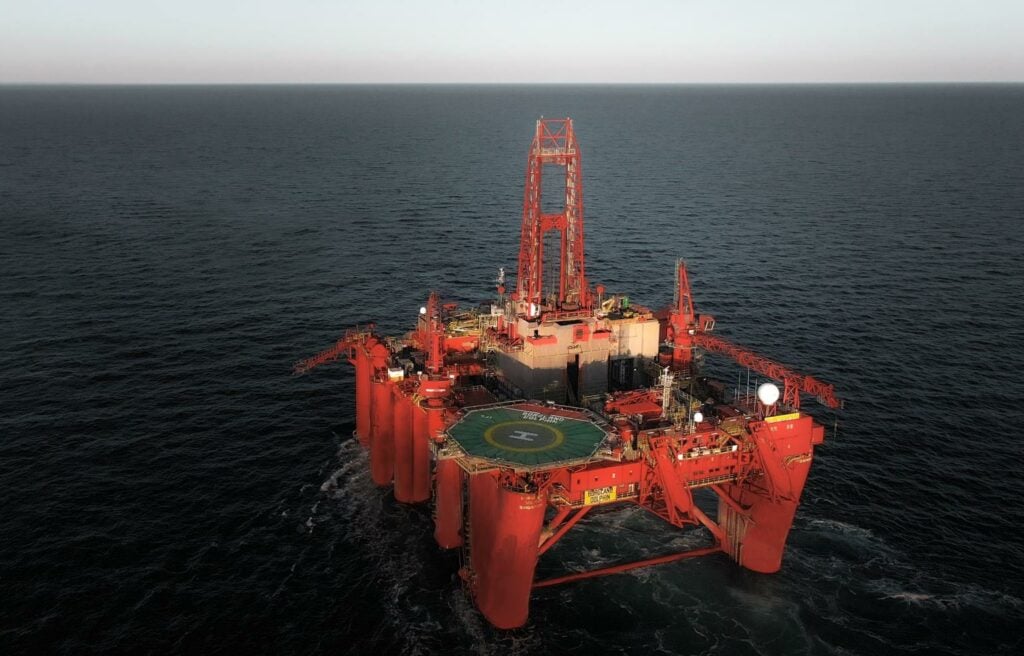
Borgland Dolphin rig; Source: Dolphin Drilling Dolphin Drilling has revealed a contract fixture for its Borgland Dolphin semi-submersible rig with an unnamed player on the UK Continental Shelf (UKCS), which represents approximately $239 million in firm contract backlog, as outlined in the letter of intent (LOI)
Borgland Dolphin rig; Source: Dolphin Drilling Dolphin Drilling has revealed a contract fixture for its Borgland Dolphin semi-submersible rig with an unnamed player on the UK Continental Shelf (UKCS), which represents approximately $239 million in firm contract backlog, as outlined in the letter of intent (LOI). The contract is scheduled to start in the second half of 2027, following the rig’s release from its existing contract
“Importantly, it delivers long-term earnings visibility across two rigs in the UK, both rigs firmly secured on contract for the next five years, as we guided on and in line with the strategic plan for Dolphin
Story 2Offshore EnergyJun 3, 2026

Green light for North Sea ops with Odfjell Drilling’s rig

Signal strongSource-grounded

What happened

Norwegian authorities granted consent for Aker BP to drill an exploration well using the Deepsea Nordkapp rig, and the rig’s assignment has been extended in recent months. The decision confirms ongoing demand for modern, winterized semi‑submersibles and shows alliance-based contracting continues to allocate capacity to preferred contractors. Watch for continued extensions or panel-like behaviour that can limit competitive access for similar-class rigs in APAC sourcing windows

Buyer takeaway

This is evidence of sustained demand for newer semis; treat modern, winterized units as a constrained sub-category when sourcing APAC campaigns that require similar specs

Cost / money

Sustained assignments support stable or upward pressure on dayrates for modern semis and reduce upside in negotiations for buyers seeking those assets

Supplier / commercial

Alliance arrangements and contract extensions favour incumbent suppliers and reduce spot-market depth; buyers should prioritize relationship or panel negotiations for access

Safety / operations

Extended assignments can compress crew rotation planning; buyers must validate crew availability and certification windows to avoid handover gaps

What to watch

Watch for repeated contract extensions in key supplier fleets that signal allocated capacity rather than market availability

Key facts

  • Consent granted for an exploration well (block 15/6, Freke Nord prospect)
  • Drilling to use Deepsea Nordkapp, a 2019-built, winterized semi-submersible
  • Rig assignment has been prolonged and contract extended to align with operator plans

Source excerpts

Odfjell Drilling was among the three offshore drilling contractors that won drilling and wells alliance deals with Aker BP in January 2023 to undertake drilling activities on the Norwegian Continental Shelf
The Deepsea Nordkapp rig’s assignment, previously slated to be completed at the end of 2024, was prolonged to run for two more years. A few months ago, Aker BP also extended the contract to the end of 2027
Deepsea Nordkapp rig; Source: Odfjell Drilling The Norwegian Ocean Industry Authority (Havtil) has granted Aker BP consent for exploration drilling in block 15/6 in the North Sea, within production license 1139, which was awarded on March 11, 2022, and is valid until the same date in 2029
Story 3Offshore EnergyJun 3, 2026

Saipem makes inroads at African offshore gas project with ‘major milestone’ (Gallery)

Signal moderateSource-grounded

What happened

Saipem completed the heavy lift and installation of a gas recovery module for the Bouri Gas Utilization Project using its Saipem 7000, and the module has been integrated on an existing platform. The operation demonstrates continued demand for very large lift vessels and integrated EPCIC execution, and it highlights the complexity of hook-up, subsea pipeline tie-ins, and pre‑commissioning activity. Watch whether this level of integrated offshore work reduces availability of specialist transport and installation resources that APAC projects also depend on

Buyer takeaway

Large integrated lifts are real consumption of scarce heavy-lift and hook-up resources, because they occupy specialist vessels and extended offshore windows that are not easily reallocated

Cost / money

Higher charter and logistics exposure for heavy-lift moves; buyers should expect pass-through risk for specialist sea transport and installation services

Supplier / commercial

Integrated EPCIC contractors can package heavy-lift and hook-up, shifting price negotiation toward schedule and interface risk rather than simple unit rates

Safety / operations

Complex hook-up and pre-commissioning increase the need for detailed interface planning and contractor HSE alignment during mobilisation

What to watch

Watch scheduling of heavy-lift vessels and yard release dates, as these are single-resource choke points for large module mobilisations

Key facts

  • Completed lift and installation of a module weighing more than 5,200 tonnes
  • Module transported approximately 170 kilometers to field location and integrated on existing
  • Follow-on scope includes hook-up, commissioning, and pre-commissioning of subsea pipelines

Source excerpts

Following completion of the lifting operations, offshore activities covered by the company’s scope of work will continue, with execution entrusted to Rosetti Marino. These activities include the integration of the module on the existing DP4 platform, as well as hook-up and commissioning of the plant and its related communication, safety and control systems
Saipem 7000 vessel at Bouri gas project; Source: Saipem Saipem has completed the lifting operations of the gas recovery module for the Bouri Gas Utilization Project (BGUP) offshore Libya, using its flagship Saipem 7000, said to be one of the world’s largest crane vessels
Saipem 7000 vessel at Bouri gas project offshore Libya; Courtesy of Saipem The Italian giant emphasized: “The lifting of the module marks a major milestone in the execution phase of the project, confirming Saipem’s ability to manage complex operations through advanced engineering planning and the use of heavy-lifting solutions, in full compliance with the highest standards of safety and reliability

VP Snapshot

Executive Risk & Action View

European multi-year rig fixtures (Dolphin) materially reduce near-term availability of harsh‑environment semi-submersibles, which can tighten APAC options for deferred or replacement work if mobilisation windows collide.

Overall
44
Cost
100
Supply
61
Schedule
56
Compliance
15

Top signals

30-180dcost

Signal 1: Cost / money

Firm long-term rig contracts increase the likelihood of constrained supply for similar assets, which can raise mobilization premium and reduce buyer flexibility on short-notice APAC campaigns.

Signal 2: Cost / money

Sustained assignments and consented exploration activity for modern semis maintain upward pressure on dayrates and on premiums for winterized or DP-class rigs that APAC tenders may request.

Signal 3: Cost / money

Large heavy-lift module movements and integrated EPCIC work drive demand for specialized transport and installation capacity, creating charter and logistics pass-through risk for heavy APAC moves.

Signal 5: Supplier / commercial

Drilling alliance models and long assignments (Odfjell/Aker BP) favour preferred-supplier panels and reduce competitive spot options for buyers needing modern semis, pushing sourcing toward relationship management rather than pure price play.

Signal 6: Supplier / commercial

EPCIC contractors delivering integrated scopes (Saipem) can bundle heavy-lift and hook-up, shifting commercial discussion from dayrate-only to integrated scope, schedule risk, and interface clauses.

30-180dschedule

Signal 4: Supplier / commercial

A supplier with recent multi-year wins (Dolphin) gains bargaining leverage on mobilization timing and short-validity quotes; expect narrower negotiation windows and conditional offers.

Recommended actions

ContractsDue 3d

Ask preferred rig suppliers to reconfirm current availability windows, quote validity, and mobilisation lead times for harsh‑environment and DP-class semis.

Documented supplier positions on availability and mobilisation terms to inform short-listing decisions

OpsDue 3d

Inventory upcoming APAC lifts and identify which require heavy-lift vessel or integrated EPCIC support; flag any single-source exposure.

Prioritised mobilisation list with expose-to-specialist-vessel tag and contingency paths

CategoryDue 21d

Run mobilisation-cost sensitivity models for upcoming APAC tenders that explicitly include potential charter premium and conditional surcharges for heavy-lift and specialist tra...

Sourcing-ready cost scenarios that show mobilisation exposure and inform commercial scorecards

ContractsDue 21d

Adjust RFQ and master‑agreement templates to require minimum quote validity, explicit mobilisation slots or first-right-of-refusal language, and clear pass-through rules for cha...

Updated tender documents that preserve buyer remedies on mobilisation timing and cost pass-through

CategoryDue 60d

Negotiate panel or LTA annexes that secure optional mobilisation slots or priority access for semis and heavy-lift vessels where APAC planning exposure is highest.

Panel terms with priority access or optional mobilisation slots to reduce spot-charter dependency

OpsDue 60d

Build crew and spares buffers into project schedules and resource plans to absorb compressed readiness windows.

Resource plans with defined buffers to protect critical mobilisation milestones

Risk register

RiskTriggerMitigation
Watch supplier quote-validity and mobilisation deposit behavior: multi-year fixtures commonly lead suppliers to shorten validity and condition offers on deposits or firm slot commitments.Watch supplier quote-validity and mobilisation deposit behavior: multi-year fixtures commonly lead suppliers to shorten validity and condition offers on deposits or firm slot commitments.Confirm exposure with category, contracts, and operations before the next supplier commitment.
Watch heavy-lift vessel schedules and yard release timing; integrated EPCIC movements can consume discrete installation slots that APAC mobilisations may need to compete for.Watch heavy-lift vessel schedules and yard release timing; integrated EPCIC movements can consume discrete installation slots that APAC mobilisations may need to compete for.Confirm exposure with category, contracts, and operations before the next supplier commitment.

CM Snapshot

Category Manager Decision Detail

Today's priorities

Ask preferred rig suppliers to reconfirm current availability windows, quote validity, and mobilisation lead times for harsh‑environment and DP-class semis.

Do this because Dolphin’s firm multi-year fixture reduces open slots and suppliers may shorten quote validity or require deposits, and written reconfirmation preserves negotiati...

Due 3d

high

CM move

Use this as the immediate supplier or contract action to move before the next sourcing gate.

Inventory upcoming APAC lifts and identify which require heavy-lift vessel or integrated EPCIC support; flag any single-source exposure.

Do this because Saipem’s large-module operations show specialised vessels and integrated scopes are in demand, and early identification preserves routing and charter options.

Due 3d

high

CM move

Use this as the immediate supplier or contract action to move before the next sourcing gate.

Run mobilisation-cost sensitivity models for upcoming APAC tenders that explicitly include potential charter premium and conditional surcharges for heavy-lift and specialist tra...

Do this because heavy-lift and integrated EPCIC activity can reallocate vessel capacity and create pass-through cost risk that should be priced into award decisions.

Due 21d

high

CM move

Use this as the immediate supplier or contract action to move before the next sourcing gate.

Adjust RFQ and master‑agreement templates to require minimum quote validity, explicit mobilisation slots or first-right-of-refusal language, and clear pass-through rules for cha...

Do this because suppliers with strengthened backlog (Dolphin) and alliance-based arrangements (Odfjell/Aker BP) may offer shorter-validity quotes, and contract terms are the lev...

Due 21d

high

CM move

Use this as the immediate supplier or contract action to move before the next sourcing gate.

Supplier radar

Offshore Energy

high

Observed supplier signal

A supplier with recent multi-year wins (Dolphin) gains bargaining leverage on mobilization timing and short-validity quotes; expect narrower negotiation windows and conditional offers.

Commercial implication

A supplier with recent multi-year wins (Dolphin) gains bargaining leverage on mobilization timing and short-validity quotes; expect narrower negotiation windows and conditional offers.

Next step: Validate the source-backed signal with incumbents and alternates before the next award or pricing decision.

Offshore Energy

high

Observed supplier signal

Drilling alliance models and long assignments (Odfjell/Aker BP) favour preferred-supplier panels and reduce competitive spot options for buyers needing modern semis, pushing sourcing toward relationship management rather than pure price play.

Commercial implication

Drilling alliance models and long assignments (Odfjell/Aker BP) favour preferred-supplier panels and reduce competitive spot options for buyers needing modern semis, pushing sourcing toward relationship management rather than pure price play.

Next step: Validate the source-backed signal with incumbents and alternates before the next award or pricing decision.

Offshore Energy

high

Observed supplier signal

EPCIC contractors delivering integrated scopes (Saipem) can bundle heavy-lift and hook-up, shifting commercial discussion from dayrate-only to integrated scope, schedule risk, and interface clauses.

Commercial implication

EPCIC contractors delivering integrated scopes (Saipem) can bundle heavy-lift and hook-up, shifting commercial discussion from dayrate-only to integrated scope, schedule risk, and interface clauses.

Next step: Validate the source-backed signal with incumbents and alternates before the next award or pricing decision.

Negotiation levers

Ask preferred rig suppliers to reconfirm current availability windows, quote validity, and mobilisation lead times for harsh‑environment and DP-class semis.

When to use: Do this because Dolphin’s firm multi-year fixture reduces open slots and suppliers may shorten quote validity or require deposits, and written reconfirmation preserves negotiati...

Expected outcome: Documented supplier positions on availability and mobilisation terms to inform short-listing decisions

Commercial mechanism to carry into the next supplier conversation

Inventory upcoming APAC lifts and identify which require heavy-lift vessel or integrated EPCIC support; flag any single-source exposure.

When to use: Do this because Saipem’s large-module operations show specialised vessels and integrated scopes are in demand, and early identification preserves routing and charter options.

Expected outcome: Prioritised mobilisation list with expose-to-specialist-vessel tag and contingency paths

Commercial mechanism to carry into the next supplier conversation

Run mobilisation-cost sensitivity models for upcoming APAC tenders that explicitly include potential charter premium and conditional surcharges for heavy-lift and specialist tra...

When to use: Do this because heavy-lift and integrated EPCIC activity can reallocate vessel capacity and create pass-through cost risk that should be priced into award decisions.

Expected outcome: Sourcing-ready cost scenarios that show mobilisation exposure and inform commercial scorecards

Commercial mechanism to carry into the next supplier conversation

Adjust RFQ and master‑agreement templates to require minimum quote validity, explicit mobilisation slots or first-right-of-refusal language, and clear pass-through rules for cha...

When to use: Do this because suppliers with strengthened backlog (Dolphin) and alliance-based arrangements (Odfjell/Aker BP) may offer shorter-validity quotes, and contract terms are the lev...

Expected outcome: Updated tender documents that preserve buyer remedies on mobilisation timing and cost pass-through

Commercial mechanism to carry into the next supplier conversation

Talking points

European multi-year rig fixtures (Dolphin) materially reduce near-term availability of harsh‑environment semi-submersibles, which can tighten APAC options for deferred or replacement work if mobilisation windows collide.
Regulator consent and contract extensions for modern semis (Aker BP / Odfjell) signal continued demand for newer, winterized rigs — this sustains dayrate and mobilization pressure for high-spec units that APAC campaigns need.
Large-module lifts and integrated EPCIC execution (Saipem) show heavy-lift vessels and integrated contractors remain busy; that increases competition for specialized transport and offshore integration support that APAC mobilisation relies on.
Net effect for APAC is not yet a supply crisis—signals point to tighter scheduling and less commercial flexibility rather than immediate price shocks; treat as elevated baseline risk to mobilisation sequencing.

Supplier radar

SupplierSignalImplicationNext stepConfidence
Offshore EnergyA supplier with recent multi-year wins (Dolphin) gains bargaining leverage on mobilization timing and short-validity quotes; expect narrower negotiation windows and conditional offers.A supplier with recent multi-year wins (Dolphin) gains bargaining leverage on mobilization timing and short-validity quotes; expect narrower negotiation windows and conditional offers.Validate the source-backed signal with incumbents and alternates before the next award or pricing decision.high
Offshore EnergyDrilling alliance models and long assignments (Odfjell/Aker BP) favour preferred-supplier panels and reduce competitive spot options for buyers needing modern semis, pushing sourcing toward relationship management rather than pure price play.Drilling alliance models and long assignments (Odfjell/Aker BP) favour preferred-supplier panels and reduce competitive spot options for buyers needing modern semis, pushing sourcing toward relationship management rather than pure price play.Validate the source-backed signal with incumbents and alternates before the next award or pricing decision.high
Offshore EnergyEPCIC contractors delivering integrated scopes (Saipem) can bundle heavy-lift and hook-up, shifting commercial discussion from dayrate-only to integrated scope, schedule risk, and interface clauses.EPCIC contractors delivering integrated scopes (Saipem) can bundle heavy-lift and hook-up, shifting commercial discussion from dayrate-only to integrated scope, schedule risk, and interface clauses.Validate the source-backed signal with incumbents and alternates before the next award or pricing decision.high

Negotiation levers

  • Ask preferred rig suppliers to reconfirm current availability windows, quote validity, and mobilisation lead times for harsh‑environment and DP-class semis.Do this because Dolphin’s firm multi-year fixture reduces open slots and suppliers may shorten quote validity or require deposits, and written reconfirmation preserves negotiati...Documented supplier positions on availability and mobilisation terms to inform short-listing decisions

    high confidence

  • Inventory upcoming APAC lifts and identify which require heavy-lift vessel or integrated EPCIC support; flag any single-source exposure.Do this because Saipem’s large-module operations show specialised vessels and integrated scopes are in demand, and early identification preserves routing and charter options.Prioritised mobilisation list with expose-to-specialist-vessel tag and contingency paths

    high confidence

  • Run mobilisation-cost sensitivity models for upcoming APAC tenders that explicitly include potential charter premium and conditional surcharges for heavy-lift and specialist tra...Do this because heavy-lift and integrated EPCIC activity can reallocate vessel capacity and create pass-through cost risk that should be priced into award decisions.Sourcing-ready cost scenarios that show mobilisation exposure and inform commercial scorecards

    high confidence

  • Adjust RFQ and master‑agreement templates to require minimum quote validity, explicit mobilisation slots or first-right-of-refusal language, and clear pass-through rules for cha...Do this because suppliers with strengthened backlog (Dolphin) and alliance-based arrangements (Odfjell/Aker BP) may offer shorter-validity quotes, and contract terms are the lev...Updated tender documents that preserve buyer remedies on mobilisation timing and cost pass-through

    high confidence

What to do / What to watch

What to do now

  • Ask preferred rig suppliers to reconfirm current availability windows, quote validity, and mobilisation lead times for harsh‑environment and DP-class semis.

    Why: Do this because Dolphin’s firm multi-year fixture reduces open slots and suppliers may shorten quote validity or require deposits, and written reconfirmation preserves negotiati...

    Owner: Contracts

    Expected outcome: Documented supplier positions on availability and mobilisation terms to inform short-listing decisions

    [3]
  • Inventory upcoming APAC lifts and identify which require heavy-lift vessel or integrated EPCIC support; flag any single-source exposure.

    Why: Do this because Saipem’s large-module operations show specialised vessels and integrated scopes are in demand, and early identification preserves routing and charter options.

    Owner: Ops

    Expected outcome: Prioritised mobilisation list with expose-to-specialist-vessel tag and contingency paths

    [2]

Next few weeks

  • Run mobilisation-cost sensitivity models for upcoming APAC tenders that explicitly include potential charter premium and conditional surcharges for heavy-lift and specialist tra...

    Why: Do this because heavy-lift and integrated EPCIC activity can reallocate vessel capacity and create pass-through cost risk that should be priced into award decisions.

    Owner: Category

    Expected outcome: Sourcing-ready cost scenarios that show mobilisation exposure and inform commercial scorecards

    [2]
  • Adjust RFQ and master‑agreement templates to require minimum quote validity, explicit mobilisation slots or first-right-of-refusal language, and clear pass-through rules for cha...

    Why: Do this because suppliers with strengthened backlog (Dolphin) and alliance-based arrangements (Odfjell/Aker BP) may offer shorter-validity quotes, and contract terms are the lev...

    Owner: Contracts

    Expected outcome: Updated tender documents that preserve buyer remedies on mobilisation timing and cost pass-through

    [3][1]

Longer view

  • Negotiate panel or LTA annexes that secure optional mobilisation slots or priority access for semis and heavy-lift vessels where APAC planning exposure is highest.

    Why: Do this because observed multi-year rig fixtures and continuing EPCIC demand indicate capacity will be allocated via long-term relationships; securing slots transfers scheduling...

    Owner: Category

    Expected outcome: Panel terms with priority access or optional mobilisation slots to reduce spot-charter dependency

    [3][2]
  • Build crew and spares buffers into project schedules and resource plans to absorb compressed readiness windows.

    Why: Do this because extended rig assignments and compressed mobilisation windows can create operational gaps, and pre-positioned crew/spares reduce schedule slippage risk.

    Owner: Ops

    Expected outcome: Resource plans with defined buffers to protect critical mobilisation milestones

    [1]

What to watch

  • Watch supplier quote-validity and mobilisation deposit behavior: multi-year fixtures commonly lead suppliers to shorten validity and condition offers on deposits or firm slot commitments
  • Watch heavy-lift vessel schedules and yard release timing; integrated EPCIC movements can consume discrete installation slots that APAC mobilisations may need to compete for
  • Watch supplier quote-validity and mobilisation deposit behavior: multi-year fixtures commonly lead suppliers to shorten validity and condition offers on deposits or firm slot commitments.: Watch supplier quote-validity and mobilisation deposit behavior: multi-year fixtures commonly lead suppliers to shorten validity and condition offers on deposits or firm slot commitments
  • Watch heavy-lift vessel schedules and yard release timing; integrated EPCIC movements can consume discrete installation slots that APAC mobilisations may need to compete for.: Watch heavy-lift vessel schedules and yard release timing; integrated EPCIC movements can consume discrete installation slots that APAC mobilisations may need to compete for
  • European multi-year rig fixtures (Dolphin) materially reduce near-term availability of harsh‑environment semi-submersibles, which can tighten APAC options for deferred or replacement work if mobilisation windows collide
  • Regulator consent and contract extensions for modern semis (Aker BP / Odfjell) signal continued demand for newer, winterized rigs — this sustains dayrate and mobilization pressure for high-spec units that APAC campaigns need
  • Large-module lifts and integrated EPCIC execution (Saipem) show heavy-lift vessels and integrated contractors remain busy; that increases competition for specialized transport and offshore integration support that APAC mobilisation relies on
  • Net effect for APAC is not yet a supply crisis—signals point to tighter scheduling and less commercial flexibility rather than immediate price shocks; treat as elevated baseline risk to mobilisation sequencing

Market pulse

IndexLatestChangeAs of
WTI Crude (WTI)71.23 /bbl+0.00 (+0.00%)Jun 3, 2026, 10:04 PM
Brent Crude (BRENT)74.89 /bbl+0.00 (+0.00%)Jun 3, 2026, 10:04 PM
Natural Gas (NG)3.12 /MMBtu+0.00 (+0.00%)Jun 3, 2026, 10:04 PM
Schlumberger (SLB)48 +0.00 (+0.00%)Jun 3, 2026, 10:04 PM
Halliburton (HAL)35 +0.00 (+0.00%)Jun 3, 2026, 10:04 PM
Baker Hughes (BKR)32 +0.00 (+0.00%)Jun 3, 2026, 10:04 PM
  • Brent Crude: Sustained Brent strength supports continued offshore activity and underpins demand for modern semis and mobilisation budgets
  • Schlumberger: Major service-provider equities indicate sector-wide activity levels; use as a cross-check for market tightness when assessing supplier dialogue

Sources

Inline citations jump here. Expand a source to read the excerpt, the AI interpretation, and the original link.

[1] Green light for North Sea ops with Odfjell Drilling’s rig

offshore-energy.biz · Jun 3, 2026

Expand

AI reading

Norwegian authorities granted consent for Aker BP to drill an exploration well using the Deepsea Nordkapp rig, and the rig’s assignment has been extended in recent months. The decision confirms ongoing demand for modern, winterized semi‑submersibles and shows alliance-based contracting continues to allocate capacity to preferred contractors. Watch for continued extensions or panel-like behaviour that can limit competitive access for similar-class rigs in APAC sourcing windows

Buyer takeaway

This is evidence of sustained demand for newer semis; treat modern, winterized units as a constrained sub-category when sourcing APAC campaigns that require similar specs

Cost / money

Sustained assignments support stable or upward pressure on dayrates for modern semis and reduce upside in negotiations for buyers seeking those assets

Supplier / commercial

Alliance arrangements and contract extensions favour incumbent suppliers and reduce spot-market depth; buyers should prioritize relationship or panel negotiations for access

Safety / operations

Extended assignments can compress crew rotation planning; buyers must validate crew availability and certification windows to avoid handover gaps

What to watch

Watch for repeated contract extensions in key supplier fleets that signal allocated capacity rather than market availability

Key facts

  • Consent granted for an exploration well (block 15/6, Freke Nord prospect)
  • Drilling to use Deepsea Nordkapp, a 2019-built, winterized semi-submersible
  • Rig assignment has been prolonged and contract extended to align with operator plans

Source excerpts

Odfjell Drilling was among the three offshore drilling contractors that won drilling and wells alliance deals with Aker BP in January 2023 to undertake drilling activities on the Norwegian Continental Shelf
The Deepsea Nordkapp rig’s assignment, previously slated to be completed at the end of 2024, was prolonged to run for two more years. A few months ago, Aker BP also extended the contract to the end of 2027
Deepsea Nordkapp rig; Source: Odfjell Drilling The Norwegian Ocean Industry Authority (Havtil) has granted Aker BP consent for exploration drilling in block 15/6 in the North Sea, within production license 1139, which was awarded on March 11, 2022, and is valid until the same date in 2029

Used in this brief

  • Supplier / commercial: Drilling alliance models and long assignments (Odfjell/Aker BP) favour preferred-supplier panels and reduce competitive spot options for buyers needing modern semis, pushing sourcing toward relationship management rather than pure price play
  • Next quarter — Build crew and spares buffers into project schedules and resource plans to absorb compressed readiness windows.. Rationale: Do this because extended rig assignments and compressed mobilisation windows can create operational gaps, and pre-positioned crew/spares reduce schedule slippage risk.. Owner: Ops. KPI: Resource plans with defined buffers to protect critical mobilisation milestones
  • Norwegian authorities granted consent for Aker BP to drill an exploration well using the Deepsea Nordkapp rig, and the rig’s assignment has been extended in recent months. The decision confirms ongoing demand for modern, winterized semi‑submersibles and shows alliance-based contracting continues to allocate capacity to preferred contractors. Watch for continued extensions or panel-like behaviour that can limit competitive access for similar-class rigs in APAC sourcing windows
Open original source

[2] Saipem makes inroads at African offshore gas project with ‘major milestone’ (Gallery)

offshore-energy.biz · Jun 3, 2026

Expand

AI reading

Saipem completed the heavy lift and installation of a gas recovery module for the Bouri Gas Utilization Project using its Saipem 7000, and the module has been integrated on an existing platform. The operation demonstrates continued demand for very large lift vessels and integrated EPCIC execution, and it highlights the complexity of hook-up, subsea pipeline tie-ins, and pre‑commissioning activity. Watch whether this level of integrated offshore work reduces availability of specialist transport and installation resources that APAC projects also depend on

Buyer takeaway

Large integrated lifts are real consumption of scarce heavy-lift and hook-up resources, because they occupy specialist vessels and extended offshore windows that are not easily reallocated

Cost / money

Higher charter and logistics exposure for heavy-lift moves; buyers should expect pass-through risk for specialist sea transport and installation services

Supplier / commercial

Integrated EPCIC contractors can package heavy-lift and hook-up, shifting price negotiation toward schedule and interface risk rather than simple unit rates

Safety / operations

Complex hook-up and pre-commissioning increase the need for detailed interface planning and contractor HSE alignment during mobilisation

What to watch

Watch scheduling of heavy-lift vessels and yard release dates, as these are single-resource choke points for large module mobilisations

Key facts

  • Completed lift and installation of a module weighing more than 5,200 tonnes
  • Module transported approximately 170 kilometers to field location and integrated on existing
  • Follow-on scope includes hook-up, commissioning, and pre-commissioning of subsea pipelines

Source excerpts

Following completion of the lifting operations, offshore activities covered by the company’s scope of work will continue, with execution entrusted to Rosetti Marino. These activities include the integration of the module on the existing DP4 platform, as well as hook-up and commissioning of the plant and its related communication, safety and control systems
Saipem 7000 vessel at Bouri gas project; Source: Saipem Saipem has completed the lifting operations of the gas recovery module for the Bouri Gas Utilization Project (BGUP) offshore Libya, using its flagship Saipem 7000, said to be one of the world’s largest crane vessels
Saipem 7000 vessel at Bouri gas project offshore Libya; Courtesy of Saipem The Italian giant emphasized: “The lifting of the module marks a major milestone in the execution phase of the project, confirming Saipem’s ability to manage complex operations through advanced engineering planning and the use of heavy-lifting solutions, in full compliance with the highest standards of safety and reliability

Used in this brief

  • Safety / operations: Large-module lifts and subsea hook-up activities increase offshore execution complexity; buyers should expect tighter safety and pre-commissioning coordination windows during mobilisation
  • Next 72 hours — Inventory upcoming APAC lifts and identify which require heavy-lift vessel or integrated EPCIC support; flag any single-source exposure.. Rationale: Do this because Saipem’s large-module operations show specialised vessels and integrated scopes are in demand, and early identification preserves routing and charter options.. Owner: Ops. KPI: Prioritised mobilisation list with expose-to-specialist-vessel tag and contingency paths
  • Next 2-4 weeks — Run mobilisation-cost sensitivity models for upcoming APAC tenders that explicitly include potential charter premium and conditional surcharges for heavy-lift and specialist tra.... Rationale: Do this because heavy-lift and integrated EPCIC activity can reallocate vessel capacity and create pass-through cost risk that should be priced into award decisions.. Owner: Category. KPI: Sourcing-ready cost scenarios that show mobilisation exposure and inform commercial scorecards
Open original source

[3] UK oil & gas operator hires Dolphin Drilling’s rig on multimillion-dollar gig

offshore-energy.biz · Jun 2, 2026

Expand

AI reading

Dolphin Drilling announced a firm contract fixture for its Borgland Dolphin semi‑submersible that strengthens the company's backlog and secures the rig on a long-term programme. The contract starts after the rig’s current work and runs through the rig’s next special period survey window, with options to extend further — making this a real, schedule-consuming commitment. Watch whether this tighter European firming of capacity squeezes availability for APAC mobilisations that need harsh‑environment semis

Buyer takeaway

Treat this as a binding reduction in available harsh‑environment semi capacity for the market, because the fixture consumes a large block of future rig availability and tightens mobilization windows

Cost / money

Directional increase in mobilisation premium and reduced price flexibility for buyers who require similar-class assets; booked backlog reduces immediate supplier hunger to offer deep discounts

Supplier / commercial

Suppliers with secured backlog can shorten quote validity and seek deposit or slot-confirmation clauses; buyers should ask for written confirmations and schedule commitments

Safety / operations

Long-term bookings reduce supplier inclination to reshuffle schedules, so buyers may face compressed crew-change and spares windows if they compete for the same rig class

What to watch

Watch for shortened quote windows and conditional commercial terms from semi owners as they prioritise contracted programmes over spot enquiries

Key facts

  • Firm contract value reported at approximately USD 239 million
  • Start scheduled after current contract; firm term runs through the rig’s SPS window in Octobe
  • Options available to extend up to a further five years

Source excerpts

Borgland Dolphin rig; Source: Dolphin Drilling Dolphin Drilling has revealed a contract fixture for its Borgland Dolphin semi-submersible rig with an unnamed player on the UK Continental Shelf (UKCS), which represents approximately $239 million in firm contract backlog, as outlined in the letter of intent (LOI)
Borgland Dolphin rig; Source: Dolphin Drilling Dolphin Drilling has revealed a contract fixture for its Borgland Dolphin semi-submersible rig with an unnamed player on the UK Continental Shelf (UKCS), which represents approximately $239 million in firm contract backlog, as outlined in the letter of intent (LOI). The contract is scheduled to start in the second half of 2027, following the rig’s release from its existing contract
“Importantly, it delivers long-term earnings visibility across two rigs in the UK, both rigs firmly secured on contract for the next five years, as we guided on and in line with the strategic plan for Dolphin

Used in this brief

  • Next 72 hours — Ask preferred rig suppliers to reconfirm current availability windows, quote validity, and mobilisation lead times for harsh‑environment and DP-class semis.. Rationale: Do this because Dolphin’s firm multi-year fixture reduces open slots and suppliers may shorten quote validity or require deposits, and written reconfirmation preserves negotiati.... Owner: Contracts. KPI: Documented supplier positions on availability and mobilisation terms to inform short-listing decisions
  • Next 2-4 weeks — Adjust RFQ and master‑agreement templates to require minimum quote validity, explicit mobilisation slots or first-right-of-refusal language, and clear pass-through rules for cha.... Rationale: Do this because suppliers with strengthened backlog (Dolphin) and alliance-based arrangements (Odfjell/Aker BP) may offer shorter-validity quotes, and contract terms are the lev.... Owner: Contracts. KPI: Updated tender documents that preserve buyer remedies on mobilisation timing and cost pass-through
  • Next quarter — Negotiate panel or LTA annexes that secure optional mobilisation slots or priority access for semis and heavy-lift vessels where APAC planning exposure is highest.. Rationale: Do this because observed multi-year rig fixtures and continuing EPCIC demand indicate capacity will be allocated via long-term relationships; securing slots transfers scheduling.... Owner: Category. KPI: Panel terms with priority access or optional mobilisation slots to reduce spot-charter dependency
Open original source

[4] Brent Crude

finance.yahoo.com · n.d.

Expand

[5] Schlumberger

finance.yahoo.com · n.d.

Expand