Wells Materials & OCTG · Australia (Perth)

Refine OCTG Sourcing by Emissions, Isolation, and Trenchless Signals

Published Jun 4, 2026, 6:08 AM AWSTAPACFull category signal
Ask AI
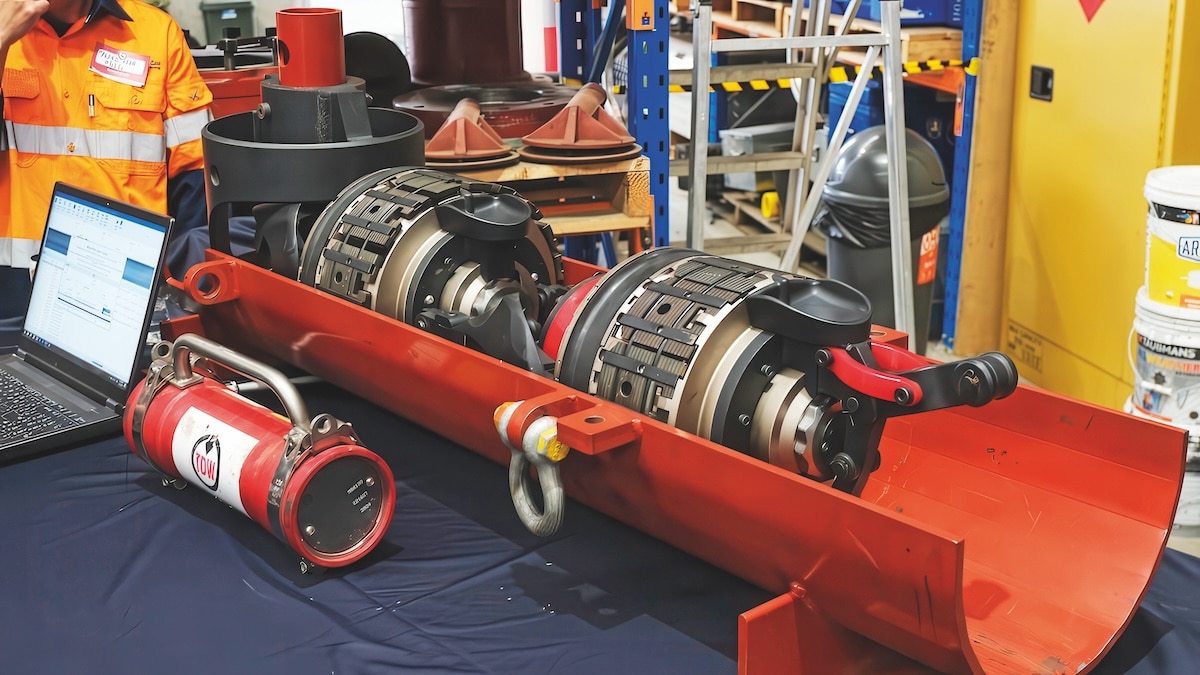
Raising the shield on pipeline isolation

In 60 seconds

Top move

Buyers should expect emissions performance (methane intensity) to become a supplier selection filter — vendors with measured, verifiable emissions data will gain commercial preference

Key takeaways

  • Buyers should expect emissions performance (methane intensity) to become a supplier selection filter — vendors with measured, verifiable emissions data will gain commercial preference.[3]
  • A new pipeline isolation tool (TDW SHiiELD) is being promoted to reduce shutdown scope and flaring; if field-ready, it will change outage planning and spare‑stock needs for line maintenance.[2]
  • Industry bodies are beefing up trenchless capability and events in the region, reinforcing last brief's focus on spacer, handling and trenchless readiness for OCTG procurement.[1]
  • Practically, emissions requirements and isolation tech will shift contract scope: expect separate bid lines or clauses for measurement/reporting services and for low‑downtime maintenance capability.[3]
  • These are supplier-driven developments today — SHiiELD and trenchless uptake need local trials and service networks before they materially change award strategy.[2][1]

What changed since last run

  • Added emissions (methane intensity) as a procurement factor not present in prior brief — operators are using measured intensity to differentiate supply (article 3).
  • Noted launch/market push for TDW SHiiELD isolation tool that could reduce shutdown impact and alter OCTG mobilisation assumptions (article 4).
  • Recorded formal industry alignment behind trenchless methods via Engineering New Zealand partnership, strengthening regional adoption signals for trenchless OCTG handling (article 6).

Key facts

  • Methane intensity normalises emissions against production or throughput
  • Measurement-based data is framed as a competitive differentiator for buyers and investors
  • Frameworks like OGMP 2.0 and MiQ increase demand for credible measurement
  • SHiiELD positions redundancy and digital control as differentiators
  • Vendors note typical isolation insertion can reduce throughput by around 80 percent
  • Key operational claim: reduce the need to shut or refill long pipeline sections during mainte

Why it matters

Buyers should expect emissions performance (methane intensity) to become a supplier selection filter — vendors with measured, verifiable emissions data will gain commercial preference. A new pipeline isolation tool (TDW SHiiELD) is being promoted to reduce shutdown scope and flaring; if field-ready, it will change outage planning and spare‑stock needs for line maintenance. Industry bodies are beefing up trenchless capability and events in the region, reinforcing last brief's focus on spacer, handling and trenchless readiness for OCTG procurement. Practically, emissions requirements and isolation tech will shift contract scope: expect separate bid lines or clauses for measurement/reporting services and for low‑downtime maintenance capability

Cost / money

  • Requiring verified methane-intensity data shifts some cost from material pricing to measurement and reporting — buyers may need to budget for third-party verification or pass-through metering services.[3]
  • If isolation tools reduce outage scope as claimed, expected short-field shutdowns lower emergency replacement and expedited freight spend — but early claims should not yet be treated as guaranteed savings.[2]

Supplier / commercial

  • Suppliers who can provide measured emissions data or third-party verification will gain shortlist advantage and pricing leverage versus vendors that cannot prove intensity.[3]
  • Vendors offering isolation-tool services or local integration partners could command premium service contracts tied to lower downtime and higher throughput assurances.[2]

Safety / operations

  • Better methane monitoring converts emissions detection into operational fixes (repairs, retrofits), reducing product loss and the safety risks associated with undetected leaks.[3]
  • An isolation tool with redundancy and digital control promises safer maintenance by reducing manual isolation and risky flaring — evaluate real-world seal performance before relying on it.[2]

What to watch

  • Watch for suppliers to bundle emissions‑reporting as a paid add-on or mandatory contract line; initial vendor messaging suggests commercialisation is starting but evidence of widespread practice remains limited.[3]
  • Watch vendor claims about SHiiELD throughput and field readiness; marketing may overstate local availability and performance before trials or service partnerships are in place.[2]

Top stories

Story 1The Australian PipelinerJun 1, 2026

Why methane metrics matter

Signal strongSource-grounded

What happened

Bridger Photonics and The Australian Pipeliner explain methane intensity as a way to compare emissions performance across assets and sellers. The article stresses accurate, measurement‑based intensity data (not engineering assumptions) as the basis buyers and investors will use for commercial decisions. Watch for more buyers asking for measurement evidence and for suppliers to start packaging measurement services into offers

Buyer takeaway

Treat emissions intensity as a procurement attribute: specification should require method and evidence, because buyers will pay a premium or prefer suppliers who can prove low intensity

Cost / money

Introducing measurement obligations redistributes cost into metering, verification or third‑party auditing rather than unit material cost

Supplier / commercial

Suppliers that already measure or can third‑party certify intensity will have shortlist advantage and may command price premium

Safety / operations

Higher‑quality measurement exposes leaks and underperforming assets, enabling targeted repairs that reduce safety and production loss risks

What to watch

Early market activity could lead suppliers to bundle measurement as a paid service or add narrow validity windows on intensity claims

Key facts

  • Methane intensity normalises emissions against production or throughput
  • Measurement-based data is framed as a competitive differentiator for buyers and investors
  • Frameworks like OGMP 2.0 and MiQ increase demand for credible measurement

Source excerpts

By pairing measured emissions data with production or throughput to calculate methane intensity, operators can contextualise their emissions performance with real-world measurements and operational data
However, the value of methane intensity reporting depends entirely on the quality of the underlying data
This performance data, including high-quality intensity data, can reveal where emissions are driving product loss, where assets are underperforming, and where interventions like upgrades, repairs, or retrofits are needed to generate the greatest impact. It enables teams to prioritise repairs more effectively, validate outcomes, track improvements, and understand their complete emissions profile to predict and prevent future emissions
Story 2The Australian PipelinerJun 1, 2026

Raising the shield on pipeline isolation

Signal moderateSource-grounded

What happened

TDW has launched the SHiiELD pipeline isolation tool, pitched as a new class of isolation with redundancy, higher throughput and digital control. The vendor says typical isolation insertion can severely limit throughput, and SHiiELD is designed to reduce that impact — monitor actual field trials and local service partner availability to assess real deployment risk. If performance holds, planned outages and emergency replacement logic for line‑side OCTG could change materially

Buyer takeaway

Don't rebase outage or spare strategies on vendor claims alone; require field trial evidence and local service commitments because supplier availability drives execution risk

Cost / money

If proven, lower downtime reduces emergency freight and expedited replacement spending, but initial procurement may include higher service premiums

Supplier / commercial

Companies that can supply or service such isolation tools locally may capture higher‑margin maintenance contracts and shift negotiation leverage

Safety / operations

Digital control and redundancy reduce risky manual isolations and flaring, improving safety if seals perform reliably in local conditions

What to watch

Vendor marketing may outpace local trials and partner networks; validate throughput and seal reliability before contractual reliance

Key facts

  • SHiiELD positions redundancy and digital control as differentiators
  • Vendors note typical isolation insertion can reduce throughput by around 80 percent
  • Key operational claim: reduce the need to shut or refill long pipeline sections during mainte

Source excerpts

The company’s latest initiative is the launch of what it describes as a new class of pipeline isolation tool – one built around true redundancy, higher throughput and digitally enabled control. This new generation of isolation tool is called the TDW SHiiELD, and it features double independent isolation and bleed (DiiB) technology
D. Williamson about its next technological leap in pipeline isolation: SHiiELD
The problem with this is that the insertion of an isolation tool can severely limit the throughput – typically by around 80 percent
Story 3The Australian PipelinerJun 2, 2026

Engineering New Zealand joins International No-Dig Auckland as Industry Partner

Signal moderateDirectional

What happened

Engineering New Zealand became an industry partner for International No‑Dig Auckland, signalling stronger institutional backing for trenchless methods in the region. The partnership highlights growing focus on trenchless innovation and practitioner exchange — buyers should expect more local capability development and vendor offerings tied to trenchless solutions. Watch for increased supplier emphasis on spacer design, handling equipment and trenchless installation case studies

Buyer takeaway

Treat growing trenchless adoption as a supply‑side change: require evidence of trenchless experience and handling capability because project execution depends on those skills

Cost / money

Wider trenchless adoption can shift cost from heavy plant hire to validated accessory purchase and specialist handling services

Supplier / commercial

Suppliers who demonstrate validated trenchless field performance will be competitive for integrated bids and may charge for certified services

Safety / operations

Trenchless methods reduce surface disruption and manual risks but depend on spacer design and handling competence to protect coatings

What to watch

This is a demand signal for capability; operational impact depends on vendor field trials and local training availability

Key facts

  • Engineering New Zealand joins as an official Industry Partner for No‑Dig Auckland
  • Event aims to showcase trenchless innovations that reduce disruption and improve project effi
  • Signals regional emphasis on trenchless methods and practitioner capability building

Source excerpts

International No-Dig Auckland is pleased to announce Engineering New Zealand as an official Industry Partner for the upcoming event, bringing one of the country’s most influential engineering bodies into closer alignment with the trenchless technology sector. As New Zealand’s peak body for engineers, Engineering New Zealand plays a central role in supporting engineers across disciplines, setting professional standards and promoting the value engineers bring to society
International No-Dig Auckland is pleased to announce Engineering New Zealand as an official Industry Partner for the upcoming event, bringing one of the country’s most influential engineering bodies into closer alignment with the trenchless technology sector
“It’s involvement in International No-Dig Auckland reinforces the importance of connecting engineers with the latest thinking in trenchless technology

VP Snapshot

Executive Risk & Action View

Buyers should expect emissions performance (methane intensity) to become a supplier selection filter — vendors with measured, verifiable emissions data will gain commercial preference.

Overall
69
Cost
61
Supply
43
Schedule
20
Compliance
15

Top signals

30-180dcost

Signal 1: Cost / money

Requiring verified methane-intensity data shifts some cost from material pricing to measurement and reporting — buyers may need to budget for third-party verification or pass-through metering services.

0-30dcost

Signal 2: Cost / money

If isolation tools reduce outage scope as claimed, expected short-field shutdowns lower emergency replacement and expedited freight spend — but early claims should not yet be treated as guaranteed savings.

30-180dcommercial

Signal 3: Supplier / commercial

Suppliers who can provide measured emissions data or third-party verification will gain shortlist advantage and pricing leverage versus vendors that cannot prove intensity.

Signal 4: Supplier / commercial

Vendors offering isolation-tool services or local integration partners could command premium service contracts tied to lower downtime and higher throughput assurances.

30-180dsupplier

Signal 5: Safety / operations

Better methane monitoring converts emissions detection into operational fixes (repairs, retrofits), reducing product loss and the safety risks associated with undetected leaks.

Signal 6: Safety / operations

An isolation tool with redundancy and digital control promises safer maintenance by reducing manual isolation and risky flaring — evaluate real-world seal performance before relying on it.

Recommended actions

CategoryDue 3d

Confirm which shortlisted OCTG suppliers can supply measured methane‑intensity data or a documented emissions measurement methodology.

Supplier shortlist updated with clear indication of who can provide measured emissions evidence.

OpsDue 3d

Ask maintenance planners whether the advertised isolation tool capability would change current outage scope or spare OCTG mobilisation assumptions.

Internal note summarising implications for upcoming outage plans and spare part staging.

ContractsDue 21d

Add separate RFQ line items for: (a) emissions measurement and reporting services, and (b) low‑downtime isolation or isolation‑tool enabled maintenance services.

Tender templates that allow direct commercial comparison between material‑only offers and offers that include emissions reporting or isolation‑services.

CategoryDue 21d

Survey trenchless and spacer-capable suppliers to validate local capacity and handling readiness following the Engineering New Zealand partnership signal.

Supplier capability map with notes on trenchless experience, local reps, and handling equipment availability.

LegalDue 60d

Update standard contract language to require emissions measurement method disclosure and to define acceptable evidence for methane‑intensity claims (metering data, third‑party r...

Contract clause templates that set minimum acceptable measurement evidence and remedial steps if evidence is missing.

OpsDue 60d

Plan a scoped field trial or pilot agreement with a qualified isolation‑tool provider to validate seal performance, insertion throughput, and integration with existing maintenan...

Trial report with operational readiness assessment and decision on wider adoption or contractual procurement path.

Risk register

RiskTriggerMitigation
Watch for suppliers to bundle emissions‑reporting as a paid add-on or mandatory contract line; initial vendor messaging suggests commercialisation is starting but evidence of widespread practice remains limited.Watch for suppliers to bundle emissions‑reporting as a paid add-on or mandatory contract line; initial vendor messaging suggests commercialisation is starting but evidence of widespread practice remains limited.Confirm exposure with category, contracts, and operations before the next supplier commitment.
Watch vendor claims about SHiiELD throughput and field readiness; marketing may overstate local availability and performance before trials or service partnerships are in place.Watch vendor claims about SHiiELD throughput and field readiness; marketing may overstate local availability and performance before trials or service partnerships are in place.Confirm exposure with category, contracts, and operations before the next supplier commitment.

CM Snapshot

Category Manager Decision Detail

Today's priorities

Confirm which shortlisted OCTG suppliers can supply measured methane‑intensity data or a documented emissions measurement methodology.

Act because the cited source changes the timing, capacity, or commercial assumptions behind the next sourcing decision.

Due 3d

high

CM move

Use this as the immediate supplier or contract action to move before the next sourcing gate.

Ask maintenance planners whether the advertised isolation tool capability would change current outage scope or spare OCTG mobilisation assumptions.

Act because the cited source changes the timing, capacity, or commercial assumptions behind the next sourcing decision.

Due 3d

high

CM move

Use this as the immediate supplier or contract action to move before the next sourcing gate.

Add separate RFQ line items for: (a) emissions measurement and reporting services, and (b) low‑downtime isolation or isolation‑tool enabled maintenance services.

Act because the cited source changes the timing, capacity, or commercial assumptions behind the next sourcing decision.

Due 21d

high

CM move

Use this as the immediate supplier or contract action to move before the next sourcing gate.

Survey trenchless and spacer-capable suppliers to validate local capacity and handling readiness following the Engineering New Zealand partnership signal.

Act because the cited source changes the timing, capacity, or commercial assumptions behind the next sourcing decision.

Due 21d

high

CM move

Use this as the immediate supplier or contract action to move before the next sourcing gate.

Supplier radar

The Australian Pipeliner

high

Observed supplier signal

Suppliers who can provide measured emissions data or third-party verification will gain shortlist advantage and pricing leverage versus vendors that cannot prove intensity.

Commercial implication

Suppliers who can provide measured emissions data or third-party verification will gain shortlist advantage and pricing leverage versus vendors that cannot prove intensity.

Next step: Validate the source-backed signal with incumbents and alternates before the next award or pricing decision.

The Australian Pipeliner

high

Observed supplier signal

Vendors offering isolation-tool services or local integration partners could command premium service contracts tied to lower downtime and higher throughput assurances.

Commercial implication

Vendors offering isolation-tool services or local integration partners could command premium service contracts tied to lower downtime and higher throughput assurances.

Next step: Validate the source-backed signal with incumbents and alternates before the next award or pricing decision.

Negotiation levers

Confirm which shortlisted OCTG suppliers can supply measured methane‑intensity data or a documented emissions measurement methodology.

When to use: Act because the cited source changes the timing, capacity, or commercial assumptions behind the next sourcing decision.

Expected outcome: Supplier shortlist updated with clear indication of who can provide measured emissions evidence.

Commercial mechanism to carry into the next supplier conversation

Ask maintenance planners whether the advertised isolation tool capability would change current outage scope or spare OCTG mobilisation assumptions.

When to use: Act because the cited source changes the timing, capacity, or commercial assumptions behind the next sourcing decision.

Expected outcome: Internal note summarising implications for upcoming outage plans and spare part staging.

Commercial mechanism to carry into the next supplier conversation

Add separate RFQ line items for: (a) emissions measurement and reporting services, and (b) low‑downtime isolation or isolation‑tool enabled maintenance services.

When to use: Act because the cited source changes the timing, capacity, or commercial assumptions behind the next sourcing decision.

Expected outcome: Tender templates that allow direct commercial comparison between material‑only offers and offers that include emissions reporting or isolation‑services.

Commercial mechanism to carry into the next supplier conversation

Survey trenchless and spacer-capable suppliers to validate local capacity and handling readiness following the Engineering New Zealand partnership signal.

When to use: Act because the cited source changes the timing, capacity, or commercial assumptions behind the next sourcing decision.

Expected outcome: Supplier capability map with notes on trenchless experience, local reps, and handling equipment availability.

Commercial mechanism to carry into the next supplier conversation

Talking points

Buyers should expect emissions performance (methane intensity) to become a supplier selection filter — vendors with measured, verifiable emissions data will gain commercial preference.
A new pipeline isolation tool (TDW SHiiELD) is being promoted to reduce shutdown scope and flaring; if field-ready, it will change outage planning and spare‑stock needs for line maintenance.
Industry bodies are beefing up trenchless capability and events in the region, reinforcing last brief's focus on spacer, handling and trenchless readiness for OCTG procurement.
Practically, emissions requirements and isolation tech will shift contract scope: expect separate bid lines or clauses for measurement/reporting services and for low‑downtime maintenance capability.

Supplier radar

SupplierSignalImplicationNext stepConfidence
The Australian PipelinerSuppliers who can provide measured emissions data or third-party verification will gain shortlist advantage and pricing leverage versus vendors that cannot prove intensity.Suppliers who can provide measured emissions data or third-party verification will gain shortlist advantage and pricing leverage versus vendors that cannot prove intensity.Validate the source-backed signal with incumbents and alternates before the next award or pricing decision.high
The Australian PipelinerVendors offering isolation-tool services or local integration partners could command premium service contracts tied to lower downtime and higher throughput assurances.Vendors offering isolation-tool services or local integration partners could command premium service contracts tied to lower downtime and higher throughput assurances.Validate the source-backed signal with incumbents and alternates before the next award or pricing decision.high

Negotiation levers

  • Confirm which shortlisted OCTG suppliers can supply measured methane‑intensity data or a documented emissions measurement methodology.Act because the cited source changes the timing, capacity, or commercial assumptions behind the next sourcing decision.Supplier shortlist updated with clear indication of who can provide measured emissions evidence.

    high confidence

  • Ask maintenance planners whether the advertised isolation tool capability would change current outage scope or spare OCTG mobilisation assumptions.Act because the cited source changes the timing, capacity, or commercial assumptions behind the next sourcing decision.Internal note summarising implications for upcoming outage plans and spare part staging.

    high confidence

  • Add separate RFQ line items for: (a) emissions measurement and reporting services, and (b) low‑downtime isolation or isolation‑tool enabled maintenance services.Act because the cited source changes the timing, capacity, or commercial assumptions behind the next sourcing decision.Tender templates that allow direct commercial comparison between material‑only offers and offers that include emissions reporting or isolation‑services.

    high confidence

  • Survey trenchless and spacer-capable suppliers to validate local capacity and handling readiness following the Engineering New Zealand partnership signal.Act because the cited source changes the timing, capacity, or commercial assumptions behind the next sourcing decision.Supplier capability map with notes on trenchless experience, local reps, and handling equipment availability.

    high confidence

What to do / What to watch

What to do now

  • Confirm which shortlisted OCTG suppliers can supply measured methane‑intensity data or a documented emissions measurement methodology.

    Why: Act because the cited source changes the timing, capacity, or commercial assumptions behind the next sourcing decision.

    Owner: Category

    Expected outcome: Supplier shortlist updated with clear indication of who can provide measured emissions evidence.

    [3]
  • Ask maintenance planners whether the advertised isolation tool capability would change current outage scope or spare OCTG mobilisation assumptions.

    Why: Act because the cited source changes the timing, capacity, or commercial assumptions behind the next sourcing decision.

    Owner: Ops

    Expected outcome: Internal note summarising implications for upcoming outage plans and spare part staging.

    [2]

Next few weeks

  • Add separate RFQ line items for: (a) emissions measurement and reporting services, and (b) low‑downtime isolation or isolation‑tool enabled maintenance services.

    Why: Act because the cited source changes the timing, capacity, or commercial assumptions behind the next sourcing decision.

    Owner: Contracts

    Expected outcome: Tender templates that allow direct commercial comparison between material‑only offers and offers that include emissions reporting or isolation‑services.

    [3][2]
  • Survey trenchless and spacer-capable suppliers to validate local capacity and handling readiness following the Engineering New Zealand partnership signal.

    Why: Act because the cited source changes the timing, capacity, or commercial assumptions behind the next sourcing decision.

    Owner: Category

    Expected outcome: Supplier capability map with notes on trenchless experience, local reps, and handling equipment availability.

    [1]

Longer view

  • Update standard contract language to require emissions measurement method disclosure and to define acceptable evidence for methane‑intensity claims (metering data, third‑party r...

    Why: Act because the cited source changes the timing, capacity, or commercial assumptions behind the next sourcing decision.

    Owner: Legal

    Expected outcome: Contract clause templates that set minimum acceptable measurement evidence and remedial steps if evidence is missing.

    [3]
  • Plan a scoped field trial or pilot agreement with a qualified isolation‑tool provider to validate seal performance, insertion throughput, and integration with existing maintenan...

    Why: Act because the cited source changes the timing, capacity, or commercial assumptions behind the next sourcing decision.

    Owner: Ops

    Expected outcome: Trial report with operational readiness assessment and decision on wider adoption or contractual procurement path.

    [2]

What to watch

  • Watch for suppliers to bundle emissions‑reporting as a paid add-on or mandatory contract line; initial vendor messaging suggests commercialisation is starting but evidence of widespread practice remains limited
  • Watch vendor claims about SHiiELD throughput and field readiness; marketing may overstate local availability and performance before trials or service partnerships are in place
  • Watch for suppliers to bundle emissions‑reporting as a paid add-on or mandatory contract line; initial vendor messaging suggests commercialisation is starting but evidence of widespread practice remains limited.: Watch for suppliers to bundle emissions‑reporting as a paid add-on or mandatory contract line; initial vendor messaging suggests commercialisation is starting but evidence of widespread practice remains limited
  • Watch vendor claims about SHiiELD throughput and field readiness; marketing may overstate local availability and performance before trials or service partnerships are in place.: Watch vendor claims about SHiiELD throughput and field readiness; marketing may overstate local availability and performance before trials or service partnerships are in place
  • Buyers should expect emissions performance (methane intensity) to become a supplier selection filter — vendors with measured, verifiable emissions data will gain commercial preference
  • A new pipeline isolation tool (TDW SHiiELD) is being promoted to reduce shutdown scope and flaring; if field-ready, it will change outage planning and spare‑stock needs for line maintenance
  • Industry bodies are beefing up trenchless capability and events in the region, reinforcing last brief's focus on spacer, handling and trenchless readiness for OCTG procurement
  • Practically, emissions requirements and isolation tech will shift contract scope: expect separate bid lines or clauses for measurement/reporting services and for low‑downtime maintenance capability

Market pulse

IndexLatestChangeAs of
HRC Steel (HRC)740 /ton+0.00 (+0.00%)Jun 3, 2026, 10:10 PM
Copper (COPPER)3.85 /lb+0.00 (+0.00%)Jun 3, 2026, 10:10 PM
Iron Ore (IRON)108.5 /t+0.00 (+0.00%)Jun 3, 2026, 10:10 PM
Tenaris (TS)32 +0.00 (+0.00%)Jun 3, 2026, 10:10 PM
  • HRC Steel: Hot‑rolled coil steel pricing underpins OCTG material baseline and affects negotiation room for add‑on services like coating and measurement
  • Tenaris: Tenaris performance is a sector sentiment indicator that can reflect supply constraints or shifts in OCTG capital spending

Sources

Inline citations jump here. Expand a source to read the excerpt, the AI interpretation, and the original link.

[1] Engineering New Zealand joins International No-Dig Auckland as Industry Partner

pipeliner.com.au · Jun 2, 2026

Expand

AI reading

Engineering New Zealand became an industry partner for International No‑Dig Auckland, signalling stronger institutional backing for trenchless methods in the region. The partnership highlights growing focus on trenchless innovation and practitioner exchange — buyers should expect more local capability development and vendor offerings tied to trenchless solutions. Watch for increased supplier emphasis on spacer design, handling equipment and trenchless installation case studies

Buyer takeaway

Treat growing trenchless adoption as a supply‑side change: require evidence of trenchless experience and handling capability because project execution depends on those skills

Cost / money

Wider trenchless adoption can shift cost from heavy plant hire to validated accessory purchase and specialist handling services

Supplier / commercial

Suppliers who demonstrate validated trenchless field performance will be competitive for integrated bids and may charge for certified services

Safety / operations

Trenchless methods reduce surface disruption and manual risks but depend on spacer design and handling competence to protect coatings

What to watch

This is a demand signal for capability; operational impact depends on vendor field trials and local training availability

Key facts

  • Engineering New Zealand joins as an official Industry Partner for No‑Dig Auckland
  • Event aims to showcase trenchless innovations that reduce disruption and improve project effi
  • Signals regional emphasis on trenchless methods and practitioner capability building

Source excerpts

International No-Dig Auckland is pleased to announce Engineering New Zealand as an official Industry Partner for the upcoming event, bringing one of the country’s most influential engineering bodies into closer alignment with the trenchless technology sector. As New Zealand’s peak body for engineers, Engineering New Zealand plays a central role in supporting engineers across disciplines, setting professional standards and promoting the value engineers bring to society
International No-Dig Auckland is pleased to announce Engineering New Zealand as an official Industry Partner for the upcoming event, bringing one of the country’s most influential engineering bodies into closer alignment with the trenchless technology sector
“It’s involvement in International No-Dig Auckland reinforces the importance of connecting engineers with the latest thinking in trenchless technology

Used in this brief

  • Next 2-4 weeks — Survey trenchless and spacer-capable suppliers to validate local capacity and handling readiness following the Engineering New Zealand partnership signal.. Rationale: Act because the cited source changes the timing, capacity, or commercial assumptions behind the next sourcing decision.. Owner: Category. KPI: Supplier capability map with notes on trenchless experience, local reps, and handling equipment availability
  • Recorded formal industry alignment behind trenchless methods via Engineering New Zealand partnership, strengthening regional adoption signals for trenchless OCTG handling (article 6)
  • Engineering New Zealand became an industry partner for International No‑Dig Auckland, signalling stronger institutional backing for trenchless methods in the region. The partnership highlights growing focus on trenchless innovation and practitioner exchange — buyers should expect more local capability development and vendor offerings tied to trenchless solutions. Watch for increased supplier emphasis on spacer design, handling equipment and trenchless installation case studies
Open original source

[2] Raising the shield on pipeline isolation

pipeliner.com.au · Jun 1, 2026

Expand

AI reading

TDW has launched the SHiiELD pipeline isolation tool, pitched as a new class of isolation with redundancy, higher throughput and digital control. The vendor says typical isolation insertion can severely limit throughput, and SHiiELD is designed to reduce that impact — monitor actual field trials and local service partner availability to assess real deployment risk. If performance holds, planned outages and emergency replacement logic for line‑side OCTG could change materially

Buyer takeaway

Don't rebase outage or spare strategies on vendor claims alone; require field trial evidence and local service commitments because supplier availability drives execution risk

Cost / money

If proven, lower downtime reduces emergency freight and expedited replacement spending, but initial procurement may include higher service premiums

Supplier / commercial

Companies that can supply or service such isolation tools locally may capture higher‑margin maintenance contracts and shift negotiation leverage

Safety / operations

Digital control and redundancy reduce risky manual isolations and flaring, improving safety if seals perform reliably in local conditions

What to watch

Vendor marketing may outpace local trials and partner networks; validate throughput and seal reliability before contractual reliance

Key facts

  • SHiiELD positions redundancy and digital control as differentiators
  • Vendors note typical isolation insertion can reduce throughput by around 80 percent
  • Key operational claim: reduce the need to shut or refill long pipeline sections during mainte

Source excerpts

The company’s latest initiative is the launch of what it describes as a new class of pipeline isolation tool – one built around true redundancy, higher throughput and digitally enabled control. This new generation of isolation tool is called the TDW SHiiELD, and it features double independent isolation and bleed (DiiB) technology
D. Williamson about its next technological leap in pipeline isolation: SHiiELD
The problem with this is that the insertion of an isolation tool can severely limit the throughput – typically by around 80 percent

Used in this brief

  • Supplier / commercial: Vendors offering isolation-tool services or local integration partners could command premium service contracts tied to lower downtime and higher throughput assurances
  • Safety / operations: An isolation tool with redundancy and digital control promises safer maintenance by reducing manual isolation and risky flaring — evaluate real-world seal performance before relying on it
  • Next 72 hours — Ask maintenance planners whether the advertised isolation tool capability would change current outage scope or spare OCTG mobilisation assumptions.. Rationale: Act because the cited source changes the timing, capacity, or commercial assumptions behind the next sourcing decision.. Owner: Ops. KPI: Internal note summarising implications for upcoming outage plans and spare part staging
Open original source

[3] Why methane metrics matter

pipeliner.com.au · Jun 1, 2026

Expand

AI reading

Bridger Photonics and The Australian Pipeliner explain methane intensity as a way to compare emissions performance across assets and sellers. The article stresses accurate, measurement‑based intensity data (not engineering assumptions) as the basis buyers and investors will use for commercial decisions. Watch for more buyers asking for measurement evidence and for suppliers to start packaging measurement services into offers

Buyer takeaway

Treat emissions intensity as a procurement attribute: specification should require method and evidence, because buyers will pay a premium or prefer suppliers who can prove low intensity

Cost / money

Introducing measurement obligations redistributes cost into metering, verification or third‑party auditing rather than unit material cost

Supplier / commercial

Suppliers that already measure or can third‑party certify intensity will have shortlist advantage and may command price premium

Safety / operations

Higher‑quality measurement exposes leaks and underperforming assets, enabling targeted repairs that reduce safety and production loss risks

What to watch

Early market activity could lead suppliers to bundle measurement as a paid service or add narrow validity windows on intensity claims

Key facts

  • Methane intensity normalises emissions against production or throughput
  • Measurement-based data is framed as a competitive differentiator for buyers and investors
  • Frameworks like OGMP 2.0 and MiQ increase demand for credible measurement

Source excerpts

By pairing measured emissions data with production or throughput to calculate methane intensity, operators can contextualise their emissions performance with real-world measurements and operational data
However, the value of methane intensity reporting depends entirely on the quality of the underlying data
This performance data, including high-quality intensity data, can reveal where emissions are driving product loss, where assets are underperforming, and where interventions like upgrades, repairs, or retrofits are needed to generate the greatest impact. It enables teams to prioritise repairs more effectively, validate outcomes, track improvements, and understand their complete emissions profile to predict and prevent future emissions

Used in this brief

  • Buyers should expect emissions performance (methane intensity) to become a supplier selection filter — vendors with measured, verifiable emissions data will gain commercial preference. A new pipeline isolation tool (TDW SHiiELD) is being promoted to reduce shutdown scope and flaring; if field-ready, it will change outage planning and spare‑stock needs for line maintenance. Industry bodies are beefing up trenchless capability and events in the region, reinforcing last brief's focus on spacer, handling and trenchless readiness for OCTG procurement. Practically, emissions requirements and isolation tech will shift contract scope: expect separate bid lines or clauses for measurement/reporting services and for low‑downtime maintenance capability
  • Cost / money: Requiring verified methane-intensity data shifts some cost from material pricing to measurement and reporting — buyers may need to budget for third-party verification or pass-through metering services
  • Supplier / commercial: Suppliers who can provide measured emissions data or third-party verification will gain shortlist advantage and pricing leverage versus vendors that cannot prove intensity
Open original source

[4] HRC Steel

cmegroup.com · n.d.

Expand

[5] Tenaris

finance.yahoo.com · n.d.

Expand