Plug & Abandonment / Decommissioning · International (Houston)

Secure Mobilization Options as Fleet Rotates Toward Renewables

Published Jun 4, 2026, 5:06 AM CSTINTERNATIONALFull category signal
Ask AI
comVesselsCable vessels CTVs and subsea support tonnage expand across offshore energy market

In 60 seconds

Top move

Subsea newbuilds and active installation wins are claiming cable‑lay and subsea support vessels, tightening specialist tonnage availability and raising mobilization exposure for P&A campaigns

Key takeaways

  • Subsea newbuilds and active installation wins are claiming cable‑lay and subsea support vessels, tightening specialist tonnage availability and raising mobilization exposure for P&A campaigns.[1]
  • A recent FLNG final investment decision creates a directional demand pool for yards and heavy‑lift contractors that can reduce local fabrication and lift capacity relevant to decommissioning mobilization.[2]
  • A newly signed eastern Java production contract is a credible regional competitor for rigs and marine support if exploration advances, which would compress sourcing windows for P&A in that area.[3]
  • These signals are supply‑side and directional — verify contractor booking notices and provisional holds before changing award strategy or committing mobilization funds.[1]
  • Because mobilization costs and logistics react to local projects, track yard and contractor notices alongside market transport indicators to spot where pass‑throughs or premiums are likely to appear.[2]

What changed since last run

  • Added explicit fleet allocation signal: offshore newbuilds and installation wins are claiming cable‑lay and subsea support tonnage, tightening short‑notice vessel availability (Article 5).
  • Added a regional heavy‑fabrication demand signal from Delfin Midstream's FLNG final investment decision that could affect yard and heavy‑lift capacity in the US Gulf (Article 4).
  • Added an upstream demand flag: INPEX/BP PSC in eastern Java as a potential competitor for rigs and marine support if development follows exploration (Article 2).

Key facts

  • Newbuild cycle reshaping cable‑lay and subsea support fleet
  • Contractor wins for tiebacks and pipeline installations indicating active installation workload
  • Final investment decision announced for first FLNG vessel
  • Major capital allocation indicating long‑lead marine demand in the US Gulf
  • Large PSC area in eastern Java
  • Concession contains water depths up to 1,000 m

Why it matters

Subsea newbuilds and active installation wins are claiming cable‑lay and subsea support vessels, tightening specialist tonnage availability and raising mobilization exposure for P&A campaigns. A recent FLNG final investment decision creates a directional demand pool for yards and heavy‑lift contractors that can reduce local fabrication and lift capacity relevant to decommissioning mobilization. A newly signed eastern Java production contract is a credible regional competitor for rigs and marine support if exploration advances, which would compress sourcing windows for P&A in that area. These signals are supply‑side and directional — verify contractor booking notices and provisional holds before changing award strategy or committing mobilization funds

Cost / money

  • Specialist vessel reallocation increases the likelihood suppliers will price reservation fees, short‑notice premiums or pass‑throughs for mobilization and charters.[1]
  • Local heavy fabrication and lift demand tied to a large FLNG program can push yard and contractor rates, creating pass‑through risk for load‑in/load‑out and heavy‑lift mobilization.[2]
  • If eastern Java exploration moves quickly to development, regional competition for rigs and marine support can reduce buyer negotiating leverage on day‑rates and option terms.[3]

Supplier / commercial

  • Contractors are likely to shorten quote validity and insist on provisional holds or deposits as they prioritize longer, higher‑value installation contracts over short P&A jobs.[1]
  • Yards and heavy‑lift contractors tied to major FLNG fabrication may require firm slot commitments, limiting buyers' ability to secure late‑cycle substitutions without premium charges.[2]
  • Regional operators progressing new PSCs create a sourcing dynamic where suppliers prefer multi‑month development work, reducing appetite for one‑off decommissioning mobilizations.[3]

Safety / operations

  • Higher nearby installation and cable‑lay activity raises SIMOPS complexity; buyers should embed exclusion zones and sequencing requirements in scope to avoid unsafe overlaps.[1]
  • Concentrated heavy fabrication programs increase concurrency risks at yards and ports; logistics coordination and port booking certainty are needed to prevent unsafe transfers and delays.[2]

What to watch

  • Watch for suppliers shortening quote validity and adding deposit requirements as they reallocate capacity to renewables and large installation programs — this reduces buyer flexibility.[1]
  • Watch whether FLNG yard and contractor bookings are published and whether they concretely displace local heavy‑lift or fabrication availability; current signals are directional until bookings appear.[2]

Top stories

Story 1Offshore-mag

comVesselsCable vessels CTVs and subsea support tonnage expand across offshore energy market

Signal strongSource-grounded

What happened

reporting shows a newbuild cycle and active installation wins are reshaping the cable‑lay and subsea support vessel fleet. The operational reality is that specialist tonnage and booking windows are being claimed by renewables and tieback projects, which tightens mobilization options for short P&A campaigns. Watch whether owners prioritize longer installation contracts over short decommissioning slots and whether contractors shorten quote validity as a commercial response

Buyer takeaway

Treat this as a real supply‑side shift: specialist vessels are being claimed by installation projects, reducing slack for P&A mobilization

Cost / money

Directional upward pressure on mobilization and charter costs as demand for specialized tonnage tightens and suppliers can charge reservation or short‑notice premiums

Supplier / commercial

Expect suppliers to shorten quote validity, require deposits or reservation terms, and prefer longer installation campaigns over short P&A slots

Safety / operations

Higher installation activity near P&A sites increases SIMOPS complexity; early sequencing and exclusion zone clauses are needed to protect safety and schedule

What to watch

Watch suppliers tightening validity and asking for reservation deposits; verify which contractors are prioritizing installation work over decommissioning support

Key facts

  • Newbuild cycle reshaping cable‑lay and subsea support fleet
  • Contractor wins for tiebacks and pipeline installations indicating active installation workload

Source excerpts

com/channel/UCy4hHphyg7qfjoI9EaEiOFACourtesy Asso SubseaVesselsNewbuild cycle reshapes cable lay vessel fleet for deepwater and offshore wind demandAs offshore energy and renewables development demands more highly specialized cable lay vessels, safety standards are evolving to support existing and future fleets
May 29, 2026Courtesy DeepOceanSubseaDeepOcean wins subsea tieback, riser jobs at three Equinor fields offshore NorwayMay 29, 2026Courtesy Subsea7PipelinesVår Energi hires Subsea7 for Goliat-Snohvit pipeline installationMay 22, 2026Courtesy Vallourec PipelinesVallourec to apply ExxonMobil proprietary insulation for two projects offshore GuyanaMay 22, 2026ID 405898475 © Dechev | Dreamstime
comVesselsCable vessels, CTVs and subsea support tonnage expand across offshore energy marketsMay 19, 2026Courtesy MISCSubseaABL overseeing Mero 3 and 4 subsea installations offshore BrazilMay 15, 2026Courtesy DeepOceanSubseaEvotec, DeepOcean deploy remote ROV launch and recovery system offshoreMay 14, 2026Courtesy OneSubseaSubseaSubsea strategies shift toward tiebacks, standardization and all‑electric systemsMay 14, 2026Courtesy JDR Cable SystemsSubseaAmplitude Energy commissions JDR for umbilicals for Australi
Story 2Offshore-mag

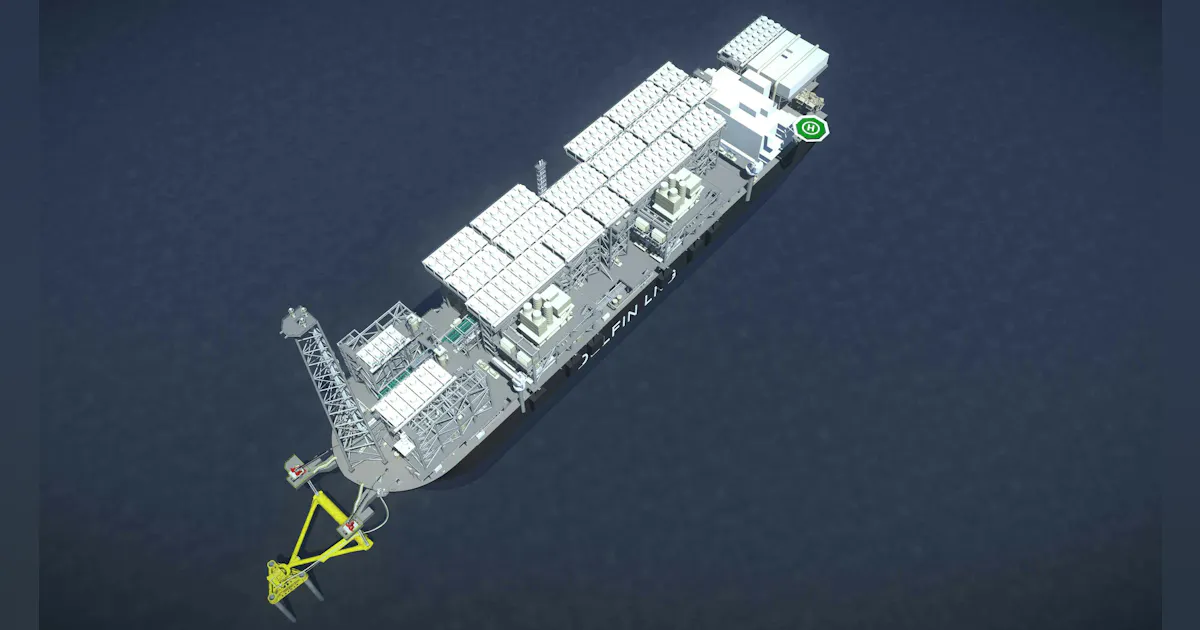
Delfin Midstream announces $5-billion FID for first FLNG vessel

Signal moderateDirectional

What happened

Delfin Midstream announced a final investment decision for its first FLNG vessel, signaling a major long‑lead demand program for fabrication and heavy‑lift assets in the US Gulf. Operationally, yards and heavy‑lift contractors may be booked against that program, which can reduce local capacity for decommissioning mobilization. Watch yard allocation notices and contractor slot announcements to see whether bookings materially constrain P&A options in the region

Buyer takeaway

Anticipate increased demand for heavy marine and fabrication assets in the region; factor this into mobilization and yard‑booking plans

Cost / money

Regional upward pressure on charter and yard costs is possible as large FLNG projects claim heavy assets and slots

Supplier / commercial

Contractors may prioritize FLNG fabrication and require firm commitments, limiting short‑notice availability for P&A work

Safety / operations

Concentrated heavy fabrication activity increases concurrency risks; coordination with yards and ports is needed to manage safe operations

What to watch

Signal is directional until construction schedules and yard allocations are published; watch supplier notices for confirmed capacity commitments

Key facts

  • Final investment decision announced for first FLNG vessel
  • Major capital allocation indicating long‑lead marine demand in the US Gulf

Source excerpts

In that capacity, he plans and oversees content for the magazine; writes features on technologies and trends for the magazine; writes news updates for the website; creates and moderates topical webinars; and creates videos that focus on offshore oil and gas and renewable energies
D. at the University of Houston in 1997, and his dissertation was published in book form by Texas A&M University Press in September 2007 as The Strategic Petroleum Reserve: U
From there, he went on to serve as Associate Editor for Pipe Line and Gas Industry for Gulf Publishing for four years before rejoining Hart Publications as Editor of PipeLine and Gas Technology in 2003
Story 3Offshore-mag

INPEX, bp sign offshore eastern Java production sharing contract

Signal moderateDirectional

What happened

INPEX and BP signed a production sharing contract for a large eastern Java concession with mid‑ to deepwater potential. The operationally relevant detail is that partners intend to move swiftly to development if exploration proves successful, which could create near‑term demand for rigs and marine support that competes with P&A sourcing. Monitor exploration outcomes and operator notices because a quick move to development will compress availability for regional mobilization

Buyer takeaway

Treat new PSCs in the region as potential competitors for rigs and vessels; track exploration results to anticipate scheduling pressure

Cost / money

Possible upward pressure on regional charter and drilling rates if development activity follows exploration success

Supplier / commercial

Operators and contractors in the region may shorten validity and prioritize longer development contracts, reducing availability for short P&A mobilizations

Safety / operations

If development overlaps P&A windows, SIMOPS and logistics coordination will be required to manage safe exclusion zones and sequencing

What to watch

Development depends on exploration success—monitor well results and operator notices for confirmation before reallocating procurement plans

Key facts

  • Large PSC area in eastern Java
  • Concession contains water depths up to 1,000 m
  • INPEX operates majority interest with BP as partner

Source excerpts

INPEX has secured the rights to explore the Barong Working Area offshore eastern Java, under the second Indonesia Petroleum Bidding Round 2025, INPEX reported in late May. The company’s subsidiary INPEX BARONG signed the production sharing contract (PSC) with upstream regulator SKK Migas and joint venture partner BP Barong
Should exploration prove successful, the partners expect to move relatively swiftly to development
INPEX has secured the rights to explore the Barong Working Area offshore eastern Java, under the second Indonesia Petroleum Bidding Round 2025, INPEX reported in late May

VP Snapshot

Executive Risk & Action View

Subsea newbuilds and active installation wins are claiming cable‑lay and subsea support vessels, tightening specialist tonnage availability and raising mobilization exposure for P&A campaigns.

Overall
55
Cost
79
Supply
79
Schedule
20
Compliance
15

Top signals

30-180dcost

Signal 1: Cost / money

Specialist vessel reallocation increases the likelihood suppliers will price reservation fees, short‑notice premiums or pass‑throughs for mobilization and charters.

Signal 2: Cost / money

Local heavy fabrication and lift demand tied to a large FLNG program can push yard and contractor rates, creating pass‑through risk for load‑in/load‑out and heavy‑lift mobilization.

Signal 3: Cost / money

If eastern Java exploration moves quickly to development, regional competition for rigs and marine support can reduce buyer negotiating leverage on day‑rates and option terms.

180d+commercial

Signal 4: Supplier / commercial

Contractors are likely to shorten quote validity and insist on provisional holds or deposits as they prioritize longer, higher‑value installation contracts over short P&A jobs.

30-180dsupply

Signal 5: Supplier / commercial

Yards and heavy‑lift contractors tied to major FLNG fabrication may require firm slot commitments, limiting buyers' ability to secure late‑cycle substitutions without premium charges.

30-180dcommercial

Signal 6: Supplier / commercial

Regional operators progressing new PSCs create a sourcing dynamic where suppliers prefer multi‑month development work, reducing appetite for one‑off decommissioning mobilizations.

Recommended actions

CategoryDue 3d

Request current quote‑validity, provisional‑hold and deposit terms from incumbent cable‑lay, subsea support and multi‑role vessel contractors.

Supplier posture matrix listing current validity, hold and deposit terms to inform RFQ timing and option decisions.

OpsDue 3d

Ask Ops to produce a short SIMOPS overlap memo for planned P&A sites near active installation or cable‑lay campaigns.

SIMOPS memo flagging sequencing constraints and exclusion zones to include in bid briefs and site safety plans.

CategoryDue 21d

Engage yards and heavy‑lift contractors to capture provisional slot options or notice‑period agreements rather than relying on day‑of mobilization availability.

Provisional slot register showing which yards will hold capacity, required option terms, and likely conflicts with P&A windows.

ContractsDue 21d

Update RFQ and MSA templates to require documented mobilization commitments, booking‑confirmation milestones and caps on pass‑through mobilization fees.

Revised RFQ/MSA language that filters vendors lacking booking capability and limits pass‑through exposure.

ContractsDue 60d

Negotiate mobilization pass‑through caps, staged mobilization triggers and cancellation liabilities into next‑round P&A contracts and master service agreements.

Contracts with defined pass‑through caps and staged triggers to reduce unexpected mobilization and cancellation costs.

Risk register

RiskTriggerMitigation
Watch for suppliers shortening quote validity and adding deposit requirements as they reallocate capacity to renewables and large installation programs — this reduces buyer flexibility.Watch for suppliers shortening quote validity and adding deposit requirements as they reallocate capacity to renewables and large installation programs — this reduces buyer flexibility.Confirm exposure with category, contracts, and operations before the next supplier commitment.
Watch whether FLNG yard and contractor bookings are published and whether they concretely displace local heavy‑lift or fabrication availability; current signals are directional until bookings appear.Watch whether FLNG yard and contractor bookings are published and whether they concretely displace local heavy‑lift or fabrication availability; current signals are directional until bookings appear.Confirm exposure with category, contracts, and operations before the next supplier commitment.

CM Snapshot

Category Manager Decision Detail

Today's priorities

Request current quote‑validity, provisional‑hold and deposit terms from incumbent cable‑lay, subsea support and multi‑role vessel contractors.

Do this because vessel reallocation to renewables and installation work can already be narrowing supplier commitment windows, and knowing current commercial posture lets categor...

Due 3d

high

CM move

Use this as the immediate supplier or contract action to move before the next sourcing gate.

Ask Ops to produce a short SIMOPS overlap memo for planned P&A sites near active installation or cable‑lay campaigns.

Do this because nearby installation activity raises the risk of unsafe interactions and schedule rework, and an early SIMOPS memo defines exclusion zones and sequencing that sup...

Due 3d

high

CM move

Use this as the immediate supplier or contract action to move before the next sourcing gate.

Engage yards and heavy‑lift contractors to capture provisional slot options or notice‑period agreements rather than relying on day‑of mobilization availability.

Do this because a major FLNG investment can claim fabrication and heavy‑lift capacity, and provisional options preserve execution flexibility without committing full mobilizatio...

Due 21d

high

CM move

Use this as the immediate supplier or contract action to move before the next sourcing gate.

Update RFQ and MSA templates to require documented mobilization commitments, booking‑confirmation milestones and caps on pass‑through mobilization fees.

Do this because suppliers reallocating capacity may shorten validity and seek pass‑throughs or reservation fees, and embedding these controls reduces unexpected cost transfer to...

Due 21d

high

CM move

Use this as the immediate supplier or contract action to move before the next sourcing gate.

Supplier radar

Offshore-mag

high

Observed supplier signal

Contractors are likely to shorten quote validity and insist on provisional holds or deposits as they prioritize longer, higher‑value installation contracts over short P&A jobs.

Commercial implication

Contractors are likely to shorten quote validity and insist on provisional holds or deposits as they prioritize longer, higher‑value installation contracts over short P&A jobs.

Next step: Validate the source-backed signal with incumbents and alternates before the next award or pricing decision.

Offshore-mag

high

Observed supplier signal

Yards and heavy‑lift contractors tied to major FLNG fabrication may require firm slot commitments, limiting buyers' ability to secure late‑cycle substitutions without premium charges.

Commercial implication

Yards and heavy‑lift contractors tied to major FLNG fabrication may require firm slot commitments, limiting buyers' ability to secure late‑cycle substitutions without premium charges.

Next step: Validate the source-backed signal with incumbents and alternates before the next award or pricing decision.

Offshore-mag

high

Observed supplier signal

Regional operators progressing new PSCs create a sourcing dynamic where suppliers prefer multi‑month development work, reducing appetite for one‑off decommissioning mobilizations.

Commercial implication

Regional operators progressing new PSCs create a sourcing dynamic where suppliers prefer multi‑month development work, reducing appetite for one‑off decommissioning mobilizations.

Next step: Validate the source-backed signal with incumbents and alternates before the next award or pricing decision.

Negotiation levers

Request current quote‑validity, provisional‑hold and deposit terms from incumbent cable‑lay, subsea support and multi‑role vessel contractors.

When to use: Do this because vessel reallocation to renewables and installation work can already be narrowing supplier commitment windows, and knowing current commercial posture lets categor...

Expected outcome: Supplier posture matrix listing current validity, hold and deposit terms to inform RFQ timing and option decisions.

Commercial mechanism to carry into the next supplier conversation

Ask Ops to produce a short SIMOPS overlap memo for planned P&A sites near active installation or cable‑lay campaigns.

When to use: Do this because nearby installation activity raises the risk of unsafe interactions and schedule rework, and an early SIMOPS memo defines exclusion zones and sequencing that sup...

Expected outcome: SIMOPS memo flagging sequencing constraints and exclusion zones to include in bid briefs and site safety plans.

Commercial mechanism to carry into the next supplier conversation

Engage yards and heavy‑lift contractors to capture provisional slot options or notice‑period agreements rather than relying on day‑of mobilization availability.

When to use: Do this because a major FLNG investment can claim fabrication and heavy‑lift capacity, and provisional options preserve execution flexibility without committing full mobilizatio...

Expected outcome: Provisional slot register showing which yards will hold capacity, required option terms, and likely conflicts with P&A windows.

Commercial mechanism to carry into the next supplier conversation

Update RFQ and MSA templates to require documented mobilization commitments, booking‑confirmation milestones and caps on pass‑through mobilization fees.

When to use: Do this because suppliers reallocating capacity may shorten validity and seek pass‑throughs or reservation fees, and embedding these controls reduces unexpected cost transfer to...

Expected outcome: Revised RFQ/MSA language that filters vendors lacking booking capability and limits pass‑through exposure.

Commercial mechanism to carry into the next supplier conversation

Talking points

Subsea newbuilds and active installation wins are claiming cable‑lay and subsea support vessels, tightening specialist tonnage availability and raising mobilization exposure for P&A campaigns.
A recent FLNG final investment decision creates a directional demand pool for yards and heavy‑lift contractors that can reduce local fabrication and lift capacity relevant to decommissioning mobilization.
A newly signed eastern Java production contract is a credible regional competitor for rigs and marine support if exploration advances, which would compress sourcing windows for P&A in that area.
These signals are supply‑side and directional — verify contractor booking notices and provisional holds before changing award strategy or committing mobilization funds.

Supplier radar

SupplierSignalImplicationNext stepConfidence
Offshore-magContractors are likely to shorten quote validity and insist on provisional holds or deposits as they prioritize longer, higher‑value installation contracts over short P&A jobs.Contractors are likely to shorten quote validity and insist on provisional holds or deposits as they prioritize longer, higher‑value installation contracts over short P&A jobs.Validate the source-backed signal with incumbents and alternates before the next award or pricing decision.high
Offshore-magYards and heavy‑lift contractors tied to major FLNG fabrication may require firm slot commitments, limiting buyers' ability to secure late‑cycle substitutions without premium charges.Yards and heavy‑lift contractors tied to major FLNG fabrication may require firm slot commitments, limiting buyers' ability to secure late‑cycle substitutions without premium charges.Validate the source-backed signal with incumbents and alternates before the next award or pricing decision.high
Offshore-magRegional operators progressing new PSCs create a sourcing dynamic where suppliers prefer multi‑month development work, reducing appetite for one‑off decommissioning mobilizations.Regional operators progressing new PSCs create a sourcing dynamic where suppliers prefer multi‑month development work, reducing appetite for one‑off decommissioning mobilizations.Validate the source-backed signal with incumbents and alternates before the next award or pricing decision.high

Negotiation levers

  • Request current quote‑validity, provisional‑hold and deposit terms from incumbent cable‑lay, subsea support and multi‑role vessel contractors.Do this because vessel reallocation to renewables and installation work can already be narrowing supplier commitment windows, and knowing current commercial posture lets categor...Supplier posture matrix listing current validity, hold and deposit terms to inform RFQ timing and option decisions.

    high confidence

  • Ask Ops to produce a short SIMOPS overlap memo for planned P&A sites near active installation or cable‑lay campaigns.Do this because nearby installation activity raises the risk of unsafe interactions and schedule rework, and an early SIMOPS memo defines exclusion zones and sequencing that sup...SIMOPS memo flagging sequencing constraints and exclusion zones to include in bid briefs and site safety plans.

    high confidence

  • Engage yards and heavy‑lift contractors to capture provisional slot options or notice‑period agreements rather than relying on day‑of mobilization availability.Do this because a major FLNG investment can claim fabrication and heavy‑lift capacity, and provisional options preserve execution flexibility without committing full mobilizatio...Provisional slot register showing which yards will hold capacity, required option terms, and likely conflicts with P&A windows.

    high confidence

  • Update RFQ and MSA templates to require documented mobilization commitments, booking‑confirmation milestones and caps on pass‑through mobilization fees.Do this because suppliers reallocating capacity may shorten validity and seek pass‑throughs or reservation fees, and embedding these controls reduces unexpected cost transfer to...Revised RFQ/MSA language that filters vendors lacking booking capability and limits pass‑through exposure.

    high confidence

What to do / What to watch

What to do now

  • Request current quote‑validity, provisional‑hold and deposit terms from incumbent cable‑lay, subsea support and multi‑role vessel contractors.

    Why: Do this because vessel reallocation to renewables and installation work can already be narrowing supplier commitment windows, and knowing current commercial posture lets categor...

    Owner: Category

    Expected outcome: Supplier posture matrix listing current validity, hold and deposit terms to inform RFQ timing and option decisions.

    [1]
  • Ask Ops to produce a short SIMOPS overlap memo for planned P&A sites near active installation or cable‑lay campaigns.

    Why: Do this because nearby installation activity raises the risk of unsafe interactions and schedule rework, and an early SIMOPS memo defines exclusion zones and sequencing that sup...

    Owner: Ops

    Expected outcome: SIMOPS memo flagging sequencing constraints and exclusion zones to include in bid briefs and site safety plans.

    [1]

Next few weeks

  • Engage yards and heavy‑lift contractors to capture provisional slot options or notice‑period agreements rather than relying on day‑of mobilization availability.

    Why: Do this because a major FLNG investment can claim fabrication and heavy‑lift capacity, and provisional options preserve execution flexibility without committing full mobilizatio...

    Owner: Category

    Expected outcome: Provisional slot register showing which yards will hold capacity, required option terms, and likely conflicts with P&A windows.

    [2]
  • Update RFQ and MSA templates to require documented mobilization commitments, booking‑confirmation milestones and caps on pass‑through mobilization fees.

    Why: Do this because suppliers reallocating capacity may shorten validity and seek pass‑throughs or reservation fees, and embedding these controls reduces unexpected cost transfer to...

    Owner: Contracts

    Expected outcome: Revised RFQ/MSA language that filters vendors lacking booking capability and limits pass‑through exposure.

    [1]

Longer view

  • Negotiate mobilization pass‑through caps, staged mobilization triggers and cancellation liabilities into next‑round P&A contracts and master service agreements.

    Why: Do this because sustained reallocation of specialist vessels and yard slots increases the chance suppliers will claim higher mobilization fees; contractual limits transfer or ca...

    Owner: Contracts

    Expected outcome: Contracts with defined pass‑through caps and staged triggers to reduce unexpected mobilization and cancellation costs.

    [1]

What to watch

  • Watch for suppliers shortening quote validity and adding deposit requirements as they reallocate capacity to renewables and large installation programs — this reduces buyer flexibility
  • Watch whether FLNG yard and contractor bookings are published and whether they concretely displace local heavy‑lift or fabrication availability; current signals are directional until bookings appear
  • Watch for suppliers shortening quote validity and adding deposit requirements as they reallocate capacity to renewables and large installation programs — this reduces buyer flexibility.: Watch for suppliers shortening quote validity and adding deposit requirements as they reallocate capacity to renewables and large installation programs — this reduces buyer flexibility
  • Watch whether FLNG yard and contractor bookings are published and whether they concretely displace local heavy‑lift or fabrication availability; current signals are directional until bookings appear.: Watch whether FLNG yard and contractor bookings are published and whether they concretely displace local heavy‑lift or fabrication availability; current signals are directional until bookings appear
  • Subsea newbuilds and active installation wins are claiming cable‑lay and subsea support vessels, tightening specialist tonnage availability and raising mobilization exposure for P&A campaigns
  • A recent FLNG final investment decision creates a directional demand pool for yards and heavy‑lift contractors that can reduce local fabrication and lift capacity relevant to decommissioning mobilization
  • A newly signed eastern Java production contract is a credible regional competitor for rigs and marine support if exploration advances, which would compress sourcing windows for P&A in that area
  • These signals are supply‑side and directional — verify contractor booking notices and provisional holds before changing award strategy or committing mobilization funds

Market pulse

IndexLatestChangeAs of
WTI Crude (WTI)71.23 /bbl+0.00 (+0.00%)Jun 4, 2026, 10:10 AM
Brent Crude (BRENT)74.89 /bbl+0.00 (+0.00%)Jun 4, 2026, 10:10 AM
Natural Gas (NG)3.12 /MMBtu+0.00 (+0.00%)Jun 4, 2026, 10:10 AM
Baltic Dry (BDI)1,245 pts+0.00 (+0.00%)Jun 4, 2026, 10:10 AM
  • Baltic Dry: Baltic Dry index moves affect global marine logistics and can raise inbound/outbound mobilization and heavy‑equipment transport costs
  • WTI Crude: WTI crude trends influence operator campaign economics, which affects competing demand for rigs and vessel availability

Sources

Inline citations jump here. Expand a source to read the excerpt, the AI interpretation, and the original link.

[1] comVesselsCable vessels CTVs and subsea support tonnage expand across offshore energy market

offshore-mag.com · n.d.

Expand

AI reading

reporting shows a newbuild cycle and active installation wins are reshaping the cable‑lay and subsea support vessel fleet. The operational reality is that specialist tonnage and booking windows are being claimed by renewables and tieback projects, which tightens mobilization options for short P&A campaigns. Watch whether owners prioritize longer installation contracts over short decommissioning slots and whether contractors shorten quote validity as a commercial response

Buyer takeaway

Treat this as a real supply‑side shift: specialist vessels are being claimed by installation projects, reducing slack for P&A mobilization

Cost / money

Directional upward pressure on mobilization and charter costs as demand for specialized tonnage tightens and suppliers can charge reservation or short‑notice premiums

Supplier / commercial

Expect suppliers to shorten quote validity, require deposits or reservation terms, and prefer longer installation campaigns over short P&A slots

Safety / operations

Higher installation activity near P&A sites increases SIMOPS complexity; early sequencing and exclusion zone clauses are needed to protect safety and schedule

What to watch

Watch suppliers tightening validity and asking for reservation deposits; verify which contractors are prioritizing installation work over decommissioning support

Key facts

  • Newbuild cycle reshaping cable‑lay and subsea support fleet
  • Contractor wins for tiebacks and pipeline installations indicating active installation workload

Source excerpts

com/channel/UCy4hHphyg7qfjoI9EaEiOFACourtesy Asso SubseaVesselsNewbuild cycle reshapes cable lay vessel fleet for deepwater and offshore wind demandAs offshore energy and renewables development demands more highly specialized cable lay vessels, safety standards are evolving to support existing and future fleets
May 29, 2026Courtesy DeepOceanSubseaDeepOcean wins subsea tieback, riser jobs at three Equinor fields offshore NorwayMay 29, 2026Courtesy Subsea7PipelinesVår Energi hires Subsea7 for Goliat-Snohvit pipeline installationMay 22, 2026Courtesy Vallourec PipelinesVallourec to apply ExxonMobil proprietary insulation for two projects offshore GuyanaMay 22, 2026ID 405898475 © Dechev | Dreamstime
comVesselsCable vessels, CTVs and subsea support tonnage expand across offshore energy marketsMay 19, 2026Courtesy MISCSubseaABL overseeing Mero 3 and 4 subsea installations offshore BrazilMay 15, 2026Courtesy DeepOceanSubseaEvotec, DeepOcean deploy remote ROV launch and recovery system offshoreMay 14, 2026Courtesy OneSubseaSubseaSubsea strategies shift toward tiebacks, standardization and all‑electric systemsMay 14, 2026Courtesy JDR Cable SystemsSubseaAmplitude Energy commissions JDR for umbilicals for Australi

Used in this brief

  • Next 72 hours — Request current quote‑validity, provisional‑hold and deposit terms from incumbent cable‑lay, subsea support and multi‑role vessel contractors.. Rationale: Do this because vessel reallocation to renewables and installation work can already be narrowing supplier commitment windows, and knowing current commercial posture lets categor.... Owner: Category. KPI: Supplier posture matrix listing current validity, hold and deposit terms to inform RFQ timing and option decisions
  • Next 72 hours — Ask Ops to produce a short SIMOPS overlap memo for planned P&A sites near active installation or cable‑lay campaigns.. Rationale: Do this because nearby installation activity raises the risk of unsafe interactions and schedule rework, and an early SIMOPS memo defines exclusion zones and sequencing that sup.... Owner: Ops. KPI: SIMOPS memo flagging sequencing constraints and exclusion zones to include in bid briefs and site safety plans
  • Next 2-4 weeks — Update RFQ and MSA templates to require documented mobilization commitments, booking‑confirmation milestones and caps on pass‑through mobilization fees.. Rationale: Do this because suppliers reallocating capacity may shorten validity and seek pass‑throughs or reservation fees, and embedding these controls reduces unexpected cost transfer to.... Owner: Contracts. KPI: Revised RFQ/MSA language that filters vendors lacking booking capability and limits pass‑through exposure
Open original source

[2] Delfin Midstream announces $5-billion FID for first FLNG vessel

offshore-mag.com · n.d.

Expand

AI reading

Delfin Midstream announced a final investment decision for its first FLNG vessel, signaling a major long‑lead demand program for fabrication and heavy‑lift assets in the US Gulf. Operationally, yards and heavy‑lift contractors may be booked against that program, which can reduce local capacity for decommissioning mobilization. Watch yard allocation notices and contractor slot announcements to see whether bookings materially constrain P&A options in the region

Buyer takeaway

Anticipate increased demand for heavy marine and fabrication assets in the region; factor this into mobilization and yard‑booking plans

Cost / money

Regional upward pressure on charter and yard costs is possible as large FLNG projects claim heavy assets and slots

Supplier / commercial

Contractors may prioritize FLNG fabrication and require firm commitments, limiting short‑notice availability for P&A work

Safety / operations

Concentrated heavy fabrication activity increases concurrency risks; coordination with yards and ports is needed to manage safe operations

What to watch

Signal is directional until construction schedules and yard allocations are published; watch supplier notices for confirmed capacity commitments

Key facts

  • Final investment decision announced for first FLNG vessel
  • Major capital allocation indicating long‑lead marine demand in the US Gulf

Source excerpts

In that capacity, he plans and oversees content for the magazine; writes features on technologies and trends for the magazine; writes news updates for the website; creates and moderates topical webinars; and creates videos that focus on offshore oil and gas and renewable energies
D. at the University of Houston in 1997, and his dissertation was published in book form by Texas A&M University Press in September 2007 as The Strategic Petroleum Reserve: U
From there, he went on to serve as Associate Editor for Pipe Line and Gas Industry for Gulf Publishing for four years before rejoining Hart Publications as Editor of PipeLine and Gas Technology in 2003

Used in this brief

  • Next 2-4 weeks — Engage yards and heavy‑lift contractors to capture provisional slot options or notice‑period agreements rather than relying on day‑of mobilization availability.. Rationale: Do this because a major FLNG investment can claim fabrication and heavy‑lift capacity, and provisional options preserve execution flexibility without committing full mobilizatio.... Owner: Category. KPI: Provisional slot register showing which yards will hold capacity, required option terms, and likely conflicts with P&A windows
  • Watch whether FLNG yard and contractor bookings are published and whether they concretely displace local heavy‑lift or fabrication availability; current signals are directional until bookings appear
  • Delfin Midstream announced a final investment decision for its first FLNG vessel, signaling a major long‑lead demand program for fabrication and heavy‑lift assets in the US Gulf. Operationally, yards and heavy‑lift contractors may be booked against that program, which can reduce local capacity for decommissioning mobilization. Watch yard allocation notices and contractor slot announcements to see whether bookings materially constrain P&A options in the region
Open original source

[3] INPEX, bp sign offshore eastern Java production sharing contract

offshore-mag.com · n.d.

Expand

AI reading

INPEX and BP signed a production sharing contract for a large eastern Java concession with mid‑ to deepwater potential. The operationally relevant detail is that partners intend to move swiftly to development if exploration proves successful, which could create near‑term demand for rigs and marine support that competes with P&A sourcing. Monitor exploration outcomes and operator notices because a quick move to development will compress availability for regional mobilization

Buyer takeaway

Treat new PSCs in the region as potential competitors for rigs and vessels; track exploration results to anticipate scheduling pressure

Cost / money

Possible upward pressure on regional charter and drilling rates if development activity follows exploration success

Supplier / commercial

Operators and contractors in the region may shorten validity and prioritize longer development contracts, reducing availability for short P&A mobilizations

Safety / operations

If development overlaps P&A windows, SIMOPS and logistics coordination will be required to manage safe exclusion zones and sequencing

What to watch

Development depends on exploration success—monitor well results and operator notices for confirmation before reallocating procurement plans

Key facts

  • Large PSC area in eastern Java
  • Concession contains water depths up to 1,000 m
  • INPEX operates majority interest with BP as partner

Source excerpts

INPEX has secured the rights to explore the Barong Working Area offshore eastern Java, under the second Indonesia Petroleum Bidding Round 2025, INPEX reported in late May. The company’s subsidiary INPEX BARONG signed the production sharing contract (PSC) with upstream regulator SKK Migas and joint venture partner BP Barong
Should exploration prove successful, the partners expect to move relatively swiftly to development
INPEX has secured the rights to explore the Barong Working Area offshore eastern Java, under the second Indonesia Petroleum Bidding Round 2025, INPEX reported in late May

Used in this brief

  • Added an upstream demand flag: INPEX/BP PSC in eastern Java as a potential competitor for rigs and marine support if development follows exploration (Article 2)
  • INPEX and BP signed a production sharing contract for a large eastern Java concession with mid‑ to deepwater potential. The operationally relevant detail is that partners intend to move swiftly to development if exploration proves successful, which could create near‑term demand for rigs and marine support that competes with P&A sourcing. Monitor exploration outcomes and operator notices because a quick move to development will compress availability for regional mobilization
  • Buyer bottom line: new PSCs that can progress quickly become proximate competitors for rigs and vessels—track well results to time mobilization buys
Open original source

[4] Baltic Dry

finance.yahoo.com · n.d.

Expand

[5] WTI Crude

finance.yahoo.com · n.d.

Expand