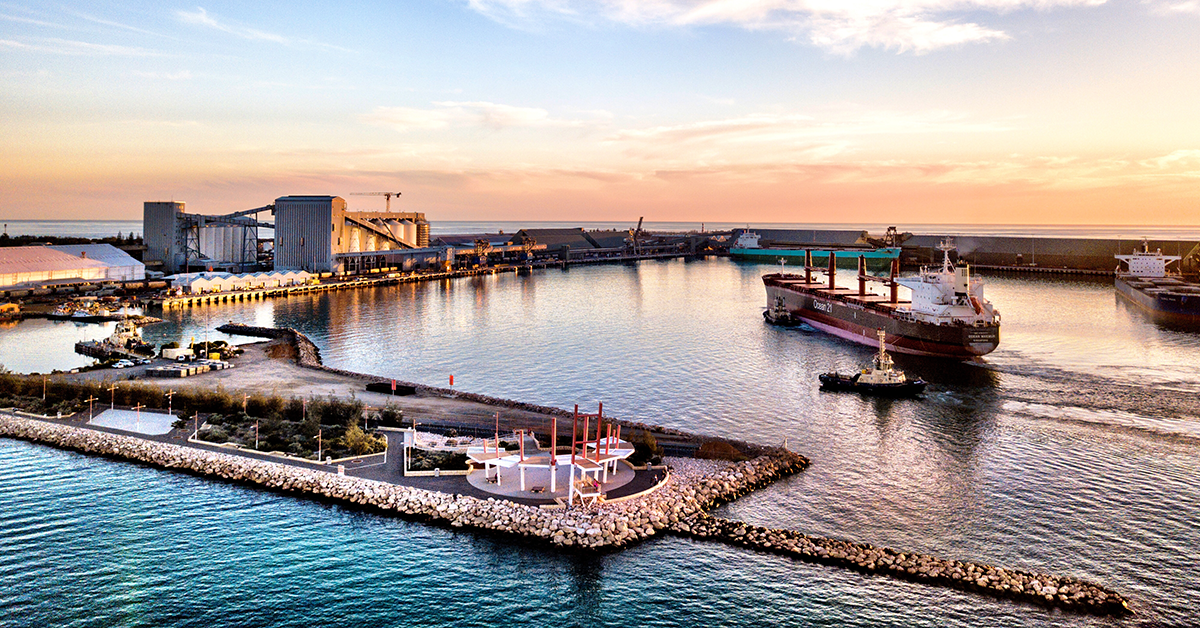
Catchment rehab supports healthier SEQ waterways
What happened
Port of Brisbane completed the fifth stage of Laidley Creek restoration that the port says prevents a substantial annual volume of sediment entering regional waterways. The project included stabilising a kilometre of degraded creek bank, planting native species, and ongoing maintenance funded by the port, which creates a measurable reduction in dredge-sourced sediment to the navigation channel. Watch whether monitoring data sustains reduced dredging needs and how that changes maintenance tender timing
Buyer takeaway
Treat measurable sediment reduction as an operable change to channel maintenance planning because it directly affects dredging frequency and cost exposure
Cost / money
Directional reduction in dredging-related spending is possible given the reported sediment prevention, affecting upcoming maintenance tender sizing
Supplier / commercial
Maintenance contractors may push for revised scopes or shorter mobilisation notice if dredging windows compress; contract terms should preserve buyer approval on pass-throughs
Safety / operations
Less sediment entering the channel improves navigational stability and reduces execution risk during dredge operations and transit
What to watch
Verify monitoring data and cross-check with internal hydrographic surveys before repricing or deferring dredge tenders; report is source-grounded but operational change requires validation
Key facts
- Prevents an average 20,000 tonnes of sediment entering regional waterways each year
- Rehabilitated 3.8km of degraded creek beds across the program
- Port-backed investment of around $6.4m since 2016
Source excerpts
" Research and monitoring undertaken by PBPL and its partners showed that up to 80% of the sediment depositing in the Port’s navigation channel at the mouth of the Brisbane River originated from degraded creek banks in the Lockyer Valley, some 100km upstream of the port
Image: Port of Brisbane Posted by Daily Cargo News | 4 June, 2026 AN AVERAGE 20,000 tonnes of sediment a year is being prevented from entering Southeast Queensland waterways after the completion of a fifth stage of creek restoration works in the Lockyer Valley by Port of Brisbane and Healthy Land & Water
4m in catchment management projects across SEQ – supporting the rehabilitation of more than 4. 3km of degraded waterways and preventing thousands of tonnes of sediment entering rivers each year, benefiting regional waterways, the Brisbane River and the port’s shipping channel