Operations & Maintenance Services · Australia (Perth)

Shift O&M Sourcing Toward Real‑Time Monitoring and Regional Rig Demand

Published Jun 5, 2026, 6:04 AM AWSTAPACFull category signal
Ask AI
New partnership targets subsea monitoring for floating wind and oil & gas

In 60 seconds

Top move

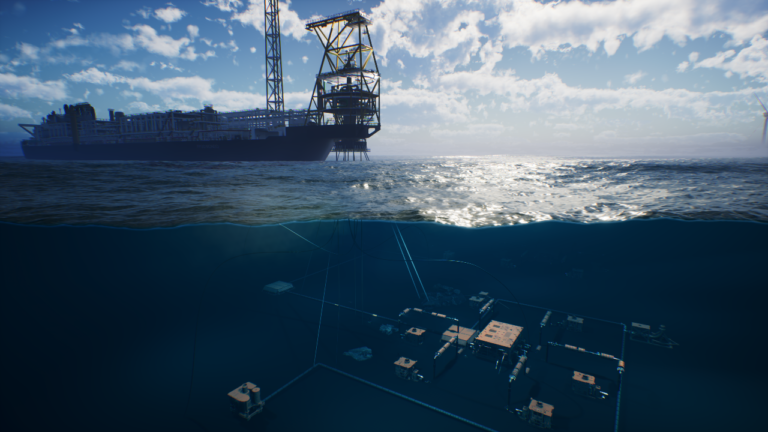
A Sonardyne–AMOG MoU advances near‑real‑time subsea mooring and pipeline monitoring; this creates an entry point to shift from calendar‑based inspections to condition‑based interventions that affect scopes and uptime clauses

Key takeaways

  • A Sonardyne–AMOG MoU advances near‑real‑time subsea mooring and pipeline monitoring; this creates an entry point to shift from calendar‑based inspections to condition‑based interventions that affect scopes and uptime clauses.[1]
  • Velesto’s awarded jack‑up drilling campaign in Southeast Asia raises regional demand for rig support, crews and associated logistics — expect tighter mobilization windows and stronger supplier pricing posture for nearby O&M and marine services.[3]
  • MODEC and Eld’s MOU targets a 1.2 MW carbon‑capture enabled FPSO power system with onshore testing planned as a multi‑year demonstration; this is an early technical signal that FPSO power procurement may need new technical and contractual clauses.[2]
  • The subsea monitoring work is already scoped for a European floating wind project, showing the tech is moving from pilot to near‑operational trials — integration and data‑ownership are the practical sticking points buyers will face.[1]
  • The Velesto award includes both infill and exploration wells, meaning support demand is sustained across campaign stages rather than a one‑off package; mobilization, standby rates and spare parts exposure deserve review in affected contracts.[3]

What changed since last run

  • New, concrete technology partnership: Sonardyne and AMOG MoU for near‑real‑time subsea monitoring introduces an immediate procurement path for condition‑based integrity services (Article 1).
  • New rig contract: Velesto secured a Southeast Asia multi‑well jack‑up campaign, creating short‑term regional demand for drilling support and logistics not present in the prior brief (Article 2).
  • Early decarbonization tech signal: MODEC and Eld signed an MOU on carbon‑capture enabled FPSO power systems, adding a long‑lead equipment category to monitor (Article 10).

Key facts

  • MoU signed between Sonardyne and AMOG
  • Near‑real‑time mooring monitoring scoped for a European floating wind project
  • Focus on moorings, pipelines and risers integration with engineering analytics
  • Contract award for the NAGA 6 jack‑up rig
  • Firm scope includes infill wells and exploration wells
  • Campaign located offshore Thailand with regional mobilisation implications

Why it matters

A Sonardyne–AMOG MoU advances near‑real‑time subsea mooring and pipeline monitoring; this creates an entry point to shift from calendar‑based inspections to condition‑based interventions that affect scopes and uptime clauses. Velesto’s awarded jack‑up drilling campaign in Southeast Asia raises regional demand for rig support, crews and associated logistics — expect tighter mobilization windows and stronger supplier pricing posture for nearby O&M and marine services. MODEC and Eld’s MOU targets a 1.2 MW carbon‑capture enabled FPSO power system with onshore testing planned as a multi‑year demonstration; this is an early technical signal that FPSO power procurement may need new technical and contractual clauses. The subsea monitoring work is already scoped for a European floating wind project, showing the tech is moving from pilot to near‑operational trials — integration and data‑ownership are the practical sticking points buyers will face

Cost / money

  • Condition‑based subsea monitoring can lower reactive intervention costs over time but will introduce up‑front integration and data‑management expenses that may be passed through or capitalised.[1]
  • Regional drilling campaigns increase short‑term pressure on mobilization rates, vessel charters and spare part pass‑throughs — buyers should expect reduced pricing flexibility for overlapping APAC programs.[3]

Supplier / commercial

  • Vendors offering integrated sensor + analytics solutions (the Sonardyne–AMOG model) can move from spot suppliers to preferred partners if pilots succeed; consider pilot‑to‑LTA commercial pathways now.[1]
  • Rig owners and associated service suppliers gain leverage during active campaigns; anticipate shorter quote validity, more conditional pricing and the need to lock mobilisation windows contractually.[3]

Safety / operations

  • Near‑real‑time mooring and riser monitoring improves operational visibility and can reduce safety risk from undetected mooring degradation — but only if data is integrated into operational decision flows and SLAs.[1]
  • A denser drilling cadence compresses readiness checks and crew turnover windows, raising supervision, competence verification, and inspection SLA demands before task sign‑off.[3]

What to watch

  • MODEC/Eld MOU is an early signal — technical specs, certification paths and actual field readiness are uncertain; do not assume supply maturity before onshore testing completes.[2]
  • Confirm Velesto campaign start dates and crew availability rather than assuming fixed timelines; schedule slips or labour issues can materially change mobilisation costs and supplier availability.[3]

Top stories

Story 1Offshore EnergyJun 4, 2026

New partnership targets subsea monitoring for floating wind and oil & gas

Signal moderateSource-grounded

What happened

Sonardyne and AMOG signed a memorandum of understanding to combine underwater monitoring, positioning and engineering analytics for moorings, pipelines and risers. They are already developing a near‑real‑time mooring monitoring system for a European floating wind project, showing the technology is moving toward operational trials. Watch whether pilots move to paid production work and how data ownership and integration responsibilities are defined

Buyer takeaway

Treat this as a practical route to reduce reactive interventions by buying pilots that define integration, data ownership and SLA terms up front

Cost / money

Up‑front integration and analytics work will create initial cost lines (integration, data management) that could be capitalised or passed through; plan how these are contracted

Supplier / commercial

Vendors offering combined sensor + analytics stacks can be moved toward preferred‑supplier status through staged pilots and SOWs; consider pilot‑to‑LTA pathways

Safety / operations

Near‑real‑time monitoring can reduce undetected mooring/riser failures and lower inspection frequency if integrated into operations and emergency response procedures

What to watch

Confirm who owns and hosts the monitoring data and who is responsible for analytics‑driven intervention decisions; these are common negotiation points

Key facts

  • MoU signed between Sonardyne and AMOG
  • Near‑real‑time mooring monitoring scoped for a European floating wind project
  • Focus on moorings, pipelines and risers integration with engineering analytics

Source excerpts

According to Sonardyne, the companies are already working on a near-real-time mooring monitoring system for a European floating offshore wind project
According to Sonardyne, the companies are already working on a near-real-time mooring monitoring system for a European floating offshore wind project. “By integrating on-demand and long‑term monitoring data from subsea environments with engineering models and analytics, there’s an opportunity to provide a more complete picture of asset performance—whether supporting day‑to‑day operations, integrity assurance or life‑extension strategies,” said Frank Rose, Business Development Manager at Sonardyne
Home Fossil Energy New partnership targets subsea monitoring for floating wind and oil & gas June 4, 2026, by Underwater technology specialist Sonardyne and advanced engineering company AMOG have signed a memorandum of understanding (MoU) to provide a complete subsea asset monitoring service to offshore energy infrastructure operators
Story 2Offshore EnergyJun 4, 2026

Velesto’s 2014-built rig takes on multi-well drilling campaign in Southeast Asia

Signal strongSource-grounded

What happened

Velesto Sumber won a contract to deploy its NAGA 6 jack‑up rig for a Southeast Asia drilling campaign covering infill and exploration wells. The award includes a firm scope of multiple infill wells and exploration wells, indicating a sustained campaign rather than a single job. Watch for mobilisation timing, crew rotation plans and local logistical constraints that influence associated O&M and marine support demand

Buyer takeaway

Expect stronger supplier leverage during active drilling campaigns; lock mobilisation windows and clarify standby and pass‑through obligations in contracts

Cost / money

Campaigns like this typically increase mobilisation premiums, vessel charter costs and spare‑parts exposure, squeezing short‑term buyer pricing flexibility

Supplier / commercial

Rig owners and associated service suppliers may shorten quote validity and add conditional pricing; require clear mobilisation and cancellation terms

Safety / operations

Denser drill schedules compress readiness and crew turnover windows; increase supervision and verification of competence for safety‑critical tasks

What to watch

Verify start dates and crew retention plans before finalising related O&M mobilisations to avoid premium replacements or schedule slippage

Key facts

  • Contract award for the NAGA 6 jack‑up rig
  • Firm scope includes infill wells and exploration wells
  • Campaign located offshore Thailand with regional mobilisation implications

Source excerpts

Home Fossil Energy Velesto’s 2014-built rig takes on multi-well drilling campaign in Southeast Asia June 4, 2026, by Velesto Sumber, a wholly-owned subsidiary of Malaysia’s Velesto Energy, has won a new drilling assignment for a 12-year-old premium jack-up rig off the coast of Thailand, Southeast Asia. NAGA 6 jack-up rig; Source: Velesto Velesto Energy’s subsidiary, Velesto Sumber, has secured a contract award from Northern Gulf Petroleum (NGP) for the provision of a jack-up drilling rig and associated services
This deal, which will see the rig owner provide the 2014-built NAGA 6 jack-up for a drilling campaign in the Gulf of Thailand, comes with a firm work scope of four infill wells and three exploration wells
Velesto claims that the award reflects its continued focus on maintaining reliable rig operations across its offshore drilling campaigns
Story 3Offshore EnergyJun 4, 2026

MODEC and Eld embark on next-gen carbon capture-enabled FPSO power system

Signal limitedDirectional

What happened

MODEC and Eld Energy signed an MOU to develop a 1.2 MW carbon‑capture enabled power system for FPSOs, building on earlier small‑scale SOFC collaborations. The initiative targets onshore testing followed by long‑term demonstration, signalling a multi‑year tech maturation path rather than immediate field supply changes. Buyers should monitor certification and testing milestones and avoid assuming immediate supplier availability

Buyer takeaway

This is an early technical signal to start assessing how low‑emission power and carbon capture options fit FPSO concept and certification timelines

Cost / money

If adopted, these systems will affect capital and O&M profiles for FPSOs, but current evidence is early and cost impacts remain uncertain until testing data is available

Supplier / commercial

Early movers (vendors validating SOFC + capture) can command integration‑phase premiums; buyers should seek visibility into certification and testing roadmaps

Safety / operations

New power and capture tech will add operational complexity and may require new maintenance competencies and spares strategies

What to watch

The MOU is exploratory: technical specs, certification and demonstration outcomes will determine practical procurement steps — treat as early‑signal

Key facts

  • MOU between MODEC and Eld Energy for a 1.2 MW power system
  • Targets onshore testing followed by long‑term demonstration
  • Builds on prior SOFC work scaling from small kW pilots

Source excerpts

FPSO illustration; Source: MODEC MODEC and Eld Energy have signed a memorandum of understanding (MOU) to develop a 1
Home Fossil Energy MODEC and Eld embark on next-gen carbon capture-enabled FPSO power system June 4, 2026, by Japan’s MODEC and Eld Energy, a Norwegian fuel cell system company, are pooling resources to bring a 1. 2 MW carbon capture power system to life to roll out zero-emission floating production, storage, and offloading (FPSO) units
FPSO illustration; Source: MODEC MODEC and Eld Energy have signed a memorandum of understanding (MOU) to develop a 1. 2 MW power system integrated with carbon capture for application on FPSOs

VP Snapshot

Executive Risk & Action View

A Sonardyne–AMOG MoU advances near‑real‑time subsea mooring and pipeline monitoring; this creates an entry point to shift from calendar‑based inspections to condition‑based interventions that affect scopes and uptime clauses.

Overall
59
Cost
61
Supply
79
Schedule
20
Compliance
15

Top signals

30-180dcost

Signal 1: Cost / money

Condition‑based subsea monitoring can lower reactive intervention costs over time but will introduce up‑front integration and data‑management expenses that may be passed through or capitalised.

Signal 2: Cost / money

Regional drilling campaigns increase short‑term pressure on mobilization rates, vessel charters and spare part pass‑throughs — buyers should expect reduced pricing flexibility for overlapping APAC programs.

30-180dcommercial

Signal 3: Supplier / commercial

Vendors offering integrated sensor + analytics solutions (the Sonardyne–AMOG model) can move from spot suppliers to preferred partners if pilots succeed; consider pilot‑to‑LTA commercial pathways now.

Signal 4: Supplier / commercial

Rig owners and associated service suppliers gain leverage during active campaigns; anticipate shorter quote validity, more conditional pricing and the need to lock mobilisation windows contractually.

30-180dsupplier

Signal 5: Safety / operations

Near‑real‑time mooring and riser monitoring improves operational visibility and can reduce safety risk from undetected mooring degradation — but only if data is integrated into operational decision flows and SLAs.

30-180dsupply

Signal 6: Safety / operations

A denser drilling cadence compresses readiness checks and crew turnover windows, raising supervision, competence verification, and inspection SLA demands before task sign‑off.

Recommended actions

OpsDue 3d

Map upcoming APAC maintenance windows against the Velesto drilling campaign and flag any overlapping mobilisation, vessel or crew requirements.

Updated conflict matrix showing at‑risk jobs and candidates for schedule or supplier adjustments.

CategoryDue 3d

Ask two shortlisted subsea monitoring vendors for capability briefs and a one‑page integration checklist for mooring/riser systems.

Vendor capability briefs and an integration risk checklist to inform pilot scoping.

ContractsDue 21d

Instruct Contracts to draft clause language covering data ownership, analytics integration responsibilities, and pass‑through cost treatment for installed subsea monitoring equi...

Clause pack ready for inclusion in upcoming monitoring or integrity RFPs.

CategoryDue 21d

Run a supplier‑panel check with rig owners and marine logistics providers to confirm mobilisation lead times, conditional quote practices and standby rate drivers for SE Asia.

Supplier lead‑time matrix and negotiation levers documented for upcoming tenders.

OpsDue 60d

Include low‑emission and carbon‑capture enabled power options in long‑lead procurement planning for FPSO power systems and validate certification pathways with engineering and t...

Recommendation on inclusion of carbon‑capture enabled options in capex pipelines and an initial supplier shortlist.

Risk register

RiskTriggerMitigation
MODEC/Eld MOU is an early signal — technical specs, certification paths and actual field readiness are uncertain; do not assume supply maturity before onshore testing completes.MODEC/Eld MOU is an early signal — technical specs, certification paths and actual field readiness are uncertain; do not assume supply maturity before onshore testing completes.Confirm exposure with category, contracts, and operations before the next supplier commitment.
Confirm Velesto campaign start dates and crew availability rather than assuming fixed timelines; schedule slips or labour issues can materially change mobilisation costs and supplier availability.Confirm Velesto campaign start dates and crew availability rather than assuming fixed timelines; schedule slips or labour issues can materially change mobilisation costs and supplier availability.Confirm exposure with category, contracts, and operations before the next supplier commitment.

CM Snapshot

Category Manager Decision Detail

Today's priorities

Map upcoming APAC maintenance windows against the Velesto drilling campaign and flag any overlapping mobilisation, vessel or crew requirements.

Do this because the Velesto award increases regional demand for rigs and support services and overlapping schedules can create mobilisation conflicts and premium pass‑throughs.

Due 3d

high

CM move

Use this as the immediate supplier or contract action to move before the next sourcing gate.

Ask two shortlisted subsea monitoring vendors for capability briefs and a one‑page integration checklist for mooring/riser systems.

Do this because Sonardyne and AMOG are already piloting near‑real‑time monitoring and early technical checks preserve buyer leverage and clarify integration cost drivers.

Due 3d

high

CM move

Use this as the immediate supplier or contract action to move before the next sourcing gate.

Instruct Contracts to draft clause language covering data ownership, analytics integration responsibilities, and pass‑through cost treatment for installed subsea monitoring equi...

Do this because integrating monitoring hardware with engineering analytics creates new IP and cost pass‑through risks that must be contractually allocated before pilots move to...

Due 21d

high

CM move

Use this as the immediate supplier or contract action to move before the next sourcing gate.

Run a supplier‑panel check with rig owners and marine logistics providers to confirm mobilisation lead times, conditional quote practices and standby rate drivers for SE Asia.

Do this because the Velesto multi‑well award tightens availability and suppliers may shorten quote windows or add conditional pricing that erodes buyer options.

Due 21d

high

CM move

Use this as the immediate supplier or contract action to move before the next sourcing gate.

Supplier radar

Offshore Energy

high

Observed supplier signal

Vendors offering integrated sensor + analytics solutions (the Sonardyne–AMOG model) can move from spot suppliers to preferred partners if pilots succeed; consider pilot‑to‑LTA commercial pathways now.

Commercial implication

Vendors offering integrated sensor + analytics solutions (the Sonardyne–AMOG model) can move from spot suppliers to preferred partners if pilots succeed; consider pilot‑to‑LTA commercial pathways now.

Next step: Validate the source-backed signal with incumbents and alternates before the next award or pricing decision.

Offshore Energy

high

Observed supplier signal

Rig owners and associated service suppliers gain leverage during active campaigns; anticipate shorter quote validity, more conditional pricing and the need to lock mobilisation windows contractually.

Commercial implication

Rig owners and associated service suppliers gain leverage during active campaigns; anticipate shorter quote validity, more conditional pricing and the need to lock mobilisation windows contractually.

Next step: Validate the source-backed signal with incumbents and alternates before the next award or pricing decision.

Negotiation levers

Map upcoming APAC maintenance windows against the Velesto drilling campaign and flag any overlapping mobilisation, vessel or crew requirements.

When to use: Do this because the Velesto award increases regional demand for rigs and support services and overlapping schedules can create mobilisation conflicts and premium pass‑throughs.

Expected outcome: Updated conflict matrix showing at‑risk jobs and candidates for schedule or supplier adjustments.

Commercial mechanism to carry into the next supplier conversation

Ask two shortlisted subsea monitoring vendors for capability briefs and a one‑page integration checklist for mooring/riser systems.

When to use: Do this because Sonardyne and AMOG are already piloting near‑real‑time monitoring and early technical checks preserve buyer leverage and clarify integration cost drivers.

Expected outcome: Vendor capability briefs and an integration risk checklist to inform pilot scoping.

Commercial mechanism to carry into the next supplier conversation

Instruct Contracts to draft clause language covering data ownership, analytics integration responsibilities, and pass‑through cost treatment for installed subsea monitoring equi...

When to use: Do this because integrating monitoring hardware with engineering analytics creates new IP and cost pass‑through risks that must be contractually allocated before pilots move to...

Expected outcome: Clause pack ready for inclusion in upcoming monitoring or integrity RFPs.

Commercial mechanism to carry into the next supplier conversation

Run a supplier‑panel check with rig owners and marine logistics providers to confirm mobilisation lead times, conditional quote practices and standby rate drivers for SE Asia.

When to use: Do this because the Velesto multi‑well award tightens availability and suppliers may shorten quote windows or add conditional pricing that erodes buyer options.

Expected outcome: Supplier lead‑time matrix and negotiation levers documented for upcoming tenders.

Commercial mechanism to carry into the next supplier conversation

Talking points

A Sonardyne–AMOG MoU advances near‑real‑time subsea mooring and pipeline monitoring; this creates an entry point to shift from calendar‑based inspections to condition‑based interventions that affect scopes and uptime clauses.
Velesto’s awarded jack‑up drilling campaign in Southeast Asia raises regional demand for rig support, crews and associated logistics — expect tighter mobilization windows and stronger supplier pricing posture for nearby O&M and marine services.
MODEC and Eld’s MOU targets a 1.2 MW carbon‑capture enabled FPSO power system with onshore testing planned as a multi‑year demonstration; this is an early technical signal that FPSO power procurement may need new technical and contractual clauses.
The subsea monitoring work is already scoped for a European floating wind project, showing the tech is moving from pilot to near‑operational trials — integration and data‑ownership are the practical sticking points buyers will face.

Supplier radar

SupplierSignalImplicationNext stepConfidence
Offshore EnergyVendors offering integrated sensor + analytics solutions (the Sonardyne–AMOG model) can move from spot suppliers to preferred partners if pilots succeed; consider pilot‑to‑LTA commercial pathways now.Vendors offering integrated sensor + analytics solutions (the Sonardyne–AMOG model) can move from spot suppliers to preferred partners if pilots succeed; consider pilot‑to‑LTA commercial pathways now.Validate the source-backed signal with incumbents and alternates before the next award or pricing decision.high
Offshore EnergyRig owners and associated service suppliers gain leverage during active campaigns; anticipate shorter quote validity, more conditional pricing and the need to lock mobilisation windows contractually.Rig owners and associated service suppliers gain leverage during active campaigns; anticipate shorter quote validity, more conditional pricing and the need to lock mobilisation windows contractually.Validate the source-backed signal with incumbents and alternates before the next award or pricing decision.high

Negotiation levers

  • Map upcoming APAC maintenance windows against the Velesto drilling campaign and flag any overlapping mobilisation, vessel or crew requirements.Do this because the Velesto award increases regional demand for rigs and support services and overlapping schedules can create mobilisation conflicts and premium pass‑throughs.Updated conflict matrix showing at‑risk jobs and candidates for schedule or supplier adjustments.

    high confidence

  • Ask two shortlisted subsea monitoring vendors for capability briefs and a one‑page integration checklist for mooring/riser systems.Do this because Sonardyne and AMOG are already piloting near‑real‑time monitoring and early technical checks preserve buyer leverage and clarify integration cost drivers.Vendor capability briefs and an integration risk checklist to inform pilot scoping.

    high confidence

  • Instruct Contracts to draft clause language covering data ownership, analytics integration responsibilities, and pass‑through cost treatment for installed subsea monitoring equi...Do this because integrating monitoring hardware with engineering analytics creates new IP and cost pass‑through risks that must be contractually allocated before pilots move to...Clause pack ready for inclusion in upcoming monitoring or integrity RFPs.

    high confidence

  • Run a supplier‑panel check with rig owners and marine logistics providers to confirm mobilisation lead times, conditional quote practices and standby rate drivers for SE Asia.Do this because the Velesto multi‑well award tightens availability and suppliers may shorten quote windows or add conditional pricing that erodes buyer options.Supplier lead‑time matrix and negotiation levers documented for upcoming tenders.

    high confidence

What to do / What to watch

What to do now

  • Map upcoming APAC maintenance windows against the Velesto drilling campaign and flag any overlapping mobilisation, vessel or crew requirements.

    Why: Do this because the Velesto award increases regional demand for rigs and support services and overlapping schedules can create mobilisation conflicts and premium pass‑throughs.

    Owner: Ops

    Expected outcome: Updated conflict matrix showing at‑risk jobs and candidates for schedule or supplier adjustments.

    [3]
  • Ask two shortlisted subsea monitoring vendors for capability briefs and a one‑page integration checklist for mooring/riser systems.

    Why: Do this because Sonardyne and AMOG are already piloting near‑real‑time monitoring and early technical checks preserve buyer leverage and clarify integration cost drivers.

    Owner: Category

    Expected outcome: Vendor capability briefs and an integration risk checklist to inform pilot scoping.

    [1]

Next few weeks

  • Instruct Contracts to draft clause language covering data ownership, analytics integration responsibilities, and pass‑through cost treatment for installed subsea monitoring equi...

    Why: Do this because integrating monitoring hardware with engineering analytics creates new IP and cost pass‑through risks that must be contractually allocated before pilots move to...

    Owner: Contracts

    Expected outcome: Clause pack ready for inclusion in upcoming monitoring or integrity RFPs.

    [1]
  • Run a supplier‑panel check with rig owners and marine logistics providers to confirm mobilisation lead times, conditional quote practices and standby rate drivers for SE Asia.

    Why: Do this because the Velesto multi‑well award tightens availability and suppliers may shorten quote windows or add conditional pricing that erodes buyer options.

    Owner: Category

    Expected outcome: Supplier lead‑time matrix and negotiation levers documented for upcoming tenders.

    [3]

Longer view

  • Include low‑emission and carbon‑capture enabled power options in long‑lead procurement planning for FPSO power systems and validate certification pathways with engineering and t...

    Why: Do this because the MODEC–Eld MOU signals a future procurement category shift for FPSO power systems and early specification work preserves fit and sourcing timelines.

    Owner: Ops

    Expected outcome: Recommendation on inclusion of carbon‑capture enabled options in capex pipelines and an initial supplier shortlist.

    [2]

What to watch

  • MODEC/Eld MOU is an early signal — technical specs, certification paths and actual field readiness are uncertain; do not assume supply maturity before onshore testing completes
  • Confirm Velesto campaign start dates and crew availability rather than assuming fixed timelines; schedule slips or labour issues can materially change mobilisation costs and supplier availability
  • MODEC/Eld MOU is an early signal — technical specs, certification paths and actual field readiness are uncertain; do not assume supply maturity before onshore testing completes.: MODEC/Eld MOU is an early signal — technical specs, certification paths and actual field readiness are uncertain; do not assume supply maturity before onshore testing completes
  • Confirm Velesto campaign start dates and crew availability rather than assuming fixed timelines; schedule slips or labour issues can materially change mobilisation costs and supplier availability.: Confirm Velesto campaign start dates and crew availability rather than assuming fixed timelines; schedule slips or labour issues can materially change mobilisation costs and supplier availability
  • A Sonardyne–AMOG MoU advances near‑real‑time subsea mooring and pipeline monitoring; this creates an entry point to shift from calendar‑based inspections to condition‑based interventions that affect scopes and uptime clauses
  • Velesto’s awarded jack‑up drilling campaign in Southeast Asia raises regional demand for rig support, crews and associated logistics — expect tighter mobilization windows and stronger supplier pricing posture for nearby O&M and marine services
  • MODEC and Eld’s MOU targets a 1.2 MW carbon‑capture enabled FPSO power system with onshore testing planned as a multi‑year demonstration; this is an early technical signal that FPSO power procurement may need new technical and contractual clauses
  • The subsea monitoring work is already scoped for a European floating wind project, showing the tech is moving from pilot to near‑operational trials — integration and data‑ownership are the practical sticking points buyers will face

Market pulse

IndexLatestChangeAs of
WTI Crude (WTI)71.23 /bbl+0.00 (+0.00%)Jun 4, 2026, 10:06 PM
Brent Crude (BRENT)74.89 /bbl+0.00 (+0.00%)Jun 4, 2026, 10:06 PM
Natural Gas (NG)3.12 /MMBtu+0.00 (+0.00%)Jun 4, 2026, 10:06 PM
Johnson Controls (JCI)65 +0.00 (+0.00%)Jun 4, 2026, 10:06 PM
  • WTI Crude: Fuel and charter costs influence vessel and helicopter mobilisation and will affect short‑term O&M pass‑throughs and standby rates
  • Johnson Controls: Use as a proxy for supplier market movement in building and facilities O&M where integrated controls and low‑emission solutions are relevant

Sources

Inline citations jump here. Expand a source to read the excerpt, the AI interpretation, and the original link.

[1] New partnership targets subsea monitoring for floating wind and oil & gas

offshore-energy.biz · Jun 4, 2026

Expand

AI reading

Sonardyne and AMOG signed a memorandum of understanding to combine underwater monitoring, positioning and engineering analytics for moorings, pipelines and risers. They are already developing a near‑real‑time mooring monitoring system for a European floating wind project, showing the technology is moving toward operational trials. Watch whether pilots move to paid production work and how data ownership and integration responsibilities are defined

Buyer takeaway

Treat this as a practical route to reduce reactive interventions by buying pilots that define integration, data ownership and SLA terms up front

Cost / money

Up‑front integration and analytics work will create initial cost lines (integration, data management) that could be capitalised or passed through; plan how these are contracted

Supplier / commercial

Vendors offering combined sensor + analytics stacks can be moved toward preferred‑supplier status through staged pilots and SOWs; consider pilot‑to‑LTA pathways

Safety / operations

Near‑real‑time monitoring can reduce undetected mooring/riser failures and lower inspection frequency if integrated into operations and emergency response procedures

What to watch

Confirm who owns and hosts the monitoring data and who is responsible for analytics‑driven intervention decisions; these are common negotiation points

Key facts

  • MoU signed between Sonardyne and AMOG
  • Near‑real‑time mooring monitoring scoped for a European floating wind project
  • Focus on moorings, pipelines and risers integration with engineering analytics

Source excerpts

According to Sonardyne, the companies are already working on a near-real-time mooring monitoring system for a European floating offshore wind project
According to Sonardyne, the companies are already working on a near-real-time mooring monitoring system for a European floating offshore wind project. “By integrating on-demand and long‑term monitoring data from subsea environments with engineering models and analytics, there’s an opportunity to provide a more complete picture of asset performance—whether supporting day‑to‑day operations, integrity assurance or life‑extension strategies,” said Frank Rose, Business Development Manager at Sonardyne
Home Fossil Energy New partnership targets subsea monitoring for floating wind and oil & gas June 4, 2026, by Underwater technology specialist Sonardyne and advanced engineering company AMOG have signed a memorandum of understanding (MoU) to provide a complete subsea asset monitoring service to offshore energy infrastructure operators

Used in this brief

  • A Sonardyne–AMOG MoU advances near‑real‑time subsea mooring and pipeline monitoring; this creates an entry point to shift from calendar‑based inspections to condition‑based interventions that affect scopes and uptime clauses. Velesto’s awarded jack‑up drilling campaign in Southeast Asia raises regional demand for rig support, crews and associated logistics — expect tighter mobilization windows and stronger supplier pricing posture for nearby O&M and marine services. MODEC and Eld’s MOU targets a 1.2 MW carbon‑capture enabled FPSO power system with onshore testing planned as a multi‑year demonstration; this is an early technical signal that FPSO power procurement may need new technical and contractual clauses. The subsea monitoring work is already scoped for a European floating wind project, showing the tech is moving from pilot to near‑operational trials — integration and data‑ownership are the practical sticking points buyers will face
  • Safety / operations: Near‑real‑time mooring and riser monitoring improves operational visibility and can reduce safety risk from undetected mooring degradation — but only if data is integrated into operational decision flows and SLAs
  • Next 72 hours — Ask two shortlisted subsea monitoring vendors for capability briefs and a one‑page integration checklist for mooring/riser systems.. Rationale: Do this because Sonardyne and AMOG are already piloting near‑real‑time monitoring and early technical checks preserve buyer leverage and clarify integration cost drivers.. Owner: Category. KPI: Vendor capability briefs and an integration risk checklist to inform pilot scoping
Open original source

[2] MODEC and Eld embark on next-gen carbon capture-enabled FPSO power system

offshore-energy.biz · Jun 4, 2026

Expand

AI reading

MODEC and Eld Energy signed an MOU to develop a 1.2 MW carbon‑capture enabled power system for FPSOs, building on earlier small‑scale SOFC collaborations. The initiative targets onshore testing followed by long‑term demonstration, signalling a multi‑year tech maturation path rather than immediate field supply changes. Buyers should monitor certification and testing milestones and avoid assuming immediate supplier availability

Buyer takeaway

This is an early technical signal to start assessing how low‑emission power and carbon capture options fit FPSO concept and certification timelines

Cost / money

If adopted, these systems will affect capital and O&M profiles for FPSOs, but current evidence is early and cost impacts remain uncertain until testing data is available

Supplier / commercial

Early movers (vendors validating SOFC + capture) can command integration‑phase premiums; buyers should seek visibility into certification and testing roadmaps

Safety / operations

New power and capture tech will add operational complexity and may require new maintenance competencies and spares strategies

What to watch

The MOU is exploratory: technical specs, certification and demonstration outcomes will determine practical procurement steps — treat as early‑signal

Key facts

  • MOU between MODEC and Eld Energy for a 1.2 MW power system
  • Targets onshore testing followed by long‑term demonstration
  • Builds on prior SOFC work scaling from small kW pilots

Source excerpts

FPSO illustration; Source: MODEC MODEC and Eld Energy have signed a memorandum of understanding (MOU) to develop a 1
Home Fossil Energy MODEC and Eld embark on next-gen carbon capture-enabled FPSO power system June 4, 2026, by Japan’s MODEC and Eld Energy, a Norwegian fuel cell system company, are pooling resources to bring a 1. 2 MW carbon capture power system to life to roll out zero-emission floating production, storage, and offloading (FPSO) units
FPSO illustration; Source: MODEC MODEC and Eld Energy have signed a memorandum of understanding (MOU) to develop a 1. 2 MW power system integrated with carbon capture for application on FPSOs

Used in this brief

  • What to watch: MODEC/Eld MOU is an early signal — technical specs, certification paths and actual field readiness are uncertain; do not assume supply maturity before onshore testing completes
  • Next quarter — Include low‑emission and carbon‑capture enabled power options in long‑lead procurement planning for FPSO power systems and validate certification pathways with engineering and t.... Rationale: Do this because the MODEC–Eld MOU signals a future procurement category shift for FPSO power systems and early specification work preserves fit and sourcing timelines.. Owner: Ops. KPI: Recommendation on inclusion of carbon‑capture enabled options in capex pipelines and an initial supplier shortlist
  • MODEC/Eld MOU is an early signal — technical specs, certification paths and actual field readiness are uncertain; do not assume supply maturity before onshore testing completes
Open original source

[3] Velesto’s 2014-built rig takes on multi-well drilling campaign in Southeast Asia

offshore-energy.biz · Jun 4, 2026

Expand

AI reading

Velesto Sumber won a contract to deploy its NAGA 6 jack‑up rig for a Southeast Asia drilling campaign covering infill and exploration wells. The award includes a firm scope of multiple infill wells and exploration wells, indicating a sustained campaign rather than a single job. Watch for mobilisation timing, crew rotation plans and local logistical constraints that influence associated O&M and marine support demand

Buyer takeaway

Expect stronger supplier leverage during active drilling campaigns; lock mobilisation windows and clarify standby and pass‑through obligations in contracts

Cost / money

Campaigns like this typically increase mobilisation premiums, vessel charter costs and spare‑parts exposure, squeezing short‑term buyer pricing flexibility

Supplier / commercial

Rig owners and associated service suppliers may shorten quote validity and add conditional pricing; require clear mobilisation and cancellation terms

Safety / operations

Denser drill schedules compress readiness and crew turnover windows; increase supervision and verification of competence for safety‑critical tasks

What to watch

Verify start dates and crew retention plans before finalising related O&M mobilisations to avoid premium replacements or schedule slippage

Key facts

  • Contract award for the NAGA 6 jack‑up rig
  • Firm scope includes infill wells and exploration wells
  • Campaign located offshore Thailand with regional mobilisation implications

Source excerpts

Home Fossil Energy Velesto’s 2014-built rig takes on multi-well drilling campaign in Southeast Asia June 4, 2026, by Velesto Sumber, a wholly-owned subsidiary of Malaysia’s Velesto Energy, has won a new drilling assignment for a 12-year-old premium jack-up rig off the coast of Thailand, Southeast Asia. NAGA 6 jack-up rig; Source: Velesto Velesto Energy’s subsidiary, Velesto Sumber, has secured a contract award from Northern Gulf Petroleum (NGP) for the provision of a jack-up drilling rig and associated services
This deal, which will see the rig owner provide the 2014-built NAGA 6 jack-up for a drilling campaign in the Gulf of Thailand, comes with a firm work scope of four infill wells and three exploration wells
Velesto claims that the award reflects its continued focus on maintaining reliable rig operations across its offshore drilling campaigns

Used in this brief

  • Next 72 hours — Map upcoming APAC maintenance windows against the Velesto drilling campaign and flag any overlapping mobilisation, vessel or crew requirements.. Rationale: Do this because the Velesto award increases regional demand for rigs and support services and overlapping schedules can create mobilisation conflicts and premium pass‑throughs.. Owner: Ops. KPI: Updated conflict matrix showing at‑risk jobs and candidates for schedule or supplier adjustments
  • Next 2-4 weeks — Run a supplier‑panel check with rig owners and marine logistics providers to confirm mobilisation lead times, conditional quote practices and standby rate drivers for SE Asia.. Rationale: Do this because the Velesto multi‑well award tightens availability and suppliers may shorten quote windows or add conditional pricing that erodes buyer options.. Owner: Category. KPI: Supplier lead‑time matrix and negotiation levers documented for upcoming tenders
  • Confirm Velesto campaign start dates and crew availability rather than assuming fixed timelines; schedule slips or labour issues can materially change mobilisation costs and supplier availability
Open original source

[4] WTI Crude

finance.yahoo.com · n.d.

Expand

[5] Johnson Controls

finance.yahoo.com · n.d.

Expand