Major Equipment OEM & LTSA · Australia (Perth)

Strengthen LTSA and OEM Contracts for Deterministic Automation

Published Jun 6, 2026, 6:08 AM AWSTAPACFull category signal
Ask AI
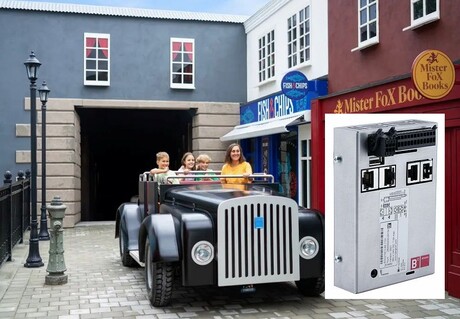
Bringing a board game to life with CODESYS

In 60 seconds

Top move

Deterministic, safety‑separated control projects are showing up in APAC and require certified commissioning evidence and tighter LTSA acceptance gates rather than informal handover notes

Key takeaways

  • Deterministic, safety‑separated control projects are showing up in APAC and require certified commissioning evidence and tighter LTSA acceptance gates rather than informal handover notes.[1]
  • Onsite calibration is operationally recurring for measurement accuracy and maintenance traceability, so calibration should be budgeted as a priced LTSA pass‑through or scheduled service line.[2]
  • Field troubleshooting still depends on experienced engineers, not AI; specify human competence, witnessed commissioning and knowledge transfer in LTSA and support scopes to avoid longer recoveries.[3]
  • Broader factory‑automation product availability widens supplier choice but increases firmware, spare‑parts and lifecycle management needs that must be captured contractually.[4]
  • Most signals come from technical coverage and case studies; operationally real but not a market shock — treat items as procurement defensibility steps rather than immediate emergencies.[1]

What changed since last run

  • Added a deterministic control case study showing dual‑core safety separation and explicit commissioning gates (article 8).
  • Elevated calibration to a recurring LTSA pass‑through risk based on the calibration guide (article 3).
  • Reinforced human troubleshooting and training obligations as a procurement requirement rather than relying on AI tool claims (article 2).

Key facts

  • Dual‑core controller used to separate global coordination from safety functions
  • Multiple subsystems coordinated (turntables, motion platforms, gates)
  • CODESYS programming enabled rapid iteration during commissioning
  • Onsite calibration is common during planned production shutdowns
  • Calibration produces a traceable certificate used for acceptance and maintenance records
  • Calibration across multiple points and documented uncertainty affects instrument validity

Why it matters

Deterministic, safety‑separated control projects are showing up in APAC and require certified commissioning evidence and tighter LTSA acceptance gates rather than informal handover notes. Onsite calibration is operationally recurring for measurement accuracy and maintenance traceability, so calibration should be budgeted as a priced LTSA pass‑through or scheduled service line. Field troubleshooting still depends on experienced engineers, not AI; specify human competence, witnessed commissioning and knowledge transfer in LTSA and support scopes to avoid longer recoveries. Broader factory‑automation product availability widens supplier choice but increases firmware, spare‑parts and lifecycle management needs that must be captured contractually

Cost / money

  • Including certified commissioning acceptance tests and verified safety separation in contracts increases upfront integration and commissioning cost exposure for buyers.[1]
  • Treat scheduled onsite calibration as an ongoing service cost to avoid unpriced outage pass‑throughs during renewals or LTSA execution.[2]
  • Wider availability and mass production of automation products can lower unit prices but shift spend to firmware validation, update testing and spare‑parts stocking over asset life.[4]

Supplier / commercial

  • Suppliers that bundle certified commissioning, safety evidence and commissioning logs will be able to push longer LTSA scopes or bundled commercial terms.[1]
  • New entrants expand competitive options but increase the need for contractual firmware‑support, clear spare lists and documented lifecycle commitments before award.[4]
  • Calibration providers can convert one‑off jobs into recurring LTSA line items by aligning services to outage windows and certification needs.[2]

Safety / operations

  • Deterministic control architectures that separate safety and non‑safety tasks require explicit acceptance tests and certified commissioning steps included in handover and LTSA scopes.[1]
  • Operational safety depends on retained field skills; documented incident response roles and on‑site competence commitments must be part of handover obligations.[3]
  • New sensors, cameras and automation units change routine maintenance and failure modes; operations must validate maintenance procedures and spare handling during commissioning.[4][2]

What to watch

  • Watch suppliers bundling commissioning with extended LTSA terms as a commercial default; without negotiation this reduces buyer leverage.[1]
  • Watch firmware and spare‑parts fragmentation from new product lines — absent lifecycle clauses these will create service and uptime exposure later.[4]
  • Watch vendors overstating AI as a substitute for field expertise; require demonstration of human competence to avoid recovery gaps during incidents.[3]

Top stories

Story 1Processonline

Bringing a board game to life with CODESYS

Signal strongSource-grounded

What happened

A case study described using a dual‑core CODESYS‑based controller to separate global coordination from local safety functions for a safety‑critical amusement ride. The project required certified safety logic and coordinated commissioning across multiple subsystems, making commissioning and acceptance tests operationally necessary. Watch whether suppliers standardise this separation pattern and begin to require bundled commissioning evidence in bids

Buyer takeaway

Treat deterministic control projects as integration‑heavy procurements that require commissioning evidence and packaged LTSA terms

Cost / money

Expect higher upfront integration and commissioning cost exposure if acceptance tests and certified commissioning are not in the base contract

Supplier / commercial

Vendors that demonstrate certified commissioning and coordination capability will command stronger commercial positions and can push bundled LTSA offers

Safety / operations

Operational safety depends on documented separation of safety and non‑safety tasks and verified commissioning; these must be acceptance gates

What to watch

Watch suppliers tying delivery to extended LTSA commitments or to proprietary commissioning procedures that obscure evidence

Key facts

  • Dual‑core controller used to separate global coordination from safety functions
  • Multiple subsystems coordinated (turntables, motion platforms, gates)
  • CODESYS programming enabled rapid iteration during commissioning

Source excerpts

How do you translate a 40-year-old board game into a dynamic, safety-critical amusement ride? For aufwind RIDES, the answer was a control architecture capable of delivering deterministic performance, precise motion control, and certified safety within a highly constrained physical environment
By leveraging the flexibility of a CODESYS-based control environment, aufwind RIDES was able to rapidly iterate and refine ride logic during commissioning
For aufwind RIDES, the answer was a control architecture capable of delivering deterministic performance, precise motion control, and certified safety within a highly constrained physical environment
Story 2Processonline

Calibration explained: principles, processes and modern reporting

Signal moderateSource-grounded

What happened

A calibration guide explained principles and modern reporting, noting onsite calibration is common during planned shutdowns and that calibration certificates provide traceability. The guide makes calibration an operational dependency for measurement accuracy and preventive maintenance, so buyers should expect calibration to be a recurring LTSA or pass‑through service. Watch certificate validity windows and acceptance criteria for rework or replacement

Buyer takeaway

Treat calibration as a recurring operational service with traceability requirements, not a one‑off acceptance checklist

Cost / money

Calibration services should be budgeted into LTSA renewals or priced as scheduled pass‑throughs to avoid surprise costs

Supplier / commercial

Calibration providers can convert site visits into recurring contracts tied to outage schedules and LTSA windows

Safety / operations

Accurate calibration supports safe control actions and preventive maintenance; missing calibration increases production and safety risk

What to watch

Watch calibration uncertainty and certificate validity windows; require clear acceptance criteria for rework or instrument replacement

Key facts

  • Onsite calibration is common during planned production shutdowns
  • Calibration produces a traceable certificate used for acceptance and maintenance records
  • Calibration across multiple points and documented uncertainty affects instrument validity

Source excerpts

What is calibration?
What’s the benefit of the onsite calibration? Onsite calibration is a common practice in industrial environments, particularly during planned production shutdowns when multiple instruments require calibration
What’s the benefit of the onsite calibration?
Story 3Processonline

Why practical skills matter more than ever

Signal moderateDirectional

What happened

An opinion piece argued that AI helps with code snippets and documentation but real plant troubleshooting still relies on experienced engineers who handle messy faults. The practical takeaway is that training, documented handover and skills retention remain procurement requirements when defining LTSA and support scopes. Watch vendors that prioritise AI claims over demonstrable onsite competence

Buyer takeaway

Prioritise contractual obligations for skills transfer, witnessed commissioning and documented incident response over reliance on AI tool claims

Cost / money

Investing in training and shadowing commitments in LTSA may increase short‑term cost but reduces incident recovery exposure

Supplier / commercial

Vendors claiming AI‑enabled support should be asked to prove how human expertise is retained and delivered during incidents

Safety / operations

Human troubleshooting capability is the frontline for safety incidents; operations must own competence validation at handover

What to watch

Watch vendors that overstate AI coverage as a replacement for onsite expertise; require demonstration of human competency

Key facts

  • Engineers use AI for code snippets and documentation support
  • Troubleshooting in crisis situations still relies on human experts
  • AI outputs are probabilistic and need human validation

Source excerpts

AI will be there as a sounding-board, but people and their skills build the national capability
Or the PLC that lies by omission, an intermittent trip that disappears when you watch it
They call the troubleshooting expert
Story 4Processonline

Factory automation :: Process Online

Signal moderateDirectional

What happened

A factory automation topic stream listed multiple new product announcements across sensors, drives, cobots and noted a reported move to mass production for a humanoid robot platform. Operationally, this expands the supplier pool and speeds availability, which raises lifecycle, firmware and spare‑parts management issues for LTSA coverage. Watch for variant proliferation that complicates spare consolidation and firmware compatibility across installed bases

Buyer takeaway

Broader product availability helps bargaining but increases the need for standardised firmware, spares and update pathways in contracts

Cost / money

Lower unit costs from mass production can be offset by lifecycle costs for firmware patches, update validation and spare stocking

Supplier / commercial

New entrants can drive competitive bids but may lack established support networks; prefer suppliers with documented lifecycle plans

Safety / operations

New devices introduce new failure modes and maintenance tasks; include acceptance and maintenance handover in LTSA SOWs

What to watch

Watch proliferation of variants that complicate spare‑parts consolidation and firmware compatibility across installed bases

Key facts

  • Multiple new automation product announcements in APAC (sensors, drives, cobots)
  • Reported move to mass production for a humanoid robot platform
  • Product launches increase the vendor and variant pool buyers must manage

Source excerpts

← Previous 1 2 3 4 5 6 7 8 9 … 116 117 Next →
AI system learns to keep warehouse robot traffic running smoothly 10 April, 2026 MIT's new approach adapts to decide which robots should get the right of way at every moment, avoiding congestion and increasing throughput
Chinese humanoid robot manufacturer opens mass production plant 03 June, 2026 EngineAI’s T800 humanoid robots are beginning to roll off the production line for mass delivery

VP Snapshot

Executive Risk & Action View

Deterministic, safety‑separated control projects are showing up in APAC and require certified commissioning evidence and tighter LTSA acceptance gates rather than informal handover notes.

Overall
54
Cost
79
Supply
25
Schedule
92
Compliance
15

Top signals

30-180dcost

Signal 1: Cost / money

Including certified commissioning acceptance tests and verified safety separation in contracts increases upfront integration and commissioning cost exposure for buyers.

0-30dcost

Signal 2: Cost / money

Treat scheduled onsite calibration as an ongoing service cost to avoid unpriced outage pass‑throughs during renewals or LTSA execution.

Signal 3: Cost / money

Wider availability and mass production of automation products can lower unit prices but shift spend to firmware validation, update testing and spare‑parts stocking over asset life.

180d+schedule

Signal 4: Supplier / commercial

Suppliers that bundle certified commissioning, safety evidence and commissioning logs will be able to push longer LTSA scopes or bundled commercial terms.

30-180dcommercial

Signal 5: Supplier / commercial

New entrants expand competitive options but increase the need for contractual firmware‑support, clear spare lists and documented lifecycle commitments before award.

0-30dcommercial

Signal 6: Supplier / commercial

Calibration providers can convert one‑off jobs into recurring LTSA line items by aligning services to outage windows and certification needs.

Recommended actions

ContractsDue 3d

Run a template sweep of RFx and LTSA documents to add commissioning acceptance tests, calibration scheduling and firmware lifecycle obligations.

RFx and LTSA templates updated with commissioning, calibration and firmware clauses ready for immediate use.

CategoryDue 3d

Flag upcoming procurements referencing deterministic or safety‑critical control and add mandatory evidence requests for commissioning logs and certified safety separation.

Affected RFx include evidence fields and shortlisted suppliers are pre‑notified of evidence requirements.

CategoryDue 21d

Issue evidence requests to shortlisted OEMs for commissioning records, firmware lifecycle plans and spare‑parts lists to compare operational commitments.

Comparable supplier evidence packages support technical scoring and LTSA allocation.

OpsDue 21d

Run a skills and handover review with Ops to capture required troubleshooting competencies and define training or shadowing obligations in LTSA SOWs.

Documented handover checklist and training commitments are ready to include in LTSA SOWs and commissioning plans.

ContractsDue 60d

Update standard LTSA SOWs to include scheduled onsite calibration, commissioning acceptance tests for deterministic control, firmware lifecycle obligations and spare‑parts commi...

Standardised LTSA clauses for calibration, commissioning acceptance, firmware support and spare commitments deployed for new awards.

CategoryDue 60d

Build a supplier selection checklist that elevates vendors offering integrated delivery, certified commissioning, local calibration capability and clear firmware support plans.

Checklist used in RFx evaluations to prioritise suppliers who demonstrably reduce execution and lifecycle risk.

Risk register

RiskTriggerMitigation
Watch suppliers bundling commissioning with extended LTSA terms as a commercial default; without negotiation this reduces buyer leverage.Watch suppliers bundling commissioning with extended LTSA terms as a commercial default; without negotiation this reduces buyer leverage.Confirm exposure with category, contracts, and operations before the next supplier commitment.
Watch firmware and spare‑parts fragmentation from new product lines — absent lifecycle clauses these will create service and uptime exposure later.Watch firmware and spare‑parts fragmentation from new product lines — absent lifecycle clauses these will create service and uptime exposure later.Confirm exposure with category, contracts, and operations before the next supplier commitment.
Watch vendors overstating AI as a substitute for field expertise; require demonstration of human competence to avoid recovery gaps during incidents.Watch vendors overstating AI as a substitute for field expertise; require demonstration of human competence to avoid recovery gaps during incidents.Confirm exposure with category, contracts, and operations before the next supplier commitment.

CM Snapshot

Category Manager Decision Detail

Today's priorities

Run a template sweep of RFx and LTSA documents to add commissioning acceptance tests, calibration scheduling and firmware lifecycle obligations.

because the case study shows deterministic control needs explicit acceptance gates and the calibration guide treats onsite calibration as recurring service.

Due 3d

high

CM move

Use this as the immediate supplier or contract action to move before the next sourcing gate.

Flag upcoming procurements referencing deterministic or safety‑critical control and add mandatory evidence requests for commissioning logs and certified safety separation.

because suppliers that win integrated control work often tie delivery claims to proven commissioning capability and buyers need that evidence before award.

Due 3d

high

CM move

Use this as the immediate supplier or contract action to move before the next sourcing gate.

Issue evidence requests to shortlisted OEMs for commissioning records, firmware lifecycle plans and spare‑parts lists to compare operational commitments.

because new product rollouts expand supplier options but vendor claims vary; verified evidence narrows commercial and operational risk.

Due 21d

high

CM move

Use this as the immediate supplier or contract action to move before the next sourcing gate.

Run a skills and handover review with Ops to capture required troubleshooting competencies and define training or shadowing obligations in LTSA SOWs.

because practical field skills remain primary incident response capability and must be contractually transferred or assured post‑handover.

Due 21d

high

CM move

Use this as the immediate supplier or contract action to move before the next sourcing gate.

Supplier radar

Processonline

high

Observed supplier signal

Suppliers that bundle certified commissioning, safety evidence and commissioning logs will be able to push longer LTSA scopes or bundled commercial terms.

Commercial implication

Suppliers that bundle certified commissioning, safety evidence and commissioning logs will be able to push longer LTSA scopes or bundled commercial terms.

Next step: Validate the source-backed signal with incumbents and alternates before the next award or pricing decision.

Processonline

high

Observed supplier signal

New entrants expand competitive options but increase the need for contractual firmware‑support, clear spare lists and documented lifecycle commitments before award.

Commercial implication

New entrants expand competitive options but increase the need for contractual firmware‑support, clear spare lists and documented lifecycle commitments before award.

Next step: Validate the source-backed signal with incumbents and alternates before the next award or pricing decision.

Processonline

high

Observed supplier signal

Calibration providers can convert one‑off jobs into recurring LTSA line items by aligning services to outage windows and certification needs.

Commercial implication

Calibration providers can convert one‑off jobs into recurring LTSA line items by aligning services to outage windows and certification needs.

Next step: Validate the source-backed signal with incumbents and alternates before the next award or pricing decision.

Negotiation levers

Run a template sweep of RFx and LTSA documents to add commissioning acceptance tests, calibration scheduling and firmware lifecycle obligations.

When to use: because the case study shows deterministic control needs explicit acceptance gates and the calibration guide treats onsite calibration as recurring service.

Expected outcome: RFx and LTSA templates updated with commissioning, calibration and firmware clauses ready for immediate use.

Commercial mechanism to carry into the next supplier conversation

Flag upcoming procurements referencing deterministic or safety‑critical control and add mandatory evidence requests for commissioning logs and certified safety separation.

When to use: because suppliers that win integrated control work often tie delivery claims to proven commissioning capability and buyers need that evidence before award.

Expected outcome: Affected RFx include evidence fields and shortlisted suppliers are pre‑notified of evidence requirements.

Commercial mechanism to carry into the next supplier conversation

Issue evidence requests to shortlisted OEMs for commissioning records, firmware lifecycle plans and spare‑parts lists to compare operational commitments.

When to use: because new product rollouts expand supplier options but vendor claims vary; verified evidence narrows commercial and operational risk.

Expected outcome: Comparable supplier evidence packages support technical scoring and LTSA allocation.

Commercial mechanism to carry into the next supplier conversation

Run a skills and handover review with Ops to capture required troubleshooting competencies and define training or shadowing obligations in LTSA SOWs.

When to use: because practical field skills remain primary incident response capability and must be contractually transferred or assured post‑handover.

Expected outcome: Documented handover checklist and training commitments are ready to include in LTSA SOWs and commissioning plans.

Commercial mechanism to carry into the next supplier conversation

Talking points

Deterministic, safety‑separated control projects are showing up in APAC and require certified commissioning evidence and tighter LTSA acceptance gates rather than informal handover notes.
Onsite calibration is operationally recurring for measurement accuracy and maintenance traceability, so calibration should be budgeted as a priced LTSA pass‑through or scheduled service line.
Field troubleshooting still depends on experienced engineers, not AI; specify human competence, witnessed commissioning and knowledge transfer in LTSA and support scopes to avoid longer recoveries.
Broader factory‑automation product availability widens supplier choice but increases firmware, spare‑parts and lifecycle management needs that must be captured contractually.

Supplier radar

SupplierSignalImplicationNext stepConfidence
ProcessonlineSuppliers that bundle certified commissioning, safety evidence and commissioning logs will be able to push longer LTSA scopes or bundled commercial terms.Suppliers that bundle certified commissioning, safety evidence and commissioning logs will be able to push longer LTSA scopes or bundled commercial terms.Validate the source-backed signal with incumbents and alternates before the next award or pricing decision.high
ProcessonlineNew entrants expand competitive options but increase the need for contractual firmware‑support, clear spare lists and documented lifecycle commitments before award.New entrants expand competitive options but increase the need for contractual firmware‑support, clear spare lists and documented lifecycle commitments before award.Validate the source-backed signal with incumbents and alternates before the next award or pricing decision.high
ProcessonlineCalibration providers can convert one‑off jobs into recurring LTSA line items by aligning services to outage windows and certification needs.Calibration providers can convert one‑off jobs into recurring LTSA line items by aligning services to outage windows and certification needs.Validate the source-backed signal with incumbents and alternates before the next award or pricing decision.high

Negotiation levers

  • Run a template sweep of RFx and LTSA documents to add commissioning acceptance tests, calibration scheduling and firmware lifecycle obligations.because the case study shows deterministic control needs explicit acceptance gates and the calibration guide treats onsite calibration as recurring service.RFx and LTSA templates updated with commissioning, calibration and firmware clauses ready for immediate use.

    high confidence

  • Flag upcoming procurements referencing deterministic or safety‑critical control and add mandatory evidence requests for commissioning logs and certified safety separation.because suppliers that win integrated control work often tie delivery claims to proven commissioning capability and buyers need that evidence before award.Affected RFx include evidence fields and shortlisted suppliers are pre‑notified of evidence requirements.

    high confidence

  • Issue evidence requests to shortlisted OEMs for commissioning records, firmware lifecycle plans and spare‑parts lists to compare operational commitments.because new product rollouts expand supplier options but vendor claims vary; verified evidence narrows commercial and operational risk.Comparable supplier evidence packages support technical scoring and LTSA allocation.

    high confidence

  • Run a skills and handover review with Ops to capture required troubleshooting competencies and define training or shadowing obligations in LTSA SOWs.because practical field skills remain primary incident response capability and must be contractually transferred or assured post‑handover.Documented handover checklist and training commitments are ready to include in LTSA SOWs and commissioning plans.

    high confidence

What to do / What to watch

What to do now

  • Run a template sweep of RFx and LTSA documents to add commissioning acceptance tests, calibration scheduling and firmware lifecycle obligations.

    Why: because the case study shows deterministic control needs explicit acceptance gates and the calibration guide treats onsite calibration as recurring service.

    Owner: Contracts

    Expected outcome: RFx and LTSA templates updated with commissioning, calibration and firmware clauses ready for immediate use.

    [1][2]
  • Flag upcoming procurements referencing deterministic or safety‑critical control and add mandatory evidence requests for commissioning logs and certified safety separation.

    Why: because suppliers that win integrated control work often tie delivery claims to proven commissioning capability and buyers need that evidence before award.

    Owner: Category

    Expected outcome: Affected RFx include evidence fields and shortlisted suppliers are pre‑notified of evidence requirements.

    [1]

Next few weeks

  • Issue evidence requests to shortlisted OEMs for commissioning records, firmware lifecycle plans and spare‑parts lists to compare operational commitments.

    Why: because new product rollouts expand supplier options but vendor claims vary; verified evidence narrows commercial and operational risk.

    Owner: Category

    Expected outcome: Comparable supplier evidence packages support technical scoring and LTSA allocation.

    [4][1]
  • Run a skills and handover review with Ops to capture required troubleshooting competencies and define training or shadowing obligations in LTSA SOWs.

    Why: because practical field skills remain primary incident response capability and must be contractually transferred or assured post‑handover.

    Owner: Ops

    Expected outcome: Documented handover checklist and training commitments are ready to include in LTSA SOWs and commissioning plans.

    [3]

Longer view

  • Update standard LTSA SOWs to include scheduled onsite calibration, commissioning acceptance tests for deterministic control, firmware lifecycle obligations and spare‑parts commi...

    Why: because calibration, deterministic architectures and expanding product variants create ongoing maintenance, firmware and spare‑parts dependencies that must be contractually mana...

    Owner: Contracts

    Expected outcome: Standardised LTSA clauses for calibration, commissioning acceptance, firmware support and spare commitments deployed for new awards.

    [2][1][4]
  • Build a supplier selection checklist that elevates vendors offering integrated delivery, certified commissioning, local calibration capability and clear firmware support plans.

    Why: because suppliers that bundle verified commissioning, safety certification and local calibration reduce coordination risk and mobilisation exposure during operations.

    Owner: Category

    Expected outcome: Checklist used in RFx evaluations to prioritise suppliers who demonstrably reduce execution and lifecycle risk.

    [1][2]

What to watch

  • Watch suppliers bundling commissioning with extended LTSA terms as a commercial default; without negotiation this reduces buyer leverage
  • Watch firmware and spare‑parts fragmentation from new product lines — absent lifecycle clauses these will create service and uptime exposure later
  • Watch vendors overstating AI as a substitute for field expertise; require demonstration of human competence to avoid recovery gaps during incidents
  • Watch suppliers bundling commissioning with extended LTSA terms as a commercial default; without negotiation this reduces buyer leverage.: Watch suppliers bundling commissioning with extended LTSA terms as a commercial default; without negotiation this reduces buyer leverage
  • Watch firmware and spare‑parts fragmentation from new product lines — absent lifecycle clauses these will create service and uptime exposure later.: Watch firmware and spare‑parts fragmentation from new product lines — absent lifecycle clauses these will create service and uptime exposure later
  • Watch vendors overstating AI as a substitute for field expertise; require demonstration of human competence to avoid recovery gaps during incidents.: Watch vendors overstating AI as a substitute for field expertise; require demonstration of human competence to avoid recovery gaps during incidents
  • Deterministic, safety‑separated control projects are showing up in APAC and require certified commissioning evidence and tighter LTSA acceptance gates rather than informal handover notes
  • Onsite calibration is operationally recurring for measurement accuracy and maintenance traceability, so calibration should be budgeted as a priced LTSA pass‑through or scheduled service line

Market pulse

IndexLatestChangeAs of
WTI Crude (WTI)71.23 /bbl+0.00 (+0.00%)Jun 5, 2026, 10:11 PM
Brent Crude (BRENT)74.89 /bbl+0.00 (+0.00%)Jun 5, 2026, 10:11 PM
Natural Gas (NG)3.12 /MMBtu+0.00 (+0.00%)Jun 5, 2026, 10:11 PM
Baker Hughes (BKR)32 +0.00 (+0.00%)Jun 5, 2026, 10:11 PM
GE Vernova (GEV)175 +0.00 (+0.00%)Jun 5, 2026, 10:11 PM
  • Baker Hughes: Baker Hughes activity is a proxy for onsite service and rig‑related OEM demand that affects scheduling and LTSA mobilisation in Australia
  • GE Vernova: GE Vernova and large OEM capital activity influence long‑lead equipment ordering and spare parts availability relevant to LTSA planning

Sources

Inline citations jump here. Expand a source to read the excerpt, the AI interpretation, and the original link.

[1] Bringing a board game to life with CODESYS

processonline.com.au · n.d.

Expand

AI reading

A case study described using a dual‑core CODESYS‑based controller to separate global coordination from local safety functions for a safety‑critical amusement ride. The project required certified safety logic and coordinated commissioning across multiple subsystems, making commissioning and acceptance tests operationally necessary. Watch whether suppliers standardise this separation pattern and begin to require bundled commissioning evidence in bids

Buyer takeaway

Treat deterministic control projects as integration‑heavy procurements that require commissioning evidence and packaged LTSA terms

Cost / money

Expect higher upfront integration and commissioning cost exposure if acceptance tests and certified commissioning are not in the base contract

Supplier / commercial

Vendors that demonstrate certified commissioning and coordination capability will command stronger commercial positions and can push bundled LTSA offers

Safety / operations

Operational safety depends on documented separation of safety and non‑safety tasks and verified commissioning; these must be acceptance gates

What to watch

Watch suppliers tying delivery to extended LTSA commitments or to proprietary commissioning procedures that obscure evidence

Key facts

  • Dual‑core controller used to separate global coordination from safety functions
  • Multiple subsystems coordinated (turntables, motion platforms, gates)
  • CODESYS programming enabled rapid iteration during commissioning

Source excerpts

How do you translate a 40-year-old board game into a dynamic, safety-critical amusement ride? For aufwind RIDES, the answer was a control architecture capable of delivering deterministic performance, precise motion control, and certified safety within a highly constrained physical environment
By leveraging the flexibility of a CODESYS-based control environment, aufwind RIDES was able to rapidly iterate and refine ride logic during commissioning
For aufwind RIDES, the answer was a control architecture capable of delivering deterministic performance, precise motion control, and certified safety within a highly constrained physical environment

Used in this brief

  • Safety / operations: Deterministic control architectures that separate safety and non‑safety tasks require explicit acceptance tests and certified commissioning steps included in handover and LTSA scopes
  • Next 72 hours — Run a template sweep of RFx and LTSA documents to add commissioning acceptance tests, calibration scheduling and firmware lifecycle obligations.. Rationale: because the case study shows deterministic control needs explicit acceptance gates and the calibration guide treats onsite calibration as recurring service.. Owner: Contracts. KPI: RFx and LTSA templates updated with commissioning, calibration and firmware clauses ready for immediate use
  • Next 72 hours — Flag upcoming procurements referencing deterministic or safety‑critical control and add mandatory evidence requests for commissioning logs and certified safety separation.. Rationale: because suppliers that win integrated control work often tie delivery claims to proven commissioning capability and buyers need that evidence before award.. Owner: Category. KPI: Affected RFx include evidence fields and shortlisted suppliers are pre‑notified of evidence requirements
Open original source

[2] Calibration explained: principles, processes and modern reporting

processonline.com.au · n.d.

Expand

AI reading

A calibration guide explained principles and modern reporting, noting onsite calibration is common during planned shutdowns and that calibration certificates provide traceability. The guide makes calibration an operational dependency for measurement accuracy and preventive maintenance, so buyers should expect calibration to be a recurring LTSA or pass‑through service. Watch certificate validity windows and acceptance criteria for rework or replacement

Buyer takeaway

Treat calibration as a recurring operational service with traceability requirements, not a one‑off acceptance checklist

Cost / money

Calibration services should be budgeted into LTSA renewals or priced as scheduled pass‑throughs to avoid surprise costs

Supplier / commercial

Calibration providers can convert site visits into recurring contracts tied to outage schedules and LTSA windows

Safety / operations

Accurate calibration supports safe control actions and preventive maintenance; missing calibration increases production and safety risk

What to watch

Watch calibration uncertainty and certificate validity windows; require clear acceptance criteria for rework or instrument replacement

Key facts

  • Onsite calibration is common during planned production shutdowns
  • Calibration produces a traceable certificate used for acceptance and maintenance records
  • Calibration across multiple points and documented uncertainty affects instrument validity

Source excerpts

What is calibration?
What’s the benefit of the onsite calibration? Onsite calibration is a common practice in industrial environments, particularly during planned production shutdowns when multiple instruments require calibration
What’s the benefit of the onsite calibration?

Used in this brief

  • Deterministic, safety‑separated control projects are showing up in APAC and require certified commissioning evidence and tighter LTSA acceptance gates rather than informal handover notes. Onsite calibration is operationally recurring for measurement accuracy and maintenance traceability, so calibration should be budgeted as a priced LTSA pass‑through or scheduled service line. Field troubleshooting still depends on experienced engineers, not AI; specify human competence, witnessed commissioning and knowledge transfer in LTSA and support scopes to avoid longer recoveries. Broader factory‑automation product availability widens supplier choice but increases firmware, spare‑parts and lifecycle management needs that must be captured contractually
  • Cost / money: Treat scheduled onsite calibration as an ongoing service cost to avoid unpriced outage pass‑throughs during renewals or LTSA execution
  • Supplier / commercial: Calibration providers can convert one‑off jobs into recurring LTSA line items by aligning services to outage windows and certification needs
Open original source

[3] Why practical skills matter more than ever

processonline.com.au · n.d.

Expand

AI reading

An opinion piece argued that AI helps with code snippets and documentation but real plant troubleshooting still relies on experienced engineers who handle messy faults. The practical takeaway is that training, documented handover and skills retention remain procurement requirements when defining LTSA and support scopes. Watch vendors that prioritise AI claims over demonstrable onsite competence

Buyer takeaway

Prioritise contractual obligations for skills transfer, witnessed commissioning and documented incident response over reliance on AI tool claims

Cost / money

Investing in training and shadowing commitments in LTSA may increase short‑term cost but reduces incident recovery exposure

Supplier / commercial

Vendors claiming AI‑enabled support should be asked to prove how human expertise is retained and delivered during incidents

Safety / operations

Human troubleshooting capability is the frontline for safety incidents; operations must own competence validation at handover

What to watch

Watch vendors that overstate AI coverage as a replacement for onsite expertise; require demonstration of human competency

Key facts

  • Engineers use AI for code snippets and documentation support
  • Troubleshooting in crisis situations still relies on human experts
  • AI outputs are probabilistic and need human validation

Source excerpts

AI will be there as a sounding-board, but people and their skills build the national capability
Or the PLC that lies by omission, an intermittent trip that disappears when you watch it
They call the troubleshooting expert

Used in this brief

  • Next 2-4 weeks — Run a skills and handover review with Ops to capture required troubleshooting competencies and define training or shadowing obligations in LTSA SOWs.. Rationale: because practical field skills remain primary incident response capability and must be contractually transferred or assured post‑handover.. Owner: Ops. KPI: Documented handover checklist and training commitments are ready to include in LTSA SOWs and commissioning plans
  • Watch vendors overstating AI as a substitute for field expertise; require demonstration of human competence to avoid recovery gaps during incidents
  • An opinion piece argued that AI helps with code snippets and documentation but real plant troubleshooting still relies on experienced engineers who handle messy faults. The practical takeaway is that training, documented handover and skills retention remain procurement requirements when defining LTSA and support scopes. Watch vendors that prioritise AI claims over demonstrable onsite competence
Open original source

[4] Factory automation :: Process Online

processonline.com.au · n.d.

Expand

AI reading

A factory automation topic stream listed multiple new product announcements across sensors, drives, cobots and noted a reported move to mass production for a humanoid robot platform. Operationally, this expands the supplier pool and speeds availability, which raises lifecycle, firmware and spare‑parts management issues for LTSA coverage. Watch for variant proliferation that complicates spare consolidation and firmware compatibility across installed bases

Buyer takeaway

Broader product availability helps bargaining but increases the need for standardised firmware, spares and update pathways in contracts

Cost / money

Lower unit costs from mass production can be offset by lifecycle costs for firmware patches, update validation and spare stocking

Supplier / commercial

New entrants can drive competitive bids but may lack established support networks; prefer suppliers with documented lifecycle plans

Safety / operations

New devices introduce new failure modes and maintenance tasks; include acceptance and maintenance handover in LTSA SOWs

What to watch

Watch proliferation of variants that complicate spare‑parts consolidation and firmware compatibility across installed bases

Key facts

  • Multiple new automation product announcements in APAC (sensors, drives, cobots)
  • Reported move to mass production for a humanoid robot platform
  • Product launches increase the vendor and variant pool buyers must manage

Source excerpts

← Previous 1 2 3 4 5 6 7 8 9 … 116 117 Next →
AI system learns to keep warehouse robot traffic running smoothly 10 April, 2026 MIT's new approach adapts to decide which robots should get the right of way at every moment, avoiding congestion and increasing throughput
Chinese humanoid robot manufacturer opens mass production plant 03 June, 2026 EngineAI’s T800 humanoid robots are beginning to roll off the production line for mass delivery

Used in this brief

  • Next 2-4 weeks — Issue evidence requests to shortlisted OEMs for commissioning records, firmware lifecycle plans and spare‑parts lists to compare operational commitments.. Rationale: because new product rollouts expand supplier options but vendor claims vary; verified evidence narrows commercial and operational risk.. Owner: Category. KPI: Comparable supplier evidence packages support technical scoring and LTSA allocation
  • Watch firmware and spare‑parts fragmentation from new product lines — absent lifecycle clauses these will create service and uptime exposure later
  • A factory automation topic stream listed multiple new product announcements across sensors, drives, cobots and noted a reported move to mass production for a humanoid robot platform. Operationally, this expands the supplier pool and speeds availability, which raises lifecycle, firmware and spare‑parts management issues for LTSA coverage. Watch for variant proliferation that complicates spare consolidation and firmware compatibility across installed bases
Open original source

[5] Baker Hughes

finance.yahoo.com · n.d.

Expand

[6] GE Vernova

finance.yahoo.com · n.d.

Expand